

Why You’ll Love This Polvoron
Polvoron, the crumbly shortbread treat originating from Andalusia, Spain, offers a unique combination of simplicity and satisfaction that makes it a favorite among home cooks and baking enthusiasts. This recipe stands out for its ease of preparation, using basic ingredients like flour, sugar, and fat to create a snack ready in minimal time, perfect for busy parents or students looking for quick treats. Beyond its straightforward nature, polvoron provides health benefits through wholesome components such as nuts and milk powder, delivering essential energy from fats and vitamins while keeping things balanced for diet-conscious individuals.
One of the best aspects of polvoron is its versatility, allowing easy adaptations for various dietary needs, including vegan or gluten-free options without losing the signature melt-in-your-mouth texture. The distinctive flavor comes from toasted elements and creamy additions, making each bite rich and memorable, ideal for gatherings with community organizers or church groups. For those wanting to explore similar easy desserts, check out our guide to classic shortbread cookies on our site.
To enhance your baking experience, polvoron is associated with celebrations in many cultures and serves as an everyday snack, especially in the Philippines, where it is commonly enjoyed year-round. Nutritionally, this treat is calorie-dense due to its sugar and fat content, offering carbohydrates, fats, and protein from ingredients like ground almonds, which support overall wellness. Whether you are a working professional needing a portable option or a newlywed hosting events, polvoron brings people together with its hearty, crumbly appeal.
Jump to:
- Why You’ll Love This Polvoron
- Essential Ingredients for Polvoron
- Main Ingredients
- Special Dietary Options
- How to Prepare the Perfect Polvoron: Step-by-Step Guide
- Dietary Substitutions to Customize Your Polvoron
- Mastering Polvoron: Advanced Tips and Variations
- How to Store Polvoron: Best Practices
- FAQs: Frequently Asked Questions About Polvoron
- What is polvorón and what ingredients are used to make it?
- Where did polvorón come from originally?
- How does Filipino polvorón differ from the traditional Spanish version?
- Are polvorones only available during certain times of the year?
- What is the difference between polvorón and mantecado cookies?
- Polvoron
- Ingredients
- Instructions
- Last Step:
- Notes
- Nutrition
- Did you make this recipe?
Essential Ingredients for Polvoron
Creating the perfect polvoron starts with selecting the right ingredients, which form the base of this traditional shortbread. Based on typical recipes, the following list includes all essential items with their precise measurements for accuracy. This ensures home cooks can replicate the heavy, soft, and very crumbly texture that defines polvoron, whether following the Spanish style with baking or the Filipino method of compressing and wrapping.
Main Ingredients
- 2 cups (240g) all-purpose flour – Forms the foundation and contributes to the crumbly consistency.
- 1 cup (200g) granulated sugar – Sweetens the mixture to enhance the overall taste.
- 1 cup (120g) powdered milk – Adds creaminess and richness, providing protein and a smooth texture.
- 1 cup (225g) fat (such as lard, butter, or margarine) – Binds the ingredients and creates the soft, crumbly feel, with lard from Iberian pig fat used in traditional Spanish versions.
- 1/2 cup (50g) ground almonds or other nuts – Introduces a nutty flavor and extra texture, especially common in almond-focused recipes.
- 2 cups toasted rice flour – Provides a nutty flavor and crunchy element, particularly in Filipino variations.
- 1/2 cup melted butter – Helps bind the mix for softness, often used in place of lard for non-traditional versions.
Special Dietary Options
- For vegan diets: Substitute butter with coconut oil or vegan margarine to maintain the dry, powder-like consistency without animal products.
- For gluten-free needs: Ensure rice flour is certified gluten-free to prevent cross-contamination and keep the recipe accessible.
- For low-calorie preferences: Use a sugar substitute like stevia and reduce butter quantity or replace with light margarine for a lighter version.
These ingredients reflect variations across regions, such as the Spanish use of flour, sugar, milk, and lard baked at 160°C (320°F) for 15-20 minutes, versus the Filipino style with toasted flour, powdered milk, and butter pressed into shapes without baking.
How to Prepare the Perfect Polvoron: Step-by-Step Guide
Preparing polvoron involves straightforward steps that highlight its origins from Andalusia, Spain, where it is baked, or the Filipino adaptation that focuses on toasting and molding. Start by toasting the flour to achieve the nutty aroma essential for the heavy, soft texture. This process adapts easily for different dietary needs, such as using certified gluten-free flour.
First, toast the rice flour or all-purpose flour in a dry pan over medium heat for about 5-7 minutes until it turns golden and fragrant, stirring continuously to avoid burning, as this step is crucial for the Filipino style. In a mixing bowl, combine the toasted flour with powdered milk, sugar, and ground nuts, blending evenly to distribute flavors and create the base mixture. Pour the melted fat, like butter or lard, into the dry mix and stir thoroughly until it reaches a crumbly but sticky consistency, which is key for shaping.
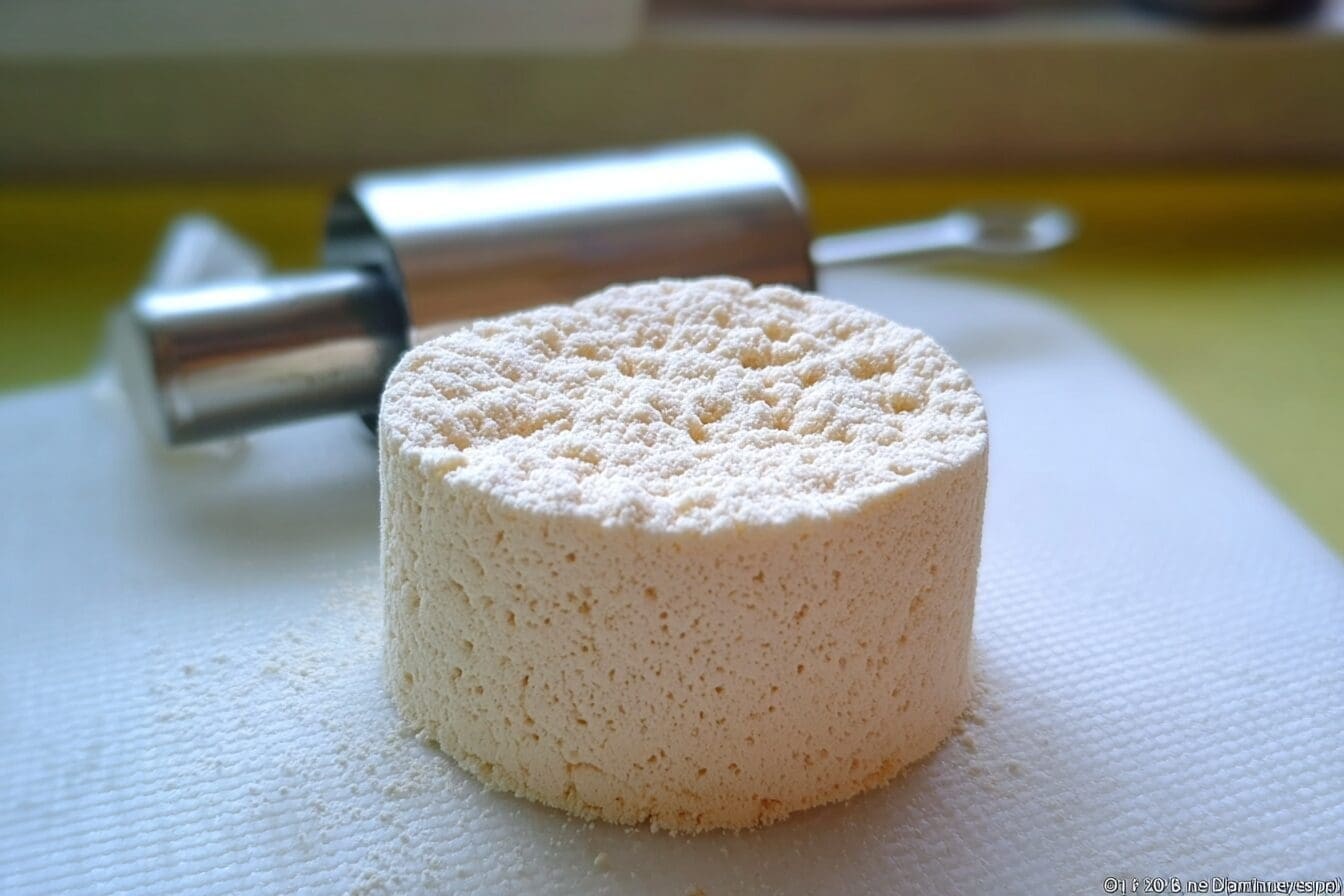
Next, press the mixture firmly into molds or small cups to form round or oval shapes, ensuring compactness for better texture retention, as done in the Filipino method. For the traditional Spanish version, bake the shaped polvoron at 160°C (320°F) for 15-20 minutes until done, whereas the Filipino version skips baking and involves wrapping in colorful paper or cellophane to retain freshness. Allow the polvoron to set at room temperature for about 30 minutes before serving, or refrigerate for a firmer bite, adjusting for dairy-free options as needed.
Dietary Substitutions to Customize Your Polvoron
Polvoron, a versatile treat from Spanish origins, can be tailored to various preferences while maintaining its crumbly texture made from flour, sugar, and fat. For those with lactose intolerance or vegan diets, replacing powdered milk with soy, almond, or oat milk powder keeps the creaminess intact. Using plant-based fats like coconut oil instead of butter or lard ensures the mixture binds well and results in the desired dry consistency.
Incorporate finely chopped nuts or seeds for added crunch and protein, enhancing the nutty flavor from almonds typical in traditional recipes. Experiment with natural flavorings such as vanilla extract or a pinch of cinnamon to vary the taste, drawing from variations that include peanuts or coconut. To adjust sweetness, opt for alternative sweeteners like agave syrup or erythritol, making it suitable for low-sugar diets and aligning with modern health-conscious choices.
Mastering Polvoron: Advanced Tips and Variations
| Technique | Description | Benefit |
|---|---|---|
| Toasting Flour | Toast rice flour slowly on low heat for enhanced nutty aroma. | Prevents burning and improves flavor, key in Filipino style. |
| Sifting Ingredients | Sift powdered milk and sugar to remove lumps. | Achieves a smoother texture for the crumbly shortbread. |
| Adding Variations | Incorporate ground sesame seeds or chocolate chips. | Enhances taste and texture with nuts like cashews or puffed rice. |
Polvoron, originating from Andalusia, benefits from pro cooking techniques such as slow toasting for a richer aroma without risk of burning. Flavor variations include adding toasted sesame seeds or crushed peanuts for a unique twist, building on its traditional base of flour, sugar, and milk powder. Presentation tips, like using decorative molds and dusting with powdered sugar, make it more appealing for gatherings, while individually wrapping in cellophane helps retain freshness as in Filipino customs.
Make-ahead options involve storing in airtight containers, extending shelf-life for busy families or travelers. For more dessert ideas, explore our chocolate chip cheesecake bars recipe, which pairs well with polvoron variations.
How to Store Polvoron: Best Practices
Proper storage maintains the crumbly texture of polvoron, made from ingredients like flour and fat, ensuring it remains fresh whether from Spanish or Filipino recipes. Store polvoron in an airtight container in the fridge for up to 2 weeks to prevent moisture absorption and preserve its powder-like consistency. Freezing is ideal for long-term needs, wrapping tightly in plastic and keeping for up to 3 months, then thawing in the refrigerator before serving.
Avoid reheating in the microwave as it can alter the soft, heavy feel; instead, let it reach room temperature for the best experience. For meal prep, divide into portions and package individually, making it easy for community events or picnics, reflecting its role as a portable treat in many cultures.
FAQs: Frequently Asked Questions About Polvoron
What is polvorón and what ingredients are used to make it?
Polvorón is a type of shortbread known for its heavy, soft, and crumbly texture that often crumbles into powder when eaten. Traditional recipes include flour, sugar, milk, and nuts like almonds. In Spain, it is commonly made with pork fat (manteca), while versions such as the Filipino polvorón use butter or powdered milk instead. The combination of these ingredients creates a sweet, melt-in-your-mouth treat enjoyed in many Spanish-speaking countries.
Where did polvorón come from originally?
Polvorón originated in Spain, specifically in the Andalusia region. It has a long history as a traditional Spanish sweet and later spread to Spanish-influenced countries where different variations developed. Its name comes from the Spanish word “polvo,” meaning powder, referencing its crumbly texture.
How does Filipino polvorón differ from the traditional Spanish version?
Filipino polvorón uses toasted flour, powdered milk, sugar, and sometimes nuts but does not include pork fat and is not baked. Instead, the mixture is compressed into molds, resulting in a dry, fine, powder-like consistency. Unlike the Spanish holiday treat, Filipino polvorón is a popular everyday snack.
Are polvorones only available during certain times of the year?
Traditionally, polvorones were made and consumed during September through January, often associated with holiday celebrations like Christmas. However, today they are widely available year-round in many countries, both in stores and homemade, reflecting their popularity as a sweet treat beyond festive seasons.
What is the difference between polvorón and mantecado cookies?
While both are types of Spanish shortbreads, polvorón specifically refers to the crumbly, powdery texture of the cookie, often made with pork fat. Mantecado is a broader category that includes various shortbreads, sometimes made with pork fat but not always. The terms are sometimes used interchangeably, but mantecado can also refer to a type of ice cream flavor in places like the Philippines and Puerto Rico.
Polvoron
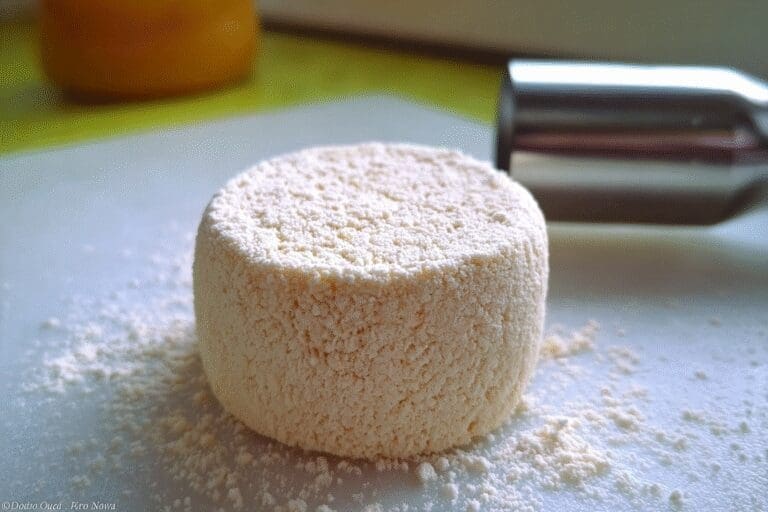
🍪 Polvorón offers a traditional, crumbly texture that melts in your mouth, making it a delightful classic Spanish treat.
🥜 Easy to customize with nuts and flavors, it’s perfect for celebrations or everyday enjoyment with simple ingredients.
- Total Time: 35 minutes
- Yield: 20-24 pieces
Ingredients
– 2 cups (240g) all-purpose flour Forms the foundation and contributes to the crumbly consistency.
– 1 cup (200g) granulated sugar Sweetens the mixture to enhance the overall taste.
– 1 cup (120g) powdered milk Adds creaminess and richness, providing protein and a smooth texture.
– 1 cup (225g) fat (such as lard, butter, or margarine) Binds the ingredients and creates the soft, crumbly feel, with lard from Iberian pig fat used in traditional Spanish versions.
– 1/2 cup (50g) ground almonds or other nuts Introduces a nutty flavor and extra texture, especially common in almond-focused recipes.
– 2 cups toasted rice flour Provides a nutty flavor and crunchy element, particularly in Filipino variations.
– 1/2 cup melted butter Helps bind the mix for softness, often used in place of lard for non-traditional versions.
Instructions
1-First, toast the rice flour or all-purpose flour in a dry pan over medium heat for about 5-7 minutes until it turns golden and fragrant, stirring continuously to avoid burning, as this step is crucial for the Filipino style.
2-In a mixing bowl, combine the toasted flour with powdered milk, sugar, and ground nuts, blending evenly to distribute flavors and create the base mixture.
3-Pour the melted fat, like butter or lard, into the dry mix and stir thoroughly until it reaches a crumbly but sticky consistency, which is key for shaping.
4-Next, press the mixture firmly into molds or small cups to form round or oval shapes, ensuring compactness for better texture retention, as done in the Filipino method.
5-For the traditional Spanish version, bake the shaped polvoron at 160°C (320°F) for 15-20 minutes until done, whereas the Filipino version skips baking and involves wrapping in colorful paper or cellophane to retain freshness.
6-Allow the polvoron to set at room temperature for about 30 minutes before serving, or refrigerate for a firmer bite, adjusting for dairy-free options as needed.
Last Step:
Please leave a rating and comment letting us know how you liked this recipe! This helps our business to thrive and continue providing free, high-quality recipes for you.Notes
🌰 Using ground almonds or other nuts adds a lovely nutty flavor and texture.
🔥 Be careful not to overbake Spanish polvorón to keep it crumbly, not hard.
🎁 Individually wrap each polvorón to keep them fresh longer and perfect for gifting.
- Prep Time: 15 minutes
- Cooling or Baking Time: 20 minutes
- Cook Time: 20 minutes
- Category: Snack, Dessert
- Method: Toasting, Mixing, Baking or Molding
- Cuisine: Spanish, Filipino
- Diet: Vegetarian
Nutrition
- Serving Size: 1 piece
- Calories: 150
- Sugar: 10g
- Sodium: 10mg
- Fat: 9g
- Saturated Fat: 4g
- Unsaturated Fat: 4g
- Trans Fat: 0g
- Carbohydrates: 15g
- Fiber: 1g
- Protein: 2g
- Cholesterol: 15mg


