

Why You’ll Love This shortbread cookies
- Ease of preparation: This shortbread cookies recipe is wonderfully simple, requiring just a handful of basic ingredients like butter, flour, and powdered sugar. The clear, step-by-step instructions make it accessible for bakers of all levels. With a total time of approximately 35 minutes, including prep and bake time, you can quickly have buttery, golden cookies ready to enjoy. The minimal mixing and chilling steps mean less hands-on time but delicious results.
- Health benefits: While indulgent, these shortbread cookies offer nutritional clarity with controlled ingredients. Made mostly from wholesome components, they provide essential fats from butter and moderate carbohydrates. You get a treat with about 130-168 calories per cookie, plus small amounts of protein, fiber, and vitamins like A, making them a satisfying snack without overdoing it. For detailed nutritional info, see this Shortbread Cookies Nutritional Information.
- Versatility: The shortbread cookies recipe is adaptable for many dietary preferences. Use vegan margarine or coconut oil instead of butter for a dairy-free version, swap all-purpose flour for gluten-free blends, or adjust sugar amounts to suit calorie-conscious diets. The straightforward dough also welcomes creative mix-ins like citrus zest or mini chocolate chips, making it ideal for personalization.
- Distinctive flavor: What truly makes these shortbread cookies stand out is their rich, buttery taste and perfectly crumbly texture that melts in the mouth. The optional vanilla extract adds a subtle warmth, enhancing the classic flavor that makes these cookies a timeless treat. Their buttery crispness pairs especially well with tea or coffee, ideal for cozy moments.
Jump to:
- Why You’ll Love This shortbread cookies
- Essential Ingredients for shortbread cookies
- Main Ingredients:
- Special Dietary Options:
- How to Prepare the Perfect shortbread cookies: Step-by-Step Guide
- First Step: Prepare Ingredients and Equipment
- Second Step: Cream Butter and Sugar
- Third Step: Incorporate Flour to Form Dough
- Fourth Step: Shape and Chill Dough
- Fifth Step: Roll and Cut Dough
- Sixth Step: Bake the Cookies
- Final Step: Cool and Store
- Dietary Substitutions to Customize Your shortbread cookies
- Protein and Main Component Alternatives
- Vegetable, Sauce, and Seasoning Modifications
- Mastering shortbread cookies: Advanced Tips and Variations
- How to Store shortbread cookies: Best Practices
- FAQs: Frequently Asked Questions About shortbread cookies
- How can I tell when my shortbread cookies are done baking?
- Why does my shortbread dough crumble and won’t stick together?
- Can I use salted butter instead of unsalted butter in shortbread recipes?
- How can I stop my shortbread cookies from spreading too much in the oven?
- Are there dairy-free options to make shortbread cookies?
- shortbread cookies
- Ingredients
- Instructions
- Last Step:
- Notes
- Nutrition
- Did you make this recipe?
Essential Ingredients for shortbread cookies
Main Ingredients:
- 10 tablespoons unsalted butter at room temperature (142g) or 1 cup softened butter – Provides the rich, creamy base and crumbly texture essential for authentic shortbread.
- 1/2 cup confectioners’ sugar (powdered sugar) – Sweetens the dough gently while keeping the cookies tender and soft on the palate. Can be increased to 3/4 cup based on sweetness preference.
- 1/2 teaspoon pure vanilla extract (optional) – Enhances the flavor depth, lifting the buttery notes with subtle aromatic warmth.
- 1 1/2 to 2 cups all-purpose flour (180g to 240g; unbleached recommended) – Creates structure and body. Proper flour measurement ensures ideal dough consistency and prevents spreading.
- 1/2 teaspoon kosher salt (optional; omit if using salted butter) – Balances sweetness and amplifies overall flavors when unsalted butter is used.
Special Dietary Options:
- Vegan: Use 1 cup of coconut oil or vegan margarine in place of butter to create a plant-based version with a slightly different texture but delicious flavor.
- Gluten-free: Substitute the all-purpose flour with a 1 to 1 gluten-free flour blend to make the shortbread suitable for gluten intolerance or celiac disease.
- Low-calorie: Mix light butter with applesauce or use light/margarine butter alternatives to reduce fat content while maintaining moistness and taste.
How to Prepare the Perfect shortbread cookies: Step-by-Step Guide
First Step: Prepare Ingredients and Equipment
Begin by gathering and measuring all ingredients precisely: 10 tablespoons of softened unsalted butter, 1/2 cup confectioners’ sugar, 1/2 teaspoon vanilla extract (optional), 1 1/2 to 2 cups all-purpose flour, and 1/2 teaspoon kosher salt if using unsalted butter. Set up your stand mixer fitted with the paddle attachment. Line a baking sheet with parchment paper or a silicone baking mat to prevent cookies from sticking during baking.
Second Step: Cream Butter and Sugar
Place the softened butter and vanilla extract into the mixer bowl. Beat on medium speed until creamy and smooth, around 2-3 minutes. Gradually add the confectioners’ sugar and salt, continuing to beat until fully incorporated. This step creates the rich base blending fat and sweetness, which is essential for the perfect shortbread texture.
Third Step: Incorporate Flour to Form Dough
Reduce mixer speed to low and slowly add all-purpose flour, starting with 1 1/2 cups and adding more if necessary. Mix until the dough forms a crumbly yet cohesive mass. If the dough is too crumbly to hold, gently warm it with your hands to help it bind together. At this point, for gluten-free modifications, swap in your preferred gluten-free flour blend following the same process.
Fourth Step: Shape and Chill Dough
Turn the dough out onto a lightly floured surface. Shape it into a rectangular prism or ball depending on your preferred cookie shape. Wrap tightly with plastic wrap and refrigerate for at least one hour. Chilling firms the dough, which helps the cookies retain shape while baking and improves texture. The dough can also be refrigerated up to one week or frozen for up to one month for make-ahead convenience.
Fifth Step: Roll and Cut Dough
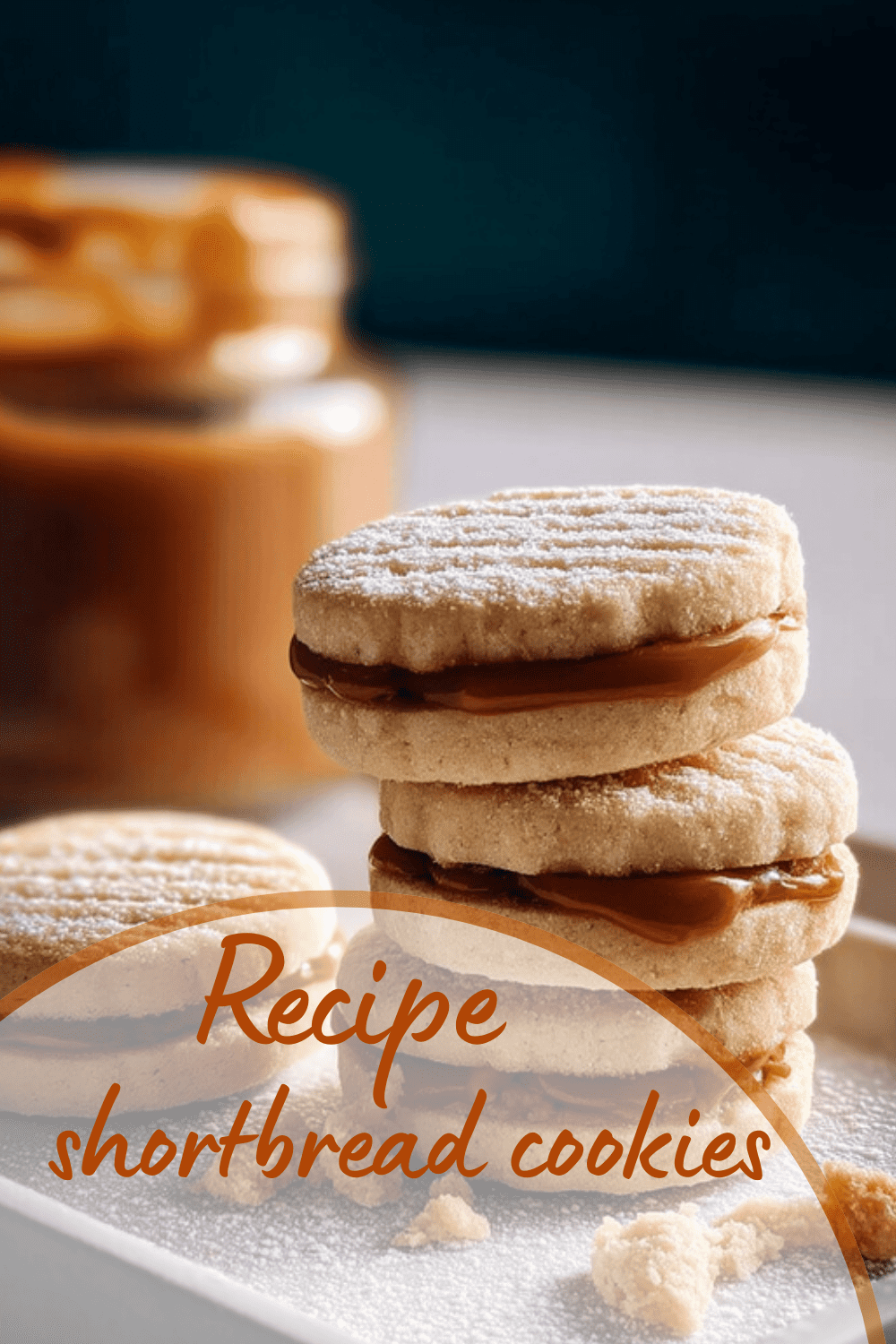
Preheat your oven to 325-350°F (163-177°C). Roll the chilled dough between sheets of parchment paper to about 1/3 to 1/2 inch thickness. Cut the dough into 1/2 inch thick slices or desired shapes such as 3-inch circles, rectangles, or festive forms. Alternatively, roll dough into small balls and flatten gently with a glass or fork for classic shortbread cookies. Pro tip: Use fork tines or a skewer to create decorative indentations on top for a charming presentation.
Sixth Step: Bake the Cookies
Arrange cookies on the prepared baking sheet, spacing them at least an inch apart to allow slight expansion. Bake for 10-15 minutes, rotating the baking sheet halfway for even color. Watch the bottom edges carefully they should turn pale golden brown when done. Baking time may vary slightly depending on your oven and cookie thickness.
Final Step: Cool and Store
Remove cookies from the oven and transfer to a wire rack to cool completely. This prevents sogginess and preserves the crumbly texture. Store cooled cookies in an airtight container at room temperature for up to 5 days or refrigerate up to 10 days. For longer storage, freeze baked cookies in freezer-safe containers for up to three months. Reheat briefly in a low oven before serving for a fresh-baked feel.
For more cookie baking inspiration and tips, check out our classic chocolate chip cookie recipe and our delightful Easter cookie bars.

Dietary Substitutions to Customize Your shortbread cookies
Protein and Main Component Alternatives
- Swap unsalted butter with vegan margarine or solid coconut oil for a dairy-free, plant-based alternative appropriate for vegans or dairy allergies.
- Replace all-purpose flour with a gluten-free flour blend like rice flour or almond flour to accommodate gluten intolerance, ensuring the blend is suitable for baking to maintain texture.
- Add plant-based protein powders formulated for baking to the dough if looking to boost protein content while maintaining the cookie’s signature crumbly character.
Vegetable, Sauce, and Seasoning Modifications
- Enhance flavor by adding citrus zest such as lemon or orange for a fresh twist that complements the buttery base.
- Use natural sweeteners like maple syrup or agave nectar in place of confectioners’ sugar for alternative healthful sweetening options.
- Experiment with warm spices like cinnamon, nutmeg, or cardamom to create seasonal or unique flavor profiles that personalize your shortbread cookies further.
Mastering shortbread cookies: Advanced Tips and Variations
- Pro cooking techniques: Always chill your dough before baking to reduce spreading and enhance the crumbly, melt-in-your-mouth texture. Using unbleached flour and proper measuring methods will guarantee consistent dough quality every time.
- Flavor variations: Try adding finely chopped toasted nuts like almonds or pecans, citrus zest, or extracts such as almond or orange blossom for an elevated but still classic flavor profile. Mini chocolate chips or a light dusting of cinnamon sugar can add delightful contrast.
- Presentation tips: Dust baked cookies with additional powdered sugar or drizzle melted chocolate on cooled cookies for a festive look. Consider arranging them with fresh berries and tea for an elegant serving experience.
- Make-ahead options: Portion and freeze raw dough in plastic wrap or airtight containers, allowing you to bake fresh shortbread cookies on demand, perfect for busy schedules or unexpected guests.
How to Store shortbread cookies: Best Practices
| Storage Method | Guidelines | Duration |
|---|---|---|
| Refrigeration | Store baked shortbread cookies in an airtight container at room temperature or in the fridge to maintain freshness and texture. | Up to 5 days at room temp, 10 days refrigerated |
| Freezing | Place fully cooled cookies in freezer-safe bags or containers, separating layers with parchment paper to prevent sticking. | Up to 3 months |
| Reheating | Warm frozen or refrigerated cookies in a low oven (about 300°F/150°C) for 5 minutes to revive crispness without drying out. | Just before serving |
| Meal Prep Considerations | Bake in batches and store properly to enjoy freshly baked shortbread cookies over time. Frozen dough portions can be baked as needed for convenience. | Varies based on prep method |
FAQs: Frequently Asked Questions About shortbread cookies
How can I tell when my shortbread cookies are done baking?
Shortbread cookies are done when the edges and the bottom start to turn a light golden color. The cookies should be firm to the touch but still slightly soft in the center, as they will continue to set while cooling. Be careful not to overbake, or the cookies may become too hard. If you prefer a crunchier texture, you can leave them in the oven for a few extra minutes until the color deepens.
Why does my shortbread dough crumble and won’t stick together?
Crumbly dough usually means the butter isn’t soft enough or the flour measurement was off. Use room temperature butter to help the dough bind better. Also, try gently warming the dough with your hands to soften it, which makes it easier to press together. If rolling out is difficult, you can press the dough into shape with your fingers or form balls and flatten them before baking.
Can I use salted butter instead of unsalted butter in shortbread recipes?
Yes, you can use salted butter, but you should reduce or omit any additional salt called for in the recipe to avoid making the cookies too salty. Different brands of salted butter contain varying salt amounts, so adjusting the extra salt gives you more control over the final flavor.
How can I stop my shortbread cookies from spreading too much in the oven?
Excessive spreading usually means there’s not enough flour in the dough or the dough is too warm. Make sure to measure flour accurately by spooning it into your measuring cup and leveling it off. If needed, add a bit more flour to firm up the dough. Also, chilling the dough for 30 minutes before baking can help the cookies keep their shape during baking.
Are there dairy-free options to make shortbread cookies?
Yes, you can make dairy-free shortbread cookies by substituting butter with plant-based fats like coconut oil. The texture will be slightly different, often crumblier and less rich, but still tasty. Coconut oil provides a subtle flavor and works well as a vegan alternative for those with dairy allergies or dietary preferences.

shortbread cookies
🍪 Delightful buttery shortbread cookies that melt in your mouth, perfect for a tea-time treat.
🍪 Simple and classic flavors with a hint of vanilla and a touch of personalization with your favorite add-ins.
- Total Time: Approximately 35 minutes + 1 hour chill time
- Yield: About 16 medium cookies
Ingredients
– 10 tablespoons unsalted butter at room temperature
– 1 cup softened butter
– 1/2 cup confectioners’ sugar
– 1/2 teaspoon pure vanilla extract
– 1 1/2 to 2 cups all-purpose flour
– 1/2 teaspoon kosher salt
– 1 cup coconut oil
– vegan margarine
– 1 to 1 gluten-free flour blend
– light butter
– applesauce
Instructions
1-First Step: Prepare Ingredients and Equipment
Begin by gathering and measuring all ingredients precisely: 10 tablespoons of softened unsalted butter, 1/2 cup confectioners’ sugar, 1/2 teaspoon vanilla extract (optional), 1 1/2 to 2 cups all-purpose flour, and 1/2 teaspoon kosher salt if using unsalted butter. Set up your stand mixer fitted with the paddle attachment. Line a baking sheet with parchment paper or a silicone baking mat to prevent cookies from sticking during baking.
2-Second Step: Cream Butter and Sugar
Place the softened butter and vanilla extract into the mixer bowl. Beat on medium speed until creamy and smooth, around 2-3 minutes. Gradually add the confectioners’ sugar and salt, continuing to beat until fully incorporated. This step creates the rich base blending fat and sweetness, which is essential for the perfect shortbread texture.
3-Third Step: Incorporate Flour to Form Dough
Reduce mixer speed to low and slowly add all-purpose flour, starting with 1 1/2 cups and adding more if necessary. Mix until the dough forms a crumbly yet cohesive mass. If the dough is too crumbly to hold, gently warm it with your hands to help it bind together. At this point, for gluten-free modifications, swap in your preferred gluten-free flour blend following the same process.
4-Fourth Step: Shape and Chill Dough
Turn the dough out onto a lightly floured surface. Shape it into a rectangular prism or ball depending on your preferred cookie shape. Wrap tightly with plastic wrap and refrigerate for at least one hour. Chilling firms the dough, which helps the cookies retain shape while baking and improves texture. The dough can also be refrigerated up to one week or frozen for up to one month for make-ahead convenience.
5-Fifth Step: Roll and Cut Dough
Preheat your oven to 325-350°F (163-177°C). Roll the chilled dough between sheets of parchment paper to about 1/3 to 1/2 inch thickness. Cut the dough into 1/2 inch thick slices or desired shapes such as 3-inch circles, rectangles, or festive forms. Alternatively, roll dough into small balls and flatten gently with a glass or fork for classic shortbread cookies. Pro tip: Use fork tines or a skewer to create decorative indentations on top for a charming presentation.
6-Sixth Step: Bake the Cookies
Arrange cookies on the prepared baking sheet, spacing them at least an inch apart to allow slight expansion. Bake for 10-15 minutes, rotating the baking sheet halfway for even color. Watch the bottom edges carefully they should turn pale golden brown when done. Baking time may vary slightly depending on your oven and cookie thickness.
7-Final Step: Cool and Store
Remove cookies from the oven and transfer to a wire rack to cool completely. This prevents sogginess and preserves the crumbly texture. Store cooled cookies in an airtight container at room temperature for up to 5 days or refrigerate up to 10 days. For longer storage, freeze baked cookies in freezer-safe containers for up to three months. Reheat briefly in a low oven before serving for a fresh-baked feel.
Last Step:
Please leave a rating and comment letting us know how you liked this recipe! This helps our business to thrive and continue providing free, high-quality recipes for you.Notes
🧈 Use softened unsalted or lightly salted butter; if salted, reduce extra salt in dough accordingly.
🔧 Powdered sugar creates a softer texture, but granulated sugar may also be used.
🍪 Vanilla extract enhances flavor but can be omitted for classic taste.
- Prep Time: 15-20 minutes
- Chill Time: 1 hour
- Cook Time: 10-15 minutes
- Category: Dessert
- Method: Baking
- Cuisine: Scottish
- Diet: Vegetarian
Nutrition
- Serving Size: 1 cookie
- Calories: 130-168 kcal
- Sugar: 4-7g
- Sodium: 68-109mg
- Fat: 8-9.8g
- Saturated Fat: 2.9-5g
- Unsaturated Fat: 3.5-4.8g (calculated by subtracting saturated fat from total fat)
- Trans Fat: 0g
- Carbohydrates: 14-18.3g
- Fiber: 0.6-1g
- Protein: 1-1.6g
- Cholesterol: 13.6-20mg


Absolutely loved these cookies! 🥰 I added a hint of lemon zest to the dough, and it added a wonderful pop of flavor. Definitely a keeper in my recipe book! Thank you for sharing.