

Why You’ll Love This Pesto Pasta Shrimp Asparagus
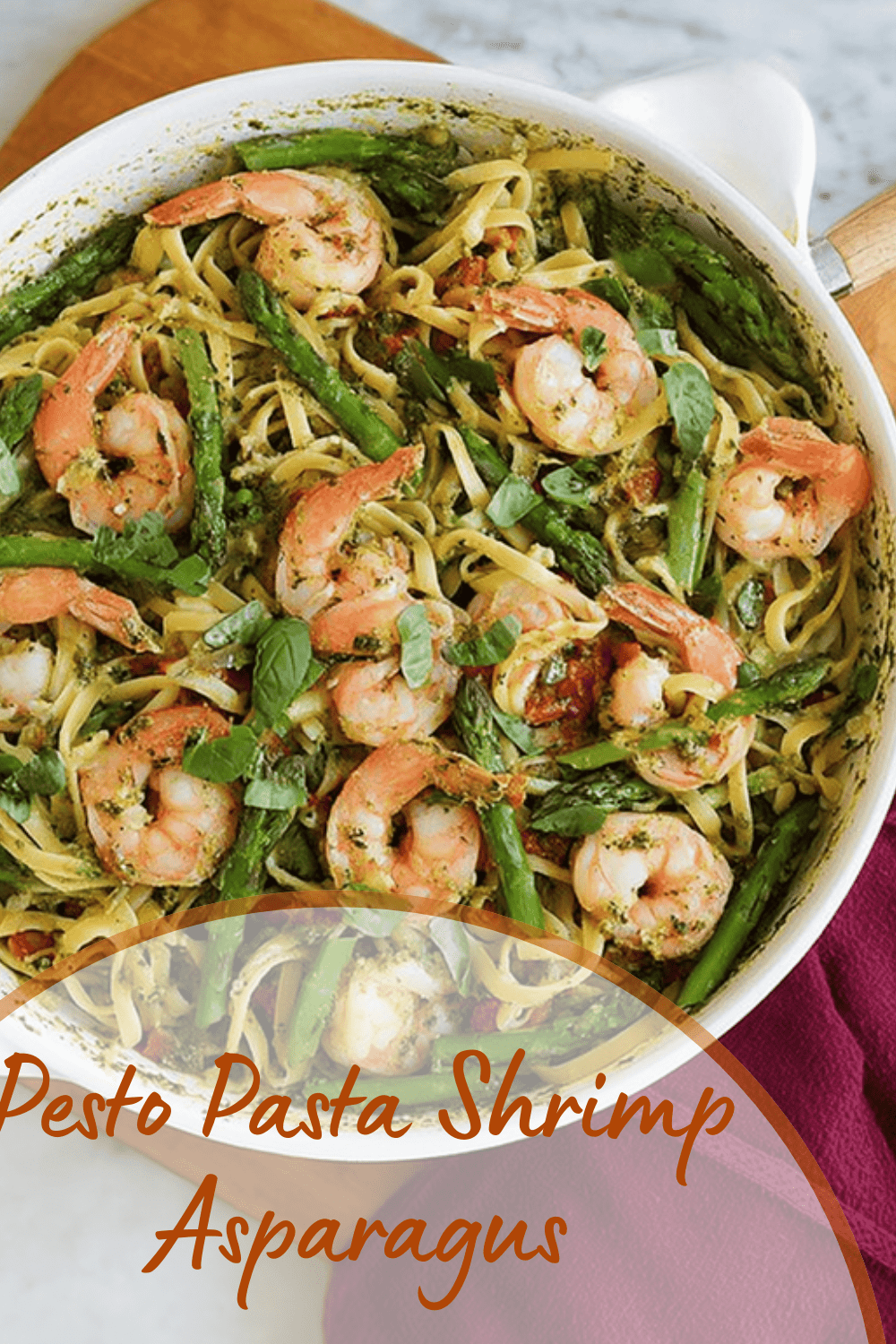
You know how life gets busy, right? Between work, family, and all those community gatherings, who has time for a complicated meal? Well, let me share why this pesto pasta shrimp asparagus recipe is a total game-changer it comes together in a flash and packs flavors that make every bite feel like a hug from your favorite aunt. Imagine juicy shrimp dancing with crisp asparagus in a basil-packed pesto, all tossed with pasta for that perfect mix of fresh and hearty. It’s not just food; it’s an easy way to bring people together, whether you’re dishing it up at a potluck or a quick family dinner.
This dish stands out because it’s quick and simple, perfect for busy parents or anyone juggling a full schedule. With health benefits like protein from shrimp and vitamins from asparagus, it’s a smart choice for diet-conscious folks looking to feel good about what they’re eating. Plus, its versatility means you can tweak it for different tastes or dietary needs, making it a hit with food enthusiasts and community organizers alike. I’m telling you, once you try this pesto pasta shrimp asparagus, it’ll become your go-to for those memorable moments around the table.
Let me paint a picture last summer, I whipped this up for a neighborhood picnic, and folks were raving about how it travels so well without losing that fresh zing. The blend of ingredients creates a distinctive flavor that’s far from ordinary pasta dishes, elevating your everyday meal into something special. Whether you’re a student short on time or a senior wanting something light yet satisfying, this recipe checks all the boxes for ease, nutrition, and fun.
Key Benefits at a Glance
- Quick prep: Ready in under 30 minutes, ideal for busy weeknights.
- Nutrient-packed: Shrimp and asparagus deliver protein, vitamins, and antioxidants for a wholesome boost.
- Easy adaptations: Swap ingredients to fit gluten-free, vegan, or low-calorie lifestyles seamlessly.
- Memorable taste: The fresh pesto ties everything together with a burst of herbs and citrus that keeps things exciting.
Trust me, this pesto pasta shrimp asparagus isn’t just another recipe; it’s one that brings joy to cooking and sharing. If you’re into meals that nurture both body and soul, like those hearty casseroles or pasta salads on my blog, you’ll find this one fits right in.
Jump to:
- Why You’ll Love This Pesto Pasta Shrimp Asparagus
- Key Benefits at a Glance
- Essential Ingredients for Pesto Pasta Shrimp Asparagus
- For the Pesto:
- For the Pasta:
- How to Prepare the Perfect Pesto Pasta Shrimp Asparagus: Step-by-Step Guide
- Dietary Substitutions to Customize Your Pesto Pasta Shrimp Asparagus
- Mastering Pesto Pasta Shrimp Asparagus: Advanced Tips and Variations
- How to Store Pesto Pasta Shrimp Asparagus: Best Practices
- FAQs: Frequently Asked Questions About Pesto Pasta Shrimp Asparagus
- Can I substitute pine nuts with another nut in pesto pasta shrimp asparagus?
- Is it possible to make this recipe using only basil instead of parsley?
- What can I use instead of shrimp in pesto pasta with asparagus?
- Which types of pasta work best in a pesto pasta with shrimp and asparagus?
- How can I turn pesto pasta shrimp asparagus into a family-friendly meal?
- Pesto Pasta Shrimp Asparagus
- Ingredients
- Instructions
- Last Step:
- Notes
- Nutrition
- Did you make this recipe?
Essential Ingredients for Pesto Pasta Shrimp Asparagus
When it comes to making pesto pasta shrimp asparagus, the right ingredients make all the difference. They turn simple pantry staples into a dish that’s both nutritious and delicious. Let’s break down what you’ll need, pulling from a reliable recipe that’s all about fresh, vibrant flavors. I’ll lay it out clearly so you can shop smart and get cooking without any guesswork.
This recipe focuses on quality basics that highlight the natural tastes of shrimp, asparagus, and homemade pesto. For the pesto part, we’re using fresh herbs and nuts to create that creamy, garlicky goodness. On the pasta side, it’s all about balancing proteins and veggies for a well-rounded meal. Here’s the full list, formatted for easy reference remember, precise measurements help you nail the perfect balance every time.
For the Pesto:
- 2 cups fresh basil leaves, packed
- 1 cup fresh parsley leaves, packed (or substitute with more basil)
- 1/2 cup shredded Parmesan cheese
- 1/3 cup pine nuts, toasted or untoasted
- 1 large garlic clove
- 1/2 teaspoon salt
- 1/4 teaspoon black pepper
- 1/2 cup extra virgin olive oil
For the Pasta:
- 12 ounces dry linguine pasta
- 1 bunch asparagus (approx. 1 pound), tough ends trimmed and discarded, remaining stalks diced into 1-2 inch pieces
- 1 pound peeled and deveined shrimp
- 2 tablespoons extra virgin olive oil (for cooking shrimp)
- 2 tablespoons fresh lemon juice
- Salt and black pepper to taste (for shrimp and pasta)
Beyond the basics, you can explore special dietary options to make this pesto pasta shrimp asparagus work for everyone. For instance, go vegan by swapping Parmesan with nutritional yeast and shrimp with marinated tofu. If gluten’s a concern, pick gluten-free pasta like rice varieties. For a lower-calorie twist, use less oil in the pesto or swap pasta for spiralized veggies. Hey, if you’re looking for more seafood inspiration, check out our BBQ shrimp recipe for another easy favorite.
How to Prepare the Perfect Pesto Pasta Shrimp Asparagus: Step-by-Step Guide
Ready to dive into making this pesto pasta shrimp asparagus? It’s simpler than you might think, and I’ll walk you through it like we’re chatting in the kitchen. Start with gathering your ingredients, then follow these straightforward steps for a meal that comes together in about 35 minutes. This guide uses fresh, wholesome components to create a dish that’s as fun to make as it is to eat.
First, make the pesto by blending those fresh herbs and nuts in a food processor until smooth that’s your flavor base. While that’s prepping, boil the pasta and cook the shrimp and asparagus separately for the best texture. Combining everything at the end ensures the pesto coats everything perfectly. If you’ve tried other pasta dishes on my site, like our classic cacio e pepe, you’ll see how these steps build on that simplicity.
- Make the Pesto: In a food processor, combine 2 cups fresh basil leaves, 1 cup fresh parsley leaves, 1/2 cup shredded Parmesan cheese, 1/3 cup pine nuts, 1 large garlic clove, 1/2 teaspoon salt, and 1/4 teaspoon black pepper. Pulse until finely chopped, then slowly pour in 1/2 cup extra virgin olive oil until smooth. Set aside.
- Cook Pasta: Bring a large pot of salted water to a boil. Add 12 ounces dry linguine and cook according to package directions until al dente. Before draining, reserve about 1/3 cup of the pasta cooking water. Drain the pasta.
- Cook Asparagus: Steam the diced asparagus pieces until crisp-tender, about 4-6 minutes. Alternatively, sauté in 1 tablespoon olive oil over medium heat until tender. Set aside.
- Cook Shrimp: Pat 1 pound peeled and deveined shrimp dry and season with salt and pepper. Heat 2 tablespoons extra virgin olive oil in a large skillet over medium-high heat. Add the shrimp in a single layer and cook until opaque and pink, about 3-4 minutes. Pour 2 tablespoons fresh lemon juice over the shrimp and toss to coat. Remove from heat.
- Combine: Add the cooked linguine and steamed asparagus to the skillet with the shrimp. Toss gently to combine, seasoning with salt and pepper to taste. Let it cool for about 1 minute.
- Finish with Pesto: Stir the prepared pesto into the pasta mixture until well coated. If it’s too thick, add reserved pasta water one tablespoon at a time until you reach the desired consistency.
- Serve: Dish it up immediately for the best flavor.
There you have it a straightforward way to create a pesto pasta shrimp asparagus that’s sure to impress. I remember the first time I made this; my family couldn’t stop going back for seconds, and it’s become our picnic staple. For more tips on pasta prep, keep an eye on how this method keeps things light and fresh.

Dietary Substitutions to Customize Your Pesto Pasta Shrimp Asparagus
One of the best parts about this pesto pasta shrimp asparagus is how flexible it is everyone has different needs, and this recipe adapts like a champ. Whether you’re avoiding certain ingredients or just want to mix things up, small changes can make it your own. Let’s look at some easy swaps that keep the dish tasty and inclusive.
For protein alternatives, swap the shrimp with grilled chicken or seared scallops if you prefer something different. If you’re going vegetarian or vegan, marinated tofu or chickpeas work wonders as replacements. On the veggie side, trade asparagus for zucchini or green beans based on what’s in season, and play with pesto by using arugula instead of basil for a peppery twist.
- Protein options: Grilled chicken breasts or seared scallops for a seafood variation.
- Vegan swaps: Use marinated tofu, tempeh, or chickpeas to keep it plant-based.
- Veggie changes: Zucchini, green beans, or snap peas in place of asparagus.
- Sauce tweaks: Try kale pesto or add chili flakes for a bit of heat.
These adjustments ensure your pesto pasta shrimp asparagus fits various diets without losing its charm. For instance, if you’re watching calories, reducing oil or using veggie noodles can lighten it up nicely.
Mastering Pesto Pasta Shrimp Asparagus: Advanced Tips and Variations
Once you’ve got the basics down, it’s time to level up your pesto pasta shrimp asparagus game. These pro tips will help you refine your technique and add some flair. Think of it as turning a simple weeknight dinner into something you’d serve at a gathering.
For starters, toasting those pine nuts brings out a deeper flavor that makes the pesto pop. When cooking shrimp, patting them dry first gives a nicer sear, locking in that juicy texture. You can experiment with additions like sun-dried tomatoes for a tangy kick or roasted red peppers for sweetness.
When I first tried toasting the pine nuts, it was a game-changer suddenly, the pesto had this rich, nutty depth that my family loved. It’s those little tricks that make cooking feel rewarding.
- Pro techniques: Toast pine nuts for better flavor and dry shrimp before searing.
- Flavor ideas: Mix in sun-dried tomatoes or roasted red peppers for variety.
- Presentation: Top with fresh basil and a drizzle of olive oil for a polished look.
- Make-ahead: Prep pesto ahead and store it; reheat components quickly on busy days.
How to Store Pesto Pasta Shrimp Asparagus: Best Practices
Leftovers of your pesto pasta shrimp asparagus don’t have to go to waste with the right storage, they stay fresh and tasty. Proper handling keeps the flavors intact, making it easy for meal prep or next-day lunches. Let’s cover the essentials so your dish remains enjoyable.
Store in the fridge for up to 3 days in airtight containers to keep everything moist and flavorful. For longer storage, freeze the pasta and sauce separately to avoid sogginess. When reheating, use low heat with a bit of water to maintain that perfect consistency.
| Storage Method | Duration | Tips |
|---|---|---|
| Refrigeration | Up to 3 days | Use airtight containers and consume soon for best taste. |
| Freezing | Up to 2 months | Freeze components separately and thaw in the fridge overnight. |
| Reheating | N/A | Gently warm in a skillet with a splash of water to keep it from drying out. |
This approach makes pesto pasta shrimp asparagus a great option for planning ahead, especially for working professionals or families on the go.
FAQs: Frequently Asked Questions About Pesto Pasta Shrimp Asparagus
Can I substitute pine nuts with another nut in pesto pasta shrimp asparagus?
Yes, you can substitute pine nuts with chopped walnuts, almonds, or cashews in the pesto. These nuts provide a similar texture and flavor profile. If you have a nut allergy, simply omit the nuts from the pesto without affecting the overall taste much.
Is it possible to make this recipe using only basil instead of parsley?
Absolutely. If you prefer or only have basil, you can replace the fresh parsley entirely with basil leaves in the pesto. This will give the dish a more traditional basil pesto flavor while still complementing the shrimp and asparagus well.
What can I use instead of shrimp in pesto pasta with asparagus?
You can substitute shrimp with diced chicken breast or firm tofu if you want a different protein. For chicken, cook it thoroughly until no longer pink inside. Tofu should be pressed to remove excess moisture and pan-fried until golden. Both alternatives pair nicely with the pesto and asparagus.
Which types of pasta work best in a pesto pasta with shrimp and asparagus?
Long, thicker pasta shapes like fettuccine, tagliatelle, or spaghetti hold up well alongside the shrimp and asparagus. These pastas can carry the pesto sauce effectively. Avoid very thin pasta like angel hair, as it may get lost among the ingredients.
How can I turn pesto pasta shrimp asparagus into a family-friendly meal?
To make this dish kid-friendly, reduce the spice by using milder garlic amounts and remove any overly strong herbs. You can also cut the shrimp into smaller pieces and slightly undercook the asparagus for a tender texture. Pairing it with a side of grated Parmesan can appeal to children’s tastes.

Pesto Pasta Shrimp Asparagus
🍤 This Shrimp Pesto Pasta with Fresh Asparagus Recipe combines succulent shrimp and tender asparagus with a vibrant homemade pesto for a nutritious and flavorful meal.
🌿 Fresh herbs and simple ingredients come together quickly, making this dish perfect for a wholesome weeknight dinner.
- Total Time: 35 minutes
- Yield: 4 servings 1x
Ingredients
2 cups fresh basil leaves, packed
1 cup fresh parsley leaves, packed (or substitute with more basil)
1/2 cup shredded Parmesan cheese
1/3 cup pine nuts, toasted or untoasted
1 large garlic clove
1/2 teaspoon salt
1/4 teaspoon black pepper
1/2 cup extra virgin olive oil
12 ounces dry linguine pasta
1 bunch asparagus (approx. 1 pound), tough ends trimmed and discarded, remaining stalks diced into 1-2 inch pieces
1 pound peeled and deveined shrimp
2 tablespoons extra virgin olive oil for cooking shrimp
2 tablespoons fresh lemon juice
Salt and black pepper to taste for shrimp and pasta
Instructions
1-Make the Pesto: In a food processor, combine 2 cups fresh basil leaves, 1 cup fresh parsley leaves, 1/2 cup shredded Parmesan cheese, 1/3 cup pine nuts, 1 large garlic clove, 1/2 teaspoon salt, and 1/4 teaspoon black pepper. Pulse until finely chopped, then slowly pour in 1/2 cup extra virgin olive oil until smooth. Set aside.
2-Cook Pasta: Bring a large pot of salted water to a boil. Add 12 ounces dry linguine and cook according to package directions until al dente. Before draining, reserve about 1/3 cup of the pasta cooking water. Drain the pasta.
3-Cook Asparagus: Steam the diced asparagus pieces until crisp-tender, about 4-6 minutes. Alternatively, sauté in 1 tablespoon olive oil over medium heat until tender. Set aside.
4-Cook Shrimp: Pat 1 pound peeled and deveined shrimp dry and season with salt and pepper. Heat 2 tablespoons extra virgin olive oil in a large skillet over medium-high heat. Add the shrimp in a single layer and cook until opaque and pink, about 3-4 minutes. Pour 2 tablespoons fresh lemon juice over the shrimp and toss to coat. Remove from heat.
5-Combine: Add the cooked linguine and steamed asparagus to the skillet with the shrimp. Toss gently to combine, seasoning with salt and pepper to taste. Let it cool for about 1 minute.
6-Finish with Pesto: Stir the prepared pesto into the pasta mixture until well coated. If it’s too thick, add reserved pasta water one tablespoon at a time until you reach the desired consistency.
7-Serve: Dish it up immediately for the best flavor.
Last Step:
Please leave a rating and comment letting us know how you liked this recipe! This helps our business to thrive and continue providing free, high-quality recipes for you.Notes
🍋 Use freshly squeezed lemon juice for the best flavor.
🥦 Asparagus can be sautéed instead of steamed for different texture.
🌰 Walnuts can substitute pine nuts; omit nuts if allergic.
- Prep Time: 15 minutes
- Cook Time: 20 minutes
- Category: Main Dish
- Method: Boiling and sautéing
- Cuisine: Italian
Nutrition
- Serving Size: 1 serving
- Calories: 539
- Sugar: 3g
- Sodium: 227mg
- Fat: 25g
- Saturated Fat: 4g
- Carbohydrates: 47g
- Fiber: 4g
- Protein: 28g
- Cholesterol: 232mg


