

Why You’ll Love This cacio e pepe
- Ease of preparation: Cacio e pepe is a beautifully simple pasta dish that comes together in under 20 minutes with just a few pantry staples. Its straightforward cooking process makes it perfect for busy weeknights or when you want a comforting Italian meal without fussing over dozens of ingredients.
- Health benefits: This cacio e pepe recipe relies on a small number of wholesome ingredients including pasta, Pecorino Romano cheese, and freshly cracked black pepper. The dish offers protein and calcium from the cheese and easily fits into a balanced diet when enjoyed in moderate portions, making it a sensible yet satisfying choice.
- Versatility: Cacio e pepe is wonderfully adaptable. It suits gluten-free diners by using alternative pasta, and can be modified for lower-calorie or vegetarian diets by adjusting cheese quantities or substituting pasta types. Its minimalist yet flavorful style lends well to creative add-ins without losing its traditional charm.
- Distinctive flavor: The magic of cacio e pepe lies in its balance of sharp, salty Pecorino Romano and the vibrant heat of freshly ground black pepper, all tossed into al dente pasta with a silky sauce made from pasta water and cheese. This distinctive, peppery flavor profile makes it a memorable classic that stands apart from more complex dishes.
Jump to:
- Why You’ll Love This cacio e pepe
- Essential Ingredients for cacio e pepe
- Special Dietary Options:
- How to Prepare the Perfect cacio e pepe: Step-by-Step Guide
- First Step: Cook the Pasta
- Second Step: Toast the Black Pepper
- Third Step: Create the Sauce Base
- Fourth Step: Combine Pasta and Cheese
- Fifth Step: Adjust to Taste and Texture
- Final Step: Serve Immediately
- Dietary Substitutions to Customize Your cacio e pepe
- Protein and Main Component Alternatives
- Vegetable, Sauce, and Seasoning Modifications
- Mastering cacio e pepe: Advanced Tips and Variations
- How to Store cacio e pepe: Best Practices
- FAQs: Frequently Asked Questions About cacio e pepe
- What is cacio e pepe and what are its main ingredients?
- How can I stop the cheese from clumping when making cacio e pepe?
- Can I substitute Pecorino Romano cheese in cacio e pepe?
- Is cacio e pepe a gluten-free dish?
- What are good side dishes to serve with cacio e pepe?
- cacio e pepe
- Ingredients
- Instructions
- Last Step:
- Notes
- Nutrition
- Did you make this recipe?
Essential Ingredients for cacio e pepe
- 12 ounces (340 g) spaghetti or tonnarelli pasta – the traditional choice for this dish, providing the perfect canvas for the creamy sauce.
- 1 ½ cups (150 g) finely grated Pecorino Romano cheese – delivers the sharp, salty flavor essential to authentic cacio e pepe.
- 2 teaspoons freshly cracked black pepper – the source of the distinctive warm, pungent spice that defines the dish.
- 1 tablespoon unsalted butter (optional) – used in some variations to create a silkier texture.
- Salt – for seasoning the pasta water to enhance overall flavor.
Special Dietary Options:
- Vegan: Substitute Pecorino Romano with nutritional yeast or vegan cheese alternatives and use gluten-free pasta for a plant-based, allergy-friendly version.
- Gluten-free: Use certified gluten-free spaghetti or an alternative pasta like rice or chickpea-based noodles.
- Low-calorie: Reduce cheese quantity and use whole wheat or vegetable-based pasta for added fiber and nutrients.
How to Prepare the Perfect cacio e pepe: Step-by-Step Guide
First Step: Cook the Pasta
Bring a large pot of salted water to a boil. Add the spaghetti or tonnarelli pasta and cook until just al dente according to package instructions, usually 8-10 minutes. Reserve about 1 ½ cups of the starchy pasta water before draining, as this water is crucial for creating the creamy cacio e pepe sauce.
Second Step: Toast the Black Pepper
While the pasta cooks, heat a large skillet over medium heat. Add the freshly cracked black pepper to the dry skillet and toast for about 1 minute until fragrant, which intensifies its flavor. Optional butter can be added here to add richness and help melt the cheese later.
Third Step: Create the Sauce Base
Add about ½ cup of the reserved pasta water to the skillet with black pepper and bring to a simmer. This warm water will help dissolve the cheese and distribute the pepper’s flavor evenly throughout the dish.
Fourth Step: Combine Pasta and Cheese
Immediately add the drained pasta to the skillet, tossing to coat. Gradually sprinkle in the finely grated Pecorino Romano cheese, continuously stirring and tossing vigorously to avoid clumps and to create a smooth, creamy sauce. If the sauce seems too thick, add more reserved pasta water a little at a time until the desired consistency is reached.
Fifth Step: Adjust to Taste and Texture
Taste and adjust seasoning if needed. The key to a great cacio e pepe is balancing the sharpness of the cheese with the heat of the pepper and the silkiness of the sauce. Adding a pinch more cheese or pepper here can customize it to your liking.
Final Step: Serve Immediately
Transfer the cacio e pepe to serving plates. Garnish with a little extra cracked black pepper and Pecorino cheese for presentation and an added flavor boost. Serve hot for the best creamy texture and flavor release.
“The secret to perfect cacio e pepe is the reserved pasta water it’s the glue that binds the cheese and pepper into a luscious, silky sauce.”
For more comforting pasta dishes that are quick and delicious, check out our Creamy Italian Sausage Gnocchi Soup.
Dietary Substitutions to Customize Your cacio e pepe
Protein and Main Component Alternatives
- Omit cheese or replace Pecorino Romano with vegan cheese or nutritional yeast for dairy-free versions.
- Use gluten-free spaghetti or chickpea-based pasta to accommodate gluten sensitivities.
- For added protein, serve with grilled chicken or shrimp on the side or mix in sautéed mushrooms to keep it vegetarian.
Vegetable, Sauce, and Seasoning Modifications
- Add steamed broccoli or spinach to introduce fresh, nutrient-dense vegetables.
- Incorporate herbs such as parsley or basil to freshen the dish.
- Enhance the pepper flavor by mixing in white pepper or crushed red pepper flakes for a spicier version.
- Swap butter for olive oil to soften the dish if preferred, or omit it for a lighter sauce.
Mastering cacio e pepe: Advanced Tips and Variations
- Pro cooking techniques: Use finely grated Pecorino cheese and ensure the pasta water is hot to avoid grainy cheese clumps. Toss pasta vigorously off-heat to form a smooth sauce.
- Flavor variations: Add a touch of garlic sautéed gently before toasting pepper, or finish with lemon zest for brightness.
- Presentation tips: Serve cacio e pepe in shallow plates sprinkled generously with cracked pepper and extra cheese. Pair with crusty bread to sop up leftovers.
- Make-ahead options: While best served fresh, you can cook pasta ahead slightly underdone, then reheat gently with sauce to maintain texture.
How to Store cacio e pepe: Best Practices
| Storage Method | Guidelines | Notes |
|---|---|---|
| Refrigeration | Store leftovers in airtight containers within 2 hours of cooking | Consume within 2 days to maintain texture and flavor |
| Freezing | Freezing not recommended due to sauce texture changes | Best to prepare fresh or refrigerate short-term |
| Reheating | Gently reheat in a skillet with small amounts of water or broth | Avoid microwave reheating which can cause clumping |
| Meal prep | Prepare pasta al dente and cheese mixture separately | Combine just before serving for optimal quality |
FAQs: Frequently Asked Questions About cacio e pepe
What is cacio e pepe and what are its main ingredients?
Cacio e pepe is a classic Roman pasta dish whose name means “cheese and pepper.” It features simple ingredients: dried pasta such as spaghetti or bucatini, freshly cracked black pepper, grated Pecorino Romano cheese, and sometimes a bit of unsalted butter. The sauce is made by combining hot pasta water with the cheese and pepper, creating a creamy texture that perfectly coats the noodles.
How can I stop the cheese from clumping when making cacio e pepe?
To prevent cheese from clumping, use finely grated Pecorino Romano instead of pre-grated cheese, as it melts more smoothly. Add the cheese off the heat while continuously tossing the pasta to create an emulsified sauce. Incorporate enough warm pasta water gradually, as its starch helps bind the cheese and pepper into a creamy coating that clings evenly to the noodles.
Can I substitute Pecorino Romano cheese in cacio e pepe?
Yes, if you don’t have Pecorino Romano, Parmigiano-Reggiano can be used as a substitute. Although it has a milder, nuttier flavor, it still melts well and contributes to a smooth sauce. For the most authentic taste, Pecorino Romano is preferred due to its sharp, salty profile that complements the black pepper.
Is cacio e pepe a gluten-free dish?
Traditional cacio e pepe is made with wheat-based pasta, so it’s not gluten-free by default. However, you can make a gluten-free version by using your favorite gluten-free pasta. Just follow the same recipe, adjusting the pasta water and cheese quantities as needed to achieve the creamy sauce.
What are good side dishes to serve with cacio e pepe?
Because cacio e pepe is rich and flavorful, it pairs well with light, fresh sides. Leafy green salads dressed with lemon vinaigrette, roasted or steamed vegetables like broccoli or asparagus, and simple tomato salads complement the dish without overpowering it. These side dishes add balance and freshness to the meal.
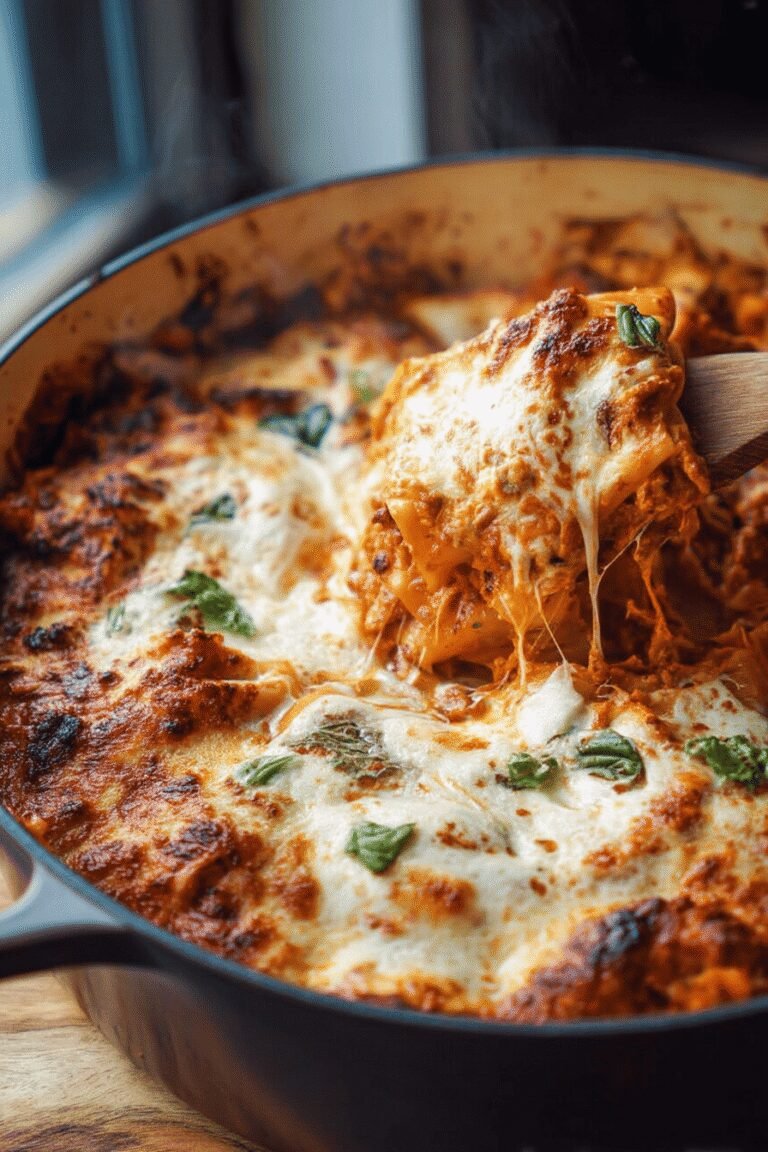
cacio e pepe
🍝 Enjoy the simplicity and richness of Cacio e Pepe, a classic Roman dish that highlights only a few quality ingredients to bring out robust flavors.
🌿 Perfect for a quick meal, this pasta delivers a creamy and peppery experience with every bite, ideal for authentic Italian cuisine lovers.
- Total Time: 15-30 minutes
- Yield: 2 to 3 servings
Ingredients
– 12 ounces spaghetti or tonnarelli pasta
– 1 ½ cups finely grated Pecorino Romano cheese
– 2 teaspoons freshly cracked black pepper
– 1 tablespoon unsalted butter
– Salt
Instructions
1-First Step: Cook the Pasta. Bring a large pot of salted water to a boil. Add the spaghetti or tonnarelli pasta and cook until just al dente according to package instructions, usually 8-10 minutes. Reserve about 1 ½ cups of the starchy pasta water before draining, as this water is crucial for creating the creamy cacio e pepe sauce.
2-Second Step: Toast the Black Pepper. While the pasta cooks, heat a large skillet over medium heat. Add the freshly cracked black pepper to the dry skillet and toast for about 1 minute until fragrant, which intensifies its flavor. Optional butter can be added here to add richness and help melt the cheese later.
3-Third Step: Create the Sauce Base. Add about ½ cup of the reserved pasta water to the skillet with black pepper and bring to a simmer. This warm water will help dissolve the cheese and distribute the pepper’s flavor evenly throughout the dish.
4-Fourth Step: Combine Pasta and Cheese. Immediately add the drained pasta to the skillet, tossing to coat. Gradually sprinkle in the finely grated Pecorino Romano cheese, continuously stirring and tossing vigorously to avoid clumps and to create a smooth, creamy sauce. If the sauce seems too thick, add more reserved pasta water a little at a time until the desired consistency is reached.
5-Fifth Step: Adjust to Taste and Texture. Taste and adjust seasoning if needed. The key to a great cacio e pepe is balancing the sharpness of the cheese with the heat of the pepper and the silkiness of the sauce. Adding a pinch more cheese or pepper here can customize it to your liking.
6-Final Step: Serve Immediately. Transfer the cacio e pepe to serving plates. Garnish with a little extra cracked black pepper and Pecorino cheese for presentation and an added flavor boost. Serve hot for the best creamy texture and flavor release.
Last Step:
Please leave a rating and comment letting us know how you liked this recipe! This helps our business to thrive and continue providing free, high-quality recipes for you.Notes
📖 Read the recipe through before starting as timing is critical to prevent clumping.
🧀 Use finely grated cheese for smooth melting; hand-grated is best.
🌊 Reserve pasta water as its starch is key to sauce emulsification.
- Prep Time: 5-10 minutes
- None: 0 minutes
- Cook Time: 10-20 minutes
- Category: Main Course
- Method: Boiling and Sautéing
- Cuisine: Italian
- Diet: Vegetarian
Nutrition
- Serving Size: 1 plate
- Calories: 500 kcal
- Sugar: 1 g
- Sodium: 500 mg
- Fat: 20 g
- Saturated Fat: 12 g
- Unsaturated Fat: 8 g
- Trans Fat: 0 g
- Carbohydrates: 60 g
- Fiber: 3 g
- Protein: 20 g
- Cholesterol: 50 mg






I tried this cacio e pepe recipe last night and it was a hit with my family! 😋 The simplicity of the ingredients really lets the flavors shine. I just have one question—do you have any tips for preventing the cheese from clumping when mixing? Thanks!