

Why You’ll Love This Pepperpot
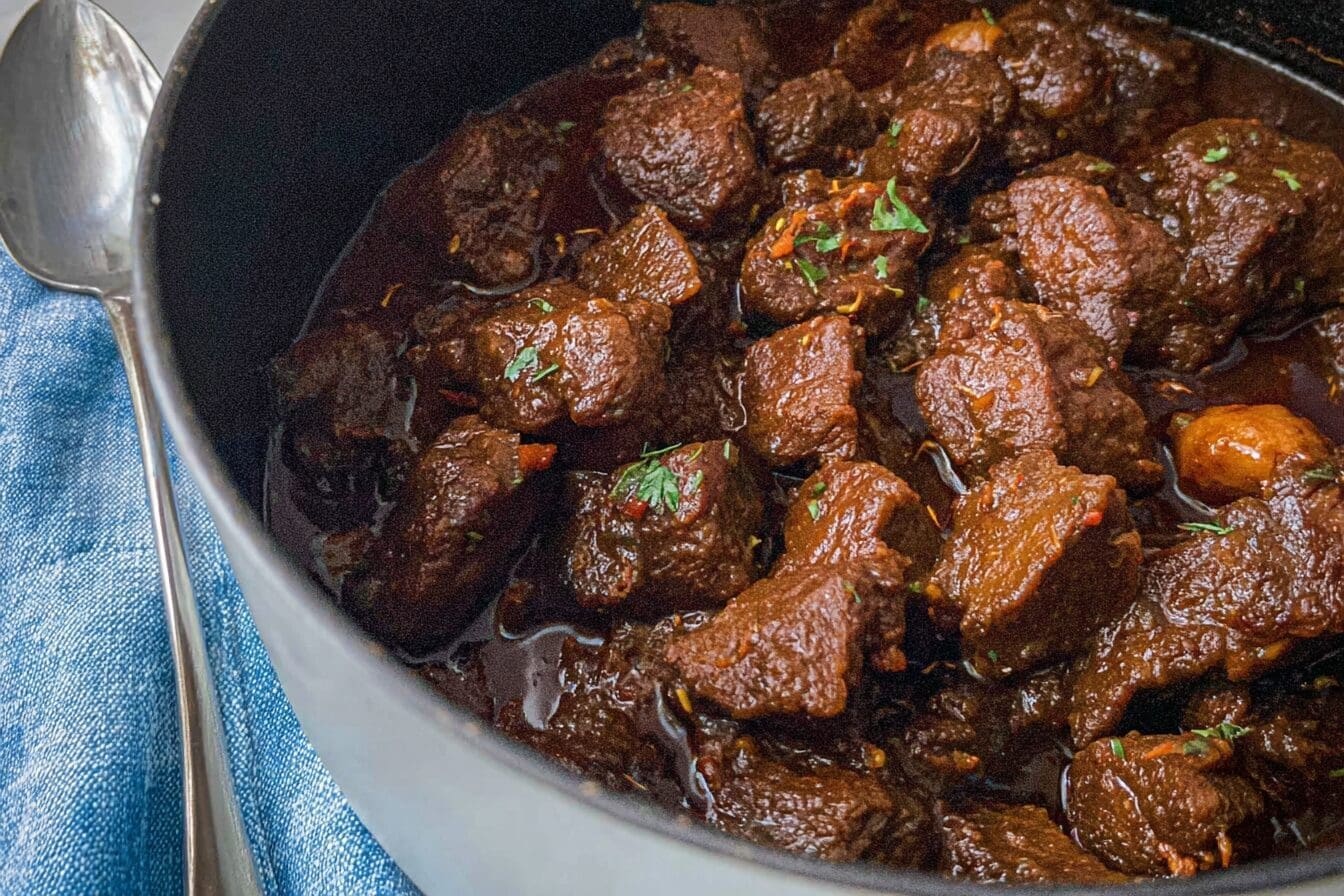
Pepperpot is a beloved traditional Guyanese meat stew that brings warmth and comfort to any table, especially during special occasions like Christmas morning. This dish features tender meat simmered in a rich, spiced gravy, making it a hearty option for home cooks looking to impress. Its slightly sweet and aromatic taste, balanced by brown sugar and cassareep, creates a unique flavor that pairs wonderfully with sides like plait bread or cassava dumplings.
First, let’s talk about how easy it is to whip up this recipe. With straightforward steps and simple ingredients, you can prepare it even on a busy day without much fuss. The health benefits are another highlight, as it’s packed with protein from the meat and nutrients from the spices and herbs, offering a wholesome meal that supports your wellness goals depending on the meats you choose.
What makes Pepperpot so versatile is its ability to adapt to different preferences. Whether you’re aiming for a vegan version or keeping it gluten-free, this stew can fit into various diets while maintaining its authentic charm. Plus, the slow-cooked method develops a deep, flavorful gravy that sets it apart from everyday stews, turning your kitchen into a hub of cultural celebration.
Beyond the basics, Pepperpot’s rich history in Guyanese cuisine adds a personal touch. Imagine sharing stories around the table as the aroma fills the air, much like how my family gathers for holiday meals. This recipe not only nourishes the body but also feeds the soul, making it perfect for community events or family dinners.
Health and Nutritional Highlights
The stew is rich in protein with moderate fat, depending on the meat used, and provides essential nutrients from ingredients like garlic and thyme. Fresh additions such as onions and peppers contribute vitamins, while the cassareep adds a depth that makes every bite satisfying. For those watching their intake, opting for leaner meats can keep things light yet flavorful.
In terms of ease, the minimal prep work means you can focus on enjoying the process. I often find that cooking Pepperpot reminds me of simpler times, bringing people together just like the blog’s focus on shared meals. Whether you’re a busy parent or a food enthusiast, this dish is one you’ll return to again and again.
Jump to:
- Why You’ll Love This Pepperpot
- Health and Nutritional Highlights
- Essential Ingredients for Pepperpot
- Special Considerations for Ingredients
- How to Prepare the Perfect Pepperpot: Step-by-Step Guide
- Tips for Best Results
- Dietary Substitutions to Customize Your Pepperpot
- Mastering Pepperpot: Advanced Tips and Variations
- Creative Adaptations
- How to Store Pepperpot: Best Practices
- FAQs: Frequently Asked Questions About Pepperpot
- What meats are traditionally used in Guyanese Pepperpot?
- Can I substitute Scotch Bonnet peppers if I can’t find Wiri Wiri peppers for Pepperpot?
- How do I fix Pepperpot if it tastes too bitter?
- Is it possible to make a vegetarian or soy-free version of Pepperpot?
- Can I cook Guyanese Pepperpot in a slow cooker or pressure cooker?
- Pepperpot
- Ingredients
- Instructions
- Last Step:
- Notes
- Nutrition
- Did you make this recipe?
Essential Ingredients for Pepperpot
Gathering the right ingredients is key to making an authentic Pepperpot that captures the essence of Guyanese tradition. This stew relies on a mix of meats and flavorful elements to create its signature spiced gravy. Below, I’ve listed out all the ingredients mentioned, ensuring you have everything needed for a complete recipe.
- 4 lbs of meat (a combination of beef and goat is recommended, but pork, oxtails, trotters, or cow heel can also be used)
- 1 cup cassareep (a thick molasses-like reduction made from cassava)
- 2 cinnamon sticks
- 2-inch piece of orange peel
- 4 cloves garlic
- 4 wiri wiri peppers (kept whole to add flavor without excessive heat)
- 1/2 cup brown sugar
- 1 1/2 teaspoons salt
- 8 to 12 cups water (enough to cover all ingredients)
- 4 sprigs thyme
- 6 cloves (optional)
- 2 small onions
- 1 tablespoon vegetable oil
This structured list ensures you can easily follow along and measure precisely, making your cooking experience smooth. For more on cassareep and its origins, check out this resource on cassava, a key component in this ingredient. Once you have these, you’re ready to dive into the preparation.
Special Considerations for Ingredients
Each item plays a role in building the dish’s depth, from the protein-packed meats to the aromatic spices. If you’re exploring dietary tweaks, remember that cassareep is naturally gluten-free and soy-free, which helps with substitutions. Fresh herbs like thyme add that extra layer of flavor that makes Pepperpot stand out.
| Ingredient Category | Purpose in Recipe |
|---|---|
| Meats (4 lbs) | Provides protein and tender texture after slow cooking |
| Spices and Herbs | Enhances aroma and balances sweetness with elements like cinnamon and thyme |
| Liquids and Sweeteners | Creates the rich gravy base with cassareep and brown sugar |
How to Prepare the Perfect Pepperpot: Step-by-Step Guide
Creating the perfect Pepperpot starts with preparing your ingredients just right, as this Guyanese classic requires care to develop its tender meat and rich gravy. Begin by cutting the meat into uniform pieces and trimming any fat for even cooking. This step ensures every bite is as flavorful as possible.
Heat 1 tablespoon of vegetable oil in a large, deep pot over medium heat. Once hot, add the washed and drained meat, lightly browning it to lock in flavors. Stir in all the ingredients except the water, mixing well to coat everything evenly, much like how I prepare family favorites that bring people together.
- Prepare all ingredients: Cut meat into uniform pieces, trim fat, chop onions, and measure out spices.
- Heat the oil and brown the meat: Wash and drain the meat, then brown it lightly in the pot.
- Add ingredients and water: Stir in everything except water, then pour in 8 to 12 cups of water to cover all items and bring to a boil.
- Simmer slowly: Reduce heat to a gentle simmer, cover the pot, and cook for about 3 hours, skimming off any scum or fat as needed.
- Finish and serve: Remove the whole wiri wiri peppers before serving to control heat, and let the liquid reduce by three-quarters for a deeply flavored gravy.
Slow cooking without a pressure cooker is preferred to develop the best flavor, allowing the ingredients to meld over time. For added inspiration on similar hearty dishes, try this pepper steak recipe from our blog. Remember, Pepperpot tastes even better if made a day ahead and kept gently heated, intensifying those aromatic notes.
Tips for Best Results
During cooking, stir occasionally and check the consistency to ensure the gravy thickens nicely. Pair your Pepperpot with cassava dumplings or ground provisions for a complete meal that echoes traditional Guyanese feasts.
Dietary Substitutions to Customize Your Pepperpot
One of the beauties of Pepperpot is how adaptable it is to different dietary needs, making it ideal for busy parents or health-conscious folks. Whether you’re going vegan or cutting calories, simple swaps can keep the dish authentic and delicious. For instance, if beef and goat aren’t your go-to, try pork or even oxtails for that rich protein base.
- Substitute meats with jackfruit or seitan for vegan options, maintaining the stew’s hearty feel.
- Use chicken breasts for a leaner, low-calorie version that still packs flavor.
- Swap wiri wiri peppers for milder ones if you’re adjusting spice levels.
These changes ensure everyone at your gathering can enjoy the meal. For more ideas on meat alternatives, explore our beef fried rice variation, which offers creative twists on proteins.
Mastering Pepperpot: Advanced Tips and Variations
To take your Pepperpot to the next level, focus on pro techniques like marinating the meat overnight for deeper flavor. Slow-cooking in a pot allows the spices to infuse fully, creating that signature Guyanese taste. Experimenting with additions like smoked paprika can add a fun twist while keeping the dish versatile for any occasion.
Flavor variations might include adding coconut milk for creaminess or adjusting herbs based on what’s in season. Presentation is key too try garnishing with fresh herbs and serving in bowls that highlight the vibrant colors. Make-ahead options are a game-changer; prepare and refrigerate for improved taste over time.
When I make this stew, I always let it sit overnight because that’s when the real magic happens the flavors blend into something truly special, perfect for sharing at potlucks.
Creative Adaptations
For community events, batch cooking ensures you have plenty to go around, and freezing portions makes meal prep easy for working professionals.
How to Store Pepperpot: Best Practices
Proper storage keeps your Pepperpot fresh and flavorful, extending its enjoyment beyond the first serving. Store cooked stew in airtight containers in the refrigerator for up to 4 days to maintain quality. Freezing is also straightforward cool completely and place portions in freezer-safe containers for up to 3 months.
When reheating, do so gently on the stovetop or in the microwave, stirring to preserve texture. For meal prep enthusiasts, consider batch cooking larger quantities for easy, grab-and-go options throughout the week, aligning with our blog’s focus on convenient, shareable dishes.
FAQs: Frequently Asked Questions About Pepperpot
What meats are traditionally used in Guyanese Pepperpot?
Guyanese Pepperpot traditionally features a mix of beef and goat meat. Additionally, many recipes include pork cuts such as oxtails, trotters, and cow heel. These meats simmer slowly in cassareep and spices, creating a rich, flavorful stew. Using a combination enhances the dish’s texture and depth of flavor.
Can I substitute Scotch Bonnet peppers if I can’t find Wiri Wiri peppers for Pepperpot?
Yes, Scotch Bonnet peppers can be used as a substitute for Wiri Wiri peppers. While Wiri Wiri has a unique, mild heat with fruity undertones, Scotch Bonnet peppers offer similar heat levels with a slightly different flavor profile. Adjust the quantity based on your desired spiciness.
How do I fix Pepperpot if it tastes too bitter?
Cassareep, a key ingredient in Pepperpot, naturally has a bitter taste. To balance this, gradually add brown sugar while tasting as you go. The sweetness counteracts the bitterness without overpowering the stew. Avoid adding too much sugar to keep the authentic flavor intact.
Is it possible to make a vegetarian or soy-free version of Pepperpot?
Traditional Pepperpot is meat-based and uses cassareep made from cassava, which is soy-free. For a vegetarian version, you can replace meats with hearty vegetables like mushrooms or eggplant and use vegetable broth. Since cassareep is naturally soy-free, this approach avoids soy altogether while maintaining essential flavors.
Can I cook Guyanese Pepperpot in a slow cooker or pressure cooker?
Yes, you can use a slow cooker or pressure cooker to prepare Pepperpot. Slow cooking at low heat retains the dish’s authentic flavor and tenderizes meat thoroughly. Pressure cookers reduce cooking time but may slightly affect depth of flavor. Choose your method based on convenience while maintaining slow simmering if possible.

Pepperpot
🍲 Experience the rich, aromatic flavors of Guyanese Pepperpot, a traditional meat stew perfect for festive gatherings and family meals.
🔥 This slow-cooked dish features tender meat in a deeply spiced, molasses-like cassareep gravy that brings warmth and comfort to your kitchen.
- Total Time: 3 hours 20 minutes
- Yield: 8–10 servings 1x
Ingredients
4 lbs meat (a combination of beef and goat is recommended, but pork, oxtails, trotters, or cow heel can also be used)
1 cup cassareep
2 cinnamon sticks
2-inch piece of orange peel
4 cloves garlic
4 wiri wiri peppers kept whole to add flavor without excessive heat
1/2 cup brown sugar
1 1/2 teaspoons salt
8 to 12 cups water enough to cover all ingredients
4 sprigs thyme
6 cloves optional
2 small onions
1 tablespoon vegetable oil
Instructions
1-Prepare all ingredients: Cut meat into uniform pieces, trim fat, chop onions, and measure out spices.
2-Heat the oil and brown the meat: Wash and drain the meat, then brown it lightly in the pot.
3-Add ingredients and water: Stir in everything except water, then pour in 8 to 12 cups of water to cover all items and bring to a boil.
4-Simmer slowly: Reduce heat to a gentle simmer, cover the pot, and cook for about 3 hours, skimming off any scum or fat as needed.
5-Finish and serve: Remove the whole wiri wiri peppers before serving to control heat, and let the liquid reduce by three-quarters for a deeply flavored gravy.
Last Step:
Please leave a rating and comment letting us know how you liked this recipe! This helps our business to thrive and continue providing free, high-quality recipes for you.Notes
🥘 Slow cooking without a pressure cooker develops the best rich flavor.
🌶 Keep wiri wiri peppers whole to add flavor without excessive heat.
⏳ Prepare a day ahead and gently reheat to intensify flavors.
- Prep Time: 20 minutes
- Simmering time: 3 hours
- Cook Time: 3 hours
- Category: Main Dish
- Method: Slow cooking, simmering
- Cuisine: Guyanese
- Diet: High protein
Nutrition
- Serving Size: 1 cup
- Calories: 350 kcal
- Sugar: 8 g
- Sodium: 700 mg
- Fat: 15 g
- Saturated Fat: 5 g
- Unsaturated Fat: 8 g
- Trans Fat: 0 g
- Carbohydrates: 15 g
- Fiber: 2 g
- Protein: 35 g
- Cholesterol: 110 mg


