

Why You’ll Love This Homemade Salmon Sashimi
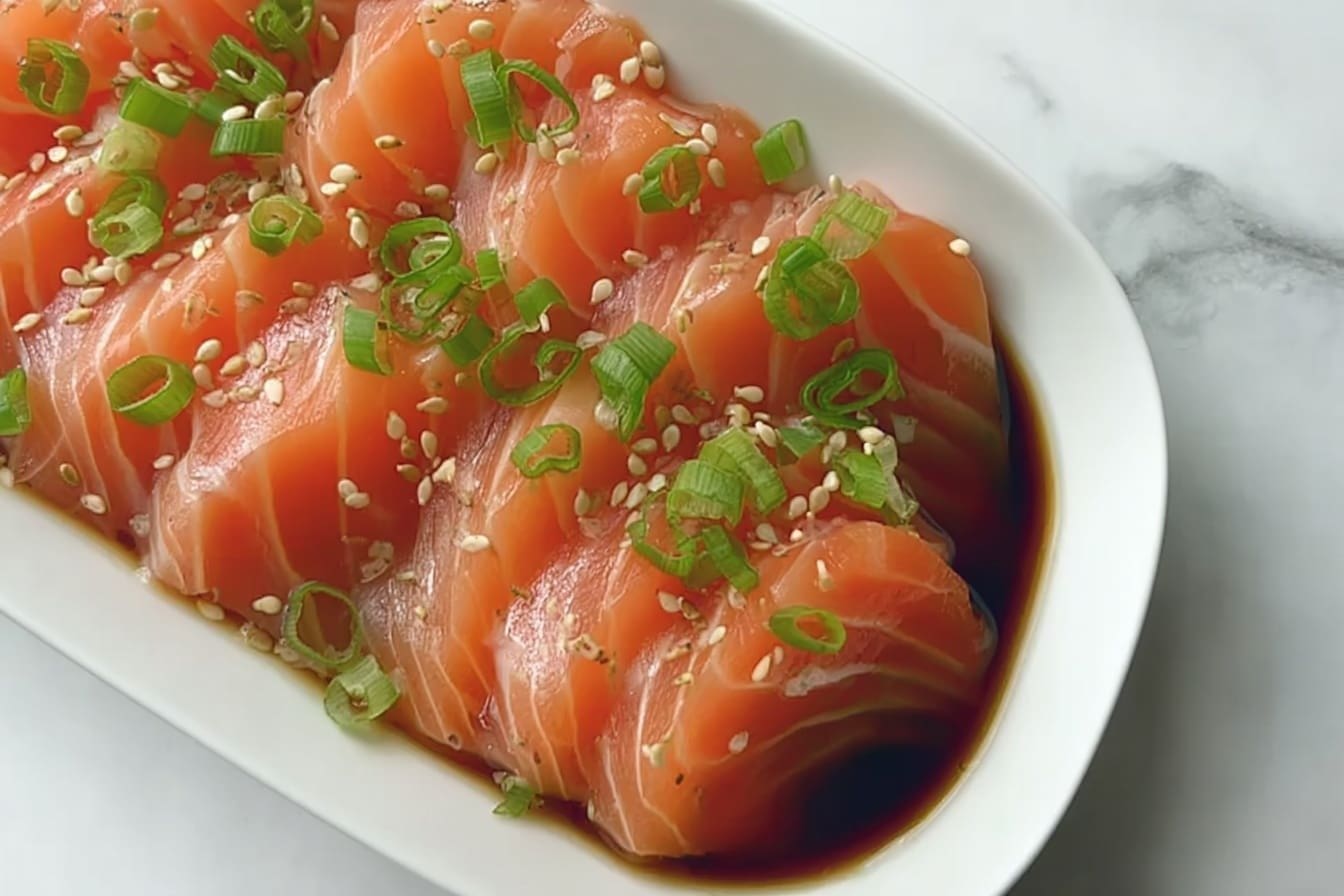
Homemade Salmon Sashimi is one of those recipes that feels special without making your kitchen feel busy. If you have a good piece of fish and a little patience, you can bring restaurant-style flavor home with very little hands-on work. It is also a smart choice for anyone who likes clean, light meals that still feel satisfying.
- Easy preparation: This Homemade Salmon Sashimi recipe takes only about 10 minutes of prep time. Most of the work happens while the salmon sits with salt, freezes, and later thaws in the fridge. That makes it a helpful option for busy parents, students, and working professionals who want something fresh without spending all night in the kitchen.
- Health benefits: Salmon brings quality protein and healthy fats to the table. A serving of Homemade Salmon Sashimi gives you 22g of protein and 7g of fat, plus omega-3s that support everyday wellness. For readers who like to keep meals lighter, this raw salmon dish fits into many balanced eating plans. For more on omega-3s, you can also read the National Institutes of Health omega-3 factsheet.
- Flexible serving style: You can serve this Homemade Salmon Sashimi with sushi rice, wasabi, soy sauce, cucumbers, avocado, or lemon. It works well for low-carb eaters, food lovers who want a simple appetizer, and families who like to build their own plates. It is easy to pair with other dishes too, such as grilled Japanese salmon or a fresh side like salmon with avocado.
- Clean, fresh flavor: When made the right way, Homemade Salmon Sashimi has a smooth texture and mild taste that feels cool and delicate. The salt step helps draw out excess moisture, which keeps the fish tasting clean. A little yuzu aioli adds a bright finish if you want a more modern home style plate.
Good sashimi does not need a long ingredient list. It just needs careful handling, a trusted source, and a little attention to detail.
Jump to:
- Why You’ll Love This Homemade Salmon Sashimi
- Essential Ingredients for Homemade Salmon Sashimi
- Special Dietary Options
- Vegan
- Gluten-free
- Low-calorie
- How to Prepare the Perfect Homemade Salmon Sashimi: Step-by-Step Guide
- First step: dry and salt the salmon
- Second step: rinse and dry again
- Third step: pack it for freezing
- Fourth step: freeze at the right temperature
- Fifth step: thaw slowly in the refrigerator
- Sixth step: slice thinly and neatly
- Seventh step: serve with simple sides
- Eighth step: crisp the skin if it remains
- Dietary Substitutions to Customize Your Homemade Salmon Sashimi
- Protein and Main Component Alternatives
- Vegetable, Sauce, and Seasoning Modifications
- Mastering Homemade Salmon Sashimi: Advanced Tips and Variations
- Pro cooking techniques
- Flavor variations
- Presentation tips
- Make-ahead options
- How to Store Homemade Salmon Sashimi: Best Practices
- FAQs: Frequently Asked Questions About Homemade Salmon Sashimi
- Is homemade salmon sashimi safe to eat?
- What salmon should I buy for homemade sashimi?
- How do I prepare salmon sashimi at home step by step?
- How do you slice salmon for sashimi?
- How long does homemade salmon sashimi keep in the fridge?
- Homemade Salmon Sashimi
- Ingredients
- Instructions
- Last Step:
- Notes
- Nutrition
- Did you make this recipe?
Essential Ingredients for Homemade Salmon Sashimi
For the best Homemade Salmon Sashimi, keep the ingredient list short and focused. Each item has a clear job to do, from safety to flavor to texture. Since this recipe is built around raw salmon, the quality of the fish matters more than anything else.
- 1 pound fresh farmed salmon – Choose a trusted source with firm flesh and a fresh smell. Farmed salmon is recommended here because it can carry a lower parasite risk than wild fish, which matters when making Homemade Salmon Sashimi at home.
- 1 teaspoon salt – Salt draws out extra moisture and helps the salmon firm up before freezing. It also seasons the fish lightly so each slice tastes clean and balanced.
- 1 freezer bag – Use a freezer bag to help prevent freezer burn during the freeze period. A vacuum-sealed bag or double-bagged freezer bag is even better if you have it.
- Optional yuzu aioli – Egg yolks, lemon juice, yuzu juice, and olive oil can be whisked together for a bright, creamy dip. The exact quantities were not specified, so adjust to taste.
- Sushi rice – A soft base that makes the dish feel more complete and filling.
- Wasabi – Adds heat and pairs well with the cool texture of raw salmon.
- Soy sauce – Brings savory depth and gives each bite a familiar sushi-style finish.
- Lemon – A few drops can brighten the fish right before serving.
- Cucumbers – Crisp slices add crunch and a fresh contrast.
- Avocado – Creamy avocado works well with Homemade Salmon Sashimi if you want a softer, richer plate.
- Oil for frying the skin – If the skin remains, you can fry it for 5 to 7 minutes until crisp.
Special Dietary Options
Vegan
For a plant-based plate, replace the salmon with thinly sliced watermelon, king oyster mushrooms, or tomato sashimi-style slices. These will not taste like Homemade Salmon Sashimi, but they can give you a similar look and serving style.
Gluten-free
Use gluten-free soy sauce or tamari. The fish itself is naturally gluten-free, so this is an easy swap for many readers.
Low-calorie
Skip the yuzu aioli and serve the salmon with cucumber, lemon, and a small amount of wasabi. That keeps the plate light while still giving you fresh flavor.
How to Prepare the Perfect Homemade Salmon Sashimi: Step-by-Step Guide
Homemade Salmon Sashimi depends on careful handling from start to finish. The steps are simple, but the order matters because raw fish should always be treated with care. If you follow the process below, you will get better texture, cleaner flavor, and a safer result at home.
First step: dry and salt the salmon
Start with 1 pound fresh farmed salmon. Pat it dry with a paper towel, then sprinkle on 1 teaspoon salt. Let the fish sit for about 20 minutes. During this time, the salt draws water out of the salmon, which helps the texture later.
You will likely see moisture on the surface after the resting time. That is exactly what you want. The fish should look a bit firmer and less slippery before you move to the next step.
Second step: rinse and dry again
Rinse the salmon under running water to remove the salt. Then pat it dry again with clean paper towels. This step keeps the finished sashimi from tasting too salty and helps the fish freeze and slice more cleanly.
Take a moment to inspect the fish. Look for a clean smell, firm texture, and bright color. If anything seems off, do not use it for raw serving.
Third step: pack it for freezing
Place the salmon in a freezer bag. If possible, use a vacuum-sealed bag or double-bag the fish to help prevent freezer burn. Push out as much air as you can before sealing. This small step matters because freezer burn can dry out the fish and hurt the texture of your Homemade Salmon Sashimi.
Label the bag with the date so you can keep track of the freeze time. This is especially useful for meal planners, students, and busy families who like to prep ahead.
Fourth step: freeze at the right temperature
Freeze the salmon at -4°F (-20°C) for at least 7 days. This step is important because it helps kill parasites. The full freeze time may go up to 1 month if that fits your schedule, but do not shorten the minimum seven-day time.
If you are pregnant, immune-compromised, or unsure about raw fish safety, talk with your doctor before serving Homemade Salmon Sashimi at home.
This recipe uses farmed salmon for lower pesticide risk and a safer raw-eating option, but food safety still matters. For more general fish handling guidance, the FoodSafety.gov guide to safe fish selection and handling is a helpful reference.
Fifth step: thaw slowly in the refrigerator
When you are ready to serve, move the frozen salmon to the refrigerator and let it defrost overnight. Slow thawing keeps the texture more even and helps reduce the chance of spoilage. Do not thaw it on the counter.
Once thawed, open the bag and pat the salmon dry again. A dry surface makes slicing easier and gives you a better final look.
Sixth step: slice thinly and neatly
Use a sharp knife and slice the salmon thinly. Keep your cuts smooth and steady so the pieces stay clean instead of ragged. If you want classic sashimi style slices, aim for thin, even pieces that are easy to pick up with chopsticks or a fork.
If you want more guidance on fish cuts, you might also enjoy these air fryer salmon bites for a cooked salmon idea, even though the slicing style is different.
Seventh step: serve with simple sides
Arrange the salmon on a chilled plate and serve it with sushi rice, wasabi, and soy sauce. You can also add lemon, cucumbers, or avocado if you want a brighter plate. If you made the optional yuzu aioli, serve it on the side so people can dip as they like.
This is a great dish for a quiet dinner, but it can also work for small gatherings where everyone builds their own bite. That fits the CookyCooky style of food that feels welcoming and easy to share.
Eighth step: crisp the skin if it remains
If the salmon skin is still attached, do not waste it. Fry it in oil for 5 to 7 minutes until crispy. It turns into a salty, crunchy snack that many people love. This is a smart way to use the whole fish and get more value from your purchase.
| Recipe Detail | Information |
|---|---|
| Prep time | 10 minutes |
| Freezing time | 7 days to 1 month |
| Total time | 7 days 10 minutes |
| Cook time | None, unless you fry the skin for 5 to 7 minutes |
| Yield | About 2 servings |
Dietary Substitutions to Customize Your Homemade Salmon Sashimi
Protein and Main Component Alternatives
If salmon is not available, or if you want a different raw-style plate, there are a few ways to adjust the recipe. The texture and flavor will change, but the serving idea stays similar. For a cooked fish option, try a dish like crispy air fryer cod or fish piccata instead.
- Trout: Use only if sourced properly and handled with raw-eating safety in mind.
- Tuna: A classic sashimi choice if your fishmonger offers sushi-grade cuts.
- Watermelon: A plant-based swap for a sashimi-style presentation.
- Tomato slices: Great for a vegan plate with soy sauce and cucumber.
Vegetable, Sauce, and Seasoning Modifications
You can keep the Homemade Salmon Sashimi simple or add small accents based on taste. A light drizzle of yuzu aioli gives the dish a creamy citrus note. Lemon works well when you want something sharper and fresher. If you prefer more crunch, serve it with thin cucumber ribbons or sliced avocado.
- Gluten-free sauce: Use tamari instead of standard soy sauce.
- Lower sodium: Cut back on soy sauce and lean on lemon or cucumber for flavor.
- More heat: Add extra wasabi or a tiny dab of chili paste.
- More richness: Add avocado or the optional yuzu aioli.
These swaps keep the recipe useful for different diets, tastes, and pantry situations.
Mastering Homemade Salmon Sashimi: Advanced Tips and Variations
Once you have made Homemade Salmon Sashimi a few times, small details can make a big difference. Good fish, a sharp knife, and steady prep habits all help the final result. You do not need fancy tools, but a little care goes a long way.
Pro cooking techniques
Buy farmed salmon from a trusted local fish market when you can. Ask where it came from and how it was handled. If the salmon is already frozen when you buy it, still go through the salt step before serving. That extra seasoning helps the fish taste better and keeps the texture on point.
Keep your knife very sharp. A dull blade can tear the salmon, while a sharp one gives you neat slices. Clean the blade between cuts if it starts to pick up moisture.
Flavor variations
For a brighter plate, add lemon and cucumber. For something richer, use avocado and yuzu aioli. If you like more classic sushi-style flavor, keep it simple with soy sauce and wasabi. Each version still feels like Homemade Salmon Sashimi, just with a different mood.
Presentation tips
Fan the slices out on a chilled plate for a restaurant look. Add small piles of cucumber ribbons or avocado on the side. A little white sushi rice underneath the fish can make the dish feel more filling and family-friendly. For a party, set out extra soy sauce and wasabi so guests can season their own bites.
Make-ahead options
This recipe is already make-ahead friendly because of the freeze time. You can prep the fish, bag it, and freeze it well before the day you want to serve. That is helpful for travelers, students, and anyone planning meals around a busy week. If you want another easy seafood idea for meal planning, try firecracker salmon later in the week.
How to Store Homemade Salmon Sashimi: Best Practices
Homemade Salmon Sashimi is best enjoyed fresh, so storage should be handled with care. Raw fish does not keep long once it is thawed and sliced. If you are planning ahead, keep the frozen salmon sealed until the day you want to use it.
- Refrigeration: Store unsliced thawed salmon in the coldest part of the fridge and use it within 24 hours. Once sliced, eat it right away for the best taste and safety.
- Freezing: Keep the salmon in a vacuum-sealed or double-bagged freezer bag. Freeze at -4°F (-20°C) for at least 7 days before serving raw.
- Reheating: This dish is not meant to be reheated. If you have leftover skin, fry it until crispy instead of trying to warm the sashimi itself.
- Meal prep: Prep the fish ahead, freeze it, and thaw it overnight in the refrigerator the day before serving. Do not refreeze thawed raw salmon.
If the fish smells off, looks dull, or feels slimy, discard it. Raw fish safety is not worth guessing about.
FAQs: Frequently Asked Questions About Homemade Salmon Sashimi
Is homemade salmon sashimi safe to eat?
Yes, homemade salmon sashimi can be safe if you follow food safety guidelines. Use only sushi-grade or sashimi-grade salmon from a trusted source, which is handled to minimize bacteria and parasites. The FDA recommends freezing raw salmon at -4°F (-20°C) or below for 7 days, or at -31°F (-35°C) for 15 hours, to kill parasites like anisakis. Thaw it in the fridge overnight, pat dry, and slice just before serving. Avoid cross-contamination by using clean knives and boards. People with compromised immune systems should consult a doctor. With these steps, home preparation matches restaurant standards—millions enjoy it safely yearly. (92 words)
What salmon should I buy for homemade sashimi?
Choose sashimi-grade or sushi-grade salmon, often labeled as such at Japanese markets or high-end fishmongers. Look for Atlantic salmon (farmed Norwegian or Scottish) with vibrant orange flesh, firm texture, and no fishy odor—ideally 0.5-1 lb per serving. Avoid pre-packaged grocery salmon unless specified for raw consumption, as it’s typically treated for cooking. Check for clear eyes and shiny skin if buying whole. Price ranges $20-40/lb. Farmed salmon is safer for raw eating due to controlled parasite risks compared to wild. Store in the fridge at 32-39°F until use. (98 words)
How do I prepare salmon sashimi at home step by step?
Start with 8 oz sushi-grade salmon, frozen per FDA guidelines and thawed in the fridge. Pat dry with paper towels. Use a sharp sashimi knife: hold the fish skin-side down, slice against the grain at a 30-degree angle into ¼-inch thick pieces. Arrange 6-8 slices per plate fanned out. Serve immediately with soy sauce, wasabi, pickled ginger, and daikon radish. Pair with chilled sake. Prep time: 10 minutes. This yields 2 servings. For flavor, lightly torch edges if desired. Always discard skin and bloodline for best taste and safety. (102 words)
How do you slice salmon for sashimi?
Use a long, thin, sharp knife—ideally a yanagiba or single-bevel sashimi knife—chilled for clean cuts. Place salmon skin-down on a cutting board. Angle the knife 30 degrees from vertical, using full strokes from heel to tip without sawing to avoid tearing. Slice ¼-inch thick pieces, 2-3 inches long, pulling towards you slightly. Aim for 6-10 uniform slices per portion. Practice on cooked salmon first. Wipe the blade with a damp cloth between cuts. This technique, used by pros, ensures melt-in-mouth texture. Watch free YouTube tutorials from sushi chefs for visuals. (96 words)
How long does homemade salmon sashimi keep in the fridge?
Homemade salmon sashimi is best eaten immediately for peak freshness and safety, lasting only 24 hours max in the fridge at 32-39°F. Wrap unsliced salmon tightly in plastic and store on the bottom shelf. Once sliced, consume within 1-2 hours to minimize bacterial growth. Do not refreeze. Signs of spoilage: off smell, dull color, or sliminess—discard if any appear. For longer storage, cure into gravlax or cook it. In Japan, raw fish is prepped daily for this reason. Link to our gravlax recipe for alternatives. (94 words)

Homemade Salmon Sashimi
🐟 Enjoy omega-3-packed fresh salmon sashimi for heart health, high protein, and a luxurious low-carb treat you can make safely at home.
🍣 Master easy home-style sashimi with simple freezing technique, perfect for sushi nights without restaurant prices.
- Total Time: 7 days 10 minutes
- Yield: 4 servings
Ingredients
– 1 pound fresh farmed salmon
– 1 teaspoon salt
– Optional yuzu aioli
– Sushi rice
– Wasabi
– Soy sauce
– Lemon
– Cucumbers
– Avocado
– Oil for frying the skin
Instructions
1-First step: dry and salt the salmon Start with 1 pound fresh farmed salmon. Pat it dry with a paper towel, then sprinkle on 1 teaspoon salt. Let the fish sit for about 20 minutes. During this time, the salt draws water out of the salmon, which helps the texture later.
You will likely see moisture on the surface after the resting time. That is exactly what you want. The fish should look a bit firmer and less slippery before you move to the next step.
2-Second step: rinse and dry again Rinse the salmon under running water to remove the salt. Then pat it dry again with clean paper towels. This step keeps the finished sashimi from tasting too salty and helps the fish freeze and slice more cleanly.
Take a moment to inspect the fish. Look for a clean smell, firm texture, and bright color. If anything seems off, do not use it for raw serving.
3-Third step: pack it for freezing Place the salmon in a freezer bag. If possible, use a vacuum-sealed bag or double-bag the fish to help prevent freezer burn. Push out as much air as you can before sealing. This small step matters because freezer burn can dry out the fish and hurt the texture of your Homemade Salmon Sashimi.
Label the bag with the date so you can keep track of the freeze time. This is especially useful for meal planners, students, and busy families who like to prep ahead.
4-Fourth step: freeze at the right temperature Freeze the salmon at -4°F (-20°C) for at least 7 days. This step is important because it helps kill parasites. The full freeze time may go up to 1 month if that fits your schedule, but do not shorten the minimum seven-day time.
5-Fifth step: thaw slowly in the refrigerator When you are ready to serve, move the frozen salmon to the refrigerator and let it defrost overnight. Slow thawing keeps the texture more even and helps reduce the chance of spoilage. Do not thaw it on the counter.
Once thawed, open the bag and pat the salmon dry again. A dry surface makes slicing easier and gives you a better final look.
6-Sixth step: slice thinly and neatly Use a sharp knife and slice the salmon thinly. Keep your cuts smooth and steady so the pieces stay clean instead of ragged. If you want classic sashimi style slices, aim for thin, even pieces that are easy to pick up with chopsticks or a fork.
7-Seventh step: serve with simple sides Arrange the salmon on a chilled plate and serve it with sushi rice, wasabi, and soy sauce. You can also add lemon, cucumbers, or avocado if you want a brighter plate. If you made the optional yuzu aioli, serve it on the side so people can dip as they like.
8-Eighth step: crisp the skin if it remains If the salmon skin is still attached, do not waste it. Fry it in oil for 5 to 7 minutes until crispy. It turns into a salty, crunchy snack that many people love. This is a smart way to use the whole fish and get more value from your purchase.
Last Step:
Please leave a rating and comment letting us know how you liked this recipe! This helps our business to thrive and continue providing free, high-quality recipes for you.Notes
🐟 Source farmed salmon from reputable fish markets and always freeze for 7+ days to safely eliminate parasites.
❄️ Use vacuum-sealed bags and freeze at -20°C to prevent freezer burn and maintain freshness.
⚠️ Consume at your own risk; consult a doctor if pregnant, and pair with traditional accompaniments for authentic flavor.
- Prep Time: 10 minutes
- Freezing + Defrosting: 7 days
- Category: Seafood
- Method: No Cook
- Cuisine: Japanese
- Diet: Gluten-Free, Pescatarian, Keto, Low-Carb
Nutrition
- Serving Size: 4 oz (113g)
- Calories: 161 kcal
- Sugar: 0 g
- Sodium: 631 mg
- Fat: 7 g
- Saturated Fat: 1 g
- Unsaturated Fat: 5 g
- Trans Fat: 0 g
- Carbohydrates: 0 g
- Fiber: 0 g
- Protein: 22 g
- Cholesterol: 62 mg


