

Why You’ll Love This Homemade Bread
Have you ever pulled a warm, freshly baked loaf of homemade bread from the oven and felt that rush of excitement? This homemade bread recipe is all about that simple joy, making it a favorite for busy parents, baking enthusiasts, and anyone who loves the smell of fresh bread filling their kitchen. You’ll appreciate how easy it is to whip up, with just a few basic ingredients turning into soft and flavorful bread that’s perfect for family gatherings or quick weeknight dinners. Whether you’re a student looking for an affordable meal hack or a community organizer planning potlucks, this bread fits right into your routine.
One of the best parts of this homemade bread recipes is its ease of preparation, designed for simplicity and quick cooking time, making it accessible even for beginners. With straightforward steps and common ingredients, you can enjoy fresh bread without spending hours hunched over a counter. Plus, it’s packed with health benefits from wholesome components, offering essential fibers and nutrients that support a balanced diet for diet-conscious folks and seniors alike. The versatility shines through too, as the recipe adapts to various needs, and its distinctive flavor from natural fermentation makes every slice uniquely satisfying for food enthusiasts and newlyweds hosting their first dinner.
Imagine the possibilities with homemade fresh bread recipes that let you customize for everything from gluten-free swaps to fun add-ins. Travelers might love how it’s easy to pack for picnics, while working professionals can bake it ahead for meals on the go. If you’re like me, sharing these loaves at church events or family reunions builds those warm connections we all cherish. In short, this recipe for homemade soft bread brings people together, just like the heart of my blog at Cooky Cooky.
Jump to:
- Why You’ll Love This Homemade Bread
- Essential Ingredients for Homemade Bread
- How to Prepare the Perfect Homemade Bread: Step-by-Step Guide
- Nutritional Highlights and Preparation Time
- Dietary Substitutions to Customize Your Homemade Bread
- Mastering Homemade Bread: Advanced Tips and Variations
- How to Store Homemade Bread: Best Practices
- FAQs: Frequently Asked Questions About Homemade Bread
- What basic ingredients do I need to make homemade bread?
- Can I make homemade bread without a bread machine or stand mixer?
- How long does homemade bread take to rise before baking?
- What is the best way to store homemade bread to keep it fresh?
- How can I tell if my homemade bread is fully baked?
- Homemade Bread
- Ingredients
- Instructions
- Last Step:
- Notes
- Nutrition
- Did you make this recipe?
Essential Ingredients for Homemade Bread
Let’s dive into what makes this homemade bread so wonderful it’s all about the ingredients! Starting with a solid foundation ensures your loaves turn out soft and flavorful every time. I’ll walk you through the exact list from this classic recipe, so you can gather everything you need without any guesswork.
- 2 cups warm water (105-115 degrees Fahrenheit)
- 1 tablespoon active dry yeast
- 1/4 cup honey or sugar
- 2 teaspoons salt
- 2 tablespoons oil (canola or vegetable; melted butter substitute allowed)
- 4 to 5 1/2 cups all-purpose or bread flour (bread flour yields chewier loaf; amount varies; dough should be smooth and slightly sticky)
These ingredients come together to create that perfect rise and texture, whether you’re aiming for soft bread that’s great for sandwiches or flavorful bread for toasting. For special tweaks, you can swap in alternatives like whole wheat flour for a nuttier taste, which adds extra nutrients and keeps things exciting for baking enthusiasts.
How to Prepare the Perfect Homemade Bread: Step-by-Step Guide
Ready to get your hands in the dough? This step-by-step guide for homemade bread recipes makes baking feel like a fun adventure, even if you’re just starting out. You’ll love how straightforward it is, with tips to help you along the way, so don’t worry if things get a little messy that’s part of the charm!
First, proof the yeast: Combine the yeast, warm water, and a pinch of honey or sugar in a large bowl. Let it rest for 5-10 minutes until it’s foamy and bubbly this step ensures your dough will rise like a dream! Next, mix the dough: Add the remaining honey or sugar, salt, oil, and 3 cups of flour, then mix well. Gradually add more flour in 1/2 cup increments until the dough pulls away from the bowl sides but stays slightly sticky, which keeps your bread light and airy.
Now, knead the dough: Use a mixer for 4-5 minutes or knead by hand for 5-8 minutes until it’s smooth and elastic give it some elbow grease for that perfect texture! For the first rise, place the dough in an oiled bowl, turn it to coat, cover it, and let it rise in a warm spot until doubled, about 1 1/2 hours. Shape the dough by greasing two 9×5 inch loaf pans, punching down the dough, dividing it into two portions, and forming them into logs to fit the pans.
Let it have a second rise: Cover the pans with lightly greased plastic wrap or a dry dish towel and wait 45 minutes to 1 hour until the dough rises about 1 inch above the edges. Finally, bake at 350 degrees Fahrenheit for 30-33 minutes until golden brown and hollow-sounding when tapped, then remove from pans and brush with butter before cooling for at least 10 minutes. If you’re looking for more breakfast ideas, check out our cheesecake-stuffed French toast loaf for a sweet twist on morning meals.
Nutritional Highlights and Preparation Time
While you’re baking, it’s great to know what you’re getting each serving packs in about 202 calories, 41g carbohydrates, 5g protein, and 2g fat, plus 1g fiber and key minerals like 2mg iron. This makes it a solid choice for diet-conscious individuals. As for time, active prep takes around 15 minutes, with rises adding 1 1/2 hours and 45 minutes to an hour, plus 30-33 minutes baking, totaling about 3 hours and 45 minutes perfect for a relaxing weekend project!
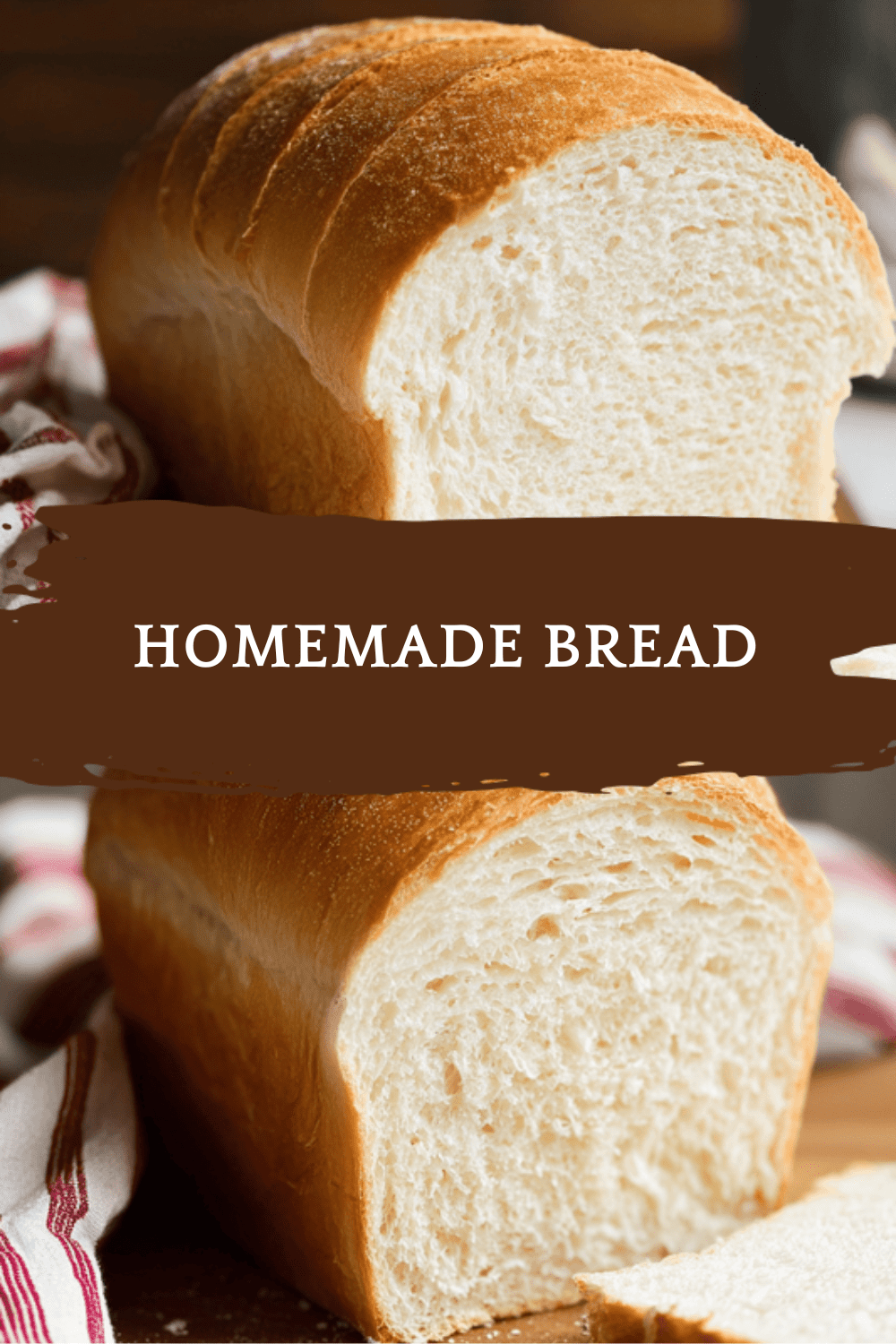
Dietary Substitutions to Customize Your Homemade Bread
Everyone has their own preferences, and that’s where the fun begins with homemade fresh bread recipes! You can tweak this base to fit vegan diets, gluten-free needs, or even low-calorie goals, keeping it soft and flavorful all the way. Let’s explore some easy swaps that make this bread work for your lifestyle.
For protein boosts, replace all-purpose flour with whole wheat or spelt for added nutrients, or go for chickpea flour for a gluten-free protein punch. When it comes to oils, swap olive oil with coconut oil or margarine to change up the taste profile. Add veggies like roasted garlic or herbs such as rosemary for extra flavor, and don’t forget seeds like sunflower or pumpkin for crunch and nutrition these tweaks let busy parents and travelers create loaves that travel well and satisfy a crowd.
Mastering Homemade Bread: Advanced Tips and Variations
Once you’ve nailed the basics, it’s time to level up your homemade bread game with some pro tips and creative twists! Techniques like autolyse letting flour and water rest before kneading can improve texture and make your bread even softer. Experiment with flavors by mixing in sun-dried tomatoes, olives, or nuts for a unique bite that keeps things exciting for food enthusiasts.
Make-ahead options are a lifesaver for working professionals; refrigerate dough after the first rise for up to a day or freeze it before the second rise for up to 3 months just thaw, rise, and bake when you’re ready. Always use fresh yeast and test it by proofing to ensure the best rise, and remember to keep the dough slightly sticky to avoid heavy loaves. For more baking inspiration, try our fluffy Japanese souffle pancakes recipe for another easy treat that pairs perfectly with fresh bread.
I always tell beginners, you’ll absolutely adore how this bread turns out just mix until it feels smooth, let it rise in a warm spot, and don’t worry if it sticks a bit, that’s totally normal!
How to Store Homemade Bread: Best Practices
Nothing beats fresh homemade bread, but storing it right keeps that soft and flavorful goodness going longer! Wrap your loaves in an airtight container or bag for short-term use, or pop them in the fridge to maintain freshness, though it might dry out faster. For longer storage, freeze the bread tightly wrapped to avoid freezer burn, and thaw at room temperature when you’re ready to enjoy.
Reheating is simple warm in the oven at 350 degrees Fahrenheit for 10-15 minutes to bring back that crisp crust and soft inside. If you’re meal prepping, slice before freezing for easy portions, making it ideal for community events or picnics. These tips help your homemade bread stay delicious, whether you’re a senior enjoying a quiet meal or a family sharing at gatherings.
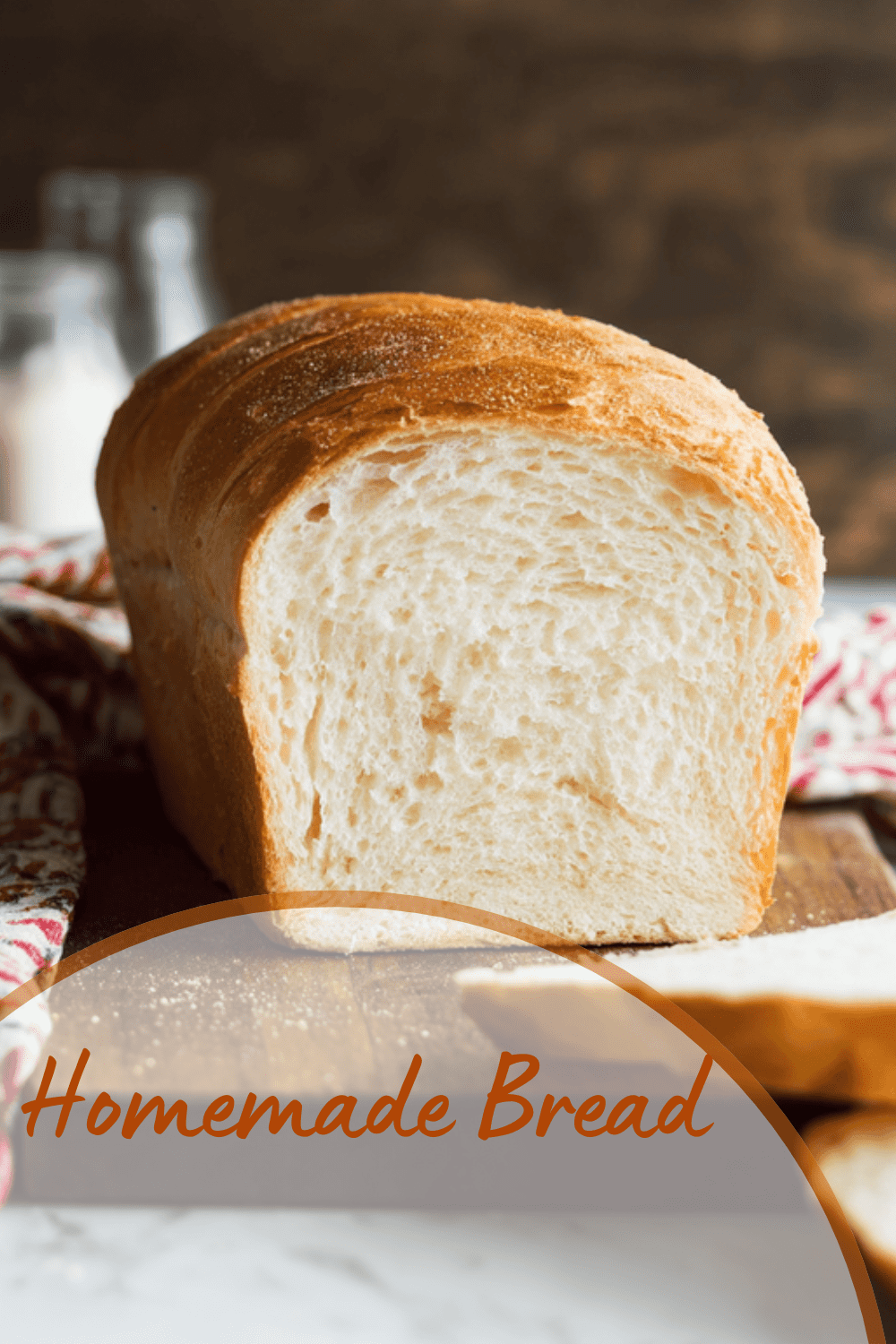
FAQs: Frequently Asked Questions About Homemade Bread
What basic ingredients do I need to make homemade bread?
To make basic homemade bread, you need flour, water, yeast, salt, and optionally a little sugar or oil. Flour provides structure, yeast helps the dough rise by producing gas, salt enhances flavor and controls yeast activity, while water activates the yeast and binds ingredients. You can use all-purpose or bread flour, though bread flour gives a chewier texture due to higher protein content. Keeping your ingredients fresh and using the right measurements ensures a good rise and delicious bread.
Can I make homemade bread without a bread machine or stand mixer?
Yes, you can easily make bread without special equipment. Mix your ingredients in a large bowl with a spoon or spatula, then knead the dough by hand on a clean surface for about 10 minutes until smooth and elastic. Hand kneading develops gluten which gives bread its structure. This traditional method works well and many bakers prefer the control it offers. Just be patient and allow the dough sufficient time to rise in a warm, draft-free spot.
How long does homemade bread take to rise before baking?
Typically, homemade bread dough needs to rise for 1 to 2 hours until it has doubled in size. This first rise, or bulk fermentation, depends on room temperature and yeast activity—warmer conditions speed up rising. After shaping the dough, allow a second rise, usually 30 to 60 minutes, for better texture and volume. Avoid rushing the proofing process; well-risen dough results in lighter, more flavorful bread.
What is the best way to store homemade bread to keep it fresh?
Store homemade bread at room temperature in a paper bag or bread box, which balances moisture and airflow to keep the crust crisp and crumb soft for 2 to 3 days. Avoid plastic bags as they trap moisture causing sogginess and mold. For longer storage, wrap the bread tightly in foil or plastic wrap and freeze it. When ready to eat, thaw at room temperature or gently reheat to restore freshness.
How can I tell if my homemade bread is fully baked?
To check if bread is done, tap the bottom crust—it should sound hollow. The internal temperature should reach about 190°F to 210°F (88°C to 99°C), measurable with a kitchen thermometer. The crust will be golden brown and firm, and the loaf should feel light for its size. Undercooked bread may be dense and doughy inside, so these tests help ensure a perfectly baked loaf.

Homemade Bread
🍞 This Homemade Bread Recipe delivers fresh, soft, and flavorful loaves made right in your kitchen.
✨ The simple ingredients and step-by-step method create a satisfying baking experience with delicious results.
- Total Time: 3 hours 45 minutes
- Yield: 2 loaves
Ingredients
– 2 cups warm water (105-115 degrees Fahrenheit)
– 1 tablespoon active dry yeast
– 1/4 cup honey or sugar
– 2 teaspoons salt
– 2 tablespoons oil (canola or vegetable; melted butter substitute allowed)
– 4 to 5 1/2 cups all-purpose or bread flour (bread flour yields chewier loaf; amount varies; dough should be smooth and slightly sticky)
Instructions
1-First, proof the yeast: Combine the yeast, warm water, and a pinch of honey or sugar in a large bowl. Let it rest for 5-10 minutes until it’s foamy and bubbly this step ensures your dough will rise like a dream!
2-Next, mix the dough: Add the remaining honey or sugar, salt, oil, and 3 cups of flour, then mix well. Gradually add more flour in 1/2 cup increments until the dough pulls away from the bowl sides but stays slightly sticky, which keeps your bread light and airy.
3-Now, knead the dough: Use a mixer for 4-5 minutes or knead by hand for 5-8 minutes until it’s smooth and elastic give it some elbow grease for that perfect texture! For the first rise, place the dough in an oiled bowl, turn it to coat, cover it, and let it rise in a warm spot until doubled, about 1 1/2 hours. Shape the dough by greasing two 9×5 inch loaf pans, punching down the dough, dividing it into two portions, and forming them into logs to fit the pans.
4-Let it have a second rise: Cover the pans with lightly greased plastic wrap or a dry dish towel and wait 45 minutes to 1 hour until the dough rises about 1 inch above the edges.
5-Finally, bake at 350 degrees Fahrenheit for 30-33 minutes until golden brown and hollow-sounding when tapped, then remove from pans and brush with butter before cooling for at least 10 minutes. If you’re looking for more breakfast ideas, check out our cheesecake-stuffed French toast loaf for a sweet twist on morning meals.
Last Step:
Please leave a rating and comment letting us know how you liked this recipe! This helps our business to thrive and continue providing free, high-quality recipes for you.Notes
🍞 Use fresh yeast and proof it to test freshness.
🔥 Rise dough in a warm, slightly moist environment like an oven preheated then turned off.
👩🍳 Hand kneading works well; no special equipment needed.
- Prep Time: 15 minutes
- Cook Time: 30 minutes
- Category: Bread
- Method: Baking
- Cuisine: American
Nutrition
- Serving Size: 1 slice
- Calories: 202
- Sugar: 3g
- Sodium: 196mg
- Fat: 2g
- Saturated Fat: 1g
- Carbohydrates: 41g
- Fiber: 1g
- Protein: 5g