Benefits and Advantages of Fig Glazed Skillet Chicken
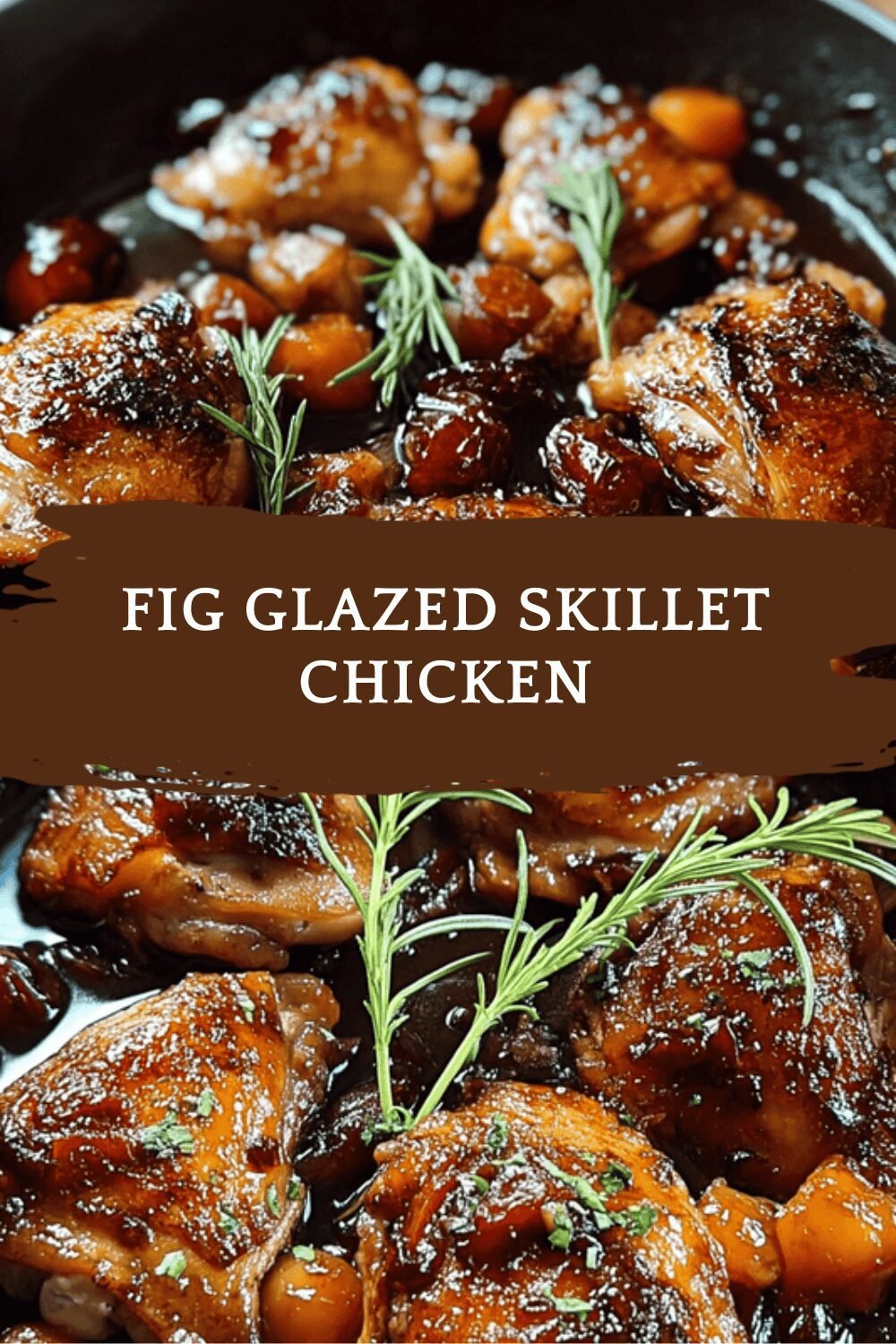
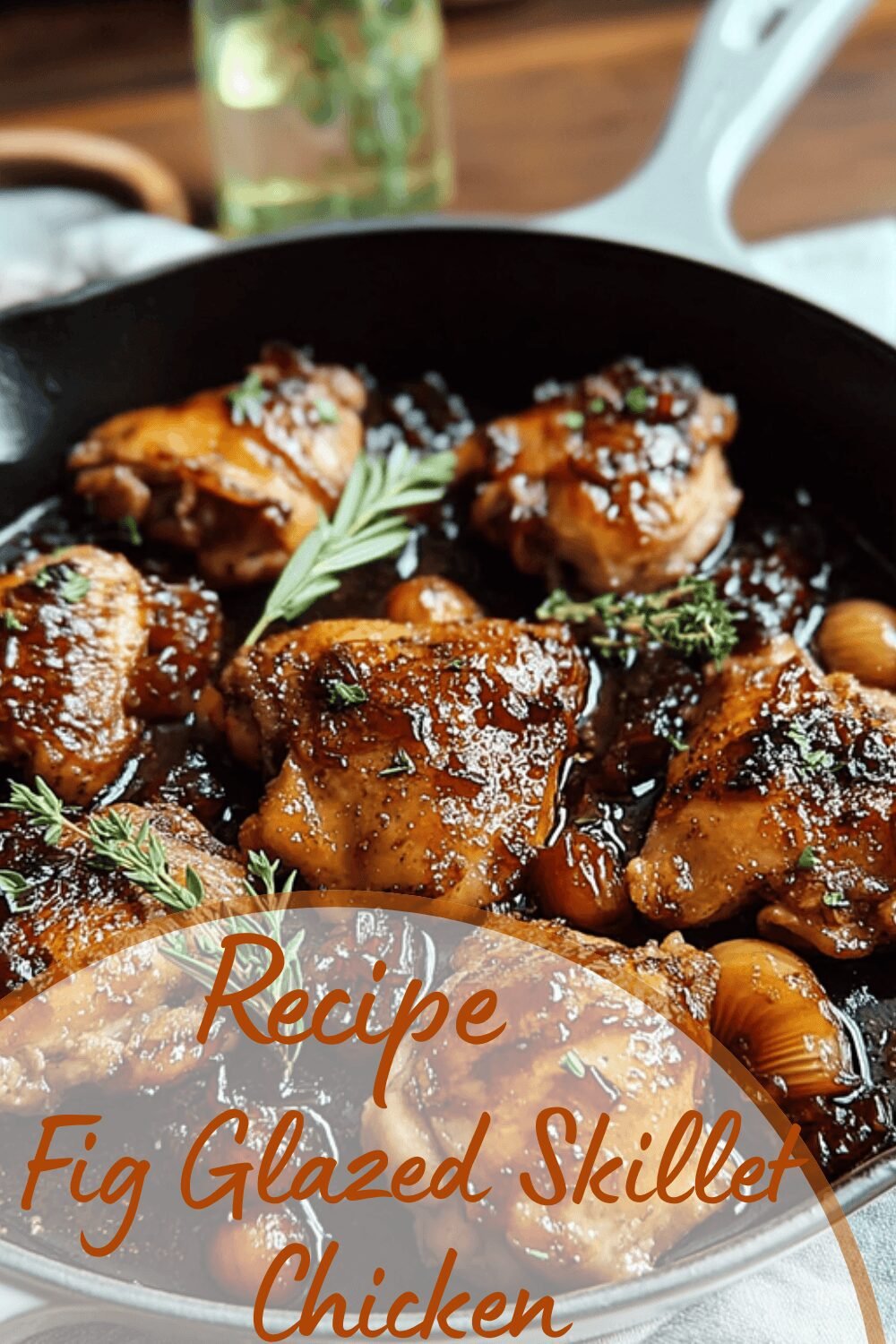
The Fig Glazed Skillet Chicken recipe offers a delicious blend of sweet and savory flavors that make it a favorite for those looking for a wholesome yet indulgent meal. One of the key advantages of this dish is its ease of preparation, enabling cooks of all levels to create a gourmet-quality dinner without complicated steps or hard-to-find ingredients. The natural sweetness of the fig glaze perfectly complements the savory golden chicken, creating a balanced flavor profile that appeals broadly.
Additionally, figs provide dietary fiber, antioxidants, and essential minerals which contribute to overall health. Chicken, especially skin-on and bone-in pieces used in this recipe, offers high-quality lean protein important for muscle repair and satiety. This dish is versatile and can accommodate various dietary needs, including gluten-free and lower-calorie adaptations, making it accessible to a wide range of eaters. The combination of fresh herbs, garlic, and balsamic vinegar in the glaze not only adds depth but also imparts digestive benefits, enhancing the meal’s nutritional value.
The Fig Glazed Skillet Chicken stands out for its rich taste, healthful ingredients, and simple preparation, making it a perfect recipe for both weeknight dinners and special occasions.
Jump to:
- Benefits and Advantages of Fig Glazed Skillet Chicken
- Essential Ingredients for Fig Glazed Skillet Chicken
- Dietary Substitutions to Customize Your Fig Glazed Skillet Chicken
- How to Prepare the Perfect Fig Glazed Skillet Chicken: Step-by-Step Guide
- Mastering Fig Glazed Skillet Chicken: Advanced Tips and Variations
- How to Store Fig Glazed Skillet Chicken: Best Practices
- Nutritional Value of Fig Glazed Skillet Chicken
- FAQs: Frequently Asked Questions About Fig Glazed Skillet Chicken
- What ingredients do I need to make fig glazed skillet chicken?
- How do I cook chicken with fig glaze in a skillet?
- Can I use other types of vinegar instead of balsamic in fig glazed chicken?
- What are some easy side dishes to serve with fig glazed chicken?
- How should I store leftovers of fig glazed chicken and sauce?
- Fig Glazed Skillet Chicken
- Ingredients
- Instructions
- Last Step:
- Notes
- Nutrition
- Did you make this recipe?
Essential Ingredients for Fig Glazed Skillet Chicken
| Quantity | Ingredient | Description |
|---|---|---|
| ¼ cup (57 grams) | Unsalted butter, softened | Base for the herb butter rub providing moisture and richness |
| 3 cloves | Garlic, minced | Aromatic flavor enhancer |
| 3 sprigs | Fresh rosemary, destemmed and minced (or fresh thyme as alternative) | Herbal note for savory depth |
| 2 teaspoons | Salt | Seasoning to enhance flavors |
| 1 teaspoon | Ground black pepper | Spice and seasoning |
| 6 drumsticks and 2 thighs (bone-in, skin-on) | Chicken pieces | Provides juiciness and flavor, skin crisps when cooked properly |
| ½ cup (118 grams) | Balsamic vinegar | Adds tangy acidity and depth to the glaze |
| ½ cup (112 grams) | Fig preserves | Natural sweetness and thick glaze base |
| Optional | ½ cup chopped walnuts, ½ cup crumbled cheese (Gorgonzola, goat cheese, or feta) | Garnishes to add texture and complementary flavor |
Dietary Substitutions to Customize Your Fig Glazed Skillet Chicken
This Fig Glazed Skillet Chicken recipe can be tailored to meet various dietary preferences and restrictions. Some recommended substitutions include:
- Vegan or Plant-Based: Replace chicken with firm tofu, tempeh, or seitan. These alternatives absorb the fig glaze well and provide essential protein. Substitute honey or sweeteners if used with maple syrup or agave nectar.
- Gluten-Free: Ensure the balsamic vinegar and seasonings are certified gluten-free. This assures the dish is safe for gluten-sensitive diets without altering the taste.
- Low-Carb or Keto: Replace honey or maple syrup with keto-friendly sweeteners like erythritol or stevia to reduce sugar content while maintaining glaze balance.
- Reduced Fat: Use minimal olive oil or butter, or opt for a non-stick skillet to reduce added fats during cooking.
- Herb Variations: If rosemary is not available, substitute with thyme or oregano for aromatic complexity.
These swaps maintain the integrity of the original recipe while making it accessible and enjoyable for a broad audience.
How to Prepare the Perfect Fig Glazed Skillet Chicken: Step-by-Step Guide
- Prepare Figs and Season Chicken: Chop fresh figs or soak dried figs in warm water until soft, then finely chop. Season chicken pieces with salt and pepper or preferred spices.
- Brown the Chicken: Heat olive oil or butter in a large skillet over medium heat until hot. Place chicken pieces skin-side down, cooking for 4-5 minutes per side until golden and crispy. Remove and set aside.
- Make the Butter Rub: In a small bowl, combine softened butter with half the minced garlic, rosemary, salt, and pepper. Rub this mixture over the browned chicken to enhance flavor and crispness.
- Prepare the Glaze: In the same skillet, sauté remaining garlic briefly, then add chopped figs, balsamic vinegar, fig preserves, remaining herbs, salt, and pepper. Stir and simmer gently to form a thick glaze, optionally adding shallots or simmering to deepen flavors.
- Glaze and Roast: Place the chicken back in the skillet or transfer to a baking dish. Brush most of the glaze over the chicken, reserving some for basting. Roast in a preheated oven at 425 °F (218 °C), basting every 10 minutes with remaining glaze, until the internal temperature reaches 165 °F (74 °C), approximately 25 minutes total but variable based on cut.
- Rest and Serve: Remove chicken from the oven, pour remaining glaze on top, and let rest briefly. Garnish with chopped walnuts and crumbled cheese if desired. Serve alongside sides such as roasted vegetables, mashed potatoes, or fresh salad.
This straightforward method ensures a succulent, crispy-skinned chicken with a luscious fig and balsamic glaze that perfectly balances sweet and savory notes.
For safety and best results, use a meat thermometer to check doneness and pat chicken dry before applying the butter rub for crispier skin. This recipe is both flexible and impressive for weeknight meals or special gatherings.
For cooking tips to achieve perfect crispy skin, see Cooking Tips for Crispy Chicken Skin. To understand balsamic vinegar’s role in recipes, visit How to Use Balsamic Vinegar in Recipes.
Mastering Fig Glazed Skillet Chicken: Advanced Tips and Variations
To perfect your Fig Glazed Skillet Chicken, start by using fresh figs during their peak season, or select high-quality dried figs that are properly rehydrated by soaking in warm water for about 15 minutes. Allow the chicken to rest after roasting to lock in juices and keep the meat tender. For a richer glaze, add a splash of white wine or chicken stock to the fig and balsamic mixture, then simmer until slightly thickened for more concentrated flavor.
Experiment with herbs beyond rosemary and thyme by incorporating sage or oregano, which complement the sweetness of figs beautifully. For added texture and nutrition, sprinkle chopped walnuts or pistachios as a garnish just before serving. Variations include using turkey cutlets or boneless chicken breasts if preferred, though adjusting cooking times is necessary to ensure proper doneness. Another delicious twist is to create a balsamic fig reduction by simmering the glaze longer until syrupy, transforming the dish into a gourmet option perfect for special occasions.
These tips emphasize balance between sweet and savory elements while inviting creative touches that highlight the luscious fig glaze in your skillet chicken.
How to Store Fig Glazed Skillet Chicken: Best Practices
Store your cooked Fig Glazed Skillet Chicken properly to retain its flavor and texture for later meals. Within two hours of cooking, transfer the chicken and glaze to an airtight container and refrigerate, where it will stay fresh for up to 3 to 4 days. For freezing, place the chicken and glaze together in a freezer-safe container or heavy-duty freezer bag, removing excess air before sealing. The frozen chicken can be stored for up to 2 months without significant loss of texture or taste.
When ready to eat, thaw frozen portions overnight in the refrigerator. Reheat gently in a skillet over low heat to preserve the glossy glaze and prevent dryness. Alternatively, microwave reheating on medium power is effective if stirred occasionally to ensure even heating. Avoid reheating multiple times to maintain optimal quality. For freshness, add a sprinkle of fresh herbs or a small drizzle of olive oil after reheating.
Nutritional Value of Fig Glazed Skillet Chicken
| Nutrient | Approximate Amount per Serving | Health Benefit |
|---|---|---|
| Calories | 378–401 kcal | Moderate calorie intake suitable for main dish meals |
| Protein | 19–38 grams | Supports muscle maintenance and satiety |
| Fat | 17–23 grams | Includes healthy fats from olive oil and butter |
| Carbohydrates | 9–29 grams | Natural sugars and fiber from figs aid digestion |
| Sugar | 6–21 grams | Primarily from fig preserves, providing natural sweetness |
This dish offers a balanced nutritional profile combining lean protein, healthy fats, and natural sugars, making it a flavorful and health-conscious choice. For more insights on chicken nutrition, visit Health Benefits of Chicken.
FAQs: Frequently Asked Questions About Fig Glazed Skillet Chicken
What ingredients do I need to make fig glazed skillet chicken?
To make fig glazed skillet chicken, you’ll need chicken pieces (such as thighs or breasts), fig preserves, balsamic vinegar, garlic, fresh thyme, rosemary, salt, pepper, and a bit of olive oil or butter for sautéing. Some recipes also include shallots or onion for extra flavor. These ingredients combine to create a sweet and tangy glaze that complements the chicken well.
How do I cook chicken with fig glaze in a skillet?
Start by seasoning and browning the chicken in a hot skillet with oil or butter until golden on both sides. Remove the chicken, then sauté garlic, shallots, and herbs in the same pan. Add fig preserves and balsamic vinegar, stirring to combine, then deglaze the pan with a splash of broth or wine to lift the browned bits. Return the chicken to the skillet, spoon the glaze over it, cover, and simmer until the chicken reaches an internal temperature of 165°F.
Can I use other types of vinegar instead of balsamic in fig glazed chicken?
While balsamic vinegar provides a rich, sweet tang essential to the glaze’s flavor, you can substitute with red wine vinegar or apple cider vinegar if needed. However, these alternatives will make the glaze less sweet and slightly more acidic. To balance the flavor, add a small amount of honey or brown sugar when using substitute vinegars.
What are some easy side dishes to serve with fig glazed chicken?
Fig glazed chicken pairs well with roasted seasonal vegetables, mashed potatoes, or mashed cauliflower for a low-carb option. You can also serve it alongside grains like quinoa, couscous, or rice, and a fresh green salad offers a light contrast. These sides complement the sweet and tangy flavors of the chicken without overpowering the dish.
How should I store leftovers of fig glazed chicken and sauce?
Store leftover chicken in an airtight container in the refrigerator for up to 4 days. The fig glaze sauce can be kept separately in a sealed jar or container for 1-2 months when refrigerated. For longer storage, freeze the cooked chicken with sauce in an airtight container for 1-2 months. Thaw overnight in the fridge and reheat gently in the oven or microwave before serving.
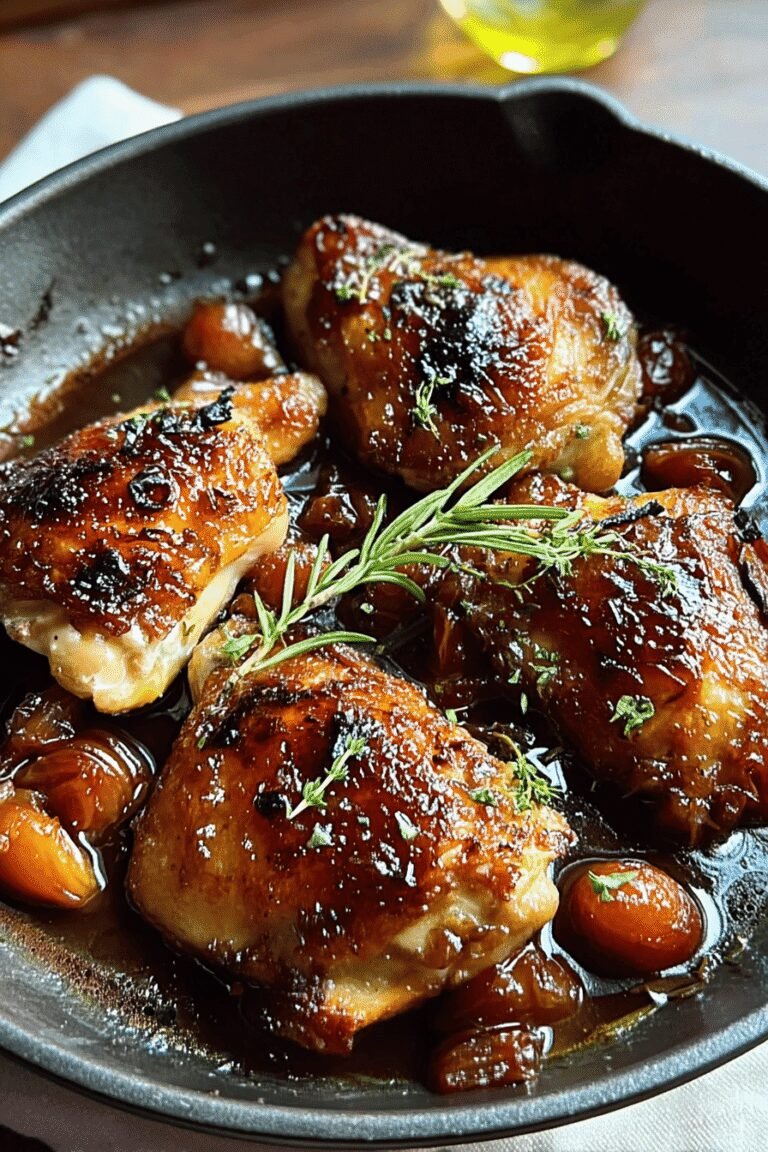
Fig Glazed Skillet Chicken
🍗 This Fig Glazed Skillet Chicken brings a gourmet touch to your dinner table with its deliciously sweet and savory flavor profile.
🍴 Perfectly balanced with rich fig preserves and balsamic glaze, it’s a feast for both the eyes and the taste buds!
- Total Time: 40 minutes to 1 hour 15 minutes
- Yield: 4 servings
Ingredients
Unsalted butter, softened: ¼ cup (57 grams)
Garlic, minced: 3 cloves
Fresh rosemary, destemmed and minced: 3 sprigs
Salt: 2 teaspoons
Ground black pepper: 1 teaspoon
Chicken pieces, bone-in, skin-on (6 drumsticks and 2 thighs recommended)
Balsamic vinegar: ½ cup (118 grams)
Fig preserves: ½ cup (112 grams)
Optional garnishes: ½ cup chopped walnuts, ½ cup crumbled cheese such as Gorgonzola, goat cheese, or feta
Instructions
1. Preheat oven to 425 °F (218 °C).
2. In a small bowl, mix softened butter with half the garlic, half the rosemary, half the salt, and half the pepper.
3. Pat chicken pieces dry, then rub the butter mixture all over the outside of the chicken to promote crispness and flavor.
4. Place the chicken in a cast iron skillet or baking dish and roast in the oven.
5. Meanwhile, whisk together balsamic vinegar, fig preserves, remaining garlic, rosemary, salt, and pepper to prepare the glaze.
6. After about 15 minutes of roasting, remove the chicken and brush most of the glaze on the pieces. Return to the oven and baste with remaining glaze every 10 minutes until the chicken reaches an internal temperature of 165 °F (74 °C), approximately 25 minutes total cook time.
7. Remove chicken from oven, pour remaining glaze on top, and allow it to rest and cool slightly before serving. Garnish with chopped walnuts and crumbled cheese if desired.
Last Step:
Please leave a rating and comment letting us know how you liked this recipe! This helps our business to thrive and continue providing free, high-quality recipes for you.Notes
🧄 Use fresh garlic and fresh herbs like rosemary or thyme for the best flavor.
🥄 Pat chicken dry before applying the butter mixture to help keep the skin crispy.
🔥 For a crispier finish, broil the chicken for the last 3-4 minutes, watching carefully to avoid burning.
- Prep Time: 15 minutes
- Resting: 5 minutes
- Cook Time: 25-40 minutes
- Category: Main Course
- Method: Skillet
- Cuisine: American
- Diet: Gluten-Free
Nutrition
- Serving Size: 1 portion
- Calories: 390
- Sugar: 12g
- Sodium: 650mg
- Fat: 20g
- Saturated Fat: 8g
- Unsaturated Fat: 10g
- Trans Fat: 0g
- Carbohydrates: 20g
- Fiber: 2g
- Protein: 28g
- Cholesterol: 110mg