

Why You’ll Love This Cookie Butter Frosting
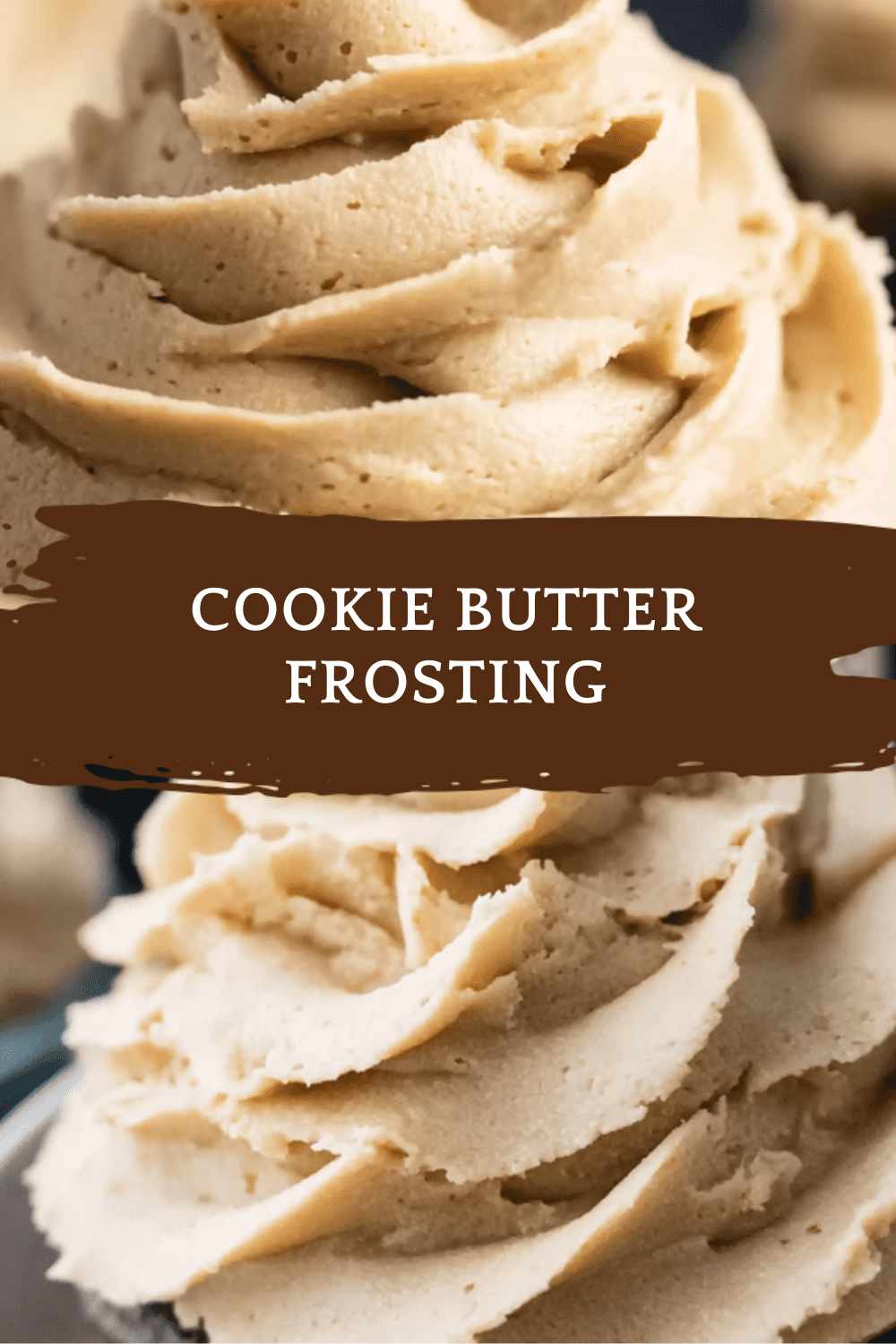
Cookie Butter Frosting is a sweet and delicious buttercream frosting flavored with cookie butter made from ground speculoos cookies. These cookies have a warm flavor that sits between gingerbread and caramel, making this frosting a standout choice for your desserts. If you’re looking for something easy and tasty to top your treats, this recipe fits the bill perfectly.
One of the best parts about this frosting is its ease of preparation. This cookie butter frosting recipe is incredibly simple and quick to make, requiring minimal ingredients and less than 15 minutes to prepare. Whether you are a beginner or an experienced baker, you can easily whip up this smooth and creamy frosting with minimal effort.
It also offers some health benefits compared to traditional frostings. Unlike traditional frostings, cookie butter frosting can incorporate ingredients that offer nutritional advantages such as reduced sugar options and use of nutritious nut butters. This makes it a slightly healthier alternative while still delivering a rich and satisfying taste.
The versatility of this frosting is another highlight. This frosting adapts perfectly to various dietary needs including vegan, gluten-free, and low-calorie diets by substituting key ingredients without compromising flavor or texture. Its adaptable nature allows it to complement many types of desserts.
And let’s not forget the distinctive flavor. The cookie butter frosting stands out with its unique blend of caramelized cookie spices and creamy texture, offering a warm, indulgent taste that elevates any baked good it adorns. With a preparation time of about 15 minutes total from start to finish, it’s perfect for busy parents and baking enthusiasts alike.
Jump to:
- Why You’ll Love This Cookie Butter Frosting
- Essential Ingredients for Cookie Butter Frosting
- Full List of Ingredients
- Special Dietary Options
- How to Prepare the Perfect Cookie Butter Frosting: Step-by-Step Guide
- Dietary Substitutions to Customize Your Cookie Butter Frosting
- Mastering Cookie Butter Frosting: Advanced Tips and Variations
- How to Store Cookie Butter Frosting: Best Practices
- FAQs: Frequently Asked Questions About Cookie Butter Frosting
- Where can I buy cookie butter for making frosting?
- What kind of cookies are used to make cookie butter?
- How do you make cookie butter frosting at home?
- Can cookie butter frosting be stored, and how long does it last?
- Is cookie butter frosting suitable for people with nut allergies?
- Cookie Butter Frosting
- Ingredients
- Instructions
- Last Step:
- Notes
- Nutrition
- Did you make this recipe?
Essential Ingredients for Cookie Butter Frosting
Gathering the right ingredients is key to making perfect Cookie Butter Frosting. This section outlines everything you need, based on the detailed recipe provided. We’ll break it down into a clear, structured list to make it simple for you to follow along.
Full List of Ingredients
- 1 cup (227 g) unsalted butter, softened
- 1 cup (236 g) cookie butter
- 2 cups (240 g) confectioners’ sugar
- 4 tablespoons heavy cream, room temperature
- Pinch of salt (optional)
- 1 cup cookie butter – provides the rich, spiced base flavor essential for the frosting
- 1/2 cup unsalted butter, softened – adds creaminess and smooth texture
- 2 cups powdered sugar – sweetens and thickens the frosting
- 1 teaspoon vanilla extract – enhances the overall flavor profile
- 2-3 tablespoons milk or plant-based milk – adjusts consistency for spreading
This comprehensive list ensures you have every item needed for the recipe. Remember, each ingredient plays a specific role, so use the precise measurements for the best results.
Special Dietary Options
- Vegan: Use plant-based butter and plant-based milk substitutes such as almond or oat milk
- Gluten-free: Ensure cookie butter is certified gluten-free to avoid cross-contamination
- Low-calorie: Opt for low-fat butter alternatives and reduce powdered sugar quantity to lower calorie intake
For more ideas on similar treats, check out our biscoff-stuffed cookies recipe that pairs well with this frosting.
How to Prepare the Perfect Cookie Butter Frosting: Step-by-Step Guide
Creating Cookie Butter Frosting is straightforward and fun, especially if you’re new to baking. Start by gathering all your ingredients and making sure the butter is softened for easy mixing. This guide will walk you through the process based on the detailed directions provided.
- Beat room temperature butter on medium-high speed for about 5 minutes until light and fluffy.
- Add cookie butter and beat until fully combined and smooth, about 3 to 5 minutes.
- Gradually add confectioners’ sugar one cup at a time, beating well after each addition. The mixture will thicken.
- Beat in heavy cream one tablespoon at a time and continue to beat until frosting is light and creamy.
- Optionally, add a pinch of salt to balance sweetness. Use immediately to frost cakes or cupcakes, or refrigerate for later use. Adjust preparation for dietary needs by substituting dairy milk with plant-based alternatives or using vegan butter on step two as needed.
First Step: Gather all ingredients and ensure butter is softened for easy mixing. Prepare your workspace.
Second Step: In a large mixing bowl, beat the softened unsalted butter until creamy and smooth.
Third Step: Add the cookie butter to the bowl and continue to mix until fully incorporated.
Fourth Step: Gradually add powdered sugar, one cup at a time, mixing on low speed to avoid dust and ensure smooth texture.
Fifth Step: Mix in vanilla extract, and then add milk one tablespoon at a time to reach desired consistency.
Sixth Step: Scrape down the sides of the bowl to blend all ingredients thoroughly.
Final Step: Use immediately or store as needed. To learn more about cookie butter, explore the origins of cookie butter for a deeper understanding of its flavors.
Dietary Substitutions to Customize Your Cookie Butter Frosting
Making Cookie Butter Frosting work for your needs is easy with a few swaps. These changes help cater to different preferences while keeping the frosting delicious.
Protein and Main Component Alternatives:
- Replace traditional butter with coconut oil or vegan margarine for dairy-free or vegan needs.
- Use almond or cashew butter instead of cookie butter for nut-based protein variations.
Vegetable, Sauce, and Seasoning Modifications:
- Add a pinch of cinnamon or nutmeg to enhance spices without altering dietary profile.
- Substitute vanilla extract with almond or maple extracts for flavor variations suited to personal taste or seasonal preferences.
These options make the frosting versatile for everyone, from busy professionals to seniors looking for lighter options.
Mastering Cookie Butter Frosting: Advanced Tips and Variations
Once you get the basics down, you can take your Cookie Butter Frosting to the next level with some pro techniques. Here are tips to make it even better, drawn from expert advice and the provided details.
- Pro cooking techniques: Use a stand mixer on medium speed to achieve the creamiest texture; chill the frosting briefly before spreading to avoid melting.
- Flavor variations: Incorporate espresso powder for a mocha twist or a splash of citrus zest for brightness.
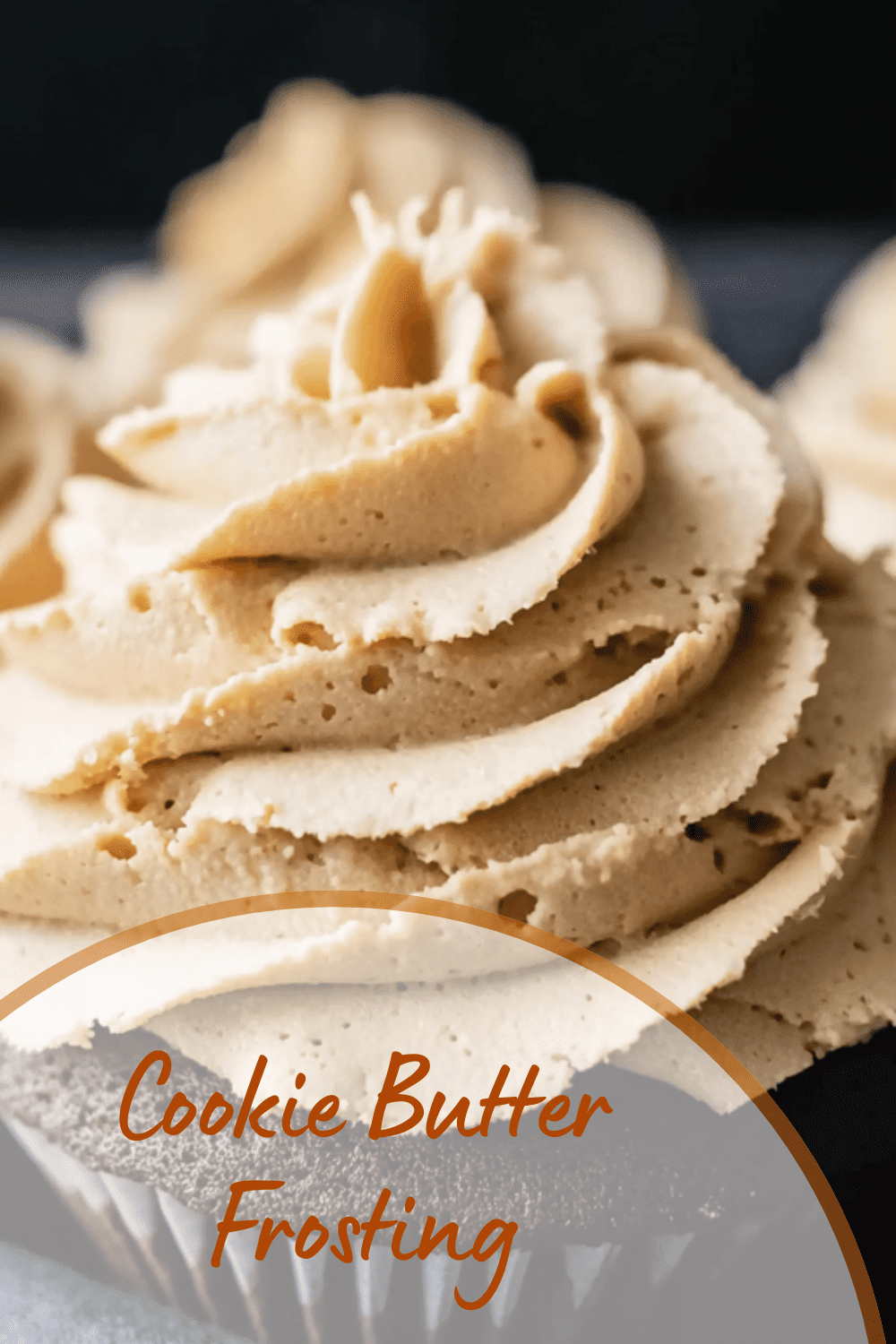
- Presentation tips: Pipe the frosting with a star tip for an elegant look or sprinkle crushed cookie crumbs for texture contrast.
- Make-ahead options: Prepare the frosting up to two days in advance and store it refrigerated; bring to room temperature before use and re-whip lightly to restore fluffiness.
- Let butter soften at room temperature for 1 to 2 hours before using for best texture.
- To avoid overly sweet frosting, beat the frosting for 5 to 8 minutes after all ingredients are mixed to incorporate air and lighten the flavor.
- If frosting is too sweet, replacing a quarter of the powdered sugar with cornstarch can reduce sweetness without affecting taste.
- Frosting keeps up to 4 days in an airtight container in the refrigerator; bring to room temperature before using. It can also be frozen for up to 3 months and thawed overnight in the refrigerator before use.
For more inspiration on cookie-based desserts, try our shortbread cookies recipe that complements this frosting nicely.
How to Store Cookie Butter Frosting: Best Practices
Proper storage keeps your Cookie Butter Frosting fresh and ready for your next gathering. Follow these steps to maintain its creamy texture over time. Refrigeration: Store the cookie butter frosting in an airtight container in the fridge for up to one week, ensuring it is well covered to prevent drying out. Freezing: For long-term storage, freeze the frosting in a sealed container for up to two months; thaw overnight in the refrigerator before use. Reheating: Bring refrigerated frosting to room temperature and gently re-whip to regain smoothness; avoid microwave heating to preserve texture and taste. Meal prep considerations: Make larger batches and portion them into individual containers for convenient use during busy days, ensuring consistent quality with proper refrigeration.
FAQs: Frequently Asked Questions About Cookie Butter Frosting
Where can I buy cookie butter for making frosting?
You can find cookie butter in most large grocery stores, typically in the same aisle as peanut butter and other nut or seed butters. Some stores stock it near international or specialty foods sections as well. If local options are limited, cookie butter is widely available online through retailers like Amazon or specialty food websites. When buying, check the label to ensure it’s made from speculoos or similar spiced cookies for the authentic flavor.
What kind of cookies are used to make cookie butter?
Cookie butter is primarily made from speculoos cookies, which are spiced shortcrust biscuits with flavors of cinnamon, nutmeg, and ginger. These cookies are ground down to create a smooth, spreadable butter that combines the sweet, caramelized notes of the cookie with a creamy texture. This unique flavor base makes cookie butter frosting especially rich and aromatic.
How do you make cookie butter frosting at home?
To make cookie butter frosting, start by beating softened butter until creamy. Then, gradually add cookie butter, powdered sugar, and a small amount of milk or cream to reach your desired consistency. Mixing vanilla extract can enhance the flavor. For best results, use chilled ingredients and beat the frosting on medium speed until smooth and fluffy. Adjust the sugar and liquid amounts to balance sweetness and texture.
Can cookie butter frosting be stored, and how long does it last?
Yes, cookie butter frosting can be stored in an airtight container in the refrigerator for up to one week. Before using, allow it to come to room temperature and give it a quick stir or re-whip to restore its creamy texture. For longer storage, you can freeze the frosting for up to two months. Thaw it overnight in the refrigerator and then rewhip before applying.
Is cookie butter frosting suitable for people with nut allergies?
Cookie butter frosting can be safe for those with nut allergies if made from cookie butter that does not contain nuts or nut oils. However, some brands add peanut or almond ingredients or are processed in facilities that handle nuts. Always check labels carefully. For a nut-free option, choose cookie butter specifically labeled “nut-free” or make your own using nut-free speculoos cookies and confirm all other ingredients are allergy-safe.

Cookie Butter Frosting
🍪 Experience the rich, smooth, and creamy texture of this Cookie Butter Frosting that adds a delightful twist to your treats.
🎂 Perfect for elevating cupcakes, cakes, and cookies with its unique gingerbread-caramel flavor profile.
- Total Time: 15 minutes
- Yield: Enough frosting for 12 to 16 cupcakes
Ingredients
1 cup (227 g) unsalted butter, softened
1 cup (236 g) cookie butter
2 cups (240 g) confectioners’ sugar
4 tablespoons heavy cream, room temperature
Pinch of salt (optional)
1 cup cookie butter provides the rich, spiced base flavor essential for the frosting
1/2 cup unsalted butter, softened adds creaminess and smooth texture
2 cups powdered sugar sweetens and thickens the frosting
1 teaspoon vanilla extract enhances the overall flavor profile
2–3 tablespoons milk or plant-based milk adjusts consistency for spreading
Instructions
1-Beat room temperature butter: Beat room temperature butter on medium-high speed for about 5 minutes until light and fluffy.
2-Add cookie butter: Add cookie butter and beat until fully combined and smooth, about 3 to 5 minutes.
3-Gradually add confectioners’ sugar: Gradually add confectioners’ sugar one cup at a time, beating well after each addition. The mixture will thicken.
4-Beat in heavy cream: Beat in heavy cream one tablespoon at a time and continue to beat until frosting is light and creamy.
5-Optionally, add a pinch of salt: Optionally, add a pinch of salt to balance sweetness. Use immediately to frost cakes or cupcakes, or refrigerate for later use. Adjust preparation for dietary needs by substituting dairy milk with plant-based alternatives or using vegan butter on step two as needed.
First Step: Gather all ingredients and ensure butter is softened for easy mixing. Prepare your workspace.
Second Step: In a large mixing bowl, beat the softened unsalted butter until creamy and smooth.
Third Step: Add the cookie butter to the bowl and continue to mix until fully incorporated.
Fourth Step: Gradually add powdered sugar, one cup at a time, mixing on low speed to avoid dust and ensure smooth texture.
Fifth Step: Mix in vanilla extract, and then add milk one tablespoon at a time to reach desired consistency.
Sixth Step: Scrape down the sides of the bowl to blend all ingredients thoroughly.
Final Step: Use immediately or store as needed. To learn more about cookie butter, explore the origins of cookie butter for a deeper understanding of its flavors.
Last Step:
Please leave a rating and comment letting us know how you liked this recipe! This helps our business to thrive and continue providing free, high-quality recipes for you.Notes
🧈 Let the butter soften at room temperature for 1 to 2 hours before starting for the best texture.
⏳ Beat the frosting for 5 to 8 minutes after mixing all ingredients to incorporate air and make the flavor lighter.
🍚 If the frosting is too sweet, replace a quarter of the powdered sugar with cornstarch to reduce sweetness without affecting texture.
- Prep Time: 15 minutes
- Cook Time: 0 minutes
- Category: Frosting
- Method: Mixing
- Cuisine: American
- Diet: Vegetarian
Nutrition
- Serving Size: 2 tablespoons
- Calories: 174
- Sugar: 13g
- Sodium: 2mg
- Fat: 13g
- Saturated Fat: 6g
- Unsaturated Fat: Approximately 2.3g
- Trans Fat: 0.3g
- Carbohydrates: 15g
- Fiber: 0g
- Protein: 1g
- Cholesterol: 23mg


