

Why You’ll Love This Cinnamon Roll Cookies
There’s something magical about the combination of cinnamon and sugar that brings instant comfort and joy. These Cinnamon Roll Cookies capture everything you love about traditional cinnamon rolls but in a convenient, shareable cookie form that’s perfect for any gathering. Whether you’re bringing treats to a church potluck, packing snacks for your kids, or simply craving something sweet at home, this recipe delivers on every front.
The beauty of these cookies lies in their simplicity. You get all the warm, gooey cinnamon-sugar swirls you crave without the hassle of working with yeast dough or waiting for rising times. The slice-and-bake method means you can prepare the dough ahead, store it in your refrigerator or freezer, and bake fresh cookies whenever the mood strikes. This makes them ideal for busy parents, working professionals, or anyone who wants homemade treats without spending hours in the kitchen.
- Ease of preparation: No yeast, no rising time, and no special equipment needed. The dough comes together in minutes using basic mixing bowls and a hand mixer or stand mixer. Active preparation takes just 30 minutes, and the chilling time requires zero effort from you.
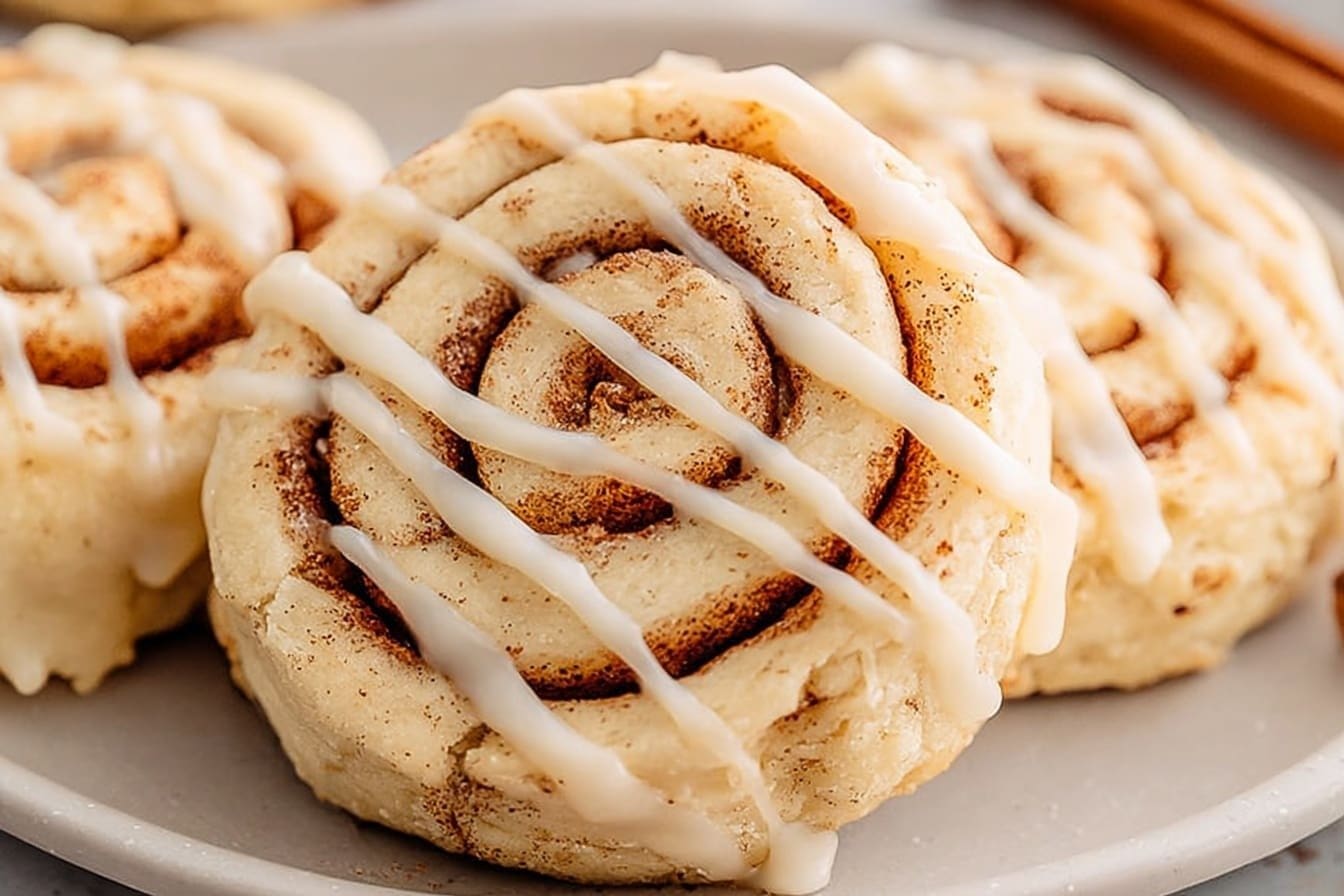
- Wonderful flavor profile: The buttery sugar cookie base pairs beautifully with the warm cinnamon-sugar filling, creating that classic cinnamon roll taste everyone recognizes and loves. The sweet vanilla icing on top adds the perfect finishing touch.
- Versatility for any occasion: These cookies travel exceptionally well, making them ideal for potlucks, bake sales, holiday cookie exchanges, and family gatherings. They look impressive with their swirled centers but require minimal decorating skills.
- Make-ahead friendly: Keep the dough logs in your refrigerator for up to 3 days or freeze them for up to 3 months. This flexibility lets you bake fresh cookies on demand, which is perfect for unexpected guests or planned events alike.
Jump to:
- Why You’ll Love This Cinnamon Roll Cookies
- Essential Ingredients for Cinnamon Roll Cookies
- Cookie Dough Ingredients
- Filling Ingredients
- Icing Ingredients
- Special Dietary Options
- How to Prepare the Perfect Cinnamon Roll Cookies: Step-by-Step Guide
- Step 1: Prepare Your Dry Ingredients
- Step 2: Cream the Butter and Sugar
- Step 3: Add Egg and Vanilla
- Step 4: Combine Wet and Dry Ingredients
- Step 5: Divide and Roll the Dough
- Step 6: Add the Cinnamon Filling
- Step 7: Roll Into Logs
- Step 8: Chill the Dough Logs
- Step 9: Preheat and Prepare for Baking
- Step 10: Slice and Arrange
- Step 11: Bake to Golden Perfection
- Step 12: Cool and Drizzle
- Dietary Substitutions to Customize Your Cinnamon Roll Cookies
- Flour and Gluten Alternatives
- Dairy-Free Modifications
- Sugar and Sweetener Options
- Flavor Variations and Add-Ins
- Mastering Cinnamon Roll Cookies: Advanced Tips and Variations
- Professional Baking Techniques
- Creative Flavor Variations
- Presentation and Gifting Ideas
- Make-Ahead Strategies
- How to Store Cinnamon Roll Cookies: Best Practices
- Room Temperature Storage
- Refrigeration Guidelines
- Freezing for Long-Term Storage
- Reheating and Serving
- FAQs: Frequently Asked Questions About Cinnamon Roll Cookies
- What makes cinnamon roll cookies different from actual cinnamon rolls?
- Can you make cinnamon roll cookies ahead of time?
- How do you store cinnamon roll cookies to keep them fresh?
- What are the nutritional values for cinnamon roll cookies?
- Can I substitute ingredients in cinnamon roll cookies?
- Cinnamon Roll Cookies
- Ingredients
- Instructions
- Last Step:
- Notes
- Nutrition
- Did you make this recipe?
Essential Ingredients for Cinnamon Roll Cookies
Creating the perfect Cinnamon Roll Cookies requires three separate components: the cookie dough, the cinnamon-sugar filling, and the sweet vanilla icing. Each element plays an important role in building those classic cinnamon roll flavors in cookie form. Here’s everything you’ll need to gather before starting.
Cookie Dough Ingredients
- 2 and 1/4 cups all-purpose flour, plus more as needed for rolling and work surface Forms the sturdy base of your cookies and provides structure. The extra flour helps prevent sticking during the rolling process.
- 1/2 teaspoon baking powder Gives the cookies a slight lift while keeping them tender rather than cakey.
- 1/4 teaspoon salt Enhances all the flavors and balances the sweetness throughout the cookie.
- 3/4 cup unsalted butter, softened Creates a rich, buttery foundation and contributes to that melt-in-your-mouth texture we all want in cookies.
- 3/4 cup granulated sugar Sweetens the dough and helps create those slightly crisp edges when baked.
- 1 large egg, at room temperature Binds the ingredients together and adds moisture for a tender crumb.
- 2 teaspoons pure vanilla extract Adds warm, aromatic flavor that complements the cinnamon beautifully.
Filling Ingredients
- 2 tablespoons butter, melted and slightly cooled Acts as the glue that holds the cinnamon-sugar mixture in place and adds richness to the swirl.
- 1/4 cup granulated sugar Provides sweetness and that classic cinnamon roll flavor in every bite.
- 1 tablespoon ground cinnamon Delivers the signature warm, spicy flavor that makes these cookies so irresistible. According to Healthline, cinnamon also offers potential health benefits including antioxidants and anti-inflammatory properties.
Icing Ingredients
- 1 cup confectioners’ sugar Creates that smooth, sweet drizzle that tops every great cinnamon roll.
- 3 tablespoons milk Thins the icing to the perfect consistency for drizzling over your cooled cookies.
- 1/2 teaspoon pure vanilla extract Adds another layer of flavor to the icing and ties everything together.
Special Dietary Options
While this recipe uses traditional ingredients, you can make modifications for various dietary needs. For gluten-free cookies, substitute the all-purpose flour with a 1:1 gluten-free flour blend and add 1/4 teaspoon xanthan gum if your blend doesn’t already include it. For dairy-free versions, replace the butter with vegan margarine or coconut oil, and use almond milk or oat milk in the icing. Those watching their sugar intake can try reducing the granulated sugar slightly or using a sugar substitute designed for baking.
How to Prepare the Perfect Cinnamon Roll Cookies: Step-by-Step Guide
Now that you have all your ingredients ready, let’s walk through the process of making these delightful Cinnamon Roll Cookies. Take your time with each step, and remember that the chilling time is essential for achieving those beautiful swirls that don’t spread too much during baking.
Step 1: Prepare Your Dry Ingredients
Start by whisking together the flour, baking powder, and salt in a medium bowl. This step ensures that the leavening agent and salt are evenly distributed throughout the flour, which prevents any uneven spots in your finished cookies. Set this bowl aside while you work on the wet ingredients. Having everything prepped and ready makes the mixing process smoother and more enjoyable.
Step 2: Cream the Butter and Sugar
In a large mixing bowl, beat the softened butter and granulated sugar together until the mixture becomes smooth and creamy. This typically takes about 2-3 minutes with an electric mixer on medium speed. You want the mixture to look pale and fluffy, which indicates that air has been incorporated into the dough. This step contributes to a lighter, more tender cookie texture. Take your time here because properly creamed butter and sugar make a noticeable difference in the final result.
Step 3: Add Egg and Vanilla
Add the room-temperature egg and the vanilla extract to your butter-sugar mixture. Mix on medium speed until everything is fully combined and the mixture looks smooth. The egg should be completely incorporated with no visible streaks. Using a room-temperature egg helps it blend more easily with the creamed butter mixture. If your egg was stored in the refrigerator, simply let it sit in a bowl of warm water for about 5 minutes before cracking it.
Step 4: Combine Wet and Dry Ingredients
Gradually add the dry ingredient mixture to your wet ingredients, mixing on low speed. Adding the flour mixture in three or four additions prevents it from flying out of the bowl and ensures even mixing. The dough will be soft and slightly sticky, which is normal. If it seems too sticky to handle, you can add extra flour by the tablespoon until it reaches a workable consistency. Be careful not to overmix at this stage, as too much mixing can make your cookies tough rather than tender.
Step 5: Divide and Roll the Dough
Divide your dough into two equal pieces. Working on a floured surface or silicone baking mat, roll each piece into a rectangle measuring approximately 9 by 7 inches, with a thickness of about 1/4 inch. Using a silicone baking mat for rolling makes cleanup much easier and prevents the dough from sticking. If you don’t have one, lightly flour your counter and rolling pin. Keep the thickness consistent across the rectangle so your cookies bake evenly.
Step 6: Add the Cinnamon Filling
Brush each rectangle evenly with the melted butter, making sure to reach all the edges. Then mix the granulated sugar and ground cinnamon together and sprinkle this mixture evenly over the buttered dough. The butter acts as an adhesive, keeping the cinnamon-sugar layer in place as you roll. Be generous but even with your sprinkling to ensure every cookie has that perfect cinnamon swirl throughout.
Step 7: Roll Into Logs
Starting from one of the longer sides, roll each rectangle tightly into a 9-inch log. Take your time and roll slowly to create tight, even spirals. If you notice any cracks forming on the surface of the dough, simply smooth them with your fingers as you go. Minor cracks are fine and won’t affect the final appearance significantly. Tight rolling helps create those beautiful defined swirls that make these cookies so visually appealing.
Step 8: Chill the Dough Logs
Wrap each log in plastic wrap or parchment paper and place them in the refrigerator for at least 2 hours. This chilling time is important because it firms up the butter in the dough, which prevents the cookies from spreading too much during baking. Cold dough also slices more cleanly, giving you cookies with well-defined swirls. If you’re short on time, you can place the logs in the freezer for about 30 minutes, but the refrigerator method yields better results. You can even chill the logs overnight and bake them the next day.
Step 9: Preheat and Prepare for Baking
When you’re ready to bake, preheat your oven to 350 degrees Fahrenheit. Line your baking sheets with parchment paper or silicone baking mats. These liners prevent sticking and make transferring the cookies to a cooling rack much easier. If you only have one baking sheet, you can reuse it between batches, but let it cool slightly between batches to prevent the dough slices from spreading too quickly.
Step 10: Slice and Arrange
Remove one log from the refrigerator at a time and slice it into half-inch thick rounds using a sharp knife. A serrated knife often works well for this task. Place the slices about 2 inches apart on your prepared baking sheets to allow room for slight spreading. If the dough feels too firm after extended chilling, let it sit at room temperature for about 5 minutes before slicing. Uniform slice thickness ensures all your cookies bake at the same rate.
Step 11: Bake to Golden Perfection
Bake the cookies for 10-11 minutes, or until the edges are lightly browned. The centers may still look slightly underdone when you remove them from the oven, but they will continue to firm up as they cool. Keep a close eye on your first batch, as oven temperatures can vary. You want the bottoms to be golden and the edges just starting to brown for that perfect chewy texture with slightly crisp edges.
Step 12: Cool and Drizzle
Allow the cookies to cool on the baking sheet for 5 minutes before transferring them to a wire rack to cool completely. While they cool, whisk together the confectioners’ sugar, milk, and vanilla extract until smooth. The icing should be thin enough to drizzle but thick enough to sit on top of the cookies without running completely off. Once the cookies are completely cool, use a spoon or fork to drizzle the icing back and forth across each cookie in a decorative pattern.
| Preparation Stage | Time Required | Key Notes |
|---|---|---|
| Active Prep Time | 20-30 minutes | Mixing and rolling the dough |
| Chilling Time | 2 hours minimum | Can be done overnight |
| Baking Time | 10-11 minutes per batch | Watch for lightly browned edges |
| Cooling Time | 15-20 minutes | Must be completely cool before icing |
| Total Yield | Approximately 36 cookies | Depends on slice thickness |
For more detailed guidance on similar slice-and-bake techniques, you can check out Sally’s Baking Addiction for additional tips and visual references.
Dietary Substitutions to Customize Your Cinnamon Roll Cookies
One of the wonderful things about this Cinnamon Roll Cookies recipe is its adaptability. Whether you’re accommodating food allergies, dietary restrictions, or personal preferences, several substitutions work well while maintaining that delicious cinnamon swirl character.
Flour and Gluten Alternatives
For those avoiding gluten, a high-quality 1:1 gluten-free flour blend works beautifully in this recipe. Look for blends specifically designed for baking cookies and cakes. Add 1/4 teaspoon of xanthan gum if your blend doesn’t already contain it, as this helps replicate the binding properties of gluten. The texture will be slightly different, but the flavor remains excellent. For a protein boost, you can substitute up to half of the all-purpose flour with whole wheat flour, though this will create a heartier, more rustic cookie.
Dairy-Free Modifications
Making these cookies dairy-free is straightforward. Replace the unsalted butter with vegan butter sticks or margarine, which perform similarly in baking. For the filling, coconut oil makes an excellent substitute for melted butter. In the icing, use almond milk, oat milk, or any non-dairy milk you prefer. The cookies will still have that rich, buttery flavor and tender crumb. Just be aware that some vegan butters have higher water content, which might require a small adjustment to the flour amount.
Sugar and Sweetener Options
If you’re looking to reduce refined sugar, coconut sugar can replace the granulated sugar in the dough and filling, though it will give the cookies a deeper, more caramel-like color. For the icing, powdered monk fruit sweetener or erythritol works as a one-to-one substitute for confectioners’ sugar. Keep in mind that sugar alternatives may affect browning and spread, so your first batch might require some observation. Start with the same measurements and adjust based on results.
Flavor Variations and Add-Ins
The cinnamon filling can be customized to suit your taste preferences. Add 1/4 cup of finely chopped pecans or walnuts to the filling for a nutty crunch that complements the cinnamon beautifully. A pinch of nutmeg or allspice mixed with the cinnamon adds complexity to the spice profile. For chocolate lovers, a handful of mini chocolate chips sprinkled over the cinnamon layer creates a delightful twist. If you enjoy classic shortbread cookies, you’ll appreciate how versatile this dough base can be for various flavor experiments.
Those who enjoy making cinnamon sugar donut holes or other cinnamon-forward treats will find this recipe adapts well to different spice levels. Increase the cinnamon to 1.5 tablespoons for a bolder spice flavor, or add orange zest to the dough for a bright, citrusy note that pairs wonderfully with cinnamon.
Mastering Cinnamon Roll Cookies: Advanced Tips and Variations
Once you’ve mastered the basic Cinnamon Roll Cookies recipe, you might want to try some techniques that will take your baking to the next level. These tips come from experience and will help you achieve bakery-quality results in your own kitchen.
Professional Baking Techniques
The way you slice your dough logs significantly impacts the final appearance of your cookies. Use dental floss or unflavored thread instead of a knife for perfectly clean cuts. Simply wrap the floss around the log, cross the ends, and pull tight. This technique compresses the dough rather than pressing down, which preserves those beautiful spiral patterns. Rotate the log slightly after each cut to maintain an even shape throughout.
Temperature control plays a huge role in cookie success. Chill your baking sheets before placing the sliced dough on them. Cold pans help the cookies hold their shape better during the initial minutes of baking. If your kitchen is warm, work with one log at a time while keeping the other in the refrigerator. Warm dough spreads more and loses its defined swirl pattern.
Tip: If your cookies spread too much during baking, your dough might not have been cold enough. Try chilling the shaped dough for an additional 30 minutes before baking, and make sure your oven temperature is accurate with an oven thermometer.
Creative Flavor Variations
Transform this basic recipe into something new with simple additions. Brown sugar in the filling creates a richer, more caramel-like flavor that some people prefer over white sugar. Mix 1/4 teaspoon of cardamom with the cinnamon for a sophisticated spice blend that tastes incredible. During fall, add a pinch of pumpkin pie spice to the filling for seasonal flair.
The icing offers another opportunity for creativity. Add a drop of almond extract instead of vanilla for a different flavor profile. A small amount of maple syrup replacing some of the milk creates a maple glaze that pairs beautifully with cinnamon. For holiday baking, add food coloring to match the season, or sprinkle crushed candy canes over the iced cookies while still wet.
Presentation and Gifting Ideas
These cookies make wonderful gifts, especially during the holiday season. Package them in clear cellophane bags tied with baker’s twine, or stack them in decorative tins lined with wax paper. The swirl pattern makes them visually impressive, so they look beautiful on cookie platters alongside other favorites. For bake sales, wrap individual cookies in plastic wrap with a decorative sticker, or tie groups of three with ribbon.
Consider the occasion when deciding on presentation. For a church potluck, a simple plate with a doily works beautifully. For more formal events, arrange the iced cookies on a cake stand and garnish with a few whole cinnamon sticks for an attractive display.
Make-Ahead Strategies
Smart planning makes holiday baking much less stressful. Prepare the dough logs and freeze them for up to 3 months. When you need fresh cookies, simply thaw the log in the refrigerator overnight and slice as usual. You can also slice and freeze individual unbaked cookies on a baking sheet, then transfer them to a freezer bag. Bake directly from frozen, adding 1-2 minutes to the baking time. This approach means you can have fresh-baked cookies within 15 minutes with almost no prep work.
How to Store Cinnamon Roll Cookies: Best Practices
Proper storage keeps your Cinnamon Roll Cookies tasting fresh and delicious for days, or even months if you freeze them. Understanding the best methods for short and long-term storage helps you plan ahead for gatherings and reduces waste.
Room Temperature Storage
Store baked and cooled cookies in an airtight container at room temperature for up to 5 days. Layer them between sheets of parchment paper to prevent sticking, especially if they’re iced. Keep the container away from direct sunlight and heat sources, which can cause the butter to soften and the cookies to become greasy or lose their shape. If you live in a humid climate, add a slice of white bread to the container to absorb excess moisture and keep the cookies soft.
Refrigeration Guidelines
While room temperature storage works well for short periods, refrigeration extends freshness for up to one week. This is especially useful for iced cookies, as the cold helps set the glaze. Place cookies in a single layer in an airtight container, or stack with parchment paper between layers. Bring refrigerated cookies to room temperature before serving for the best texture and flavor, as cold cookies can taste less sweet and have a firmer texture.
Freezing for Long-Term Storage
Freezing offers the best option for long-term storage. You can freeze unbaked dough logs wrapped tightly in plastic wrap and aluminum foil for up to 3 months. Thaw them in the refrigerator overnight before slicing and baking. Alternatively, freeze baked and cooled cookies in a single layer on a baking sheet until solid, then transfer to freezer bags with the air pressed out. Label the bags with the date and contents. Frozen baked cookies keep well for 2-3 months and taste nearly identical to fresh-baked when thawed.
Reheating and Serving
To serve frozen cookies, thaw them at room temperature for about 30 minutes. For warm cookies, place them on a baking sheet in a 300 degree Fahrenheit oven for 3-5 minutes. This warms them through without over-baking. If you’re planning to drizzle fresh icing, do so after reheating for the best flavor and appearance. Never microwave cookies to reheat them, as this creates hot spots and uneven texture.
| Storage Method | Duration | Best For |
|---|---|---|
| Room Temperature | Up to 5 days | Everyday snacking, potlucks |
| Refrigerator | Up to 1 week | Iced cookies, hot weather |
| Freezer (baked) | 2-3 months | Make-ahead batches, gifts |
| Freezer (dough logs) | Up to 3 months | Fresh-baked cookies on demand |
FAQs: Frequently Asked Questions About Cinnamon Roll Cookies
What makes cinnamon roll cookies different from actual cinnamon rolls?
Cinnamon roll cookies capture the swirled cinnamon-sugar flavor and icing of classic cinnamon rolls but in a crisp, slice-and-bake cookie form. Unlike yeast-based cinnamon rolls that rise and are soft and pillowy, these cookies use a simple sugar cookie dough rolled with cinnamon filling, then sliced—no yeast or rising time needed. This makes them quicker to prepare (under 30 minutes active time) and easier for beginners. They bake in 10-12 minutes for a chewy center and golden edges, perfect for holiday baking or parties. Slice the log into 1/4-inch thick rounds for even spirals. Pro tip: Chill the dough log for 2 hours to hold the shape during baking. Store in an airtight container for up to 5 days.
Can you make cinnamon roll cookies ahead of time?
Yes, cinnamon roll cookies are ideal for make-ahead prep. After mixing the dough, roll it into a log with the cinnamon filling, wrap tightly in plastic, and refrigerate up to 3 days. For longer storage, freeze the unbaked log for up to 2 months—thaw in the fridge overnight before slicing and baking. You can also bake and freeze fully cooled cookies in a freezer bag for up to 3 months; thaw at room temperature and drizzle with icing just before serving. This saves time during busy seasons. Bake from chilled at 350°F for 11-13 minutes. Fresh-baked taste every time with minimal effort—perfect for gifting or cookie swaps.
How do you store cinnamon roll cookies to keep them fresh?
Store baked cinnamon roll cookies in an airtight container at room temperature for up to 5 days—they stay soft thanks to the cream cheese icing. For longer freshness, layer with parchment paper to prevent sticking. Refrigerate in a single layer covered with plastic wrap for up to 1 week if iced, as the icing firms up. Freeze unglazed cookies in zip-top bags for 2-3 months; reheat at 300°F for 3-5 minutes and ice fresh. Avoid direct sunlight or humidity to prevent softening. Quick test: If edges crisp up, add a slice of bread to the container overnight to restore moisture. Enjoy that cinnamon swirl goodness anytime.
What are the nutritional values for cinnamon roll cookies?
Nutritional values vary by ingredients and portions, so exact figures depend on your recipe tweaks like butter brands or sugar substitutes. A typical serving (1 cookie, about 40g) from a standard recipe offers roughly 150-200 calories, 8-10g fat, 20-25g carbs, 1-2g protein, and 10-15g sugar. Use an online calculator like MyFitnessPal or Cronometer: input your exact measurements (e.g., 1 cup butter, 2 cups flour, 1/2 cup brown sugar). For lighter versions, swap half the butter for Greek yogurt or use almond flour. Always check labels for allergies. Track for balanced indulgence—pair with fruit for a snack under 250 calories total.
Can I substitute ingredients in cinnamon roll cookies?
Yes, customize freely while keeping the texture. Use gluten-free 1:1 flour blend for GF cookies—add 1/4 tsp xanthan gum if needed. Swap butter for coconut oil or vegan margarine; margarine works best for flakiness. For dairy-free, use almond milk in icing and vegan cream cheese. Reduce sugar by half with Swerve or erythritol—no bake time change. Add mix-ins like chopped pecans (1/2 cup) or raisins for variety. If dough is sticky, chill 30 minutes extra. Test bake one cookie first. These tweaks maintain the iconic cinnamon spiral—great for dietary needs. Full recipe in the article yields 24 cookies.

Cinnamon Roll Cookies
🍪 Soft gooey cinnamon roll cookies with perfect swirls – bakery bliss no yeast hassle!
🥐 Chill-make-ahead yields 36 icing-drizzled treats; freezer-friendly cookie heaven!
- Total Time: 2 hours 40 minutes
- Yield: 36 cookies
Ingredients
– 2 and 1/4 cups all-purpose flour, plus more as needed for rolling and work surface
– 1/2 teaspoon baking powder
– 1/4 teaspoon salt
– 3/4 cup unsalted butter, softened
– 3/4 cup granulated sugar
– 1 large egg, at room temperature
– 2 teaspoons pure vanilla extract
– 2 tablespoons butter, melted and slightly cooled
– 1/4 cup granulated sugar
– 1 tablespoon ground cinnamon
– 1 cup confectioners’ sugar
– 3 tablespoons milk
– 1/2 teaspoon pure vanilla extract
Instructions
1-Step 1: Prepare Your Dry Ingredients Start by whisking together the flour, baking powder, and salt in a medium bowl. This step ensures that the leavening agent and salt are evenly distributed throughout the flour, which prevents any uneven spots in your finished cookies. Set this bowl aside while you work on the wet ingredients. Having everything prepped and ready makes the mixing process smoother and more enjoyable.
2-Step 2: Cream the Butter and Sugar In a large mixing bowl, beat the softened butter and granulated sugar together until the mixture becomes smooth and creamy. This typically takes about 2-3 minutes with an electric mixer on medium speed. You want the mixture to look pale and fluffy, which indicates that air has been incorporated into the dough. This step contributes to a lighter, more tender cookie texture. Take your time here because properly creamed butter and sugar make a noticeable difference in the final result.
3-Step 3: Add Egg and Vanilla Add the room-temperature egg and the vanilla extract to your butter-sugar mixture. Mix on medium speed until everything is fully combined and the mixture looks smooth. The egg should be completely incorporated with no visible streaks. Using a room-temperature egg helps it blend more easily with the creamed butter mixture. If your egg was stored in the refrigerator, simply let it sit in a bowl of warm water for about 5 minutes before cracking it.
4-Step 4: Combine Wet and Dry Ingredients Gradually add the dry ingredient mixture to your wet ingredients, mixing on low speed. Adding the flour mixture in three or four additions prevents it from flying out of the bowl and ensures even mixing. The dough will be soft and slightly sticky, which is normal. If it seems too sticky to handle, you can add extra flour by the tablespoon until it reaches a workable consistency. Be careful not to overmix at this stage, as too much mixing can make your cookies tough rather than tender.
5-Step 5: Divide and Roll the Dough Divide your dough into two equal pieces. Working on a floured surface or silicone baking mat, roll each piece into a rectangle measuring approximately 9 by 7 inches, with a thickness of about 1/4 inch. Using a silicone baking mat for rolling makes cleanup much easier and prevents the dough from sticking. If you don’t have one, lightly flour your counter and rolling pin. Keep the thickness consistent across the rectangle so your cookies bake evenly.
6-Step 6: Add the Cinnamon Filling Brush each rectangle evenly with the melted butter, making sure to reach all the edges. Then mix the granulated sugar and ground cinnamon together and sprinkle this mixture evenly over the buttered dough. The butter acts as an adhesive, keeping the cinnamon-sugar layer in place as you roll. Be generous but even with your sprinkling to ensure every cookie has that perfect cinnamon swirl throughout.
7-Step 7: Roll Into Logs Starting from one of the longer sides, roll each rectangle tightly into a 9-inch log. Take your time and roll slowly to create tight, even spirals. If you notice any cracks forming on the surface of the dough, simply smooth them with your fingers as you go. Minor cracks are fine and won’t affect the final appearance significantly. Tight rolling helps create those beautiful defined swirls that make these cookies so visually appealing.
8-Step 8: Chill the Dough Logs Wrap each log in plastic wrap or parchment paper and place them in the refrigerator for at least 2 hours. This chilling time is important because it firms up the butter in the dough, which prevents the cookies from spreading too much during baking. Cold dough also slices more cleanly, giving you cookies with well-defined swirls. If you’re short on time, you can place the logs in the freezer for about 30 minutes, but the refrigerator method yields better results. You can even chill the logs overnight and bake them the next day.
9-Step 9: Preheat and Prepare for Baking When you’re ready to bake, preheat your oven to 350 degrees Fahrenheit. Line your baking sheets with parchment paper or silicone baking mats. These liners prevent sticking and make transferring the cookies to a cooling rack much easier. If you only have one baking sheet, you can reuse it between batches, but let it cool slightly between batches to prevent the dough slices from spreading too quickly.
10-Step 10: Slice and Arrange Remove one log from the refrigerator at a time and slice it into half-inch thick rounds using a sharp knife. A serrated knife often works well for this task. Place the slices about 2 inches apart on your prepared baking sheets to allow room for slight spreading. If the dough feels too firm after extended chilling, let it sit at room temperature for about 5 minutes before slicing. Uniform slice thickness ensures all your cookies bake at the same rate.
11-Step 11: Bake to Golden Perfection Bake the cookies for 10-11 minutes, or until the edges are lightly browned. The centers may still look slightly underdone when you remove them from the oven, but they will continue to firm up as they cool. Keep a close eye on your first batch, as oven temperatures can vary. You want the bottoms to be golden and the edges just starting to brown for that perfect chewy texture with slightly crisp edges.
12-Step 12: Cool and Drizzle Allow the cookies to cool on the baking sheet for 5 minutes before transferring them to a wire rack to cool completely. While they cool, whisk together the confectioners’ sugar, milk, and vanilla extract until smooth. The icing should be thin enough to drizzle but thick enough to sit on top of the cookies without running completely off. Once the cookies are completely cool, use a spoon or fork to drizzle the icing back and forth across each cookie in a decorative pattern.
Last Step:
Please leave a rating and comment letting us know how you liked this recipe! This helps our business to thrive and continue providing free, high-quality recipes for you.Notes
🧊 2+ hour chill keeps swirls sharp, stops spreading.
🛖 Silicone mat rolls buttery dough mess-free.
❄️ Freeze logs unbaked up to 3 months; slice-thaw-bake.
- Prep Time: 20 minutes
- Chill Time: 2 hours
- Cook Time: 10 minutes
- Category: Dessert
- Method: Oven
- Cuisine: American
- Diet: Vegetarian
Nutrition
- Serving Size: 1 cookie
- Calories: 120 kcal
- Sugar: 11g
- Sodium: 50mg
- Fat: 5g
- Saturated Fat: 3g
- Unsaturated Fat: 2g
- Trans Fat: 0g
- Carbohydrates: 18g
- Fiber: 0g
- Protein: 1g
- Cholesterol: 15mg


