Why You’ll Love This Turkey Meatballs
These turkey meatballs are perfect for anyone looking for a simple yet tasty option that fits into a busy schedule. They come together quickly with minimal prep, making them ideal for weeknight dinners or meal prep. Plus, they offer health benefits like being high in protein and lower in fat, which can support weight management and overall wellness.
Their versatility is another big draw—you can adapt the recipe to suit various dietary needs or serve them in multiple ways. From a quick snack to a full meal over pasta, turkey meatballs bring flavor and flexibility to the table. With bright herbs and seasonings, they avoid being bland and make every bite enjoyable.
Ease of preparation
These turkey meatballs come together quickly with minimal prep—just mix ground turkey, binders, aromatics, and seasonings, form into balls, and bake or pan-sear for 12 18 minutes depending on size. The streamlined method makes this turkey meatball recipe ideal for weeknight dinners, meal prep, or a fast family meal without complicated steps or long simmering times. They’re so easy that even beginners can whip them up without stress. Overall, this approach saves time while delivering delicious results.
Health benefits
Lean ground turkey reduces saturated fat compared with traditional beef or pork meatballs, offering a high-protein, lower-fat option that supports muscle maintenance and weight management. Fortified with herbs, whole-grain breadcrumbs (or gluten-free alternatives), and optional vegetables, these lean turkey meatballs deliver iron, B vitamins, and versatile micronutrients for balanced nutrition and better wellness. They’re a smart choice for diet-conscious folks aiming to enjoy hearty food without the guilt. Plus, the nutritional profile per serving includes about 213 calories, which keeps things light yet satisfying.
Versatility
The basic turkey meatball mixture adapts easily to dietary needs—swap binders for gluten-free crumbs, use almond flour or oats for low-carb and gluten-free versions, or replace egg with flax or aquafaba for egg-free preparations. Serve as a sandwich, over pasta, with zoodles, in soups, or with a dipping sauce for different cuisines and meal plans. This flexibility makes turkey meatballs a go-to for various occasions, from casual family dinners to potlucks. You can even experiment with flavors to keep things exciting.
Distinctive flavor
Bright herbs, garlic, onion, and a splash of acid (like lemon or vinegar) keep these turkey meatballs from tasting bland. The combination of aromatics, seasoning layers, and optional browning creates caramelized edges and a savory interior that makes this turkey meatball recipe stand out. It’s all about layering flavors for a moreish taste that everyone will love. This approach ensures your meals feel fresh and flavorful every time.
Jump to:
- Why You’ll Love This Turkey Meatballs
- Ease of preparation
- Health benefits
- Versatility
- Distinctive flavor
- Essential Ingredients for Turkey Meatballs
- Main Ingredients
- Special Dietary Options
- How to Prepare the Perfect Turkey Meatballs: Step-by-Step Guide
- First Step: Mise en place and ingredient prep
- Second Step: Combine ingredients gently
- Third Step: Shape uniform meatballs
- Fourth Step: Brown for flavor (optional but recommended)
- Fifth Step: Cook through safely
- Sixth Step: Adapt for dietary needs
- Seventh Step: Rest and finish
- Final Step: Serve and store
- Dietary Substitutions to Customize Your Turkey Meatballs
- Protein and Main Component Alternatives
- Vegetable, Sauce, and Seasoning Modifications
- Mastering Turkey Meatballs: Advanced Tips and Variations
- Pro cooking techniques
- Flavors variations
- Presentation tips
- Make-ahead options
- How to Store Turkey Meatballs: Best Practices
- FAQs: Frequently Asked Questions About Turkey Meatballs
- How do you make turkey meatballs moist and tender?
- What spices and herbs work best in turkey meatballs?
- Can turkey meatballs be frozen, and how do you reheat them properly?
- Are turkey meatballs a healthy alternative to beef meatballs?
- What side dishes pair well with turkey meatballs?
- Turkey Meatballs
- Ingredients
- Instructions
- Last Step:
- Notes
- Nutrition
- Did you make this recipe?
Essential Ingredients for Turkey Meatballs
Getting the right ingredients is key to making great turkey meatballs. This section lists everything you need, based on a reliable recipe that’s simple and effective. We’ll focus on precise measurements to help you measure accurately and avoid any guesswork.
- 1/2 cup plain breadcrumbs
- 2 tablespoons grated Parmesan cheese
- 2 teaspoons Italian seasoning
- 1/4 teaspoon garlic powder
- 1/2 teaspoon onion powder
- 1/4 teaspoon black pepper
- 1/2 teaspoon salt
- 1 pound ground turkey (93% lean recommended)
- 1 large egg
These ingredients form the base of your turkey meatballs, providing structure, flavor, and moisture. For special dietary options, you can make swaps like using gluten-free breadcrumbs or plant-based alternatives to keep things inclusive.
Main Ingredients
Here’s a closer look at how these items work together:
- 1 lb (450 g) ground turkey – lean protein base that keeps meatballs light and healthy while absorbing flavors.
- 1 large egg – binds the mixture for cohesive turkey meatballs; use flax egg for vegan or egg-free swaps.
- 1/2 cup (60 g) breadcrumbs or 1/2 cup gluten-free crumbs – provides structure and tenderness; use panko for a lighter texture or oats for a whole-grain option.
- 1/4 cup (25 g) grated Parmesan or nutritional yeast – adds umami and depth; nutritional yeast for a vegan alternative.
- 1/4 cup (30 g) finely chopped onion – adds moisture and savory flavor to the turkey meatballs.
- 2 cloves garlic, minced – essential aromatics for characteristic savory notes.
- 2 tbsp fresh parsley, chopped – bright herb to lift the flavor of turkey meatballs.
- 1 tsp salt and 1/2 tsp freshly ground black pepper – basic seasoning; adjust to taste.
- 1/2 tsp dried oregano or Italian seasoning – complementary herbs for classic meatball profiles.
- 1 2 tbsp olive oil (for searing or baking brush) – promotes browning and richer flavor when pan-searing or oven-baking turkey meatballs.
Special Dietary Options
For those with specific needs, here are some adjustments:
- Vegan: Use 12 oz mashed firm tofu or 1 cup cooked lentils + 1/3 cup ground oats as the base instead of ground turkey; replace egg with 1 tbsp flaxseed meal + 3 tbsp water; use nutritional yeast instead of Parmesan to keep the vegan meatballs savory.
- Gluten-free: Substitute gluten-free breadcrumbs or crushed rice crackers; ensure any added sauces (tomato sauce, soy sauce) are certified gluten-free to maintain allergy safety for turkey meatballs.
- Low-calorie: Choose extra-lean ground turkey (93/7 or leaner), skip cheese, use air-frying or baking at 400°F (200°C) for crisping, and bulk with grated zucchini or cauliflower rice to lower calories while keeping turkey meatballs moist.
How to Prepare the Perfect Turkey Meatballs: Step-by-Step Guide
Making turkey meatballs is straightforward and rewarding. Follow these steps to get juicy, flavorful results every time. Start by gathering your ingredients and preheating your oven if needed.
First Step: Mise en place and ingredient prep
Preheat the oven to 400°F (200°C) if baking, or heat a large skillet over medium-high if pan-searing. Finely chop onion and parsley, mince garlic, and measure breadcrumbs and seasonings. Pat the ground turkey dry with paper towels if it seems wet; this helps the turkey meatballs form properly and brown more evenly. For more ideas on quick protein prep, check out our classic meatballs recipe for helpful tips.
Second Step: Combine ingredients gently
In a large bowl, add 1 lb (450 g) ground turkey, 1 large beaten egg (or flax egg for vegan), 1/2 cup breadcrumbs, 1/4 cup grated Parmesan (or nutritional yeast), minced garlic, chopped onion, chopped parsley, 1 tsp salt, 1/2 tsp pepper, and 1/2 tsp dried oregano. Use clean hands or a spoon to mix until just combined; overmixing compacts the meat and can make turkey meatballs dense. Fold rather than beat to keep a tender texture. This gentle mixing ensures your turkey meatballs stay light and fluffy.
Third Step: Shape uniform meatballs
Wet your hands lightly to prevent sticking and form the mixture into 1 1/4-inch (about 30 g) balls for even cooking; you can make larger 1.5 2-inch meatballs but increase cooking time accordingly. Place formed turkey meatballs on a rimmed baking sheet lined with parchment or a lightly oiled tray. Uniform size ensures consistent doneness for all meatballs. Aim for about 16 meatballs from this batch to keep portions manageable.
Fourth Step: Brown for flavor (optional but recommended)
Heat 1 2 tablespoons olive oil in a skillet over medium-high heat. Working in batches, sear turkey meatballs 1 2 minutes per side until golden-brown. This develops caramelized edges and boosts taste. If you prefer to keep them leaner, skip searing and bake directly; browning can be simulated by cooking at a higher oven temperature for a short finish. This step adds that extra wow factor to your turkey meatballs.
Fifth Step: Cook through safely
If baking, arrange the turkey meatballs spaced apart on a sheet and bake at 400°F (200°C) for 12 18 minutes depending on size, or until internal temperature reaches 165°F (74°C) as measured with an instant-read thermometer. If finishing in sauce, simmer gently for 12 15 minutes in a simmering tomato or cream-based sauce until meatballs are cooked through and absorb flavor. For pan-seared meatballs, after browning, reduce heat to medium-low, cover, and cook 8 10 minutes, flipping once, to ensure even cooking. Always check for doneness to keep things safe and delicious.
Sixth Step: Adapt for dietary needs
For gluten-free turkey meatballs, use gluten-free crumbs and double-check seasonings. For low-calorie versions, use lean turkey, skip cheese, and bake or air-fry at 400°F (200°C) for about 12 15 minutes, shaking the basket halfway through if air-frying. For egg-free or vegan adaptations, use flaxseed or aquafaba and a plant-protein base; adjust moisture with a tablespoon of olive oil or pureed vegetable if the mixture seems dry. These tweaks make turkey meatballs accessible to everyone.
Seventh Step: Rest and finish
Let turkey meatballs rest 3 5 minutes after cooking; this helps juices redistribute and avoids dry meatballs. If serving with sauce, briefly simmer the cooked turkey meatballs in the sauce for 3 5 minutes to marry flavors. For glazes or sticky finishes, brush on the sauce and broil for 1 2 minutes to set a glossy topping watch closely to prevent burning. This final touch elevates your dish beautifully.
Final Step: Serve and store
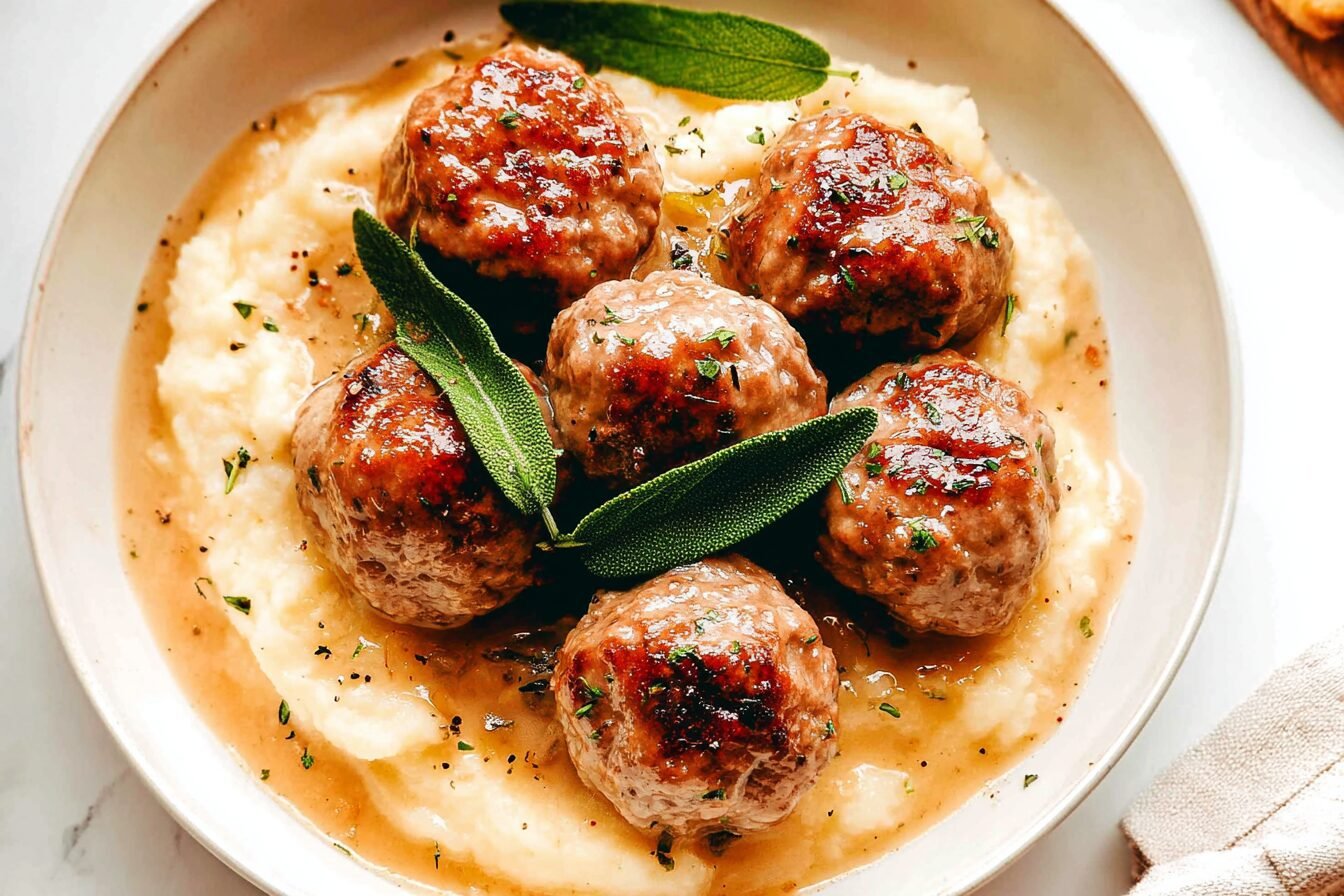
Plate turkey meatballs over pasta, spiralized vegetables, in a sub roll, or as an appetizer with a dipping sauce. Garnish with fresh parsley tron, grated cheese, or lemon zest for brightness. Refrigerate leftovers within two hours in an airtight container for up to 3 4 days, or freeze fully cooled meatballs for up to 3 months. Reheat gently in sauce, in an oven at 350°F (175°C) until heated through, or try our chicken piccata meatballs recipe for inspiration on creative reheating ideas.
Dietary Substitutions to Customize Your Turkey Meatballs
Tailoring turkey meatballs to your needs is easy with a few swaps. This helps accommodate different tastes and restrictions while keeping the dish tasty and nutritious.
Protein and Main Component Alternatives
- Ground chicken: A similar Lean alternative to turkey with a milder flavor; Use 1:1 for turkey in the meatball recipe.
- Ground pork or beef: Use for richer, more traditional meatballs; combine with turkey (50/50) to retain some lean character while increasing juiciness and flavor depth.
- Plant-based ground “meat”: Swap in commercial plant-based crumbles for a vegan turkey meatball substitute (adjust binders and moisture as plant grounds can be drier).
- Lentils, mashed chickpeas, or mashed firm tofu: Use 1½ 2 cups cooked lentils or chickpeas or 12 into oz mashed tofu plus binders (flax egg or aquafaba and 1/3 cup oats) to create vegan meatballs that mimic texture and protein content found in turkey meatballs.
- Seafood option: Finely chopped shrimp or salmon can be used for seafood meatballs; adjust seasoning to citrus and dill, and cook to an internal temperature appropriate for fish.
Vegetable, Sauce, and Seasoning Modifications
As quoted from cooking experts, “The beauty of meatballs lies in their adaptability, allowing you to experiment with flavors that match your mood or meal theme.”
- Vegetables: Grated zucchini, carrot, or finely chopped spinach can be folded into the mixture (squeeze excess moisture from zucchini) to increase fiber and volume without overpowering flavor. These additions keep turkey meatballs moist and increase nutritional density.
- Sauces: Classic marinara pairs with Italian-seasoned turkey meatballs; for a lighter option, try a lemon-herb broth or tzatziki for Mediterranean vibes. For Asian-inspired meatballs, use hoisin, soy or tamari (gluten-free), sesame oil, and ginger with green onions.
- Seasoning swaps: Replace Italian herbs with fresh cilantro, cumin, and chili for a Mexican twist; add curry powder, garam masala, and cilantro for an Indian-style turkey meatball. Use smoked paprika or chipotle for a smoky profile.
- Dietary tweaks: For low-sodium needs, reduce added salt and amplify herbs, lemon zest, and vinegar to boost perceived flavor. For keto or low-carb versions, replace breadcrumbs with almond flour or crushed pork rinds and increase binding fat slightly for texture.
Mastering Turkey Meatballs: Advanced Tips and Variations
Once you've got the basics down, take your turkey meatballs to the next level with these pro tips. They cover everything from cooking techniques to creative flavors that make your meals stand out.
Pro cooking techniques
- Temperature control: Keep ingredients cold but workable chilled mix firms up easier and forms tighter meatballs that hold shape during cooking. Use an instant-read thermometer to ensure the center reaches 165°F (74°C) for safety without overcooking.
- Texture balance: For tender turkey meatballs, avoid attributable overworking the mixture. Combine just until cohesive. Add a small amount of dairy (1 2 tbsp ricotta or Greek yogurt
- Browning strategy: Sear meatballs on high heat to create Maillard reaction crusts, then finish in sauce or oven. Alternatively, use the reverse method slow-simmer in sauce first, then broil briefly for caramelized tops.
Flavors variations
- Mediterranean: Add lemon zest, oregano, mint, and feta crumbles; serve with tzatziki and a cucumber salad.
- Asian-inspired: Mix in grated ginger, scallions, a touch of sesame oil, and finish with a soy-hoisin glaze; serve with steamed rice or noodles.
- Spicy-sweet: Incorporate chili flakes, smoked paprika, and a honey-sriracha glaze for sticky, bold turkey meatballs that pair well with rice bowls.
Presentation tips
- Sauce bed: Spoon a shallow pool of warm sauce on the plate before arranging meatballs for an elevated look and extra flavor contact.
- Garnish sparingly: Fresh herbs (parsley, basil, cilantro), microgreens, or a light drizzle of high-quality olive oil adds color and aroma. For party servings, skewer each turkey meatball with a decorative pick and serve with dipping sauces in ramekins.
- Plating: Serve three to five medium meatballs per portion with a starch or greens; contrast textures with crunchy pickled vegetables or toasted nuts.
Make-ahead options
When life gets busy, prepping ahead can save the day. For instance, you can prepare the mixture and shape it later for fresh-tasting turkey meatballs every time.
- Prep the mixture up to 24 hours in advance and store covered in the refrigerator; shape just before cooking to maintain peak texture when making turkey meatballs.
- Freeze formed, uncooked meatballs on a sheet tray until firm, then transfer to a sealed bag for up to 3 months; cook from frozen, adding a few extra minutes to the cooking time and ensuring internal temperature reaches 165°F (74°C).
- Fully cooked meatballs freeze well too; cool completely, flash-freeze, and store airtight. Reheat gently in sauce or oven to preserve moisture.
How to Store Turkey Meatballs: Best Practices
Proper storage keeps your turkey meatballs fresh and tasty. Follow these guidelines to maintain quality whether you’re refrigerating or freezing them.
Refrigeration: Cool cooked turkey meatballs to room temperature (no more than two hours out) and transfer to an airtight container. Store in the refrigerator for 3 4 days. If meatballs are in sauce, keep some sauce with them to preserve moisture and flavor. Label the container with the date to track freshness.
Freezing: For long-term storage, freeze meatballs either raw or fully cooked. To freeze raw, place shaped turkey meatballs on a parchment-lined tray and freeze until solid (about 1 2 hours), then transfer to a freezer-safe bag or container and store up to 3 months. For cooked meatballs, cool completely, flash-freeze on a tray, then bag and freeze. Freeze with sauce in a separate container or together; leave slight headspace in the container to allow expansion.
Reheating: Reheat refrigerated turkey meatballs in a simmering sauce on the stovetop over low heat until warmed through, or bake in a 350°F (175°C) oven for 10 15 minutes, covered, to retain moisture. For frozen meatballs, thaw overnight in the refrigerator and reheat as above, or reheat from frozen by simmering gently in sauce for 15 20 minutes until internal temperature reaches 165°F (74°C). Avoid high-heat microwave reheating that can dry out lean turkey meatballs; if using a microwave, reheat in short intervals skips and cover to trap steam.
Meal prep considerations: Portion meatballs into single- or family-sized servings before refrigerating or freezing for easy grab-and-go meals. Store sauce separately if you prefer to control moisture levels at reheating. Keep labels with dates and contents to rotate older batches first. Proper storage preserves texture, flavor, and safety for your turkey meatball meals.
FAQs: Frequently Asked Questions About Turkey Meatballs
How do you make turkey meatballs moist and tender?
To keep turkey meatballs moist and tender, avoid overmixing the meat, which can make them dense. Combine ground turkey with ingredients like finely chopped onions, garlic, and soaked breadcrumbs or oats to retain moisture. Adding a beaten egg helps bind the mixture without drying it out. Cooking methods matter too—baking at 375°F for about 20 minutes or simmering in sauce gently cooks the meatballs without drying them. Avoid cooking at too high a temperature or for too long, which can cause dryness.
What spices and herbs work best in turkey meatballs?
Turkey has a mild flavor that pairs well with a variety of spices and herbs. Common seasonings include garlic powder, onion powder, paprika, black pepper, and salt. Fresh herbs like parsley, oregano, basil, or thyme add bright flavors. For a Mediterranean twist, add cumin and coriander. Incorporating grated Parmesan cheese can boost savory notes, while red pepper flakes add subtle heat. Adjust seasonings based on your preferred flavor profile and recipe style.
Can turkey meatballs be frozen, and how do you reheat them properly?
Yes, turkey meatballs freeze well. After cooking, let them cool completely, then store in an airtight container or freezer bag, separating layers with parchment paper to prevent sticking. They can be frozen for up to 3 months. To reheat, thaw overnight in the refrigerator and warm in a 350°F oven for 10–15 minutes, or reheat gently in a simmering sauce on the stovetop until heated through. Avoid microwaving for best texture.
Are turkey meatballs a healthy alternative to beef meatballs?
Turkey meatballs generally have less saturated fat and fewer calories than beef meatballs, making them a leaner choice. Ground turkey breast is especially low in fat, while dark meat blends offer a bit more moisture and flavor but slightly more fat. Turkey also provides a good source of protein, B vitamins, and minerals like selenium. For a balanced meal, pair turkey meatballs with vegetables and whole grains.
What side dishes pair well with turkey meatballs?
Turkey meatballs are versatile and pair well with many sides. Classic options include spaghetti or zucchini noodles with marinara sauce. For a low-carb meal, serve with roasted vegetables or a fresh green salad. Mashed potatoes or creamy polenta offer comforting texture contrasts. For a lighter option, try quinoa, couscous, or a simple rice pilaf. Choose sides that complement the herbs and spices used in your meatballs for a cohesive meal.
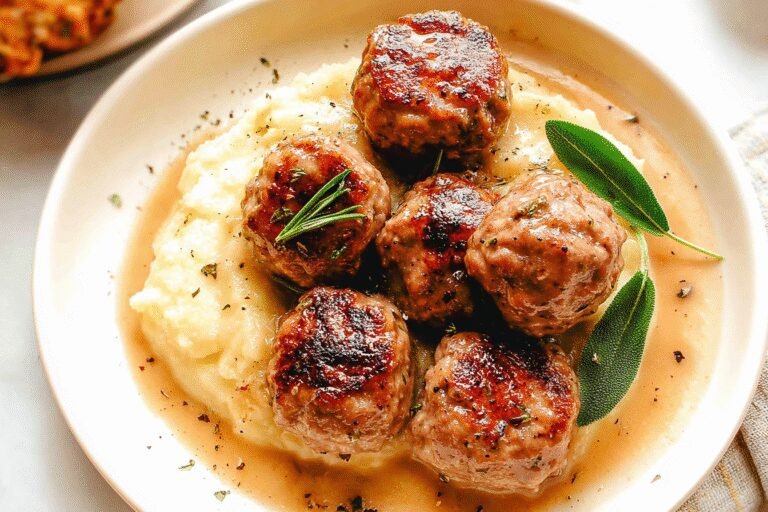
Turkey Meatballs
🍽️ Enjoy a quick and healthy meal option with these lean and flavorful turkey meatballs.
🍴 Perfect for busy weeknights, this recipe is easy to prepare and packed with protein for a nutritious boost.
- Total Time: 30 minutes
- Yield: 16 meatballs
Ingredients
– 1/2 cup plain breadcrumbs
– 2 tablespoons grated Parmesan cheese
– 2 teaspoons Italian seasoning
– 1/4 teaspoon garlic powder
– 1/2 teaspoon onion powder
– 1/4 teaspoon black pepper
– 1/2 teaspoon salt
– 1 pound ground turkey (93% lean recommended)
– 1 large egg
– 1 lb (450 g) ground turkey lean protein base that keeps meatballs light and healthy while absorbing flavors
– 1 large egg binds the mixture for cohesive turkey meatballs
– 1/2 cup (60 g) breadcrumbs or 1/2 cup gluten-free crumbs provides structure and tenderness
– 1/4 cup (25 g) grated Parmesan or nutritional yeast adds umami and depth
– 1/4 cup (30 g) finely chopped onion adds moisture and savory flavor to the turkey meatballs
– 2 cloves garlic, minced essential aromatics for characteristic savory notes
– 2 tbsp fresh parsley, chopped bright herb to lift the flavor of turkey meatballs
– 1 tsp salt and 1/2 tsp freshly ground black pepper basic seasoning
– 1/2 tsp dried oregano or Italian seasoning complementary herbs for classic meatball profiles
– 2 tbsp olive oil promotes browning and richer flavor when pan-searing or oven-baking turkey meatballs
Instructions
1-First Step: Mise en place and ingredient prep Preheat the oven to 400°F (200°C) if baking, or heat a large skillet over medium-high if pan-searing. Finely chop onion and parsley, mince garlic, and measure breadcrumbs and seasonings. Pat the ground turkey dry with paper towels if it seems wet; this helps the turkey meatballs form properly and brown more evenly. For more ideas on quick protein prep, check out our classic meatballs recipe for helpful tips.
2-Second Step: Combine ingredients gently In a large bowl, add 1 lb (450 g) ground turkey, 1 large beaten egg (or flax egg for vegan), 1/2 cup breadcrumbs, 1/4 cup grated Parmesan (or nutritional yeast), minced garlic, chopped onion, chopped parsley, 1 tsp salt, 1/2 tsp pepper, and 1/2 tsp dried oregano. Use clean hands or a spoon to mix until just combined; overmixing compacts the meat and can make turkey meatballs dense. Fold rather than beat to keep a tender texture. This gentle mixing ensures your turkey meatballs stay light and fluffy.
3-Third Step: Shape uniform meatballs Wet your hands lightly to prevent sticking and form the mixture into 1 1/4-inch (about 30 g) balls for even cooking; you can make larger 1.5 2-inch meatballs but increase cooking time accordingly. Place formed turkey meatballs on a rimmed baking sheet lined with parchment or a lightly oiled tray. Uniform size ensures consistent doneness for all meatballs. Aim for about 16 meatballs from this batch to keep portions manageable.
4-Fourth Step: Brown for flavor (optional but recommended) Heat 1 2 tablespoons olive oil in a skillet over medium-high heat. Working in batches, sear turkey meatballs 1 2 minutes per side until golden-brown. This develops caramelized edges and boosts taste. If you prefer to keep them leaner, skip searing and bake directly; browning can be simulated by cooking at a higher oven temperature for a short finish. This step adds that extra wow factor to your turkey meatballs.
5-Fifth Step: Cook through safely If baking, arrange the turkey meatballs spaced apart on a sheet and bake at 400°F (200°C) for 12 18 minutes depending on size, or until internal temperature reaches 165°F (74°C) as measured with an instant-read thermometer. If finishing in sauce, simmer gently for 12 15 minutes in a simmering tomato or cream-based sauce until meatballs are cooked through and absorb flavor. For pan-seared meatballs, after browning, reduce heat to medium-low, cover, and cook 8 10 minutes, flipping once, to ensure even cooking. Always check for doneness to keep things safe and delicious.
6-Sixth Step: Adapt for dietary needs For gluten-free turkey meatballs, use gluten-free crumbs and double-check seasonings. For low-calorie versions, use lean turkey, skip cheese, and bake or air-fry at 400°F (200°C) for about 12 15 minutes, shaking the basket halfway through if air-frying. For egg-free or vegan adaptations, use flaxseed or aquafaba and a plant-protein base; adjust moisture with a tablespoon of olive oil or pureed vegetable if the mixture seems dry. These tweaks make turkey meatballs accessible to everyone.
7-Seventh Step: Rest and finish Let turkey meatballs rest 3 5 minutes after cooking; this helps juices redistribute and avoids dry meatballs. If serving with sauce, briefly simmer the cooked turkey meatballs in the sauce for 3 5 minutes to marry flavors. For glazes or sticky finishes, brush on the sauce and broil for 1 2 minutes to set a glossy topping watch closely to prevent burning. This final touch elevates your dish beautifully.
8-Final Step: Serve and store Plate turkey meatballs over pasta, spiralized vegetables, in a sub roll, or as an appetizer with a dipping sauce. Garnish with fresh parsley tron, grated cheese, or lemon zest for brightness. Refrigerate leftovers within two hours in an airtight container for up to 3 4 days, or freeze fully cooled meatballs for up to 3 months. Reheat gently in sauce, in an oven at 350°F (175°C) until heated through, or try our chicken piccata meatballs recipe for inspiration on creative reheating ideas.
Last Step:
Please leave a rating and comment letting us know how you liked this recipe! This helps our business to thrive and continue providing free, high-quality recipes for you.Notes
🍗 Use 93% lean ground turkey to keep meatballs tender and moist.
🥚 Breadcrumbs and egg help bind and retain moisture.
🌿 Italian seasoning and Parmesan cheese add depth and umami flavor.
- Prep Time: 10 minutes
- Cook Time: 20 minutes
- Category: Main Course
- Method: Baking, Skillet, Air Fryer
- Cuisine: American
- Diet: Low Fat, High Protein
Nutrition
- Serving Size: 4 meatballs
- Calories: 213
- Sugar: 0 g
- Sodium: 509 mg
- Fat: 5 g
- Saturated Fat: 1 g
- Unsaturated Fat: 3 g
- Trans Fat: 0 g
- Carbohydrates: 11 g
- Fiber: 1 g
- Protein: 31 g
- Cholesterol: 70 mg