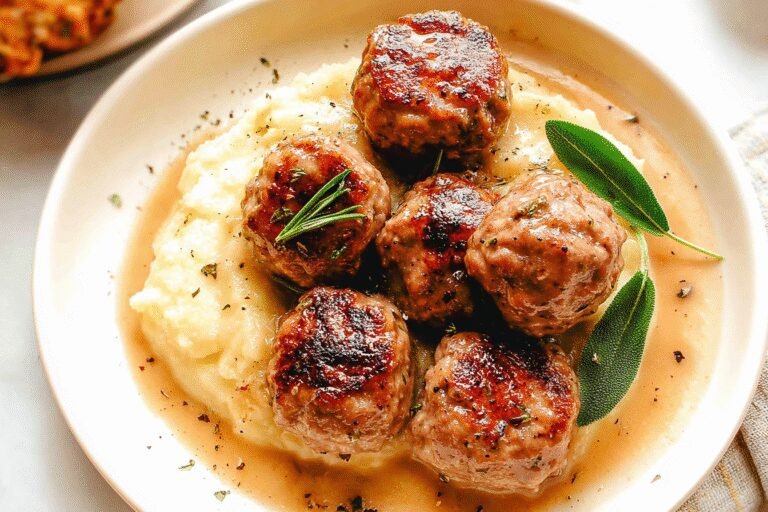
Ingredients
– 1/2 cup plain breadcrumbs
– 2 tablespoons grated Parmesan cheese
– 2 teaspoons Italian seasoning
– 1/4 teaspoon garlic powder
– 1/2 teaspoon onion powder
– 1/4 teaspoon black pepper
– 1/2 teaspoon salt
– 1 pound ground turkey (93% lean recommended)
– 1 large egg
– 1 lb (450 g) ground turkey lean protein base that keeps meatballs light and healthy while absorbing flavors
– 1 large egg binds the mixture for cohesive turkey meatballs
– 1/2 cup (60 g) breadcrumbs or 1/2 cup gluten-free crumbs provides structure and tenderness
– 1/4 cup (25 g) grated Parmesan or nutritional yeast adds umami and depth
– 1/4 cup (30 g) finely chopped onion adds moisture and savory flavor to the turkey meatballs
– 2 cloves garlic, minced essential aromatics for characteristic savory notes
– 2 tbsp fresh parsley, chopped bright herb to lift the flavor of turkey meatballs
– 1 tsp salt and 1/2 tsp freshly ground black pepper basic seasoning
– 1/2 tsp dried oregano or Italian seasoning complementary herbs for classic meatball profiles
– 2 tbsp olive oil promotes browning and richer flavor when pan-searing or oven-baking turkey meatballs
Instructions
1-First Step: Mise en place and ingredient prep Preheat the oven to 400°F (200°C) if baking, or heat a large skillet over medium-high if pan-searing. Finely chop onion and parsley, mince garlic, and measure breadcrumbs and seasonings. Pat the ground turkey dry with paper towels if it seems wet; this helps the turkey meatballs form properly and brown more evenly. For more ideas on quick protein prep, check out our classic meatballs recipe for helpful tips.
2-Second Step: Combine ingredients gently In a large bowl, add 1 lb (450 g) ground turkey, 1 large beaten egg (or flax egg for vegan), 1/2 cup breadcrumbs, 1/4 cup grated Parmesan (or nutritional yeast), minced garlic, chopped onion, chopped parsley, 1 tsp salt, 1/2 tsp pepper, and 1/2 tsp dried oregano. Use clean hands or a spoon to mix until just combined; overmixing compacts the meat and can make turkey meatballs dense. Fold rather than beat to keep a tender texture. This gentle mixing ensures your turkey meatballs stay light and fluffy.
3-Third Step: Shape uniform meatballs Wet your hands lightly to prevent sticking and form the mixture into 1 1/4-inch (about 30 g) balls for even cooking; you can make larger 1.5 2-inch meatballs but increase cooking time accordingly. Place formed turkey meatballs on a rimmed baking sheet lined with parchment or a lightly oiled tray. Uniform size ensures consistent doneness for all meatballs. Aim for about 16 meatballs from this batch to keep portions manageable.
4-Fourth Step: Brown for flavor (optional but recommended) Heat 1 2 tablespoons olive oil in a skillet over medium-high heat. Working in batches, sear turkey meatballs 1 2 minutes per side until golden-brown. This develops caramelized edges and boosts taste. If you prefer to keep them leaner, skip searing and bake directly; browning can be simulated by cooking at a higher oven temperature for a short finish. This step adds that extra wow factor to your turkey meatballs.
5-Fifth Step: Cook through safely If baking, arrange the turkey meatballs spaced apart on a sheet and bake at 400°F (200°C) for 12 18 minutes depending on size, or until internal temperature reaches 165°F (74°C) as measured with an instant-read thermometer. If finishing in sauce, simmer gently for 12 15 minutes in a simmering tomato or cream-based sauce until meatballs are cooked through and absorb flavor. For pan-seared meatballs, after browning, reduce heat to medium-low, cover, and cook 8 10 minutes, flipping once, to ensure even cooking. Always check for doneness to keep things safe and delicious.
6-Sixth Step: Adapt for dietary needs For gluten-free turkey meatballs, use gluten-free crumbs and double-check seasonings. For low-calorie versions, use lean turkey, skip cheese, and bake or air-fry at 400°F (200°C) for about 12 15 minutes, shaking the basket halfway through if air-frying. For egg-free or vegan adaptations, use flaxseed or aquafaba and a plant-protein base; adjust moisture with a tablespoon of olive oil or pureed vegetable if the mixture seems dry. These tweaks make turkey meatballs accessible to everyone.
7-Seventh Step: Rest and finish Let turkey meatballs rest 3 5 minutes after cooking; this helps juices redistribute and avoids dry meatballs. If serving with sauce, briefly simmer the cooked turkey meatballs in the sauce for 3 5 minutes to marry flavors. For glazes or sticky finishes, brush on the sauce and broil for 1 2 minutes to set a glossy topping watch closely to prevent burning. This final touch elevates your dish beautifully.
8-Final Step: Serve and store Plate turkey meatballs over pasta, spiralized vegetables, in a sub roll, or as an appetizer with a dipping sauce. Garnish with fresh parsley tron, grated cheese, or lemon zest for brightness. Refrigerate leftovers within two hours in an airtight container for up to 3 4 days, or freeze fully cooled meatballs for up to 3 months. Reheat gently in sauce, in an oven at 350°F (175°C) until heated through, or try our chicken piccata meatballs recipe for inspiration on creative reheating ideas.
Last Step:
Please leave a rating and comment letting us know how you liked this recipe! This helps our business to thrive and continue providing free, high-quality recipes for you.Notes
🍗 Use 93% lean ground turkey to keep meatballs tender and moist.
🥚 Breadcrumbs and egg help bind and retain moisture.
🌿 Italian seasoning and Parmesan cheese add depth and umami flavor.
- Prep Time: 10 minutes
- Cook Time: 20 minutes
- Category: Main Course
- Method: Baking, Skillet, Air Fryer
- Cuisine: American
- Diet: Low Fat, High Protein
Nutrition
- Serving Size: 4 meatballs
- Calories: 213
- Sugar: 0 g
- Sodium: 509 mg
- Fat: 5 g
- Saturated Fat: 1 g
- Unsaturated Fat: 3 g
- Trans Fat: 0 g
- Carbohydrates: 11 g
- Fiber: 1 g
- Protein: 31 g
- Cholesterol: 70 mg