

Benefits and Advantages of Tuna Pea Pasta
Tuna pea pasta is a standout recipe due to its simplicity, health benefits, and unique flavor profile. Its straightforward preparation makes it an excellent choice for busy individuals seeking a nutritious and satisfying meal without spending too much time in the kitchen. Rich in protein from tuna and fiber from peas, this dish supports muscle health and digestive wellness. Moreover, it provides essential vitamins and minerals, making it a heart-healthy and balanced option. The recipe’s versatility allows it to cater to various dietary preferences and ingredient availabilities, enhancing its appeal. Incorporating the focus keyphrase and its synonyms naturally throughout content supports readability and SEO performance.
Jump to:
- Benefits and Advantages of Tuna Pea Pasta
- Essential Ingredients for Tuna Pea Pasta
- Dietary Substitutions to Customize Your Tuna Pea Pasta
- How to Prepare the Perfect Tuna Pea Pasta: Step-by-Step Guide
- Mastering Tuna Pea Pasta: Advanced Tips and Variations
- How to Store Tuna Pea Pasta: Best Practices
- Nutritional Value of Tuna Pea Pasta
- FAQs: Frequently Asked Questions About Tuna Pea Pasta
- What type of pasta works best for tuna pea pasta?
- Should I use fresh, frozen, or canned peas in tuna pea pasta?
- Can I substitute the cream or milk used in creamy tuna pea pasta recipes?
- What are some good additions to customize tuna pea pasta?
- How do I store and reheat leftover tuna pea pasta?
- Tuna Pasta with Peas in a Creamy Sauce Recipe
- Ingredients
- Instructions
- Last Step:
- Notes
- Nutrition
- Did you make this recipe?
Essential Ingredients for Tuna Pea Pasta
- 200g pasta (options include cavatappi, penne, farfalle, elbow macaroni, or fusilli; gluten-free alternatives available)
- 1 can (150g) of tuna in water or olive oil, drained
- 1 cup fresh or frozen peas
- 2 cloves garlic, minced
- 2 tablespoons olive oil
- Salt and freshly ground black pepper, to taste
- Fresh parsley or other herbs for garnish
For vegan or low-calorie alternatives, consider using chickpea or lentil pasta and substituting tuna with marinated tofu or tempeh. These ingredients combine to create a balanced, flavorful meal that suits a wide range of dietary needs without compromising taste.
Dietary Substitutions to Customize Your Tuna Pea Pasta
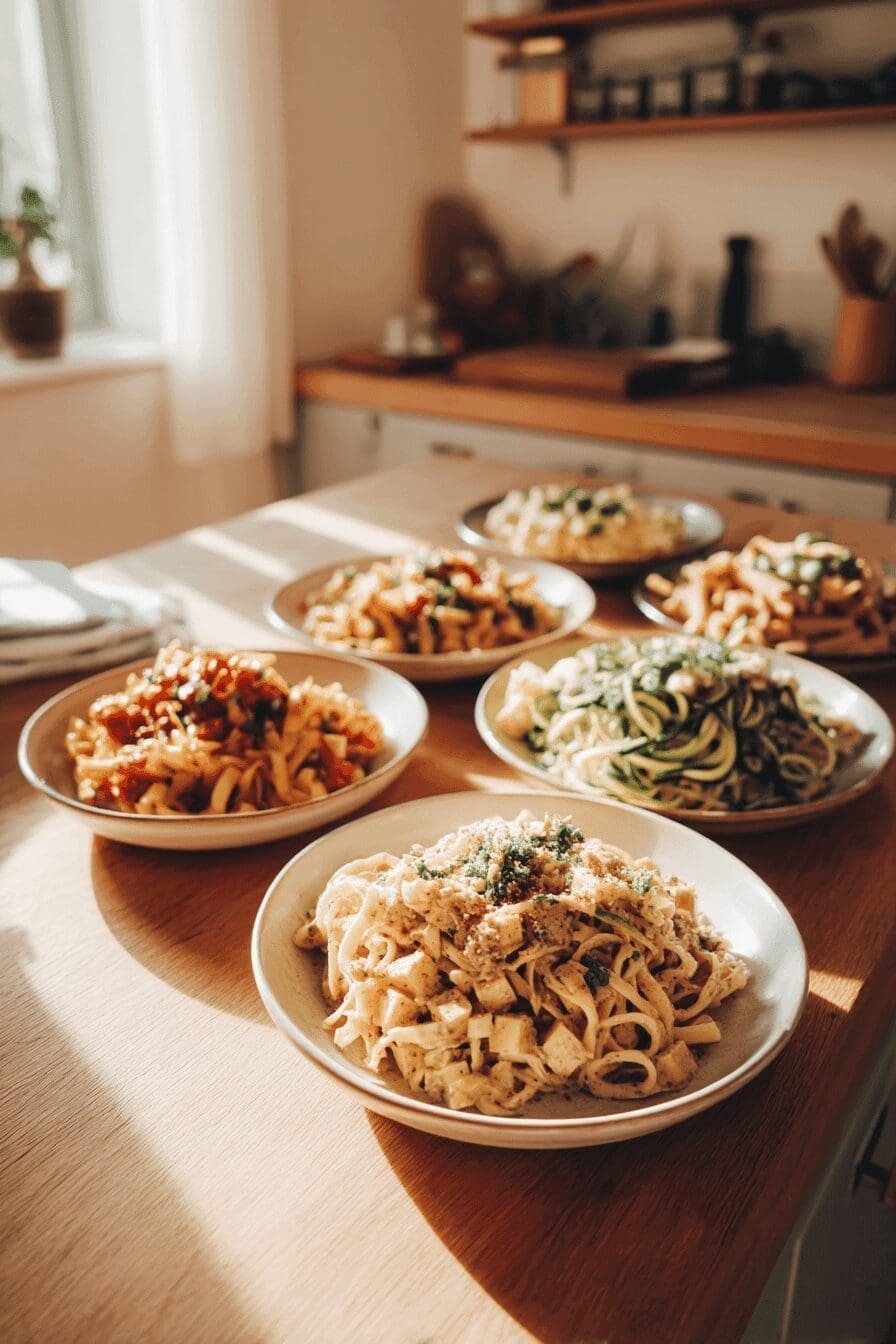
For dairy-free or vegan options, replace tuna with seasoned tofu, tempeh, or chickpeas, which offer comparable protein. Those with gluten intolerance can select gluten-free pasta made from brown rice, corn, or quinoa. Low-calorie versions may use spiralized vegetables such as zucchini or squash as pasta substitutes and choose low-fat tuna or beans for protein. Herbs and spices can be modified to suit taste preferences or reduce sodium intake. These substitutions enhance accessibility and allow everyone to enjoy this nutritious and versatile dish.
How to Prepare the Perfect Tuna Pea Pasta: Step-by-Step Guide
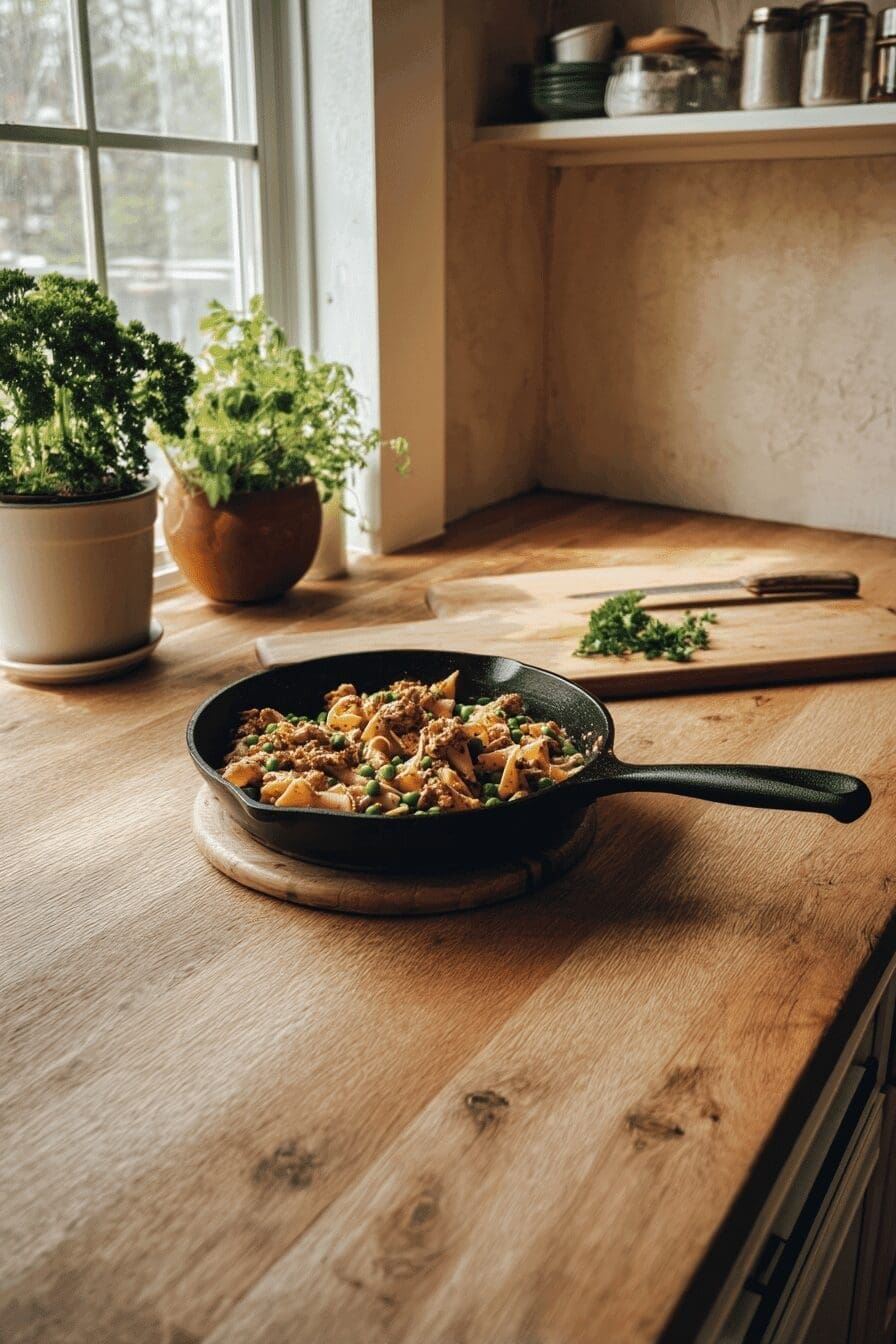
- Cook the Pasta: Bring a large pot of salted water to a boil. Add pasta and cook according to package instructions until al dente. Add peas during the last few minutes if using frozen or fresh to retain texture. Drain pasta and peas, reserving some cooking water.
- Sauté Garlic: Heat olive oil in a large skillet over medium heat. Add minced garlic and cook for 1–2 minutes until fragrant, avoiding browning.
- Combine Ingredients: Add pasta and peas to the skillet and toss well to combine with garlic and oil.
- Add Tuna: Gently fold in drained tuna, breaking up larger chunks without mashing. For vegan options, stir in tofu or chickpeas instead.
- Adjust Consistency: If the pasta seems dry, gradually add reserved pasta water to achieve a creamy texture.
- Season: Season with salt and freshly ground black pepper to taste, adjusting for dietary sodium restrictions.
- Garnish and Serve: Sprinkle fresh parsley or your favorite herbs over the top before serving. Optionally, add a squeeze of lemon juice or red pepper flakes for extra flavor.
These clear steps ensure a delicious and adaptable tuna pea pasta suitable for various palates and nutritional requirements.
Mastering Tuna Pea Pasta: Advanced Tips and Variations
To take your tuna pea pasta to the next level, consider adding sun-dried tomatoes or olives for an extra burst of flavor and depth. Fresh herbs such as basil, dill, or parsley can brighten the dish and provide a fresh contrast to the creamy sauce. For added complexity, a touch of lemon zest or a splash of white wine during the cooking process adds a gentle acidity that lifts the flavors. If you prefer a creamier texture, stir in a dollop of Greek yogurt or a dairy-free alternative at the end.
Try experimenting with different tuna varieties like smoked or fresh tuna, and blend in soft cheeses such as ricotta or cream cheese if dairy is acceptable. Adding vegetables such as sautéed spinach, kale, or diced tomatoes can enhance nutrition and taste. These tips ensure your tuna pea pasta remains a versatile, flavorful meal suited for varied palates and special occasions while focusing on the core ingredients.
How to Store Tuna Pea Pasta: Best Practices
Proper storage is essential to preserve the flavor and texture of tuna pea pasta. After cooking, transfer the pasta into an airtight container and refrigerate within two hours. It will stay fresh for 3 to 4 days. For longer preservation, freeze individual servings in freezer-safe containers, leaving a little space for expansion during freezing. When ready to eat, thaw the pasta overnight in the refrigerator.
Reheat gently either on the stovetop over low-medium heat or in the microwave using short intervals, stirring occasionally to ensure even warmth. Adding a splash of water or olive oil during reheating can help maintain moisture and prevent the pasta from drying out. These storage tips keep the dish delicious and convenient for upcoming meals.
Nutritional Value of Tuna Pea Pasta
| Nutrient | Amount per Serving |
|---|---|
| Calories | 350-400 kcal |
| Protein | 24-38 g |
| Fat | 16-17 g |
| Carbohydrates | 50-74 g |
| Fiber | 3-6 g |
| Sodium | 370-990 mg |
| Vitamin C | Varies (from peas and herbs) |
| Iron | Moderate amounts |
Tuna pea pasta is a nourishing meal offering a balanced mix of macronutrients. Its high protein content from tuna and peas supports muscle maintenance, while healthy fats from olive oil and tuna enhance heart health. The pasta provides carbohydrates for sustained energy, and peas add dietary fiber critical for digestion. Vitamins like C and minerals such as iron contribute to overall wellness. For richer details on tuna’s benefits, visit Nutritional Benefits of Tuna.
FAQs: Frequently Asked Questions About Tuna Pea Pasta
What type of pasta works best for tuna pea pasta?
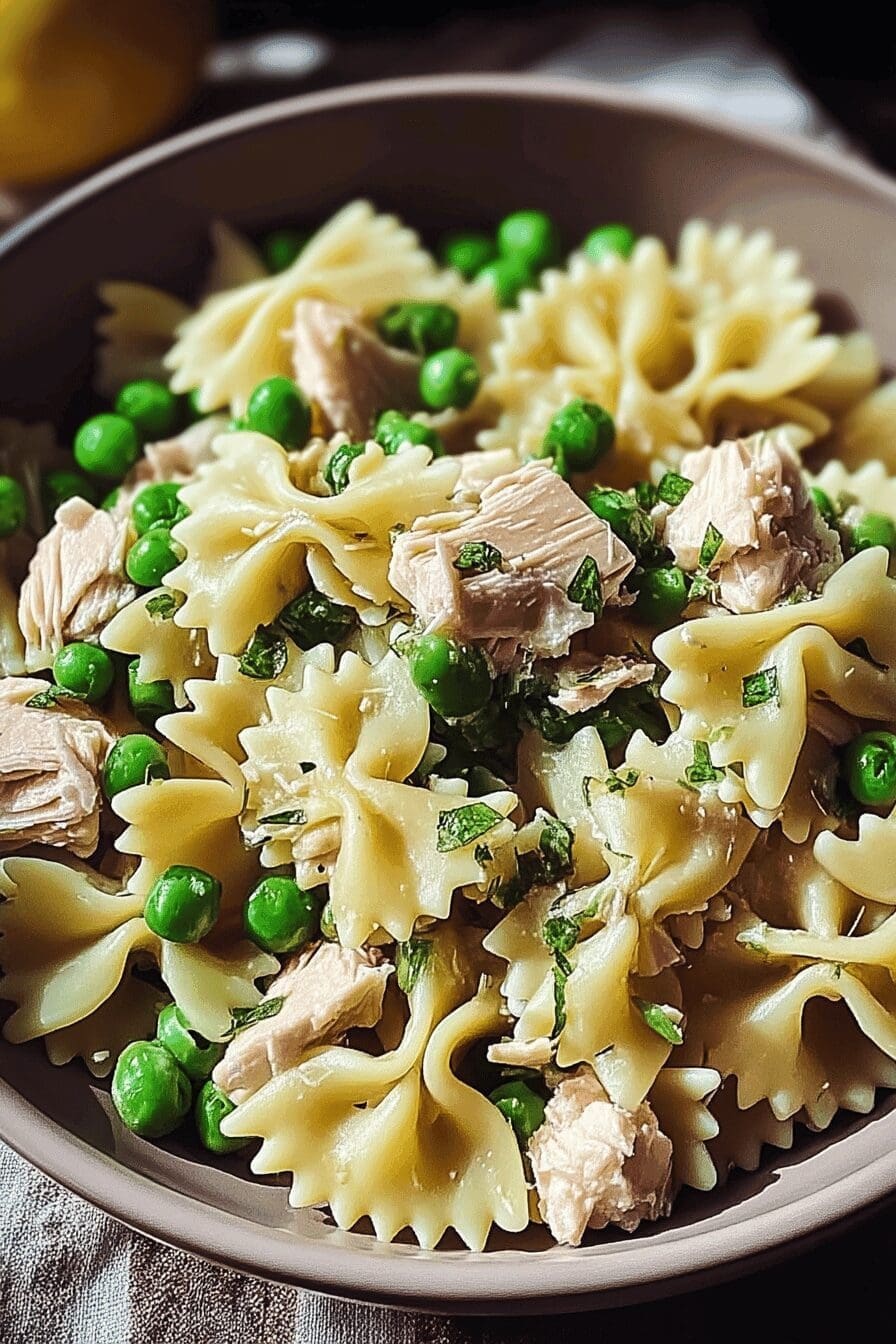
You can use a variety of pasta types for tuna pea pasta, including penne, fusilli, elbow macaroni, or cavatappi. These shapes hold the sauce well and blend nicely with the tuna and peas. Cook the pasta according to the package instructions until al dente to maintain good texture. Using a pasta shape you prefer will keep the dish enjoyable and customizable.
Should I use fresh, frozen, or canned peas in tuna pea pasta?
Frozen peas are the most convenient and recommended option because they are pre-blanched and retain their sweetness and texture when cooked. Fresh peas can also be used but should be added in the last 2 minutes of boiling to avoid overcooking. Canned peas are softer and can be added directly with the tuna, but they may alter the texture slightly.
Can I substitute the cream or milk used in creamy tuna pea pasta recipes?
Yes, half and half is commonly used for creaminess, but you can substitute it with whole milk combined with a thickener like cornstarch or a roux made from butter and flour. Keep in mind that these substitutes may change the richness and texture of the sauce, so adjust seasoning and consistency as needed for the desired flavor.
What are some good additions to customize tuna pea pasta?
Tuna pea pasta can be customized by adding fresh or sautéed spinach, kale, or diced tomatoes for added nutrition and flavor. Fresh herbs such as basil, chives, or parsley bring brightness, while a pinch of red pepper flakes adds subtle heat. For extra creaminess and tang, consider adding feta cheese or a squeeze of lemon juice before serving.
How do I store and reheat leftover tuna pea pasta?
Store leftover tuna pea pasta in an airtight container in the refrigerator for up to 3-4 days. When reheating, microwave the pasta in short intervals of 30 seconds, stirring in between to distribute heat evenly. The pasta may absorb some sauce during reheating, so add a splash of milk or broth if it becomes too dry. This helps maintain creaminess and texture.

Tuna Pasta with Peas in a Creamy Sauce Recipe
🍝 Indulge in a delightful combination of flavors with this Tuna Pasta with Peas in a Creamy Sauce, perfect for a quick meal.
🐟 Packed with nutrition, this dish merges creamy richness with the freshness of peas and tuna, offering a satisfying and delicious option.
- Total Time: 20-25 minutes
- Yield: 4 servings 1x
Ingredients
8 oz pasta
2 tablespoons butter
1 tablespoon extra virgin olive oil (optional)
2 cloves garlic, minced
1/2 onion, diced (optional)
1 cup frozen peas
1 cup half and half
1/2 cup shredded Parmesan cheese
1 can solid Albacore tuna, drained
Salt and freshly ground black pepper, to taste
Optional: fresh herbs, red pepper flakes, lemon juice, spinach, kale, feta cheese, diced tomatoes
Instructions
1. Bring a large pot of salted water to a boil and cook pasta until al dente. Add frozen peas during the last few minutes of cooking. Drain and set aside.
2. In a large skillet, heat butter and olive oil over medium heat. Add minced garlic and onion; sauté for 1-3 minutes until fragrant and soft.
3. Add peas with a pinch of salt and pepper, cooking until peas are heated through.
4. Stir in half and half, bringing it to a gentle simmer for 3-5 minutes until it thickens slightly.
5. Add pasta to the skillet and sprinkle with Parmesan cheese, tossing to coat.
6. Gently fold in drained tuna, breaking up chunks. Adjust seasoning and serve immediately, garnished with herbs or lemon if desired.
Last Step:
Please leave a rating and comment letting us know how you liked this recipe! This helps our business to thrive and continue providing free, high-quality recipes for you.Notes
🌿 Fresh herbs and a squeeze of lemon brightens the dish.
🥛 If half and half is unavailable, mix whole milk with a thickener for a creamy sauce.
🍅 Customize with spinach, kale, feta, or tomatoes for variety.
- Prep Time: 5 minutes
- None: None
- Cook Time: 15-20 minutes
- Category: Main Course
- Method: Sautéing and Simmering
- Cuisine: Italian-American
- Diet: Pescatarian
Nutrition
- Serving Size: 2 cups
- Calories: 515 kcal
- Sugar: 5 grams
- Sodium: 680 mg
- Fat: 16.5 grams
- Saturated Fat: 9 grams
- Unsaturated Fat: 7.5 grams
- Trans Fat: 0 grams
- Carbohydrates: 62 grams
- Fiber: 4.5 grams
- Protein: 31 grams
- Cholesterol: 55 mg


