

Why You’ll Love This Tom Kha Gai
- Ease of preparation: Tom Kha Gai is a one-pot wonder that comes together quickly with minimal fuss, making it perfect for busy weeknights or casual gatherings. The recipe uses straightforward ingredients like coconut milk, chicken, and aromatic herbs, all simmered gently to create a full-flavored soup in under an hour.
- Health benefits: This traditional Thai coconut chicken soup is packed with nutritious ingredients. Coconut milk offers healthy fats with anti-inflammatory effects, while lemongrass, galangal, and kaffir lime leaves contribute antioxidants and digestive support. Combined with lean boneless chicken thighs, Tom Kha Gai makes a wholesome, nourishing meal option. For more about the health benefits of coconut milk, check this resource.
- Versatility: Tom Kha Gai easily adapts to dietary preferences. It’s simple to swap chicken for firm tofu or mushrooms to create a vegan version, and fish sauce can be replaced with soy sauce or vegan alternatives for those with restrictions. Adjusting the level of spiciness and richness makes this recipe suitable for gluten-free and low-calorie diets as well.
- Distinctive flavor: What sets Tom Kha Gai apart is its harmonious blend of creamy coconut milk, fragrant galangal, zesty kaffir lime leaves, and a subtle spicy kick from Thai chilies. This balance of savory, sweet, sour, and mildly spicy notes delivers a mild yet deeply comforting Thai coconut chicken soup that’s hard to beat.
Jump to:
- Why You’ll Love This Tom Kha Gai
- Essential Ingredients for Tom Kha Gai
- Main Ingredients:
- Special Dietary Options:
- How to Prepare the Perfect Tom Kha Gai: Step-by-Step Guide
- First Step: Prepare Ingredients
- Second Step: Simmer Chicken Stock and Seasonings
- Third Step: Add Aromatics and Coconut Milk
- Fourth Step: Adjust Flavor with Fish Sauce and Lime
- Final Step: Garnish and Serve
- Dietary Substitutions to Customize Your Tom Kha Gai
- Protein and Main Component Alternatives
- Vegetable, Sauce, and Seasoning Modifications
- Mastering Tom Kha Gai: Advanced Tips and Variations
- How to Store Tom Kha Gai: Best Practices
- FAQs: Frequently Asked Questions About Tom Kha Gai
- What ingredients are essential for making authentic Tom Kha Gai soup?
- Can I prepare Tom Kha Gai soup ahead of time and how should I store it?
- How can I make a vegetarian or vegan version of Tom Kha Gai?
- What is the difference between using chicken breast and chicken thighs in Tom Kha Gai?
- Are there any good substitutes if I can’t find fresh galangal or kaffir lime leaves?
- Tom Kha Gai
- Ingredients
- Instructions
- Last Step:
- Notes
- Nutrition
- Did you make this recipe?
Essential Ingredients for Tom Kha Gai
Main Ingredients:
- 2 cups unsalted chicken stock or broth (vegetable broth for vegan option) – provides the savory liquid base for the soup
- 1 ½ cups coconut milk (or 4 cups full-fat coconut cream/milk for richer texture) – adds creaminess and subtle sweetness
- ½ teaspoon table salt – balances and enhances flavors
- 1 lb (about 450 g) boneless skinless chicken thighs, cut into 1-inch pieces (or chicken breasts with adjustments) – main protein for tender, flavorful chicken
- 1 stalk lemongrass (bottom half only), smashed and cut into 2-inch pieces – infuses citrusy aroma and taste
- 8 to 12 thin slices galangal (fresh preferred, frozen works; ginger is a last resort) – imparts peppery, slightly spicy, and earthy flavor
- 5 kaffir lime leaves, bruised and torn (or 3 fresh/dried makrut lime leaves or zest of 1 lime) – delivers distinctive citrus fragrance
- 1 to 3 Thai chilies, smashed or cut to taste (optional) – provides mild heat and spice balance
- 2 tablespoons fish sauce (or soy sauce/vegan fish sauce for vegans) – adds umami and saltiness
- 1 teaspoon finely chopped palm sugar or light brown sugar (2 teaspoons palm sugar or coconut sugar) – rounds out sour and salty elements
- 5.5 to 8 ounces (150–225 g) oyster mushrooms or other Asian mushrooms, torn or sliced – adds texture and earthy flavor
- 2 ½ to 3 tablespoons fresh lime juice – gives the soup a bright, tangy finish
- Chopped green onion and/or cilantro for garnish – adds fresh herbal notes and visual appeal
- Jasmine rice for serving (optional) – traditional accompaniment providing a satisfying meal
- Optional: 1 tablespoon red curry paste – for a deeper savory dimension
Special Dietary Options:
- Vegan: Use vegetable broth instead of chicken stock, swap chicken with firm tofu or mixed mushrooms, and replace fish sauce with soy sauce or vegan alternatives. Adding cherry tomatoes boosts umami in plant-based versions.
- Gluten-free: Ensure fish sauce or soy sauce alternatives are certified gluten-free; tamari works well as a substitute.
- Low-calorie: Reduce coconut milk by half and increase broth; use chicken breast or tofu for leaner protein options and load up on mushrooms and fresh herbs.
How to Prepare the Perfect Tom Kha Gai: Step-by-Step Guide
First Step: Prepare Ingredients
Begin by cutting the boneless skinless chicken thighs into 1-inch pieces. Smash the lemongrass stalk and chop it into 2-inch pieces, slice the galangal into thin discs, and bruise the kaffir lime leaves by tearing them into large chunks to release their fragrant oils. Tear or slice the oyster mushrooms, chop the green onions and cilantro for garnish, and slice the Thai chilies based on your preferred spice level. Have the coconut milk, chicken stock, fish sauce, palm sugar, and lime juice measured and ready.
Second Step: Simmer Chicken Stock and Seasonings
In a large pot, bring 2 cups of unsalted chicken stock to a gentle boil. Add ½ teaspoon salt and the cut chicken pieces. Reduce the heat and let the chicken simmer gently, uncovered, for approximately 15 minutes until tender and cooked through. This slow simmering releases flavor and keeps the chicken juicy.
Third Step: Add Aromatics and Coconut Milk
After the chicken has cooked, stir in 1 ½ cups of coconut milk along with the smashed lemongrass stalk pieces, sliced galangal, bruised kaffir lime leaves, Thai chilies (if using), and oyster mushrooms. Add half the fish sauce and the palm sugar. If you want to deepen the flavors, include 1 tablespoon of red curry paste at this point. Let the mixture simmer over low heat for about 5 minutes this allows the soup to absorb the fragrant herbal notes perfectly.
Fourth Step: Adjust Flavor with Fish Sauce and Lime
Give the soup a taste and add more fish sauce if needed to balance saltiness. Stir in 2 ½ to 3 tablespoons of fresh lime juice, which will add that signature tangy brightness. Remember to add most of the lime juice at this stage, reserving a little for garnish and freshening the soup right before serving.
Final Step: Garnish and Serve
Before serving, remove the lemongrass stalk pieces, galangal slices, and kaffir lime leaves these are there for flavor infusion and not meant to be eaten whole. Ladle the beautifully aromatic Tom Kha Gai into bowls and garnish with chopped green onions and cilantro. It’s delightful on its own or served with fragrant jasmine rice for a complete meal experience.
Tip: To preserve the fresh flavors of the aromatics, simmer them just long enough about 5 minutes in the coconut milk broth then remove before serving.
For a richer version or to make it vegan, simply adjust the broth and protein options while keeping these critical flavor steps intact.
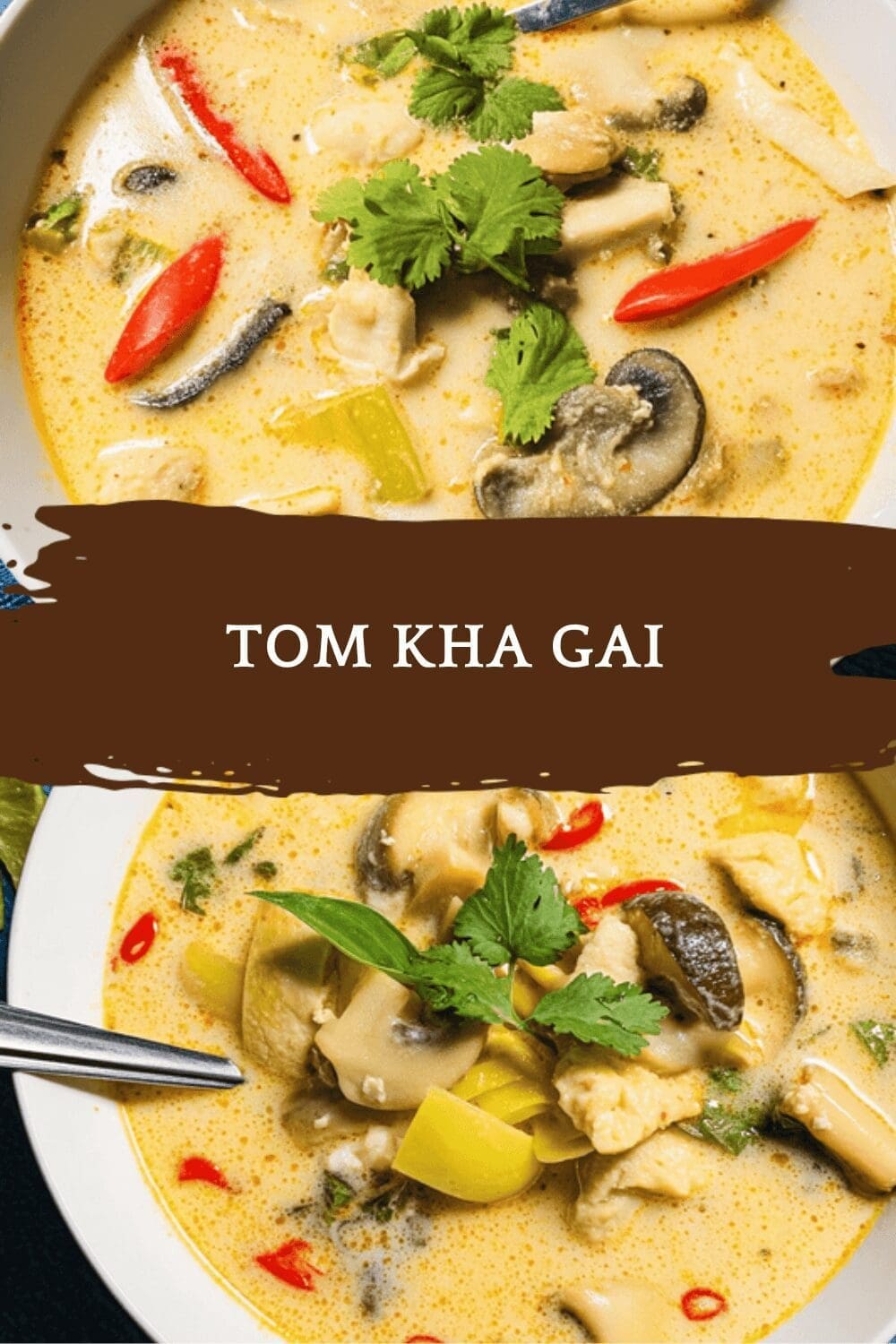
Dietary Substitutions to Customize Your Tom Kha Gai
Protein and Main Component Alternatives
- Chicken Thighs to Tofu: Replace chicken thighs with firm tofu or tempeh for a vegan-friendly version that absorbs flavors well.
- Using Chicken Breast: If preferred, marinate chicken breasts in fish sauce briefly and add them late in cooking to avoid toughness.
- Seafood Option: Shrimp can be added at the end of cooking for a seafood-infused Tom Kha Gai variation.
Vegetable, Sauce, and Seasoning Modifications
- Mushrooms: Substitute oyster mushrooms with shiitake, enoki, or button mushrooms to suit availability and flavor preferences.
- Fish Sauce Alternatives: For plant-based diets, use soy sauce, tamari, or vegan fish sauce substitutes without sacrificing umami.
- Heat Level: Adjust spiciness by varying Thai chili quantity or use chili flakes/chili oil for controlled heat.
- Herbal Variations: Introduce fresh basil or cilantro for additional aroma and freshness to complement the classic lemongrass and lime notes.
These substitutions keep your Tom Kha Gai delicious and accommodating for special diets or ingredient availability while maintaining its core flavor profile.
Mastering Tom Kha Gai: Advanced Tips and Variations
- Pro Cooking Techniques: Use fresh galangal and lemongrass for the most authentic flavor; lightly bruise herbs to release their oils without overpowering the broth. Gently simmer the soup at low heat to maintain the creamy texture of coconut milk and prevent curdling.
- Flavor Variations: Add a touch of red curry paste for a savory depth or a splash of kaffir lime juice for enhanced citrus brightness. For a mild twist, incorporate a drizzle of homemade chili crisp at serving.
- Presentation Tips: Serve Tom Kha Gai in rustic bowls with a sprinkle of fresh cilantro, chopped green onion, and a lime wedge on the side. For extra flair, float thin slices of red chili or scatter lightly toasted coconut flakes on top.
- Make-Ahead Options: Prepare the chicken stock and aromatics base ahead of time and refrigerate for up to 3 days. Add coconut milk, chicken, and fresh herbs just before serving to keep flavors fresh and lively.
If you enjoy creamy Thai soups, you might also like our Creamy Garlic Butter Chicken recipe for another warm, comforting dish.
How to Store Tom Kha Gai: Best Practices
| Storage Method | Guidelines |
|---|---|
| Refrigeration | Store Tom Kha Gai in airtight containers once cooled. Keep refrigerated for up to 3 days. Add fresh herbs and lime juice just before serving to maintain aroma and brightness. |
| Freezing | Freeze the soup without fresh herbs or lime juice to prevent texture degradation. Use portion-sized containers and thaw overnight in the fridge before reheating gently. |
| Reheating | Warm the soup on low heat, stirring occasionally to avoid coconut milk curdling. Avoid boiling and add fresh garnishes after reheating. |
| Meal Prep Tips | Batch cook the broth and store separately from proteins and vegetables. Combine and finish with fresh aromatics and lime juice at serving time to preserve the freshest taste. |
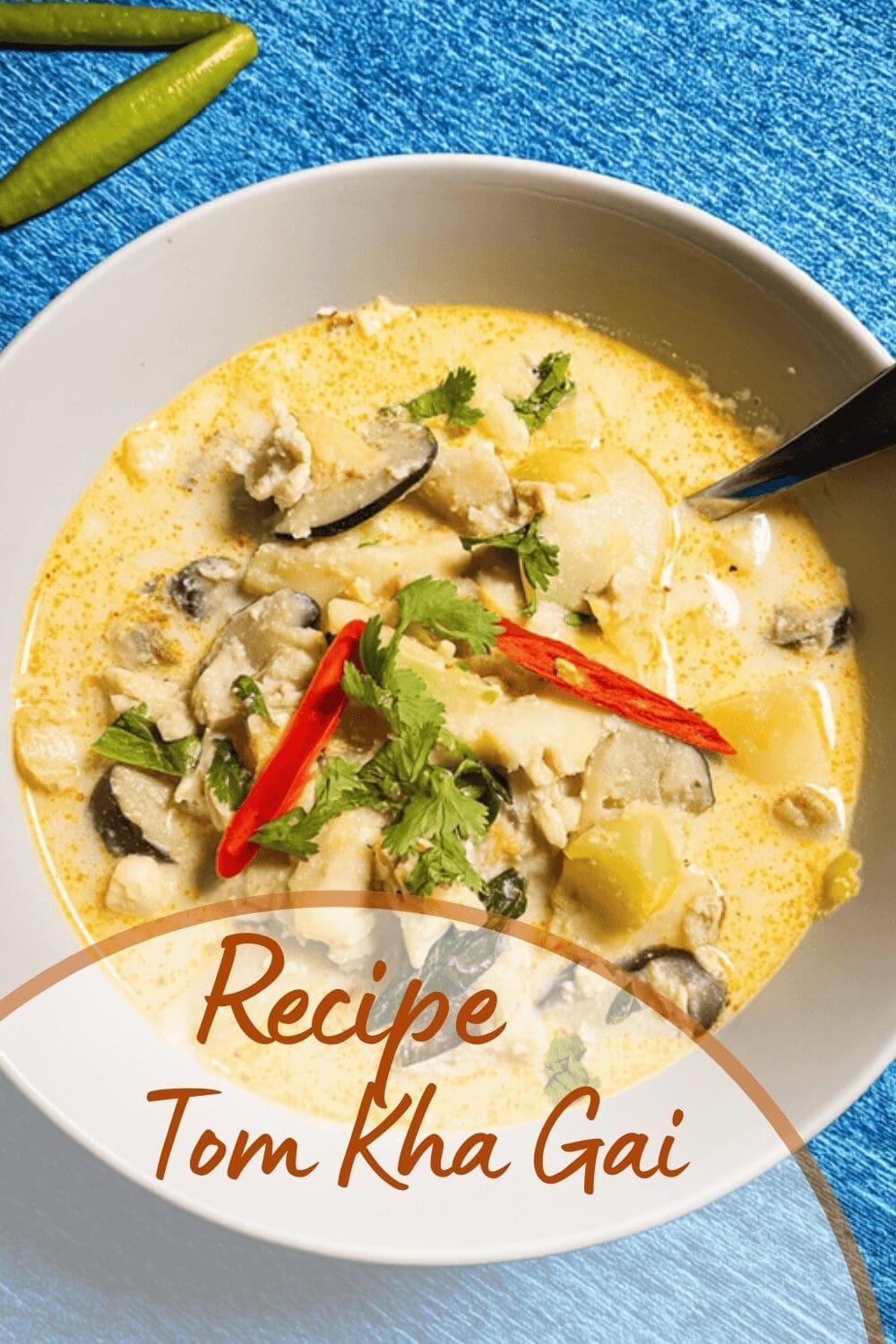
FAQs: Frequently Asked Questions About Tom Kha Gai
What ingredients are essential for making authentic Tom Kha Gai soup?
Authentic Tom Kha Gai requires key ingredients like fresh galangal, lemongrass, kaffir lime leaves, chicken (usually boneless thighs), coconut milk, fish sauce, and lime juice. Galangal provides a unique spicy and citrusy flavor that cannot be replaced without changing the soup’s character. The lemongrass and kaffir lime leaves add distinctive aromas. While substitutions can be made, using these core ingredients ensures the traditional flavor and aroma of the dish.
Can I prepare Tom Kha Gai soup ahead of time and how should I store it?
Yes, Tom Kha Gai can be made in advance. Store it in an airtight container in the refrigerator for up to five to seven days. For longer storage, freeze the soup without lime juice and fresh herbs; add these fresh after reheating to preserve their brightness. When reheating, warm gently without boiling to prevent coconut milk from curdling and use fresh garnishes like cilantro or green onions for the best taste.
How can I make a vegetarian or vegan version of Tom Kha Gai?
To make Tom Kha Gai vegan, replace chicken broth with vegetable broth and chicken with tofu or a mix of mushrooms for texture. Substitute fish sauce with soy sauce or vegan fish sauce alternatives. Omit any animal-based ingredients and add extra vegetables like tomatoes or baby corn to maintain depth of flavor. Adding fresh lime juice at the end keeps the soup bright and balanced.
What is the difference between using chicken breast and chicken thighs in Tom Kha Gai?
Chicken thighs are preferred for Tom Kha Gai because they remain tender and flavorful during simmering. If you use chicken breast, cut it into thin slices and add it towards the end of cooking to avoid overcooking and drying out. Marinate chicken breast briefly in fish sauce beforehand to enhance flavor. Adjust cooking times accordingly to keep the chicken juicy and ensure a pleasant texture in the soup.
Are there any good substitutes if I can’t find fresh galangal or kaffir lime leaves?
If fresh galangal is unavailable, frozen galangal is the next best option, followed by dried galangal. While ginger can be used as a last resort, it changes the soup’s flavor significantly. For kaffir lime leaves, dried leaves can be used, but double the quantity since they are less aromatic. Avoid substituting with other citrus leaves, as their flavor does not match. Fresh lime zest can partially replace kaffir lime leaves’ citrus notes in a pinch.

Tom Kha Gai
🥥 Experience the creamy delight of Tom Kha Gai, a Thai soup that offers a perfect blend of savory and aromatic flavors ideal for any meal.
🍲 This quick and easy recipe allows you to enjoy authentic Thai cuisine right at home in just 30 minutes, with options to tailor it to vegan or personal preferences.
- Total Time: 50 minutes
- Yield: 4 servings
Ingredients
– 2 cups unsalted chicken stock or broth for providing the savory liquid base for the soup
– 1 ½ cups coconut milk for adding creaminess and subtle sweetness
– ½ teaspoon table salt for balancing and enhancing flavors
– 1 lb boneless skinless chicken thighs for main protein for tender, flavorful chicken
– 1 stalk lemongrass for infusing citrusy aroma and taste
– 8 to 12 thin slices galangal for imparting peppery, slightly spicy, and earthy flavor
– 5 kaffir lime leaves for delivering distinctive citrus fragrance
– 1 to 3 Thai chilies for providing mild heat and spice balance
– 2 tablespoons fish sauce for adding umami and saltiness
– 1 teaspoon finely chopped palm sugar for rounding out sour and salty elements
– 5.5 to 8 ounces oyster mushrooms for adding texture and earthy flavor
– 2 ½ to 3 tablespoons fresh lime juice for giving the soup a bright, tangy finish
– Chopped green onion and/or cilantro for garnish
– Jasmine rice
– 1 tablespoon red curry paste for a deeper savory dimension
Instructions
First Step: Prepare Ingredients
Begin by cutting the boneless skinless chicken thighs into 1-inch pieces. Smash the lemongrass stalk and chop it into 2-inch pieces, slice the galangal into thin discs, and bruise the kaffir lime leaves by tearing them into large chunks to release their fragrant oils. Tear or slice the oyster mushrooms, chop the green onions and cilantro for garnish, and slice the Thai chilies based on your preferred spice level. Have the coconut milk, chicken stock, fish sauce, palm sugar, and lime juice measured and ready.
Second Step: Simmer Chicken Stock and Seasonings
In a large pot, bring 2 cups of unsalted chicken stock to a gentle boil. Add ½ teaspoon salt and the cut chicken pieces. Reduce the heat and let the chicken simmer gently, uncovered, for approximately 15 minutes until tender and cooked through. This slow simmering releases flavor and keeps the chicken juicy.
Third Step: Add Aromatics and Coconut Milk
After the chicken has cooked, stir in 1 ½ cups of coconut milk along with the smashed lemongrass stalk pieces, sliced galangal, bruised kaffir lime leaves, Thai chilies (if using), and oyster mushrooms. Add half the fish sauce and the palm sugar. If you want to deepen the flavors, include 1 tablespoon of red curry paste at this point. Let the mixture simmer over low heat for about 5 minutes this allows the soup to absorb the fragrant herbal notes perfectly.
Fourth Step: Adjust Flavor with Fish Sauce and Lime
Give the soup a taste and add more fish sauce if needed to balance saltiness. Stir in 2 ½ to 3 tablespoons of fresh lime juice, which will add that signature tangy brightness. Remember to add most of the lime juice at this stage, reserving a little for garnish and freshening the soup right before serving.
Final Step: Garnish and Serve
Before serving, remove the lemongrass stalk pieces, galangal slices, and kaffir lime leaves these are there for flavor infusion and not meant to be eaten whole. Ladle the beautifully aromatic Tom Kha Gai into bowls and garnish with chopped green onions and cilantro. It’s delightful on its own or served with fragrant jasmine rice for a complete meal experience.
Last Step:
Please leave a rating and comment letting us know how you liked this recipe! This helps our business to thrive and continue providing free, high-quality recipes for you.Notes
🌿 Use fresh galangal for authentic flavor; frozen works well, but ginger only as a last resort.
🍗 Chicken thighs provide more flavor and tenderness. If using chicken breast, marinate it in fish sauce and add it late in cooking.
🍄 For a richer broth, use chicken drumettes and simmer longer to extract collagen and deepen flavor.
- Prep Time: 10–15 minutes
- Optional Marinating Time: 15 minutes
- Cook Time: 25 minutes
- Category: Soup
- Method: Simmering
- Cuisine: Thai
- Diet: Gluten-Free, Dairy-Free
Nutrition
- Serving Size: 1 bowl
- Calories: 332–387 kcal
- Sugar: 2–9 g
- Sodium: 388–1426 mg
- Fat: 23–28 g
- Saturated Fat: 17–20 g
- Unsaturated Fat: 5–8 g
- Trans Fat: 0 g
- Carbohydrates: 8–14 g
- Fiber: 1–5 g
- Protein: 24–25 g
- Cholesterol: 48–108 mg


This recipe brought back so many memories of my trip to Thailand. Absolutely loved the balance of flavors! 🌿
I added a little extra lemongrass for a more intense kick, and it was perfect. Thank you for sharing!