

Benefits and Advantages of Thai Red Curry
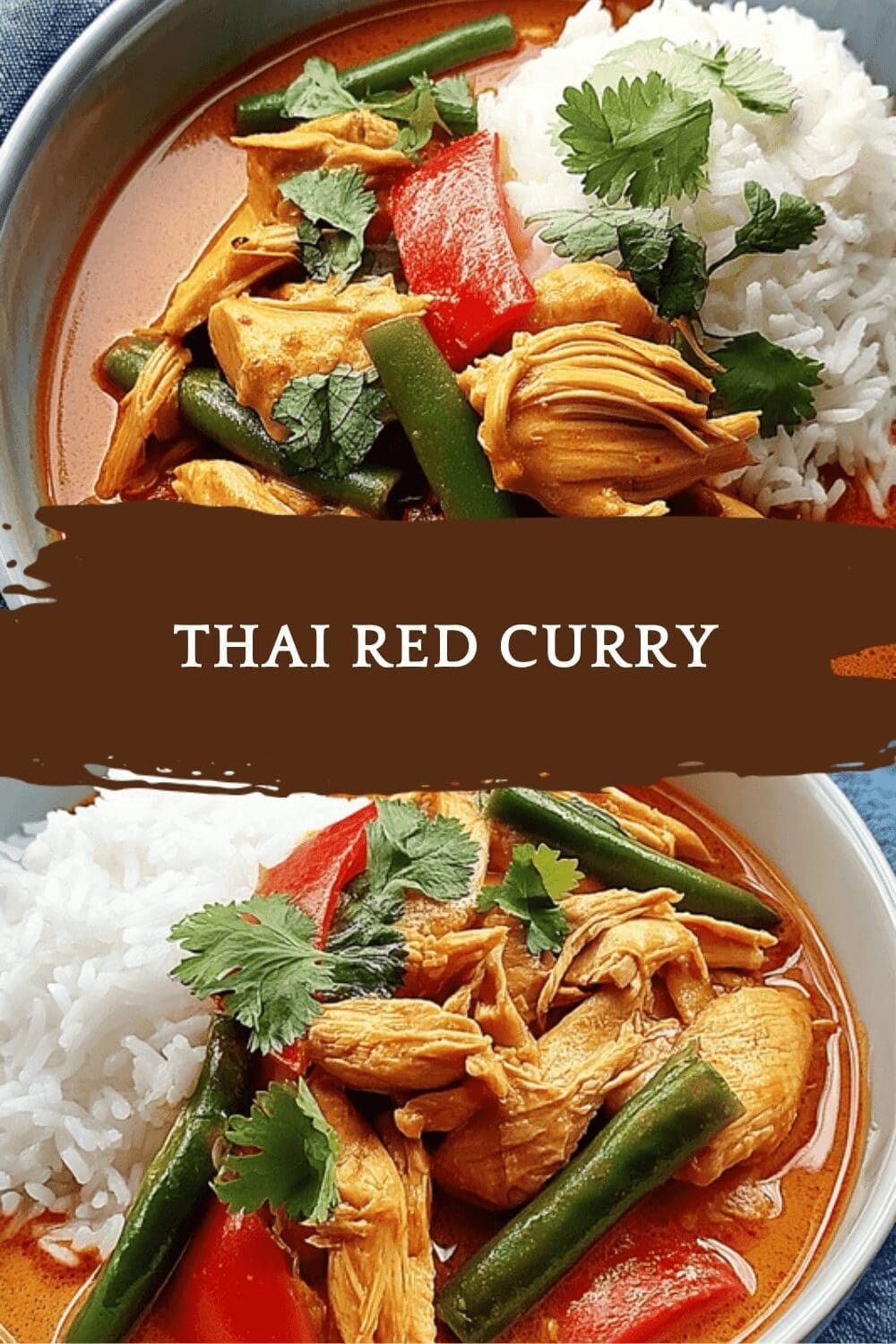
Thai Red Curry is a flavorful and easy-to-make dish that appeals to both beginners and experienced cooks. It’s appreciated for its remarkable balance of creamy coconut milk, aromatic herbs, and spicy red curry paste. This balance results in a dish that’s both comforting and exciting to the palate.
Beyond its delicious taste, Thai Red Curry offers nutritional benefits. It incorporates fresh ingredients like lemongrass, garlic, ginger, and kaffir lime leaves, which have antioxidant and anti-inflammatory properties. The use of lean proteins such as chicken thighs and nutrient-packed vegetables contributes to a wholesome and satisfying meal.
Its versatility is another advantage. This dish easily adapts to various diets, including vegan and gluten-free preferences, by swapping proteins and sauces without losing authentic flavors. The richness from coconut milk combined with vibrant herbs and spices makes Thai Red Curry a standout in global cuisine.
Thai Red Curry’s blend of creamy, spicy, and aromatic notes creates a dish that’s both nourishing and irresistibly delicious.
For more about the healthful ingredients behind this dish, check the Health Benefits of Thai Red Curry Ingredients.
Jump to:
- Benefits and Advantages of Thai Red Curry
- Essential Ingredients for Thai Red Curry
- Dietary Substitutions to Customize Your Thai Red Curry
- Protein Substitutes
- Sauce and Flavor Alternatives
- Vegetable Variations
- Lower Fat Version
- How to Prepare the Perfect Thai Red Curry: Step-by-Step Guide
- Mastering Thai Red Curry: Advanced Tips and Variations
- How to Store Thai Red Curry: Best Practices
- Nutritional Value of Thai Red Curry
- FAQs: Frequently Asked Questions About Thai Red Curry
- What is the best Thai red curry paste to use for authentic flavor?
- Can I make Thai red curry gluten free and vegan?
- What vegetables work best in Thai red curry, and can I swap them?
- How can I reduce the spiciness if my Thai red curry is too hot?
- Is it safe to freeze Thai red curry, and how should leftovers be stored?
- Thai Red Curry
- Ingredients
- Instructions
- Last Step:
- Notes
- Nutrition
- Did you make this recipe?
Essential Ingredients for Thai Red Curry
Achieving an authentic Thai Red Curry calls for specific ingredients carefully combined to deliver its iconic flavor. Here is a detailed list of necessary ingredients with precise amounts:
- 5 to 6 tablespoons Thai red curry paste (store bought)
- 2 large garlic cloves (minced, if using store-bought paste)
- 2 teaspoons fresh ginger (finely grated, if using store-bought paste)
- 1 tablespoon lemongrass paste or finely chopped fresh lemongrass (if using store-bought paste)
- 3 tablespoons vegetable oil (canola, peanut, or coconut oil recommended)
- 1 cup (250 ml) chicken broth or stock, low sodium (or water for vegetarian/vegan)
- 400 ml (14 oz) full-fat coconut milk
- 6 kaffir lime leaves
- 1 tablespoon sugar (white, brown, or palm)
- 2 teaspoons fish sauce (or tamari/soy sauce for vegetarian/vegan), plus more to taste
- 350 grams (12 oz) boneless, skinless chicken thighs, sliced into 3/4 inch pieces (or baked tofu for vegetarian/vegan)
- 150 grams (5 oz) pumpkin or butternut squash, cut into 1.5 cm cubes (about 1 heaped cup)
- 120 grams (4 oz) green beans, trimmed and cut into 5 cm pieces
- Optional additional vegetables: bell peppers, carrots, bamboo shoots, kale, broccoli, or similar, cut into bite-sized pieces
- 12 Thai basil leaves (or regular basil as substitute)
- Optional garnishes: fresh red chili slices, coriander/cilantro leaves, Thai chiles for heat
- Cooked jasmine rice or brown jasmine rice, for serving
Each ingredient plays a vital role: from the heat and depth given by curry paste to the rich creaminess of coconut milk and the fresh citrus aroma imparted by kaffir lime leaves. For more about kaffir lime leaves, see How to Use Kaffir Lime Leaves in Cooking.
Dietary Substitutions to Customize Your Thai Red Curry
Thai Red Curry can be tailored easily to accommodate different dietary requirements and preferences while maintaining its distinctive taste.
Protein Substitutes
- Vegan/Vegetarian: Swap chicken for baked tofu, tempeh, or seitan to ensure adequate protein without animal products.
- Other meats or seafood: Shrimp, beef, or pork can replace chicken for different flavor profiles.
Sauce and Flavor Alternatives
- Fish sauce replacement: Use tamari or gluten-free soy sauce for vegetarian, vegan, or gluten-free cooking.
- Sugar alternatives: Coconut sugar, maple syrup, or agave syrup can substitute palm sugar if desired.
- Curry paste: Select gluten-free red curry pastes to avoid wheat-derived ingredients, confirming labels carefully.
Vegetable Variations
- Substitute bamboo shoots and pumpkin with zucchini, eggplants, broccoli, or mushrooms according to preference or season.
- Keep vegetable pieces uniform in size for even cooking and texture.
Lower Fat Version
- Reduce coconut milk amount and balance with water or vegetable broth to lower saturated fat content without losing creaminess.
With these substitutions, the traditional flavors and texture of Thai Red Curry remain intact while making the dish accessible and healthy for all.
How to Prepare the Perfect Thai Red Curry: Step-by-Step Guide
Follow these clear steps to create a delicious and authentic Thai Red Curry that balances spice, creaminess, and freshness.
- Heat the oil and curry paste: Warm 3 tablespoons of vegetable oil in a heavy-based skillet over medium-high heat. Add 5-6 tablespoons of Thai red curry paste, along with minced garlic, grated ginger, and lemongrass paste if using store-bought paste. Stir and cook for 2 minutes until fragrant and slightly thickened.
- Add broth and simmer: Pour in 1 cup (250 ml) of chicken broth or water, stirring to combine. Simmer rapidly for about 3 minutes until the liquid reduces by half.
- Incorporate coconut milk and seasonings: Add 400 ml of full-fat coconut milk, 6 kaffir lime leaves, 1 tablespoon of sugar, and 2 teaspoons of fish sauce or tamari. Stir well to integrate flavors.
- Cook the protein: Add 350 grams of sliced chicken thighs or baked tofu. Spread evenly and simmer on medium heat for 8 to 10 minutes, allowing the protein to cook thoroughly and the sauce to thicken to a pourable consistency.
- Add vegetables: Mix in 150 grams of pumpkin cubes, 120 grams of trimmed green beans, and any optional vegetables you like. Stir and cook for an additional 3 to 10 minutes, until vegetables are tender but still slightly crisp.
- Finish with herbs and acids: Remove from heat and stir in 12 fresh Thai basil leaves, plus a squeeze of fresh lime juice or a splash of rice vinegar to brighten the dish.
- Adjust seasoning and serve: Taste the curry and adjust with extra fish sauce (or tamari), sugar, or lime juice as needed. Serve hot over steamed jasmine or brown jasmine rice, garnished with fresh coriander or chili slices for extra heat.
This step-by-step method ensures a balanced, flavorful curry that highlights the traditional elements of Thai cooking.
For another curry recipe option, you might enjoy our Caribbean Vegetable Curry, a vibrant dish with a different flavor profile to try.
Mastering Thai Red Curry: Advanced Tips and Variations
For an elevated Thai Red Curry experience, starting with homemade red curry paste can enhance freshness and control spice levels. Toasting dried chilies and pounding herbs using a mortar and pestle release vibrant aromas. Adjust the balance of coconut milk and broth to create a lighter or richer sauce tailored to preference. Experiment with protein options such as shrimp, beef, or plant-based alternatives like tempeh. Incorporating vegetables like baby corn, spinach, or zucchini introduces new textures and nutritional benefits. Including a squeeze of fresh lime juice just before serving brightens flavors and complements the curry’s richness. For spicier variations, add fresh red chilies or chili flakes incrementally. Finally, garnish with chopped cilantro, Thai basil, or toasted peanuts for added color and crunch. These tips and variations encourage personalization while preserving the authentic essence of Thai Red Curry.
How to Store Thai Red Curry: Best Practices
To preserve the freshness and flavor of Thai Red Curry, store it in an airtight container in the refrigerator for up to 3 days. For longer storage, freeze the curry in meal-sized portions, ensuring containers leave space for expansion and use freezer-safe materials. When reheating, thaw overnight in the refrigerator and warm gently on the stove over low heat, stirring occasionally to prevent separation of coconut milk. Avoid boiling to maintain texture and flavor integrity. For quick reheating, microwaving is suitable but cover the container loosely to allow steam to escape and stir midway. Proper storage and reheating methods preserve the curry’s rich aromas and creamy consistency, ensuring a satisfying meal whenever desired.
Nutritional Value of Thai Red Curry
A typical serving of Thai Red Curry offers approximately 350-450 calories, depending on protein and coconut milk quantity. It is rich in healthy fats from coconut milk, particularly medium-chain triglycerides that support energy metabolism. The dish provides a moderate amount of protein, especially when including lean meats or tofu. Carbohydrates mainly come from vegetables and accompanying rice, contributing fiber and essential vitamins. Thai Red Curry is also packed with antioxidants and anti-inflammatory compounds via spices like turmeric, coriander, and chili. Sodium content varies with the use of fish or soy sauce, so modifications can help manage intake. The recipe supports balanced nutrition with a blend of macronutrients and micronutrients while delivering a flavorful, satisfying meal option aligned with various dietary preferences.

FAQs: Frequently Asked Questions About Thai Red Curry
What is the best Thai red curry paste to use for authentic flavor?
Maesri brand red curry paste is widely recommended for its authentic taste. It has a balanced flavor that’s less sweet and includes traditional ingredients like red chili, garlic, lemongrass, and galangal. You can find it in Asian grocery stores or some large supermarkets. For best results, sauté the paste in oil with garlic and ginger before adding other ingredients to bring out deeper flavors.
Can I make Thai red curry gluten free and vegan?
Yes, you can make Thai red curry gluten free by using gluten-free tamari instead of soy sauce. For a vegan version, choose red curry pastes labeled vegan, as some contain shrimp paste or fish sauce. Brands like Thai Kitchen and Maesri offer vegan options. Use full-fat canned coconut milk to get a creamy consistency without animal products.
What vegetables work best in Thai red curry, and can I swap them?
Common vegetables in red curry include bell peppers, bamboo shoots, and green beans. You can swap these with broccoli, mushrooms, zucchini, or diced squash. Just cut vegetables into uniform small pieces for even cooking and adjust simmer time based on sturdiness—for example, butternut squash may require longer cooking.
How can I reduce the spiciness if my Thai red curry is too hot?
To tone down the heat, add more coconut milk to mellow the spice. If the curry already has a thin sauce, remove some liquid before adding fresh coconut milk to avoid watery texture. You can also balance spiciness with a small pinch of sugar, which softens sharp heat and adds depth.
Is it safe to freeze Thai red curry, and how should leftovers be stored?
Thai red curry freezes well when stored in an airtight container. For best quality, use within one to two months. Cool the curry completely before freezing. In the fridge, store leftovers in sealed containers and consume within three days. Reheat gently on the stove or microwave, stirring occasionally to maintain the sauce’s texture.

Thai Red Curry
🌶️ Dive into bold flavors with this Thai Red Curry, a perfect balance of spicy, sweet, and creamy goodness!
🥥 Enjoy the infusion of aromatic herbs and coconut milk that makes each bite rich and satisfying.
- Total Time: 25 to 40 minutes
- Yield: 4 servings 1x
Ingredients
5 to 6 tablespoons Thai red curry paste
2 large garlic cloves, minced (for store-bought paste)
2 teaspoons fresh ginger, finely grated (for store-bought paste)
1 tablespoon lemongrass paste or finely chopped fresh lemongrass (for store-bought paste)
3 tablespoons vegetable oil (canola, peanut, or coconut oil)
1 cup chicken broth or stock (or water for vegetarian/vegan)
400 ml full-fat coconut milk
6 kaffir lime leaves
1 tablespoon sugar (white, brown, or palm)
2 teaspoons fish sauce (or tamari/soy sauce for vegetarian/vegan), plus more to taste
350 grams boneless, skinless chicken thighs, sliced into 3/4 inch pieces
150 grams pumpkin or butternut squash, cut into 1.5 cm cubes
120 grams green beans, trimmed and cut into 5 cm pieces
Optional additional vegetables: bell peppers, carrots, bamboo shoots, kale, broccoli
12 Thai basil leaves (or regular basil)
Optional garnishes: fresh red chili slices, fresh coriander/cilantro leaves, Thai chiles
Jasmine rice or brown jasmine rice, cooked, for serving
Instructions
1. Heat oil in a large, heavy-based skillet over medium-high heat.
2. Add curry paste; if using store-bought paste, also add garlic, ginger, and lemongrass paste. Cook about 2 minutes until fragrant and paste thickens slightly.
3. Stir in chicken broth (or water) and simmer rapidly for 3 minutes until the liquid reduces by half.
4. Add coconut milk, kaffir lime leaves, sugar, and fish sauce or tamari; stir to combine.
5. Add sliced chicken (or tofu) and spread evenly. Simmer on medium heat for 8 to 10 minutes until chicken is cooked through and sauce thickens to a pourable, gravy-like consistency.
6. Add pumpkin (or butternut squash), green beans, and any additional vegetables; stir and cook for a further 3 to 10 minutes, until vegetables are tender but still retain some bite.
7. Remove from heat and stir in Thai basil leaves and fresh lime juice or rice vinegar to brighten flavors.
8. Taste and adjust seasoning with more fish sauce (or tamari), sugar, or lime juice as needed.
9. Serve hot over steamed jasmine or brown jasmine rice, garnished with fresh coriander, chili slices, or Thai chiles as desired.
Last Step:
Please leave a rating and comment letting us know how you liked this recipe! This helps our business to thrive and continue providing free, high-quality recipes for you.Notes
🥥 Use full-fat coconut milk for a rich, creamy sauce.
🌿 Kaffir lime leaves add essential citrus aroma; fresh preferred but dried can substitute.
🍗 Chicken thighs yield juicier results than breast but both work.
- Prep Time: 5 to 10 minutes
- None: 0 minutes
- Cook Time: 20 to 30 minutes
- Category: Main Course
- Method: Simmering
- Cuisine: Thai
- Diet: Gluten-Free
Nutrition
- Serving Size: 1 bowl
- Calories: 530
- Sugar: 7g
- Sodium: 700mg
- Fat: 35g
- Saturated Fat: 22g
- Unsaturated Fat: 11g
- Trans Fat: 0g
- Carbohydrates: 20g
- Fiber: 3g
- Protein: 44g
- Cholesterol: 110mg


