

Benefits and Advantages of caribbean vegetable curry
Caribbean vegetable curry is a flavorful and nutritious dish that stands out for its simplicity and health benefits. It requires minimal culinary skills, making it accessible for home cooks of all experience levels. The rich blend of spices combined with fresh vegetables creates a satisfying taste profile that represents traditional Caribbean cuisine. Nutritionally, this curry offers a high-fiber content from chickpeas and assorted vegetables, promoting healthy digestion and lasting fullness.
The dish is versatile, naturally vegan and gluten-free, which makes it friendly to a wide range of dietary preferences. It also features complex carbohydrates and moderate protein, supporting sustained energy and wellness. Quick to prepare, with a cooking time under 30 minutes, it suits busy lifestyles without sacrificing flavor or nutrition. The adaptable nature allows easy ingredient swaps without affecting the delicious Caribbean essence, making it a dependable choice for a wholesome, vibrant meal.
Jump to:
- Benefits and Advantages of caribbean vegetable curry
- Essential Ingredients for caribbean vegetable curry
- Dietary Substitutions to Customize Your caribbean vegetable curry
- How to Prepare the Perfect caribbean vegetable curry: Step-by-Step Guide
- Mastering caribbean vegetable curry: Advanced Tips and Variations
- How to Store caribbean vegetable curry: Best Practices
- Nutritional Value of caribbean vegetable curry
- FAQs: Frequently Asked Questions About caribbean vegetable curry
- How should I store Caribbean vegetable curry to keep it fresh?
- Can I freeze Caribbean vegetable curry, and how do I reheat it properly?
- What makes Caribbean vegetable curry different from Indian curry?
- How can I adjust the spiciness of Caribbean vegetable curry?
- What are some easy ways to thicken Caribbean vegetable curry if it’s too watery?
- Caribbean Vegetable Curry with Chickpeas and Mixed Veggies Recipe
- Ingredients
- Instructions
- Last Step:
- Notes
- Nutrition
- Did you make this recipe?
Essential Ingredients for caribbean vegetable curry
- ½ teaspoon cumin seeds
- 1 medium sliced onion (brown, red, or shallots)
- 2 chopped spring onions
- 10 grams fresh thyme
- 1 tablespoon green seasoning (herb blend)
- 6 finely chopped garlic cloves
- 1 to 2 teaspoons chopped Scotch bonnet pepper (adjust heat)
- 1 to 2 tablespoons Jamaican or regular curry powder (with turmeric and allspice)
- 2 cans chickpeas (400g each, about 480g drained), drained
- 300 grams peeled and finely chopped sweet potato (or 1 medium cubed potato)
- 50 grams spinach (optional)
- 2 tablespoons chopped fresh coriander
- 1 teaspoon pepper sauce (optional)
- 1 to 1½ cups vegetable broth or boiling water, to cover vegetables
- ½ can (about 200ml) full-fat or light coconut milk (optional for creaminess)
- Oil (neutral or coconut oil) and salt to taste
Together, these ingredients provide a balance of flavors, textures, and nutrients central to making an authentic Caribbean vegetable curry.
Dietary Substitutions to Customize Your caribbean vegetable curry
Caribbean vegetable curry offers great flexibility to accommodate various dietary needs:
- Vegan: The recipe is naturally vegan with plant-based ingredients, but ensure to use vegan-friendly curry powder and vegetable broth.
- Gluten-Free: Choose certified gluten-free curry powder and avoid any additives in canned ingredients.
- Low-Calorie: Use light coconut milk or reduce coconut milk amount and limit added oils to decrease calories.
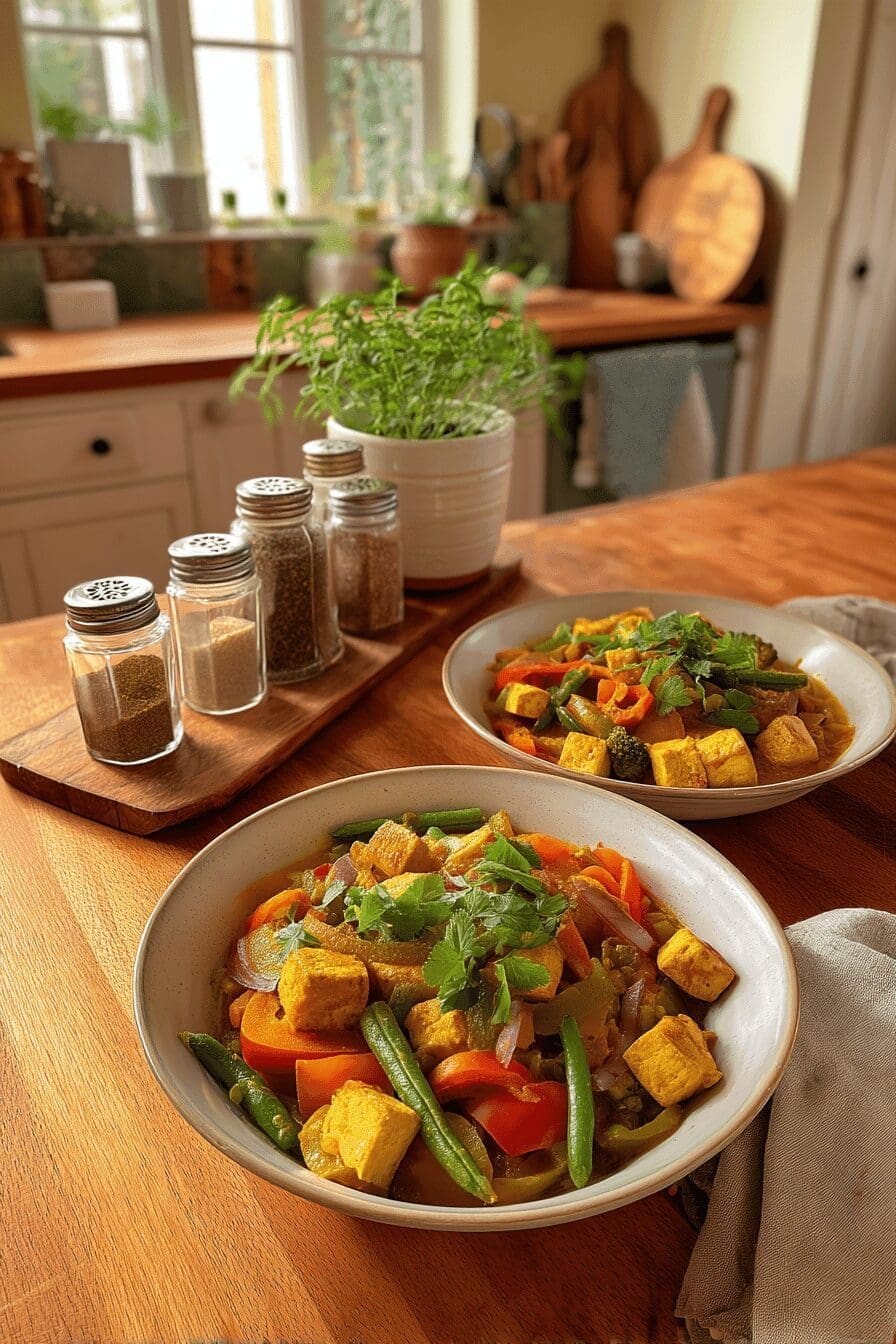
- Protein Variations: Substitute chickpeas with tofu, tempeh, or seitan for a different protein source and texture.
- Heat Adjustment: Reduce or omit Scotch bonnet peppers for milder flavor; substitute with bell peppers for sweetness.
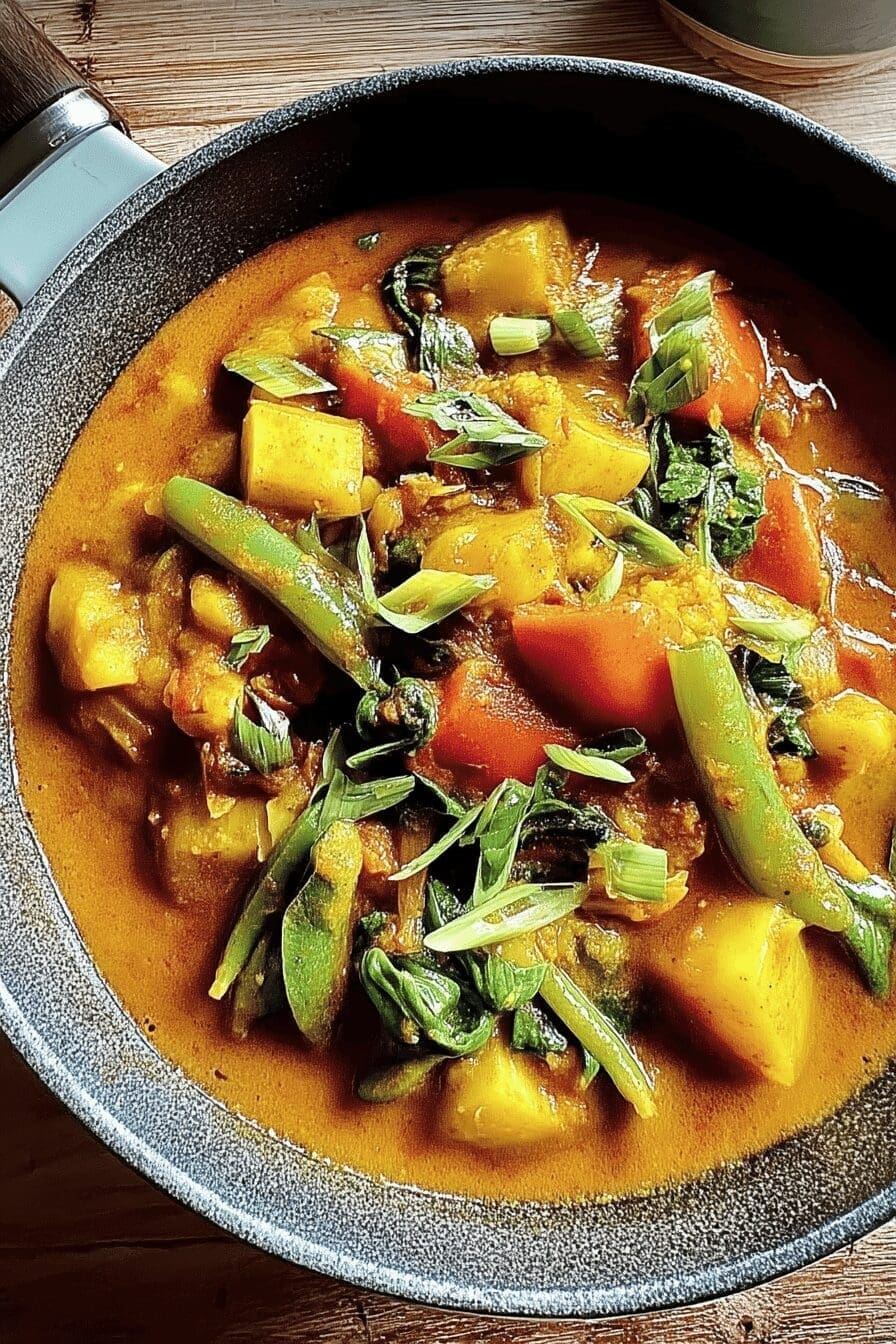
- Vegetable Swaps: Incorporate seasonal or preferred vegetables such as carrots, cauliflower, broccoli, green beans, or bell peppers to diversify.
These substitutions maintain the dish’s core flavors while ensuring it fits diverse nutritional preferences and ingredient availability.
How to Prepare the Perfect caribbean vegetable curry: Step-by-Step Guide
- Prepare Ingredients: Wash, peel, and chop vegetables into bite-size pieces for even cooking.
- Sauté Aromatics: Heat oil in a large pan over medium heat. Add cumin seeds and cook 1-2 minutes until fragrant.
- Add Onions and Seasonings: Stir in sliced onions, spring onions, fresh thyme, and green seasoning with salt. Cook 5-8 minutes until onions soften.
- Toast Spices: Mix in garlic, Scotch bonnet pepper, and curry powder (including turmeric and allspice). Cook 1-2 minutes to release aromas.
- Add Liquids and Vegetables: Pour in coconut milk (if using) and vegetable broth or boiling water. Add chickpeas and chopped sweet potatoes. Bring to simmer.
- Simmer: Cover and cook for about 10 minutes until sweet potatoes are tender.
- Optional Creaminess: Mash a quarter of the chickpeas and sweet potatoes in the pot to thicken the curry.
- Final Touches: Add spinach and cook until wilted (about 2 minutes). Stir in chopped fresh coriander and pepper sauce to taste.
- Serve: Enjoy hot with rice, roti, or flatbread.
Throughout, adapt ingredients like coconut milk or vegetables to suit dietary preferences, ensuring a delicious and accessible Caribbean vegetable curry for all.
For more on nutrition, check the Health Benefits of Chickpeas and for handling spice safely, visit How to Use Scotch Bonnet Peppers Safely. For sweet potato nutrition details, see Nutritional Value of Sweet Potatoes.
Mastering caribbean vegetable curry: Advanced Tips and Variations
For a more intense flavor in your Caribbean vegetable curry, start by using freshly ground spices such as curry powder and cumin seeds to maximize aroma and taste. Marinate the chopped vegetables briefly in turmeric and curry powder before cooking to deepen the overall flavor profile.
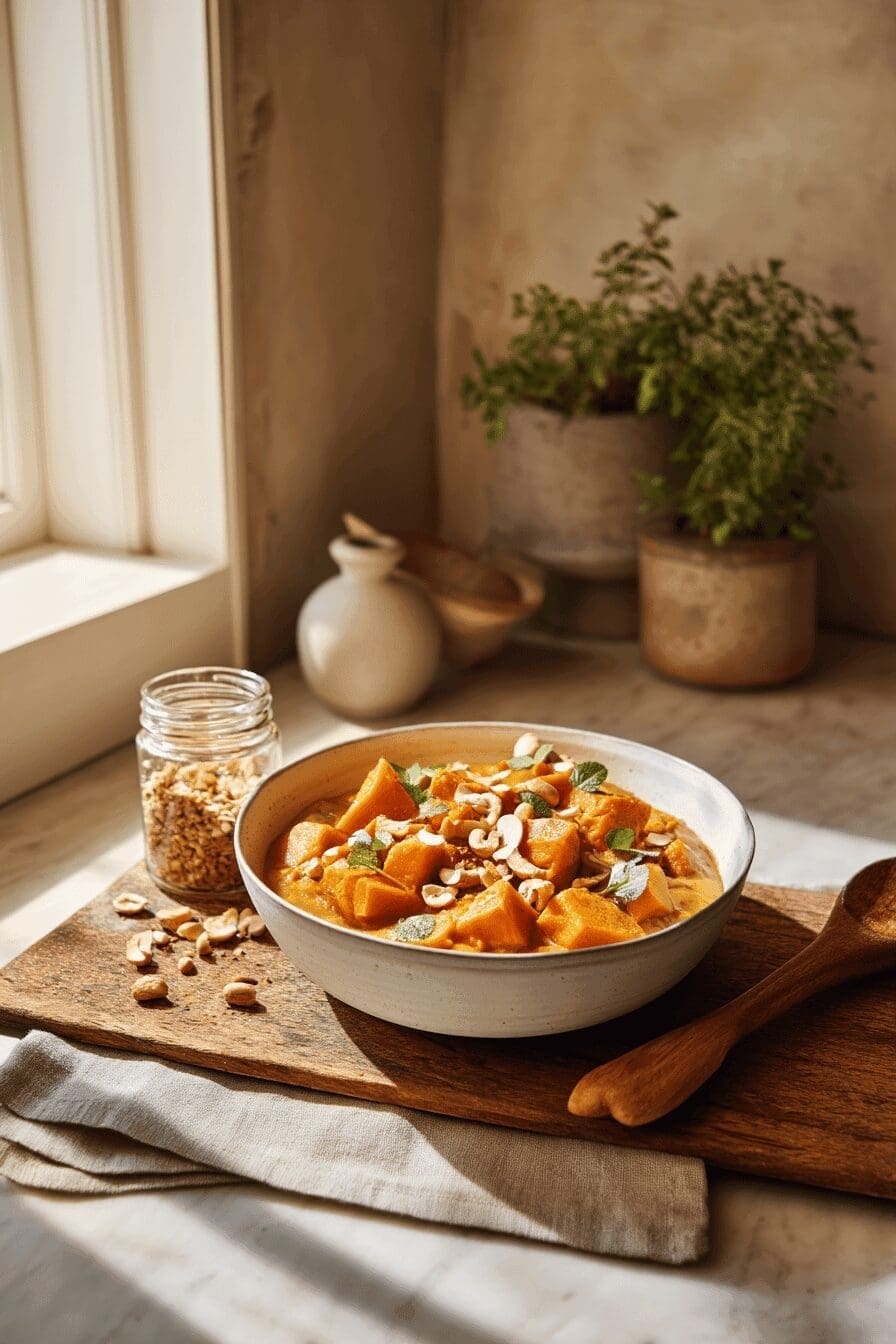
To add creaminess and a richer mouthfeel, blend a portion of the cooked sweet potatoes with coconut milk and return the mixture to the pan. This creates a naturally thickened, creamy base without extra additives.
Adding smoked paprika or a small pinch of cinnamon introduces subtle warmth and complexity without overpowering the traditional Caribbean taste. Introducing roasted sweet potatoes or plantains enhances sweetness and adds authentic island-style textures.
Boost protein content by including seitan, tofu, or additional legumes such as lentils or kidney beans, making the dish a perfect meal on its own. Adjust the heat by varying the amount of Scotch bonnet peppers or substituting with milder chili varieties to suit your spice tolerance.
For finishing touches, consider adding toasted coconut flakes or chopped cashews on top, providing a delightful crunch and extra richness. These advanced tips allow you to customize Caribbean vegetable curry while honoring its classic flavors and textures.
How to Store caribbean vegetable curry: Best Practices
Caribbean vegetable curry should be cooled slightly and transferred to an airtight container within two hours of cooking to maintain freshness and food safety. Refrigerate and consume within four days for the best taste and texture.
For long-term storage, portion the curry into freezer-safe containers and freeze for up to three months. When ready to enjoy, thaw the frozen curry overnight in the refrigerator and reheat gently on the stove or microwave, stirring occasionally for even warmth.
To preserve the curry’s thick and creamy consistency, avoid multiple reheating. Label containers with the date and contents, especially when freezing, to keep track of freshness. Proper storage and reheating ensure the curry retains its vibrant flavors and nutritional benefits, making it a convenient dish for meal prep.
Nutritional Value of caribbean vegetable curry
Caribbean vegetable curry is a rich source of nutrients, offering a balanced mix of macronutrients and essential vitamins. This curry provides approximately 250-300 calories per serving, which makes it suitable for weight-conscious diets.
The healthy fats predominantly come from coconut milk used in the recipe. Plant-based proteins from chickpeas or lentils support muscle repair and provide satiety. Including varied vegetables ensures ample dietary fiber, aiding digestion and stabilizing blood sugar levels.
Vitamins A and C found in the fresh produce help boost immune response and promote skin health, while folate supports cellular function. Turmeric contributes anti-inflammatory benefits, and the spices overall promote metabolism and enhance nutrient absorption.
| Nutrient | Amount per Serving | Health Benefits |
|---|---|---|
| Calories | 250-300 kcal | Supports moderate calorie intake |
| Protein | Moderate level (from legumes) | Muscle maintenance and satiety |
| Fat | Healthy fats from coconut milk | Heart health and fat-soluble vitamin absorption |
| Fiber | High | Supports digestion and blood sugar control |
| Vitamins A & C | Rich source | Immune support and skin health |
FAQs: Frequently Asked Questions About caribbean vegetable curry
How should I store Caribbean vegetable curry to keep it fresh?
Store Caribbean vegetable curry in an airtight container and place it in the refrigerator. It will typically stay fresh for up to 3-4 days. When ready to eat, reheat it gently on the stovetop over low heat or in the microwave until warm throughout to maintain its flavors and texture.
Can I freeze Caribbean vegetable curry, and how do I reheat it properly?
Yes, you can freeze Caribbean vegetable curry. Allow the curry to cool completely, then transfer it to an airtight, freezer-safe container or heavy-duty freezer bag. Freeze for up to 2 months. To reheat, thaw it overnight in the refrigerator or use the defrost setting on your microwave, then warm it on the stove or microwave until heated evenly.
What makes Caribbean vegetable curry different from Indian curry?
Caribbean vegetable curry often uses Jamaican curry powder, which includes turmeric and allspice, giving it a distinctive earthy and mildly sweet flavor. Indian curry usually combines a wider variety of fresh spices and herbs, resulting in a more complex and varied taste depending on the region. Caribbean curry tends to be less spicy and simpler in its spice blend.
How can I adjust the spiciness of Caribbean vegetable curry?
To reduce spiciness, leave out or reduce hot ingredients like scotch bonnet peppers and hot sauce. For more heat, add extra chopped scotch bonnet, hot sauce, or chili flakes gradually while cooking. Remember to taste as you go to reach your preferred spice level without overpowering the dish.
What are some easy ways to thicken Caribbean vegetable curry if it’s too watery?
To thicken the curry, allow it to simmer uncovered on low heat for 5-10 minutes, which reduces excess liquid. Alternatively, mix 1-2 tablespoons of cornstarch with cold water to make a slurry and slowly stir it into the curry, cooking until the sauce thickens. Coconut milk or blended vegetables can also add natural creaminess and thickness.

Caribbean Vegetable Curry with Chickpeas and Mixed Veggies Recipe
🌿 Savor the vibrant flavors of this Caribbean Vegetable Curry, packed with nutritious ingredients and warming spices.
🍛 Enjoy a wholesome meal that’s quick to prepare and perfect for adding more veggies to your diet.
- Total Time: 30-35 minutes
- Yield: 4 servings 1x
Ingredients
1/2 teaspoon cumin seeds
1 medium sliced onion (brown, red, or shallots)
2 chopped spring onions
10 grams fresh thyme
1 tablespoon green seasoning (herb blend)
6 finely chopped garlic cloves
1 to 2 teaspoons chopped Scotch bonnet pepper (optional)
1 to 2 tablespoons Jamaican or regular curry powder
2 cans chickpeas (400g each, about 480g drained), drained
300 grams peeled and finely chopped sweet potato (or 1 medium cubed potato)
50 grams spinach (optional)
2 tablespoons chopped fresh coriander
1 teaspoon pepper sauce (optional)
1 to 1 ½ cups vegetable broth or boiling water
1/2 can (about 200ml) full-fat or light coconut milk (optional)
Oil (neutral or coconut oil) and salt to taste
Instructions
1. Heat 1 to 2 tablespoons of oil in a large frying pan or Dutch oven over medium heat. Add cumin seeds and cook for 1 to 2 minutes until fragrant and toasted.
2. Add onion, spring onions, thyme, and green seasoning with a pinch of salt; cook for 5 to 8 minutes until softened.
3. Stir in garlic, Scotch bonnet pepper, and curry powder. Cook for 1 to 2 minutes until aromatic.
4. Pour in coconut milk if using, along with vegetable broth or boiling water, then bring to a simmer. Add chickpeas and sweet potato. Cover and simmer for about 10 minutes until the potatoes are tender.
5. Optionally mash about a quarter of the chickpeas and potatoes to add creaminess and thicken the curry.
6. Stir in spinach, cooking until wilted (about 2 minutes).
7. Mix in chopped coriander and pepper sauce to taste before serving.
Last Step:
Please leave a rating and comment letting us know how you liked this recipe! This helps our business to thrive and continue providing free, high-quality recipes for you.Notes
🌶️ Adjust the spice heat by varying the amount of Scotch bonnet pepper or hot sauce.
🥦 Substitute vegetables such as carrots, cauliflower, or broccoli based on availability to customize your curry.
🥥 For a richer, creamier texture, add coconut milk or cream during cooking.
- Prep Time: 10 minutes
- Cooking Time: 20-25 minutes
- Cook Time: 20-25 minutes
- Category: Main Course
- Method: Simmering
- Cuisine: Caribbean
- Diet: Vegan
Nutrition
- Serving Size: 1/4 of the recipe
- Calories: 270 per serving
- Sugar: 6g
- Sodium: 480mg
- Fat: 12g
- Saturated Fat: 6g
- Unsaturated Fat: 5g
- Trans Fat: 0g
- Carbohydrates: 34g
- Fiber: 10g
- Protein: 9g
- Cholesterol: 0mg


