

Why You’ll Love This Sourdough Starter
If you’re new to baking, starting with a sourdough starter opens up a world of homemade bread that feels fresh and full of life. This sourdough starter recipe makes the process simple and fun, perfect for busy parents or students looking for an easy way to add healthy options to their meals. You’ll appreciate how it fits into your routine without needing fancy tools or tons of time.
One great thing about this sourdough starter is its ease of preparation, with just a few basic steps that anyone can follow. It brings health benefits like natural probiotics that help digestion and provide nutrients through fermentation. Plus, it’s versatile for different needs, such as gluten-free or vegan options, making it ideal for food enthusiasts or diet-conscious individuals who want to customize their bakes.
The distinctive flavor from the long fermentation process gives your bread a tangy taste that’s better than store-bought versions. Imagine sharing loaves at your next potluck or picnic, connecting with friends over warm, homemade bread. This recipe from our blog celebrates that community spirit, just like the hearty casseroles and dishes we love for gatherings.
To dive deeper into fun baking ideas, check out our recipe for fluffy Japanese souffle pancakes that pair well with your fresh starter. Whether you’re a beginner or a pro, this sourdough starter will become a go-to for creating meals that bring people together.
Jump to:
- Why You’ll Love This Sourdough Starter
- Essential Ingredients for Sourdough Starter
- How to Prepare the Perfect Sourdough Starter: Step-by-Step Guide
- First Steps: Getting Started
- Daily Feedings and Maintenance
- Dietary Substitutions to Customize Your Sourdough Starter
- Mastering Sourdough Starter: Advanced Tips and Variations
- How to Store Sourdough Starter: Best Practices
- FAQs: Frequently Asked Questions About Sourdough Starter
- Can I make a sourdough starter using only all-purpose flour?
- Why does my sourdough starter sometimes have a layer of liquid on top, and what should I do?
- How often should I feed my sourdough starter if I store it in the fridge versus at room temperature?
- How do I know when my sourdough starter is ready to use for baking?
- Can I use whole wheat or rye flour instead of all-purpose flour for feeding my sourdough starter?
- Sourdough Starter
- Ingredients
- Instructions
- Last Step:
- Notes
- Did you make this recipe?
Essential Ingredients for Sourdough Starter
Building a good sourdough starter starts with the right ingredients, which keep things simple yet effective. You’ll need basic items that encourage natural fermentation with wild yeast and bacteria. For accuracy, all measurements here are by weight, ensuring your starter turns out just right every time.
- 60 grams (1/2 cup) whole wheat flour for Day 1 starter creation
- 60 grams (1/4 cup) warm water (around 85°F) for Day 1 starter creation
- 60 grams (1/2 cup) unbleached all-purpose or bread flour for daily feedings from Days 3-7
- 60 grams (1/4 cup) water for daily feedings from Days 3-7
This setup uses equal parts flour and water to maintain balance and promote healthy growth. Remember, whole wheat flour helps get things going on the first day, while unbleached flour takes over for the feedings. It’s a straightforward list that makes shopping and measuring easy for home cooks.
How to Prepare the Perfect Sourdough Starter: Step-by-Step Guide
Creating a sourdough starter is an adventure that takes about 7 to 14 days with daily feedings, using just flour and water to spark natural fermentation. Start by setting a consistent schedule, like feeding in the morning, to keep things on track. This method is beginner-friendly and rewarding, turning simple ingredients into a live culture ready for homemade bread.
First Steps: Getting Started
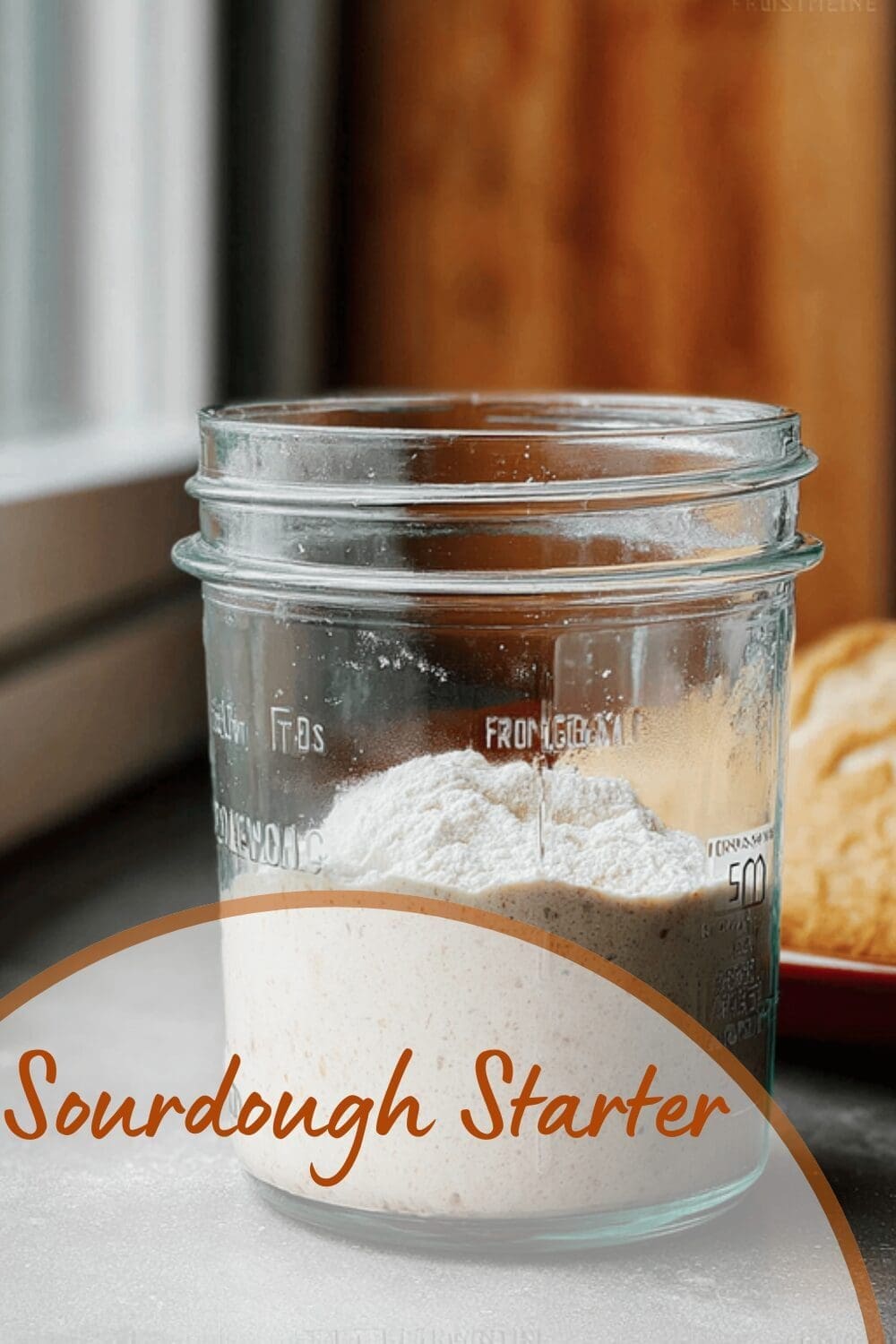
On Day 1, mix 60 grams (1/2 cup) whole wheat flour with 60 grams (1/4 cup) warm water in a large jar, about 3/4 liter in size, until it’s smooth and pasty. Cover the jar loosely and let it rest in a warm spot between 70-75°F for 24 hours. This warm environment helps the wild yeast and bacteria begin their work without any fuss.
By Day 2, check for bubbles; if you don’t see any, just stir it once or twice and let it rest another 24 hours. It’s normal for things to be slow at first, so stay patient and keep that spot warm. This step builds the foundation for a strong starter that will make your bread rise beautifully.
Daily Feedings and Maintenance
From Day 3 through Day 7, discard half of the starter each day to keep acidity in check and remove excess bacteria. Then, add 60 grams (1/2 cup) unbleached all-purpose or bread flour and 60 grams (1/4 cup) water, mixing well before scraping down the sides of the jar. Cover it again and let it rest in that warm spot for another 24 hours.
By Day 7 or 8, your starter should double in size, full of bubbles, and have a slightly fruity smell. To test if it’s ready, drop a teaspoon into water; if it floats, you’re good to go. Once active, you can use it for bread or other recipes, and even name your starter for a personal touch.
For more ideas on using your starter, try our cheese scones recipe, which works great with discarded starter portions. The whole process takes a few minutes each day and fits into the lives of working professionals or seniors looking for a relaxing hobby.

Dietary Substitutions to Customize Your Sourdough Starter
Making your sourdough starter work for your diet is easy with a few smart swaps. Whether you’re vegan or avoiding gluten, these changes keep the starter healthy and flavorful. This flexibility makes it a hit for busy parents, travelers, or anyone with specific eating needs.
For protein and main components, try gluten-free flour blends or grains like buckwheat or millet to handle sensitivities. You can swap water with coconut water or unsweetened plant-based milks for a subtle twist in taste. These options ensure your starter stays adaptable without losing its magic.
When it comes to vegetables, sauces, and seasonings, add herbs like rosemary or thyme for extra aroma. Adjust the hydration with fruit juices or vinegar to tweak the tang, fitting personal tastes or restrictions. Remember, experimenting here can lead to fun variations that enhance your baking.
Mastering Sourdough Starter: Advanced Tips and Variations
Once you’re comfortable with basics, leveling up your sourdough starter brings even more excitement to your baking. Use filtered water and organic flours to boost vitality and add depth to flavors, making each loaf unique. These pro techniques help food enthusiasts create breads that stand out at any gathering.
For flavor variations, mix in rye flour or spelt to change things up and diversify tastes. Presentation is key too opt for clear glass jars so you can watch fermentation happen, and label them with dates to track progress. If you’re planning ahead, make a larger batch and store it in the fridge, feeding it weekly for spontaneous bakes.
Here are some quick tips to keep your starter thriving:
- Maintain a warm spot, like an oven with the light on, to speed up fermentation.
- Always measure by weight for consistent results, such as 60 grams of flour and water.
- If hooch appears, pour it off before feeding to keep things fresh.
- Fermentation might pause on Days 3-4, but that’s normal just keep feeding.
- Try different flours like rye, noting they might change how fast it ferments.
These tricks make maintenance simple, even for community organizers hosting events with homemade goods.
How to Store Sourdough Starter: Best Practices
Proper storage keeps your sourdough starter alive and ready for use, whether you’re baking daily or just occasionally. For short-term needs, refrigeration works well by keeping the starter in a covered jar and feeding it once a week. This method suits baking enthusiasts who don’t want to fuss every day.
If you need long-term options, freeze portions in airtight containers and thaw them slowly before feeding. When it’s time to use it again, warm the starter gently at room temperature to wake up the yeast. For meal prep, store larger amounts in the fridge and feed regularly to ensure consistent results for your next bread batch.
| Storage Method | Frequency of Feeding | Best For |
|---|---|---|
| Room Temperature | Once or twice daily | Frequent baking |
| Refrigeration | Once a week | Occasional use |
| Freezing | Before freezing and after thawing | Long-term storage |
This table helps you choose the right approach based on your lifestyle, like for newlyweds or working professionals juggling schedules.
FAQs: Frequently Asked Questions About Sourdough Starter
Can I make a sourdough starter using only all-purpose flour?
Yes, you can make a sourdough starter with just all-purpose flour. However, it may take a bit longer to develop compared to using whole grain or bread flour because all-purpose flour contains fewer nutrients and natural yeasts. To help the process, keep the starter at a warm temperature (around 70-75°F) and feed it regularly with equal weights of flour and water.
Why does my sourdough starter sometimes have a layer of liquid on top, and what should I do?
The liquid on top is called “hooch” and is a sign that your starter is hungry. It can be clear, gray, or dark and has a strong smell. Simply pour off the hooch and feed your starter fresh flour and water to revive its activity. Regular feedings help prevent hooch buildup and keep the starter healthy.
How often should I feed my sourdough starter if I store it in the fridge versus at room temperature?
If you keep your starter at room temperature, it typically needs feeding once or twice a day to stay active. When stored in the refrigerator, feeding once a week is sufficient. Always discard a portion before feeding to balance acidity and support healthy yeast and bacteria growth.
How do I know when my sourdough starter is ready to use for baking?
Your starter is ready when it doubles in size within 4 to 6 hours after feeding, has a bubbly, spongy texture, and emits a pleasant, mildly tangy aroma. You can perform the float test by dropping a spoonful of starter into water; if it floats, it’s airy enough for baking.
Can I use whole wheat or rye flour instead of all-purpose flour for feeding my sourdough starter?
Yes, you can feed your starter with whole wheat or rye flour, which often speeds up fermentation because they contain more nutrients and natural yeast. However, these flours absorb more water, so adjust the hydration by adding slightly more water if the starter feels too thick. You can also switch between flours based on your baking preferences.

Sourdough Starter
🥖 This beginner sourdough starter recipe guides you through creating a natural, wild yeast culture for homemade bread.
⏳ With simple ingredients and daily feedings, it fosters consistent fermentation to achieve great rise and flavor in your baking.
- Total Time: 7 to 14 days including feeding cycles
- Yield: About 1 cup active sourdough starter
Ingredients
– 60 grams (1/2 cup) whole wheat flour for Day 1 starter creation
– 60 grams (1/4 cup) warm water (around 85°F) for Day 1 starter creation
– 60 grams (1/2 cup) unbleached all-purpose or bread flour for daily feedings from Days 3-7
– 60 grams (1/4 cup) water for daily feedings from Days 3-7
Instructions
1-First Steps: Getting Started On Day 1, mix 60 grams (1/2 cup) whole wheat flour with 60 grams (1/4 cup) warm water in a large jar, about 3/4 liter in size, until it’s smooth and pasty. Cover the jar loosely and let it rest in a warm spot between 70-75°F for 24 hours. This warm environment helps the wild yeast and bacteria begin their work without any fuss.
2-First Steps: By Day 2, check for bubbles; if you don’t see any, just stir it once or twice and let it rest another 24 hours. It’s normal for things to be slow at first, so stay patient and keep that spot warm. This step builds the foundation for a strong starter that will make your bread rise beautifully.
3-Daily Feedings and Maintenance: From Day 3 through Day 7, discard half of the starter each day to keep acidity in check and remove excess bacteria. Then, add 60 grams (1/2 cup) unbleached all-purpose or bread flour and 60 grams (1/4 cup) water, mixing well before scraping down the sides of the jar. Cover it again and let it rest in that warm spot for another 24 hours.
4-Daily Feedings and Maintenance: By Day 7 or 8, your starter should double in size, full of bubbles, and have a slightly fruity smell. To test if it’s ready, drop a teaspoon into water; if it floats, you’re good to go. Once active, you can use it for bread or other recipes, and even name your starter for a personal touch.
Last Step:
Please leave a rating and comment letting us know how you liked this recipe! This helps our business to thrive and continue providing free, high-quality recipes for you.Notes
🌡️ Keep the starter in a consistently warm spot (70-75°F) to encourage fermentation; an oven with the light on or a microwave with the door open works well.
⚖️ Always measure flour and water by weight (60 grams each) for reliable results.
♻️ Discarding half the starter daily before feeding helps control acidity and balances the culture for healthy growth.
- Prep Time: 7 days plus daily few-minute feedings
- Resting Time: 24 hours between feedings
- Category: Bread Starter
- Method: Fermentation
- Cuisine: Universal
- Diet: Vegan, Gluten


