

Scottish Tattie Scones
You know breakfast is going to be good when tattie scones are involved. We first fell in love with these golden rounds on a misty morning in the Scottish Highlands, where a big Scottish breakfast arrived at our table with all the trimmings.
Tattie scones, also known as potato scones, are a simple pleasure. They use just three ingredients: potatoes, butter, and flour. That is it.

Yet they come out crispy and golden on the outside, soft and fluffy inside. They are the kind of thing that makes you want to linger over breakfast a little longer.
Whether you are feeding a crowd or just treating yourself, these little triangles are a taste of Scotland you can make at home.
Jump to:
- Scottish Tattie Scones
- In this post: Tattie Scones
- For a proper Scottish Breakfast make tattie scones!
- Let’s make tattie scones!
- Ingredient Notes
- Ingredients
- Instructions
- Notes
- Recipe details
- FAQs
- What are tattie scones?
- What type of potatoes are best for tattie scones?
- Can you make tattie scones with leftover mashed potatoes?
- How do you cook tattie scones to get them crispy?
- Scottish Tattie Scones
- Ingredients
- Instructions
- Last Step:
- Nutrition
- Did you make this recipe?
In this post: Tattie Scones
Here is what we will cover so you can make perfect tattie scones every time:
- Why tattie scones belong in a proper Scottish breakfast
- Notes on choosing potatoes, flour, and butter
- The exact ingredients you need
- Step by step instructions
- Nutrition notes and recipe details
For a proper Scottish Breakfast make tattie scones!
On our first trip to Scotland, we stayed at a tiny bed and breakfast near Inverness. The owner, a lovely woman named Morag, brought out a full Scottish breakfast that filled the whole table.
There were eggs, bacon, fried tomatoes, mushrooms, fried haggis, black pudding, and a stack of these golden potato scones. We had no idea what they were, but after one bite we understood.
They were crispy at the edges, fluffy in the middle, and perfect for mopping up runny egg yolk.
Tattie scones are similar to Irish farls and UK griddle cakes. The dough is made from mashed potatoes, flour, and butter, then cooked in extra butter until golden brown with crispy edges.
Our recipe includes full mashing instructions, but if you have leftover mashed potatoes, you can use those instead. Just reheat them gently first. A heavy based griddle or cast iron pan over medium heat is what you want. The even heat gives you that lovely crust without burning.
While a full Scottish breakfast is the classic way to serve them, they are wonderfully versatile. Sometimes we keep it simple and serve them with just butter or jam.
Other times we tuck them into a morning roll with Lorne sausage, a fried egg, a splash of tamata sauce, and a generous dash of broon sauce. That is a breakfast that sticks to your ribs.
If you want to add even more flavor, cook the scones in bacon fat instead of butter. It adds a smoky note that is absolutely delicious. And for the full experience, pour yourself a glass of Irn Bru on the side. It is a Scottish tradition for a reason.
A full Scottish breakfast is a feast. Alongside your tattie scones, you will often find eggs, bacon, fried tomatoes, mushrooms, fried haggis, and black pudding. Each element plays a role.
The eggs give you richness, the bacon adds saltiness, the tomatoes bring a touch of acidity, and the mushrooms add earthiness. The haggis and black pudding are the stars for many, with their deep, savoury flavors.
And then there are the tattie scones, ready to soak up every last bit of yolk and sauce. It is a breakfast that will keep you going all day.
Tattie scones have been a staple in Scottish kitchens for generations. They are a clever way to use up leftover potatoes, and they have become a beloved part of breakfast culture. Every family has their own way of making them, but the basic idea is always the same: potatoes, flour, and butter.
So whether you are going all out with a full fry up or keeping it simple, tattie scones deserve a spot on your plate. They are quick to make, budget friendly, and always a hit. Once you try them, you will understand why they are a beloved part of Scottish mornings.
Let’s make tattie scones!
Ready to make your own? Grab your potatoes, butter, and flour. We will walk you through it step by step.
If you have leftover mashed potatoes, you are already ahead of the game. Just warm them up a little and you can skip the boiling. But if you are starting from scratch, it is easy.
The whole thing comes together in about 30 minutes, and most of that is hands off while the potatoes boil. You do not need any special equipment, just a pot, a pan, and a fork. Let us get cooking.
Ingredient Notes
Before you start, a few notes on ingredients will help you get the best results. Tattie scones are forgiving, but small choices make a big difference.
Potatoes: Any variety good for mashing works well. We like russet, desiree, dutch cream, sebago, or yukon gold. Their high starch content gives the scones the right texture.
If you have leftover mash, you can absolutely use it. Just reheat it in the microwave until warmed through but still cool enough to knead by hand. Warm potatoes are easier to work with than cold ones.
Flour: Self raising flour adds height and fluffiness. If you do not have it, you can substitute plain or all purpose flour plus 1 teaspoon of baking powder. That works just as well.
Butter: We use salted butter. If you only have unsalted, add a pinch of salt to the dough. We avoid pepper so the scones can be served either savoury or sweet. For a vegan and dairy free version, swap in Nuttelex or vegan butter. It works beautifully.
Method overview: The process is simple. Boil and drain the potatoes, then mash them with butter until smooth. Add the self raising flour and mix until the dough is light and pliable but not sticky.
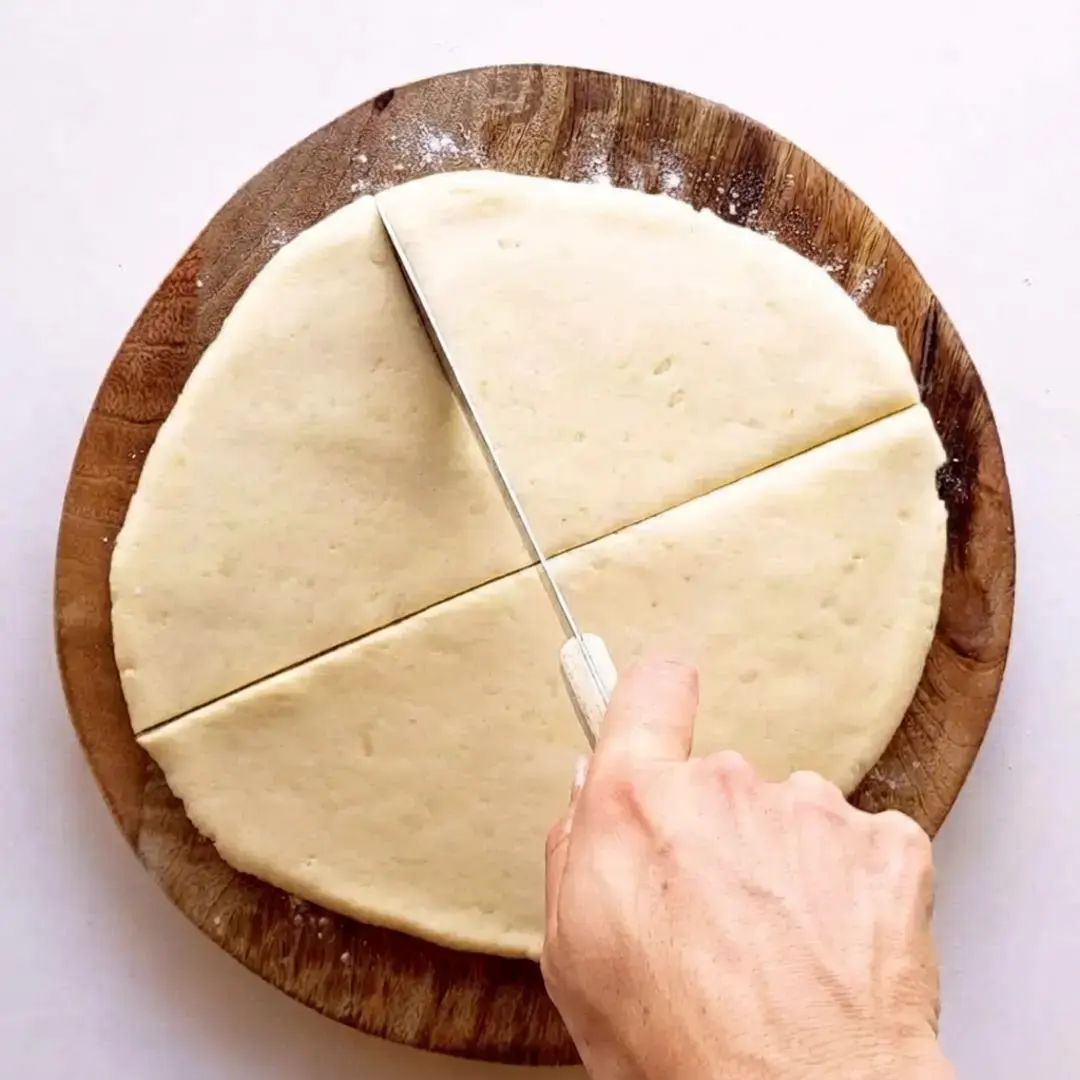
Turn it onto a lightly floured surface, flour your rolling pin, and roll to about 1 cm or ½ inch thick. Slice into quarters. Then cook each side until crispy and golden brown. That is it.
One important tip: the amount of flour you need can vary depending on how moist your potatoes are. Start with the amount in the recipe, and if the dough feels too sticky, add a little more flour.
If it feels too dry, add a touch more butter or a splash of milk. You want a dough that holds together without sticking to your hands.
Optional add ins: If you want to play with flavors, you can fold in chopped chives, thyme, or sage. A handful of grated Parmesan or cheddar is lovely too. A pinch of garlic powder, onion powder, or even a little vegetable stock can add depth. Just keep in mind that adding wet ingredients may require a touch more flour.
The traditional shape is a triangle, made by rolling the dough into a round and cutting it into quarters. You can also make smaller scones or even pizza style pieces. They all taste the same.
Ingredients
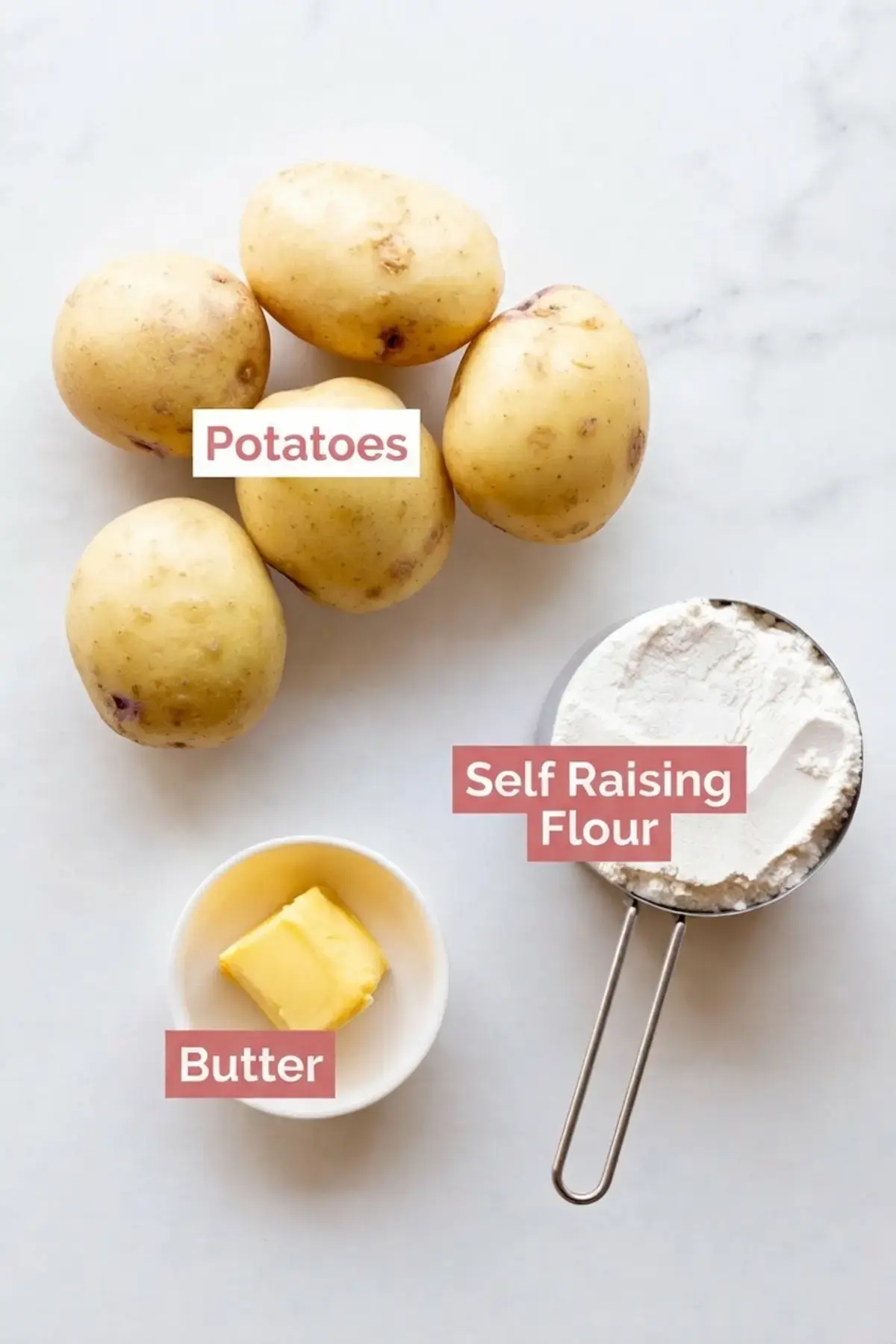
Here is what you need for four scones. The recipe uses simple ingredients you likely already have on hand. This recipe makes four generous scones. If you want more, simply double the ingredients. The self raising flour gives them a lovely lift, but the all purpose plus baking powder works in a pinch.
| Ingredient | Quantity |
|---|---|
| Potatoes, peeled and diced | 500 g (1.1 lb, about 5 small potatoes) |
| Salted butter | 30 g (1 oz) |
| Self raising flour | 1 cup (150 g / 5.3 oz), or all purpose flour plus 1 tsp baking powder |
| Butter for cooking | 1 tbsp |
Instructions
Follow these steps for perfect tattie scones. If you are using leftover mashed potatoes, skip to step 3.
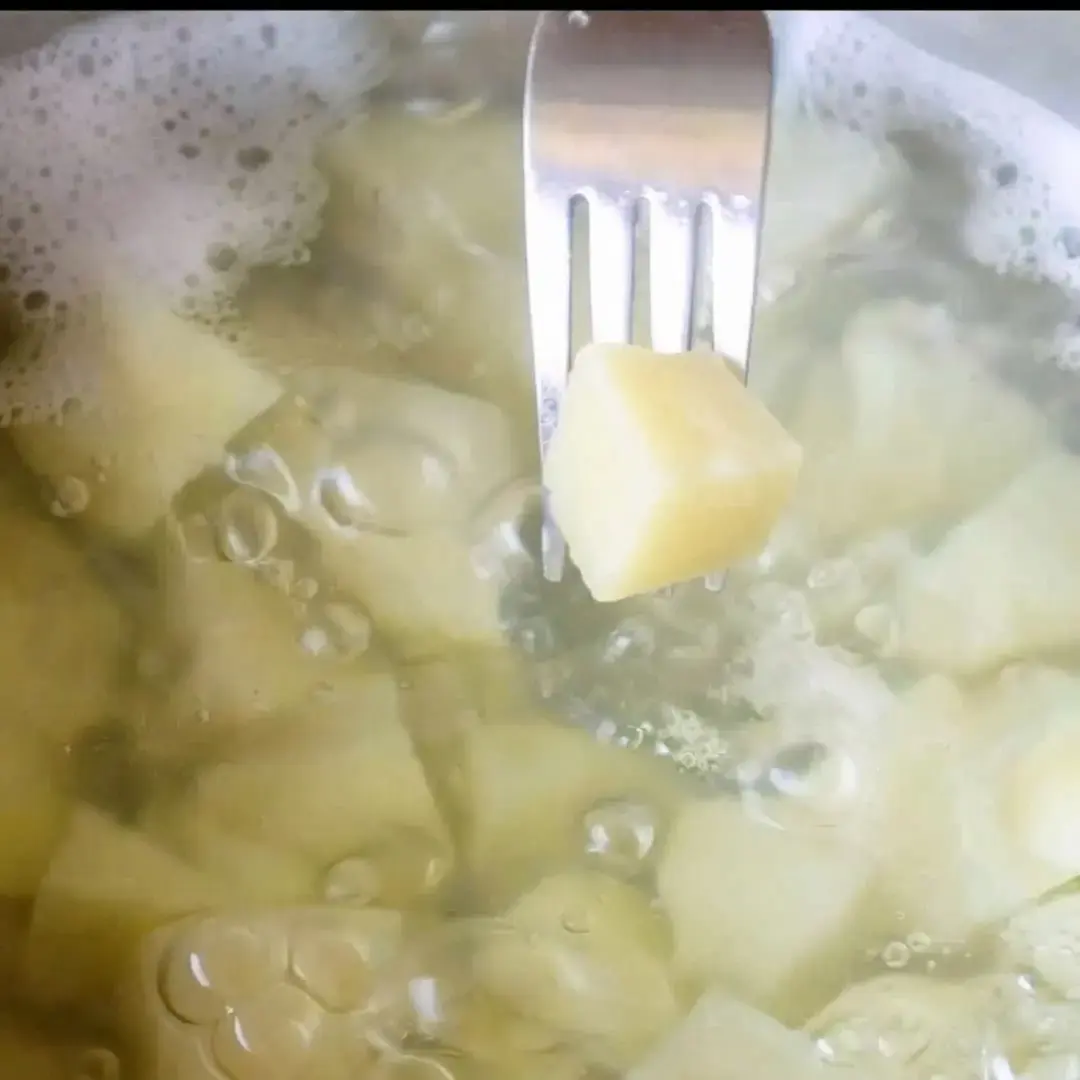
- Cover 500 g potatoes in cold water and bring to a boil in a medium saucepan. Boil until soft, around 15 minutes.
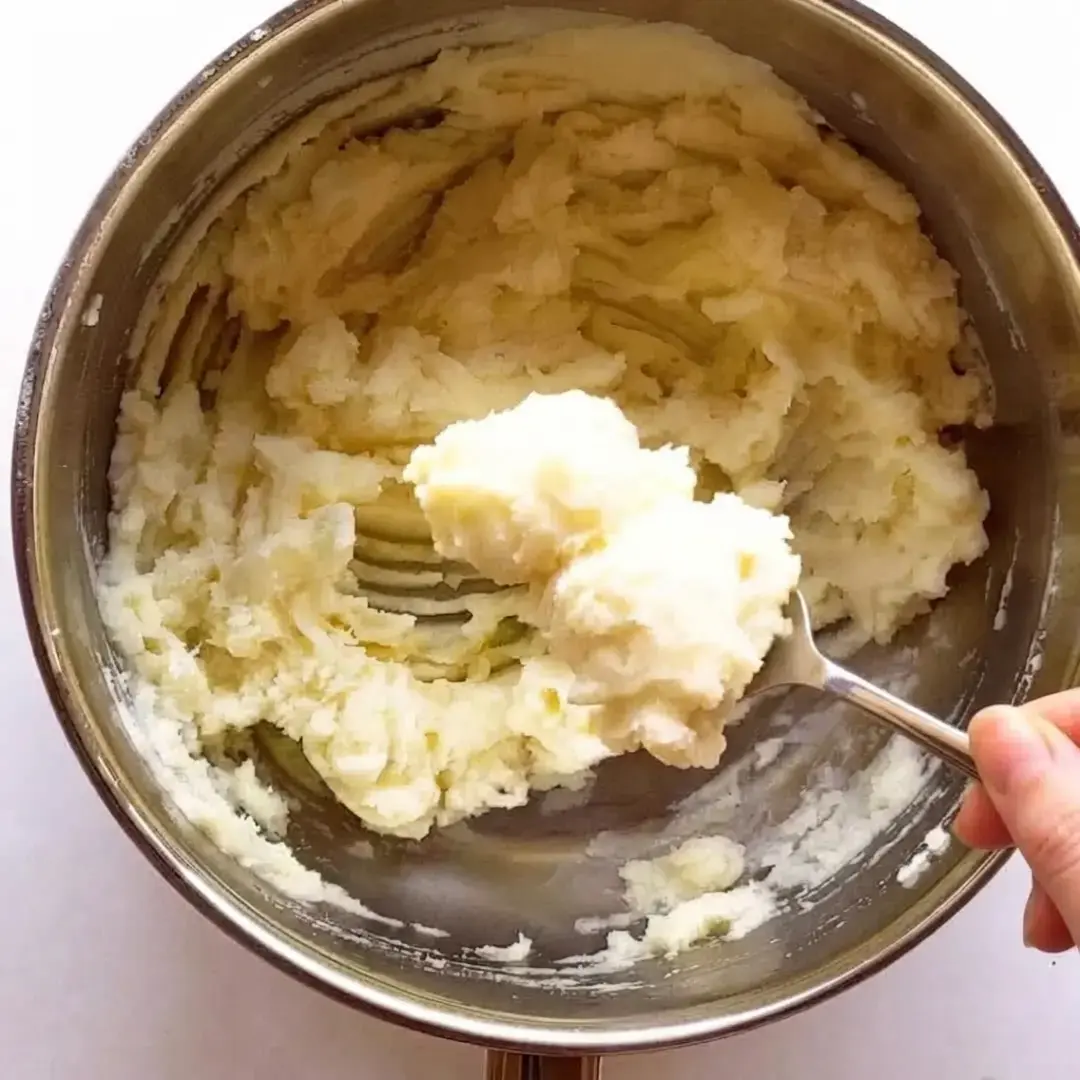
- Drain the potatoes, then add the 30 g butter and mash until smooth. Finish by whipping the mash with a fork for an ultra fluffy texture.
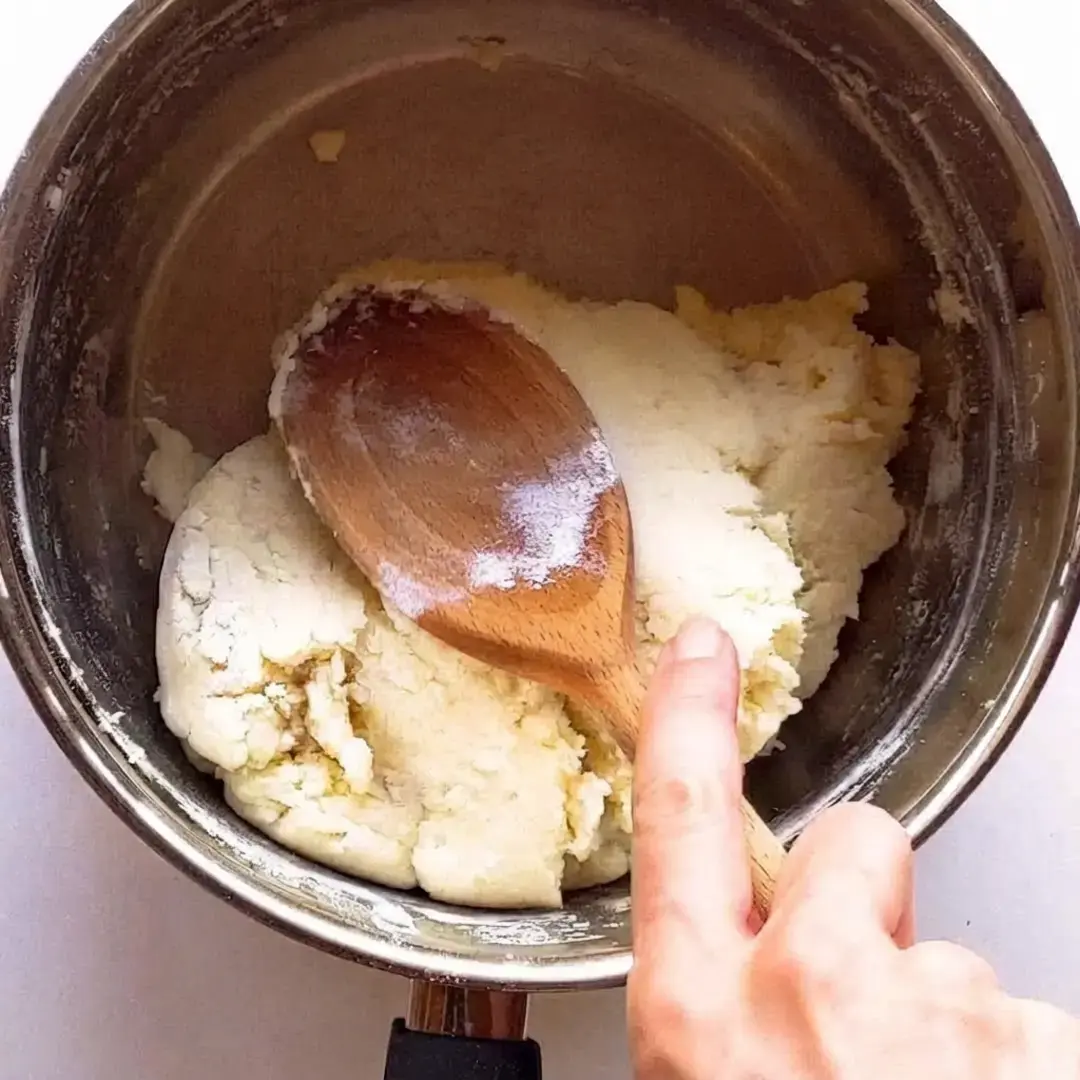
- Add the 1 cup self raising flour and gently work it together with a wooden spoon, or on low to medium speed if using a mixer. It should come together as a dough that is light and pliable, but not sticking to your hands. Important: you may need to adjust the flour amount depending on the moisture content of your potato.
- Turn out the dough onto a lightly floured work surface. Lightly flour a rolling pin and gently roll out the dough until it is around 1 cm or ½ inch thick. Then slice into quarters.
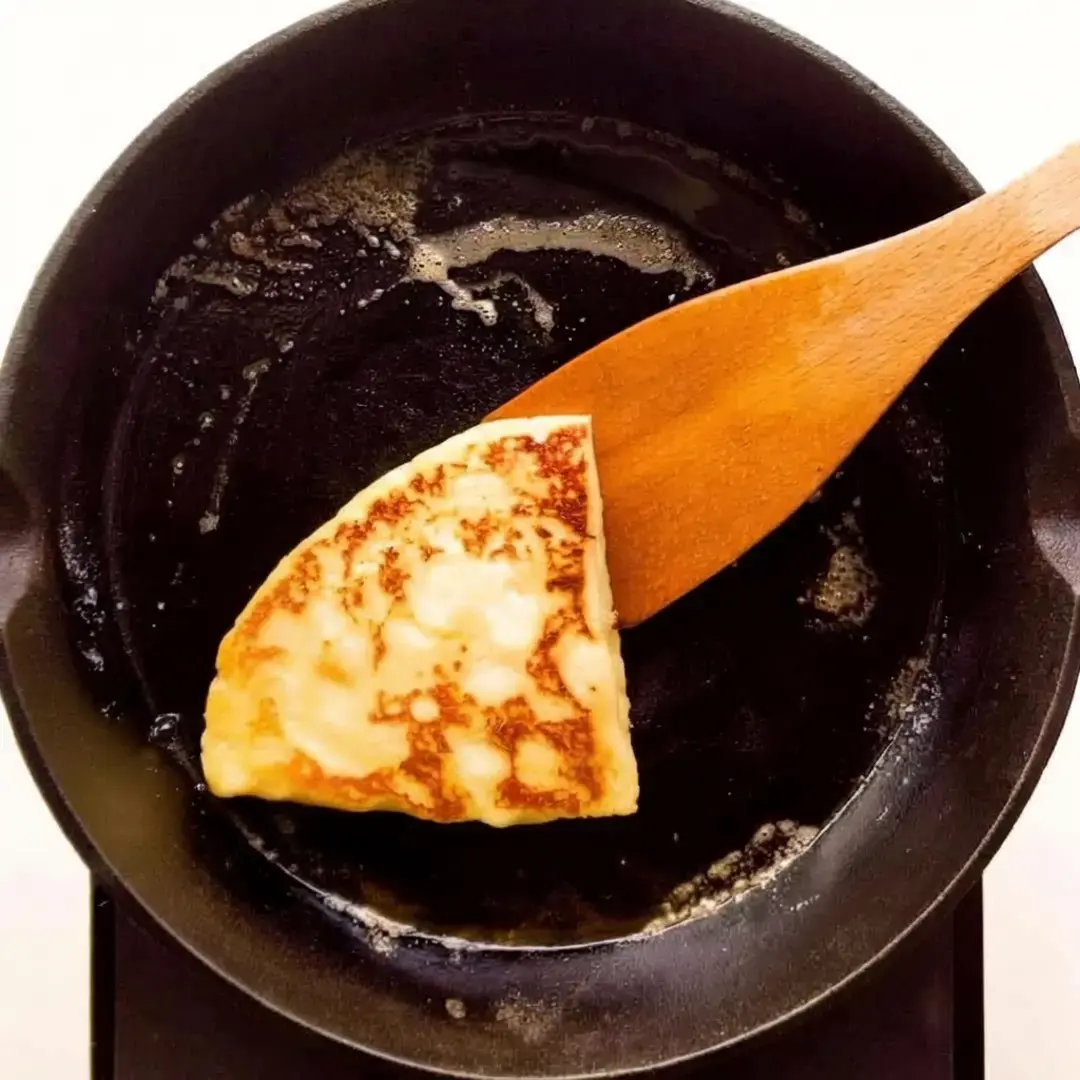
- Heat a large heavy frying pan, such as cast iron or wrought iron, over medium heat. Add the 1 tbsp butter for frying. Place as many scones as will fit in your pan with room to flip. Cook for 3 to 5 minutes per side until crispy and golden brown on the outside.
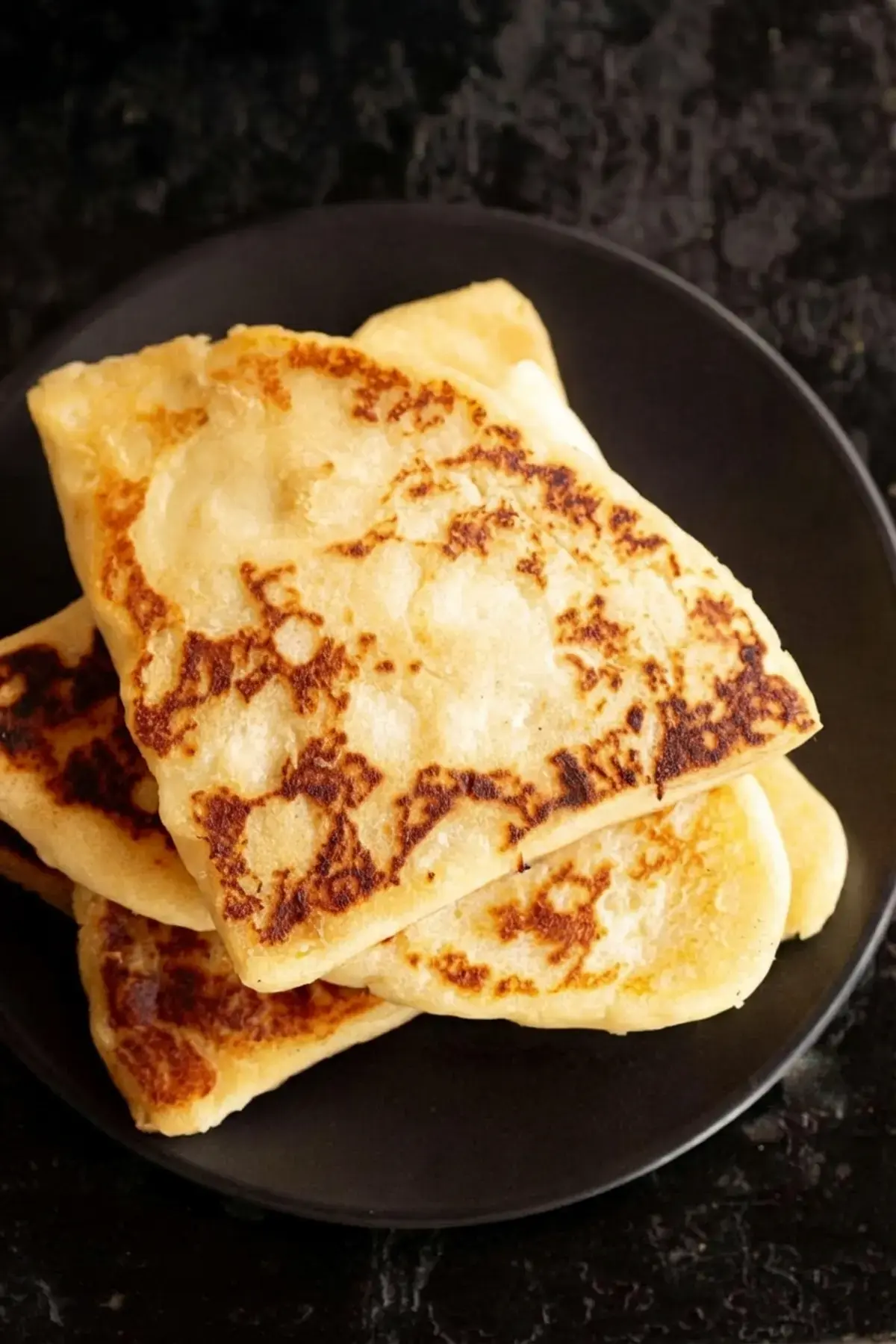
- Serve immediately while hot with just butter, jam, or a full Scots breakfast.
Cook’s tip: The dough should feel soft and slightly tacky, but not sticky. If it is too wet, sprinkle in a little more flour. If it is too dry, add a small knob of butter or a splash of milk.
If you are cooking in batches, keep the cooked scones warm in a low oven while you finish the rest. They are best eaten fresh, but they reheat well the next day in a toaster or a hot pan.
A heavy pan is important because it distributes heat evenly. If you do not have cast iron, any heavy bottomed skillet will work.
Notes
The nutrition information is only an estimate from an online calculator. For accurate figures, calculate it using the ingredients and brands you actually use. Leftover scones will keep in the fridge for a day or so in an airtight container, layered with baking paper.
Reheat them in a microwave, toaster, or pan. They also freeze well and can go straight into the toaster from frozen.
Recipe details
Prep time: 5 minutes
Cook time: 25 minutes
Total time: 30 minutes
Servings: 4 scones
FAQs
What are tattie scones?
Tattie scones, also known as potato scones, are a traditional Scottish flatbread made from mashed potatoes, butter, and flour. They are a classic component of a full Scottish breakfast, known for their crispy, golden exterior and soft, fluffy interior. The name tattie is the Scots word for potato.
What type of potatoes are best for tattie scones?
High-starch, floury potato varieties like russet, Yukon Gold, or Idaho potatoes are best for tattie scones. These potatoes mash into a light, fluffy consistency that absorbs the butter and flour properly. Waxy potatoes, such as red or new potatoes, contain more moisture and can result in a dense or gummy scone.
Can you make tattie scones with leftover mashed potatoes?
Yes, you can make tattie scones with leftover mashed potatoes. If using leftovers, skip the step of boiling fresh potatoes and start directly by combining the mashed potatoes with the butter and flour. You may need to adjust the flour amount depending on the moisture content of your leftover mash to achieve a workable dough.
How do you cook tattie scones to get them crispy?
To get crispy tattie scones, cook them in a heavy pan like cast iron over medium heat with butter or bacon fat. Roll the dough to about 1/2 inch thick, cut into quarters, and cook each side for 3-5 minutes until golden brown and crispy. To restore crispness to leftovers, toast them the next day in a toaster or under a broiler.

Scottish Tattie Scones
Scottish Tattie Scones You know breakfast is going to be good when tattie scones are involved. We first fell in love with these golden rounds on a misty morning in the Scottish Highlands, where a big Scottish breakfast arrived at our table with all the trimmings.
- Total Time: 30 min
- Yield: 4 Scones 1x
Ingredients
For the tattie scone mix
500 g potatoes, peeled and diced
30 g butter, salted
1 cup self raising flour
To cook the scones
1 tbsp butter
Instructions
1-Cover 500 g potatoes in cold water: Cover 500 g potatoes in cold water and bring to a boil in a medium saucepan. Boil until soft, around 15 minutes.
2-Drain the potatoes then add the 30: Drain the potatoes then add the 30 g butter and mash potatoes until smooth. Finish off by whipping the mash potato with a fork for an ultra fluffy finish.
3-Add the 1 cup self raising flour: Add the 1 cup self raising flour and gently work it together with a wooden spoon or on low to medium if you’re using a mixer. It should come together as a dough that is light and pliable, but not sticking to your hands. Important: You may need to adjust the flour amount depending on the moisture content of your potato.
4-Turn out the dough onto a lightly: Turn out the dough onto a lightly floured work surface. Lightly flour a rolling pin and gently roll out the dough until it’s around 1 cm / ½ inch thick then slice into quarters.
5-Heat a large heavy frying pan (such: Heat a large heavy frying pan (such as cast iron or wrought iron) over medium heat, then pop your 1 tbsp butter in for frying. Place as many scones as will fit in your pan with room to flip and cook for 3-5 minutes per side until crispy and golden brown on the outside.
6-Serve immediately while hot with just butter,: Serve immediately while hot with just butter, jam or a full Scots breakfast!
Last Step:
Please leave a rating and comment letting us know how you liked this recipe! This helps our business to thrive and continue providing free, high-quality recipes for you.- Prep Time: 5 min
- Cook Time: 25 min
- Method: stovetop
Nutrition
- Calories: 288
- Sugar: 1 g
- Sodium: 79 mg
- Fat: 10 g
- Saturated Fat: 6 g
- Carbohydrates: 45 g
- Fiber: 4 g
- Protein: 6 g
- Cholesterol: 24 mg


