I have a confession to make. For most of my adult life, I was sure I did not like scones.
Every one I tried came wrapped in plastic at a coffee shop counter, and every one tasted like a sweetened brick that needed a gallon of tea to get through.
Moist Scones Recipe For Tender, Flaky Homemade Scones 60
Then my friend Sarah threw a party inspired by Anne of Green Gables, complete with wildflowers in mason jars, a proper teapot, and a plate of warm scones.
Moist Scones Recipe For Tender, Flaky Homemade Scones 61
I took one bite of a scone with a crisp, buttery edge and a soft, tender middle and immediately ate two more. I have been chasing that scone in my own kitchen ever since, and this recipe is the closest I have come.
These scones are everything the coffee shop version is not. The edges bake up golden and lightly crisp, the centers stay moist and tender, and the flavor is rich and buttery without being heavy. The dough is a master recipe, so you can take it sweet with berries or chocolate, or savory with cheddar and bacon.
Moist Scones Recipe For Tender, Flaky Homemade Scones 62
I first shared this recipe on February 13, 2012, back when my kitchen was the size of a closet and my baking confidence was mostly guesswork. It has been tested, tweaked, and made again and again since then, and the version below is the one I keep coming back to for brunches, potlucks, church coffee hours, and slow Sunday mornings.
Moist Scones Recipe For Tender, Flaky Homemade Scones 63
Here is the short version of what you are working with.
Detail
Information
Servings
6 large scones
Prep time
10 minutes
Chilling time
30 minutes
Bake time
25 minutes
Total time
About 65 minutes
Oven temperature
400 degrees F, then reduced to 375 degrees F
Method
Bake
The full recipe card sits at the bottom of this post with exact amounts and every step in order. If you are new to scones, read through the tips section before you start. Cold butter and a gentle hand matter more here than almost any other baking skill.
Moist Scones Recipe For Tender, Flaky Homemade Scones 64
One note on the numbers. Based on the source nutrition for this recipe, one scone with glaze lands around 802 calories, 101 grams of carbohydrates, 9 grams of protein, 41 grams of fat, and 148 milligrams of cholesterol. These are not a light snack. They are a treat, and they are worth it.
My early scone years were rough. The ones I bought were dry enough to crumble in the car and dense enough to sit in my stomach like a paperweight. I assumed that was simply what a scone was, and I stopped ordering them for a long time.
Everything changed during High Tea at a fancy hotel in Victoria. The scones arrived warm, and they were nothing like the ones I knew. Moist and tender inside, crisp at the edges, deeply buttery, and served with clotted cream and freshly made jam.
Moist Scones Recipe For Tender, Flaky Homemade Scones 65
I finished mine and quietly wished for another. That afternoon is the reason this recipe exists in my kitchen at all.
What is a scone?
A scone is a flaky dough, a close cousin to a biscuit, made by cutting cold butter into flour and leavening the mixture with baking powder. Scones can go sweet or savory depending on what you fold in and what you serve alongside.
Moist Scones Recipe For Tender, Flaky Homemade Scones 66
English scones take a different path. They use softened butter instead of cold butter, which changes the texture entirely, and they are usually cut with a round biscuit cutter instead of the triangles most of us picture. Traditional British scones are denser and a little crispier than the soft, flaky version in this recipe.
Scone ingredients
Nothing here is hard to find. If you keep a reasonably stocked baking shelf, you probably have most of it already.
2 and 1/2 cups all purpose flour, spooned and leveled
1/2 cup granulated sugar
1/2 teaspoon kosher salt
1 and 1/2 tablespoons baking powder
1/2 cup cold butter, one stick, and frozen butter works beautifully too
1 large egg
2 teaspoons vanilla
1/3 cup heavy cream
1/3 cup sour cream
More cream for brushing the tops
Optional add in, if you want that cream cheese magic:
1 (8 ounce) package cold cream cheese, chopped
1/3 to 1/2 cup sugar for coating the cream cheese
For the glaze:
2 tablespoons very soft butter
1 and 1/2 cups powdered sugar
1/2 teaspoon vanilla
1/4 teaspoon kosher salt
1 to 3 tablespoons milk
Heavy cream is sometimes sold as whipping cream. It is not coffee creamer. Any type of cream will work here, and whole milk can step in if that is what you have on hand.
How to make Scones
The whole process is simple, but the order matters. Follow it step by step the first time and it will feel like second nature by your second batch.
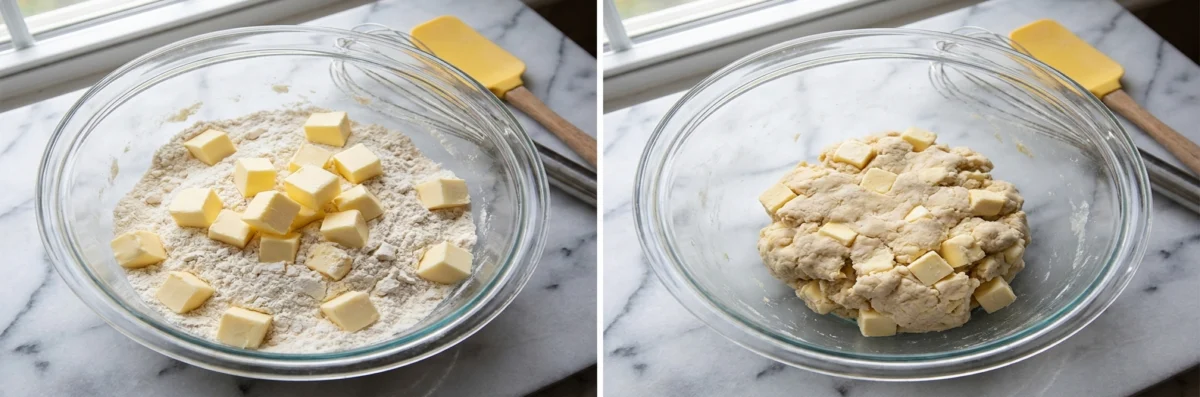
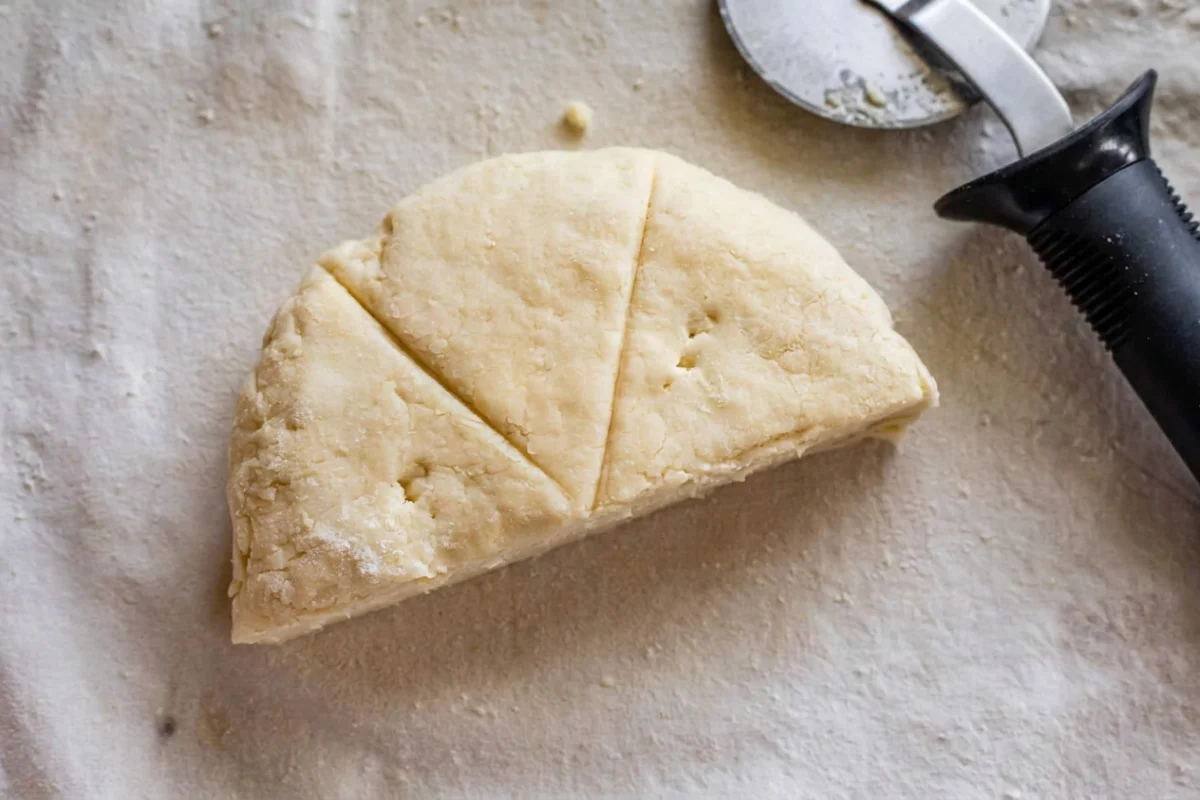
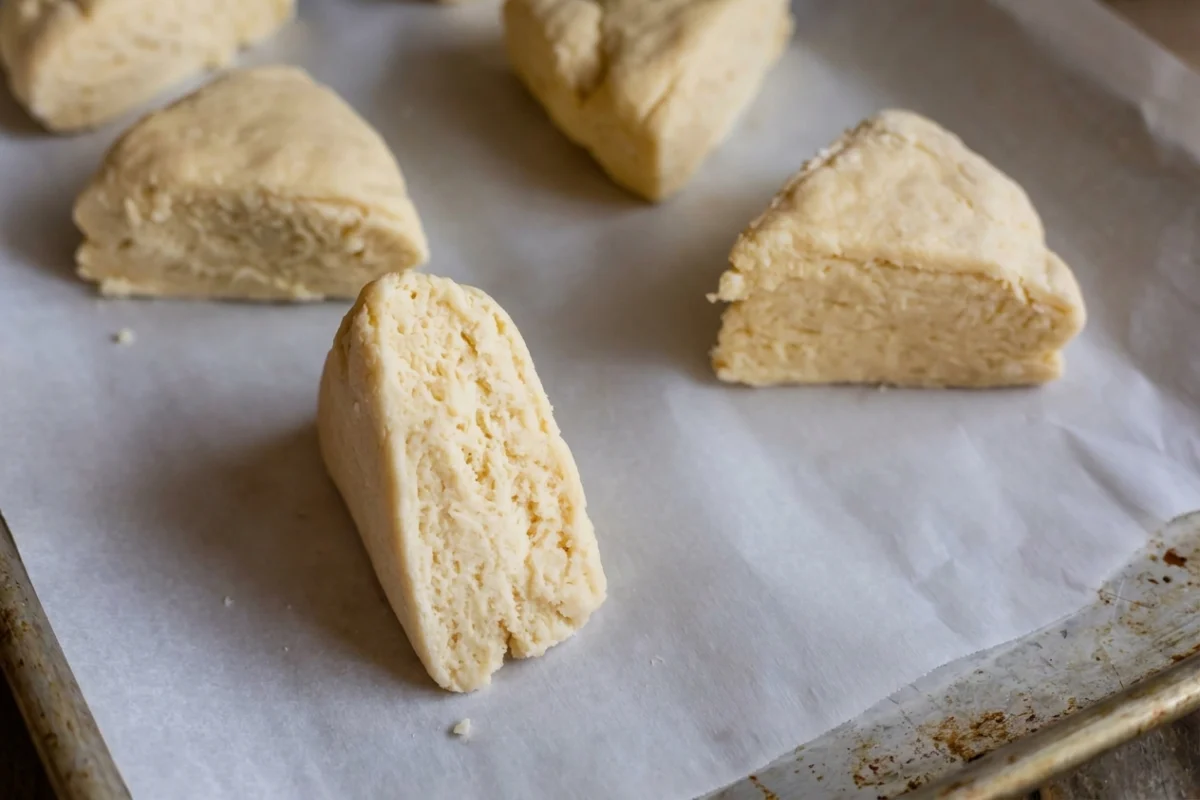
Moist Scones Recipe For Tender, Flaky Homemade Scones 67Moist Scones Recipe For Tender, Flaky Homemade Scones 68Moist Scones Recipe For Tender, Flaky Homemade Scones 69Moist Scones Recipe For Tender, Flaky Homemade Scones 70
In a large bowl, combine 2 and 1/2 cups flour, 1/2 cup sugar, 1/2 teaspoon kosher salt, and 1 and 1/2 tablespoons baking powder. Whisk so the baking powder is evenly distributed.
In a medium bowl, whisk 1 egg, 2 teaspoons vanilla, 1/3 cup cream, and 1/3 cup sour cream. Omit the vanilla if you are making savory scones. Set the bowl aside.
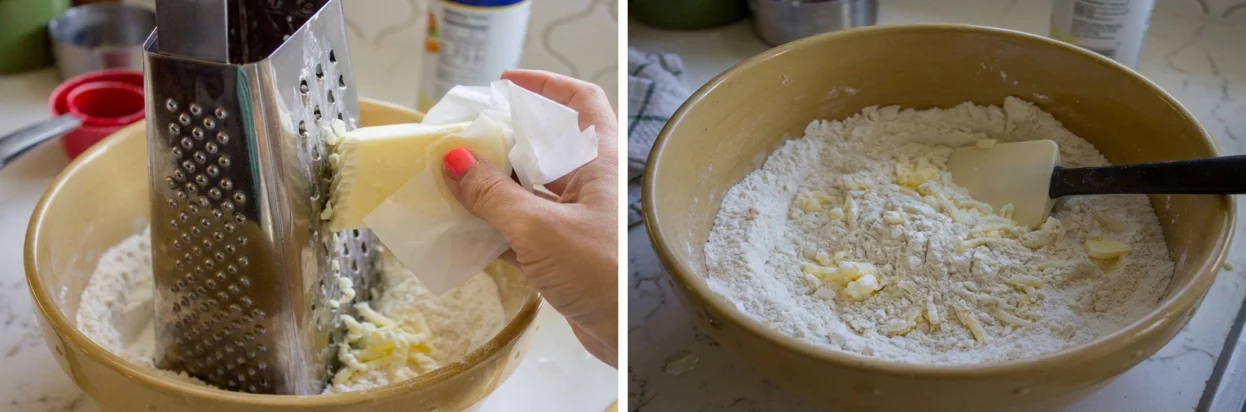
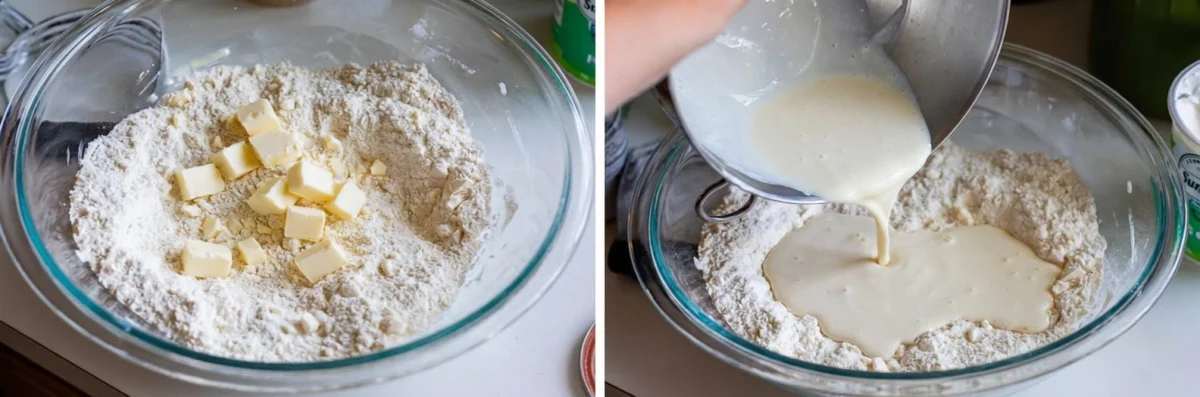
Cut the cold or frozen butter into the dry ingredients with a pastry cutter, or grate it with a cheese grater and mix it in that way. Stop while you can still see pieces of butter about the size of a pea. Do not overdo it.
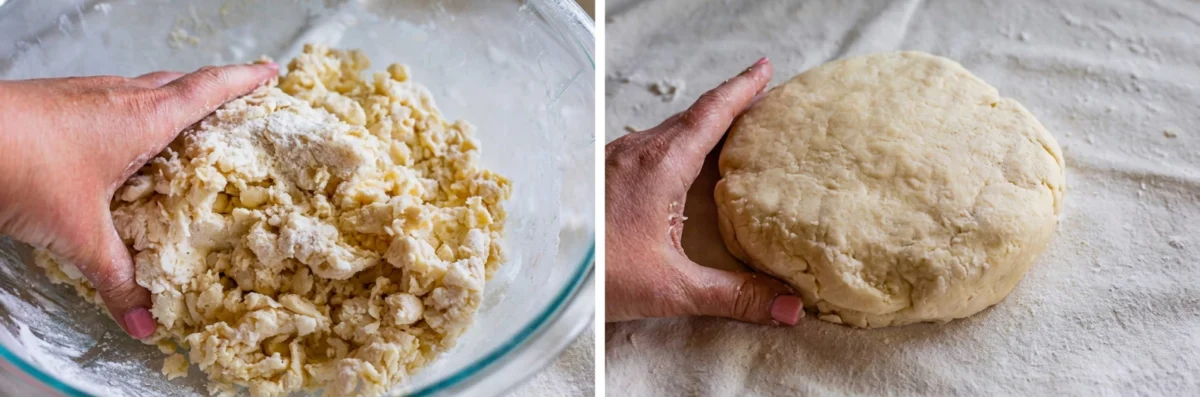
Pour the wet ingredients into the dry ingredients and stir with a wooden spoon until a shaggy dough forms.
Flour your hands and finish bringing the dough together in as few strokes as possible. You are folding, not kneading.
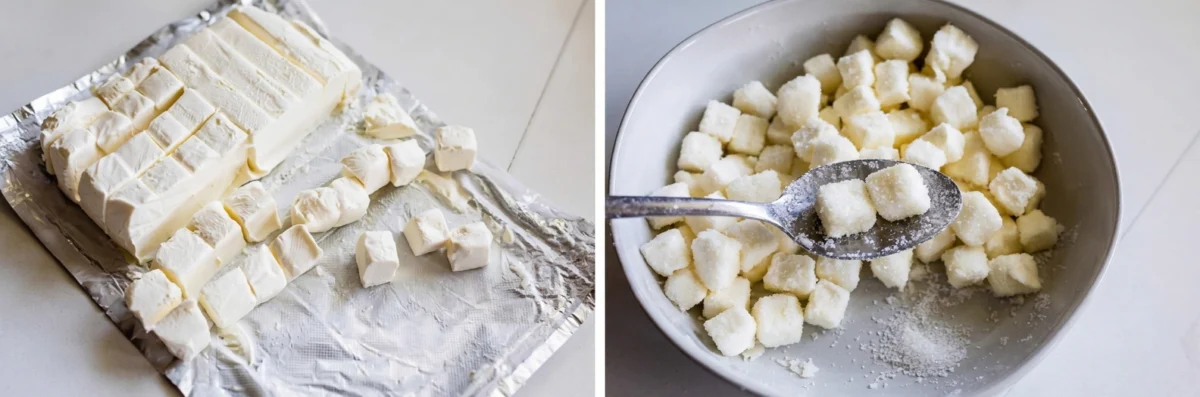
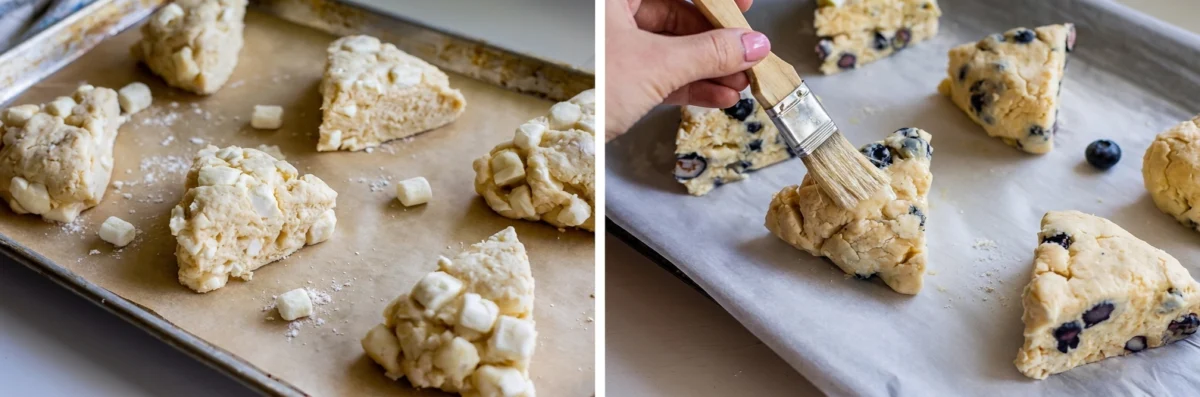
Add any mix ins now. If you are using the cream cheese, chop an 8 ounce block into 1/2 inch chunks, coat the chunks with 1/3 to 1/2 cup sugar in a bowl, then fold them in carefully.
Flour your work surface generously, a pastry cloth works nicely, and shape the dough into a 6 to 8 inch circle with your hands.
Cut the circle in half with a sharp knife or a pizza cutter, then cut each half into 3 equal triangles.
Move the scones to a baking sheet lined with parchment paper or a silicone baking mat, leaving at least 3 inches between them.
Freeze the scones for 30 minutes. Short on freezer space? Chill them in the fridge for 45 minutes instead. If a whole baking sheet will not fit, freeze them on a plate and transfer them to the sheet once they are cold.
Turn the oven to 400 degrees F about 15 minutes before the chilling time ends.
Brush the top of each scone with cream. This is what gives you that deep golden color. Sprinkle coarse sugar on sweet scones, or a little salt on savory ones.
Bake at 400 degrees F for 10 minutes, then lower the heat to 375 degrees F without opening the oven. Continue baking for another 8 to 15 minutes, until the tops are golden brown.
Let the scones set on the pan for 10 to 15 minutes, then move them to a wire rack to cool completely.
For the glaze, cream 2 tablespoons of very soft butter in a small bowl. Add 1 and 1/2 cups powdered sugar, 1/2 teaspoon vanilla, 1/4 teaspoon kosher salt, and 1 tablespoon milk. Whisk, adding more milk a little at a time until you like the consistency. Drizzle over the cooled scones and let it harden, which usually takes 20 to 30 minutes.
Do not overbake. This is the step that decides whether your scones turn out tender or dry, so stay nearby for the last few minutes. If you are not sure, slide a spatula under one scone. A nice golden brown bottom means it is done.
Moist Scones Recipe For Tender, Flaky Homemade Scones 71Moist Scones Recipe For Tender, Flaky Homemade Scones 72Moist Scones Recipe For Tender, Flaky Homemade Scones 73
Serve them with butter and jam. They reheat beautifully in the microwave.
Moist Scones Recipe For Tender, Flaky Homemade Scones 74
Tips for making this scone recipe
The single most important rule is cold butter. Cut it in until the pieces are about the size of a pea and stop there.
Those little butter pieces melt slowly in the oven, creating steam that lifts the dough and leaves you with flaky layers and air pockets. Warm butter melts before the scones ever rise, and you end up with flat, heavy triangles.
Moist Scones Recipe For Tender, Flaky Homemade Scones 75
A food processor or a box grater makes quick work of cutting butter into flour. Frozen butter is not a problem at all. Colder really is better here, and a light hand when mixing matters just as much.
Mix in ideas for this recipe for scones
This dough is a blank canvas. Aim for about 3/4 to 1 cup of total mix ins for this amount of dough, and fold them in gently so you do not crush the butter pieces.
Sweet combinations:
Berries with lemon zest
Chocolate chips with toasted pecans
Dried tart cherries with almond extract and sliced almonds
Dried cranberries with citrus zest
Grated marzipan with chocolate chips and orange zest
Raspberry and white chocolate, and frozen raspberries work well here
Apple and cinnamon
Dried apricots with coconut extract
Savory combinations, made with the sugar reduced to about 1/4 cup:
Bacon and white cheddar
Parmesan and rosemary
Sun dried tomatoes with pine nuts and basil
Apple with cheddar and bacon
Kalamata olives with sun dried tomatoes and feta
Mini pepperoni with mozzarella chunks, served with marinara for dipping
Savory scones recipe tip
When you go savory, drop the sugar to 1/4 cup or less. Please do not remove it completely. That small amount of sugar is not there for sweetness. It provides structure and helps the scones brown and hold together, which is a quiet trick behind a lot of successful savory baking.
Moist Scones Recipe For Tender, Flaky Homemade Scones 76
If you noticed brown crystallized sugar in the photos, that comes from the sugar coating the cream cheese chunks. Regular scones will not have that look, and that is exactly as it should be.
What is the difference between a scone and a biscuit?
The easiest way to tell them apart is shape. Biscuits are usually cut into circles. Scones are usually cut into triangles. Beyond that, traditional British scones are denser and crispier and use heavy cream rather than butter as the fat.
Moist Scones Recipe For Tender, Flaky Homemade Scones 77
This recipe lands somewhere softer. It is not dense, and only the edges get crispy. The interior stays light, flaky, and tender, and the combination of butter, cream, and sour cream is what keeps it moist. Biscuits tend to be more buttery and more often savory.
How to store scones
Keep scones covered on the counter for 2 to 4 days. Day one is the best day, because that is when the crispy edges are at their peak. After that, a little sogginess creeps in no matter what you do.
If you used the cream cheese mix in, refrigerate them instead. You can also freeze them and reheat one at a time in the microwave, though you trade the crispy edge for convenience.
Do scones freeze well?
Yes, and this is one of the reasons I keep making them. Wrap baked scones airtight and freeze for up to 3 months.
To bring one back to life, warm it in the microwave on a low setting without overcooking it, or slice it in half and toast it. Toasting is my favorite route because it brings back a bit of that crisp edge.
Can this scone recipe be made ahead of time?
Absolutely. After you cut the dough into triangles, freeze them on a pan or plate for 30 minutes, then seal the frozen pieces tightly in a ziplock bag. They keep for up to 3 months, and you bake them straight from frozen, adding a few extra minutes to the bake time.
Moist Scones Recipe For Tender, Flaky Homemade Scones 78
This is my favorite trick for overnight guests. I shape and freeze the dough the night before, and in the morning I have fresh scones with almost no effort. Coffee is brewing, the oven is heating, and the whole house smells like butter.
What to put on a scone:
Sweet scones deserve a generous topping. Homemade lemon curd is far better than anything from a jar, and it is worth the extra ten minutes. Cinnamon honey butter is a close second. A quick maple butter turns a plain scone into something special, and easy strawberry jam or grape jelly keeps things simple and familiar.
Butter and jam is the classic combination, and honestly it is hard to beat. If you want to go full high tea, add a spoonful of clotted cream and a strong cup of tea.
FAQs
What is the secret to making scones that are tender and flaky, not dry?
The key is to keep the butter very cold and to handle the dough as little as possible. This recipe uses 1/2 cup of cold butter cut into the dry ingredients until pea-sized pieces remain, and the shaped scones are frozen for 30 minutes before baking. This technique creates steam pockets that lift the dough, resulting in tender, flaky scones with crispy edges.
Can I make savory scones using this same base recipe?
Yes, this master dough is designed for both sweet and savory variations. For savory scones, reduce the granulated sugar to about 1/4 cup and omit the vanilla extract. You can then add up to 1 cup of mix-ins like shredded white cheddar and cooked bacon, parmesan and rosemary, or sun-dried tomatoes with pine nuts.
How should I store baked scones and can I freeze the unbaked dough?
Baked scones are best on day one for the crispiest edges; store them covered on the counter for up to 4 days. For longer storage, freeze formed but unbaked scone triangles in a freezer bag for up to three months. Bake them directly from frozen, adding a few extra minutes to the 400°F then 375°F baking time.
What is the difference between American scones and British scones?
American scones are typically triangular, made with cold butter cut into flour, and often include an egg and cream, resulting in a flaky, tender crumb. British scones are usually round, denser, and more cake-like, often made with softer butter and sometimes buttermilk, and they are rarely glazed. This recipe produces the American-style scone.
The Best Scone Recipe I’ve Ever Made I have a confession to make. For most of my adult life, I was sure I did not like scones.
Total Time:65 min
Yield:6 large scones 1x
Ingredients
Scale
Ingredients 2 & 1/2 cups all purpose flour, spooned and leveled 1/2 cup granulated sugar 1/2 teaspoon kosher salt 1 & 1/2 tablespoons baking powder 1/2 cup butter, COLD 1 large egg 2 teaspoons vanilla 1/3 cup heavy cream 1/3 cup sour cream more cream, for brushing
Optional add in 1 (8-oz package) cream cheese, COLD, chopped 1/3 to 1/2 cup sugar, for coating cream cheese
For the glaze 2 tablespoons butter, very soft 1 & 1/2 cups powdered sugar 1/2 teaspoon vanilla 1/4 teaspoon kosher salt 1–3 tablespoons milk
Instructions
Instructions 1-In a large bowl, combine 2 and: In a large bowl, combine 2 and 1/2 cups flour, 1/2 cup sugar**, 1/2 teaspoon kosher salt, and 1 and 1/2 tablespoons baking powder. 2-In another medium bowl, add 1 egg,: In another medium bowl, add 1 egg, 2 teaspoons vanilla (omit for savory scones), 1/3 cup cream and 1/3 cup sour cream. Whisk it together. Set aside. 3-Use a pastry cutter to cut in: Use a pastry cutter to cut in the COLD or frozen butter. You can also grate the butter using a cheese grater and mix it in that way. Cut the butter in until it is incorporated and there are still pieces of butter about the size of a pea. Don’t overdo it! 4-Add the wet ingredients to the dry: Add the wet ingredients to the dry ingredients. Use a wooden spoon to stir it together until it forms a shaggy dough. 5-Coat your hands with flour and finish: Coat your hands with flour and finish kneading the dough in as few strokes as possible. 6-At this point add in any mix: At this point add in any mix ins you plan to use. 7-Prepare a work space with plenty of: Prepare a work space with plenty of flour. I like to use a pastry cloth. Transfer the dough to the work place and use your hands to shape the dough into a 6 to 8 inch circle. 8-Use a sharp knife or pizza cutter: Use a sharp knife or pizza cutter to cut the circle in half. Cut each half into 3 equal triangles. 9-Place on a baking sheet that has: Place on a baking sheet that has been lined with a silicone baking mat or parchment paper. Place the scones at least 3 inches apart from each other. 10-Freeze for 30 minutes: Freeze for 30 minutes. If you don’t have room in your freezer, you can put them in the fridge for 45 minutes. If you don’t have room to chill a whole baking sheet, place the scones on a plate and then transfer to the baking sheet when they are frozen/cold. 11-minutes before the scones are done freezing,: 15 minutes before the scones are done freezing, turn your oven on to 400 degrees F. 12-Place the cold scones on a baking: Place the cold scones on a baking sheet if you haven’t done so yet. 13-Brush the top of each scone with: Brush the top of each scone with cream. This will make the scones get nice and brown. Top each scone with coarse sugar if you like, or a bit of salt if you are doing savory scones. 14-Put the scones in the oven and: Put the scones in the oven and bake for 10 minutes at 400 degrees. 15-Turn the heat down to 375 without: Turn the heat down to 375 without opening the oven. Bake for another 8-15 minutes, until the tops are golden brown. DO NOT OVER BAKE. 16-Remove from the oven and let set: Remove from the oven and let set up on the pan for 10-15 minutes. Transfer to a wire rack to cool completely. 17-In a small bowl, whisk or use: In a small bowl, whisk or use an electric beater to cream 2 tablespoons of very soft butter. Add 1 and 1/2 cups powdered sugar, 1/2 teaspoon vanilla, 1/4 teaspoon kosher salt, and 1 tablespoon milk. Whisk together and add more milk until you have a consistency you like. Drizzle over the tops of the scones and let harden (it usually takes 20-30 minutes.) 18-Top your scones with butter and jam: Top your scones with butter and jam! They are great reheated in the microwave. 19-Store scones covered on the counter for: Store scones covered on the counter for 2-4 days.
Last Step:
Please leave a rating and comment letting us know how you liked this recipe! This helps our business to thrive and continue providing free, high-quality recipes for you.