
Why You’ll Love This Rustic Bread
This rustic bread recipe is a game-changer for anyone in the kitchen, offering a simple way to bake fresh loaves that feel straight from a cozy bakery. You’ll appreciate how easy it is to whip up, with minimal ingredients and steps that fit into a busy day, making it perfect for home cooks, busy parents, or baking enthusiasts. Plus, it’s packed with wholesome benefits that support a healthy lifestyle.
One of the best parts is the health angle made from basic natural ingredients, this bread provides fiber and essential nutrients without any artificial additives. It’s flexible too, so you can tweak it for different needs, like vegan or gluten-free options, ensuring everyone at your gatherings can enjoy it. That rich, hearty flavor with its crunchy crust and soft inside will have you coming back for more, turning every meal into a special occasion.
Beyond taste, this bread brings people together, just like the heartwarming traditions on this blog. It’s ideal for picnics, potlucks, or family dinners, helping you create those memorable moments around the table. You absolutely have to try baking this your kitchen will smell amazing, and you’ll feel proud sharing it with friends and family!
Jump to:
- Why You’ll Love This Rustic Bread
- Essential Ingredients for Rustic Bread
- How to Prepare the Perfect Rustic Bread: Step-by-Step Guide
- Special Notes for Variations
- Dietary Substitutions to Customize Your Rustic Bread – Protein and Main Component Alternatives
- Dietary Substitutions to Customize Your Rustic Bread – Vegetable, Sauce, and Seasoning Modifications
- Mastering Rustic Bread: Advanced Tips and Variations
- How to Store Rustic Bread: Best Practices
- FAQs: Frequently Asked Questions About Rustic Bread
- What is rustic bread and how is it different from regular bread?
- What flour is best for making rustic bread at home?
- Do I need special equipment like a Dutch oven to bake rustic bread?
- Can I add olive oil to rustic bread dough, and what effect does it have?
- How should I store leftover rustic bread to keep it fresh?
- Rustic Bread
- Ingredients
- Instructions
- Last Step:
- Notes
- Nutrition
- Did you make this recipe?
Essential Ingredients for Rustic Bread
Getting the ingredients right is key to making this rustic bread turn out just right. We’ll focus on a straightforward list that captures everything you need, based on proven methods for a perfect loaf. This section lays out the essentials with precise measurements to ensure your baking goes smoothly.
- 3 cups flour (all-purpose, bread flour, or Italian fine 00 flour)
- 1 tablespoon sugar
- 2 teaspoons quick rise yeast (traditional yeast can also be used)
- 1.5 teaspoons sea salt or coarse salt
- 2 tablespoons olive oil
- 1.5 to 2 cups warm water (adjust water amount depending on flour type; all-purpose flour needs closer to 2 cups, bread or Italian flour about 1.5 cups)
These ingredients come together to create a dough that’s simple yet versatile. Remember, the flour type affects how much water you use, so start with the lower amount and add as needed. This setup keeps things easy for beginners while delivering that classic rustic charm.
How to Prepare the Perfect Rustic Bread: Step-by-Step Guide
Diving into this recipe feels like a fun adventure in your kitchen, and I promise it’s straightforward even if you’re new to baking. First, gather all the essential ingredients and measure them accurately to set yourself up for success. The process draws from time-tested directions that make a sticky, shaggy dough, leading to a loaf with a slightly crusty exterior and chewy interior.
Next, combine the flour, sugar, yeast, and salt in a large bowl as your dry base. Add the warm water and 1 tablespoon of olive oil, then stir well with a spatula or wooden spoon until the dough forms adjust water based on flour absorption for the best results. Cover the bowl with plastic wrap and a tea towel, letting it rise in a warm spot until it doubles in size, which takes about 2 hours.
Once risen, heat a covered Dutch oven to 450°F (232°C) on the middle oven rack for that essential steam. Prepare parchment paper to fit the pot, lightly flour your work surface, and scrape the dough onto it. Fold the dough onto itself several times to shape a rough ball, adding more flour if it’s too wet, then transfer it to the parchment.
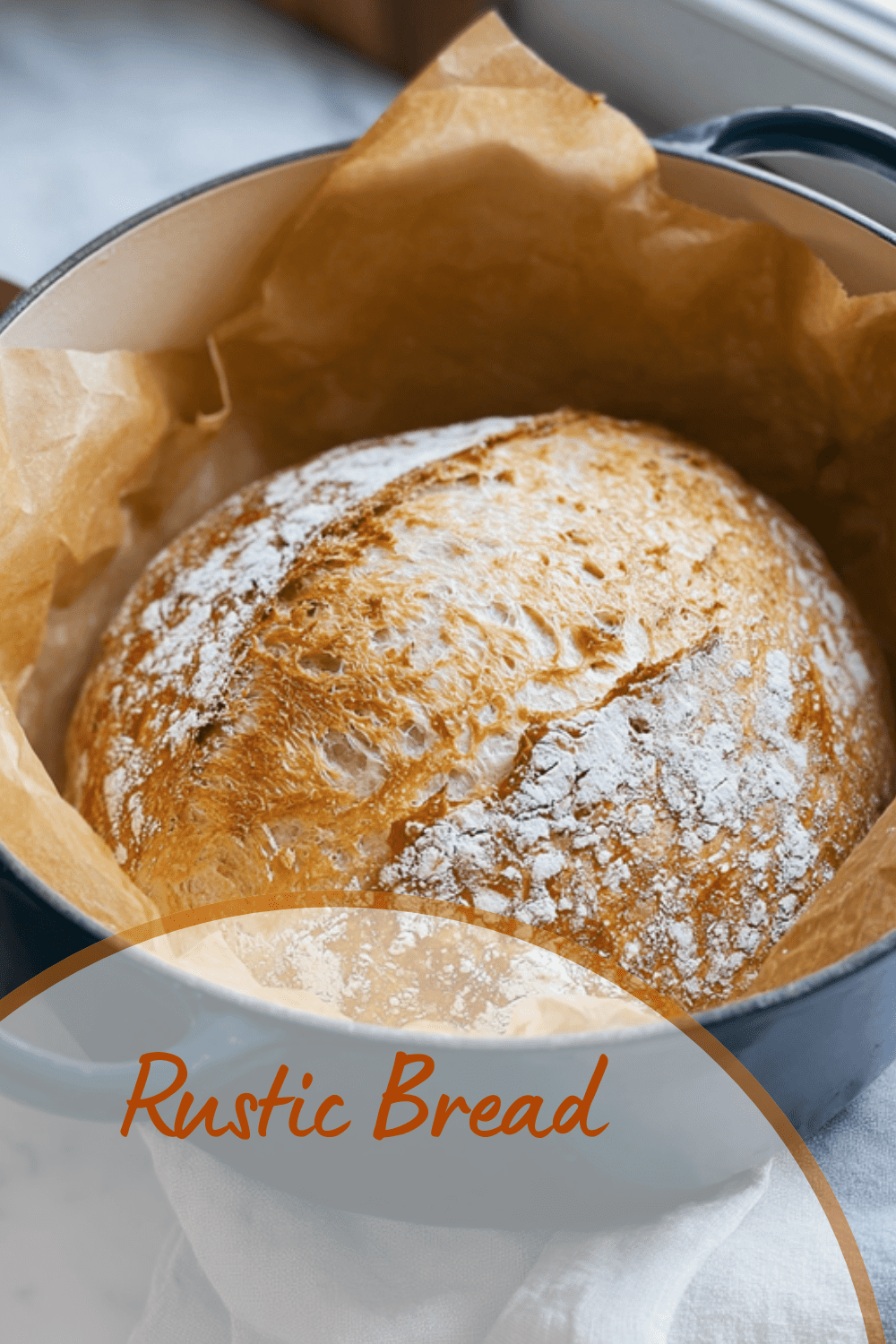
Carefully place the dough into the hot Dutch oven, cover, and bake for 30 minutes. Remove the lid and bake for another 5 to 10 minutes until the crust turns golden and crisp. Let the bread rest on a cooling rack for 10 minutes before slicing total preparation time is about 15 minutes, rising takes 2 hours, and baking runs 35 to 40 minutes, making the whole process around 2 hours and 50 minutes.
Special Notes for Variations
If you don’t have a Dutch oven, use a baking sheet and place a pan of water below to create steam, mimicking that crispy crust. For meal prep, this bread freezes well, so slice and store portions for later as mentioned in the tips, it’s great for sandwiches or toast.
Dietary Substitutions to Customize Your Rustic Bread – Protein and Main Component Alternatives
One of the joys of this rustic bread is how easy it is to tweak for different needs, especially when it comes to protein and main ingredients. For a protein boost, try swapping wheat flour with options like chickpea flour or adding seeds such as sunflower or pumpkin seeds directly into the dough. This keeps the bread hearty and adaptable, perfect for busy parents or diet-conscious folks.
Here’s a quick table to compare some alternatives, helping you decide based on what you have on hand:
| Original Ingredient | Substitution Option | Benefits |
|---|---|---|
| 3 cups flour | Chickpea flour or nut-based flour | Increases protein and works for gluten-free diets |
| None (add-in) | Sunflower or pumpkin seeds | Adds crunch and extra nutrients |
Vegans can use plant-based yogurt or aquafaba to improve texture, while gluten-free bakers might choose rice flour or tapioca starch to hold the structure. You’ll love how these changes keep the flavor intact while making it suit your lifestyle for more ideas on gluten-free baking, check out our low-carb almond flour bagels recipe that pairs perfectly with this bread.
Dietary Substitutions to Customize Your Rustic Bread – Vegetable, Sauce, and Seasoning Modifications
Adding veggies, sauces, and seasonings can take your rustic bread to the next level, making it even more exciting for food enthusiasts. Mix in items like sautéed onions, roasted garlic, or sun-dried tomatoes to bring in fresh flavors that enhance the dough’s natural taste. For sauces, blend in pesto or olive tapenade to add a savory twist that everyone at gatherings will rave about.
Seasonings such as rosemary, thyme, or smoked paprika offer a simple way to customize without much effort. If you’re watching sodium, reduce the salt and swap it with herbs or nutritional yeast for that umami kick. These tweaks make the bread versatile for community events or church groups, ensuring it’s a hit no matter the occasion.
Mastering Rustic Bread: Advanced Tips and Variations
Once you’re comfortable with the basics, leveling up your rustic bread game is a blast, and these tips will help you do just that. Using a Dutch oven for steam baking creates that perfect crispy crust, while techniques like autolyse or longer fermentation can deepen the flavor remember, olive oil adds softness but can be skipped for extra crunch. Experiment with add-ins like olives or herbs to make each loaf unique.
Presentation matters too, so try scoring fun patterns on the crust or topping with seeds before baking. For busy schedules, prepare the dough ahead and refrigerate it overnight for slow fermentation it’s a lifesaver for working professionals. You’ll find these methods turn simple baking into something truly special, like gifting a fresh loaf wrapped in a tea towel.
- Start with 1.5 cups of water and adjust for your flour type.
- Use water that’s slightly warmer than room temperature for better yeast action.
- A dough scraper is handy for shaping and cleaning up the mess.
For more flavorful twists, incorporate ideas from our cheesecake-stuffed French toast loaf to inspire creative variations.
How to Store Rustic Bread: Best Practices
Keeping your rustic bread fresh is simple with the right habits, extending its enjoyment beyond the first day. Store it in an airtight container or bread box at room temperature for up to 2-3 days to maintain that wonderful texture. As for freezing, slice the bread first, wrap it tightly in plastic wrap and foil, and it will stay good for up to 3 months.
To reheat, pop frozen slices in the oven at 350°F (175°C) for 10-15 minutes or use a toaster for a quick fix. This approach is ideal for meal prep, letting you freeze portions individually and thaw as needed, reducing waste and keeping things convenient for travelers or seniors.
FAQs: Frequently Asked Questions About Rustic Bread
What is rustic bread and how is it different from regular bread?
Rustic bread is a type of homemade bread known for its simple, natural ingredients and handmade appearance. It typically has a crusty exterior and a chewy interior with an uneven, imperfect shape. Unlike commercial breads, rustic bread often avoids preservatives and relies on traditional baking techniques, resulting in a fresh, hearty loaf with a natural texture and flavor.
What flour is best for making rustic bread at home?
Bread flour, all-purpose flour, and Italian 00 flour can all be used for rustic bread. Bread flour and 00 flour have higher protein content, producing a chewier texture, while all-purpose flour requires a bit more water to achieve the right consistency. Choose the flour based on what you have available; each will yield tasty results with slight variations in crumb and texture.
Do I need special equipment like a Dutch oven to bake rustic bread?
While a Dutch oven is ideal because it traps steam, helping create a crisp crust and good oven spring, it’s not absolutely necessary. You can bake rustic bread on a baking sheet and place a pan of water in the oven to mimic steam. The steam keeps the crust moist during the initial baking phase, which sharpens its texture.
Can I add olive oil to rustic bread dough, and what effect does it have?
Adding olive oil to rustic bread dough softens the crumb and adds a subtle richness to the flavor. It helps create a chewier texture inside while slightly tenderizing the crust. Olive oil is optional—if omitted, the bread will have a crunchier crust and more traditional rustic texture.
How should I store leftover rustic bread to keep it fresh?
Store leftover rustic bread on a covered plate or in a bread box at room temperature to maintain moisture and prevent it from drying out. It’s best eaten within a couple of days. Leftovers can also be repurposed by toasting, making sandwiches, dipping into soups, or cutting into croutons to extend their shelf life and flavor.
Rustic Bread
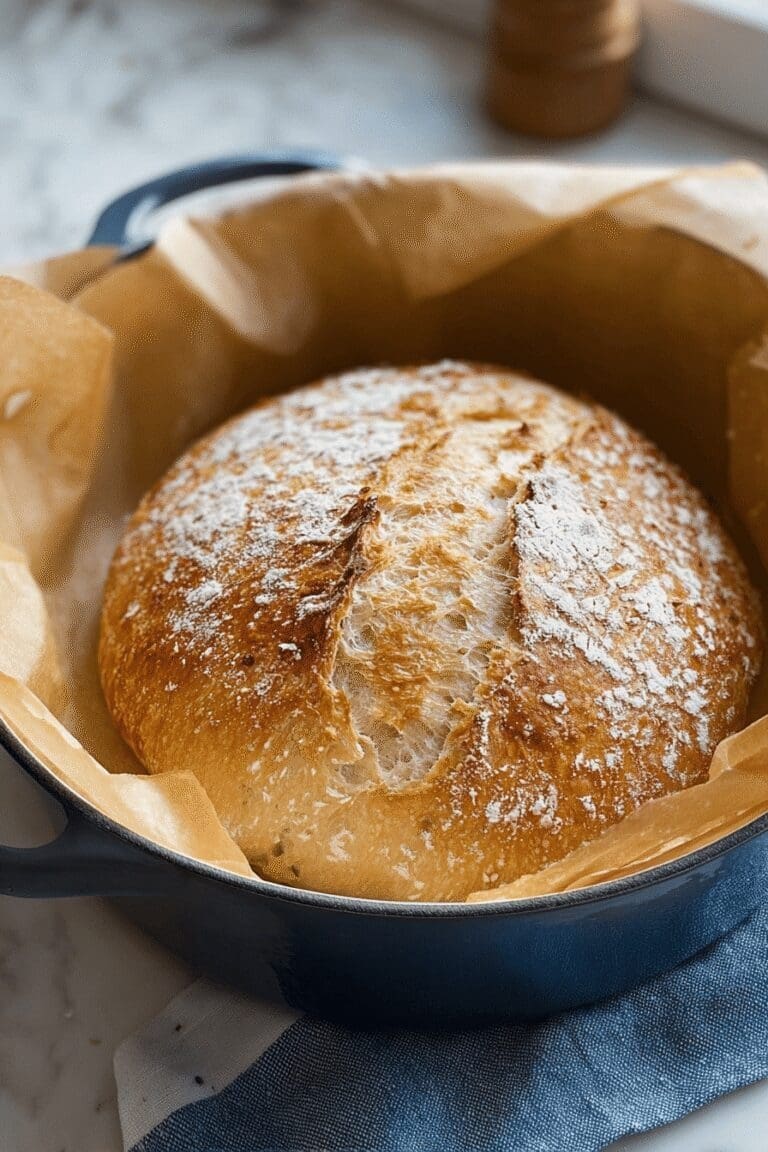
🍞 This Rustic Artisan Bread offers a perfect crusty exterior with a chewy, flavorful interior made from simple, wholesome ingredients.
🌿 Baking in a Dutch oven creates authentic steam, resulting in a professional-quality loaf that’s rewarding to make at home.
- Total Time: 2 hours 55 minutes
- Yield: 1 loaf
Ingredients
– 3 cups flour (all-purpose, bread flour, or Italian fine 00 flour)
– 1 tablespoon sugar
– 2 teaspoons quick rise yeast (traditional yeast can also be used)
– 1.5 teaspoons sea salt or coarse salt
– 2 tablespoons olive oil
– 1.5 to 2 cups warm water (adjust water amount depending on flour type; all-purpose flour needs closer to 2 cups, bread or Italian flour about 1.5 cups)
Instructions
1-First, gather all the essential ingredients and measure them accurately to set yourself up for success. The process draws from time-tested directions that make a sticky, shaggy dough, leading to a loaf with a slightly crusty exterior and chewy interior.
2-Next, combine the flour, sugar, yeast, and salt in a large bowl as your dry base. Add the warm water and 1 tablespoon of olive oil, then stir well with a spatula or wooden spoon until the dough forms adjust water based on flour absorption for the best results. Cover the bowl with plastic wrap and a tea towel, letting it rise in a warm spot until it doubles in size, which takes about 2 hours.
3-Once risen, heat a covered Dutch oven to 450°F (232°C) on the middle oven rack for that essential steam. Prepare parchment paper to fit the pot, lightly flour your work surface, and scrape the dough onto it. Fold the dough onto itself several times to shape a rough ball, adding more flour if it’s too wet, then transfer it to the parchment.
4-Carefully place the dough into the hot Dutch oven, cover, and bake for 30 minutes. Remove the lid and bake for another 5 to 10 minutes until the crust turns golden and crisp. Let the bread rest on a cooling rack for 10 minutes before slicing total preparation time is about 15 minutes, rising takes 2 hours, and baking runs 35 to 40 minutes, making the whole process around 2 hours and 50 minutes.
Last Step:
Please leave a rating and comment letting us know how you liked this recipe! This helps our business to thrive and continue providing free, high-quality recipes for you.Notes
🍞 Dutch oven essential for authentic crust; use a pan of water if unavailable.
💧 Flour choice affects water amount; adjust dough stickiness accordingly.
🌡️ Use warm water for best yeast activation and dough rise.
- Prep Time: 15 minutes
- Rising Time: 2 hours
- Cook Time: 40 minutes
- Category: Bread
- Method: Mixing, Rising, Baking
- Cuisine: Italian-inspired
- Diet: Vegetarian
Nutrition
- Serving Size: 1 slice