

Why You’ll Love This Rosemary Cheese Bread
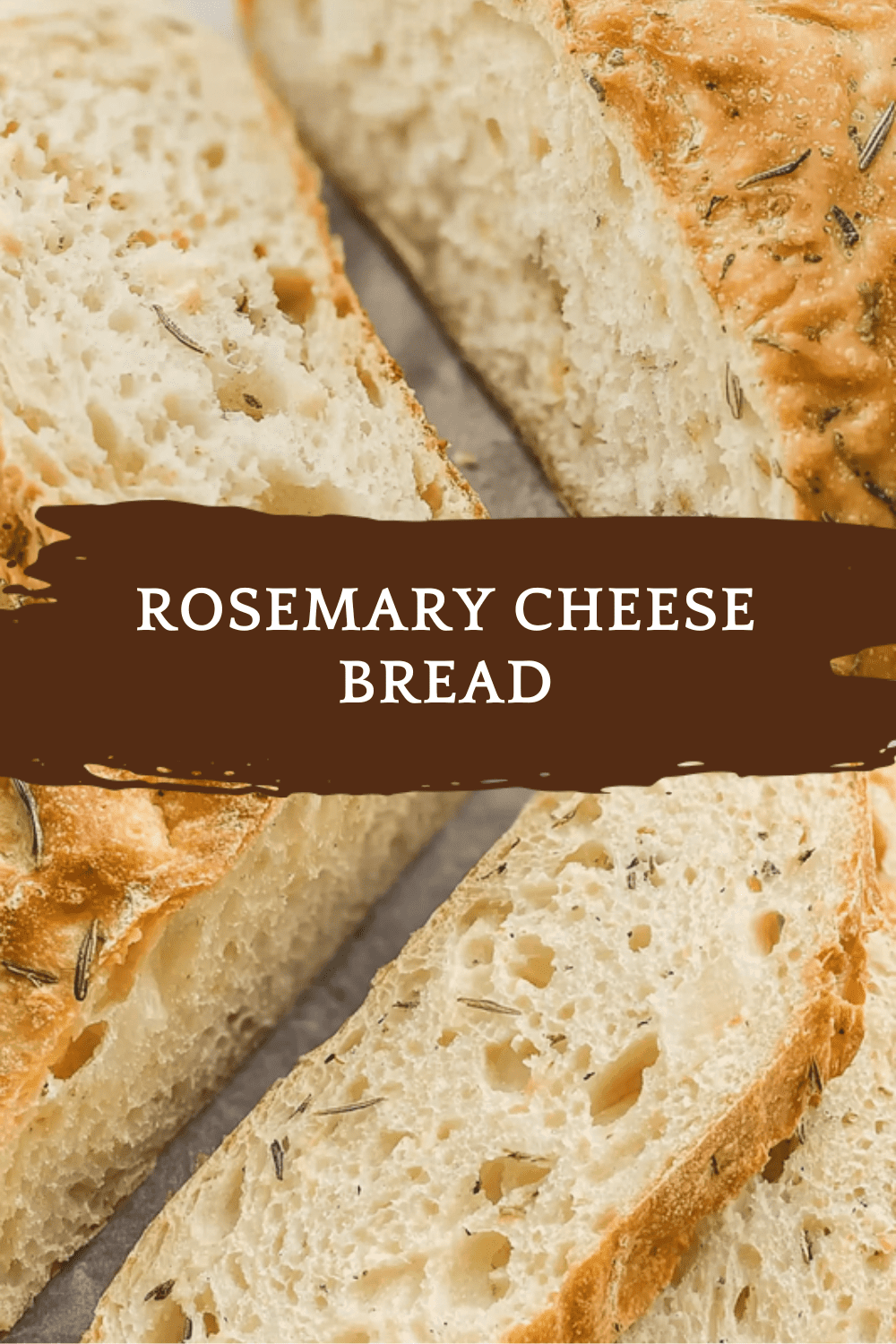
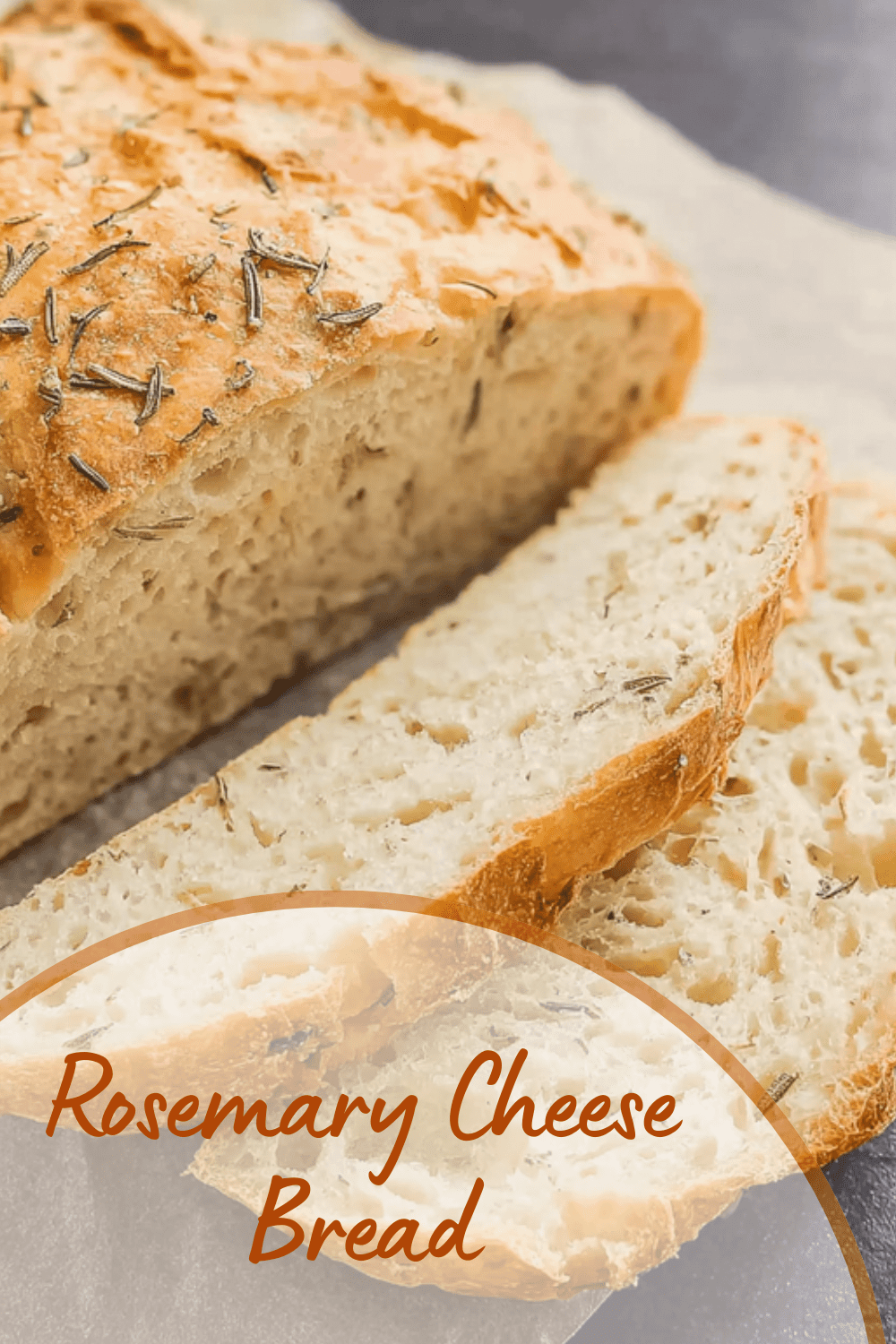
Imagine pulling a warm loaf of rosemary cheese bread straight from the oven, with its golden crust and the scent of herbs filling your kitchen. This recipe brings together simple ingredients for a bread that’s not only easy to whip up but also packs a punch of flavor that makes any meal better. Whether you’re a busy parent looking for a quick side or a baking enthusiast eager to try something new, this bread fits right in with your lifestyle.
First off, it’s super straightforward to make, which means you can get it done even on a hectic day. You only need basic items from your pantry, and the steps are simple enough for beginners to follow without any stress. Plus, the mix of hearty whole wheat flour and all-purpose flour gives it a nice texture that’s satisfying and filling.
What really sets this rosemary cheese bread apart is how it combines health perks with great taste. Rosemary adds antioxidants that help with inflammation, while cheddar cheese brings in protein and calcium to keep things nutritious. This makes it a smart choice for diet-conscious folks who want something wholesome without sacrificing flavor.
Beyond that, this bread is incredibly versatile, adapting to whatever your needs are. You can tweak it for different diets, like going vegan or gluten-free, and it still turns out delicious. It’s perfect for picnics, potlucks, or even a quiet family dinner, helping you connect with others over good food just like on my blog at Cooky Cooky.
If you’re hosting a gathering, think about how this bread could pair with other favorites. For instance, if you enjoy grilled meats, check out our garlic rosemary steak recipe to make a full meal that delights everyone. The savory notes in both will have your guests coming back for more, turning any event into a memorable feast.
Key Benefits at a Glance
- It saves time with quick prep and simple steps, ideal for busy schedules.
- Rosemary offers natural health boosts, like fighting inflammation, paired with cheese’s protein power.
- Easily adapt it for various diets, so no one feels left out at your next get-together.
- The fresh herb and cheese combo creates a taste that’s hard to beat, making it a hit for any occasion.
To get you started, remember that measuring flour by weight, like 450 grams of all-purpose flour, ensures the best results every time. This little tip can make your bread come out just right, as I learned from my own kitchen experiments.
Jump to:
- Why You’ll Love This Rosemary Cheese Bread
- Key Benefits at a Glance
- Essential Ingredients for Rosemary Cheese Bread
- Special Dietary Options
- How to Prepare the Perfect Rosemary Cheese Bread: Step-by-Step Guide
- Adaptations for Different Needs
- Dietary Substitutions to Customize Your Rosemary Cheese Bread
- Mastering Rosemary Cheese Bread: Advanced Tips and Variations
- How to Store Rosemary Cheese Bread: Best Practices
- FAQs: Frequently Asked Questions About Rosemary Cheese Bread
- What type of yeast works best for making rosemary cheese bread?
- Can I make rosemary cheese bread without a stand mixer?
- How can I substitute other cheeses or herbs in rosemary cheese bread?
- What’s the best way to shape and bake rosemary cheese bread for a crispy crust?
- Can I use sourdough starter instead of yeast in rosemary cheese bread?
- Rosemary Cheese Bread
- Ingredients
- Instructions
- Last Step:
- Notes
- Nutrition
- Did you make this recipe?
Essential Ingredients for Rosemary Cheese Bread
Gathering the right ingredients is the first fun step in baking this rosemary cheese bread. Each one plays a key role in creating that perfect, hearty loaf you’ll love sharing. Let’s break it down so you can see exactly what you need.
Here’s the full list of ingredients based on the recipe, measured out for accuracy. Using a kitchen scale helps get the dough just right, which I’ve found makes all the difference in my baking adventures.
- 450 grams all-purpose flour or bread flour
- 150 grams whole wheat flour
- 450 milliliters water at room temperature
- 2 teaspoons instant yeast
- 9 grams salt
- 75 grams cheddar cheese plus extra for topping
- 1 teaspoon fresh minced rosemary
- Olive oil for coating hands and bowl
If you’re watching your diet, there are easy swaps to try. For a vegan twist, swap the cheddar for a plant-based option, or go gluten-free by using a suitable flour blend. These changes keep the bread tasty and inclusive for everyone at your table.
Special Dietary Options
- For vegan diets: Use plant-based cheese and stick with olive oil as your fat source.
- For gluten-free: Replace the flours with a gluten-free blend, but adjust the water to keep the dough from getting too sticky.
- For lower calories: Opt for reduced-fat cheese and cut back on oil a bit to lighten things up.
One thing I always do is add a tablespoon of ground flaxseed for extra nutrition it boosts omega-3s and makes the bread even healthier without changing the taste much.
How to Prepare the Perfect Rosemary Cheese Bread: Step-by-Step Guide
Ready to dive into making this rosemary cheese bread? It’s easier than you might think, and I’ll walk you through each part so you feel confident. Start by pulling together your ingredients, and remember, a little patience with the rising time pays off in a big way.
First, mix the dry ingredients, cheese, and rosemary in a stand mixer or by hand. If you’re doing it by hand, oil your hands with olive oil to keep the dough from sticking that’s a trick I’ve picked up to make kneading less messy. Slowly add the water while mixing on low, then crank up the speed until it forms a nice ball. If it’s still shaggy, add a bit more water bit by bit.
Once mixed, coat a bowl with olive oil, pop the dough in, cover it, and let it proof until it doubles in size about an hour, depending on your kitchen’s warmth. After that, transfer it to a baking sheet, stretch the sides to shape it into a ball, and flip it seam side down. Let it proof again for 20-30 minutes while you preheat the oven to 450°F.
When the oven’s hot, score the top with a sharp knife and sprinkle on extra cheese for that gooey finish. Bake it for 30 minutes until it’s golden brown, then cool it on a rack for an hour before slicing. This step ensures the flavors settle in just right.
Adaptations for Different Needs
For more flavor ideas, you can add herbs like oregano or even try our easy chicken parmesan as a pairing dish. Remember, if you’re using active dry yeast, proof it in warm water for 15-20 minutes first.
| Step | Time Needed | Tips |
|---|---|---|
| Mixing and Kneading | 15 minutes | Use a stand mixer for ease, or oil your hands for hand-kneading. |
| First Proof | 1 hour | Keep in a warm spot for even rising. |
| Second Proof | 20-30 minutes | Shape first, then wait. |
| Baking | 30 minutes | Use a pizza stone for a crispier crust. |
Prep time is just 15 minutes, with cooking at 30 minutes and resting at 1 hour 30 minutes, making the total around 2 hours 15 minutes. It’s worth it for that fresh-baked goodness.
Dietary Substitutions to Customize Your Rosemary Cheese Bread
One of the best parts of this recipe is how flexible it is, so you can tweak it to fit your needs. Whether you’re avoiding dairy or gluten, these swaps keep the bread tasty and fun to make. I always enjoy experimenting in the kitchen to make recipes work for friends with different preferences.
For protein options, swap cheddar with nutritional yeast or vegan cheese for a dairy-free version. If gluten’s an issue, use a gluten-free flour blend to keep the texture light. To cut calories, go for reduced-fat cheese or add more herbs instead.
- Try sun-dried tomatoes for a burst of flavor that pairs well with rosemary.
- Switch rosemary with thyme or basil to change things up.
- Use garlic-infused oil for an extra kick without much effort.
- Add red pepper flakes if you like a bit of heat.
As a tip, sharp cheeses like gouda work great in place of cheddar, and you can even mix in garlic for more depth just like in some of my other recipes.
Mastering Rosemary Cheese Bread: Advanced Tips and Variations
Once you’re comfortable with the basics, let’s level up your rosemary cheese bread game. Using a stand mixer with a dough hook makes kneading a breeze and helps develop that perfect gluten. For deeper flavors, try cold fermentation in the fridge overnight it adds complexity that surprises your taste buds.
Play around with flavors by tossing in caramelized onions or roasted garlic, or mix cheeses like parmesan and gouda. Serve it warm with a drizzle of olive oil, and don’t forget to garnish with fresh rosemary for a nice touch. If you’re prepping ahead, make the dough the night before and bake fresh in the morning.
I always say, baking is about joy and sharing, so don’t hesitate to add your own twist like including flaxseed for extra health benefits.
For more inspiration, check out another simple rosemary bread recipe online.
How to Store Rosemary Cheese Bread: Best Practices
After all that effort, you’ll want to keep your rosemary cheese bread fresh. Store leftovers in an airtight container or wrapped in plastic, and it should stay good for 3-4 days. For longer, slice and freeze it in bags, removing as much air as possible.
To reheat, pop it in the oven at 350°F for 10-15 minutes to bring back that crispy crust. When meal prepping, portion it out before freezing so it’s easy to grab for busy days. This way, you always have a tasty side ready to go.
FAQs: Frequently Asked Questions About Rosemary Cheese Bread
What type of yeast works best for making rosemary cheese bread?
You can use instant yeast, active dry yeast, or fresh yeast for rosemary cheese bread. Instant yeast can be added directly to the flour, while active dry yeast should be proofed in warm water for 15–20 minutes before mixing. Fresh yeast can also be used by substituting according to a 3:1 ratio of active dry yeast by weight. Using instant yeast is the quickest method, but all types will produce good results if handled correctly.
Can I make rosemary cheese bread without a stand mixer?
Yes, rosemary cheese bread can be made entirely by hand. To avoid the dough sticking, lightly oil your hands with olive oil instead of adding extra flour. Knead the dough on a floured surface for about 8–10 minutes until it becomes smooth and elastic. Hand-kneading helps develop gluten properly, producing a chewy texture and great crumb.
How can I substitute other cheeses or herbs in rosemary cheese bread?
If you don’t have cheddar or fresh rosemary, you can use other sharp-flavored cheeses like gouda, Emmental, or Pecorino Romano. Dried rosemary can replace fresh but should be used sparingly to avoid bitterness, roughly one-third the amount of fresh. Adding herbs like oregano or garlic powder can add new flavors while maintaining a savory profile.
What’s the best way to shape and bake rosemary cheese bread for a crispy crust?
You can shape this dough into a round boule or an oval. For a crispy crust, bake the bread directly on a preheated pizza stone or a baking steel. Score the dough with a sharp blade before baking to control expansion. Using steam in the first 10 minutes of baking by adding water to a hot tray or using a covered Dutch oven helps develop a golden, crisp crust.
Can I use sourdough starter instead of yeast in rosemary cheese bread?
Yes, you can replace the yeast with about one cup of active sourdough starter. You’ll need to adjust the flour and water amounts to keep the right dough consistency and expect longer rising times—typically 4–6 hours for the initial fermentation and additional proofing before baking. Sourdough adds a tangy flavor and improves the bread’s shelf life.

Rosemary Cheese Bread
🌿 Enjoy a deliciously savory bread infused with fresh rosemary and sharp cheddar for a perfect homemade treat.
🧀 This recipe blends hearty whole wheat and all-purpose flours with cheese and herbs, offering a flavorful, wholesome loaf ideal for any occasion.
- Total Time: 2 hours 15 minutes
- Yield: 1 loaf (about 20 slices)
Ingredients
– 450 grams all-purpose flour or bread flour
– 150 grams whole wheat flour
– 450 milliliters water at room temperature
– 2 teaspoons instant yeast
– 9 grams salt
– 75 grams cheddar cheese plus extra for topping
– 1 teaspoon fresh minced rosemary
– Olive oil for coating hands and bowl
– 1 tablespoon ground flaxseed for extra nutrition
Instructions
1-First, mix the dry ingredients, cheese, and rosemary in a stand mixer or by hand. If you’re doing it by hand, oil your hands with olive oil to keep the dough from sticking that’s a trick I’ve picked up to make kneading less messy. Slowly add the water while mixing on low, then crank up the speed until it forms a nice ball. If it’s still shaggy, add a bit more water bit by bit.
2-Once mixed, coat a bowl with olive oil, pop the dough in, cover it, and let it proof until it doubles in size about an hour, depending on your kitchen’s warmth. After that, transfer it to a baking sheet, stretch the sides to shape it into a ball, and flip it seam side down. Let it proof again for 20-30 minutes while you preheat the oven to 450°F.
3-When the oven’s hot, score the top with a sharp knife and sprinkle on extra cheese for that gooey finish. Bake it for 30 minutes until it’s golden brown, then cool it on a rack for an hour before slicing. This step ensures the flavors settle in just right.
Last Step:
Please leave a rating and comment letting us know how you liked this recipe! This helps our business to thrive and continue providing free, high-quality recipes for you.Notes
⚖️ Measure flour by weight for consistent results.
🌾 Use instant yeast for best results; active dry yeast requires proofing.
🧄 Add other herbs or garlic for extra flavor, or substitute cheddar with other hard cheeses like gouda or gruyere.
- Prep Time: 15 minutes
- Proofing Time: 1 hour 30 minutes
- Cook Time: 30 minutes
- Category: Bread
- Method: Baking
- Cuisine: American
- Diet: Vegetarian
Nutrition
- Serving Size: 50 grams
- Calories: 127 kcal
- Sugar: 1 g
- Sodium: 201 mg
- Fat: 2 g
- Saturated Fat: 1 g
- Trans Fat: 0 g
- Carbohydrates: 23 g
- Fiber: 2 g
- Protein: 5 g
- Cholesterol: 4 mg


