

Benefits and Advantages of Roasted Cauliflower
Roasted cauliflower is a standout dish due to its simplicity, health benefits, and versatility. This recipe is incredibly easy to prepare, requiring minimal ingredients and time, making it perfect for busy weeknights or quick meals. The roasting process enhances the natural sweetness and nutty flavor of cauliflower while maintaining a crispy texture that appeals to all palates.
Nutritionally, cauliflower is low in calories and carbohydrates but rich in fiber, vitamins C and K, and antioxidants that support immune health and reduce inflammation. The recipe’s adaptability means it suits various dietary preferences, including vegan, gluten-free, and low-calorie diets, offering a nutritious and delicious option for many.
Roasted cauliflower combines ease, health advantages, and remarkable taste, making it a favored choice among vegetable dishes.
The ability to customize seasoning and incorporate optional toppings like Parmesan cheese or fresh herbs adds to the dish’s versatility, enabling it to complement a wide array of meals and cuisines. Overall, roasted cauliflower presents a flavorful and wholesome side dish that is both convenient and satisfying for home cooks.
Jump to:
- Benefits and Advantages of Roasted Cauliflower
- Essential Ingredients for Roasted Cauliflower
- Dietary Substitutions to Customize Your Roasted Cauliflower
- Oil Alternatives
- Seasoning Adjustments
- Add-Ons and Flavor Boosters
- How to Prepare the Perfect Roasted Cauliflower: Step-by-Step Guide
- Mastering roasted cauliflower: Advanced Tips and Variations
- Tips to Achieve Perfect Crispiness and Flavor
- Flavor Variations
- How to Store roasted cauliflower: Best Practices
- Refrigeration
- Freezing
- Reheating Tips
- Nutritional Value of roasted cauliflower
- FAQs: Frequently Asked Questions About roasted cauliflower
- What is the easiest way to roast cauliflower for crispy edges?
- Can I roast cauliflower without using butter or cheese for a vegan option?
- How do I prepare cauliflower for roasting to get even cooking?
- What are some tasty seasoning ideas for roasted cauliflower?
- How should I store and reheat leftover roasted cauliflower?
- Roasted Cauliflower Recipe for Simple and Flavorful Homemade Cooking
- Ingredients
- Instructions
- Last Step:
- Notes
- Nutrition
- Did you make this recipe?
Essential Ingredients for Roasted Cauliflower
The ingredients needed for a classic roasted cauliflower recipe focus on freshness and simple seasonings:
- 1 medium cauliflower, sliced into small florets or ½-inch thick steaks (about 4-5 wedges)
- 2 to 3 tablespoons olive oil (extra virgin preferred)
- 2 tablespoons unsalted butter, melted (optional if using air fryer)
- ½ teaspoon garlic powder
- ½ teaspoon salt, or to taste
- ¼ teaspoon ground paprika (or smoked paprika)
- ¼ teaspoon ground black pepper, or to taste
- Optional: ½ cup shredded Parmesan cheese (to sprinkle in last 5 minutes of cooking)
- Optional: Fresh herbs such as finely chopped parsley or cilantro
- Optional: Lemon or lime zest for garnish
- Optional: Additional spices like curry powder, chili powder, or cumin for flavor variations
These ingredients bring together healthy fats from olive oil, aromatic spices, and optional richer elements like butter and cheese. The recipe naturally falls into vegan and gluten-free categories when butter and cheese are omitted or substituted. The use of fresh cauliflower ensures an optimal balance of texture and nutrition after roasting.
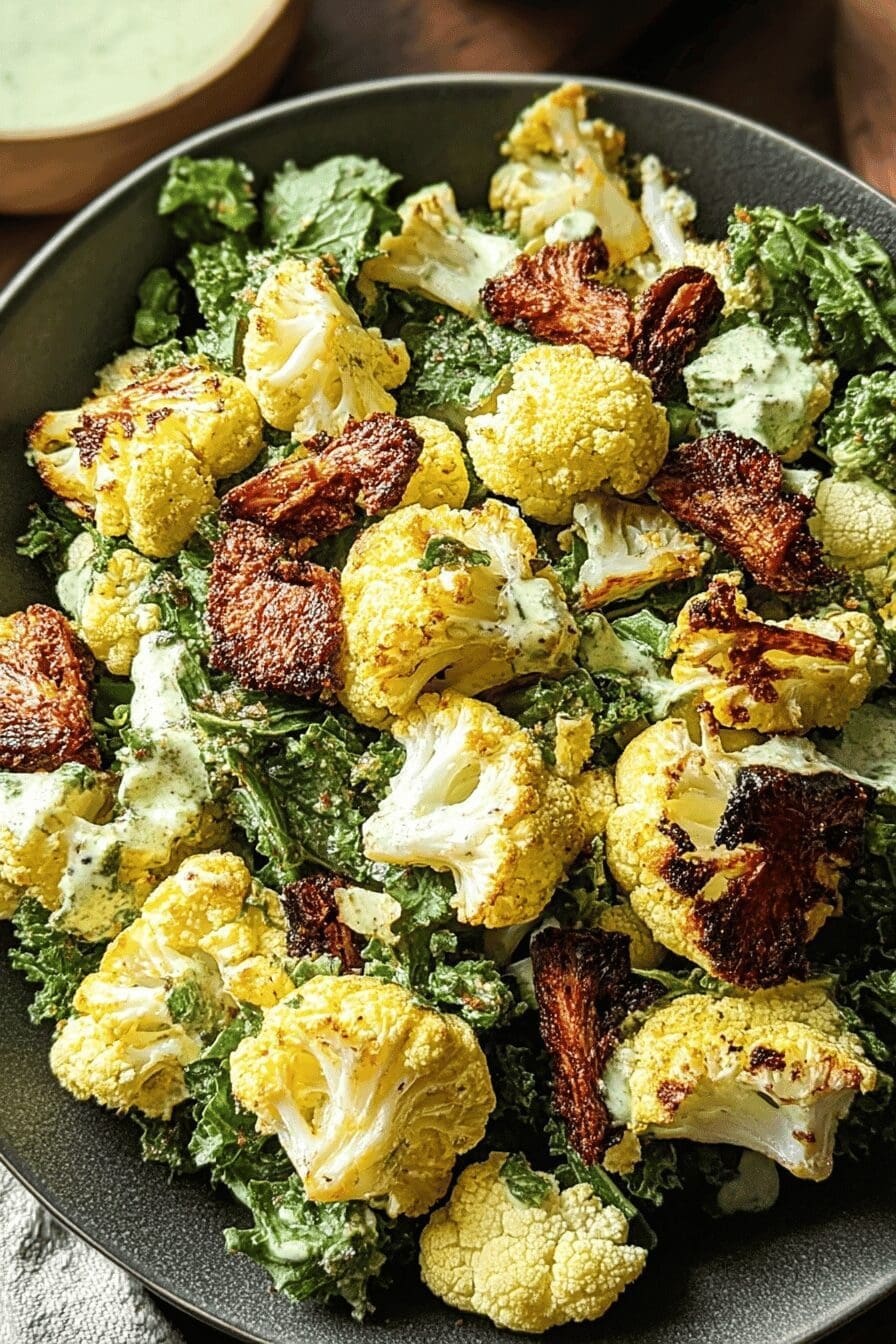
Dietary Substitutions to Customize Your Roasted Cauliflower
If you need to adapt roasted cauliflower for specific dietary requirements or preferences, there are several substitutions you can make without sacrificing flavor:
Oil Alternatives
- Avocado Oil: Rich in monounsaturated fats with a mild taste that works well for roasting.
- Coconut Oil: Adds a subtle tropical note and can withstand high oven temperatures.
Seasoning Adjustments
- Garlic Powder: Substitute fresh garlic or garlic-infused oils for a different flavor profile.
- Salt Alternatives: Replace with nutritional yeast or smoked paprika to reduce sodium but add savory depth.
Add-Ons and Flavor Boosters
- Cheese Substitutes: For keto diets, add Parmesan or Pecorino. For vegan diets, nutrition yeast provides a cheesy flavor.
- Spices: Incorporate cumin, chili powder, or curry powder for ethnic flavor variations.
Personalizing spices and fats ensures roasted cauliflower fits diverse diets including vegan, gluten-free, keto, and low-sodium plans.
Always check seasoning blends for hidden gluten or animal products if strict dietary adherence is required.

How to Prepare the Perfect Roasted Cauliflower: Step-by-Step Guide
To achieve perfectly roasted cauliflower with tender insides and crisp, caramelized edges, follow these clear steps:
- Preheat the Oven: Set your oven to 425°F (220°C) for a high heat environment that crisps cauliflower beautifully.
- Prepare the Cauliflower: Wash and dry the cauliflower. Remove leaves and core, then slice into ½-inch thick steaks or break into evenly sized florets for even cooking.
- Seasoning: In a large bowl, toss the cauliflower with 2 to 3 tablespoons of olive oil and melted butter if using. Add ½ teaspoon garlic powder, ½ teaspoon salt, ¼ teaspoon paprika, and ¼ teaspoon black pepper. Toss until well coated.
- Arrange on Baking Sheet: Spread cauliflower in a single layer on a parchment-lined, rimmed baking sheet. Leave space between pieces to promote browning and avoid steaming.
- Roast: Place in the oven and roast for 15-20 minutes for smaller florets or steaks, or 20-25 minutes for larger pieces. Flip or toss halfway for even caramelization. The cauliflower should be golden with crisp edges and tender inside.
- Add Cheese (Optional): Sprinkle ½ cup shredded Parmesan cheese over the cauliflower about 5 minutes before the end and return to oven to melt and brown.
- Garnish: After roasting, optionally toss with fresh herbs such as parsley or cilantro, lemon or lime zest, or sprinkle additional seasoning to taste.
For those using an air fryer, toss cauliflower with olive oil only (no butter), arrange in a single layer, and air fry at 375°F (190°C) for 10-15 minutes, shaking every 5 minutes.
Consistent size, high heat, and proper spacing ensure roasted cauliflower is both flavorful and perfectly textured.
For additional tips on roasting vegetables, check out this Tips for roasting vegetables.
Mastering roasted cauliflower: Advanced Tips and Variations
Take your roasted cauliflower to the next level with these expert tips and creative variations that add texture and exciting flavors. Mastering these techniques will help you customize the dish to suit your preferences and make every bite memorable.
Tips to Achieve Perfect Crispiness and Flavor
- Maximize surface area: Cut cauliflower into florets with plenty of flat edges or into thick steaks to encourage caramelization and crispy browning.
- Avoid overcrowding: Spread cauliflower in a single layer on the baking sheet, leaving space between pieces. Overcrowding traps moisture and causes steaming instead of roasting.
- High oven temperature: Roast at 425°F to develop golden, crisp edges without burning the oil or drying the vegetable.
- Use a light dusting of breadcrumbs or almond flour: Sprinkle these onto the cauliflower before roasting for a crunchy crust.
Flavor Variations
Experiment with these seasoning ideas for added variety:
- Spice blends: Try curry powder, chili powder, cumin, or smoked paprika for warm, smoky, or spicy notes.
- Cheese enhancements: Add grated parmesan or nutritional yeast after roasting for a cheesy flavor that suits vegetarians and vegans.
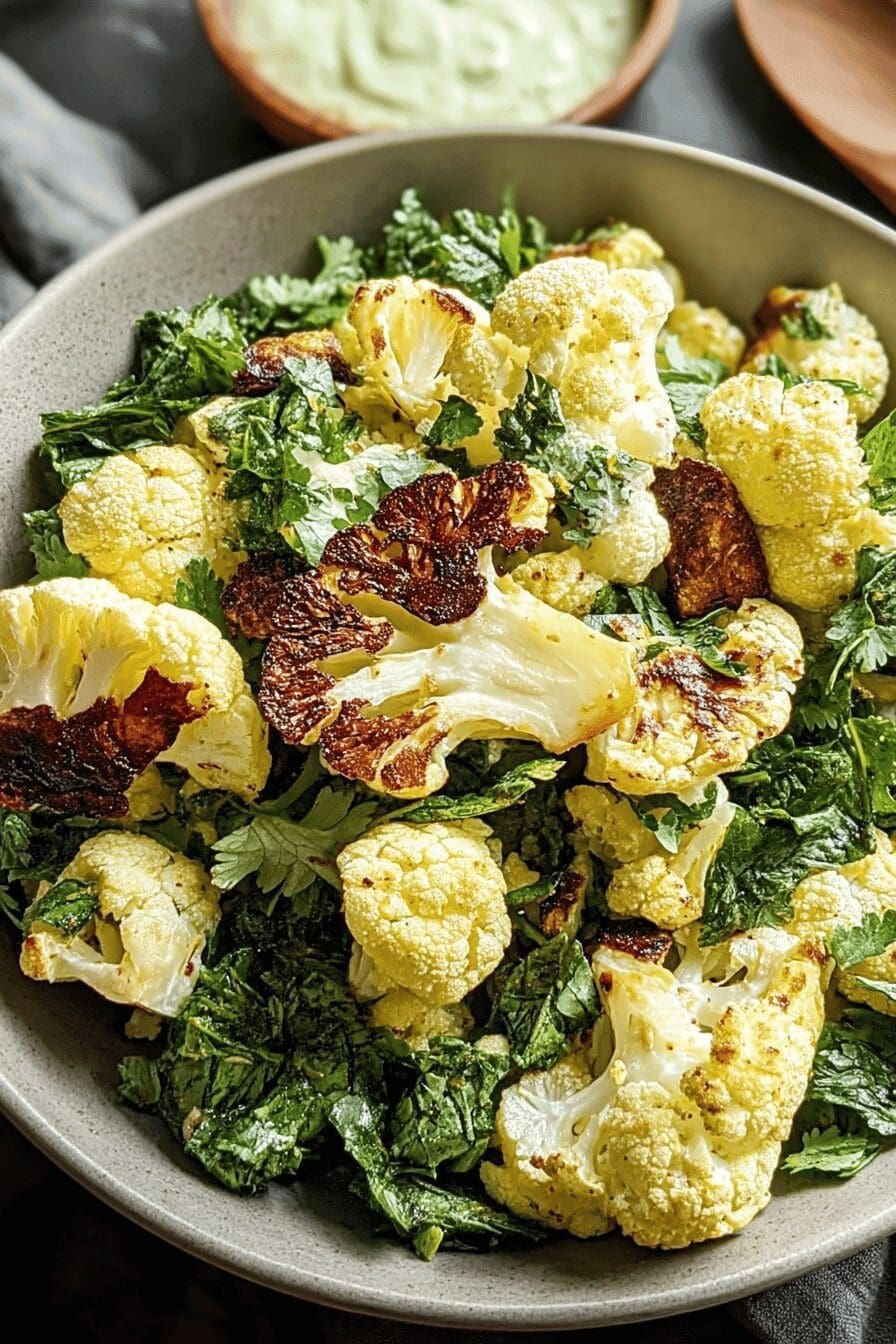
- Fresh accents: Toss roasted cauliflower with freshly chopped parsley or cilantro and a squeeze of lemon or lime zest right before serving for brightness and freshness.
These tips and variations allow you to create unique roasted cauliflower dishes that match any cuisine style or dietary preference while maintaining wholesome nutrition.
How to Store roasted cauliflower: Best Practices
Proper storage methods help maintain the texture and flavor of your roasted cauliflower, minimizing waste and maximizing enjoyment.
Refrigeration
Once roasted cauliflower has cooled to room temperature, transfer it to an airtight container. It can be safely stored in the refrigerator for up to 4 days. Proper sealing prevents moisture loss and keeps flavors fresh.
Freezing
To freeze roasted cauliflower, first lay the pieces in a single layer on a baking sheet and freeze until solid (about 1-2 hours). Then transfer the frozen cauliflower to a freezer-safe bag or container. Frozen roasted cauliflower can be stored for up to 2 months.
Reheating Tips
- Reheat in a preheated oven at 350°F (175°C) for 10-15 minutes to revive crispiness and warmth.
- Alternatively, reheat in an air fryer at 375°F for 5-7 minutes for quick crisping.
- Microwaving is convenient but can soften texture and reduce crispness.
Following these storage and reheating tips ensures your roasted cauliflower stays delicious and appealing even after preparation.
Nutritional Value of roasted cauliflower
| Nutrient | Amount per serving |
|---|---|
| Calories | ~100 |
| Carbohydrates | 5 grams |
| Protein | 2 grams |
| Total Fat | 9 grams |
| Saturated Fat | 3 grams |
| Trans Fat | 1 gram |
| Cholesterol | 10 milligrams |
| Sodium | 223 milligrams |
| Potassium | 294 milligrams |
| Fiber | 2 grams |
| Sugar | 2 grams |
| Vitamin A | 158 IU |
| Vitamin C | 46 milligrams |
| Calcium | 23 milligrams |
| Iron | 1 milligram |
Roasted cauliflower is a nutritious, low-calorie dish that offers a good balance of macronutrients and vitamins. The olive oil contributed to healthy fats, vitamin C boosts immune support, and the dietary fiber aids digestion. This makes roasted cauliflower an excellent addition to health-conscious meal plans.
Learn more about the health benefits of cauliflower from a trusted source.
FAQs: Frequently Asked Questions About roasted cauliflower
What is the easiest way to roast cauliflower for crispy edges?
To roast cauliflower with crispy, golden edges, preheat your oven to 425°F. Break the cauliflower into bite-sized florets, making sure they are dry. Toss them with olive oil, salt, and pepper, then spread them evenly on a baking sheet without overcrowding. Roast for 25 to 35 minutes, flipping halfway through to promote even browning. This method helps the florets caramelize, giving them a delicious texture and flavor.
Can I roast cauliflower without using butter or cheese for a vegan option?
Yes, cauliflower can be roasted without butter or cheese for a vegan-friendly dish. Simply toss the florets with olive oil and your preferred seasonings such as garlic powder, smoked paprika, curry powder, or chili powder. Roast at 425°F until tender and caramelized. Adding fresh herbs or lemon zest after roasting can enhance flavor without dairy.
How do I prepare cauliflower for roasting to get even cooking?
Start by washing and thoroughly drying the cauliflower. Cut off the stem end to create a flat base, then quarter the head and remove the thick core pieces. Break or slice the cauliflower into evenly sized florets or ½-inch steaks to promote uniform cooking. Ensuring the pieces are similar in size helps them roast evenly and develop consistent caramelization.
What are some tasty seasoning ideas for roasted cauliflower?
Roasted cauliflower pairs well with a variety of seasonings. Classic options include salt, pepper, garlic powder, and paprika for color and warmth. For different flavor profiles, try Italian-inspired toppings like Parmesan cheese and herbs, Mexican-style with cumin, chili powder, lime zest, and toasted pepitas, or Indian flavors using curry powder and cilantro. These variations add depth and can be adjusted to your taste.
How should I store and reheat leftover roasted cauliflower?
Store leftover roasted cauliflower in an airtight container in the refrigerator for up to 3 days. To reheat while maintaining its texture, warm it in a preheated oven at 350°F for about 10 minutes, or use an air fryer set to 375°F for 5 to 7 minutes. Avoid microwaving when possible, as this can make the cauliflower soggy. Reheating this way helps preserve the caramelized exterior.

Roasted Cauliflower Recipe for Simple and Flavorful Homemade Cooking
🥦 Perfect for any meal, this roasted cauliflower offers a deliciously crispy texture with savory seasonings.
🌿 Enjoy a healthy side dish that’s customizable with various spices and herbs for a refreshing taste every time!
- Total Time: 25 to 35 minutes
- Yield: 4 servings 1x
Ingredients
1 medium cauliflower, sliced into small florets or 1/2 inch thick steaks
2 to 3 tablespoons olive oil
2 tablespoons unsalted butter, melted (optional if using air fryer)
1/2 teaspoon garlic powder
1/2 teaspoon salt, or to taste
1/4 teaspoon ground paprika (or smoked paprika)
1/4 teaspoon ground black pepper, or to taste
Optional:
1/2 cup shredded Parmesan cheese
Fresh herbs such as finely chopped parsley or cilantro
Lemon or lime zest for garnish
Additional spices like curry powder, chili powder, or cumin
Instructions
1. Preheat the oven to 425°F (220°C) and line a rimmed baking sheet with parchment paper.
2. Cut the cauliflower into 1/2 inch thick steaks or small florets, discarding the core.
3. In a large bowl, toss cauliflower with olive oil, melted butter (if using), garlic powder, salt, paprika, and black pepper.
4. Arrange the cauliflower in a single layer on the prepared baking sheet, ensuring space between pieces.
5. Roast for 15-20 minutes for small pieces or 20-25 minutes for larger pieces, flipping halfway, until tender and golden.
6. Sprinkle Parmesan over the cauliflower 5 minutes before done if using.
7. Optionally, garnish with herbs, lemon or lime zest post-roasting.
Alternative Air Fryer Method:
– Use 2 to 3 tablespoons olive oil.
– Air fry at 375°F (190°C) for 10-15 minutes, shaking every 5 minutes until golden and tender.
Last Step:
Please leave a rating and comment letting us know how you liked this recipe! This helps our business to thrive and continue providing free, high-quality recipes for you.Notes
🔪 Slice cauliflower to create flat edges for better browning.
🧄 Use a high oven temperature to get crispy edges without burning.
🥣 Mix seasonings in a bowl to ensure even coating and less cleanup.
- Prep Time: 10 minutes
- Resting Time: 5 minutes
- Cook Time: 15 to 25 minutes
- Category: Side Dish
- Method: Roasting
- Cuisine: American
- Diet: Vegetarian
Nutrition
- Serving Size: 1/4 of recipe
- Calories: 100
- Sugar: 2g
- Sodium: 223 mg
- Fat: 9g
- Saturated Fat: 3g
- Unsaturated Fat: 5g
- Trans Fat: 1g
- Carbohydrates: 5g
- Fiber: 2g
- Protein: 2g
- Cholesterol: 10 mg


