

Why You’ll Love This Rhubarb Butter
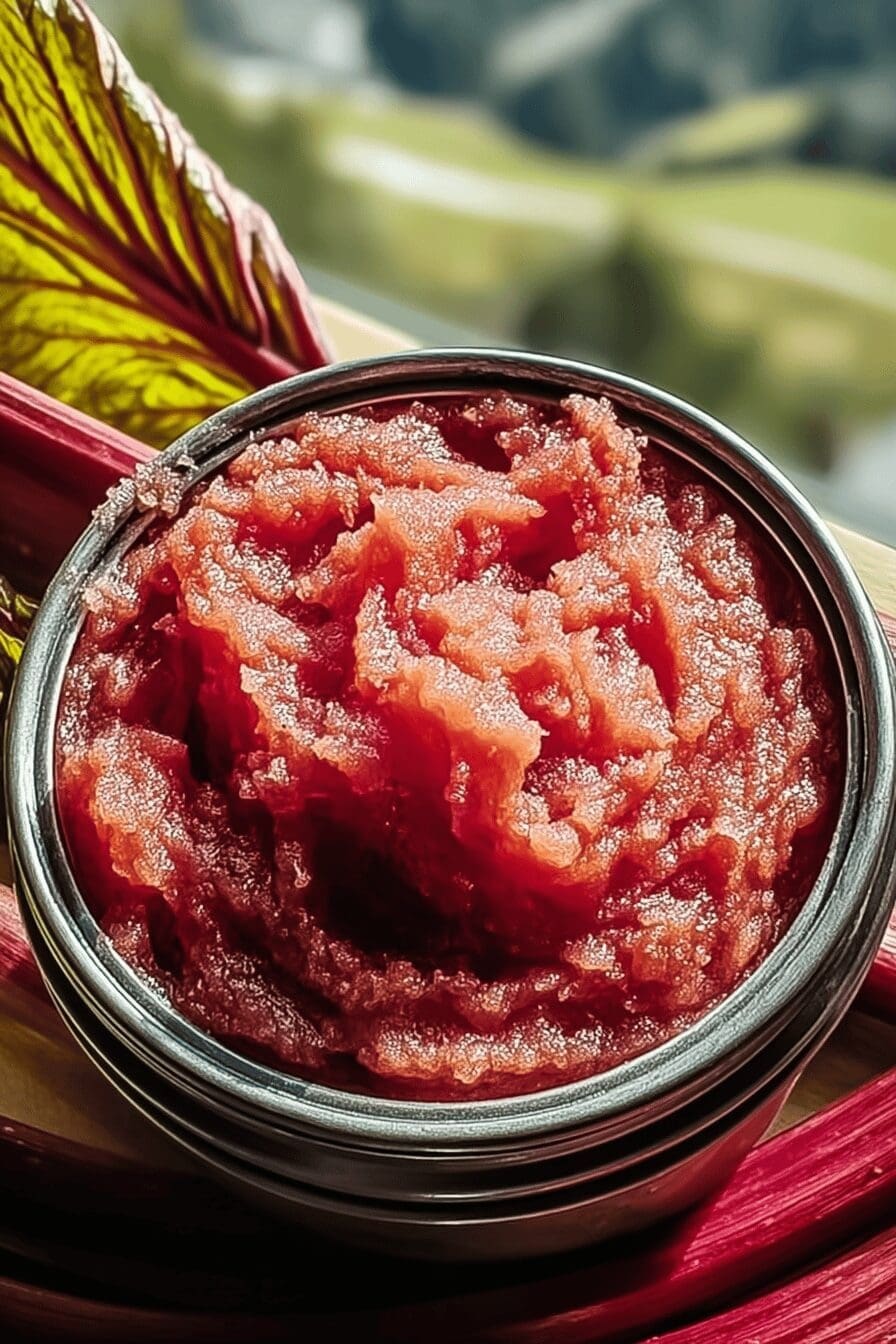
If you’re looking for a simple yet delicious way to enjoy the unique tang of rhubarb, this rhubarb butter is a game-changer that brings a burst of flavor to your everyday meals. This recipe uses fresh rhubarb, sugar, and a touch of lemon juice to create a smooth, glossy spread that’s perfect for topping toast or mixing into yogurt. What makes it so appealing is how easy it is to whip up, offering a nutritious option without a lot of fuss.
With its straightforward preparation, this rhubarb butter recipe is perfect for busy cooks like busy parents or working professionals who want something quick yet rewarding. The health benefits are a big plus, as it’s packed with vitamins and antioxidants from the rhubarb, making it a wholesome choice for diet-conscious individuals and food enthusiasts alike. Plus, it’s versatile enough to fit various dietary needs, from vegan adaptations to low-calorie tweaks, so everyone at your next gathering can enjoy it.
One of the standout features is its distinctive flavor, blending tart rhubarb with just the right sweetness for a refreshing twist. Whether you’re adding it to breakfast dishes or using it as a topping for desserts, it brings people together around the table, just like the heartwarming traditions on this blog. According to the nutritional info, each tablespoon packs in about 20 calories and 5 grams of carbohydrates, with a good dose of fiber and vitamin C, making it a smart pick for maintaining wellness while indulging.
Key Benefits at a Glance
- It adapts beautifully to different diets, like going vegan with simple swaps.
- The recipe is quick, with just 45 minutes from start to finish, perfect for students or newlyweds on the go.
- Its vibrant taste enhances community events, such as picnics or potlucks, aligning with the blog’s focus on shared meals.
For more on how rhubarb can boost your health, check out this helpful resource on the health benefits of rhubarb.
Jump to:
- Why You’ll Love This Rhubarb Butter
- Key Benefits at a Glance
- Essential Ingredients for Rhubarb Butter
- Main Ingredients List
- Special Dietary Options
- How to Prepare the Perfect Rhubarb Butter: Step-by-Step Guide
- Dietary Substitutions to Customize Your Rhubarb Butter
- Mastering Rhubarb Butter: Advanced Tips and Variations
- Pro Techniques and Flavor Ideas
- How to Store Rhubarb Butter: Best Practices
- FAQs: Frequently Asked Questions About Rhubarb Butter
- Why does rhubarb butter sometimes have a pale pink color?
- How can I get rhubarb butter to have a smoother texture?
- Can I make rhubarb butter with frozen rhubarb, and will it affect the taste?
- Is it safe to preserve rhubarb butter using water bath canning?
- Can I add other fruits or use different sweeteners when making rhubarb butter?
- Rhubarb Butter
- Ingredients
- Instructions
- Last Step:
- Notes
- Nutrition
- Did you make this recipe?
Essential Ingredients for Rhubarb Butter
Getting the ingredients right is key to making a great rhubarb butter, and this recipe keeps things simple with just a few fresh items. Based on the details provided, we’ll focus on the core components that create that smooth, tangy spread. Below is a structured list of all the ingredients needed, pulled directly from the recipe for clarity and precision.
Main Ingredients List
- 1 pound rhubarb (about 4 cups sliced, preferably the reddest stalks for deeper color)
- 1/2 cup sugar
- Squeeze of fresh lemon juice
- Optional additions: a splash of vanilla or seeds of a vanilla bean
- Optional additions: 1/4 teaspoon cinnamon or cardamom (add after pureeing)
- 2 tablespoons water (for the cooking process)
This list ensures you have everything for a full batch, yielding about 1.5 cups of rhubarb butter. Using the reddest rhubarb stalks will give you that vibrant color, while the sugar balances the tartness perfectly.
Special Dietary Options
As mentioned in the recipe tips, you can easily adapt this for different preferences. For instance, substitute sugar with honey or stevia if you’re watching calories, and remember that the base is naturally vegan and gluten-free.
| Nutrient | Per Tablespoon |
|---|---|
| Calories | 20 |
| Carbohydrates | 5 grams |
| Sugar | 4 grams |
| Protein | 0.2 grams |
| Fat | 0.1 grams |
| Vitamin C | 2 milligrams |
This table highlights the nutritional breakdown, showing why it’s a great option for health-focused readers. If you’re interested in similar fruit-based recipes, try this one for homemade chia cherry jam on our blog.
How to Prepare the Perfect Rhubarb Butter: Step-by-Step Guide
Making rhubarb butter at home is easier than you might think, and with this step-by-step guide, you’ll have a glossy spread ready in no time. Start by gathering your ingredients and a heavy-bottomed pot to ensure even cooking. This process takes about 45 minutes total, including 5 minutes of prep, making it ideal for baking enthusiasts or community organizers planning ahead for events.
- Rinse the rhubarb and trim the ends (leaves are toxic), then slice into 1-inch pieces to get things started.
- Place the rhubarb, 1/2 cup sugar, 2 tablespoons water, and the squeeze of fresh lemon juice in a heavy-bottomed pot and stir to combine.
- Heat over medium heat, stirring constantly until the rhubarb releases juice and the mixture boils gently; cook for 15-20 minutes until the rhubarb is soft and mostly broken down.
- Puree the mixture in a blender or food processor until very smooth; be careful with hot foods by securely fastening and venting the blender lid and covering with a kitchen towel when blending.
- Return the puree to the stove, bring to a boil, then reduce heat to low and simmer, stirring often, for about 20 minutes until thickened and glossy. Check doneness by scooping with a spoon across the bottom of the pan the butter is done when the gap does not fill back in.
- Spoon into glass jars and let cool; refrigerate and allow to thicken further as it cools.
This method results in about 1.5 cups of rhubarb butter, perfect for sharing at potlucks. For a silkier texture, a high-powered blender works best, as noted in the tips. Once you’re comfortable with this, you might enjoy trying variations like air fryer yogurt custard toast as a delicious pairing.
Dietary Substitutions to Customize Your Rhubarb Butter
One of the best parts about this rhubarb butter recipe is how flexible it is, allowing you to tailor it to your needs. Whether you’re cooking for seniors with specific dietary requirements or travelers looking for portable options, small changes can make a big difference. Start with the base ingredients and build from there for a spread that suits everyone.
- Replace sugar with honey or stevia for a low-calorie version, as taste testing is key to getting the sweetness just right.
- Use frozen rhubarb if fresh isn’t available, following the same process without altering the taste much.
- Add spices like cinnamon or cardamom after pureeing to enhance flavor, keeping portions small for subtle effects.
For protein alternatives, try incorporating nut butters for a creamier base, which works well for those seeking added nutrition. These tweaks align with the blog’s spirit of making recipes accessible for all, from busy parents to food enthusiasts.
For more ideas on fruit variations, check out creative ways to make fruit butter.
Mastering Rhubarb Butter: Advanced Tips and Variations
Once you’ve nailed the basics, it’s time to level up your rhubarb butter with some advanced techniques and fun twists. Slow cooking on low heat can intensify the natural sweetness, so grab a heavy-bottomed pan to avoid any mishaps. This section builds on the recipe’s core, adding layers of flavor and presentation that make your creation stand out at gatherings.
Pro Techniques and Flavor Ideas
Experiment with additions like vanilla bean or citrus zest for a brighter note, blending them in after pureeing. For make-ahead options, prepare batches and freeze portions, which keeps the texture intact for up to a year perfect for working professionals or community groups.
- Slow cooking enhances sweetness; stir frequently to prevent burning.
- Add aromatic spices like star anise for a unique profile, adjusting based on your taste.
- Serve on toasted bread or desserts for an appealing presentation, garnished with fresh mint.
These tips make the recipe more versatile, fitting seamlessly into the blog’s theme of shared, memorable meals.
How to Store Rhubarb Butter: Best Practices
Proper storage is essential to keep your rhubarb butter fresh and flavorful, extending its shelf life for everyday use. After cooling, transfer it to airtight jars to maintain that glossy texture. This step is straightforward and helps busy cooks like students or newlyweds plan meals ahead.
- Store in the refrigerator for up to 2-3 weeks to preserve freshness.
- Freeze in sealed containers for up to one year, thawing overnight in the fridge.
- Warm gently on low heat if needed, stirring to restore smoothness.
Label your containers with dates for easy meal prep, ensuring it’s ready for your next picnic or family event.

FAQs: Frequently Asked Questions About Rhubarb Butter
Why does rhubarb butter sometimes have a pale pink color?
The color of rhubarb butter depends largely on the type and color of the rhubarb stalks used. Rhubarb stalks range from deep red to green and pink, which influences the final shade of your butter. Supermarket varieties are often bred for brighter red hues, resulting in deeper pink butter. However, even rhubarb with less vivid color will produce tasty butter, as the flavor remains consistent regardless of color.
How can I get rhubarb butter to have a smoother texture?
The smoothness of rhubarb butter is affected by the blending method. Using a high-powered blender, like a Vitamix, can create a silky, smooth texture by fully breaking down the fruit. Regular blenders may leave small pieces, resulting in a chunkier consistency. To improve smoothness without specialized equipment, try blending in smaller batches and for longer periods.
Can I make rhubarb butter with frozen rhubarb, and will it affect the taste?
Yes, frozen rhubarb can be used to make rhubarb butter without altering the process. Frozen rhubarb works well once thawed, and it may release more liquid, so cooking time might be slightly adjusted to reach the desired consistency. The taste remains comparable to fresh rhubarb butter, making frozen rhubarb a convenient option when fresh is unavailable.
Is it safe to preserve rhubarb butter using water bath canning?
This rhubarb butter recipe has not been tested for water bath canning safety, so it’s recommended to avoid this method to prevent food safety risks. Instead, store rhubarb butter in airtight containers in the refrigerator for up to two weeks or freeze it for longer storage. Proper refrigeration or freezing preserves freshness without compromising safety.
Can I add other fruits or use different sweeteners when making rhubarb butter?
Yes, combining rhubarb with fruits like strawberries or peaches is common and enhances the flavor. Use equal amounts of each fruit for balanced taste. For sweeteners, alternatives such as honey, stevia, or maple syrup can replace sugar, but since sweetness levels vary, adjust to taste gradually. Experimentation helps find the right balance without overpowering rhubarb’s tartness.

Rhubarb Butter
🍓 Experience the perfect blend of sweet and tangy flavors with this homemade rhubarb butter recipe that brightens your breakfasts and snacks.
🍯 Smooth and glossy, this versatile spread is delicious on toast, yogurt, or as a unique topping for various dishes.
- Total Time: 45 minutes
- Yield: About 1.5 cups
Ingredients
– 1 pound rhubarb (about 4 cups sliced, preferably the reddest stalks for deeper color)
– 1/2 cup sugar
– Squeeze of fresh lemon juice
– A splash of vanilla or seeds of a vanilla bean
– 1/4 teaspoon cinnamon or cardamom (add after pureeing)
– 2 tablespoons water for the cooking process
Instructions
1-Rinse the rhubarb and trim the ends (leaves are toxic), then slice into 1-inch pieces to get things started.
2-Place the rhubarb, 1/2 cup sugar, 2 tablespoons water, and the squeeze of fresh lemon juice in a heavy-bottomed pot and stir to combine.
3-Heat over medium heat, stirring constantly until the rhubarb releases juice and the mixture boils gently; cook for 15-20 minutes until the rhubarb is soft and mostly broken down.
4-Puree the mixture in a blender or food processor until very smooth; be careful with hot foods by securely fastening and venting the blender lid and covering with a kitchen towel when blending.
5-Return the puree to the stove, bring to a boil, then reduce heat to low and simmer, stirring often, for about 20 minutes until thickened and glossy. Check doneness by scooping with a spoon across the bottom of the pan the butter is done when the gap does not fill back in.
6-Spoon into glass jars and let cool; refrigerate and allow to thicken further as it cools.
Last Step:
Please leave a rating and comment letting us know how you liked this recipe! This helps our business to thrive and continue providing free, high-quality recipes for you.Notes
🍴 Use the reddest rhubarb stalks for the best color and flavor; frozen rhubarb works as well.
🍲 A high-powered blender creates the smoothest texture, but standard blenders work too.
🌿 Sweeteners like honey or stevia can substitute sugar, but adjust sweetness carefully.
- Prep Time: 5 minutes
- Cook Time: 40 minutes
- Category: Spread
- Method: Stovetop Cooking, Blending, Simmering
- Cuisine: American
- Diet: Vegetarian
Nutrition
- Serving Size: 1 tablespoon
- Calories: 20
- Sugar: 4 g
- Sodium: 1 mg
- Fat: 0.1 g
- Saturated Fat: 0.01 g
- Trans Fat: 0 g
- Carbohydrates: 5 g
- Fiber: 0.3 g
- Protein: 0.2 g
- Cholesterol: 0 mg


