

Why You’ll Love This restaurant style steak
- Ease of preparation: This restaurant style steak recipe is designed to be simple and quick, ideal for busy home cooks who want to enjoy a delicious steak without spending hours in the kitchen. With just a handful of ingredients and a straightforward cooking process, you can have a beautifully seared ribeye or scotch fillet ready in under 30 minutes, including resting time.
- Health benefits: Loaded with high-quality protein and essential nutrients, this steak supports muscle repair and overall health. Using lean cuts and cooking methods that preserve flavor without excessive fat adds nutritional value. The garlic-herb butter baste also introduces antioxidants from fresh herbs, balancing taste and wellness (Steak Nutrition Facts and Health Benefits).
- Versatility: The recipe is adaptable to fit different dietary requirements. Whether you prefer gluten-free options or want to reduce calories by choosing leaner cuts and substituting oils, this method can be customized easily. Plus, the garlic-herb butter basting technique can be tailored with various herbs and seasonings to suit diverse palates.
- Distinctive flavor: What sets this restaurant style steak apart is the rich, buttery crust infused with fresh garlic and thyme or rosemary. The continual basting process during cooking seals in juiciness and layers the meat with aromatic complexity, delivering a taste experience that rivals your favorite steakhouse at home.
Jump to:
- Why You’ll Love This restaurant style steak
- Essential Ingredients for restaurant style steak
- Main Ingredients:
- Special Dietary Options:
- How to Prepare the Perfect restaurant style steak: Step-by-Step Guide
- First Step:
- Second Step:
- Third Step:
- Fourth Step:
- Fifth Step:
- Oven Finishing (for thicker steaks over 2.5 cm):
- Sixth Step:
- Final Step:
- Dietary Substitutions to Customize Your restaurant style steak
- Protein and Main Component Alternatives
- Vegetable, Sauce, and Seasoning Modifications
- Mastering restaurant style steak: Advanced Tips and Variations
- How to Store restaurant style steak: Best Practices
- FAQs: Frequently Asked Questions About restaurant style steak
- What thickness of steak works best for cooking restaurant-style steak on the stove?
- How do I prepare my steak before cooking to get a good sear and flavor?
- What is the process for pan-searing and basting a steak like in restaurant-style recipes?
- How long should steak rest after cooking, and why is this important?
- What side dishes pair well with restaurant-style steak?
- restaurant style steak
- Ingredients
- Instructions
- Last Step:
- Notes
- Nutrition
- Did you make this recipe?
Essential Ingredients for restaurant style steak
Main Ingredients:
- 1 to 2 boneless ribeye or scotch fillet steaks (about 2.5 cm / 1 inch thick, 300 g / 10 oz each) – Provides marbled meat ideal for tenderness and flavor-rich crust formation.
- 1 tablespoon vegetable oil (or extra virgin olive oil) – Used to heat the pan for a proper sear, adding a subtle layer of healthy fat.
- Salt and pepper (kosher salt preferred) – Essential seasoning to enhance the natural beef flavors and develop a perfect crust.
- 75 g (5 tablespoons) unsalted butter, cut into cubes or pats – Creates a rich, foaming base for basting, adding depth and moisture.
- 6 sprigs fresh thyme or 3 sprigs rosemary – Fresh herbs provide an aromatic backdrop that infuses the butter and steak with lively, savory notes.
- 5 garlic cloves, peeled and smashed – Smashed garlic releases robust flavor that permeates the butter baste and steak surface.
Special Dietary Options:
- Vegan: Substitute with thick portobello mushroom caps or seitan steaks, and replace butter with vegan-friendly margarine or olive oil-based spreads to replicate the herb-butter basting.
- Gluten-free: This recipe is naturally gluten-free when using pure seasonings and ensuring oils and butter are unadulterated, making it safe for gluten-sensitive diets.
- Low-calorie: Choose leaner steak cuts like sirloin, reduce butter quantity or swap it with a small amount of olive oil, and avoid high-fat sides to make the meal lighter without sacrificing flavor.
How to Prepare the Perfect restaurant style steak: Step-by-Step Guide
First Step:
Remove the ribeye or scotch fillet steaks from the refrigerator. Allow them to come to room temperature for about 30 minutes. This step is crucial for even cooking, preventing a cold center and ensuring the steak cooks uniformly. Pat steaks thoroughly dry using paper towels to eliminate moisture that could hinder crust formation.
Second Step:
Heat a heavy skillet ideally cast iron over high heat until the pan starts to smoke gently. Add 1 tablespoon of vegetable oil or olive oil. While the skillet is heating, season both sides of the steaks generously with kosher salt and freshly cracked black pepper. This seasoning anchors the natural flavors and helps create a delicious crust when seared.
Third Step:
Place the steaks in the hot skillet. Cook the first side untouched for 2 to 2.5 minutes to develop that coveted sear. Flip the steak and cook the second side for 1 minute. Optionally, briefly sear the edges by holding the steak upright with tongs this seals the juices inside and enhances flavor.
Fourth Step:
Push the steaks to one side of the skillet. Add the cubed unsalted butter, smashed garlic cloves, and fresh sprigs of thyme or rosemary. The butter will begin to foam and sputter as it melts stand back for safety. This butter-herb mixture will be the base for basting.
Fifth Step:
While the butter foams, continuously spoon it over the tops of the steaks. This flavorful basting infuses the meat with garlic and herb richness while helping to maintain juiciness. Continue basting and cooking for about 2 more minutes, aiming for an internal temperature of around 52°C (125°F) for medium rare.
Oven Finishing (for thicker steaks over 2.5 cm):
If your steaks are thicker than 2.5 cm, after searing, transfer the skillet (or steels onto an oven-safe tray) to a preheated oven at 200°C (400°F). Roast for 5 to 10 minutes, depending on steak thickness and desired doneness. Use a meat thermometer to check the internal temperature precisely.
Sixth Step:
Remove the steaks from heat slightly before reaching your target temperature since carryover cooking will raise the internal heat. Transfer steaks to a plate and loosely cover with foil to rest for 5 to 10 minutes. Resting allows the meat fibers to relax and redistribute juices, crucial for a tender, juicy steak. For a deep dive on resting techniques, check out Tips for Resting Steak and Why It’s Important.
Final Step:
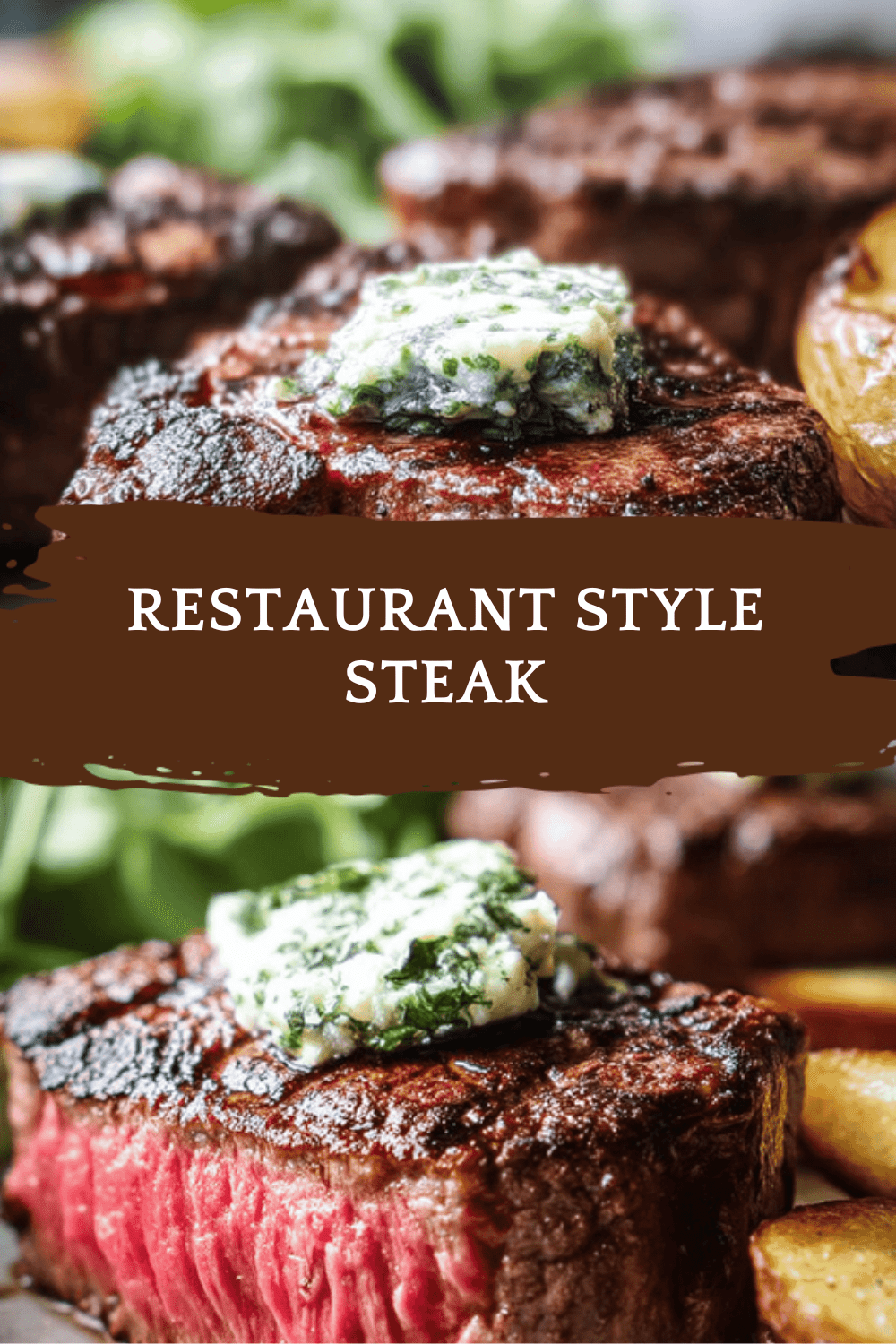
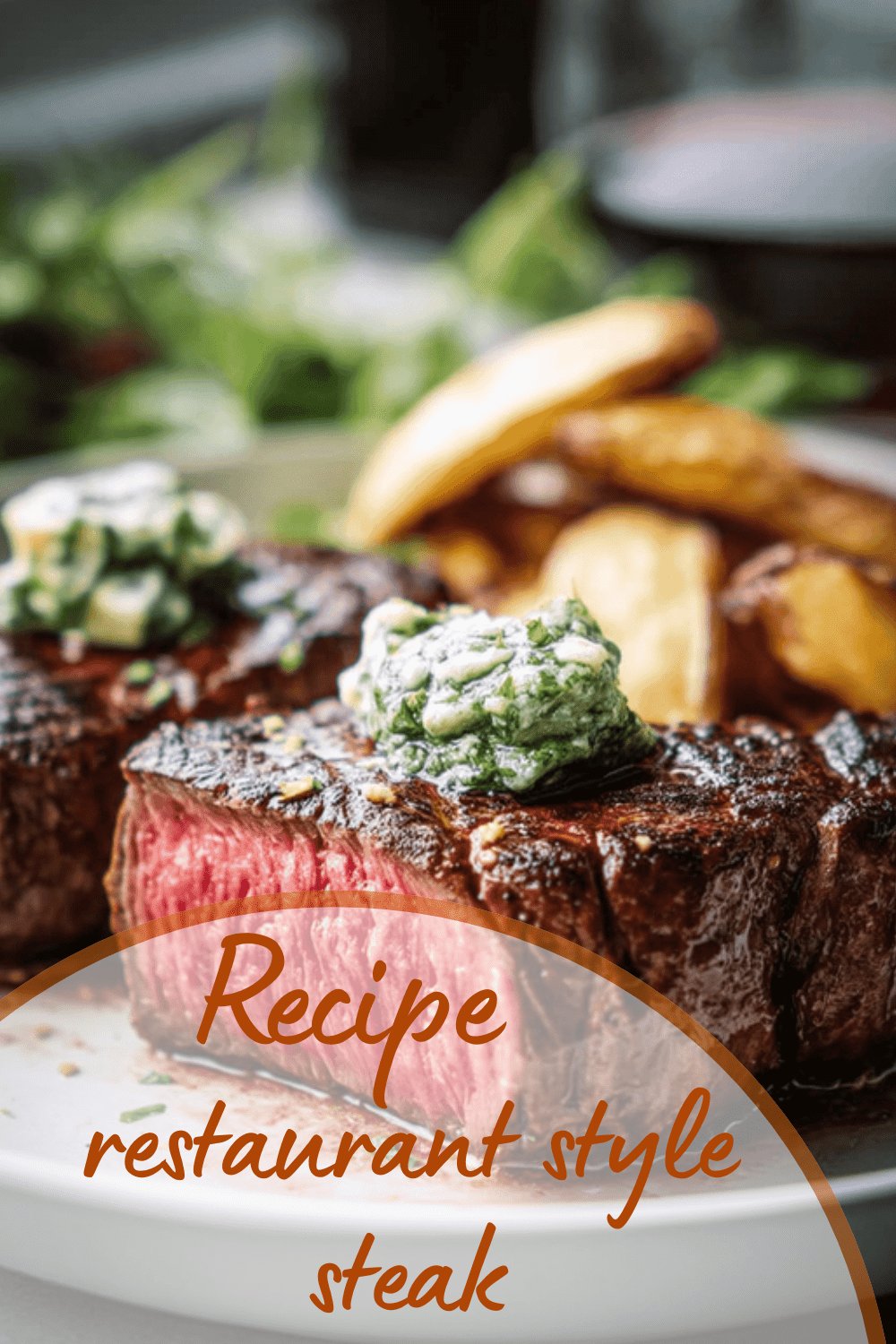
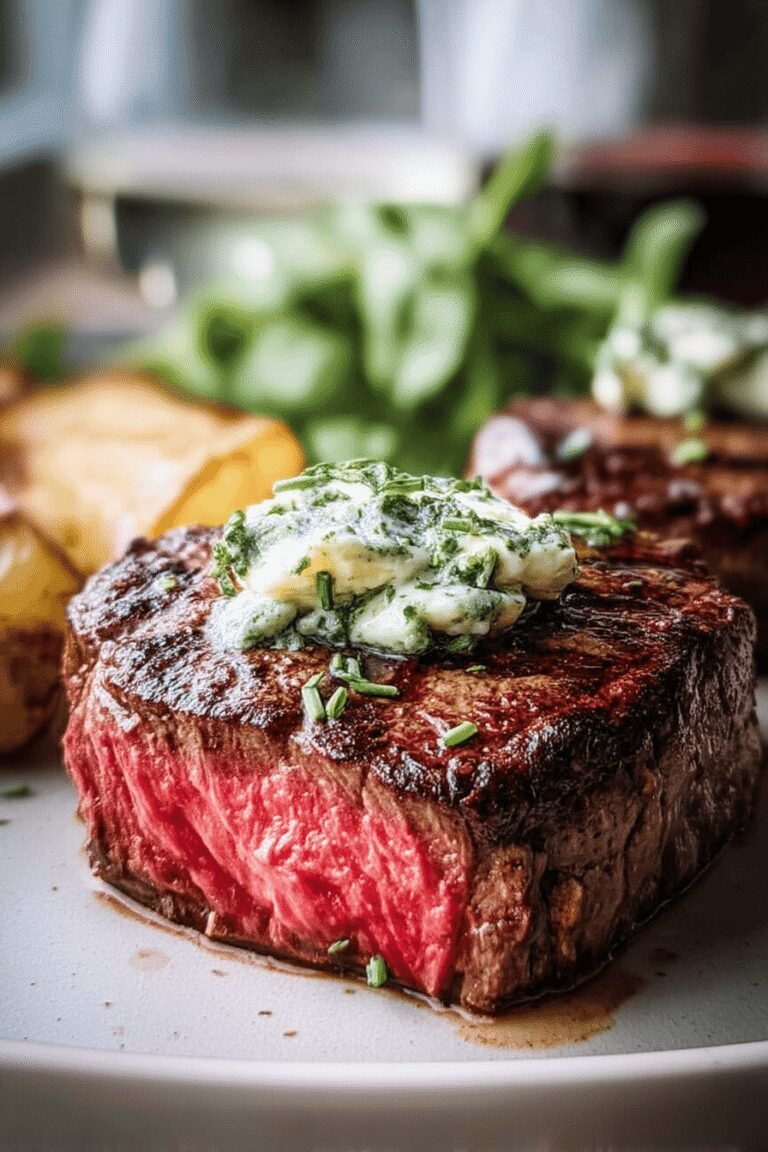
Serve your restaurant style steak drizzled with the fragrant garlic-thyme butter from the pan. Complement with classic sides like creamy mashed potatoes, roasted vegetables, or a crisp garden salad for a balanced meal. Leftover herb butter also makes a tasty drizzle for your veggies. This straightforward recipe gives you a juicy, flavorful steak with the kind of crust and depth you’d expect from a top steakhouse.
For more comforting recipes with rich flavor, try our Creamy Garlic Butter Chicken for an easy dinner option that pairs well with steak.
Dietary Substitutions to Customize Your restaurant style steak
Protein and Main Component Alternatives
- Vegan options: Replace ribeye or scotch fillet with thick portobello mushroom caps or seitan steaks. These plant-based proteins provide a hearty texture and absorb herbs and spices well for a similarly rich experience.
- Low-calorie alternatives: Opt for lean cuts like sirloin, or substitute with boneless, skinless chicken breasts or turkey fillets. These options reduce fat content while maintaining high protein levels.
- Gluten-free options: This steak recipe itself is gluten-free, but ensure any accompanying sauces or seasonings are certified gluten-free to avoid cross-contamination.
Vegetable, Sauce, and Seasoning Modifications
- Vegetables: Swap traditional sides like mashed potatoes for roasted cauliflower or steamed green beans to lower carbs or increase fiber intake.
- Sauces: Replace buttery pan drippings with a tomato-based salsa, chimichurri, or avocado puree to accommodate dairy-free or lighter diets without losing depth of flavor.
- Seasonings: Use fresh herbs such as rosemary, oregano, or tarragon instead of dried spice blends for mild but aromatic profiles, which is helpful for sensitive digestion or allergies.
Mastering restaurant style steak: Advanced Tips and Variations
- Pro cooking techniques: Use a digital meat thermometer to check for precise doneness 52°C (125°F) for medium rare is ideal. Rest steak under loose foil to retain heat and moisture. For thicker steaks, sear all edges to lock juices before oven finishing.
- Flavor variations: Experiment by marinating steaks in a mixture of soy sauce, balsamic vinegar, garlic, and herbs before cooking. Alternatively, spice it up with chipotle powder or smoked paprika for a smoky kick.
- Presentation tips: Slice steak thinly against the grain and fan on the plate for elegant serving. Garnish with microgreens, freshly ground black pepper, or a light drizzle of olive oil infused with herbs.
- Make-ahead options: Marinate your steaks overnight to deepen flavor. You can also partially cook steaks and finish them fresh on the day of serving to save time while keeping the texture excellent.
How to Store restaurant style steak: Best Practices
| Storage Method | Guideline | Details |
|---|---|---|
| Refrigeration | Within 2 hours | Store cooked steak in airtight containers; consume within 3-4 days for freshness. |
| Freezing | Wrap tightly | Wrap in plastic wrap and foil to prevent freezer burn. Store up to 3 months. |
| Reheating | Low heat | Warm gently in an oven or stovetop pan with a lid to maintain moisture and flavor. |
| Meal prep | Portion before storing | Divide steak into individual servings before refrigerating or freezing for convenient meals. |
FAQs: Frequently Asked Questions About restaurant style steak
What thickness of steak works best for cooking restaurant-style steak on the stove?
Steaks up to about 1 inch (2.5 cm) thick are ideal for pan-seared restaurant-style cooking. This thickness allows the steak to cook evenly on the stove without needing to finish in the oven. Thicker cuts often require oven finishing to reach the desired doneness without burning the outside.
How do I prepare my steak before cooking to get a good sear and flavor?
Remove the steak from the refrigerator and let it sit at room temperature for 20-30 minutes. Pat the surface dry with paper towels to remove excess moisture. Then generously season both sides with salt and pepper. This method helps create a flavorful crust when searing in a hot skillet.
What is the process for pan-searing and basting a steak like in restaurant-style recipes?
Heat a skillet until very hot, almost smoking. Add oil and place the steak in the pan, cooking undisturbed for a few minutes per side to form a crust. Lower the heat slightly and add butter, smashed garlic cloves, and fresh herbs like thyme or rosemary. Tilt the pan and spoon the melted butter over the steak repeatedly to infuse flavor and keep it moist.
How long should steak rest after cooking, and why is this important?
Let the steak rest for 5 to 10 minutes loosely covered with foil after cooking. Resting allows the juices to redistribute evenly inside the meat, resulting in a juicier, more tender steak. Cutting into it too soon can cause the juices to run out, leaving the steak dry.
What side dishes pair well with restaurant-style steak?
Classic sides include creamy mashed potatoes, sautéed mushrooms, garlic spinach, roasted vegetables, or a fresh garden salad. You can also use the skillet’s garlic-thyme butter drippings as a sauce over steamed greens or baby potatoes to tie the whole meal together.
restaurant style steak
🥩 Enjoy the restaurant-quality taste at home by mastering the art of cooking a perfect steak with our detailed recipe.
🍖 Savor the rich, herb-butter basted flavors that elevate this steak to a gourmet experience.
- Total Time: 21 to 30 minutes
- Yield: 2 servings 1x
Ingredients
1 to 2 boneless ribeye or scotch fillet steaks
1 tablespoon vegetable oil
Salt and pepper
75 g unsalted butter
6 sprigs fresh thyme or 3 sprigs rosemary
5 garlic cloves
Instructions
1-First Step: Remove the ribeye or scotch fillet steaks from the refrigerator. Allow them to come to room temperature for about 30 minutes. This step is crucial for even cooking, preventing a cold center and ensuring the steak cooks uniformly. Pat steaks thoroughly dry using paper towels to eliminate moisture that could hinder crust formation.
2-Second Step: Heat a heavy skillet ideally cast iron over high heat until the pan starts to smoke gently. Add 1 tablespoon of vegetable oil or olive oil. While the skillet is heating, season both sides of the steaks generously with kosher salt and freshly cracked black pepper. This seasoning anchors the natural flavors and helps create a delicious crust when seared.
3-Third Step: Place the steaks in the hot skillet. Cook the first side untouched for 2 to 2.5 minutes to develop that coveted sear. Flip the steak and cook the second side for 1 minute. Optionally, briefly sear the edges by holding the steak upright with tongs this seals the juices inside and enhances flavor.
4-Fourth Step: Push the steaks to one side of the skillet. Add the cubed unsalted butter, smashed garlic cloves, and fresh sprigs of thyme or rosemary. The butter will begin to foam and sputter as it melts stand back for safety. This butter-herb mixture will be the base for basting.
5-Fifth Step: While the butter foams, continuously spoon it over the tops of the steaks. This flavorful basting infuses the meat with garlic and herb richness while helping to maintain juiciness. Continue basting and cooking for about 2 more minutes, aiming for an internal temperature of around 52°C (125°F) for medium rare.
6-Oven Finishing (for thicker steaks over 2.5 cm): If your steaks are thicker than 2.5 cm, after searing, transfer the skillet (or steels onto an oven-safe tray) to a preheated oven at 200°C (400°F). Roast for 5 to 10 minutes, depending on steak thickness and desired doneness. Use a meat thermometer to check the internal temperature precisely.
7-Sixth Step: Remove the steaks from heat slightly before reaching your target temperature since carryover cooking will raise the internal heat. Transfer steaks to a plate and loosely cover with foil to rest for 5 to 10 minutes. Resting allows the meat fibers to relax and redistribute juices, crucial for a tender, juicy steak. For a deep dive on resting techniques, check out Tips for Resting Steak and Why It’s Important.
8-Final Step: Serve your restaurant style steak drizzled with the fragrant garlic-thyme butter from the pan. Complement with classic sides like creamy mashed potatoes, roasted vegetables, or a crisp garden salad for a balanced meal. Leftover herb butter also makes a tasty drizzle for your veggies. This straightforward recipe gives you a juicy, flavorful steak with the kind of crust and depth you’d expect from a top steakhouse.
Last Step:
Please leave a rating and comment letting us know how you liked this recipe! This helps our business to thrive and continue providing free, high-quality recipes for you.Notes
🧂 Use steaks no thicker than 2.5 cm for stovetop-only cooking; thicker cuts benefit from finishing in the oven.
🌡️ Bringing steaks to room temperature before cooking ensures even doneness.
🍽️ Pat steaks dry for a superior crust and sear in a smoking hot pan.
- Prep Time: 10 minutes
- Resting: 5 to 10 minutes
- Cook Time: 6 to 10 minutes
- Category: Main Course
- Method: Stovetop and Oven
- Cuisine: American
- Diet: Keto-Friendly
Nutrition
- Serving Size: 1 steak (approx. 300 g)
- Calories: 485 to 919
- Sugar: 0 g
- Sodium: 161 to 252 mg
- Fat: 43.1 to 73 g
- Saturated Fat: 25 g
- Unsaturated Fat: 13 g
- Trans Fat: 0.5 g
- Carbohydrates: 4 to 14 g
- Fiber: 0 g
- Protein: 12.8 to 61 g
- Cholesterol: 95 to 247 mg






Made this steak recipe last night and it was phenomenal!
The marinade really took it to the next level. My guests couldn’t stop raving about it. 🍴 Definitely adding this to my dinner rotation!