

Why You’ll Love This Pasta
Pasta stands as a staple in kitchens around the world, offering a blend of simplicity and nutrition that appeals to home cooks and busy parents alike. Its basic composition of flour, water, and sometimes eggs makes it a versatile base for countless meals, as outlined in the traditions of Italian cuisine. This article draws from the blog’s focus on community and shared meals to explore how pasta recipes bring people together, whether at picnics or family gatherings.
One key reason to embrace pasta is its ease of preparation, which involves minimal ingredients and a quick cooking process ideal for hectic schedules. For instance, basic pasta dishes can be ready in under 30 minutes, making them perfect for students or working professionals. Moreover, pasta’s health benefits stem from its nutritious components, such as vitamins and minerals from whole grains, supporting diets that prioritize wellness.
Pasta’s versatility allows it to adapt to various dietary needs, from vegan and gluten-free options to low-calorie versions, ensuring everyone from diet-conscious individuals to families can enjoy it. The distinctive flavor comes from fresh herbs, spices, and ingredients that create a comforting yet sophisticated taste. By incorporating these elements, pasta becomes a dish that fosters memorable moments around the table, aligning with the blog’s mission of sharing food with community.
Jump to:
- Why You’ll Love This Pasta
- Essential Ingredients for Pasta
- How to Prepare the Perfect Pasta: Step-by-Step Guide
- Dietary Substitutions to Customize Your Pasta
- Subheading for Expanded Content
- Mastering Pasta: Advanced Tips and Variations
- How to Store Pasta: Best Practices
- FAQs: Frequently Asked Questions About Pasta
- What ingredients are used to make different types of pasta?
- How can I tell when pasta is cooked perfectly?
- What are common sauce pairings for different pasta shapes?
- How should I store uncooked and cooked pasta properly?
- Is pasta suitable for people with gluten intolerance?
- Pasta
- Ingredients
- Instructions
- Last Step:
- Notes
- Nutrition
- Did you make this recipe?
Essential Ingredients for Pasta
Pasta dough typically begins with durum wheat semolina as the main flour, mixed with water or eggs to form a simple yet effective base. Alternatives such as barley, buckwheat, rye, rice, maize, chestnut, or chickpea flours cater to regional preferences and dietary restrictions like gluten intolerance. Other additions might include vegetable purees, mushrooms, cheeses, herbs, and spices to enhance both flavor and nutrition.
For the specific recipe highlighted here, the ingredients are extracted and listed below in a structured format to ensure clarity and precision. This list covers all items needed, drawing from traditional and modern variations:
- 200g spaghetti – Provides the base carbohydrate needed for energy and structure.
- 2 tbsp olive oil – Adds healthy fats and enhances flavor.
- 3 cloves garlic, minced – Infuses the dish with aromatic depth and health benefits.
- 150g cherry tomatoes – Contributes natural sweetness and vitamin C.
- 50g fresh basil leaves – Offers freshness and antioxidant properties.
- Salt to taste – Enhances all flavors.
Special Dietary Options include ways to modify the recipe, such as using avocado oil instead of olive oil for vegan diets or opting for rice or corn spaghetti for gluten-free needs. Commercial dried pasta often includes added vitamins and minerals to compensate for processing losses, further boosting its nutritional profile.
How to Prepare the Perfect Pasta: Step-by-Step Guide
Preparation methods for pasta vary between fresh and dried forms, with fresh pasta involving kneading dough from semolina flour, water, and eggs, then rolling and cutting it into shapes. This process takes 20 minutes to over an hour depending on skill, and fresh pasta cooks in 1 to 3 minutes, pairing well with light sauces. In contrast, dried pasta is made through industrial extrusion and drying, requiring 8 to 12 minutes to cook, and suits heartier sauces.
Here is a step-by-step guide for preparing a simple pasta dish, incorporating tips like salting the water for flavor and achieving al dente texture:
- First Step: Bring a large pot of salted water to a boil, ensuring it is salted well to flavor the pasta during cooking.
- Second Step: Add the pasta to the boiling water and cook according to package instructions, typically 8-10 minutes, until al dente. Stir occasionally to prevent sticking, a common issue with both fresh and dried varieties.
- Third Step: While the pasta cooks, heat olive oil in a pan over medium heat and sauté minced garlic for 1-2 minutes until fragrant.
- Fourth Step: Add halved cherry tomatoes to the pan, cooking until softened, about 5 minutes, allowing the flavors to meld.
- Fifth Step: Drain the pasta, reserving a cup of cooking water, then toss pasta with the garlic and tomato mixture, adding reserved water to adjust consistency.
- Sixth Step: Stir in fresh basil leaves and season with salt to taste, mixing well.
- Final Step: Serve immediately, garnished with optional elements. For added context, note that pasta’s nutritional value includes about 160 calories per 100 grams, with moderate iron, folate, and B vitamins.
Nutritionally, cooked pasta is roughly 62% water and has a lower glycemic index than bread, making it a smart choice for diet-conscious individuals. Explore variations like Mexican Enchilada Lasagna for more ideas on sauce integration. Additionally, for more on pasta’s health aspects, refer to external resources like Is pasta healthy?.
Dietary Substitutions to Customize Your Pasta
Pasta offers flexibility for different dietary needs, using substitutes like rice, corn, quinoa, or amaranth flours for gluten-free versions. Traditional recipes with eggs add richness, but alternatives accommodate vegan diets by omitting animal products. This section builds on the general overview of pasta ingredients to provide practical modifications.
Protein and Main Component Alternatives:
- Replace traditional meat with plant-based proteins such as tofu or tempeh for vegan options.
- Use grilled chicken or shrimp for a lean protein boost, aligning with the blog’s focus on crowd-pleasing dishes.
Vegetable, Sauce, and Seasoning Modifications:
- Swap cherry tomatoes with sun-dried tomatoes for intensified flavor, incorporating regional adaptations.
- Use a creamy cashew sauce as a dairy-free alternative, enhancing versatility for travelers and seniors.
- Season with fresh oregano or rosemary based on availability and taste preference.
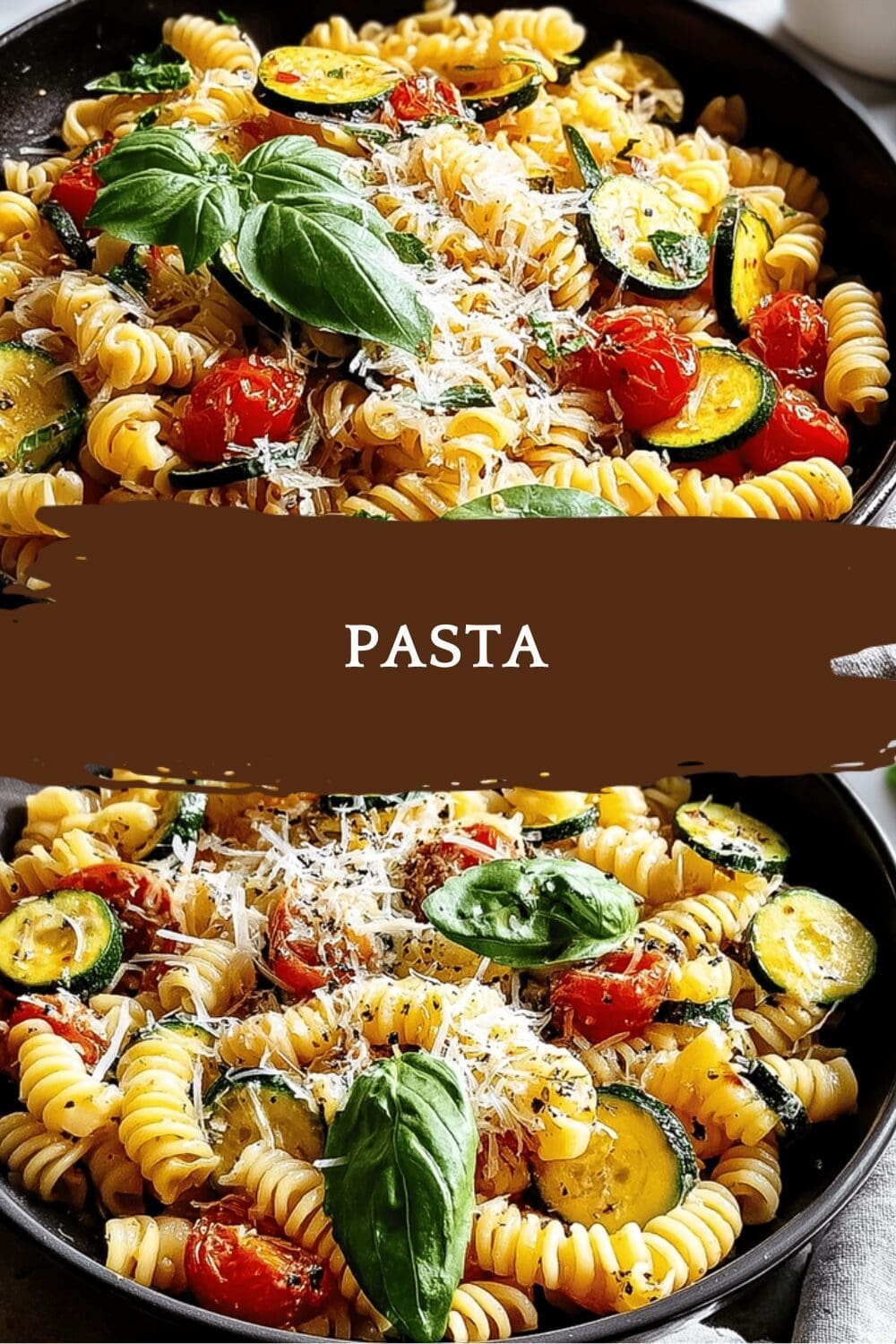
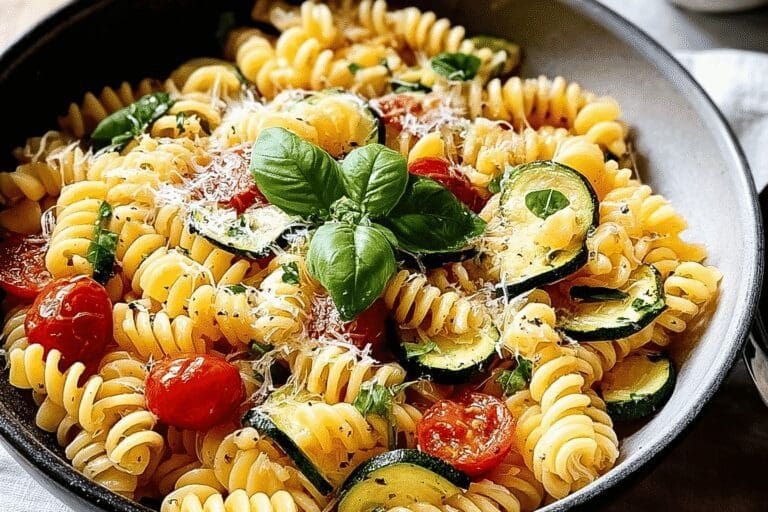
- Incorporate seasonal vegetables like zucchini or bell peppers to enhance nutrition and texture, making it suitable for baking enthusiasts or community events.
Pasta’s global adaptations mean these changes maintain its essence while meeting diverse needs, such as low-fat or high-protein diets.
Subheading for Expanded Content
To further explore, gluten-free pasta versions use substitutes that preserve texture, ensuring options for those with intolerances. This approach supports the blog’s goal of accessible, shareable recipes for all audiences.
Mastering Pasta: Advanced Tips and Variations
Advanced techniques for pasta involve cooking in ample boiling water for even texture and finishing in sauce for better flavor absorption, as seen in professional methods. Flavor variations can include adding roasted garlic or smoked paprika to create unique profiles, drawing from pasta’s regional styles in Italy and beyond. Pasta’s versatility extends to soups, baked dishes, and stuffed varieties, making it a favorite for food enthusiasts.
Pro cooking techniques: Cook pasta in plenty of boiling water for even texture; finish cooking in sauce for better flavor absorption.
Flavor variations: Experiment with adding roasted garlic, smoked paprika, or lemon zest to change the flavor profile, incorporating herbs and spices mentioned in the overview.
Presentation tips: Plate pasta twirled on a fork for aesthetic appeal; garnish with fresh herbs and a drizzle of high-quality olive oil to enhance communal dining experiences.
Make-ahead options: Prepare sauce in advance and store in the refrigerator; cook pasta fresh to avoid sogginess or reheat quickly with a splash of water. For more inspiration, check out Vegetarian Lasagna, which complements pasta variations.
How to Store Pasta: Best Practices
Storage methods for pasta ensure it retains quality, with uncooked dried pasta lasting up to a year in a cool, dry place. Cooked pasta can be refrigerated for up to five days or frozen for two to three months, adding a bit of oil to reduce sticking. These practices align with the blog’s emphasis on make-ahead dishes for gatherings.
Refrigeration: Store cooked pasta in an airtight container for up to 3 days to maintain freshness, ideal for busy parents and working professionals.
Freezing: Freeze cooked pasta with sauce separately in freezer-safe containers to preserve flavor and texture, lasting up to 2 months, supporting meal prep for community events.
Reheating: Warm pasta gently in a skillet over low heat with added water or broth to prevent drying out, ensuring it remains appetizing.
Meal prep considerations: Batch cook and portion pasta for easy grab-and-go meals, ensuring proper cooling before refrigeration, as pasta is widely consumed and adaptable.
FAQs: Frequently Asked Questions About Pasta
What ingredients are used to make different types of pasta?
Traditional pasta is made from wheat flour, usually semolina, mixed with water or eggs. Fresh pasta often includes eggs, creating a softer texture. There are also gluten-free alternatives made from rice, corn, quinoa, or legume flours like chickpea and lentil, catering to dietary restrictions. These variations change the taste and cooking process but maintain pasta’s versatility.
How can I tell when pasta is cooked perfectly?
Pasta is typically cooked “al dente,” meaning it should be firm to the bite but not hard. To check, taste the pasta a minute or two before the package’s suggested cooking time ends. It should have a slight chew without being crunchy or mushy. Adding salt to boiling water enhances flavor, and stirring occasionally prevents sticking during cooking.
What are common sauce pairings for different pasta shapes?
Pasta shapes complement specific sauces based on texture and thickness. Thin strands like spaghetti work well with light tomato or oil-based sauces. Ribbons like fettuccine pair nicely with creamy sauces, while ridged or tube-shaped pasta such as rigatoni holds chunky meat or vegetable sauces. Matching shapes and sauces improves flavor distribution and overall taste.
How should I store uncooked and cooked pasta properly?
Uncooked dried pasta should be stored in an airtight container in a cool, dry place, preserving quality for up to a year. Cooked pasta should be refrigerated in airtight containers and eaten within five days. For longer storage, cooked pasta can be frozen for two to three months without significant loss of texture or flavor.
Is pasta suitable for people with gluten intolerance?
Regular pasta contains gluten, which is unsuitable for those with celiac disease or gluten sensitivity. However, there are many gluten-free pasta options using rice, corn, quinoa, buckwheat, or vegetable-based flours. These alternatives provide similar textures and flavors, allowing gluten-sensitive individuals to enjoy pasta safely. Always check packaging for gluten-free certification.
Pasta
🍝 Pasta Recipes and Cooking Tips offer versatile, satisfying homemade meals that cater to various tastes and dietary needs.
🧑🍳 Understanding pasta ingredients and cooking methods helps you master perfect textures and flavors every time.
- Total Time: 20 minutes to 1 hour + cooking time
- Yield: Varies depending on recipe
Ingredients
– 200g spaghetti for base carbohydrate needed for energy and structure
– 2 tbsp olive oil for healthy fats and flavor
– 3 cloves garlic, minced for aromatic depth and health benefits
– 150g cherry tomatoes for natural sweetness and vitamin C
– 50g fresh basil leaves for freshness and antioxidant properties
– Salt to taste for enhancing all flavors
Instructions
1-First Step: Bring a large pot of salted water to a boil, ensuring it is salted well to flavor the pasta during cooking.
2-Second Step: Add the pasta to the boiling water and cook according to package instructions, typically 8-10 minutes, until al dente. Stir occasionally to prevent sticking, a common issue with both fresh and dried varieties.
3-Third Step: While the pasta cooks, heat olive oil in a pan over medium heat and sauté minced garlic for 1-2 minutes until fragrant.
4-Fourth Step: Add halved cherry tomatoes to the pan, cooking until softened, about 5 minutes, allowing the flavors to meld.
5-Fifth Step: Drain the pasta, reserving a cup of cooking water, then toss pasta with the garlic and tomato mixture, adding reserved water to adjust consistency.
6-Sixth Step: Stir in fresh basil leaves and season with salt to taste, mixing well.
7-Final Step: Serve immediately, garnished with optional elements. For added context, note that pasta’s nutritional value includes about 160 calories per 100 grams, with moderate iron, folate, and B vitamins.
Last Step:
Please leave a rating and comment letting us know how you liked this recipe! This helps our business to thrive and continue providing free, high-quality recipes for you.Notes
🧂 Always salt pasta cooking water for enhanced flavor.
⏲️ Avoid overcooking to achieve the ideal “al dente” texture.
🥄 Stir pasta occasionally when cooking to prevent sticking.
- Prep Time: 20 minutes to 1 hour (fresh pasta) 8 to 12 minutes (dried pasta cooking)
- Cook Time: 8 to 12 minutes
- Category: Main Course
- Method: Boiling, kneading, cutting
- Cuisine: Italian
- Diet: Varies (can be gluten-free)
Nutrition
- Serving Size: Varies
- Calories: 160 (per 100 grams cooked plain pasta)
- Fat: 1.8 g (per 100 grams cooked plain pasta)
- Carbohydrates: 31 g (per 100 grams cooked plain pasta)
- Protein: 6 g (per 100 grams cooked plain pasta)


