

Benefits and Advantages of Pan Roasted Chicken
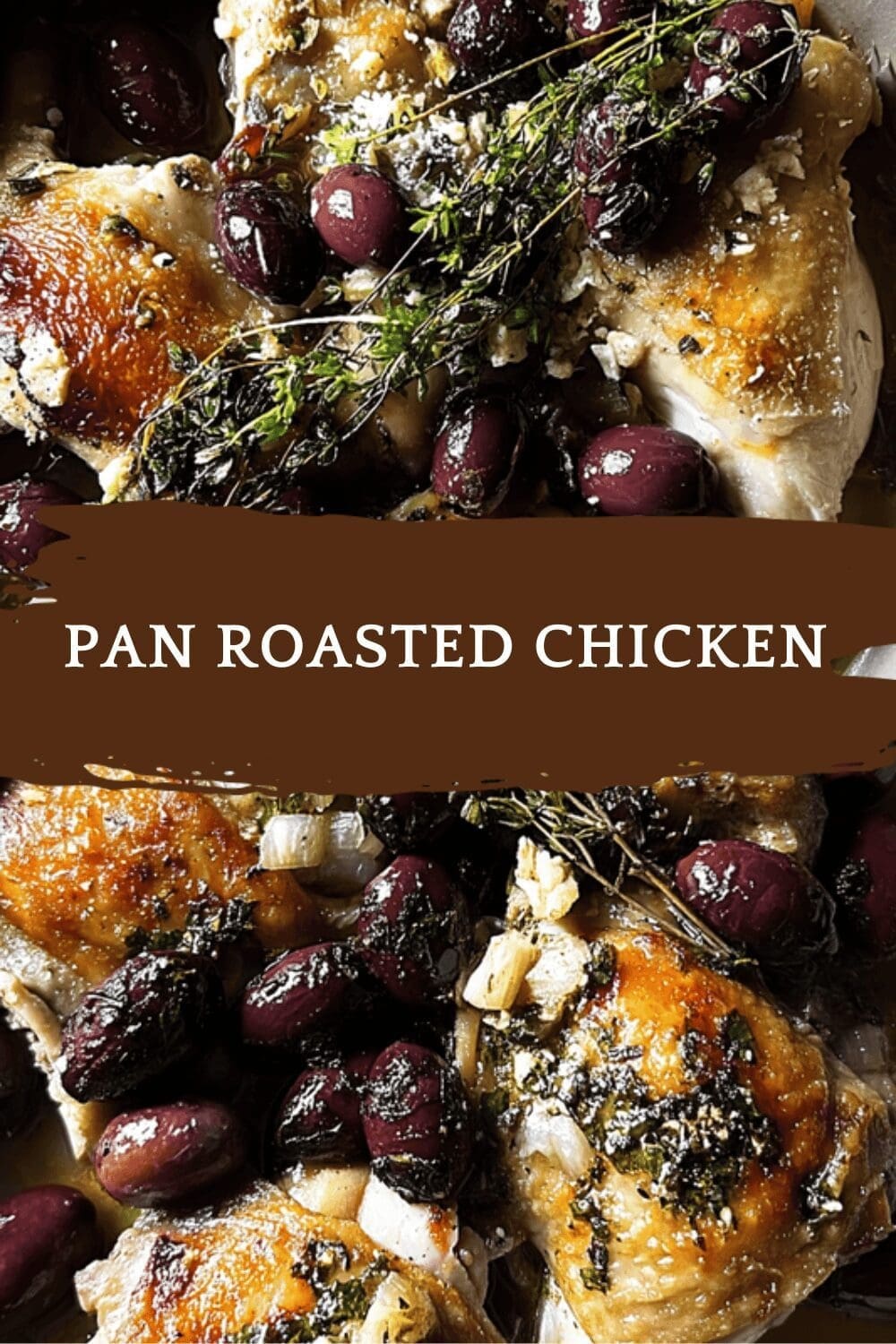
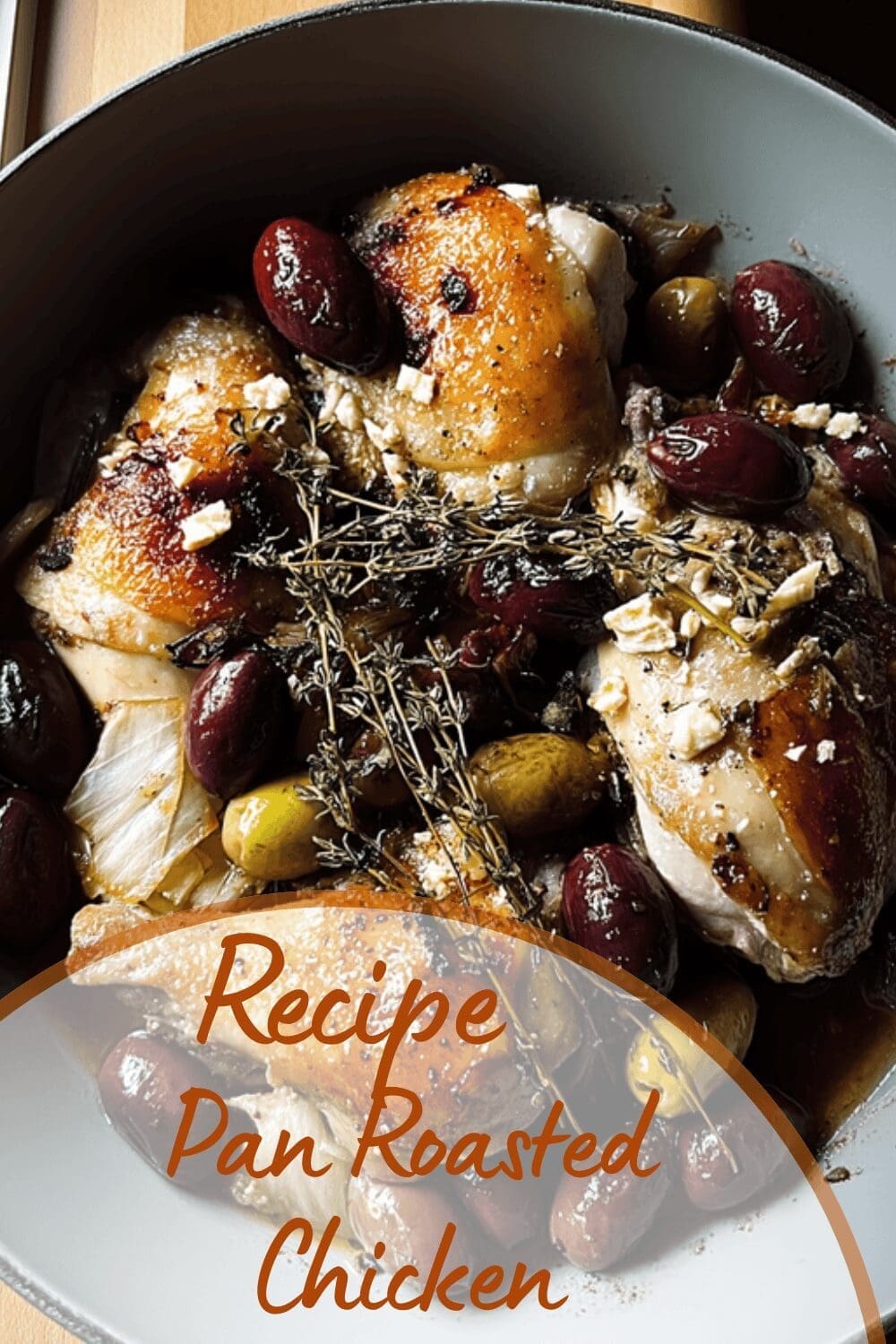
Pan roasted chicken is a standout recipe due to its ease of preparation and versatile flavor profile. This cooking method allows for a crispy outer layer while keeping the inside tender and juicy, making it both delicious and satisfying. It is a healthier alternative to deep frying, as it uses less oil and retains essential nutrients. Additionally, pan roasting is quick and requires minimal equipment, ideal for busy cooks. The recipe adapts well to various dietary needs, making it suitable for a wide range of preferences and restrictions. The combination of simplicity, health benefits, and excellent taste makes pan roasted chicken a favored choice for home cooks.
Jump to:
- Benefits and Advantages of Pan Roasted Chicken
- Essential Ingredients for Pan Roasted Chicken
- Dietary Substitutions to Customize Your Pan Roasted Chicken
- How to Prepare the Perfect Pan Roasted Chicken: Step-by-Step Guide
- Mastering Pan Roasted Chicken: Advanced Tips and Variations
- Preparation and Cooking Techniques
- Flavor Variations
- How to Store Pan Roasted Chicken: Best Practices
- Refrigeration Tips
- Freezing Guidelines
- Reheating Suggestions
- Nutritional Value of Pan Roasted Chicken
- FAQs: Frequently Asked Questions About Pan Roasted Chicken
- What type of chicken is best for making pan-roasted chicken?
- How can I get crispy skin on pan-roasted chicken without burning the spices?
- What simple spices work well for seasoning pan-roasted chicken?
- How do I make a quick tahini sauce to serve with pan-roasted chicken?
- What sides pair well with pan-roasted chicken for a complete meal?
- Pan Roasted Chicken
- Ingredients
- Instructions
- Last Step:
- Notes
- Nutrition
- Did you make this recipe?
Essential Ingredients for Pan Roasted Chicken
Key ingredients include boneless chicken breasts or thighs, olive oil, garlic, fresh herbs like rosemary and thyme, salt, and black pepper. Olive oil is preferred for its heart-healthy fats, while garlic enhances flavor and offers immune-boosting properties. Fresh herbs provide aroma and antioxidants. For vegan options, consider substituting chicken with plant-based protein alternatives such as tofu or seitan, seasoned similarly. Gluten-free considerations involve verifying the seasoning blends contain no hidden gluten. Low-calorie options include using skinless chicken and minimal oil. Each ingredient is chosen for its role in flavor, health, and dietary adaptability.
Dietary Substitutions to Customize Your Pan Roasted Chicken
Various substitutions can make pan roasted chicken accessible to different dietary requirements. For vegetarians or vegans, plant-based proteins like tofu, tempeh, or seitan can replace chicken, maintaining a similar texture and flavor profile when marinated and pan roasted. For gluten-free diets, ensure all seasonings are certified gluten-free, and avoid any marinade or sauce containing wheat-based ingredients. Low-calorie alternatives include using skinless chicken cuts and substituting oil with cooking sprays or broth to reduce fat content. Additionally, herbs and spices can be adjusted to cater to individual taste preferences or allergen considerations. These substitutions retain the essence of the pan roasted cooking technique while making the dish inclusive and customizable.
How to Prepare the Perfect Pan Roasted Chicken: Step-by-Step Guide
- Prepare the chicken by patting it dry and seasoning it generously with salt, pepper, and your chosen herbs or spices. This enhances flavor and ensures a crispy skin.
- Heat olive oil in a heavy skillet over medium-high heat until shimmering. This prepares the pan for even cooking and prevents sticking.
- Place the chicken pieces skin-side down in the pan. Sear without moving them for 5-7 minutes to develop a golden crust.
- Flip the chicken and reduce heat to medium. Continue cooking for another 5-7 minutes or until the internal temperature reaches 165°F (74°C).
- For thicker cuts, transfer the pan to a preheated oven at 375°F (190°C) for an additional 10-15 minutes to finish cooking evenly.
- Remove the chicken from the pan and let rest for 5 minutes to redistribute juices, ensuring moistness.
- Serve with your choice of sides or sauces. For dietary adaptations, use plant-based proteins following the same steps, adjusting cooking times as needed for the substitute.
- Clean the pan while the chicken rests to maintain kitchen order.
Mastering Pan Roasted Chicken: Advanced Tips and Variations
Taking your pan roasted chicken to the next level involves a few thoughtful techniques and ingredient choices. Here are some advanced tips to help you master this dish and introduce enjoyable variations:
Preparation and Cooking Techniques
- Room temperature chicken: Let your chicken rest at room temperature for 20-30 minutes before cooking to ensure even heat distribution and thorough cooking.
- Brining: Briefly brine your chicken in a lightly salted water solution to enhance juiciness and flavor depth.
- Herb and spice blends: Experiment with herbs like smoked paprika, lemon zest, or even a dash of cayenne for subtle heat and complex aroma.
- Pan additions: Add vegetables such as mushrooms, asparagus, or baby potatoes to the pan during the last few minutes of cooking for a one-pan meal.
- Butter alternatives: Use clarified butter or ghee instead of olive oil to encourage deeper browning and richer flavor.
Flavor Variations
- Try incorporating fresh thyme and garlic cloves during basting for added aroma.
- Introduce citrus by finishing with a squeeze of lemon juice or zest to brighten flavors.
- Consider serving with a tangy tahini sauce or a sumac onion salad for complementary taste layers.
How to Store Pan Roasted Chicken: Best Practices
Storing your pan roasted chicken correctly preserves its juicy texture and vibrant flavor:
Refrigeration Tips
- Cool the chicken to room temperature within two hours of cooking to reduce risk of bacterial growth.
- Transfer to an airtight container or cover tightly with plastic wrap to lock in moisture and prevent odors from spreading.
- Consume within 3 to 4 days for the best flavor and safety.
Freezing Guidelines
- Wrap chicken portions tightly in aluminum foil or plastic wrap and place in freezer-safe bags or containers to prevent freezer burn.
- Frozen chicken maintains quality for up to 4 months at 0°F (-18°C).
- Remember to label packages with the date to keep track of storage time.
Reheating Suggestions
- Thaw frozen chicken overnight in the refrigerator.
- Reheat gently in a moderate oven around 350°F (175°C), covered with foil to retain moisture.
- Alternatively, microwave on medium power with a damp paper towel covering to prevent drying out.
- Avoid repeated reheating to maintain food safety and texture.
Nutritional Value of Pan Roasted Chicken
Pan roasted chicken is a nutritious, well-balanced dish that supports varied dietary needs.
| Nutrient | Amount per Serving | Benefits |
|---|---|---|
| Calories | 200–250 kcal | Provides essential energy while supporting weight management |
| Protein | 25–30 grams | Essential for muscle growth, repair, and satiety |
| Fat | Low saturated fat, dependent on skin and cooking fat used | Includes heart-healthy fats when olive oil is used |
| B vitamins (Niacin, B6) | Varies by serving | Supports metabolism and energy production |
| Minerals (Phosphorus, Selenium) | Trace amounts per serving | Important for bone health and immune function |
FAQs: Frequently Asked Questions About Pan Roasted Chicken
What type of chicken is best for making pan-roasted chicken?
Young chickens like coquelet or poussin are ideal because they fit well in the pan and have tender meat. However, you can also use bone-in chicken breasts, skin-on thighs, drumsticks, Cornish hens, or even duck breast. Choose cuts with skin for the best crispy crust and richer flavor.
How can I get crispy skin on pan-roasted chicken without burning the spices?
Start by cooking the chicken skin-side down over medium heat to render fat and develop a golden crust. Avoid high heat to prevent spices like paprika from burning. Once the skin is crispy, flip the chicken, then baste it with melted butter, fresh thyme, and garlic to add moisture and aroma before finishing in the oven.
What simple spices work well for seasoning pan-roasted chicken?
A blend of smoked paprika, paprika, garlic powder, salt, and freshly ground black pepper complements pan-roasted chicken nicely. These spices add warmth and a subtle smoky flavor that pairs well with herb salads and lemony condiments often served alongside.
How do I make a quick tahini sauce to serve with pan-roasted chicken?
Whisk together toasted sesame paste (tahini), finely grated garlic, fresh lemon juice, kosher salt, and cold water until smooth. Adjust water to reach your preferred consistency. This tangy sauce adds creamy brightness and balances the richness of the chicken.
What sides pair well with pan-roasted chicken for a complete meal?
Serve pan-roasted chicken with mashed potatoes, rice pilaf, or lower-carb options like cauliflower rice. Fresh herb salads with ingredients like mâche or watercress and tangy sumac onions brighten the plate and add refreshing texture alongside the warm, savory chicken.

Pan Roasted Chicken
🍋 Relish the simplicity and rich flavors of Pan Roasted Chicken Breasts with a refreshing lemon touch, ideal for any meal.
🐓 Enjoy juicy, perfectly cooked chicken paired with a vibrant herb salad and creamy tahini sauce for a delightful dining experience.
- Total Time: 1 hour 5 minutes
- Yield: 2 servings 1x
Ingredients
1 small chicken, about 2 pounds
1 teaspoon smoked paprika
1 teaspoon paprika
1 teaspoon garlic powder
1 teaspoon kosher salt
½ teaspoon freshly cracked black pepper
2 tablespoons avocado oil or neutral oil (grapeseed or canola)
3 tablespoons butter (or ghee for Whole30 and Paleo)
3 sprigs fresh thyme
3 cloves garlic, skins on and lightly smashed
7 ounces mâche or watercress
1 cup parsley leaves, roughly torn
1 cup dill leaves, roughly torn
½ cup fresh chives, roughly chopped
12 fresh mint leaves, roughly torn
2 large radishes, thinly sliced
2 tablespoons extra-virgin olive oil
Juice of half a lemon
¼ teaspoon kosher salt
¼ teaspoon freshly cracked black pepper
1 red onion, thinly sliced
Juice of ¼ lemon
1 teaspoon sumac
½ cup tahini
1 large clove garlic, finely chopped
1 tablespoon lemon juice
¼ teaspoon kosher salt
½ cup ice cold water
Instructions
1. Preheat oven to 400°F (204°C).
2. Remove the chicken’s backbone with a knife or kitchen shears. Halve the chicken and tuck wing tips behind.
3. Mix smoked paprika, paprika, garlic powder, salt, and pepper. Season chicken halves on both sides with the spice mix.
4. Heat oil in an oven-safe skillet over medium heat. Place chicken skin-side down. Press with a heavy pan and cook for 8 minutes.
5. Flip chicken, add butter, thyme, and garlic. Baste for 1 to 2 minutes.
6. Transfer to oven and roast until internal temperature reaches 160°F (71°C), about 12 minutes.
7. Remove chicken, tent with foil to keep warm.
8. For the herb salad, mix mâche, parsley, dill, chives, mint, radishes, olive oil, lemon juice, salt, and pepper. Serve with chicken.
9. For the sumac onions, combine onion, lemon juice, and sumac. Squeeze and refrigerate.
10. For tahini sauce, mix tahini, garlic, lemon juice, and salt. Whisk in water to desired consistency. Season and refrigerate.
Last Step:
Please leave a rating and comment letting us know how you liked this recipe! This helps our business to thrive and continue providing free, high-quality recipes for you.Notes
🔪 Use a young chicken like coquelet for better tenderness and fit.
🌿 Watercress is a great alternative if mâche is out of stock.
🐓 Retain pan juices for added flavor over roasted chicken.
- Prep Time: 30 minutes
- Resting Time: 10 minutes
- Cook Time: 25 minutes
- Category: Main Course
- Method: Pan-Roasting
- Cuisine: Mediterranean
- Diet: Gluten-Free
Nutrition
- Serving Size: 1/2 of recipe
- Calories: 620
- Sugar: 4 g
- Sodium: 980 mg
- Fat: 44 g
- Saturated Fat: 15 g
- Unsaturated Fat: 26 g
- Trans Fat: 0 g
- Carbohydrates: 19 g
- Fiber: 5 g
- Protein: 42 g
- Cholesterol: 150 mg


