

Why You’ll Love Nepali Momo
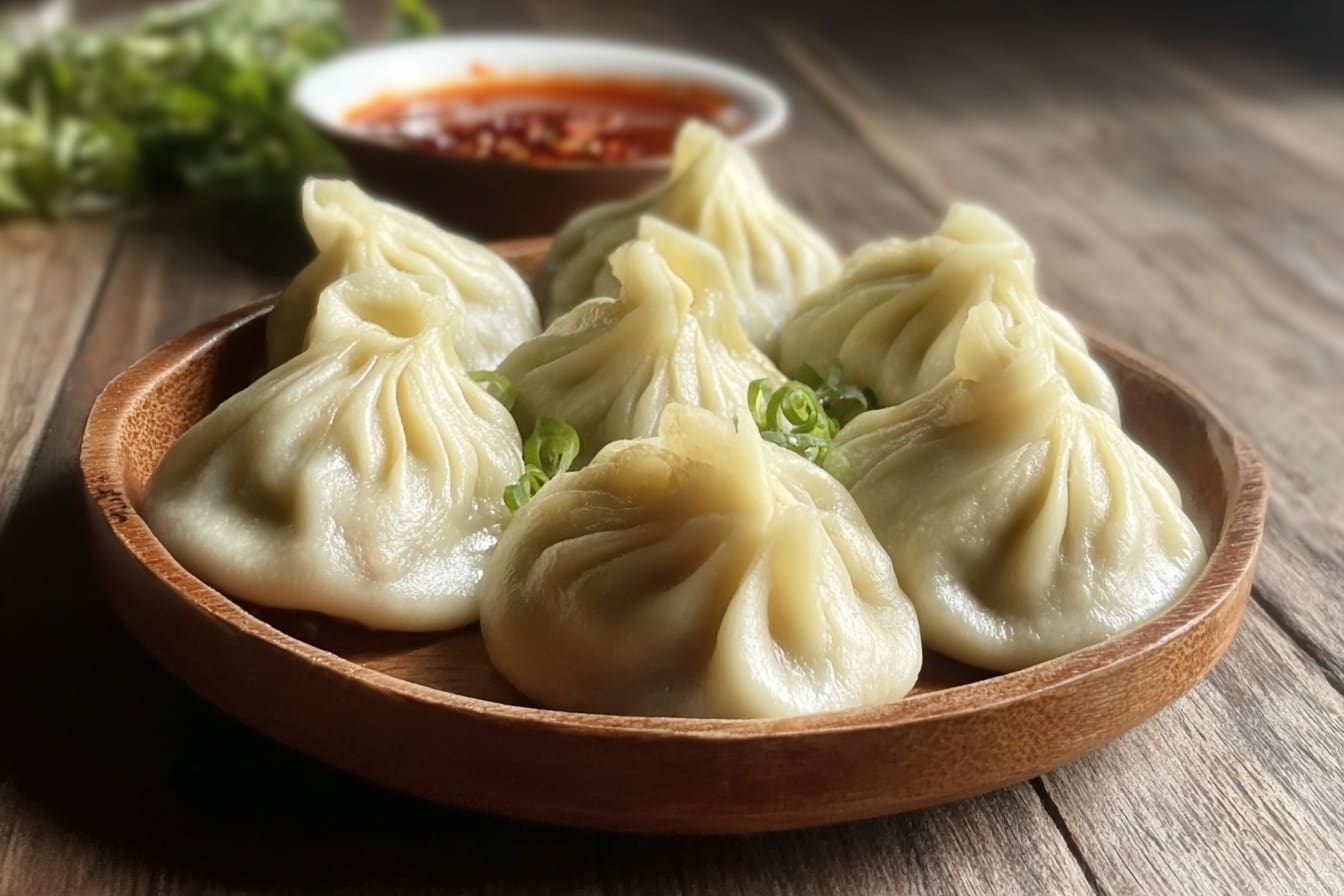
Nepali Momo is one of the most beloved dumplings in Himalayan cooking, and it earns that reputation for good reason. These steamed filled dumplings are tender, flavorful, and easy to share, which makes them a natural fit for family meals, potlucks, and gathering-friendly menus. If you enjoy food that feels comforting but still has bright seasoning and a satisfying bite, Nepali Momo belongs on your table.
Easy to prepare
The process is straightforward: make a simple dough from white flour and water, mix the filling, shape the dumplings, and steam them for about 10 to 20 minutes. Most of the work is hands-on rather than technical, so home cooks of many skill levels can make them successfully.
Good for many diets
Nepali Momo can be filled with chicken, buffalo, pork, mushrooms, paneer, potatoes, or mixed vegetables. That flexibility makes it useful for meat lovers, vegetarians, and cooks who want lighter options with fewer calories per dumpling.
Distinctive flavor and texture
The filling usually includes chopped onions, garlic, ginger, and spices, while the steamed wrapper stays soft and delicate. Served with chili-garlic sauce, achar, or pickled vegetables, the flavor is bold, savory, and slightly tangy.
Great for sharing
Because momos are made in batches and served hot, they work especially well for groups. They are portable, crowd-friendly, and easy to pair with soup, rice, or dipping sauces at gatherings.
Jump to:
- Why You’ll Love Nepali Momo
- Easy to prepare
- Good for many diets
- Distinctive flavor and texture
- Great for sharing
- Essential Ingredients for Nepali Momo
- Common vegetarian filling options
- Special dietary options
- How to Prepare the Perfect Nepali Momo: Step-by-Step Guide
- First Step: Make the dough
- Second Step: Rest the dough
- Third Step: Mix the filling
- Fourth Step: Roll the dough
- Fifth Step: Fill and shape the momos
- Sixth Step: Set up the steamer
- Seventh Step: Steam the momos
- Eighth Step: Check for doneness
- Ninth Step: Optional finishing methods
- Tenth Step: Serve hot with sauce
- Dietary Substitutions to Customize Your Nepali Momo
- Protein and Main Component Alternatives
- Vegetable, Sauce, and Seasoning Modifications
- Mastering Nepali Momo: Advanced Tips and Variations
- Pro cooking techniques
- Flavor variations
- Presentation tips
- Make-ahead options
- How to Store Nepali Momo: Best Practices
- Refrigeration
- Freezing
- Reheating
- Meal prep considerations
- FAQs About Nepali Momo
- What is Nepali momo?
- Where did Nepali momo originate?
- How do you cook Nepali momos?
- What are common fillings for Nepali momos?
- What are the best ways to serve Nepali momos?
- Nepali Momo
- Ingredients
- Instructions
- Last Step:
- Notes
- Nutrition
- Did you make this recipe?
Essential Ingredients for Nepali Momo
The ingredients for Nepali Momo are simple, but each one matters. The dough should be soft and elastic, while the filling should be well seasoned and not too wet. Below is a structured ingredient list for a classic chicken version, with notes on common variations.
- 2 cups white flour, plus extra for dusting – forms the thin dumpling wrapper.
- 3/4 cup water, plus 1 to 2 tablespoons more if needed – brings the dough together.
- 1 tablespoon oil or melted fat – helps the dough feel softer and more flexible.
- 1 pound ground chicken, buffalo, or pork – provides the savory main filling.
- 1 cup finely chopped cabbage – adds moisture, texture, and bulk.
- 1/2 cup finely chopped onions – gives sweetness and depth.
- 2 tablespoons minced garlic – builds sharp, aromatic flavor.
- 1 tablespoon minced ginger – adds warmth and freshness.
- 2 tablespoons chopped cilantro – brightens the filling.
- 1 teaspoon ground cumin – supports the classic Nepali flavor profile.
- 1 teaspoon ground coriander – adds gentle citrus notes.
- 1/2 teaspoon turmeric – gives color and earthiness.
- 1/2 teaspoon chili powder – adds heat, adjust to taste.
- 1 teaspoon salt, or to taste – seasons the filling evenly.
- 1/2 teaspoon black pepper – adds subtle sharpness.
- 1 tablespoon oil for the filling if using lean meat – keeps the momo juicy.
Common vegetarian filling options
- 2 cups mushrooms, finely chopped – gives a meaty texture.
- 1 1/2 cups paneer cheese, crumbled – adds richness and body.
- 2 cups potatoes, cooked and mashed – makes a soft, filling vegetarian option.
- 1 cup carrots, grated – adds light sweetness and color.
Special dietary options
- Vegan: use mushrooms, potatoes, cabbage, onions, garlic, ginger, and a little oil instead of meat or paneer.
- Gluten-free: use a gluten-free dumpling flour blend that can be rolled thin, though the texture will be less elastic than white flour dough.
- Low-calorie: choose lean chicken, extra vegetables, and less oil in both the dough and filling.
For the best Nepali Momo, keep the filling flavorful but not watery. A dry filling seals more easily and steams into a juicier dumpling.
How to Prepare the Perfect Nepali Momo: Step-by-Step Guide
Making Nepali Momo is a hands-on process, but it becomes simple once you understand the flow. Set aside about 30 minutes for the dough and filling, then another 10 to 20 minutes for steaming. If you are cooking for a group, the dumplings can be shaped ahead of time and steamed in batches just before serving.
First Step: Make the dough
Place 2 cups of white flour in a mixing bowl. Add 3/4 cup of water gradually, along with 1 tablespoon of oil or melted fat. Mix until the dough starts to come together, then knead for 8 to 10 minutes until smooth and elastic. If the dough feels dry, add water 1 teaspoon at a time. If it feels sticky, dust it lightly with flour.
Second Step: Rest the dough
Cover the dough with a damp cloth or bowl and let it rest for 20 minutes. This resting time relaxes the gluten, which makes the dough easier to roll thin. A rested dough is less likely to spring back when you shape the momos.
Third Step: Mix the filling
In a separate bowl, combine 1 pound of ground chicken, buffalo, or pork with the cabbage, onions, garlic, ginger, cilantro, cumin, coriander, turmeric, chili powder, salt, and black pepper. If you are using lean meat, add 1 tablespoon of oil for moisture. For a vegetarian version, mix mushrooms, paneer, or potatoes with the same seasonings. The filling should be moist but not wet.
Fourth Step: Roll the dough
Divide the dough into small pieces, then roll each piece into a ball. Flatten each ball into a small circle, about 3 inches wide for a classic home-style momo. Try to keep the thickness even so the dumplings cook at the same rate. Thin edges and slightly thicker centers work well because they help support the filling.
Fifth Step: Fill and shape the momos
Place about 1 tablespoon of filling in the center of each dough circle. For Nepali style, shape the momo into a round dumpling with pleats gathered at the top. For Tibetan style, fold it into a half-moon shape and press the edges firmly to seal. Pinching the seams carefully prevents the filling from leaking during steaming.
Sixth Step: Set up the steamer
Line a steamer basket with cabbage leaves, parchment, or a lightly oiled tray to prevent sticking. Bring water to a steady boil beneath the steamer. If you want a richer aroma, steam the momos over soup or stock instead of plain water. This small change adds a gentle savory note to the dumplings.
Seventh Step: Steam the momos
Arrange the momos in the steamer with a little space between each one so they do not stick together. Steam for 10 to 15 minutes, or until the wrappers turn slightly translucent and the filling is cooked through. The exact time depends on size and filling type. Larger momos or meat-heavy versions may need a minute or two more.
Eighth Step: Check for doneness
To test a momo, remove one and cut it open. The filling should be fully cooked, and the wrapper should be soft but not gummy. If you are using chicken, the juices should run clear. If the dough still looks raw, steam for 2 more minutes and check again.
Ninth Step: Optional finishing methods
Some cooks like to fry or pan-fry momos after steaming. For fried momos, steam first, then cook in a lightly oiled skillet until the bottom turns golden and crisp. This gives a contrast between the soft top and crunchy base. Pan-fried versions are especially good if you plan to serve them as part of a larger spread.
Tenth Step: Serve hot with sauce
Serve Nepali Momo immediately while the wrappers are warm and tender. Pair them with spicy chili-garlic sauce, tomato chutney, sesame sauce, peanut-based sauce, achar, or pickled vegetables. The dipping sauce is part of the full experience, so choose one with enough heat or tang to match the filling.
| Step | Time | Key point |
|---|---|---|
| Dough and filling prep | About 30 minutes | Mix, season, and rest the dough |
| Shaping | 10 to 20 minutes | Roll circles, fill, and seal |
| Steaming | 10 to 15 minutes | Cook until translucent and set |
| Optional pan-frying | 5 minutes | Brown the bottoms after steaming |
A well-made Nepali Momo should feel light in the hand, juicy inside, and soft on the outside with no burst seams.
Dietary Substitutions to Customize Your Nepali Momo
Protein and Main Component Alternatives
If you want to adjust Nepali Momo for availability or diet, the filling can change easily. Chicken is a mild, familiar choice, while buffalo is traditional in many Nepali settings because it offers strong flavor and good richness. Pork works well too, especially when you want a juicier filling. For a vegetarian or vegan version, use mushrooms, paneer, potatoes, cabbage, carrots, or a mix of all four.
Lean meat can dry out, so add a small spoonful of oil or a little stock to the filling. That keeps the dumplings moist during steaming. If you prefer a lighter option, choose chicken breast mixed with vegetables rather than only meat.
Vegetable, Sauce, and Seasoning Modifications
The seasoning can also shift with taste and season. In warmer months, use more cilantro, ginger, and fresh chilies. In cooler weather, a stronger mix of cumin, coriander, and garlic gives the dumplings more depth. You can also change the sauce: chili-garlic sauce gives heat, tomato chutney adds brightness, sesame sauce adds nuttiness, and peanut sauce adds a creamy finish.
For a reduced-sodium version, use less salt in the filling and lean on ginger, garlic, and spices for flavor. For a fuller meal, serve the momos with soup, rice, or a salad like a hearty make-ahead vegetarian dish for a larger gathering menu.
Mastering Nepali Momo: Advanced Tips and Variations
Once you understand the basics, small changes can improve both taste and texture. The best Nepali Momo often comes from careful shaping, balanced seasoning, and proper steaming. These details matter whether you are cooking for a family dinner, a student meal, or a community potluck.
Pro cooking techniques
Use fatty meat if possible, because it stays juicy after steaming. If your filling is lean, mix in a little oil or stock. Roll the dough evenly so every wrapper cooks at the same pace, and keep the edges slightly thinner than the center for better sealing. If you own a bamboo steamer, line it well and keep the water at a steady boil without touching the dumplings.
Flavor variations
For a richer version, add finely chopped mushrooms or paneer to the meat mixture. For more heat, increase the chili and garlic. Some cooks like to add sesame paste, crushed peanuts, or tomato-based chutney in the dipping sauce rather than inside the filling. These small adjustments change the flavor while keeping the dumpling style intact. For a protein-rich meal idea, pair your momos with this easy chicken and vegetable stir fry.
Presentation tips
Serve momos in a warm basket or on a platter lined with cabbage leaves. Add a bowl of sauce in the center and scatter chopped cilantro or sesame seeds around the plate. If you make both round Nepali-style and half-moon Tibetan-style dumplings, the mix creates a more interesting presentation for guests.
Make-ahead options
The dough and filling can be prepared earlier in the day. You can also shape the dumplings and refrigerate them for a few hours before steaming. This is helpful for busy parents, students, and hosts who want a practical meal that still feels special when served.
How to Store Nepali Momo: Best Practices
Proper storage helps preserve the texture of Nepali Momo, especially if you make a large batch. After cooking, let the dumplings cool slightly before packing them away.
Refrigeration
Store cooked momos in an airtight container in the refrigerator for up to 3 days. Separate layers with parchment paper if needed so they do not stick together.
Freezing
Freeze uncooked shaped momos on a tray until firm, then transfer them to a freezer bag. This method keeps them from clumping and makes it easy to steam only what you need later.
Reheating
Steam refrigerated or frozen cooked momos until heated through. If you are reheating pan-fried momos, warm them in a skillet over medium heat so the bottoms stay crisp.
Meal prep considerations
For meal prep, keep the sauce separate until serving. This prevents sogginess and helps the dumplings hold their shape longer. Momo is a practical make-ahead food for lunches, gatherings, and quick dinners.
One serving of Nepali Momo often ranges from 350 to 1000 calories depending on the filling, size, and cooking method, while each momo averages about 35 to 100 calories.
FAQs About Nepali Momo
What is Nepali momo?
Nepali momo is a popular steamed dumpling from Nepal, featuring a thin wrapper made from flour and water filled with meat or vegetables. It’s a staple street food and home dish, similar to Tibetan dumplings but with distinct Nepali flavors from spices like cumin, coriander, and ginger. Buffaloes, chicken, or goat meat are common in non-vegetarian versions, while veggies like cabbage, onions, and carrots fill vegetarian ones. Steamed for 10-15 minutes, momos are juicy inside and soft outside. Serve them hot with tomato-based achar sauce for dipping. They’re affordable, versatile for snacks or meals, and widely available at momo huts across Nepal. In the US or elsewhere, find them at Nepali restaurants or make them fresh at home using simple ingredients. (92 words)
Where did Nepali momo originate?
Nepali momo traces its roots to Tibet, where it’s called “mog mog,” entering Nepal via cultural exchanges along trade routes with China and Mongolia. Chinese steamed buns likely influenced the concept. In Nepal, it evolved in the 1960s with Newari and Tibetan refugees popularizing it in Kathmandu. Today, it’s a national favorite, with over 100 momo shops per neighborhood in cities like Pokhara. Shapes vary: round for Nepali style, half-moon for Tibetan. This history makes momo a symbol of Nepal’s diverse cuisine, blending Himalayan and South Asian tastes. Try authentic versions at Thamel street vendors during visits. (98 words)
How do you cook Nepali momos?
Traditional Nepali momos are steamed using a bamboo steamer or mucktoo over boiling water for 10-12 minutes until the wrappers turn translucent and fillings cook through. Avoid over-steaming to prevent sogginess. For fried momos, steam first, then pan-fry in oil until golden and crisp—takes 5 minutes. Jhol momo simmers steamed momos in spicy broth with tomatoes, onions, and chilies for a warming soup. Use a non-stick steamer lined with cabbage leaves to stop sticking. Test doneness by poking a toothpick through; clear juices mean ready. Always serve immediately for best texture. This method keeps them healthy and flavorful. (102 words)
What are common fillings for Nepali momos?
Nepali momo fillings mix minced meat or veggies with onions, garlic, ginger, cilantro, and spices like turmeric and chili for bold taste. Buffalo or chicken (80% of meat momos) with cabbage is classic; goat adds gaminess. Vegetarian options use potatoes, mushrooms, paneer, or greens—ideal for 40% of consumers preferring plant-based. Knead dough from all-purpose flour (2 cups flour, ¾ cup water), roll thin circles, add 1 tbsp filling, pinch pleats to seal. Pro tip: sauté filling first to reduce moisture and boost flavor. Regional twists include cheese in highlands. Nutrition: one serving (6 pieces) has about 300 calories, high in protein. (108 words)
What are the best ways to serve Nepali momos?
Serve Nepali momos steaming hot with spicy tomato achar—blend tomatoes, chilies, sesame seeds, garlic, and cilantro for authentic dip. Pair with sesame-soy chutney or pickled radish for crunch. Jhol momo swims in broth for cold days; kothey (pan-fried bottoms) offers crispy contrast. Portion 8-10 per person as appetizer or 15 with rice as main. Beer or lassi complements spice. For parties, arrange on platters with multiple sauces. Store leftovers in fridge up to 2 days; reheat by steaming. This setup highlights momo’s versatility—quick snack or full meal. Link to our achar recipe for easy pairing. (104 words)

Nepali Momo
🥟🌱 Momo Recipe: Authentic Steamed Dumplings from Nepal bursts juicy spiced chicken onion filling tender wrappers – street-food heaven!
🍲 1hr hands-on Himalayan delight: protein-packed shareable, chili sauce dip party starter!
- Total Time: 1 hour 30 minutes
- Yield: 4 servings
Ingredients
– 2 cups white flour, plus extra for dusting for thin dumpling wrapper
– 3/4 cup water, plus 1 to 2 tablespoons more if needed for dough
– 1 tablespoon oil or melted fat for softer dough
– 1 pound ground chicken, buffalo, or pork for savory main filling
– 1 cup finely chopped cabbage for moisture, texture, and bulk
– 1/2 cup finely chopped onions for sweetness and depth
– 2 tablespoons minced garlic for sharp, aromatic flavor
– 1 tablespoon minced ginger for warmth and freshness
– 2 tablespoons chopped cilantro for brightening the filling
– 1 teaspoon ground cumin for classic Nepali flavor profile
– 1 teaspoon ground coriander for gentle citrus notes
– 1/2 teaspoon turmeric for color and earthiness
– 1/2 teaspoon chili powder for heat
– 1 teaspoon salt, or to taste for seasoning the filling
– 1/2 teaspoon black pepper for subtle sharpness
– 1 tablespoon oil for the filling if using lean meat for juiciness
– 2 cups mushrooms, finely chopped for meaty texture
– 1 1/2 cups paneer cheese, crumbled for richness and body
– 2 cups potatoes, cooked and mashed for soft vegetarian filling
– 1 cup carrots, grated for sweetness and color
Instructions
1-First Step: Make the dough Place 2 cups of white flour in a mixing bowl. Add 3/4 cup of water gradually, along with 1 tablespoon of oil or melted fat. Mix until the dough starts to come together, then knead for 8 to 10 minutes until smooth and elastic. If the dough feels dry, add water 1 teaspoon at a time. If it feels sticky, dust it lightly with flour.
2-Second Step: Rest the dough Cover the dough with a damp cloth or bowl and let it rest for 20 minutes. This resting time relaxes the gluten, which makes the dough easier to roll thin. A rested dough is less likely to spring back when you shape the momos.
3-Third Step: Mix the filling In a separate bowl, combine 1 pound of ground chicken, buffalo, or pork with the cabbage, onions, garlic, ginger, cilantro, cumin, coriander, turmeric, chili powder, salt, and black pepper. If you are using lean meat, add 1 tablespoon of oil for moisture. For a vegetarian version, mix mushrooms, paneer, or potatoes with the same seasonings. The filling should be moist but not wet.
4-Fourth Step: Roll the dough Divide the dough into small pieces, then roll each piece into a ball. Flatten each ball into a small circle, about 3 inches wide for a classic home-style momo. Try to keep the thickness even so the dumplings cook at the same rate. Thin edges and slightly thicker centers work well because they help support the filling.
5-Fifth Step: Fill and shape the momos Place about 1 tablespoon of filling in the center of each dough circle. For Nepali style, shape the momo into a round dumpling with pleats gathered at the top. For Tibetan style, fold it into a half-moon shape and press the edges firmly to seal. Pinching the seams carefully prevents the filling from leaking during steaming.
6-Sixth Step: Set up the steamer Line a steamer basket with cabbage leaves, parchment, or a lightly oiled tray to prevent sticking. Bring water to a steady boil beneath the steamer. If you want a richer aroma, steam the momos over soup or stock instead of plain water. This small change adds a gentle savory note to the dumplings.
7-Seventh Step: Steam the momos Arrange the momos in the steamer with a little space between each one so they do not stick together. Steam for 10 to 15 minutes, or until the wrappers turn slightly translucent and the filling is cooked through. The exact time depends on size and filling type. Larger momos or meat-heavy versions may need a minute or two more.
8-Eighth Step: Check for doneness To test a momo, remove one and cut it open. The filling should be fully cooked, and the wrapper should be soft but not gummy. If you are using chicken, the juices should run clear. If the dough still looks raw, steam for 2 more minutes and check again.
9-Ninth Step: Optional finishing methods Some cooks like to fry or pan-fry momos after steaming. For fried momos, steam first, then cook in a lightly oiled skillet until the bottom turns golden and crisp. This gives a contrast between the soft top and crunchy base. Pan-fried versions are especially good if you plan to serve them as part of a larger spread.
10-Tenth Step: Serve hot with sauce Serve Nepali Momo immediately while the wrappers are warm and tender. Pair them with spicy chili-garlic sauce, tomato chutney, sesame sauce, peanut-based sauce, achar, or pickled vegetables. The dipping sauce is part of the full experience, so choose one with enough heat or tang to match the filling.
Last Step:
Please leave a rating and comment letting us know how you liked this recipe! This helps our business to thrive and continue providing free, high-quality recipes for you.Notes
🥩 Fatty chicken/moist oil – juicy no dry!
🎯 Roll even thin edges – seals perfect!
💨 Steam high heat – tender fluffy!
- Prep Time: 45 minutes
- Resting: 30 minutes
- Cook Time: 15 minutes
- Category: Appetizer
- Method: Steamed
- Cuisine: Nepali
- Diet: High Protein
Nutrition
- Serving Size: 8 momos
- Calories: 450 kcal
- Sugar: 2g
- Sodium: 600mg
- Fat: 15g
- Saturated Fat: 4g
- Unsaturated Fat: 11g
- Trans Fat: 0g
- Carbohydrates: 55g
- Fiber: 3g
- Protein: 25g
- Cholesterol: 60mg


