

Benefits and Advantages of Herb Butter Chicken
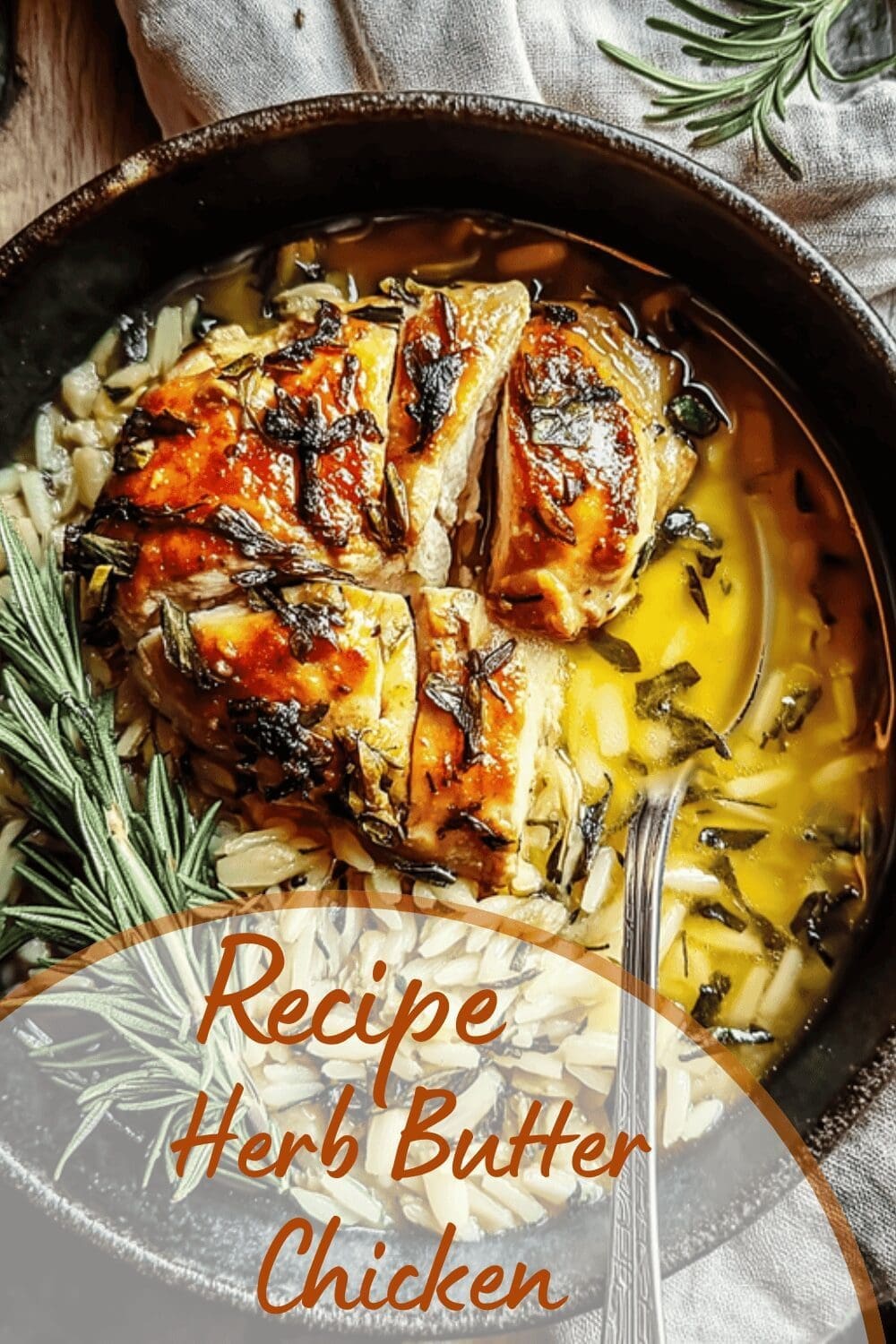
Herb Butter Chicken offers a delightful balance of rich flavors and nutritional benefits, making it an appealing option for home cooks seeking a satisfying and wholesome meal. One of its key advantages is the ease of preparation: combining butter’s creamy richness with the fresh, aromatic properties of herbs results in a dish that’s both flavorful and simple to prepare, ideal for busy individuals and families.
Using fresh herbs like rosemary, thyme, and parsley not only enhances the savory taste but also adds antioxidants and vitamins that contribute to overall health. Butter provides healthy fats and moisture, ensuring the chicken remains tender and juicy throughout cooking. Compared to other chicken recipes, this herb butter method balances protein with healthy fats in a way that supports various dietary preferences, including gluten-free and low-calorie diets. Additionally, the recipe’s flexibility allows for substitutions such as plant-based butters or alternative proteins, accommodating vegan or vegetarian needs.
The use of common pantry ingredients and straightforward cooking techniques makes Herb Butter Chicken accessible for cooks of all skill levels. The recipe’s focus on fresh, wholesome elements not only improves its health profile but also results in a satisfying flavor complexity that appeals to diverse palates. Whether served at a family dinner or a casual gathering, Herb Butter Chicken delivers a nutritious, comforting, and flavorful experience.
Its combination of simplicity, nutrition, and savory flavor makes Herb Butter Chicken a dependable choice for a healthy and delicious meal any day of the week.
For insights on the health benefits of cooking with herbs, explore how incorporating fresh herbs can boost both the flavor and nutritional value of your meals.
Jump to:
- Benefits and Advantages of Herb Butter Chicken
- Essential Ingredients for Herb Butter Chicken
- Dietary Substitutions to Customize Your Herb Butter Chicken
- Vegan Alternatives
- Gluten-Free Adjustments
- Low-Calorie Options
- Dairy-Free Substitutions
- How to Prepare the Perfect Herb Butter Chicken: Step-by-Step Guide
- Mastering Herb Butter Chicken: Advanced Tips and Variations
- How to Store Herb Butter Chicken: Best Practices
- Nutritional Value of Herb Butter Chicken
- FAQs: Frequently Asked Questions About Herb Butter Chicken
- What ingredients make up the herb butter used for chicken?
- Can I use chicken breasts instead of thighs for herb butter chicken?
- How long can I store leftover herb butter and cooked chicken safely?
- Can I substitute dried herbs for fresh herbs in herb butter chicken recipes?
- Does using garlic herb butter make the dish healthier compared to plain butter?
- Chicken And Broccoli Stir Fry
- Ingredients
- Instructions
- Last Step:
- Notes
- Nutrition
- Did you make this recipe?
Essential Ingredients for Herb Butter Chicken
This Herb Butter Chicken recipe features a thoughtfully curated list of ingredients that contribute to its rich flavor and tender texture:
- 1 whole chicken (about 4 pounds / 1¾ kg), brought to room temperature
- ½ lemon (for zest and juice)
- 1 stick (8 tablespoons; 4 ounces; 113 grams) unsalted butter, very soft
- About 1 cup (40 grams) mixed fresh herbs such as rosemary, tarragon, dill, parsley, cilantro, basil (or substitute with Italian seasoning or Herbs de Provence)
- 4 scallions, with white and light green parts minced, dark green parts reserved
- Fine sea salt and freshly ground black pepper
- 2 tablespoons olive oil
- 1 or 2 slices stale bread (used under the chicken for roasting)
- 1 small onion, sliced
- 1 bay leaf
- ¾ cup (160 ml) dry white wine or water
- 1 to 2 teaspoons sherry vinegar (optional, for finishing the pan sauce)
Each ingredient has a specific role:
- Chicken: The protein base that absorbs the herb butter flavors and juices during roasting.
- Herbs: Provide aroma, antioxidants, and fresh flavor complexity.
- Butter: Adds richness and helps baste the chicken, ensuring moist meat and crisp skin.
- Lemon zest and juice: Infuse brightness and subtle tang to balance the richness.
- Olive oil and bread: The base for the roasting pan, helping prevent sticking and adding flavor by soaking drippings.
- Onion, scallions, and bay leaf: Aromatics that enhance the pan juices and overall savory profile.
- White wine or water: Maintains moisture during roasting and serves as a base for a delicious pan sauce.
- Sherry vinegar: Optional, to add acidity and deepen the pan sauce flavor when serving.
For those seeking alternatives, vegan versions can substitute butter with plant-based varieties and chicken with firm tofu or seitan. Gluten-free diets are naturally supported by the recipe, provided all seasoning and butter alternatives are certified gluten-free. The ingredients together make a dish that is flavorful, rich in texture, and adaptable.
For detailed advice on how to roast chicken perfectly, check out this helpful guide that complements the preparation of Herb Butter Chicken.
Additionally, discovering the nutritional value of chicken can deepen your understanding of this dish’s health benefits.
Dietary Substitutions to Customize Your Herb Butter Chicken
Herb Butter Chicken is a versatile recipe that can be adapted to meet various dietary needs and preferences without compromising flavor or texture. Here are some practical options:
Vegan Alternatives
- Replace the chicken with firm tofu, tempeh, or seitan. Press the tofu to remove excess moisture before cooking for better texture.
- Use plant-based butter substitutes, such as vegan margarine or coconut oil, in place of traditional butter.
Gluten-Free Adjustments
- Ensure all herbs, seasoning mixes, and butter alternatives are certified gluten-free to avoid hidden gluten sources.
- The recipe naturally suits gluten-free diets by using whole, fresh ingredients without flour or breadcrumbs.
Low-Calorie Options
- Opt for skinless chicken breasts instead of thighs for lower fat content.
- Use light butter or substitute with olive oil to reduce saturated fat.
- Consider adding a splash of low-sodium chicken broth instead of butter for moisture.
Dairy-Free Substitutions
- Swap butter for plant-based spreads or oils.
- Use non-dairy creamers or nut-based creams if needing a creamy texture.
These simple substitutions provide flexibility for various diets while maintaining the delicious savory qualities of herb butter chicken.
Whether you need vegan, gluten-free, or low-calorie options, these swaps ensure everyone can enjoy this flavorful meal. For a comparable flavorful poultry option, check out Air Fryer Korean Soy Garlic Chicken Thighs for a tasty twist.
How to Prepare the Perfect Herb Butter Chicken: Step-by-Step Guide
Follow these clear steps to create juicy, flavorful Herb Butter Chicken using simple techniques:
- Prepare the Chicken: Pat the whole chicken dry with paper towels to remove moisture. Generously season the outside and cavity with salt and freshly ground black pepper. Add finely minced fresh herbs (rosemary, tarragon, dill, parsley, cilantro, basil) and minced white and light green scallion parts. This herb mixture can be combined with softened unsalted butter for easy application on and under the chicken skin.
- Preheat the Oven: Set your oven to 450°F (230°C) and position a rack in the lower third, ensuring proper heat circulation.
- Apply Herb Butter: Gently loosen the skin over the chicken breasts and legs without tearing. Press most of the herb butter directly under the skin onto the meat for maximum flavor infusion. Pat the skin dry, then spread any remaining herb butter on top.
- Stuff the Cavity: Fill the chicken cavity with half a lemon, herb stems, and reserved scallion greens. This adds aromatic flavor during roasting.
- Roasting Setup: Place a slice of buttered stale bread at the bottom of a Dutch oven or roasting pan. Position the chicken breast-side up on top of the bread. Add sliced onion and a bay leaf around the chicken, then pour ¾ cup dry white wine or water into the pan for moisture and pan juices.
- Roast: Cook uncovered for 50–60 minutes, basting happens naturally via the butter beneath the skin. Check occasionally and add water if the pan dries out. The chicken is done when the internal temperature reaches 165°F (74°C) or juices run clear.
- Resting: Remove the chicken and let it rest on a cutting board for about 10 minutes. This step keeps the chicken juicy by allowing juices to redistribute.
- Serve: Skim fat from pan juices and discard the bay leaf. Optionally stir in 1–2 teaspoons sherry vinegar for a tangy finish. Carve the chicken and serve with the jus and jus-soaked bread.
| Step | Action | Key Tip |
|---|---|---|
| 1 | Season chicken and prep herb butter | Use fresh herbs and softened butter |
| 2 | Preheat oven to 450°F (230°C) | Use lower rack for even roasting |
| 3 | Apply herb butter under skin and top | Be gentle to keep skin intact |
| 4 | Stuff chicken cavity with lemon and herbs | Add flavor and aroma |
| 5 | Roast on buttered bread with onion and bay leaf | Maintain moisture with wine or water |
| 6 | Roast 50–60 minutes until done | Use thermometer for accuracy |
| 7 | Rest chicken for 10 minutes | Locks in juices for tenderness |
| 8 | Serve with pan jus and bread | Add optional sherry vinegar for brightness |
For detailed guidance on roasting techniques, see How to Roast Chicken Perfectly. To understand the benefits of cooking with herbs, visit Health Benefits of Cooking with Herbs.
Mastering Herb Butter Chicken: Advanced Tips and Variations
To master Herb Butter Chicken, start by enhancing the flavor depth with an overnight marinade. Combine fresh herbs like rosemary, thyme, and parsley with lemon juice and olive oil, and let the chicken soak in these aromatics for several hours or overnight. This infusion creates tender, flavorful meat that boasts layers of complexity.
During cooking, consider adding a splash of dry white wine or cream to the skillet just before finishing to introduce richness and subtle acidity, balancing the savory herb butter. For varied herb profiles, experiment with tarragon, basil, or cilantro to customize to your palate.
To achieve a crispier skin, finish the chicken briefly under a broiler for 1-2 minutes at the end of roasting, watching closely to prevent burning. Adding extra ingredients such as sautéed mushrooms, caramelized onions, or sun-dried tomatoes can boost the dish’s savory complexity.
For low-carb options, serve the chicken over cauliflower rice or zucchini noodles, letting the herb butter sauce soak into these alternatives for satisfying sides. When working with boneless chicken breasts or thighs, pan-sear over medium heat before finishing in a hot oven (475°F) for approximately 15 to 25 minutes depending on thickness.
Subtle tweaks like these not only refine the taste and texture but also offer opportunities to personalize the dish, keeping your Herb Butter Chicken exciting and versatile for any occasion.
Maintaining a balance between herb freshness and butter richness helps preserve the signature flavors, while smart cooking techniques elevate the overall dining experience. This careful attention to detail ensures your recipe remains both comforting and gourmet.
How to Store Herb Butter Chicken: Best Practices
Proper storage of Herb Butter Chicken maintains its delicious flavor and texture while keeping it safe to eat. Refrigerate cooked chicken promptly within two hours of preparation, placing it in an airtight container to prevent moisture loss and contamination. Consume refrigerated chicken within 3 to 4 days to guarantee freshness.
For extended storage, freeze the chicken in a freezer-safe container or high-quality ziplock bag, removing as much air as possible to avoid freezer burn. Properly stored, frozen Herb Butter Chicken can remain good for up to three months.
When reheating, thaw frozen chicken overnight in the refrigerator. Warm it gently either on the stovetop over low heat or in the oven, covered, at a moderate temperature to retain moisture and prevent the herb butter from separating or drying out. Avoid microwaving if possible, as it tends to dry the meat and diminish flavor.
| Storage Method | Temperature | Duration | Tips |
|---|---|---|---|
| Refrigeration | Below 40°F (4°C) | 3 to 4 days | Use airtight container; reheat gently |
| Freezing | 0°F (-18°C) or lower | Up to 3 months | Remove air; thaw overnight in fridge before reheating |
Adhering to these storage guidelines will prolong the shelf life of your herb butter chicken while preserving its savory, fresh qualities. For tips on roasting chicken perfectly, including storage advice, visit How to Roast Chicken Perfectly. Additionally, learn about benefits of cooking with herbs at Health Benefits of Cooking with Herbs.
Nutritional Value of Herb Butter Chicken
Herb Butter Chicken is a nutrient-dense dish that offers a balanced mix of protein, fats, and minimal carbohydrates, making it suitable for a variety of dietary preferences. A typical serving of this recipe provides approximately 350-400 calories, with about 20-25 grams of high-quality protein primarily sourced from the chicken, which is essential for muscle repair and overall body function.
The fat content, ranging from 18 to 22 grams, is largely derived from the butter used in preparation. When using traditional unsalted butter, these fats include saturated fats; however, substituting with olive oil or plant-based butter alternatives can add heart-healthy monounsaturated fats, which contribute to satiety and enhance flavor. Carbohydrates are minimal, usually under 5 grams per serving, making this a great choice for low-carb diets.
Fresh herbs such as rosemary, thyme, parsley, and tarragon provide antioxidants, vitamins A and C, and a variety of minerals that support immune health and reduce inflammation. The inclusion of lemon juice lends a small boost of vitamin C, contributing further to the dish’s nutritional benefits. Calories and fat content can be adjusted by swapping regular butter with light butter or using leaner chicken cuts, such as skinless breasts.
| Nutrient | Amount per Serving | Benefit |
|---|---|---|
| Calories | 350-400 kcal | Provides energy for daily activities |
| Protein | 20-25 grams | Supports muscle repair and immune function |
| Fats | 18-22 grams | Enhances flavor and provides satiety |
| Carbohydrates | Less than 5 grams | Minimal, suitable for low-carb diets |
| Vitamins & Antioxidants | Varies (A, C, minerals) | Supports immune health and reduces inflammation |
For a deeper understanding of the nutritional benefits of chicken, check out this nutritional guide to chicken. And to learn more about the health benefits of cooking with herbs, which are integral to this recipe, visit Healthline’s comprehensive article.
FAQs: Frequently Asked Questions About Herb Butter Chicken
What ingredients make up the herb butter used for chicken?
Herb butter for chicken typically combines softened butter with fresh or dried herbs such as parsley, thyme, rosemary, and garlic. Some recipes add lemon zest, salt, and pepper for extra flavor. This mixture can be spread over the chicken before baking or cooked alongside it to infuse the meat with rich, aromatic tastes.
Can I use chicken breasts instead of thighs for herb butter chicken?
Yes, chicken breasts can be used in place of thighs. To ensure even cooking, pound the breasts to about half an inch thick. This helps them cook quickly and stay tender. You can also lightly dust them with flour before cooking to develop a lightly browned crust when combined with the herb butter.
How long can I store leftover herb butter and cooked chicken safely?
Leftover herb butter should be kept in an airtight container in the refrigerator and used within one week to maintain freshness. Cooked herb butter chicken can be refrigerated for up to five days. Reheat gently in a skillet with a bit of the herb butter or in the microwave to keep it moist and flavorful.
Can I substitute dried herbs for fresh herbs in herb butter chicken recipes?
Yes, dried herbs can replace fresh herbs when necessary. Use approximately one-third the amount of dried herbs compared to fresh, as dried herbs are more concentrated. Common dried blends like Italian seasoning or Herbs de Provence work well and still provide robust flavor to the herb butter.
Does using garlic herb butter make the dish healthier compared to plain butter?
Adding garlic and herbs to butter adds antioxidants and vitamins such as A, E, and K, which have antibacterial and anti-inflammatory properties. While the saturated fat content remains similar to plain butter, these additions offer nutritional benefits and boost flavor without adding extra calories.

Chicken And Broccoli Stir Fry
🍗 Herb Butter Chicken Thighs offer a rich and flavorful taste that enhances the natural taste of chicken.
🥘 This easy cooking method infuses each bite with a delightful blend of garlic and herbs for a sumptuous meal.
- Total Time: 80 minutes
- Yield: 4 servings 1x
Ingredients
1 whole chicken, about 4 pounds (1¾ kg), at room temperature
½ lemon
1 stick (8 tablespoons; 4 ounces; 113 grams) unsalted butter, very soft
About 1 cup (40 grams) loosely packed mixed fresh herbs such as rosemary, tarragon, dill, parsley, cilantro, basil (or substitute with Italian seasoning or Herbs de Provence)
4 scallions, white and light green parts minced, dark green parts reserved
Fine sea salt and freshly ground black pepper
2 tablespoons olive oil
1 or 2 slices stale bread
1 small onion, sliced
1 bay leaf
⅔ cup (160 ml) dry white wine or water
1 to 2 teaspoons sherry vinegar (optional)
Instructions
1. Preheat the oven to 450°F (230°C) and position a rack in the lower third of the oven.
2. Finely grate the zest of the lemon into a small bowl and reserve the lemon half.
3. Mix the softened butter with the minced herbs, minced white and light green scallion parts, lemon zest, salt, and pepper until well combined.
4. Divide the herb butter in half; wrap one half tightly and freeze for later use (optional).
5. Pour olive oil into a Dutch oven or roasting pan and swirl to coat the sides.
6. Spread some herb butter on one side of the bread and place it buttered side up in the pot.
7. Gently loosen the chicken skin over the breasts and drumsticks without tearing. Press most of the herb butter under the skin directly onto the meat. Pat the skin dry and smear remaining butter over it.
8. Season the chicken inside and out with salt and pepper. Stuff the cavity with the lemon half, herb stems, and reserved scallion greens.
9. Place the chicken breast-side up on top of the bread in the pot. Add the sliced onion and bay leaf to the pot. Pour the white wine or water around the chicken.
10. Roast uncovered for 50 to 60 minutes, checking and adding water if the pan juices run low. The chicken is done when internal temperature reaches 165°F (74°C) or juices run clear from a slit in the thickest part.
11. Remove the chicken to a cutting board and let rest about 10 minutes.
12. Skim fat from the pan juices, discard the bay leaf, and stir in sherry vinegar if desired. Serve chicken carved with the pan juices and jus-soaked bread.
Last Step:
Please leave a rating and comment letting us know how you liked this recipe! This helps our business to thrive and continue providing free, high-quality recipes for you.Notes
🧈 The butter bastes the chicken during roasting, eliminating the need for manual basting and helping the skin crisp.
🌿 Use fresh herbs available or preferred; substitutions with dried Italian seasoning or Herbs de Provence are possible if fresh herbs are unavailable.
❄️ The leftover herb butter can be refrigerated up to a week or frozen, perfect for use on chicken, vegetables, rice, or bread.
- Prep Time: 10 minutes
- Resting Time: 10 minutes
- Cook Time: 60 minutes
- Category: Main Course
- Method: Roasting
- Cuisine: American
- Diet: Gluten Free
Nutrition
- Serving Size: 1/4 chicken
- Calories: 320 kcal
- Sugar: 1 g
- Sodium: 180 mg
- Fat: 18 g
- Saturated Fat: 10 g
- Unsaturated Fat: 6 g
- Trans Fat: 0 g
- Carbohydrates: 5 g
- Fiber: 0 g
- Protein: 30 g
- Cholesterol: 135 mg


