

Why You’ll Love This Mulled Wine
As the days grow shorter and the air turns crisp, mulled wine stands out as a go-to drink that brings warmth and comfort. This mulled wine recipe draws you in with its ease of preparation, making it perfect for busy evenings when you want something tasty without much hassle. Just combine a few simple items, heat them up, and soon you’ll have a pot of fragrant goodness ready to share.
One big plus is the health benefits that come with sipping this spiced drink. Ingredients like cinnamon sticks and fresh oranges add antioxidants and soothing spices that can aid digestion and boost your immune system during winter. Plus, options for natural sweeteners mean you can tailor it to feel nourishing and light.
- Ease of preparation: With only about 5 minutes of prep time and 15 to 20 minutes to cook, this mulled wine recipe comes together quickly, letting you focus on enjoying time with loved ones. It’s ideal for home cooks who want a simple winter drink that doesn’t require fancy tools or skills, making mulled wine a stress-free choice for holiday gatherings.
- Health benefits: Using ingredients like whole spices and citrus, mulled wine offers natural warmth that may help with circulation and provide a cozy boost. For diet-conscious individuals or busy parents, swapping in honey or maple syrup keeps it light and full of wellness perks, turning everyday winter drinks into a healthful ritual.
- Versatility: This recipe adapts easily to various needs, whether you’re making spiced wine for students on a budget or seniors looking for lighter options. You can tweak the sweeteners or spices to fit dietary preferences, making it a flexible warm beverage for everyone from food enthusiasts to community events.
- Distinctive flavor: The blend of spices and fruits creates a unique taste that sets mulled wine apart, with notes of cinnamon and orange that evoke holiday cheer. It’s a standout among warm beverages, offering that perfect balance of sweet and spicy that keeps people coming back for more during chilly seasons.
This mulled wine not only warms you up but also adds a touch of magic to your gatherings, turning simple ingredients into something memorable. Whether you’re hosting a potluck or sharing at a picnic, it’s one of those recipes that builds connections over shared cups.
Jump to:
- Why You’ll Love This Mulled Wine
- Essential Ingredients for Mulled Wine
- How to Prepare the Perfect Mulled Wine: Step-by-Step Guide
- First Step: Prepare Your Ingredients
- Second Step: Heat the Mixture
- Third Step: Strain and Adjust
- Fourth Step: Serve and Enjoy
- Dietary Substitutions to Customize Your Mulled Wine
- Protein and Main Component Alternatives
- Vegetable, Sauce, and Seasoning Modifications
- Mastering Mulled Wine: Advanced Tips and Variations
- How to Store Mulled Wine: Best Practices
- FAQs: Frequently Asked Questions About Mulled Wine
- What is mulled wine and how is it made?
- What spices are best for making mulled wine at home?
- How long should mulled wine be heated without losing flavor?
- Can I prepare mulled wine in advance and reheat it later?
- What wine is best for making mulled wine?
- Mulled Wine
- Ingredients
- Instructions
- Last Step:
- Notes
- Nutrition
- Did you make this recipe?
Essential Ingredients for Mulled Wine
Choosing the right ingredients is key to crafting a delicious mulled wine that captures the essence of winter. Each component plays a role in building flavor and aroma, from the base wine to the warming spices. Let’s break down what you’ll need for this easy mulled wine recipe, with precise measurements to guide you.
- 1 bottle (750 ml) dry red wine – This forms the base of your mulled wine, providing a rich, fruity foundation that absorbs the spices beautifully; opt for mid-range options like Merlot or Zinfandel for the best results in warm beverages.
- 1/4 cup (60 ml) brandy or orange liqueur – Adds depth and a slight kick, enhancing the overall warmth and making this spiced wine feel extra indulgent for holiday drinks.
- 1 orange, sliced into rounds (peeling recommended to reduce bitterness) – Brings a fresh citrus note that balances the spices; peeling helps keep the flavors bright and prevents any unwanted tartness in your mulled wine recipes.
- 8 whole cloves – These little buds infuse a warm, aromatic spice that defines classic mulled wine; they release their oils slowly, adding complexity without overwhelming other elements.
- 2 cinnamon sticks – Offer a sweet, woody flavor that evokes holiday drinks, helping to create that comforting aroma everyone loves in spiced wine preparations.
- 2 star anise – Contribute a licorice-like hint that elevates the profile of mulled wine, making it more intriguing and perfect for tips for making mulled wine at home.
- 2 to 4 tablespoons sugar, honey, or preferred sweetener – Allows you to adjust sweetness to taste, with natural options like honey promoting health benefits in this warm beverage.
- Optional garnishes: additional citrus slices (orange, lemon, lime), extra cinnamon sticks, star anise – These add visual appeal and extra flavor bursts, letting you customize your mulled wine for any gathering as per how to make mulled wine guides.
For special dietary options, consider these tweaks to make your mulled wine more inclusive:
- Vegan: Stick with plant-based sweeteners like maple syrup and ensure your wine is vegan-friendly by checking labels, as some may use animal-derived fining agents; this keeps your spiced wine accessible for all.
- Gluten-free: All ingredients in this recipe are naturally gluten-free, so you’re good to go with tips for making mulled wine that’s safe for those with sensitivities.
- Low-calorie: Use less sweetener or opt for a zero-calorie alternative, reducing the overall calories while maintaining the heart of mulled wine recipes for diet-conscious folks.
How to Prepare the Perfect Mulled Wine: Step-by-Step Guide
Getting mulled wine just right involves a few straightforward steps that turn simple ingredients into a delightful winter warmer. Start by gathering everything you need for a smooth process, using the recipe summary as your guide. This method ensures your mulled wine comes out flavorful and inviting every time.
First Step: Prepare Your Ingredients
Begin by measuring out all your items to set up for success in making mulled wine. Pour 1 bottle (750 ml) of dry red wine into a large saucepan, then add 1/4 cup (60 ml) of brandy or orange liqueur. Slice 1 orange into rounds remember to peel it to cut down on bitterness and add it along with 8 whole cloves, 2 cinnamon sticks, and 2 star anise. For this step, incorporate 2 tablespoons of your chosen sweetener, like sugar or honey, to start building that sweet-spiced base.
This preparation mimics the ease found in other simple recipes, such as those for air fryer salmon bites, where quick setup leads to great results. Stir everything briefly with a spoon to mix the flavors evenly, setting the stage for a perfect mulled wine experience.
Second Step: Heat the Mixture
Place the saucepan on medium-high heat and warm the mixture until it’s just below a simmer, which usually takes a few minutes. Keep an eye on it to avoid boiling, as that could weaken the alcohol and flavors in your mulled wine. Aim for a gentle heat around 70-80°C to let the spices infuse without losing their essence.
This careful heating process is similar to techniques in recipes like grilled Japanese salmon, where precise temperatures preserve taste. Once it’s warm, reduce the heat to low, cover the pot, and let it simmer for 15 minutes to 3 hours, depending on how strong you want the flavors.
Third Step: Strain and Adjust
After simmering, use a fine strainer to remove the solid pieces like orange slices and spices, leaving you with a smooth, spiced liquid. Pour the mulled wine into a clean container and taste it to check the sweetness add more sweetener if needed, up to 4 tablespoons total.
This adjustment phase lets you personalize your drink, much like varying seasonings in dishes such as mulled wine recipes for different tastes. It’s a flexible step that aligns with tips for making mulled wine that suits dietary needs.
Fourth Step: Serve and Enjoy
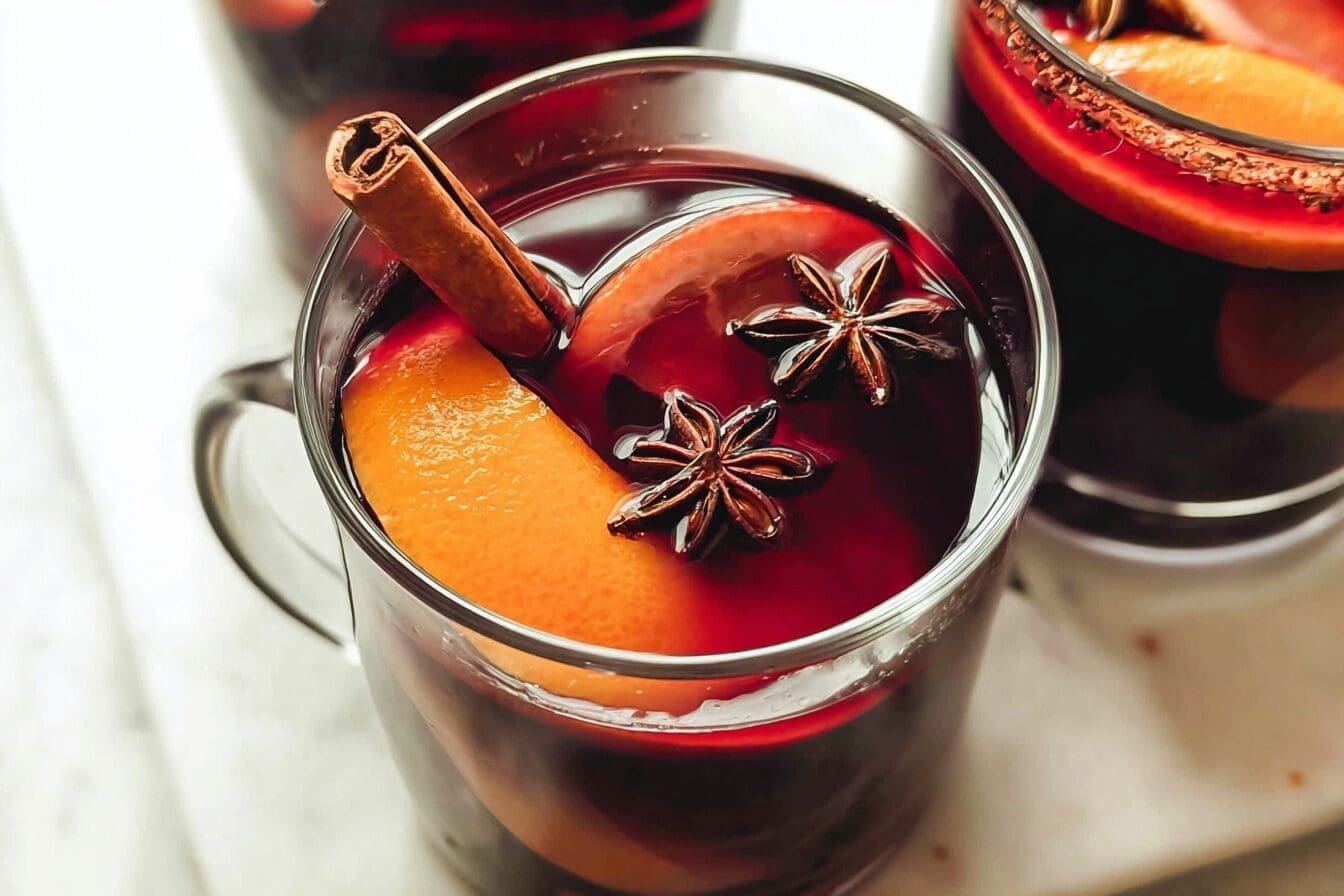
Once strained and adjusted, ladle the mulled wine into mugs for serving. Heat it gently if it has cooled, and garnish with extra citrus slices, cinnamon sticks, or star anise for a festive touch. This recipe yields 4 to 6 servings, making it ideal for sharing at gatherings.
Serving warm enhances the comforting vibe of holiday drinks, and you can adapt this for various preferences, like using low-calorie sweeteners for diet-conscious options. Finally, savor the aroma and flavors that make mulled wine a beloved winter beverage.
Dietary Substitutions to Customize Your Mulled Wine
Protein and Main Component Alternatives
For those looking to tweak the main elements, consider swapping the base wine for non-alcoholic versions to create a mock mulled wine that’s just as warming. If you’re avoiding alcohol, use grape juice as a direct substitute for the 750 ml dry red wine, keeping the spiced wine essence intact for students or newlyweds at events.
This change maintains the recipe’s core while offering options for health-focused variations, ensuring your warm beverages remain versatile for different dietary needs.
Vegetable, Sauce, and Seasoning Modifications
To vary the flavors, replace orange slices with lemon or lime for a tangier twist, which works well in seasons with limited citrus. For seasonings, swap cloves with cardamom pods to reduce intensity, making it easier for food enthusiasts with spice sensitivities.
These adjustments let you adapt mulled wine recipes based on availability, turning it into a customizable holiday drink that suits busy parents or travelers on the go.
Mastering Mulled Wine: Advanced Tips and Variations
Taking your mulled wine to the next level involves some pro techniques that enhance flavor and ease. One key tip is to use a slow cooker for even heating, just monitor the temperature to keep it below boiling and preserve that rich taste in your spiced wine.
For flavor variations, try adding fresh ginger slices or nutmeg for an extra kick, blending well with the classic spices to create unique winter drinks. Presentation is simple yet effective serve in clear mugs to show off the colors, and add garnishes like fruit for visual appeal.
Make-ahead options include preparing the base a day in advance and reheating, which helps for busy schedules and keeps the mulled wine fresh for gatherings.
How to Store Mulled Wine: Best Practices
Proper storage keeps your mulled wine tasting great for later. For refrigeration, cool the mixture to room temperature then seal it in an airtight container; it stays fresh for up to 2 days in the fridge.
Freezing works for longer storage pour into freezer-safe bags and freeze for up to a month, thawing in the fridge before use. When reheating, do it slowly on low heat to maintain quality, and always check for the right warmth before serving.
For meal prep, batch cook and divide into portions for easy access, making it a practical choice for your winter drinks routine.

FAQs: Frequently Asked Questions About Mulled Wine
What is mulled wine and how is it made?
Mulled wine is a warm, spiced red wine traditionally enjoyed during the colder months or festive seasons. It is made by gently heating red wine with a blend of spices such as cinnamon sticks, cloves, star anise, and nutmeg. Sweeteners like sugar or honey, along with citrus slices (usually orange), are added to enhance flavor. The mixture is heated slowly without boiling to preserve the alcohol content and flavors. This cozy beverage can also include optional additions like brandy or vanilla for a richer taste.
What spices are best for making mulled wine at home?
The most common spices for mulled wine include cinnamon sticks, whole cloves, star anise, and freshly grated nutmeg. You can also add cardamom pods or allspice berries for extra depth. These whole spices release robust, aromatic flavors when simmered gently with wine. Avoid ground spices to prevent cloudy or bitter results. For the best experience, use fresh, high-quality spices and adjust quantities based on your taste preferences.
How long should mulled wine be heated without losing flavor?
Mulled wine should be heated gently for about 20 to 30 minutes on low heat. It’s important not to let the mixture boil, as boiling evaporates alcohol and can alter the flavor. Keep the temperature between 70°C to 80°C (160°F to 175°F) to allow the spices to infuse properly. Stir occasionally and taste to adjust sweetness or spice intensity before serving warm.
Can I prepare mulled wine in advance and reheat it later?
Yes, you can prepare mulled wine in advance. After heating and infusing the spices, let it cool to room temperature, then store it in the refrigerator in an airtight container for up to 2 days. When ready to serve, reheat gently over low heat without boiling. Reheating slowly helps maintain the wine’s flavors and preserves the subtle balance of spices.
What wine is best for making mulled wine?
Choose a fruity, medium-bodied red wine with moderate tannins for mulled wine, such as Merlot, Zinfandel, or Grenache. These wines offer balanced acidity and fruitiness, which complement the spices without overpowering them. Avoid very expensive or heavily oaked wines, as subtle flavors may be lost during mulling. White wine variations exist but traditional red wine is preferred for its warmth and depth.

Mulled Wine
🍷 This Mulled Wine recipe delivers warm, comforting flavors perfect for chilly winter evenings, combining aromatic spices and smooth red wine.
🔥 Enjoy a cozy, flavorful drink that is easy to prepare and can be customized to suit your taste preferences with various sweeteners and spices.
- Total Time: 25 minutes
- Yield: 4 to 6 servings 1x
Ingredients
1 bottle (750 ml) dry red wine
1/4 cup (60 ml) brandy or orange liqueur
1 orange, sliced into rounds (peeling recommended to reduce bitterness)
8 whole cloves
2 cinnamon sticks
2 star anise
2 to 4 tablespoons sugar, honey, or preferred sweetener
Optional garnishes: additional citrus slices (orange, lemon, lime), extra cinnamon sticks, star anise
Instructions
1-First Step: Prepare Your Ingredients Begin by measuring out all your items to set up for success in making mulled wine. Pour 1 bottle (750 ml) of dry red wine into a large saucepan, then add 1/4 cup (60 ml) of brandy or orange liqueur. Slice 1 orange into rounds remember to peel it to cut down on bitterness and add it along with 8 whole cloves, 2 cinnamon sticks, and 2 star anise. For this step, incorporate 2 tablespoons of your chosen sweetener, like sugar or honey, to start building that sweet-spiced base.
This preparation mimics the ease found in other simple recipes, such as those for air fryer salmon bites, where quick setup leads to great results. Stir everything briefly with a spoon to mix the flavors evenly, setting the stage for a perfect mulled wine experience.
2-Second Step: Heat the Mixture Place the saucepan on medium-high heat and warm the mixture until it’s just below a simmer, which usually takes a few minutes. Keep an eye on it to avoid boiling, as that could weaken the alcohol and flavors in your mulled wine. Aim for a gentle heat around 70-80°C to let the spices infuse without losing their essence.
This careful heating process is similar to techniques in recipes like grilled Japanese salmon, where precise temperatures preserve taste. Once it’s warm, reduce the heat to low, cover the pot, and let it simmer for 15 minutes to 3 hours, depending on how strong you want the flavors.
3-Third Step: Strain and Adjust After simmering, use a fine strainer to remove the solid pieces like orange slices and spices, leaving you with a smooth, spiced liquid. Pour the mulled wine into a clean container and taste it to check the sweetness add more sweetener if needed, up to 4 tablespoons total.
This adjustment phase lets you personalize your drink, much like varying seasonings in dishes such as mulled wine recipes for different tastes. It’s a flexible step that aligns with tips for making mulled wine that suits dietary needs.
4-Fourth Step: Serve and Enjoy Once strained and adjusted, ladle the mulled wine into mugs for serving. Heat it gently if it has cooled, and garnish with extra citrus slices, cinnamon sticks, or star anise for a festive touch. This recipe yields 4 to 6 servings, making it ideal for sharing at gatherings.
Serving warm enhances the comforting vibe of holiday drinks, and you can adapt this for various preferences, like using low-calorie sweeteners for diet-conscious options. Finally, savor the aroma and flavors that make mulled wine a beloved winter beverage.
Last Step:
Please leave a rating and comment letting us know how you liked this recipe! This helps our business to thrive and continue providing free, high-quality recipes for you.Notes
🍊 Tip: Peel the orange before slicing to reduce bitterness in the mulled wine.
🌿 Tip: Use a spice bundle or cheesecloth to make straining easier.
🔥 Tip: Use a slow cooker to keep the mulled wine warm for extended periods but avoid boiling to preserve alcohol content.
- Prep Time: 5 minutes
- Cook Time: 20 minutes
- Category: Beverage
- Method: Simmering
- Cuisine: European
- Diet: Vegetarian
Nutrition
- Serving Size: 1 cup
- Calories: 150 cal
- Sugar: 10 g
- Sodium: 5 mg
- Fat: 0 g
- Saturated Fat: 0 g
- Unsaturated Fat: 0 g
- Trans Fat: 0 g
- Carbohydrates: 14 g
- Fiber: 1 g
- Protein: 0 g
- Cholesterol: 0 mg


