

Why You’ll Love This Miso Ramen Recipe
Imagine wrapping up a long day with a warm, comforting bowl of miso ramen that comes together in just 30 minutes. This miso ramen recipe is perfect for home cooks, busy parents, and students seeking a quick, flavorful meal that fits into hectic schedules. With its rich umami taste from fermented miso and fresh ingredients, it brings the essence of Japanese comfort food right to your kitchen, making it a go-to option for gatherings or solo dinners.
One of the best parts is how easy it is to prepare, requiring simple steps that even beginners can master. The recipe delivers health benefits through nutrient-packed ingredients like spinach and eggs, supporting overall wellness without sacrificing taste. Whether you’re a food enthusiast or someone with dietary needs, this versatile dish adapts effortlessly, proving why it’s a favorite for community events on blogs like Chicken and Broccoli Stir-Fry Recipe, which offers similar quick meal ideas.
This recipe stands out for its ability to foster connections, much like the heartwarming traditions celebrated on this blog. It’s not just food; it’s a way to create memorable moments around the table. Packed with nutrient-rich miso paste and fresh vegetables, this dish supports digestive health and provides a good source of protein, vitamins, and antioxidants, promoting overall wellness while being flavorful. Easily adaptable to various dietary needs, this miso ramen recipe accommodates vegetarian, vegan, gluten-free, and low-calorie diets, making it suitable for everyone with its distinctive flavor from fermented miso combined with savory broth and tender noodles.
Jump to:
- Why You’ll Love This Miso Ramen Recipe
- Essential Ingredients for Miso Ramen Recipe
- How to Prepare the Perfect Miso Ramen Recipe: Step-by-Step Guide
- Dietary Substitutions to Customize Your Miso Ramen Recipe
- Mastering Miso Ramen Recipe: Advanced Tips and Variations
- How to Store Miso Ramen Recipe: Best Practices
- Nutritional Information and Preparation Time
- Nutritional Breakdown
- Preparation Time
- FAQs: Frequently Asked Questions About Miso Ramen Recipe
- What type of miso paste is best for making miso ramen?
- Can I make miso ramen without traditional ramen noodles?
- How long does it take to prepare miso ramen from scratch?
- What are good toppings to add to miso ramen?
- Is miso ramen healthy compared to other ramen types?
- Miso Ramen Recipe
- Ingredients
- Instructions
- Last Step:
- Notes
- Nutrition
- Did you make this recipe?
Essential Ingredients for Miso Ramen Recipe
Gathering the right ingredients is the first step to creating a delicious miso ramen. This section lists everything you need for a flavorful bowl, drawing from simple pantry staples and fresh items that are easy to find. By using precise measurements, you’ll ensure the balance of flavors shines through in every bite.
- 1 tablespoon cooking oil
- 3 tablespoons white miso paste
- 2 cloves garlic, minced
- 6 cups low-sodium chicken or vegetable stock
- 1/3 cup canned regular coconut milk
- 2 tablespoons soy sauce
- 2 packets (4 ounces each) instant ramen noodles (discard seasoning packets)
- 5 ounces baby spinach
- 2 large eggs
- Green onions, thinly sliced
- Sesame seeds (white or black), optional
- Sriracha, toasted sesame oil, or chili oil, optional
These ingredients form the base of your miso ramen, offering a mix of earthy, savory, and fresh notes. For special tweaks, consider vegan options by swapping stock and ensuring noodles are plant-based, or gluten-free choices by selecting appropriate soy alternatives.
How to Prepare the Perfect Miso Ramen Recipe: Step-by-Step Guide
Getting started with this miso ramen recipe is straightforward and fun, perfect for busy families or quick weeknight meals. Begin by setting up your ingredients to make the process smooth and enjoyable. Follow these steps closely to achieve that rich, comforting flavor everyone loves.
- Bring a small pot of water to a boil for the eggs.
- Heat cooking oil in a large heavy-bottomed pot over medium heat. Add miso paste and garlic, stirring for one minute.
- Slowly whisk in chicken or vegetable stock and coconut milk to dissolve the miso. Stir in soy sauce and bring broth to a simmer.
- Reduce the water for eggs to a low simmer. Gently add eggs and simmer for 7 minutes if eggs are room temperature, or 8 minutes if refrigerated. Set a timer to avoid overcooking.
- Add noodles and spinach to the simmering broth. Cook until noodles are just tender, checking package times.
- Divide noodles and broth into serving bowls.
- Cool eggs under cold water, peel, and slice in half. Arrange eggs on top of ramen bowls.
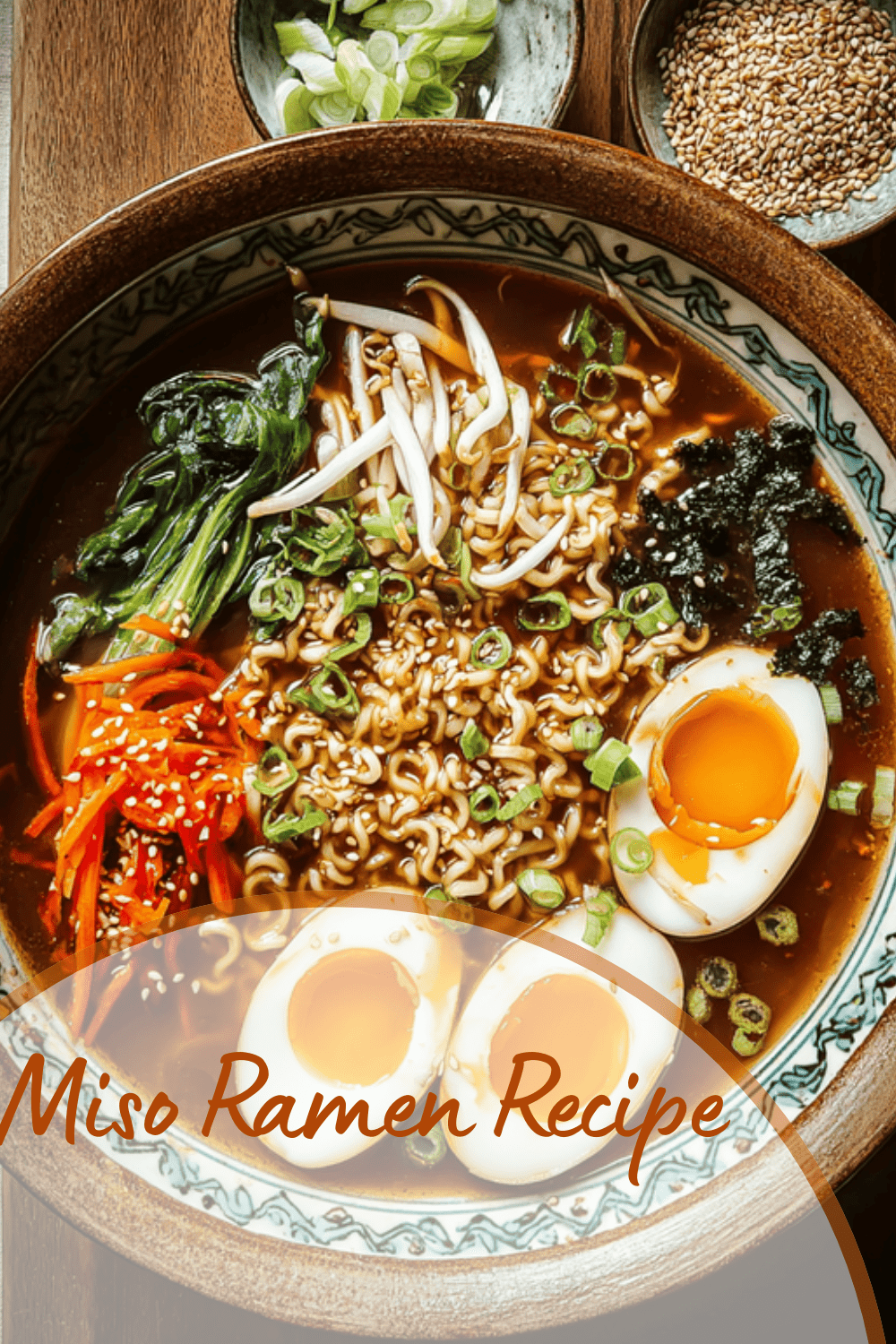
- Garnish with green onions, sesame seeds, and optional sauces such as Sriracha or chili oil.
Each step can be tailored for dietary preferences, like using vegetable stock for a vegan version. For more ideas on quick Asian-inspired dishes, check out Grilled Japanese Salmon Recipe, which pairs well with ramen for a full meal.
Dietary Substitutions to Customize Your Miso Ramen Recipe
Making this miso ramen recipe your own is simple with a few smart swaps. Whether you’re cooking for someone with restrictions or just experimenting, these changes keep the dish tasty and inclusive. Start by considering protein options to fit different diets seamlessly.
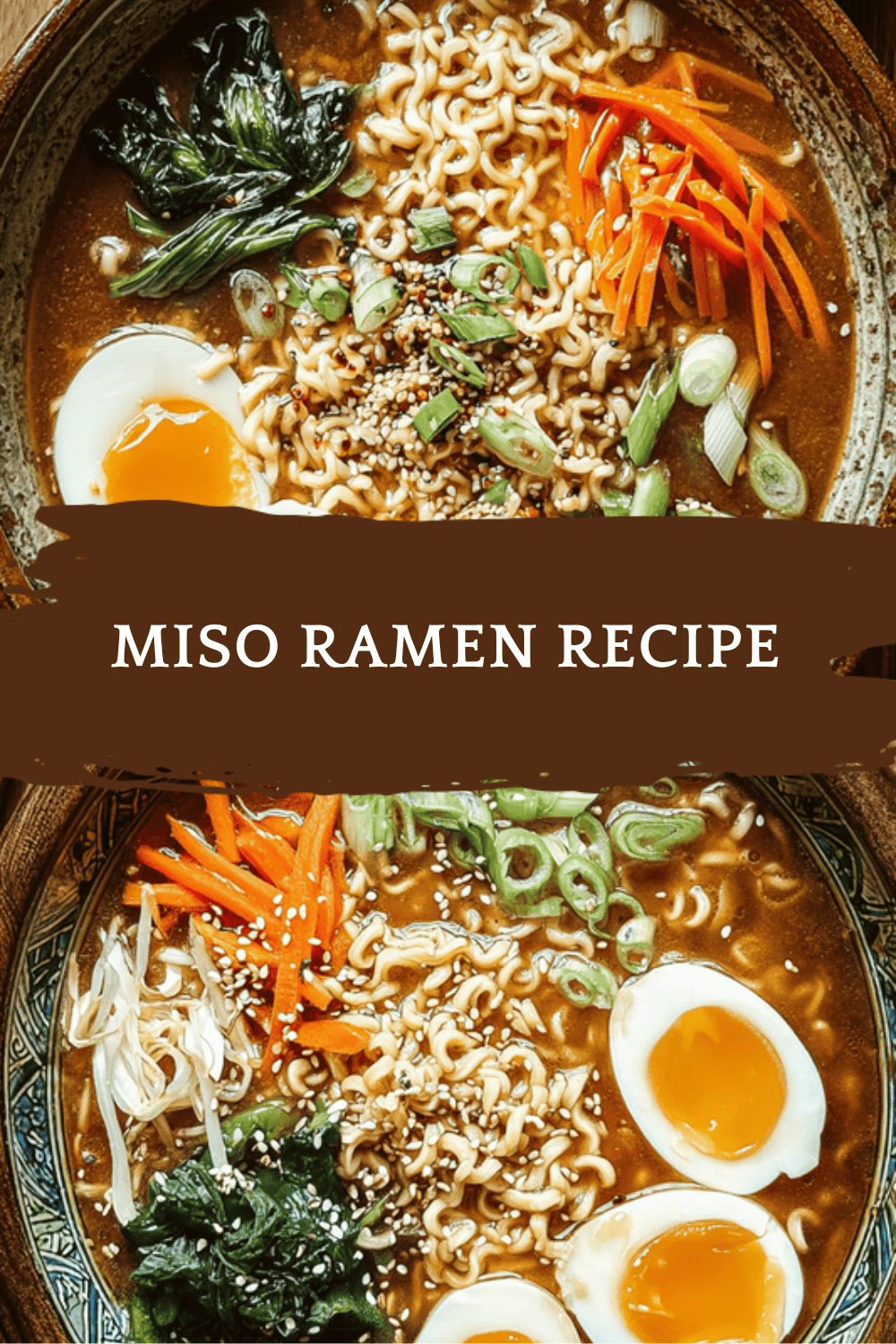
Protein and Main Component Alternatives: Replace chicken broth with vegetable broth for vegetarian or vegan diets; use tofu or tempeh as plant-based protein substitutes; swap traditional ramen noodles with shirataki or rice noodles for gluten-free or low-calorie options.
Vegetable, Sauce, and Seasoning Modifications: Incorporate seasonal vegetables like spinach or carrots for added nutrition; substitute soy sauce with tamari for gluten-free needs; adjust seasoning by adding chili paste for spice. These modifications ensure the miso ramen recipe remains adaptable, catering to diverse palates while preserving its core flavors.
Mastering Miso Ramen Recipe: Advanced Tips and Variations
Once you’re comfortable with the basics, dive into these advanced tips to take your miso ramen to the next level. Toasting the miso paste before adding it can deepen the flavor, while simmering extra vegetables enriches the broth. Experiment with different miso types for unique twists that keep things exciting.
Pro cooking techniques include toasting the miso paste slightly before adding to the broth to enhance its depth; simmer bones or vegetables for longer to enrich the broth’s complexity. Flavor variations involve trying white miso for a sweeter taste or red miso for a bolder flavor; adding toppings such as corn or bamboo shoots for unique twists. Presentation tips suggest serving with neatly arranged toppings and sprinkling sesame seeds to elevate the appearance; make-ahead options include preparing broth and miso base in advance and storing refrigerated. These expert methods help refine your homemade miso ramen while allowing room for creativity.
How to Store Miso Ramen Recipe: Best Practices
Proper storage keeps your miso ramen fresh and ready for leftovers. Store components separately to maintain quality, making it easy to enjoy a quick meal later. With these tips, you’ll avoid common pitfalls and keep flavors intact.
Refrigeration involves storing leftover miso ramen broth separately from noodles and toppings in airtight containers for up to 3 days. Freezing means freezing broth in individual portions for 1-2 months; avoid freezing noodles as they can become mushy. Reheating requires gently reheating broth on the stove without boiling to preserve flavor; add freshly cooked noodles and toppings before serving. Meal prep considerations include preparing components in bulk, storing broth and noodles separately to maintain quality, making it easy to assemble fresh meals throughout the week. Following these storage practices helps maintain the taste and texture of your miso ramen recipe while ensuring food safety.
Nutritional Information and Preparation Time
Nutritional Breakdown
| Nutrient | Amount per Serving |
|---|---|
| Calories | 277 |
| Carbohydrates | 23g |
| Protein | 14g |
| Fat | 16g |
| Saturated Fat | 10g |
| Polyunsaturated Fat | 2g |
| Monounsaturated Fat | 2g |
| Trans Fat | 0.01g |
| Cholesterol | 164mg |
| Sodium | 4922mg |
| Potassium | 667mg |
| Fiber | 4g |
| Sugar | 10g |
| Vitamin A | 8408 IU |
| Vitamin C | 22mg |
| Calcium | 125mg |
| Iron | 5mg |
This nutritional profile shows how miso ramen can be a balanced choice. For more on health aspects, visit Why Miso is Healthy to learn about its benefits.
Preparation Time
Prep time: 10 minutes; Cook time: 20 minutes; Total time: 30 minutes. This makes it ideal for quick meals that fit into any schedule.
FAQs: Frequently Asked Questions About Miso Ramen Recipe
What type of miso paste is best for making miso ramen?
The most common miso pastes used in miso ramen are red miso (aka aka miso) and white miso (shiro miso). Red miso has a stronger, saltier flavor and works well in heartier ramen broths. White miso is milder and sweeter, giving the soup a subtle umami taste. Many recipes use a combination of both to balance richness and sweetness. When choosing miso for ramen, look for paste labeled specifically as miso (fermented soybean paste) and avoid paste meant for spreads or dressings to maintain authentic flavor.
Can I make miso ramen without traditional ramen noodles?
Yes, you can use several noodle alternatives if you don’t have traditional ramen noodles. Udon, soba, or even thin spaghetti can work in a pinch. Just note that the texture and thickness will affect the overall experience. Fresh or dried ramen noodles are steamed rather than fried, which contributes to their chewy texture. If you buy instant ramen with fried noodles, the flavor and texture will differ from fresh ramen. For the best result, try to find fresh or dried noodles labeled “ramen.”
How long does it take to prepare miso ramen from scratch?
Preparing miso ramen broth from scratch typically takes about 45 minutes to 1 hour, including simmering the broth and cooking the noodles. Using pre-made broth or dashi stock can cut the time to around 20-30 minutes. Adding toppings like soft-boiled eggs, vegetables, and sliced pork may add extra preparation time depending on ingredients. Planning ahead by prepping broth and toppings separately can speed up the process for a weeknight meal.
What are good toppings to add to miso ramen?
Popular toppings for miso ramen include sliced chashu pork, soft-boiled eggs, green onions, bamboo shoots, corn kernels, nori seaweed, and bean sprouts. These ingredients add texture, flavor, and nutrition to the dish. Corn and butter are especially common in northern Japan’s miso ramen recipes, adding sweetness and richness. Feel free to customize with mushrooms, chili oil, or toasted sesame seeds depending on your taste preferences.
Is miso ramen healthy compared to other ramen types?
Miso ramen can be a nutritious choice because miso paste contains protein, vitamins, and probiotics from fermentation. The soup base is often lighter and more nutrient-dense than tonkotsu (pork bone broth) ramen, which is higher in fat. However, the overall healthiness depends on ingredients and portion sizes. Using fresh vegetables, lean protein, and moderate sodium levels can make miso ramen balanced and satisfying. Consider homemade broth to control salt and fat content.

Miso Ramen Recipe
🍜 Easy Miso Ramen Recipe provides a simple way to enjoy rich, comforting flavors of authentic ramen at home.
🥢 This recipe combines a savory miso broth with fresh ingredients and tender noodles for a satisfying meal in just 30 minutes.
- Total Time: 30 minutes
- Yield: 2 servings
Ingredients
– 1 tablespoon cooking oil
– 3 tablespoons white miso paste
– 2 cloves garlic, minced
– 6 cups low-sodium chicken or vegetable stock
– 1/3 cup canned regular coconut milk
– 2 tablespoons soy sauce
– 2 packets (4 ounces each) instant ramen noodles (discard seasoning packets)
– 5 ounces baby spinach
– 2 large eggs
– Green onions, thinly sliced
– Sesame seeds (white or black), optional
– Sriracha, toasted sesame oil, or chili oil, optional
Instructions
1-Bring a small pot of water to a boil for the eggs.
2-Heat cooking oil in a large heavy-bottomed pot over medium heat. Add miso paste and garlic, stirring for one minute.
3-Slowly whisk in chicken or vegetable stock and coconut milk to dissolve the miso. Stir in soy sauce and bring broth to a simmer.
4-Reduce the water for eggs to a low simmer. Gently add eggs and simmer for 7 minutes if eggs are room temperature, or 8 minutes if refrigerated. Set a timer to avoid overcooking.
5-Add noodles and spinach to the simmering broth. Cook until noodles are just tender, checking package times.
6-Divide noodles and broth into serving bowls.
7-Cool eggs under cold water, peel, and slice in half. Arrange eggs on top of ramen bowls.
8-Garnish with green onions, sesame seeds, and optional sauces such as Sriracha or chili oil.
Last Step:
Please leave a rating and comment letting us know how you liked this recipe! This helps our business to thrive and continue providing free, high-quality recipes for you.Notes
🍜 Cook noodles slightly less than package instructions to avoid sogginess, as they soften more in broth.
🥚 Soft-boiled eggs add richness but can be omitted or replaced for dietary needs.
🌿 Customize with fresh garlic, ginger, vegetables, proteins, and flavorful oils or sauces.
- Prep Time: 10 minutes
- Cook Time: 20 minutes
- Category: Main Dish
- Method: Simmering
- Cuisine: Japanese
Nutrition
- Serving Size: 1 bowl
- Calories: 277
- Sugar: 10g
- Sodium: 4922mg
- Fat: 16g
- Saturated Fat: 10g
- Trans Fat: 0.01g
- Carbohydrates: 23g
- Fiber: 4g
- Protein: 14g
- Cholesterol: 164mg


