

Why You’ll Love This Miso Ramen
This miso ramen recipe stands out for its ease of preparation, making it a go-to option for busy home cooks who want a tasty meal without much fuss. Packed with nutritious elements like miso paste, which is full of probiotics for gut health, along with fresh spinach and eggs, it offers a balance of flavors that feel both comforting and wholesome. Whether you’re adapting it for dietary needs or simply enjoying its rich, savory taste, this dish brings people together around the table just like the hearty recipes on my blog.
One key reason you’ll enjoy making this miso ramen at home is how versatile it can be. You can tweak the ingredients based on what’s in your kitchen, turning it into a quick dinner that’s perfect for families or friends. With its warm broth and satisfying noodles, it’s a recipe that delivers big on flavor while keeping things simple and approachable.
Adding to its appeal, miso ramen fits into various lifestyles, from students grabbing a fast meal to health-conscious folks looking for nutrient-rich options. You’ll find it delivers a burst of umami that makes every bite feel special, drawing from traditions that celebrate community and shared food. This approach ensures it’s not just a meal but an experience that connects you with others.
Key Benefits of the Recipe
The simplicity means you can have it ready in just 30 minutes, which is ideal for those hectic days. Health-wise, the ingredients like baby spinach and eggs add vitamins and protein, supporting everyday wellness. Plus, it’s easy to swap items for preferences, keeping the dish flexible and fun to make.
From my perspective as a blogger sharing recipes for gatherings, this miso ramen hits the spot for potlucks or casual nights in. It’s the kind of meal that encourages adding your own touches, like extra veggies, to make it your own.
Jump to:
- Why You’ll Love This Miso Ramen
- Key Benefits of the Recipe
- Essential Ingredients for Miso Ramen
- How to Prepare the Perfect Miso Ramen: Step-by-Step Guide
- Step-by-Step Breakdown
- Adapting for Different Diets
- Dietary Substitutions to Customize Your Miso Ramen
- Mastering Miso Ramen: Advanced Tips and Variations
- How to Store Miso Ramen: Best Practices
- FAQs: Frequently Asked Questions About Miso Ramen
- What is miso ramen and how is it different from other types of ramen?
- Can I make miso ramen vegetarian or vegan?
- What type of noodles should I use for authentic miso ramen?
- How long does homemade miso ramen broth take to prepare?
- What can I use as a substitute if I don’t have miso paste for ramen?
- Miso Ramen
- Ingredients
- Instructions
- Last Step:
- Notes
- Nutrition
- Did you make this recipe?
Essential Ingredients for Miso Ramen
Gathering the right ingredients is the first step to creating a delicious bowl of miso ramen. Below is a complete list based on this easy recipe, ensuring you have everything needed for a flavorful broth and hearty finish. These items come together to make a meal that’s both simple and satisfying.
- 1 tablespoon cooking oil
- 3 tablespoons white miso paste
- 2 cloves garlic, minced
- 6 cups low-sodium chicken or vegetable stock
- 1/3 cup canned regular coconut milk
- 2 tablespoons soy sauce
- 2 packets (4 ounces each) instant ramen noodles (without seasoning packets)
- 5 ounces baby spinach
- 2 large eggs
- Thinly sliced green onions
- White or black sesame seeds (optional)
- Sriracha, toasted sesame oil, or chili oil for serving (optional)
This list covers all the essentials, with clear measurements to help you prepare without guesswork. For those watching their diet, note that options like vegetable stock can make it vegan-friendly.
How to Prepare the Perfect Miso Ramen: Step-by-Step Guide
Getting started with this miso ramen is straightforward and fun, perfect for home cooks of all levels. Begin by boiling water in a small pot for the eggs, which adds a creamy topping to your bowl. In a large pot, heat the oil over medium heat, then stir in the miso paste and minced garlic for about one minute to build that signature flavor.
Next, gradually whisk in the stock and coconut milk to ensure the miso dissolves completely, creating a smooth base. Add the soy sauce and bring everything to a gentle simmer. For the eggs, lower the heat on their pot and add them carefully, simmering for 7 minutes if they’re at room temperature or 8 minutes if chilled, so they turn out just right.
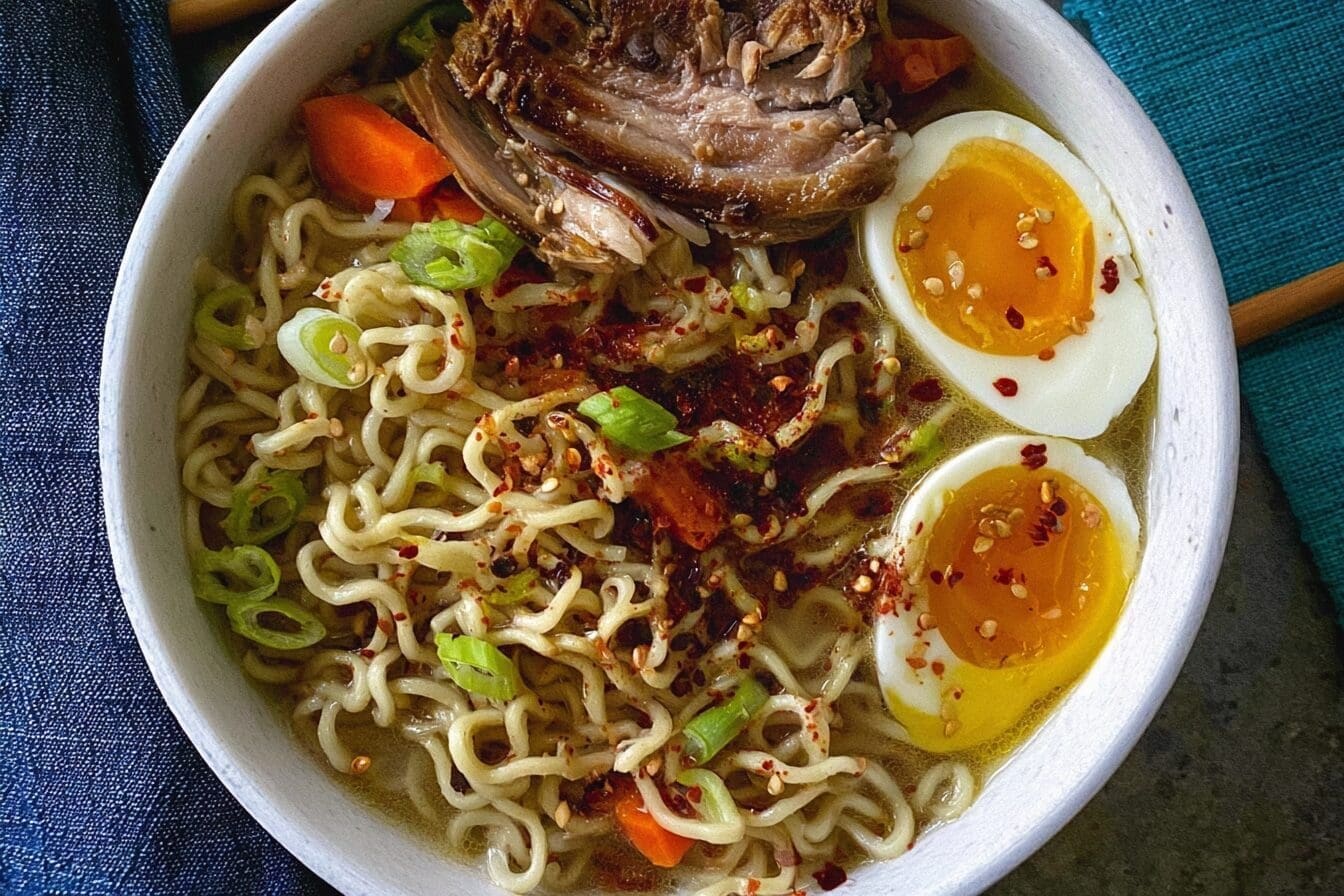
Now, add the ramen noodles and baby spinach to the broth, cooking until the noodles are tender but still have a nice chew about 2 to 3 minutes. Once done, divide the noodles and broth into bowls for serving. Don’t forget to cool the eggs under cold water, peel them, slice in half, and place them on top for that classic look.
Step-by-Step Breakdown
First, gather and prep all your ingredients to make the process smooth. Heat your pots as described and follow the simmering steps carefully to develop the broth’s rich taste. Explore similar stir-fry techniques on the blog for more ideas on handling veggies like spinach.
After simmering, focus on the assembly to keep everything hot and fresh. For variations, feel free to toss in extra vegetables or adjust seasonings as needed. Finally, garnish with green onions, sesame seeds, and any optional oils like sriracha for a personalized touch, making it a meal everyone will enjoy.
This recipe takes about 10 minutes to prep and 20 minutes to cook, totaling around 30 minutes. Each serving packs roughly 277 calories, with 23g carbohydrates, 14g protein, 16g fat, 10g saturated fat, and 4922mg sodium, so you can plan accordingly. Remember, it’s all about making it your own learn how ingredients like miso boost your health.
Adapting for Different Diets
When preparing, consider how to tweak steps for special needs, such as using vegetable stock for a vegan version. The key is to keep the cooking times in check to avoid overcooking the noodles. This approach keeps the dish versatile and delicious for all.
Building on the basics, experiment with additions like more greens. Here’s a quick table to compare nutritional tweaks:
| Original | Low-Calorie Swap |
|---|---|
| Instant ramen noodles | Zucchini noodles |
| Regular eggs | Omit or use egg whites |
| Full coconut milk | Light coconut milk |
This guide ensures your miso ramen turns out perfectly every time, with room for creativity.
Dietary Substitutions to Customize Your Miso Ramen
Making miso ramen work for your needs is simple with a few smart swaps. For protein, swap chicken stock for vegetable stock and use tofu instead of eggs to keep it vegan without losing that hearty feel. If you’re aiming for gluten-free, choose tamari in place of soy sauce and gluten-free noodles for the same chewy texture.
Vegetable options let you play with flavors, like switching spinach for bok choy to add a fresh twist. These changes help maintain that rich taste while fitting various preferences. With these adjustments, your bowl stays delicious and adaptable for everyone at the table.
Adjusting seasonings can also enhance the dish, such as trying different miso types for more depth. This flexibility makes miso ramen a favorite much like other Asian-inspired recipes on the site.
Mastering Miso Ramen: Advanced Tips and Variations
To take your miso ramen to the next level, try toasting the miso paste briefly in the pot before adding liquids this brings out deeper flavors. For a spicy kick, mix in chili oil or sesame seeds right before serving to add nuttiness and heat. Presentation matters too, so top your bowls with sliced nori and fresh herbs for that authentic vibe.
If you’re prepping ahead, make the broth in advance and store it for quick meals later. These tweaks let you personalize the recipe while keeping it easy and enjoyable. Remember, understanding ramen basics can inspire even more ideas.
How to Store Miso Ramen: Best Practices
Proper storage keeps your miso ramen tasting fresh for days. Keep leftover broth and noodles in separate airtight containers in the fridge, and use them within 2-3 days to maintain quality. Freezing works well for broth alone, lasting up to 2 months, but skip freezing noodles as they lose their texture.
When reheating, warm the broth on the stove and add fresh noodles for the best results. For meal prep, batch-cook toppings and broth to quickly put together servings during the week. These steps ensure your ramen stays a convenient, tasty option.
FAQs: Frequently Asked Questions About Miso Ramen
What is miso ramen and how is it different from other types of ramen?
Miso ramen is a Japanese noodle soup that features a broth flavored primarily with miso paste, a fermented soybean product. This gives the soup a rich, savory, and slightly tangy taste, distinguishing it from other ramen types such as shoyu (soy sauce-based) or tonkotsu (pork bone broth). Miso ramen often includes ingredients like corn, butter, bean sprouts, and ground pork, adding depth and texture to the dish.
Can I make miso ramen vegetarian or vegan?
Yes, miso ramen can be adapted for vegetarian or vegan diets by using vegetable broth instead of meat-based stock and choosing a miso paste free of fish or animal-derived ingredients. Add vegetables such as mushrooms, spinach, and tofu for protein and flavor. Check miso paste labels carefully, as some varieties contain added bonito or fish flakes.
What type of noodles should I use for authentic miso ramen?
Traditional miso ramen typically uses medium-thick, curly wheat noodles that hold up well in the robust miso broth. These noodles have a firm texture and slightly chewy bite, which complements the hearty soup. While instant ramen noodles are convenient, fresh or frozen ramen noodles available at Asian markets will provide a more authentic experience.
How long does homemade miso ramen broth take to prepare?
Preparing miso ramen broth from scratch generally takes about 30 to 45 minutes. This includes simmering ingredients like dashi stock or chicken broth with aromatics and vegetables before whisking in the miso paste at the end to preserve its flavor. Using pre-made broth can shorten the preparation time to under 15 minutes.
What can I use as a substitute if I don’t have miso paste for ramen?
If miso paste is unavailable, good substitutes include tahini or sesame paste for a creamy texture and nutty flavor. Small amounts of peanut or almond butter can also mimic the rich mouthfeel, but a savory seasoning like soy sauce or tamari is recommended to balance the taste. Keep in mind that these substitutes won’t replicate the exact umami notes of miso but can work in a pinch.
Miso Ramen
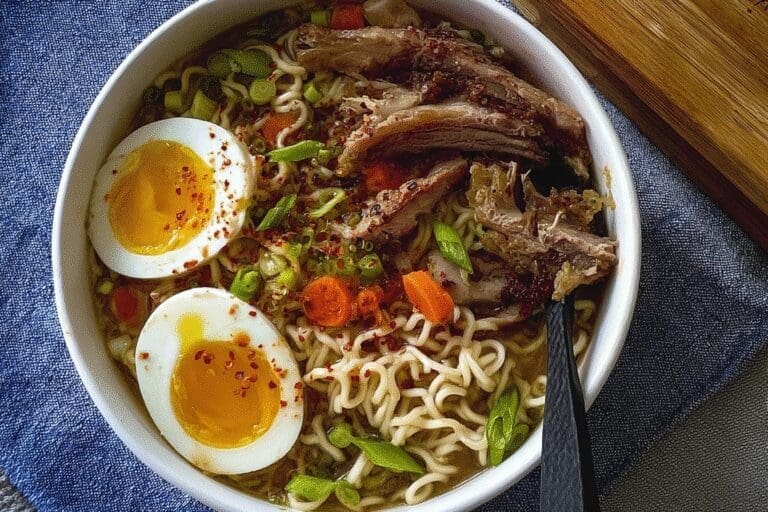
🍜 Enjoy a comforting bowl of Easy Miso Ramen featuring a rich, flavorful broth made with simple ingredients.
🥢 This recipe is perfect for a quick, nourishing meal that balances protein, vegetables, and satisfying noodles.
- Total Time: 30 minutes
- Yield: 2 servings
Ingredients
– 1 tablespoon cooking oil
– 3 tablespoons white miso paste
– 2 cloves garlic, minced
– 6 cups low-sodium chicken or vegetable stock
– 1/3 cup canned regular coconut milk
– 2 tablespoons soy sauce
– 2 packets (4 ounces each) instant ramen noodles (without seasoning packets)
– 5 ounces baby spinach
– 2 large eggs
– Thinly sliced green onions
– White or black sesame seeds (optional)
– Sriracha, toasted sesame oil, or chili oil for serving (optional)
Instructions
1-Getting started with this miso ramen is straightforward and fun, perfect for home cooks of all levels. Begin by boiling water in a small pot for the eggs, which adds a creamy topping to your bowl. In a large pot, heat the oil over medium heat, then stir in the miso paste and minced garlic for about one minute to build that signature flavor.
2-Next, gradually whisk in the stock and coconut milk to ensure the miso dissolves completely, creating a smooth base. Add the soy sauce and bring everything to a gentle simmer. For the eggs, lower the heat on their pot and add them carefully, simmering for 7 minutes if they’re at room temperature or 8 minutes if chilled, so they turn out just right.
3-Now, add the ramen noodles and baby spinach to the broth, cooking until the noodles are tender but still have a nice chew about 2 to 3 minutes. Once done, divide the noodles and broth into bowls for serving. Don’t forget to cool the eggs under cold water, peel them, slice in half, and place them on top for that classic look.
4-First, gather and prep all your ingredients to make the process smooth. Heat your pots as described and follow the simmering steps carefully to develop the broth’s rich taste. Explore similar stir-fry techniques on the blog for more ideas on handling veggies like spinach.
5-After simmering, focus on the assembly to keep everything hot and fresh. For variations, feel free to toss in extra vegetables or adjust seasonings as needed. Finally, garnish with green onions, sesame seeds, and any optional oils like sriracha for a personalized touch, making it a meal everyone will enjoy.
Last Step:
Please leave a rating and comment letting us know how you liked this recipe! This helps our business to thrive and continue providing free, high-quality recipes for you.Notes
🥚 Cook eggs carefully to achieve perfect soft-boiled texture.
🌿 Add extra vegetables for enhanced nutrition and flavor.
🍜 Use low-sodium stock and adjust soy sauce for a balanced saltiness.
- Prep Time: 10 minutes
- Cook Time: 20 minutes
- Category: Main Dish
- Method: Simmering, boiling
- Cuisine: Japanese
- Diet: Gluten option (choose gluten-free noodles and tamari)
Nutrition
- Serving Size: 1 bowl
- Calories: 277 kcal
- Sugar: 2 g
- Sodium: 4922 mg
- Fat: 16 g
- Saturated Fat: 10 g
- Unsaturated Fat: 5 g
- Trans Fat: 0 g
- Carbohydrates: 23 g
- Fiber: 2 g
- Protein: 14 g
- Cholesterol: 185 mg


