

Why You’ll Love This Marzipan
Marzipan offers a blend of simplicity and appeal that makes it a favorite among baking enthusiasts. This recipe emphasizes ease of preparation, requiring only a few minutes of active time for quick assembly and cooking, ideal for busy schedules. Additionally, it provides health benefits through natural almonds, which deliver healthy fats, fiber, and protein, supporting heart health while offering a wholesome energy boost.
Its versatility allows for easy adaptations to various dietary needs, such as vegan, gluten-free, or low-calorie options, ensuring inclusivity for all. The distinctive flavor arises from the rich almond base enhanced with subtle sweeteners, setting it apart from other confections. Marzipan stands out for its popularity during holidays like Christmas and Easter across many countries, where it serves as both a flavorful treat and a decorative element for gatherings.
Key Attractions of Marzipan
- Quick and straightforward preparation process, perfect for home cooks and busy parents.
- Nutritional advantages from almond content, including unsaturated fats that benefit overall health.
- Adaptable to different diets, making it suitable for food enthusiasts and diet-conscious individuals.
- Its traditional use in festive settings fosters community connections, aligning with the blog’s focus on shared meals.
This confection typically contains less than 10% moisture, contributing to its long-lasting quality and rich fats from almonds. Higher quality versions boast about 66% almonds, enhancing both taste and texture.
Jump to:
- Why You’ll Love This Marzipan
- Key Attractions of Marzipan
- Essential Ingredients for Marzipan
- Main Ingredients
- Special Dietary Options
- How to Prepare the Perfect Marzipan: Step-by-Step Guide
- Initial Preparation Steps
- Shaping and Finishing
- Dietary Substitutions to Customize Your Marzipan
- Common Adaptations
- Mastering Marzipan: Advanced Tips and Variations
- Creative Enhancements
- How to Store Marzipan: Best Practices
- Long-Term Tips
- FAQs: Frequently Asked Questions About Marzipan
- What ingredients are used to make traditional marzipan?
- How is marzipan typically used in baking and confectionery?
- What is the difference between marzipan and almond paste?
- Are there different types of marzipan in various countries?
- Can marzipan be made without sugar for a sugar-free option?
- Marzipan
- Ingredients
- Instructions
- Last Step:
- Notes
- Nutrition
- Did you make this recipe?
Essential Ingredients for Marzipan
Marzipan relies on high-quality ingredients to achieve its signature sweet and nutty profile. The main components include raw or blanched almonds and sugar, with sugar making up to 35% of the mixture for optimal sweetness. Variations might incorporate additions like starch syrup or glucose syrup, or other nuts such as pistachios, cashews, or peanuts, though bittersweet almonds are avoided due to safety concerns. For sugar-free options, polyols like maltitol serve as effective substitutes.
Main Ingredients
- Almond flour (200g) – Provides the base flavor and texture with natural richness and protein.
- Sugar (150g) – Adds sweetness and helps create a smooth consistency, comprising up to 35% of the total mixture.
- Egg white (1) – Acts as a binder to hold the marzipan together, essential for forming a pliable dough.
- Almond extract (1 tsp) – Enhances the almond flavor for a more aromatic result, often used alongside flavorings like rose water.
Special Dietary Options
- Vegan: Replace egg white with aquafaba or flaxseed gel to bind ingredients effectively.
- Gluten-free: Almond flour is naturally gluten-free, making it safe for gluten-intolerant individuals without any alterations.
- Low-calorie: Use a sugar substitute like erythritol or stevia to reduce caloric content while maintaining the paste’s texture.
To ensure comprehensive coverage, these ingredients reflect the traditional preparation where raw almonds are cleaned, blanched, peeled, and ground before mixing. The aroma in marzipan comes from benzaldehyde derived from amygdalin in almonds, adding to its appeal for travelers and baking enthusiasts seeking authentic flavors.
How to Prepare the Perfect Marzipan: Step-by-Step Guide
Creating marzipan involves precise steps to achieve the ideal consistency and flavor. First, gather all ingredients and measure them accurately to maintain balanced taste and texture, starting with raw almonds that are cleaned and blanched in hot water for about five minutes to loosen the skins. Then, peel and grind the almonds before combining with sugar, which should constitute up to 35% of the mixture, along with any flavorings like rose water or almond extract.
Initial Preparation Steps
Begin by mixing the ground almonds with sugar in a large bowl to ensure even distribution. This step is crucial as higher quality marzipan contains about 66% almonds, contributing to its superior texture. Next, incorporate the egg white or a vegan substitute and almond extract, kneading gently until a smooth, pliable dough forms, which can then be shaped or used in various recipes.
Shaping and Finishing
Shape the marzipan into forms like small logs or decorative items using your hands or molds, and chill for 30 minutes if needed for firmness. For added depth, the mixture can be roasted and cooled beforehand, enhancing the fats from almonds including both saturated and unsaturated types. Finally, bake at 150°C (300°F) for 10 15 minutes to lightly toast and boost flavor, or serve fresh, adapting for dietary preferences such as raw variants.
This process results in a paste that is less than 10% moisture, perfect for molding into shapes or rolling into sheets for cakes and biscuits. Explore similar layered desserts for complementary ideas. Additionally, for more detailed techniques, visit an external resource on how to make marzipan.
| Step | Description | Tips |
|---|---|---|
| 1. Gather Ingredients | Measure almond flour and sugar precisely. | Use fresh almonds for best results. |
| 2. Mix Base | Combine and knead until smooth. | Add flavorings gradually. |
| 3. Shape and Chill | Form into desired shapes. | Chill to prevent sticking. |
| 4. Bake if Needed | Optional toasting for flavor. | Monitor to avoid overcooking. |
Dietary Substitutions to Customize Your Marzipan
Adapting marzipan for different needs enhances its accessibility for various audiences, from busy parents to seniors. Protein and main component alternatives include substituting almond flour with cashew or hazelnut flour to introduce new nutty profiles, while maintaining the core elements of ground almonds and sugar up to 35%. For vegetable, sauce, and seasoning modifications, adding a pinch of cinnamon or vanilla essence can provide warmth, and options like lemon zest or orange blossom water vary the flavor notes effectively.
Common Adaptations
Use plant-based egg replacers like flaxseed gel or aquafaba for vegan versions to ensure binding without animal products. Sugar alternatives such as coconut sugar or stevia allow for adjustments in sweetness, catering to diet-conscious individuals. These changes align with sugar-free options using polyols like maltitol, preserving the confection’s traditional appeal while supporting health-focused lifestyles.
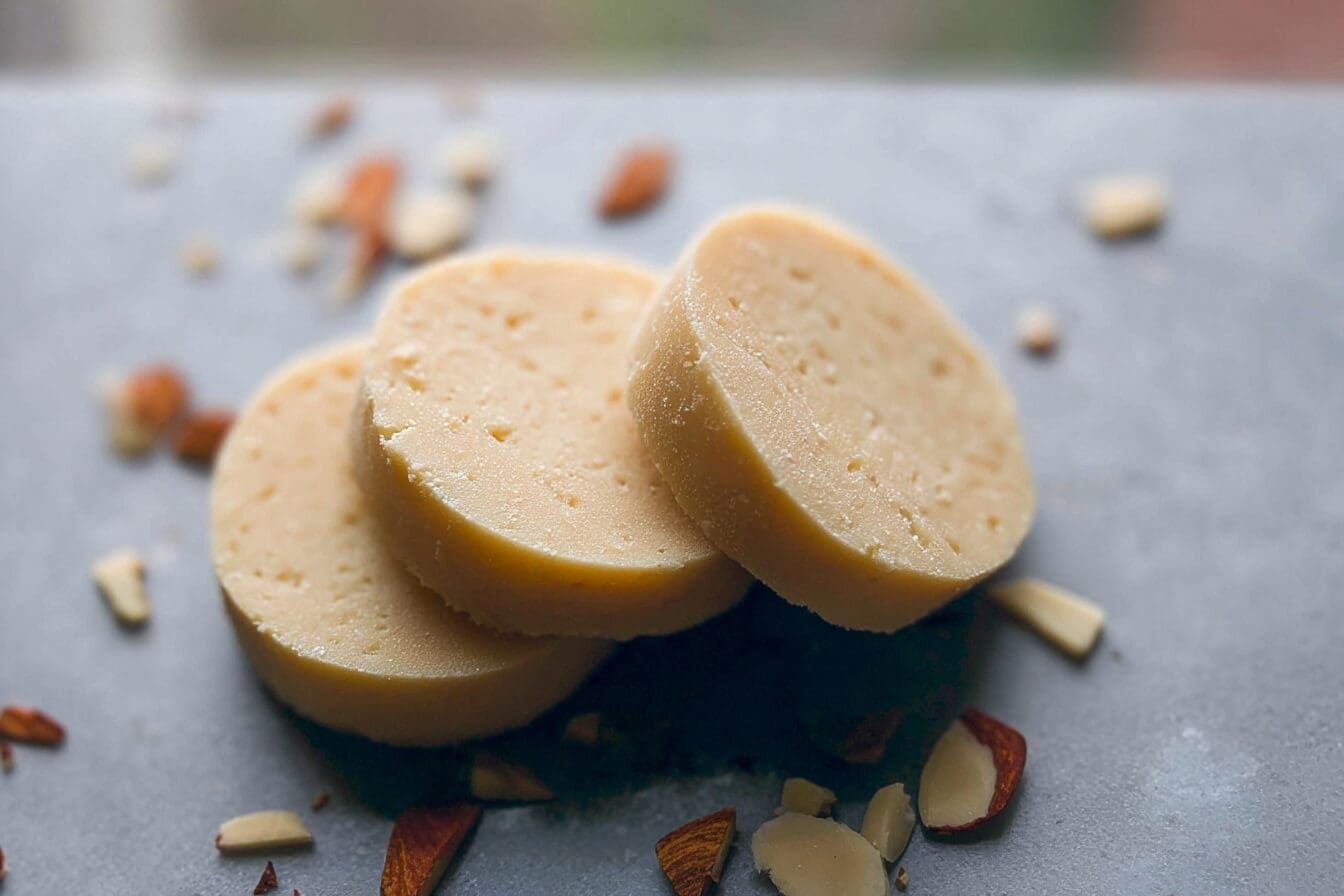
Marzipan, a confection primarily composed of ground almonds and sugar, holds a revered place in many culinary traditions worldwide, frequently crafted into fruit shapes or used as a decorative cake topping during festive occasions.
Mastering Marzipan: Advanced Tips and Variations
Advanced techniques elevate marzipan preparation for experienced bakers and community organizers. Pro cooking methods include lightly toasting almond flour before mixing to deepen flavor and using a food processor for a smoother texture, drawing from traditional processes where almonds are blanched and ground. Flavor variations involve experimenting with extracts like rosewater or orange, allowing for creative twists on the classic recipe that includes sugar up to 35%.
Creative Enhancements
Presentation tips suggest rolling marzipan in powdered sugar or cocoa powder for an elegant finish, and shaping it into fruits or festive figures for holiday displays. Make-ahead options involve preparing the dough in advance and refrigerating for up to 3 days, or freezing shaped pieces for extended storage, which helps prevent hardening by keeping it in airtight containers away from light. Adding emulsifiers can further extend shelf life, as this confection is popular during events like Easter gatherings.
For more dessert inspiration, consider trying chocolate chip cheesecake bars, which pair well with marzipan. Variations with nuts like pistachios or cashews offer regional diversity, reflecting its use in global traditions.
How to Store Marzipan: Best Practices
Proper storage maintains marzipan’s quality, with refrigeration in tightly wrapped plastic or airtight containers keeping it fresh for up to 2 weeks. Freezing in sealed containers or vacuum bags allows for long-term preservation, advising slow thawing in the refrigerator to retain texture and prevent rancidity from almond oils. Reheating involves gentle warming in a low-temperature oven to soften without drying, considering the fats and less than 10% moisture content.
Long-Term Tips
- Store away from direct light to avoid hardening.
- Portion before freezing for easy meal prep.
- Avoid repeated temperature changes to preserve quality.
This approach ensures marzipan remains versatile for working professionals and travelers, aligning with its holiday popularity.
FAQs: Frequently Asked Questions About Marzipan
What ingredients are used to make traditional marzipan?
Traditional marzipan is made from finely ground almonds (almond meal) and sugar. The almonds are first blanched to remove their skins, then ground and mixed with sugar to create a smooth paste. Sometimes, flavorings like almond extract or rose water are added to enhance the taste. This simple combination results in marzipan’s characteristic sweet and nutty flavor.
How is marzipan typically used in baking and confectionery?
Marzipan is widely used as a decorative and edible ingredient in baking. It can be molded into shapes such as fruits, vegetables, or animals for decoration, used as a filling in cakes and pastries, or rolled out as a sweet icing layer for Christmas cakes and other desserts. Its pliable texture makes it ideal for artistic presentations and as a flavorful addition.
What is the difference between marzipan and almond paste?
The main difference lies in the almond-to-sugar ratio. Almond paste contains a higher percentage of almonds and less sugar than marzipan, resulting in a thicker texture and richer almond flavor. Marzipan is sweeter and softer, making it more suitable for molding and candying, while almond paste is often used as a filling in baked goods.
Are there different types of marzipan in various countries?
Yes, regional variations exist across Europe and beyond. For example, German Lübeck marzipan is known for its high almond content and fine texture, while Spanish marzipan from Toledo often appears during Christmas. In Latin America, peanut or pumpkin seed versions are popular substitutes. Presentation styles also vary; some countries mold marzipan into painted fruit shapes, while others use it primarily during holiday seasons.
Can marzipan be made without sugar for a sugar-free option?
Yes, sugar-free marzipan can be made by replacing sugar with sugar substitutes such as sorbitol or other polyols. These alternatives maintain the paste’s sweetness and texture while reducing the glycemic impact. Sugar-free marzipan is suitable for those managing blood sugar levels or following low-sugar diets, though it may have a slightly different taste and shelf life than traditional versions.
Marzipan
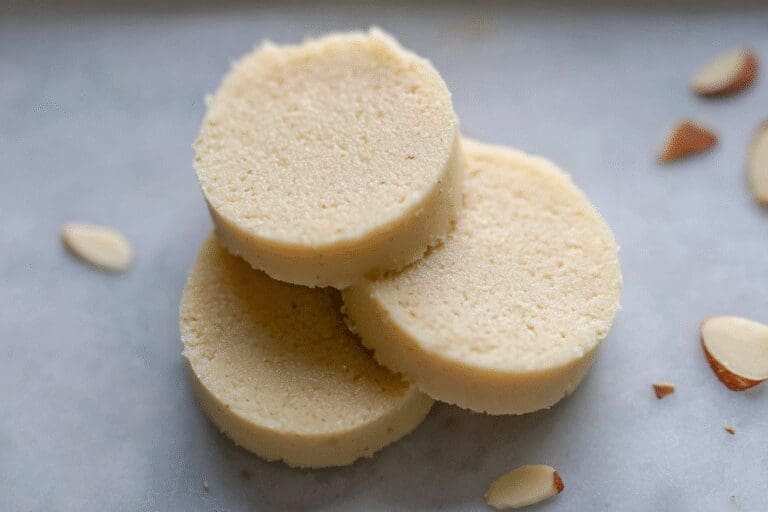
🍬 Marzipan is a versatile and sweet almond-based confection perfect for decorating desserts and creating festive treats.
🎉 Its rich almond flavor and smooth texture make it ideal for molding, shaping, and adding a luxurious touch to baked goods.
- Total Time: 20 to 80 minutes depending on preparations
- Yield: Varies by batch size
Ingredients
– 200g Almond flour Provides the base flavor and texture with natural richness and protein.
– 150g Sugar Adds sweetness and helps create a smooth consistency, comprising up to 35% of the total mixture.
– 1 Egg white Acts as a binder to hold the marzipan together, essential for forming a pliable dough.
– 1 tsp Almond extract Enhances the almond flavor for a more aromatic result, often used alongside flavorings like rose water.
Instructions
1-Initial Preparation Steps: Begin by mixing the ground almonds with sugar in a large bowl to ensure even distribution. This step is crucial as higher quality marzipan contains about 66% almonds, contributing to its superior texture. Next, incorporate the egg white or a vegan substitute and almond extract, kneading gently until a smooth, pliable dough forms, which can then be shaped or used in various recipes.
2-Shaping and Finishing: Shape the marzipan into forms like small logs or decorative items using your hands or molds, and chill for 30 minutes if needed for firmness. For added depth, the mixture can be roasted and cooled beforehand, enhancing the fats from almonds including both saturated and unsaturated types. Finally, bake at 150°C (300°F) for 10 15 minutes to lightly toast and boost flavor, or serve fresh, adapting for dietary preferences such as raw variants.
Last Step:
Please leave a rating and comment letting us know how you liked this recipe! This helps our business to thrive and continue providing free, high-quality recipes for you.Notes
🌰 Use blanched almonds for a smoother texture and better color.
❄ Store marzipan in airtight containers away from light to maintain freshness.
🎨 Add food coloring or flavorings to customize for various holidays and occasions.
- Prep Time: 20 minutes
- Resting or cooling time: 30 minutes to 1 hour (optional)
- Cook Time: 0 minutes (no actual cooking)
- Category: Confectionery
- Method: Blanching, grinding, mixing, molding
- Cuisine: European
- Diet: Vegetarian, Gluten-Free
Nutrition
- Serving Size: Depends on use
- Calories: Approximately 100 kcal per 30g serving
- Sugar: 15 g per 30g serving
- Sodium: 1 mg per 30g serving
- Fat: 6 g per 30g serving
- Saturated Fat: 0.5 g per 30g serving
- Unsaturated Fat: 4.5 g per 30g serving
- Trans Fat: 0 g
- Carbohydrates: 12 g per 30g serving
- Fiber: 1.5 g per 30g serving
- Protein: 3 g per 30g serving
- Cholesterol: 0 mg


