

Benefits and Advantages of lemon poppy seed bread
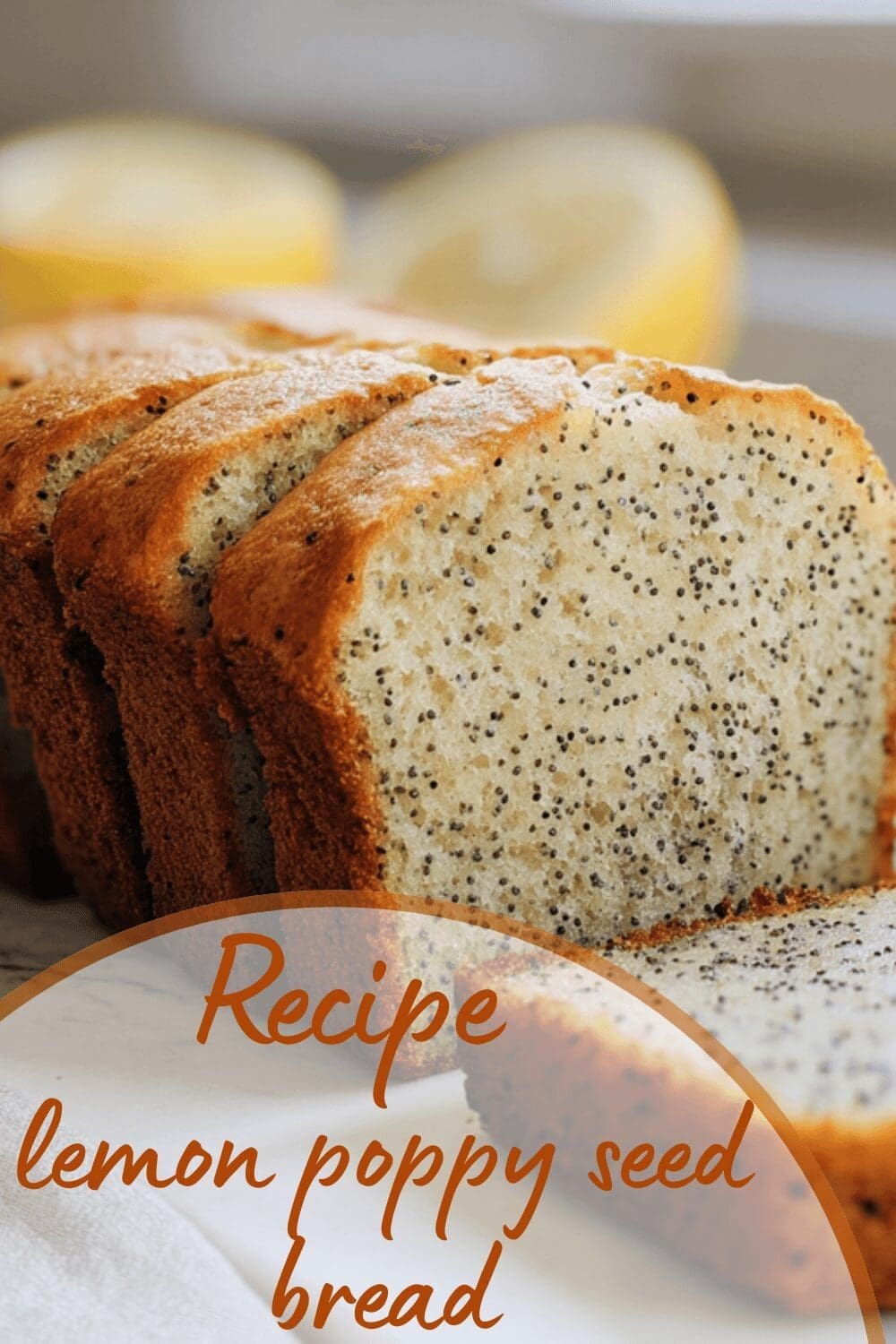
Lemon poppy seed bread is celebrated for its delightful combination of tangy citrus and crunchy seeds, making it a flavorful and moist treat. This recipe stands out for its ease of preparation, requiring simple ingredients and straightforward steps that even beginner bakers can follow. It is also versatile, lending itself well to dietary adaptations such as gluten-free or vegan versions.
Nutritionally, the bread offers health benefits from lemon’s vitamin C and the fiber and minerals found in poppy seeds. Moreover, it provides a refreshing alternative to traditional sweet breads, balancing subtle sweetness with vibrant lemon notes. This well-loved baked good not only satisfies cravings but also fits effortlessly into a health-conscious diet, enhancing its appeal among a wide range of consumers.
Enjoy a moist, zesty loaf with natural goodness that brightens any breakfast or snack.
Jump to:
- Benefits and Advantages of lemon poppy seed bread
- Essential Ingredients for lemon poppy seed bread
- Dietary Substitutions to Customize Your lemon poppy seed bread
- Gluten-Free Options
- Vegan Adjustments
- Lower-Calorie Modifications
- Nut-Free Considerations
- How to Prepare the Perfect lemon poppy seed bread: Step-by-Step Guide
- Mastering lemon poppy seed bread: Advanced Tips and Variations
- How to Store lemon poppy seed bread: Best Practices
- Nutritional Value of lemon poppy seed bread
- FAQs: Frequently Asked Questions About lemon poppy seed bread
- Why does my lemon poppy seed bread crack on top when baking?
- Can I substitute other citrus fruits for lemon in the poppy seed bread recipe?
- What type of milk and sour cream should I use for moist lemon poppy seed bread?
- How long does it take to bake lemon poppy seed muffins or mini loaves compared to a full loaf?
- Is it okay to freeze lemon poppy seed bread, and what’s the best way to thaw it?
- lemon poppy seed bread
- Ingredients
- Instructions
- Last Step:
- Notes
- Nutrition
- Did you make this recipe?
Essential Ingredients for lemon poppy seed bread
The key ingredients for lemon poppy seed bread include fresh lemon zest and juice, poppy seeds, and foundational baking staples. Here is a detailed list of what you need:
- 2 cups (approximately 240 g) all-purpose flour
- 4 teaspoons poppy seeds (or 2 tablespoons for more texture)
- 1 teaspoon baking soda
- 1 teaspoon baking powder
- 1/4 to 1/2 teaspoon salt
- 1 large egg, at room temperature
- 3/4 cup (150 g) granulated sugar
- 1/3 cup (80 ml) vegetable oil or melted butter/coconut oil
- 1/3 cup (80 ml) sour cream or plain/Greek yogurt, at room temperature
- 2/3 cup (160 ml) whole milk, at room temperature
- 3 tablespoons fresh lemon juice
- 1 tablespoon lemon zest
- Optional: 1/2 teaspoon vanilla extract
For the glaze (optional):
- 1/2 to 1 cup (60-120 g) confectioners’ (powdered) sugar
- 1 to 3 tablespoons fresh lemon juice
- Optional candied lemon slices for garnish
Each ingredient plays a unique role: flour provides structure; poppy seeds offer crunch and nutrients; lemon juice and zest deliver vivid flavor and vitamin C; and sour cream/yogurt increase moisture and tenderness. This balance ensures a tender, flavorful bread that’s perfect as a breakfast or snack.

Dietary Substitutions to Customize Your lemon poppy seed bread
Gluten-Free Options
For a gluten-free version, substitute all-purpose flour with almond flour, coconut flour, or a gluten-free baking blend. Adjust the liquid ratios accordingly since these flours absorb moisture differently.
Vegan Adjustments
Replace the egg with flaxseed meal mixed with water (1 tablespoon flaxseed + 3 tablespoons water) or commercial egg replacers. Use plant-based milk alternatives like almond, soy, or oat milk, and substitute butter/oil with coconut oil or vegan margarine for moisture retention.
Lower-Calorie Modifications
Use natural sweeteners such as stevia or erythritol instead of sugar, and reduce oil by partly substituting with applesauce or mashed banana. These swaps maintain moisture while cutting calories.
Nut-Free Considerations
Avoid almond flour or nut-based milk; opt for oatmeal or seed-based milks to keep allergen safety intact.
All of these substitutions help maintain the bread’s signature moist texture and bright flavor, making it accessible for varied dietary needs.
How to Prepare the Perfect lemon poppy seed bread: Step-by-Step Guide
| Step | Instructions |
|---|---|
| 1. Preheat | Preheat your oven to 350°F (177-180°C). Grease or spray a 9×5-inch loaf pan and optionally line with parchment paper for easier removal. |
| 2. Mix Dry Ingredients | In a large bowl, whisk together flour, poppy seeds, baking soda, baking powder, and salt. |
| 3. Combine Wet Ingredients | In a separate bowl, whisk the egg and sugar until combined and slightly pale. Add vegetable oil or melted butter/coconut oil, sour cream or yogurt, milk, lemon juice, lemon zest, and vanilla extract if using. Mix well. |
| 4. Incorporate Ingredients | Pour wet ingredients into dry ingredients and gently whisk or fold until just combined. Avoid overmixing to keep the bread tender. Small lumps are okay. |
| 5. Bake | Pour the batter into the prepared loaf pan and smooth the top. Bake for 50-60 minutes, tenting loosely with foil halfway through if browning too quickly. Check doneness at 50 minutes by inserting a toothpick into the center; it should come out clean or with a few moist crumbs. |
| 6. Cool and Glaze | Let the bread cool in the pan for about 10 minutes, then transfer to a wire rack to cool completely. For the glaze, whisk powdered sugar with fresh lemon juice until smooth, then drizzle over warm or cooled bread. Garnish with candied lemon slices if desired. |
Tip: Use room temperature eggs, milk, and dairy ingredients for even mixing and moist results.
For variations such as muffins or mini loaves, adjust baking time accordingly: muffins bake at 425°F briefly then 350°F for about 15-17 minutes; mini loaves bake for around 30-35 minutes.
For other quick bread inspiration, check out our pineapple quick bread recipe.
Mastering lemon poppy seed bread: Advanced Tips and Variations
For a more flavorful and textured lemon poppy seed bread, consider these expert tips and creative variations:
- Enhance Citrus Flavor: Drizzle a bright lemon glaze or syrup over the warm bread to intensify the lemon notes. This adds a moist finish and a glossy appearance.
- Use Fresh Ingredients: Toast poppy seeds lightly before adding them to the batter to bring out their nutty aroma. Freshly ground poppy seeds can provide a stronger texture and nutrition boost.
- Moisture Boosters: Incorporate yogurt or sour cream into the batter for a tender, moist crumb. Plant-based alternatives maintain moisture while catering to dietary preferences.
- Citrus Variations: Swap lemon zest and juice with other citrus fruits such as lime, orange, or grapefruit to give your bread a unique twist.
- Healthier Twists: Reduce sugar and increase fiber by adding grated zucchini or substituting some sugar with natural sweeteners like honey or maple syrup.
These adaptations allow you to personalize your loaf while maintaining its classic appeal. Experiment with these options for a lemon poppy seed bread that reflects your taste and lifestyle.
How to Store lemon poppy seed bread: Best Practices
Proper storage is key to keeping your lemon poppy seed bread fresh and flavorful for as long as possible. Follow these guidelines:
- Room Temperature: Store the bread wrapped tightly in plastic wrap or aluminum foil at room temperature for up to three days without sacrificing moisture.
- Refrigeration: For longer storage, place the bread in an airtight container or wrap it well and refrigerate. It will keep fresh for up to one week, though texture may slightly change.
- Freezing: Freeze the bread for up to three months by slicing and wrapping individual pieces in plastic wrap, then placing them in a freezer-safe bag. This makes thawing easy when you want a single serving.
- Thawing and Reheating: Thaw frozen bread overnight in the refrigerator and warm slices gently in a toaster oven or microwave to restore freshness without drying out.
Proper storage maintains the bread’s moist texture and bright lemon flavor, making it ideal for meal prepping or enjoying over several days.
Nutritional Value of lemon poppy seed bread
Lemon poppy seed bread offers a balanced nutritional profile that harmonizes flavor with nourishment. A typical slice (about 60-70 grams) contains roughly:
| Nutrient | Approximate Amount per Slice |
|---|---|
| Calories | 220 |
| Carbohydrates | 32 grams |
| Protein | 4 grams |
| Fat | 8-9 grams (includes saturated fat ~5g) |
| Sugar | 25-27 grams |
| Sodium | 250 mg |
The bread provides a good source of dietary fiber thanks to poppy seeds, which also add beneficial minerals like calcium and iron. Lemon zest and juice contribute vitamin C and antioxidants, which support immune health. Choosing full-fat dairy and oils enhances moisture and flavor, while opting for reduced sugar or alternative sweeteners can adjust calories as needed. For more information, see Health Benefits of Poppy Seeds and Nutritional Value of Lemon.
FAQs: Frequently Asked Questions About lemon poppy seed bread
Why does my lemon poppy seed bread crack on top when baking?
A crack on the top of lemon poppy seed bread is a normal sign that the bread expanded well during baking. The outer edges set faster than the center, causing the trapped steam and air to break through the top, creating that crack. Lack of a crack can also be normal and depends on factors like oven temperature, batter consistency, and pan type, so you don’t need to worry if your loaf looks different.
Can I substitute other citrus fruits for lemon in the poppy seed bread recipe?
Yes, you can replace lemon juice and zest with other citrus fruits like orange, lime, grapefruit, or blood orange. Each will add a unique flavor twist—orange offers a sweeter, milder taste, while lime and grapefruit bring a tangier profile. Use an equal amount to maintain the right balance of acidity and moisture in the bread.
What type of milk and sour cream should I use for moist lemon poppy seed bread?
Full-fat sour cream and whole milk are best for a moist, tender crumb. These ingredients add richness and help keep the bread soft. You can substitute plain yogurt for sour cream if needed, but avoid low-fat or fat-free versions and dairy alternatives, as they may affect texture and moisture content.
How long does it take to bake lemon poppy seed muffins or mini loaves compared to a full loaf?
For muffins, baking usually takes about 20 to 22 minutes at the same temperature used for a loaf. Mini loaves require slightly longer, typically around 30 to 40 minutes, depending on the pan size. Always check doneness with a toothpick inserted in the center—it should come out clean or with just a few crumbs attached.
Is it okay to freeze lemon poppy seed bread, and what’s the best way to thaw it?
You can freeze lemon poppy seed bread, glazed or unglazed, for up to three months. To thaw, place the bread in the refrigerator overnight, then let it come to room temperature before serving for the best texture and flavor. If frozen unglazed, you can add the glaze after thawing to keep it fresh.

lemon poppy seed bread
🍞 Enjoy a deliciously moist Lemon Poppy Seed Bread that’s perfect for breakfast or a snack!
🍋 Packed with zesty lemon flavor and crunchy poppy seeds, this recipe is a delightful treat for any occasion.
- Total Time: 1 hour and 15 minutes
- Yield: 8–10 servings 1x
Ingredients
2 cups all-purpose flour
4 teaspoons poppy seeds
1 teaspoon baking soda
1 teaspoon baking powder
1/4 to 1/2 teaspoon salt
1 large egg, at room temperature
3/4 cup granulated sugar
1/3 cup vegetable oil or melted butter
1/3 cup sour cream or Greek yogurt
2/3 cup whole milk, at room temperature
3 tablespoons fresh lemon juice
1 tablespoon lemon zest
For the Glaze:
1/2 to 1 cup confectioners’ sugar
1 to 3 tablespoons fresh lemon juice
Optional: candied lemon slices for garnish
Instructions
1. Preheat oven to 350°F (177-180°C). Grease a 9×5-inch loaf pan and optionally line with parchment paper.
2. In a large bowl, whisk together flour, poppy seeds, baking soda, baking powder, and salt.
3. In a separate bowl, whisk egg and sugar until slightly pale. Add oil, sour cream, milk, lemon juice, and lemon zest.
4. Pour wet ingredients into dry ingredients and mix until just combined.
5. Pour batter into prepared loaf pan and smooth the top. Bake for 50-60 minutes, covering with foil halfway if browning too fast.
6. Let bread cool in the pan for 10 minutes, then transfer to a wire rack.
For the Glaze:
Mix confectioners’ sugar with lemon juice and drizzle over bread.
Last Step:
Please leave a rating and comment letting us know how you liked this recipe! This helps our business to thrive and continue providing free, high-quality recipes for you.Notes
🥄 Ensure all ingredients are at room temperature for the best texture.
🍃 Adjust the sweetness by using more or less sugar to your preference.
🧈 Substitute butter for oil if you prefer a richer flavor, using softened butter for a creamier texture.
- Prep Time: 15 minutes
- Cooling time: 10 minutes
- Cook Time: 50 minutes
- Category: Bread
- Method: Baking
- Cuisine: American
- Diet: Vegetarian
Nutrition
- Serving Size: 1 slice
- Calories: 220
- Sugar: 32g
- Sodium: 200mg
- Fat: 9g
- Saturated Fat: 2g
- Unsaturated Fat: 7g
- Trans Fat: 0g
- Carbohydrates: 32g
- Fiber: 1g
- Protein: 4g
- Cholesterol: 27mg


