

Why You’ll Love This Jambalaya
- Ease of preparation: This jambalaya recipe simplifies traditional Cajun cooking by combining a handful of easy-to-find ingredients with straightforward steps. The entire dish comes together in under an hour, making it a practical and satisfying option for busy weeknights or casual gatherings.
- Health benefits: Brimming with lean proteins such as chicken and shrimp, along with nutrient-rich vegetables like bell peppers and celery, this jambalaya offers a balanced meal packed with vitamins, minerals, and protein. It provides a wholesome way to enjoy hearty Southern flavors without excessive fats or calories.
- Versatility: This recipe is wonderfully adaptable to various dietary preferences. Whether you want to try a vegetarian version with tofu and vegetable stock, add different seafood or meats, or adjust spice levels for mild or bold heat, jambalaya lends itself to customization without losing its classic charm.
- Distinctive flavor: What makes this jambalaya truly shine is the bold interplay of smoky Andouille sausage, spicy Cajun seasoning, and the aromatic holy trinity of bell peppers, celery, and onion. Combined with tender shrimp and chicken, these elements create a rich, vibrant stew that’s comforting and unforgettable.
Jump to:
- Why You’ll Love This Jambalaya
- Essential Ingredients for Jambalaya
- Main Ingredients:
- Special Dietary Options:
- How to Prepare the Perfect Jambalaya: Step-by-Step Guide
- First Step: Prepare Ingredients
- Second Step: Brown the Proteins
- Third Step: Sauté the Vegetables
- Fourth Step: Combine Liquids and Spices
- Fifth Step: Add Seafood and Okra
- Final Step: Finish and Serve
- Dietary Substitutions to Customize Your Jambalaya
- Protein and Main Component Alternatives
- Vegetable, Sauce, and Seasoning Modifications
- Mastering Jambalaya: Advanced Tips and Variations
- Pro Cooking Techniques
- Flavor Variations
- Presentation Tips
- Make-Ahead Options
- How to Store Jambalaya: Best Practices
- FAQs: Frequently Asked Questions About Jambalaya
- What ingredients do I need to make traditional jambalaya?
- Can I adjust the spiciness level in jambalaya?
- How can I make vegetarian jambalaya without losing flavor?
- What are some common substitutions for proteins in jambalaya?
- How should I store and reheat leftover jambalaya safely?
- Jambalaya
- Ingredients
- Instructions
- Last Step:
- Notes
- Nutrition
- Did you make this recipe?
Essential Ingredients for Jambalaya
Main Ingredients:
- 3 tablespoons olive oil, divided – for browning proteins and sautéing vegetables
- 2 boneless skinless chicken breasts, cut into bite-sized pieces – provides lean and tender protein
- 1 pound Andouille sausage, thinly sliced – adds smoky, spicy depth
- 3 small bell peppers (yellow, red, green), cored and diced – contribute sweetness and vibrant color
- 2 ribs celery, diced – part of the traditional “holy trinity,” brings aromatic crunch
- 1 jalapeño pepper, seeded and finely chopped (optional) – for customizable heat
- 1 white onion, diced – adds savory base flavor
- 4 cloves garlic, minced – essential for aromatic richness
- 1 (14-ounce) can crushed tomatoes – forms the flavorful tomato base
- 3 to 4 cups chicken stock – ensures rich cooking liquid for depth of flavor
- 1 ½ cups uncooked long grain white rice (basmati or medium/long grain preferred) – serves as hearty starch
- 2 tablespoons Cajun or Creole seasoning – signature spice blend delivering warmth and complexity
- 1 teaspoon dried thyme, crushed – adds earthy herbal notes
- ¼ teaspoon cayenne pepper (adjust as desired) – boosts spicy heat
- 1 bay leaf – aromatic seasoning layer
- 1 pound raw large shrimp, peeled and deveined – succulent seafood protein
- 1 cup thinly sliced okra (fresh or frozen; file powder can substitute 1.5 teaspoons) – traditional thickener and flavor enhancer
- Kosher salt and freshly cracked black pepper, to taste – vital seasoning
- Optional garnishes: chopped fresh parsley, sliced green onions, vinegar-based hot sauce – for freshness and heat on serving
Special Dietary Options:
- Vegan: Replace chicken and sausage with smoked tofu or tempeh. Use vegetable stock and omit shrimp for a plant-based jambalaya.
- Gluten-free: Ensure all seasonings and sausage are gluten-free certified; substitute file powder if preferred over okra.
- Low-calorie: Use skinless chicken breast, reduce oil, and increase vegetables while limiting or skipping sausage.
How to Prepare the Perfect Jambalaya: Step-by-Step Guide
First Step: Prepare Ingredients
Dice boneless skinless chicken breasts and slice Andouille sausage thinly. Core and dice the three bell peppers (yellow, red, green), chop celery stalks, seed and finely chop jalapeño if using, dice the white onion, and mince garlic cloves. Have the crushed tomatoes, chicken stock, spices, and rice ready to go.
Second Step: Brown the Proteins
Heat 1 tablespoon of olive oil in a large deep pan over medium-high heat. Add chicken pieces and Andouille sausage. Cook for 5 to 7 minutes, stirring occasionally, until chicken is cooked through and sausage is browned. Remove meat from pan and set aside to keep warm.
Third Step: Sauté the Vegetables
Add the remaining 2 tablespoons of olive oil to the pan. Add diced bell peppers, celery, jalapeño, onion, and garlic. Sauté for about 6 minutes until the onions soften and the vegetables release their aromas. This step builds the stew’s aromatic foundation.
Fourth Step: Combine Liquids and Spices
Stir in crushed tomatoes, chicken stock, uncooked rice, Cajun or Creole seasoning, crushed thyme, cayenne pepper, and bay leaf. Mix thoroughly. Bring the mixture to a simmer, then reduce heat to medium-low. Cover the pan and cook, stirring every 5 minutes, for 25 to 30 minutes or until the rice is nearly tender and the flavors are well integrated.
Fifth Step: Add Seafood and Okra
Gently stir in peeled and deveined shrimp and sliced okra (or file powder if preferred). Allow to simmer for approximately 5 minutes, or until shrimp are pink and cooked through.
Final Step: Finish and Serve
Return cooked chicken and sausage to the pan, stir to combine all ingredients evenly, then remove the bay leaf. Season with kosher salt, freshly cracked black pepper, and additional Cajun seasoning if desired. Serve warm, garnished with chopped fresh parsley, sliced green onions, and a splash of vinegar-based hot sauce if preferred for added brightness and heat.
Tip: Stir the jambalaya frequently towards the end to prevent sticking and ensure perfectly cooked rice with a moist texture.
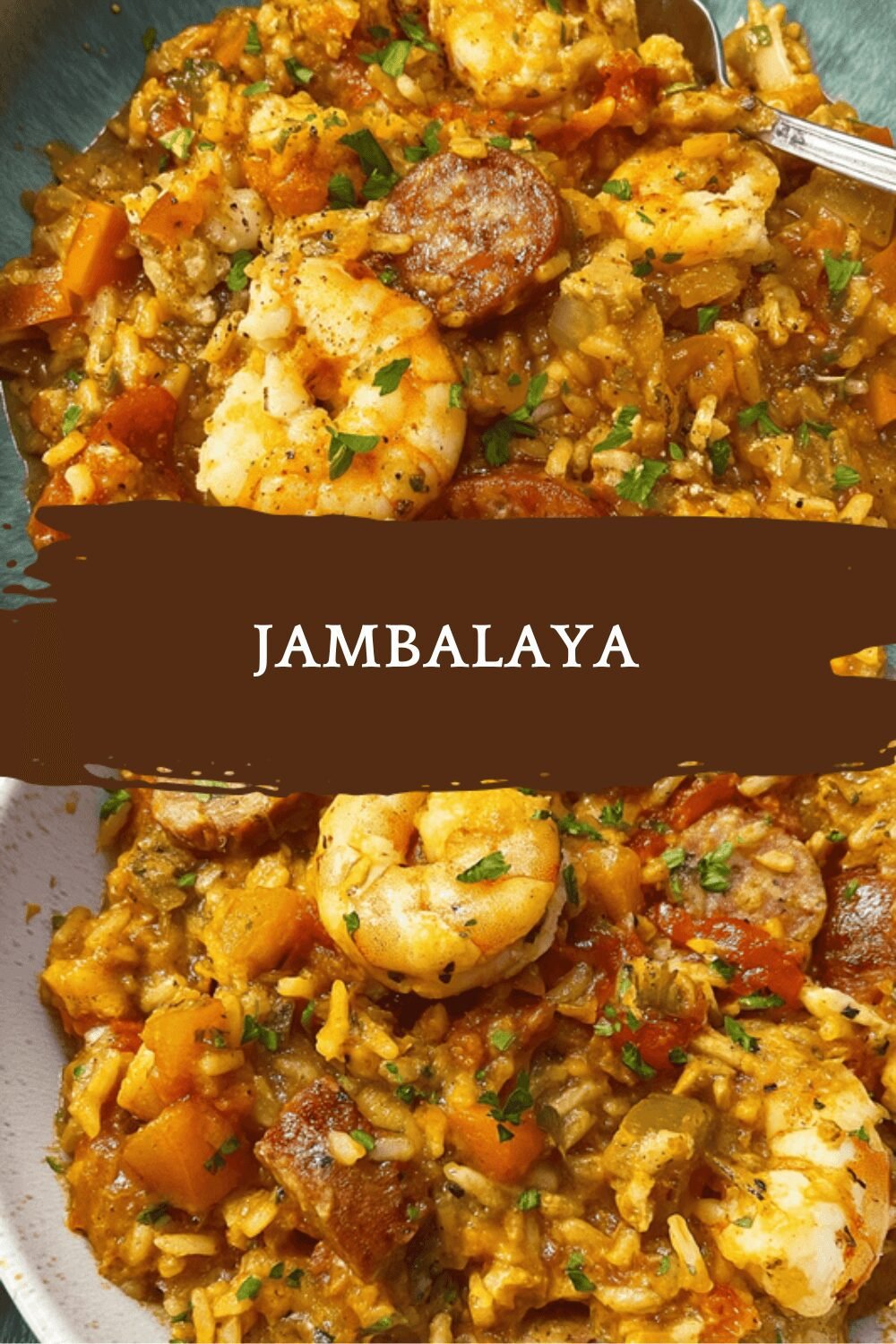
Dietary Substitutions to Customize Your Jambalaya
Protein and Main Component Alternatives
- Replace chicken with turkey breast for a lean alternative.
- Use firm tofu or tempeh for a vegan or vegetarian protein source that absorbs bold flavors well.
- Substitute Andouille sausage with gluten-free sausage or omit for a lighter dish.
- Try different seafood such as scallops, crab meat, or fish chunks for a seafood twist.
Vegetable, Sauce, and Seasoning Modifications
- Add okra or celery for texture and traditional Southern taste.
- Use fire-roasted diced tomatoes in place of crushed tomatoes for richer smoky notes.
- Adjust Cajun seasoning intensity or swap with Creole spices for different heat profiles.
- For low-sodium diets, opt for homemade or low-sodium broth and tweak seasoning accordingly.
- Include additional vegetables like carrots, squash, or broccoli for variety and nutrition.
Mastering Jambalaya: Advanced Tips and Variations
Pro Cooking Techniques
For a deeper smoky flavor, slightly char the sausage and veggies before simmering. Use a heavy-bottomed pot to prevent sticking and maintain an even heat. Toast spices briefly before adding liquids to intensify aroma.
Flavor Variations
Add smoked paprika or chipotle powder to tweak the heat and smokiness. Incorporate seafood like shrimp or crawfish to create classic Creole versions. Try adding file powder instead of okra to thicken the stew and add authentic texture.
Presentation Tips
Serve jambalaya in shallow bowls garnished with freshly chopped green onions, parsley, and a lemon wedge for a bright contrast. Pair with crusty bread or a crisp salad for a complete meal.
Make-Ahead Options
Prepare the jambalaya base up to three days in advance; refrigerate in airtight containers. When ready to eat, reheat gently on the stovetop and add fresh seafood or chicken to avoid overcooking.
How to Store Jambalaya: Best Practices
| Storage Method | Instructions | Duration |
|---|---|---|
| Refrigeration | Cool the jambalaya to room temperature, store in airtight containers, refrigerate promptly. | 3 to 4 days |
| Freezing | Portion into freezer-safe containers or bags, remove excess air, label and freeze. | Up to 3 months |
| Reheating | Thaw overnight in fridge when frozen. Reheat slowly on stovetop, stirring occasionally. Add a splash of broth if it thickens too much. | N/A |
| Meal Prep | Divide into single portions for easy reheating and serving throughout the week. | N/A |
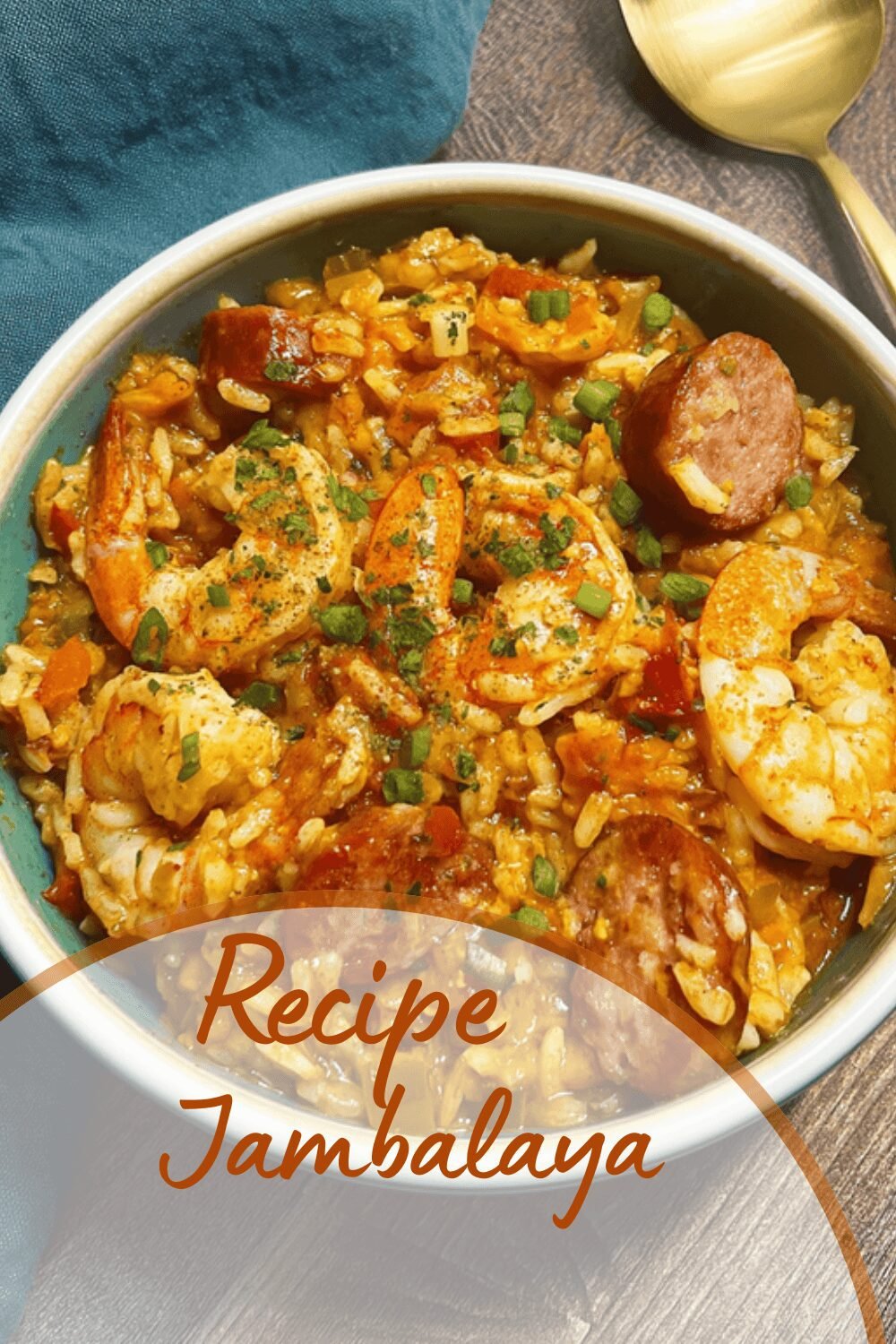
FAQs: Frequently Asked Questions About Jambalaya
What ingredients do I need to make traditional jambalaya?
Classic jambalaya includes the “holy trinity” of celery, bell pepper, and onion, along with garlic, Creole seasoning, bay leaf, thyme, chicken, Andouille sausage, shrimp, chicken stock, crushed tomatoes (optional, depending on style), white rice, and okra or file powder. Fresh herbs like parsley and garnishes such as green onions and lemon wedges can be added before serving to enhance flavor.
Can I adjust the spiciness level in jambalaya?
Yes, you can control the heat by varying the amount of jalapeño and cayenne pepper. For a milder dish, omit jalapeños and add a pinch of cayenne toward the end if desired. For more spice, include two jalapeños and increase cayenne according to your taste. This flexibility allows you to cater to different spice preferences without altering the core recipe.
How can I make vegetarian jambalaya without losing flavor?
To make vegetarian jambalaya, replace chicken stock with vegetable broth and use hearty vegetables like carrots, squash, mushrooms, and broccoli. Include Creole seasoning and smoked paprika to replicate the depth of flavor usually provided by meat. Adding softer vegetables at the end helps keep them fresh and vibrant, resulting in a satisfying and flavorful meat-free jambalaya.
What are some common substitutions for proteins in jambalaya?
While chicken, shrimp, and Andouille sausage are traditional, you can substitute or add other proteins such as cod, mussels, clams, crawfish, pork, or firm tofu. These alternatives can provide variety and accommodate dietary preferences. Choose proteins that hold up well during cooking to maintain the dish’s texture and balance.
How should I store and reheat leftover jambalaya safely?
Store leftover jambalaya in an airtight container in the refrigerator for up to 3 to 4 days. When reheating, warm it gently on the stovetop or in the microwave to avoid drying out the rice and overcooking proteins like shrimp. Adding a splash of broth or water before reheating can help maintain moisture and freshness.
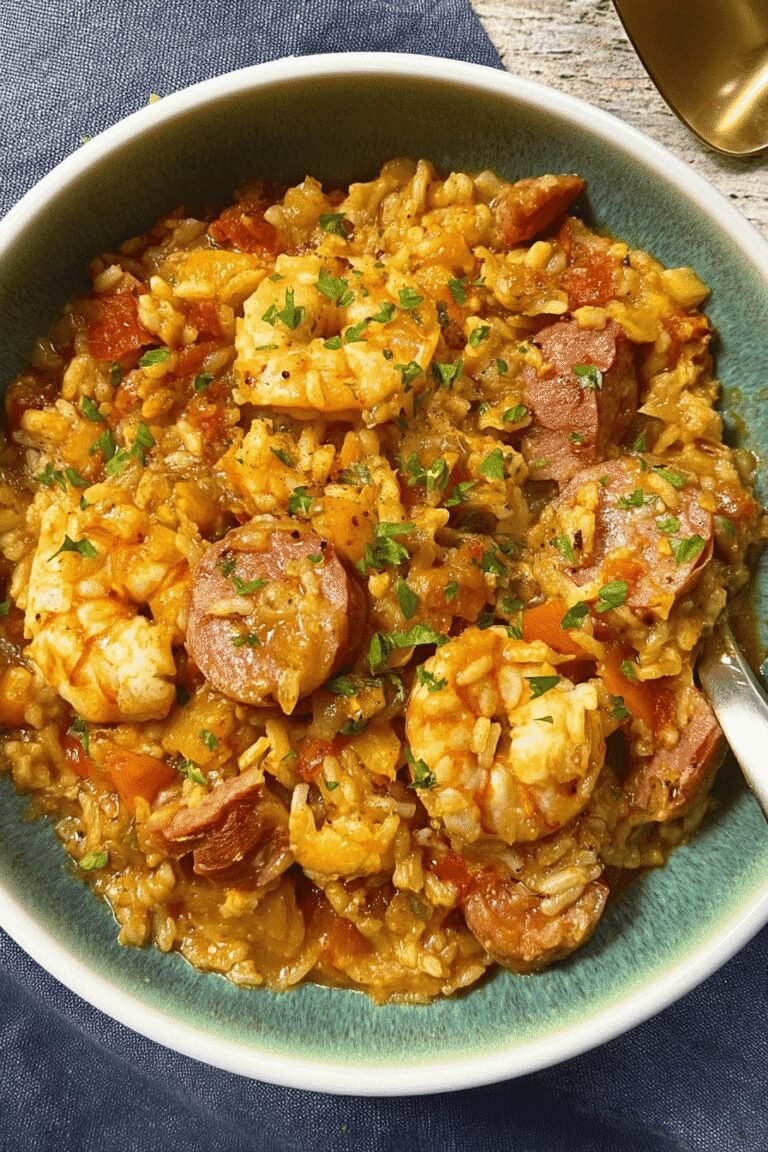
Jambalaya
🌶️ Enjoy a taste of the South with this hearty Jambalaya, packed with Cajun and Creole spices that elevate each bite.
🍤 Perfect for family gatherings, this one-pot meal is brimming with diverse proteins and vibrant vegetables, making it a complete and indulgent dining experience.
- Total Time: 55 minutes
- Yield: 6 to 8 servings
Ingredients
– 3 tablespoons olive oil for browning proteins and sautéing vegetables
– 2 boneless skinless chicken breasts
– 1 pound Andouille sausage
– 3 small bell peppers
– 2 ribs celery
– 1 jalapeño pepper
– 1 white onion
– 4 cloves garlic
– 1 (14-ounce) can crushed tomatoes
– 3 to 4 cups chicken stock
– 1 ½ cups uncooked long grain white rice
– 2 tablespoons Cajun or Creole seasoning
– 1 teaspoon dried thyme
– ¼ teaspoon cayenne pepper
– 1 bay leaf
– 1 pound raw large shrimp
– 1 cup thinly sliced okra
– Kosher salt and freshly cracked black pepper
– Optional garnishes: chopped fresh parsley, sliced green onions, vinegar-based hot sauce
Instructions
First Step: Prepare Ingredients Dice boneless skinless chicken breasts and slice Andouille sausage thinly. Core and dice the three bell peppers (yellow, red, green), chop celery stalks, seed and finely chop jalapeño if using, dice the white onion, and mince garlic cloves. Have the crushed tomatoes, chicken stock, spices, and rice ready to go.
Second Step: Brown the Proteins Heat 1 tablespoon of olive oil in a large deep pan over medium-high heat. Add chicken pieces and Andouille sausage. Cook for 5 to 7 minutes, stirring occasionally, until chicken is cooked through and sausage is browned. Remove meat from pan and set aside to keep warm.
Third Step: Sauté the Vegetables Add the remaining 2 tablespoons of olive oil to the pan. Add diced bell peppers, celery, jalapeño, onion, and garlic. Sauté for about 6 minutes until the onions soften and the vegetables release their aromas. This step builds the stew’s aromatic foundation.
Fourth Step: Combine Liquids and Spices Stir in crushed tomatoes, chicken stock, uncooked rice, Cajun or Creole seasoning, crushed thyme, cayenne pepper, and bay leaf. Mix thoroughly. Bring the mixture to a simmer, then reduce heat to medium-low. Cover the pan and cook, stirring every 5 minutes, for 25 to 30 minutes or until the rice is nearly tender and the flavors are well integrated.
Fifth Step: Add Seafood and Okra Gently stir in peeled and deveined shrimp and sliced okra (or file powder if preferred). Allow to simmer for approximately 5 minutes, or until shrimp are pink and cooked through.
Final Step: Finish and Serve Return cooked chicken and sausage to the pan, stir to combine all ingredients evenly, then remove the bay leaf. Season with kosher salt, freshly cracked black pepper, and additional Cajun seasoning if desired. Serve warm, garnished with chopped fresh parsley, sliced green onions, and a splash of vinegar-based hot sauce if preferred for added brightness and heat.
Last Step:
Please leave a rating and comment letting us know how you liked this recipe! This helps our business to thrive and continue providing free, high-quality recipes for you.Notes
🌶️ Adjust spiciness by varying jalapeño and cayenne amounts; omit jalapeño for a milder dish or add extra for more heat.
👩🍳 Substitute proteins as preferred: firm tofu, other seafood, or pork cuts can be used.
🍲 Use chicken broth instead of water to deepen flavors and enhance the dish.
- Prep Time: 15 minutes
- N/A: 0 minutes
- Cook Time: 40 minutes
- Category: Main Course
- Method: Simmering
- Cuisine: Southern
- Diet: N/A
Nutrition
- Serving Size: 1 plate
- Calories: N/A
- Sugar: N/A
- Sodium: N/A
- Fat: N/A
- Saturated Fat: N/A
- Unsaturated Fat: N/A
- Trans Fat: N/A
- Carbohydrates: N/A
- Fiber: N/A
- Protein: N/A
- Cholesterol: N/A





I just tried this recipe for the first time and it was incredible! 🎉 I added a bit more shrimp than called for, and it turned out perfect. Thank you for sharing such a delicious and easy-to-follow dish!