

Why You’ll Love This irish soda bread
- Ease of preparation: This Irish soda bread recipe is wonderfully simple and quick to prepare. It requires minimal ingredients and no yeast, meaning you avoid lengthy rising times. Perfect for busy days or spontaneous baking, it quickly comes together and bakes in under an hour.
- Health benefits: Made with wholesome ingredients like all-purpose or whole wheat flour and leavened naturally with baking soda and tangy buttermilk, this Irish soda bread delivers dietary fiber and essential nutrients. Its low sugar content contributes to a balanced option for wellness-conscious eaters.
- Versatility: This traditional recipe easily adapts to diverse dietary preferences. Vegan modifications can be made by substituting plant-based yogurt for buttermilk, while gluten-free flour blends make this rustic bread suitable for gluten-sensitive individuals, making it an inclusive staple.
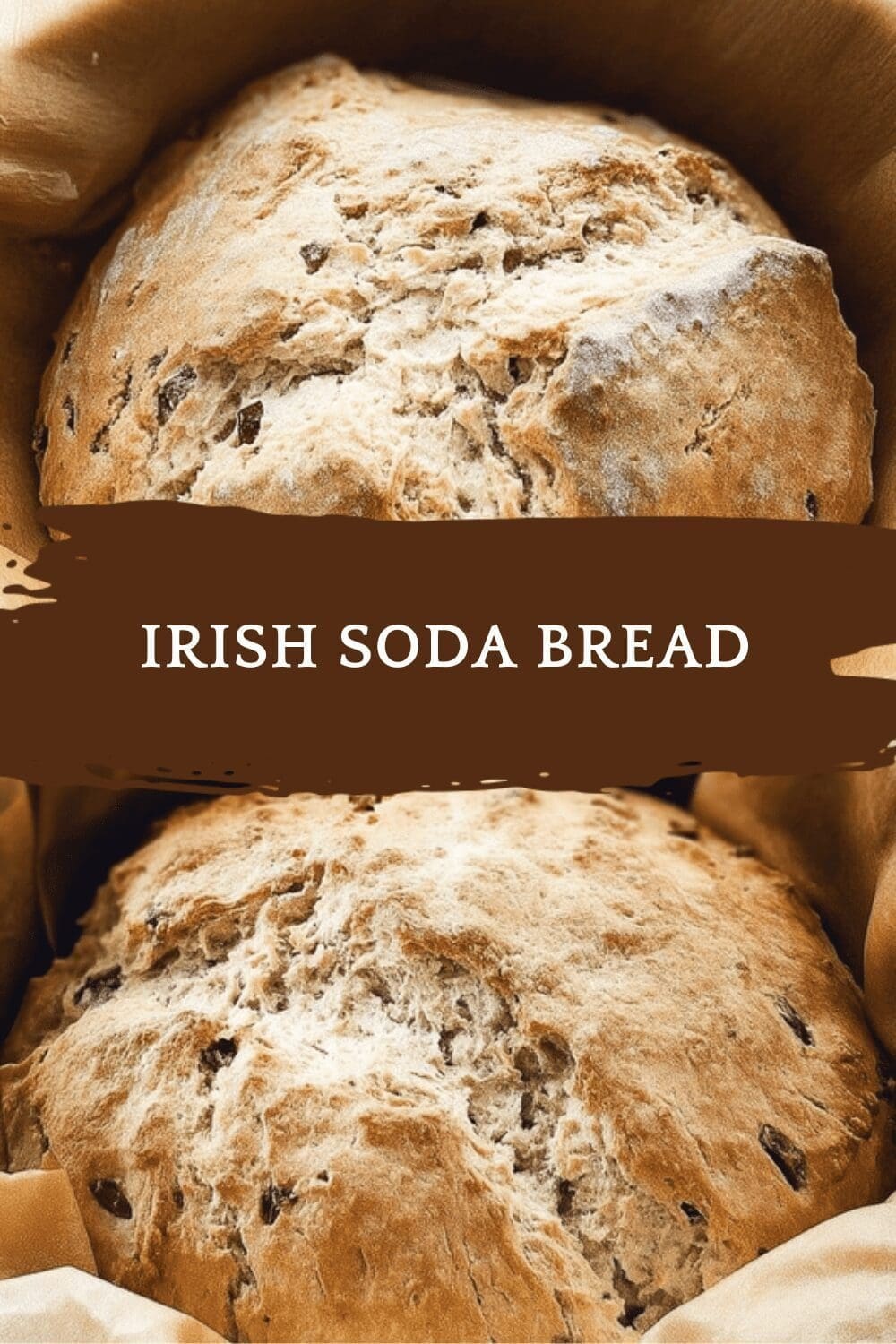
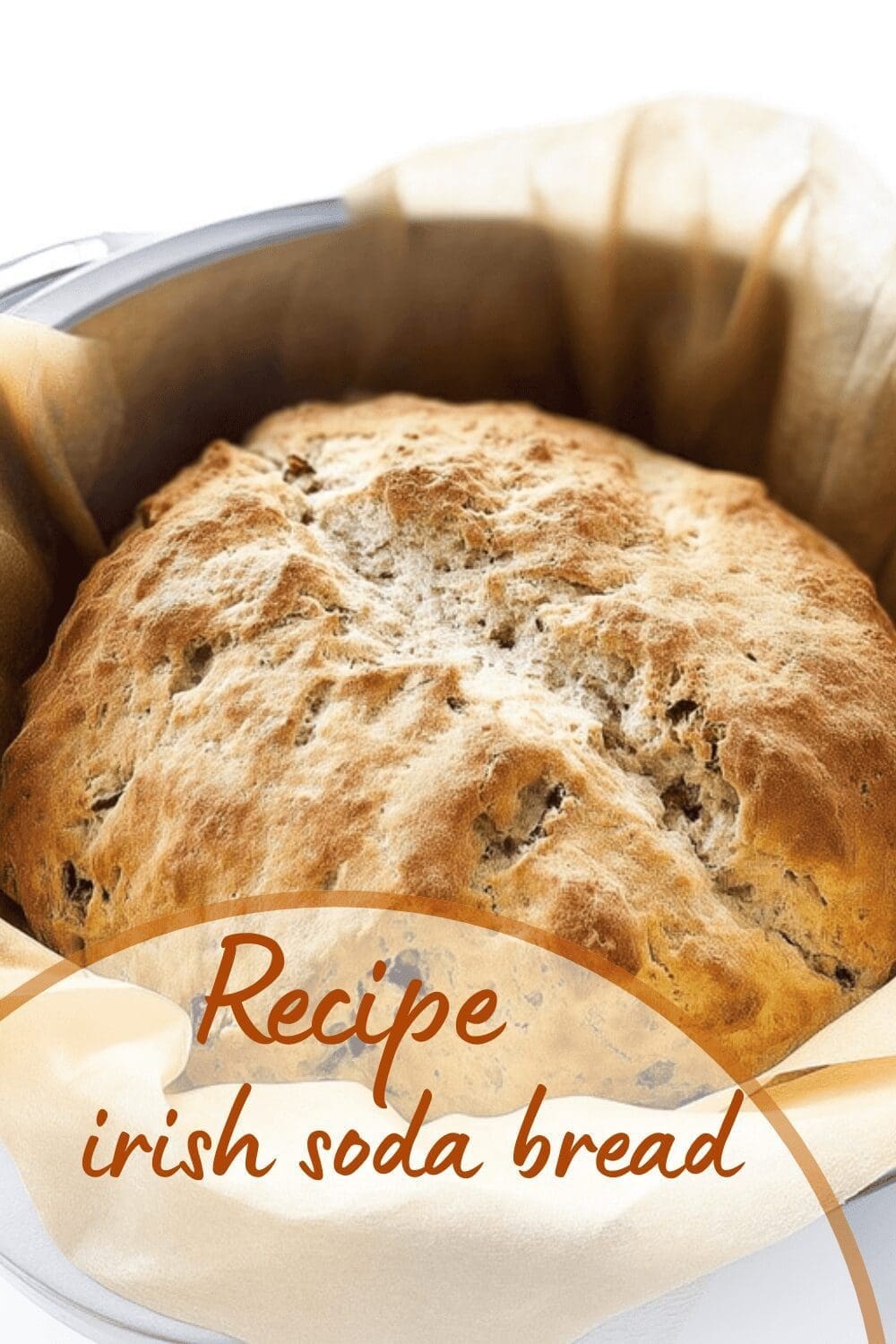
- Distinctive flavor: Irish soda bread has a unique taste thanks to the classic leavening reaction between baking soda and buttermilk, which creates a subtle tang and tender crumb. The crust is delightfully crusty, with a dense yet soft interior, distinguished from regular yeast breads. Optional additions like raisins or currants amplify its character.
Jump to:
- Why You’ll Love This irish soda bread
- Essential Ingredients for irish soda bread
- Special Dietary Options
- How to Prepare the Perfect irish soda bread: Step-by-Step Guide
- First Step: Preheat and Prepare Your Baking Surface
- Second Step: Mix Wet Ingredients
- Third Step: Combine Dry Ingredients
- Fourth Step: Cut in the Cold Butter
- Fifth Step: Combine Wet and Dry Mixtures
- Sixth Step: Shape and Score the Dough
- Final Step: Bake and Cool
- Dietary Substitutions to Customize Your irish soda bread
- Protein and Main Component Alternatives
- Vegetable, Sauce, and Seasoning Modifications
- Mastering irish soda bread: Advanced Tips and Variations
- How to Store irish soda bread: Best Practices
- Refrigeration
- Freezing
- Reheating
- Meal prep considerations
- FAQs: Frequently Asked Questions About irish soda bread
- What ingredients do I need to make traditional Irish soda bread?
- Can I substitute buttermilk if I don’t have any on hand?
- How do I know when Irish soda bread is fully baked?
- Is it better to bake Irish soda bread in a cast iron skillet or on a baking sheet?
- Can I prepare Irish soda bread dough ahead of time?
- irish soda bread
- Ingredients
- Instructions
- Last Step:
- Notes
- Nutrition
- Did you make this recipe?
Essential Ingredients for irish soda bread
| Ingredient | Quantity | Purpose / Benefit |
|---|---|---|
| All-purpose flour | 4 to 4¼ cups (approximately 510 g) | Forms structure and base of the bread; can be partially substituted with whole wheat flour or wheat germ for denser texture |
| Buttermilk | 1¾ cups (about 410-440 ml) | Reacting with baking soda to leaven and moisten the bread; can be homemade by adding lemon juice or vinegar to milk |
| Large egg (optional) | 1 egg | Adds richness and suppleness to the dough when included |
| Granulated sugar | 3 tablespoons | Balances flavors and enhances browning |
| Baking soda | 1 teaspoon | Leavens bread through reaction with buttermilk |
| Salt | 1 to 2 teaspoons (adjust according to salt type) | Enhances flavor depth and balances sweetness |
| Unsalted butter | 5 tablespoons (about 70 g), cold and cubed | Contributes flakiness and richness to the crust and crumb |
| Raisins or currants (optional) | 1 cup (about 150 g) | Add sweetness and texture variety to the bread |
Special Dietary Options
- Vegan: Replace buttermilk with plant-based yogurt mixed with lemon juice or vinegar to maintain acidity and moisture. Omit egg or use flax egg substitutes.
- Gluten-free: Use gluten-free all-purpose baking flour blends formulated for bread-making instead of wheat flour.
- Low-calorie: Use whole wheat or light flour varieties, reduce or omit sugar, and choose minimal butter to lower fat and calories.
How to Prepare the Perfect irish soda bread: Step-by-Step Guide
First Step: Preheat and Prepare Your Baking Surface
Preheat your oven to 400°F (200°C). Select and prepare your baking pan, such as a lined baking sheet, a greased cast iron skillet, pie dish, cake pan, or a Dutch oven without its lid. These options provide different crust textures.
Second Step: Mix Wet Ingredients
In a small bowl, whisk together the buttermilk and optional egg until smooth. If making vegan or dairy-free versions, prepare your substitute accordingly here.
Third Step: Combine Dry Ingredients
In a large bowl, sift or whisk together the flour, granulated sugar, baking soda, salt, and raisins or currants if using. Sift or mix thoroughly to distribute leavening evenly.
Fourth Step: Cut in the Cold Butter
Add the cold, cubed butter to the dry mixture. Using a pastry cutter, two knives, or your fingertips, cut the butter into the flour blend until it resembles coarse crumbs with pea-sized pieces. This step helps create a tender crumb and flaky crust.
Fifth Step: Combine Wet and Dry Mixtures
Make a well in the dry mixture and gently fold in the wet ingredients. Mix just until a stiff, shaggy dough forms, taking care not to overmix. If the dough feels sticky, sprinkle in a tablespoon of flour at a time to reach manageable consistency.
Sixth Step: Shape and Score the Dough
Turn the dough out onto a floured surface and knead lightly for about 30 seconds to moisten all flour. Shape it into a round loaf approximately 7-8 inches in diameter. Transfer the loaf to your prepared baking pan. Score the top deeply (about ½ inch or 1.3 cm) with a sharp knife, making a cross or simple slash. This helps the bread bake evenly and releases steam.
Final Step: Bake and Cool
Bake in the preheated oven for 35 to 55 minutes, depending on loaf size and oven calibration, until the crust is golden brown and the bread sounds hollow when tapped on the bottom. For accuracy, the internal temperature should be near 195°F (90°C). Tent the bread loosely with foil if browning too quickly. Remove from oven and cool on a wire rack for 10–15 minutes before slicing. Serve warm, toasted, or at room temperature with butter or preserves.
Using cold butter and buttermilk, plus avoiding over-kneading, are key to achieving that perfect rustic Irish soda bread texture.
Looking for more cozy bread recipes? Try our Dill Pickle Bread recipe for a flavorful twist.
Dietary Substitutions to Customize Your irish soda bread
Protein and Main Component Alternatives
- Add flaxseed or chia seeds to boost protein and omega-3 content for a nutritious upgrade.
- For egg inclusion, vegan bakers can replace with flax eggs or omit entirely.
- Use plant-based yogurt alternatives mixed with lemon juice in place of buttermilk to preserve acidity and moisture in vegan versions.
Vegetable, Sauce, and Seasoning Modifications
- Incorporate herbs like chopped rosemary, thyme, or dill to elevate flavor complexity.
- Add grated vegetables such as zucchini or carrot for moisture and added nutrition.
- Try spices like cinnamon, nutmeg, or even a pinch of ground coriander for a seasonal twist.
- Use gluten-free flour blends and ensure all mix-ins are gluten-free to accommodate dietary restrictions.
Mastering irish soda bread: Advanced Tips and Variations
- Pro cooking techniques: For a superior crust, bake the loaf on a preheated baking stone or in a cast iron skillet while brushing the crust with melted butter before and after baking.
- Flavor variations: Add sunshine with raisins or currants, a savory depth with cheddar cheese, or a nutty crunch by incorporating nuts or seeds into the dough.
- Presentation tips: Serve soda bread warm with herb-infused butter or alongside soups and stews for inviting presentation and complementary flavors.
- Make-ahead options: Prepare dough the evening before and keep refrigerated, shaping and baking it fresh on baking day to save prep time while preserving texture.
How to Store irish soda bread: Best Practices
Refrigeration
Wrap Irish soda bread tightly in plastic wrap or place in a bread box to keep fresh up to 2 days at room temperature. Refrigeration can preserve it but may dry out crumb unless wrapped well.
Freezing
For longer storage, wrap the cooled loaf tightly in foil and then a freezer bag, freezing for up to 3 months. Thaw at room temperature before reheating.
Reheating
Warm slices in an oven or toaster to refresh texture and enhance flavors. Avoid microwave reheating as it can make the bread chewy or soggy.
Meal prep considerations
Slice and freeze individual portions for easy thaw-and-eat meals. This approach minimizes waste and ensures freshly toasted soda bread whenever desired.
FAQs: Frequently Asked Questions About irish soda bread
What ingredients do I need to make traditional Irish soda bread?
To make classic Irish soda bread, you need all-purpose flour, baking soda, salt, and buttermilk. Some recipes include sugar and cold butter for added flavor and tenderness, while eggs are optional. Raisins or currants can be added for sweetness, but they are not essential. Buttermilk is crucial as its acidity reacts with baking soda to help the bread rise and develop its characteristic texture.
Can I substitute buttermilk if I don’t have any on hand?
Yes, a common substitute for buttermilk is to mix 1 tablespoon of lemon juice or white vinegar with 1 cup of milk (preferably whole or 2%) and let it sit for 5-10 minutes. This homemade buttermilk mimics the acidity needed for the bread to rise properly. Avoid using plain milk alone, as it won’t activate the baking soda fully.
How do I know when Irish soda bread is fully baked?
Irish soda bread is done when it has a golden-brown crust and sounds hollow when tapped on the bottom. For precision, use an instant-read thermometer inserted into the center of the loaf; it should register about 195°F (90°C). This ensures the inside is cooked through without overbaking.
Is it better to bake Irish soda bread in a cast iron skillet or on a baking sheet?
Both work well, but a cast iron skillet is preferred for creating a crisp, evenly browned crust due to its heat retention. If you don’t have one, a lined baking sheet or a shallow oven-safe dish can be used. Avoid loaf pans since their tall sides can prevent even baking in soda bread.
Can I prepare Irish soda bread dough ahead of time?
It’s best to bake Irish soda bread shortly after mixing because the baking soda starts reacting immediately with the buttermilk, producing carbon dioxide that leavens the bread. Letting the dough sit can reduce its rise and result in a denser loaf. If necessary, prepare the dry ingredients in advance, but mix and bake the dough right away.

irish soda bread
🍞 Enjoy a piece of history with this traditional Irish Soda Bread, quick to make and perfect for pairing with hearty meals.
🥖 Dive into the soft crumb and crusty exterior, making it an ideal companion for soups or stews.
- Total Time: 45-65 minutes
- Yield: 1 loaf
Ingredients
– 4 to 4¼ cups all-purpose flour for forming structure and base of the bread
– 1¾ cups buttermilk for reacting with baking soda to leaven and moisten the bread
– 1 egg large egg for adding richness and suppleness to the dough when included
– 3 tablespoons granulated sugar for balancing flavors and enhancing browning
– 1 teaspoon baking soda for leavening bread through reaction with buttermilk
– 1 to 2 teaspoons salt for enhancing flavor depth and balancing sweetness
– 5 tablespoons unsalted butter for contributing flakiness and richness to the crust and crumb
– 1 cup raisins or currants for adding sweetness and texture variety to the bread
Instructions
1-First Step: Preheat and Prepare Your Baking Surface. Preheat your oven to 400°F (200°C). Select and prepare your baking pan, such as a lined baking sheet, a greased cast iron skillet, pie dish, cake pan, or a Dutch oven without its lid. These options provide different crust textures.
2-Second Step: Mix Wet Ingredients. In a small bowl, whisk together the buttermilk and optional egg until smooth. If making vegan or dairy-free versions, prepare your substitute accordingly here.
3-Third Step: Combine Dry Ingredients. In a large bowl, sift or whisk together the flour, granulated sugar, baking soda, salt, and raisins or currants if using. Sift or mix thoroughly to distribute leavening evenly.
4-Fourth Step: Cut in the Cold Butter. Add the cold, cubed butter to the dry mixture. Using a pastry cutter, two knives, or your fingertips, cut the butter into the flour blend until it resembles coarse crumbs with pea-sized pieces. This step helps create a tender crumb and flaky crust.
5-Fifth Step: Combine Wet and Dry Mixtures. Make a well in the dry mixture and gently fold in the wet ingredients. Mix just until a stiff, shaggy dough forms, taking care not to overmix. If the dough feels sticky, sprinkle in a tablespoon of flour at a time to reach manageable consistency.
6-Sixth Step: Shape and Score the Dough. Turn the dough out onto a floured surface and knead lightly for about 30 seconds to moisten all flour. Shape it into a round loaf approximately 7-8 inches in diameter. Transfer the loaf to your prepared baking pan. Score the top deeply (about ½ inch or 1.3 cm) with a sharp knife, making a cross or simple slash. This helps the bread bake evenly and releases steam.
7-Final Step: Bake and Cool. Bake in the preheated oven for 35 to 55 minutes, depending on loaf size and oven calibration, until the crust is golden brown and the bread sounds hollow when tapped on the bottom. For accuracy, the internal temperature should be near 195°F (90°C). Tent the bread loosely with foil if browning too quickly. Remove from oven and cool on a wire rack for 10–15 minutes before slicing. Serve warm, toasted, or at room temperature with butter or preserves.
Last Step:
Please leave a rating and comment letting us know how you liked this recipe! This helps our business to thrive and continue providing free, high-quality recipes for you.Notes
❄️ Use cold butter and buttermilk for a flaky crumb texture.
🥚 The optional egg can be added for a richer taste but is not necessary.
🍋 No buttermilk? Create a substitute with lemon juice or vinegar mixed into milk.
- Prep Time: 10 minutes
- Cooling Time: 10-15 minutes
- Cook Time: 35-55 minutes
- Category: Bread
- Method: Baking
- Cuisine: Irish
- Diet: Vegetarian
Nutrition
- Serving Size: 1 slice
- Calories: 190
- Sugar: 5g
- Sodium: 350mg
- Fat: 5g
- Saturated Fat: 3g
- Unsaturated Fat: 1g
- Trans Fat: 0g
- Carbohydrates: 30g
- Fiber: 1g
- Protein: 4g
- Cholesterol: 15mg


I tried making this soda bread last weekend, and it was such a hit with my family! 🥰 I added a handful of raisins and a sprinkle of cinnamon, which gave it a lovely twist. Thank you for sharing this recipe!