

Benefits and Advantages of dill pickle bread
Dill pickle bread is a distinctive and flavorful addition to your baking repertoire, known for its unique tang and herbaceous freshness. This bread recipe is accessible to bakers of all skill levels, requiring simple ingredients and straightforward preparation. The presence of dill pickles and pickle juice brings a lively acidity and moisture to the loaf, complementing the mild herbal note from dill weed.
Health-wise, the fermentation-derived properties of pickles can aid digestion, making this bread a functional choice beyond flavor. Opting for whole grain flours and reduced-sodium pickles can make it a wholesome alternative to typical breads, aligning well with health-conscious diets. The bread is versatile in use: ideal for sandwiches, paired with soups, or enjoyed as a snack with its subtly tart profile. Variations like pickle-infused bread or sour dill bread also enhance SEO appeal while keeping the content engaging and natural.
Jump to:
- Benefits and Advantages of dill pickle bread
- Essential Ingredients for dill pickle bread
- Dietary Substitutions to Customize Your dill pickle bread
- How to Prepare the Perfect dill pickle bread: Step-by-Step Guide
- Mastering dill pickle bread: Advanced Tips and Variations
- How to Store dill pickle bread: Best Practices
- Nutritional Value of dill pickle bread
- FAQs: Frequently Asked Questions About dill pickle bread
- How do I proof yeast for making dill pickle bread?
- Can I use a bread machine to make dill pickle bread?
- What can I do if my dill pickle bread dough is too wet or dry?
- How can I reduce the strong pickle flavor in dill pickle bread?
- What is the best way to check if dill pickle bread is fully baked?
- Dill Pickle Bread Recipe: Easy and Quick Savory Bread Idea
- Ingredients
- Instructions
- Last Step:
- Notes
- Nutrition
- Did you make this recipe?
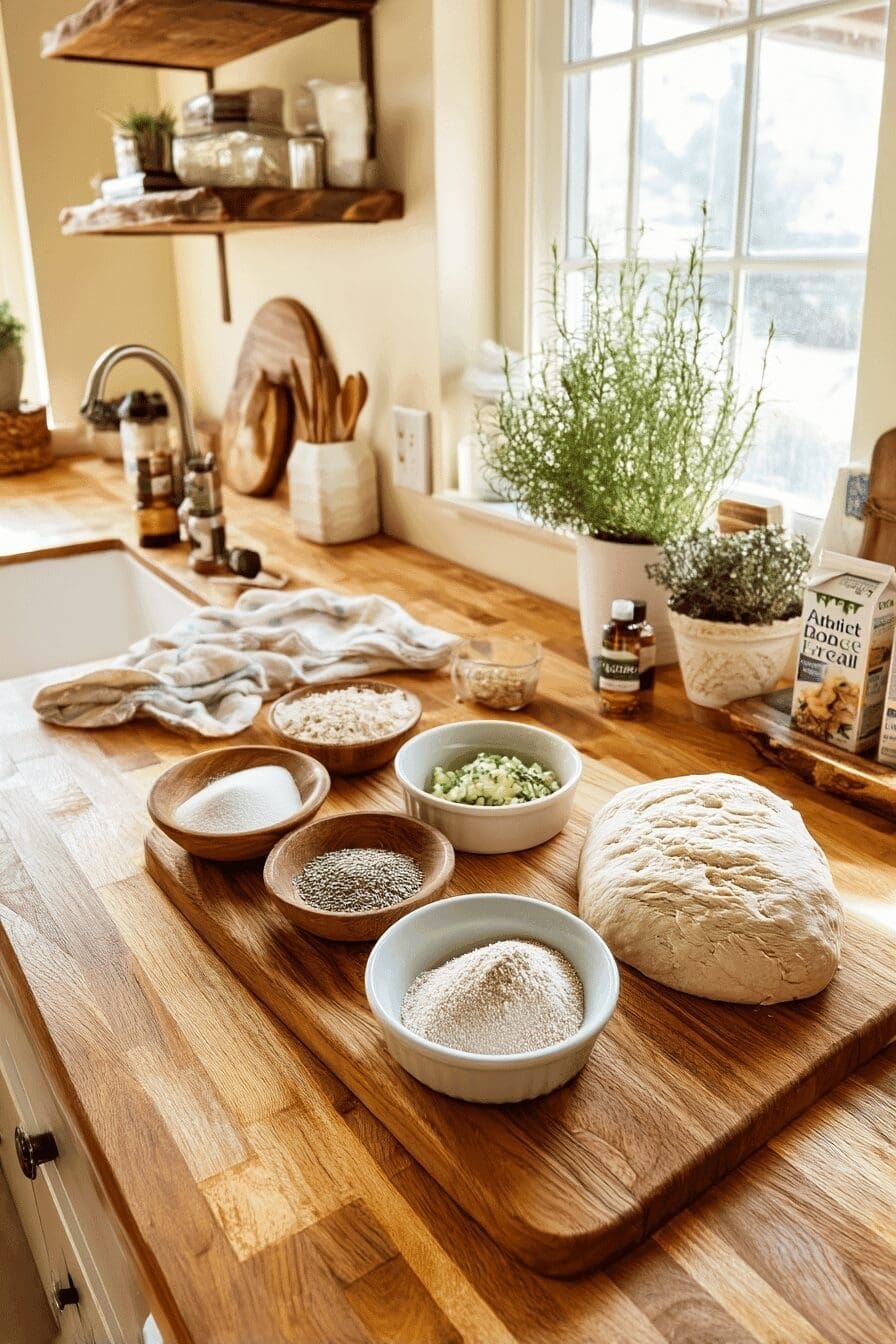
Essential Ingredients for dill pickle bread
- 3 teaspoons instant active dry yeast
- 1 tablespoon plus 1 teaspoon sugar (divided)
- 1 cup lukewarm dill pickle juice (about 43°C / 110°F)
- 1 tablespoon extra-virgin olive oil
- 3 cups bread flour or unbleached all-purpose flour
- ¼ teaspoon salt
- 1 large dill pickle, diced
- 1 tablespoon dried dill weed
For the quick bread variation, additional ingredients include eggs, sour cream, baking powder, baking soda, shredded cheese, and fresh or dried dill. These components provide structure, moisture, and complementary flavors that balance the bread’s tang.
Dietary Substitutions to Customize Your dill pickle bread
Customizing dill pickle bread is straightforward with easy substitutions:
- Gluten-free: Replace all-purpose flour with a gluten-free blend containing xanthan gum for proper texture and rise.
- Vegan: Use flax eggs or applesauce in place of eggs for moisture and binding, and substitute butter or oil with plant-based alternatives.
- Low-calorie: Swap sugar for natural sweeteners like stevia or erythritol, and reduce oil quantities or replace with unsweetened applesauce.
- Low-sodium: Opt for low-sodium or no-salt pickles and reduce added salt in the dough to manage sodium intake.
- Dairy-free: Use non-dairy milk alternatives such as almond or soy milk when needed.
Each substitution maintains the classic tang and moist crumb, enabling you to adapt the bread to fit diverse dietary needs without sacrificing flavor or texture.
How to Prepare the Perfect dill pickle bread: Step-by-Step Guide
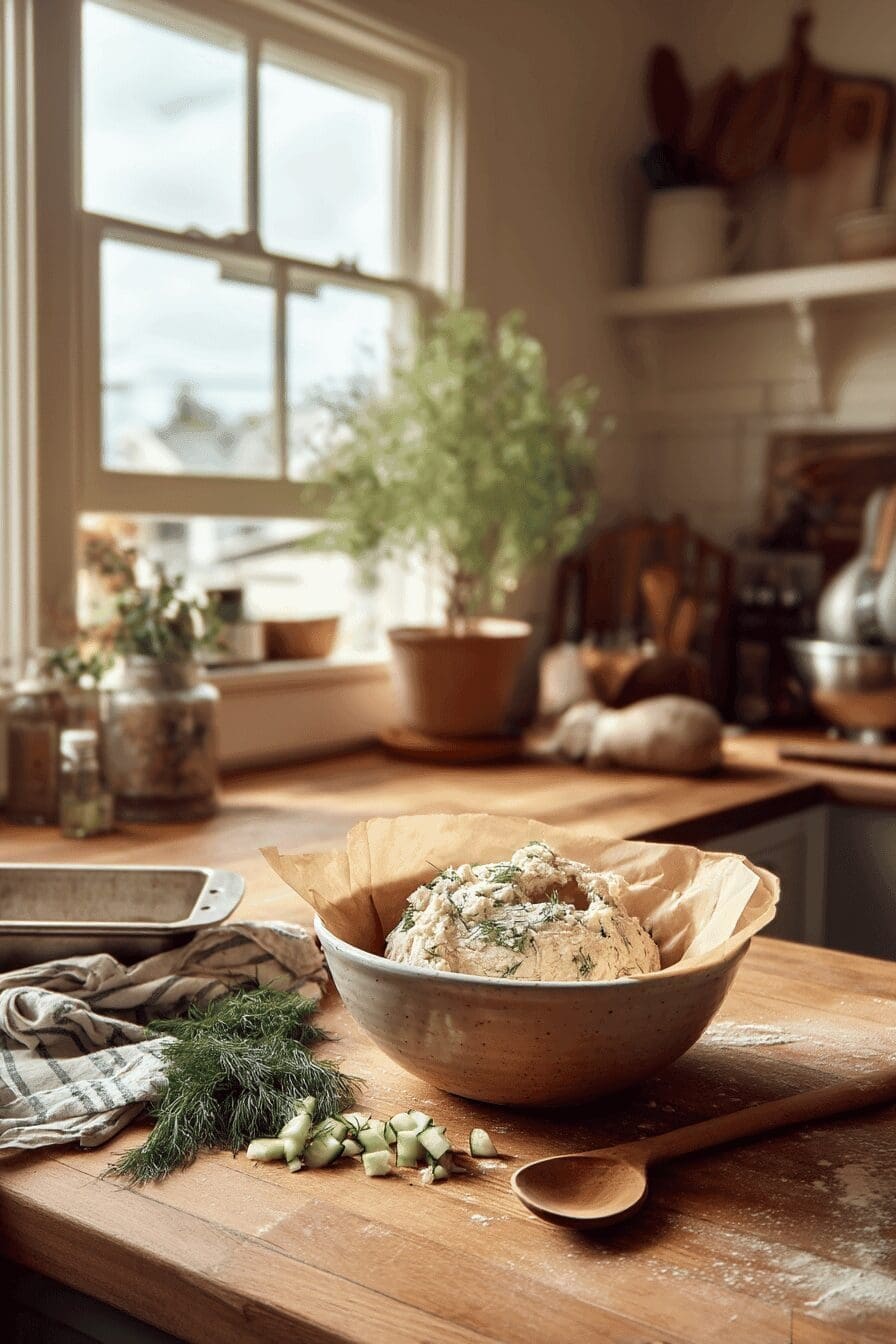
- Preheat: Set your oven to 350°F (175°C). Grease a loaf pan or line it with parchment paper to prevent sticking.
- Mix Dry Ingredients: In a large bowl, sift together flour, baking powder (if using), salt, and sugar to distribute evenly.
- Prepare Pickles: Finely dice the dill pickle and measure about a tablespoon of pickle juice for flavor enhancement.
- Combine Wet Ingredients: Whisk eggs (or vegan substitute) and oil or melted butter in a separate bowl until smooth.
- Form Batter: Gently stir the wet ingredients into the dry mixture, mixing until just combined to avoid a dense loaf.
- Add Pickles and Herbs: Carefully fold in diced pickles and dill weed, distributing evenly without overmixing.
- Bake: Pour the batter into the prepared loaf pan and bake for 45-55 minutes, until a toothpick inserted into the center comes out clean.
- Cool: Let the bread rest for 10 minutes in the pan, then transfer to a wire rack to cool completely before slicing.
For variations, you may incorporate cheese or swap flours as needed during the mixing steps. Proper dough consistency and gentle mixing result in a tender, tangy loaf perfect for pairing with various meals.
For more insights into baking with pickle juice and tips for successful bread making, you might enjoy How to Bake Bread with Pickle Juice and Tips for Making Homemade Bread.
Mastering dill pickle bread: Advanced Tips and Variations
To master dill pickle bread, start by sifting your dry ingredients, which helps create a lighter and more uniform crumb. Adding a small amount of yogurt or sour cream enhances the bread’s moisture and tenderness without extra oil. Experiment with flour blends such as half whole wheat and half white flour to introduce richer flavor and more nutrients.
Incorporate fresh herbs like dill weed, chives, or parsley to complement the tangy pickle flavor and boost freshness. For a cheesy twist, fold in shredded cheddar or pepper jack cheese for extra depth and a savory note. Increasing the tang by adding additional pickle juice or brushing the loaf with a brine reduction after baking is a great way to intensify flavor.
To add heat, mix chopped jalapeños or crushed red pepper flakes into the batter. When sprinkling keywords like “dill pickle bread,” “pickle loaf,” and “savory dill bread,” keep the language natural and reader-friendly to maintain SEO value without sounding repetitive. These variations enable you to customize your bread for any occasion or taste preference.
Small additions like herbs and cheese can transform dill pickle bread from simple to spectacular, offering diverse flavor profiles for every palate.
How to Store dill pickle bread: Best Practices
Proper storage prolongs the freshness and vibrant flavor of dill pickle bread. For short-term storage, wrap the cooled bread tightly in plastic wrap or place it in an airtight container at room temperature; it will maintain freshness for up to three days.
To extend shelf life, refrigerate the wrapped bread to keep it moist for around one week, though refrigeration may slightly firm the crust. For long-term storage, slice the bread and freeze the pieces in airtight freezer bags separated by parchment paper to avoid sticking. Frozen pickle bread lasts up to three months.
Thaw frozen slices at room temperature or toast them directly for a quick snack. When reheating, avoid high temperatures to prevent the bread from drying out, instead warming gently to preserve moistness and texture.
Using terms like “pickle loaf storage” and “dill-infused bread preservation” can help improve SEO while ensuring readers receive practical storage advice.
Nutritional Value of dill pickle bread
Dill pickle bread offers a distinctive nutritional profile that combines carbohydrates, protein, and fats alongside the unique contribution of dill and pickle juice. A typical slice (about 60 grams) contains roughly 150 calories, with about 5 grams of fat primarily from added oils or butter used in the dough.
Carbohydrates amount to roughly 22 grams per slice, supplying energy, while fiber content varies between 1 and 2 grams depending on whether whole grain flours are used. Protein content is moderate, around 4 grams, coming from eggs and flour.
Sodium levels depend heavily on the amount and type of pickles used; selecting low-sodium pickles helps keep sodium moderate, making the bread more diet-friendly. Dill pickles contribute small amounts of vitamin K and antioxidants, enhancing the bread’s nutritional profile.
| Nutrient | Amount per Slice (Approximate) | Health Benefit |
|---|---|---|
| Calories | 150 kcal | Provides energy |
| Fat | 5 g | Supports flavor and satiety |
| Carbohydrates | 22 g | Main energy source |
| Protein | 4 g | Supports muscle repair |
| Sodium | Variable | Essential electrolyte; monitor intake |
FAQs: Frequently Asked Questions About dill pickle bread
How do I proof yeast for making dill pickle bread?
To proof yeast for dill pickle bread, sprinkle 1 package of active dry yeast and 1 teaspoon of sugar over ½ cup of warm pickle juice or a mix of pickle juice and water. Let it sit for about 10 minutes until the mixture becomes frothy. This step confirms the yeast is active and ready to use for the dough.
Can I use a bread machine to make dill pickle bread?
Yes, you can make dill pickle bread in a bread machine. Add the ingredients to the bread pan in the order recommended by your machine’s manufacturer. Select the dough cycle, and when prompted for add-ins, mix in the chopped pickles. Once the dough cycle finishes, shape and bake the bread according to your recipe.
What can I do if my dill pickle bread dough is too wet or dry?
If the dough is too wet and sticky, add flour one tablespoon at a time until it pulls away from the bowl sides but remains slightly tacky. If it’s too dry and crumbly, add warm water one tablespoon at a time until the dough is smooth and elastic. Proper dough consistency helps ensure light, well-risen bread.
How can I reduce the strong pickle flavor in dill pickle bread?
To tone down the pickle taste, replace half of the pickle juice with warm water when mixing ingredients. Using ½ cup pickle juice and ½ cup water allows the bread to keep a mild tang without overpowering the other flavors. Adjust according to your taste preference.
What is the best way to check if dill pickle bread is fully baked?
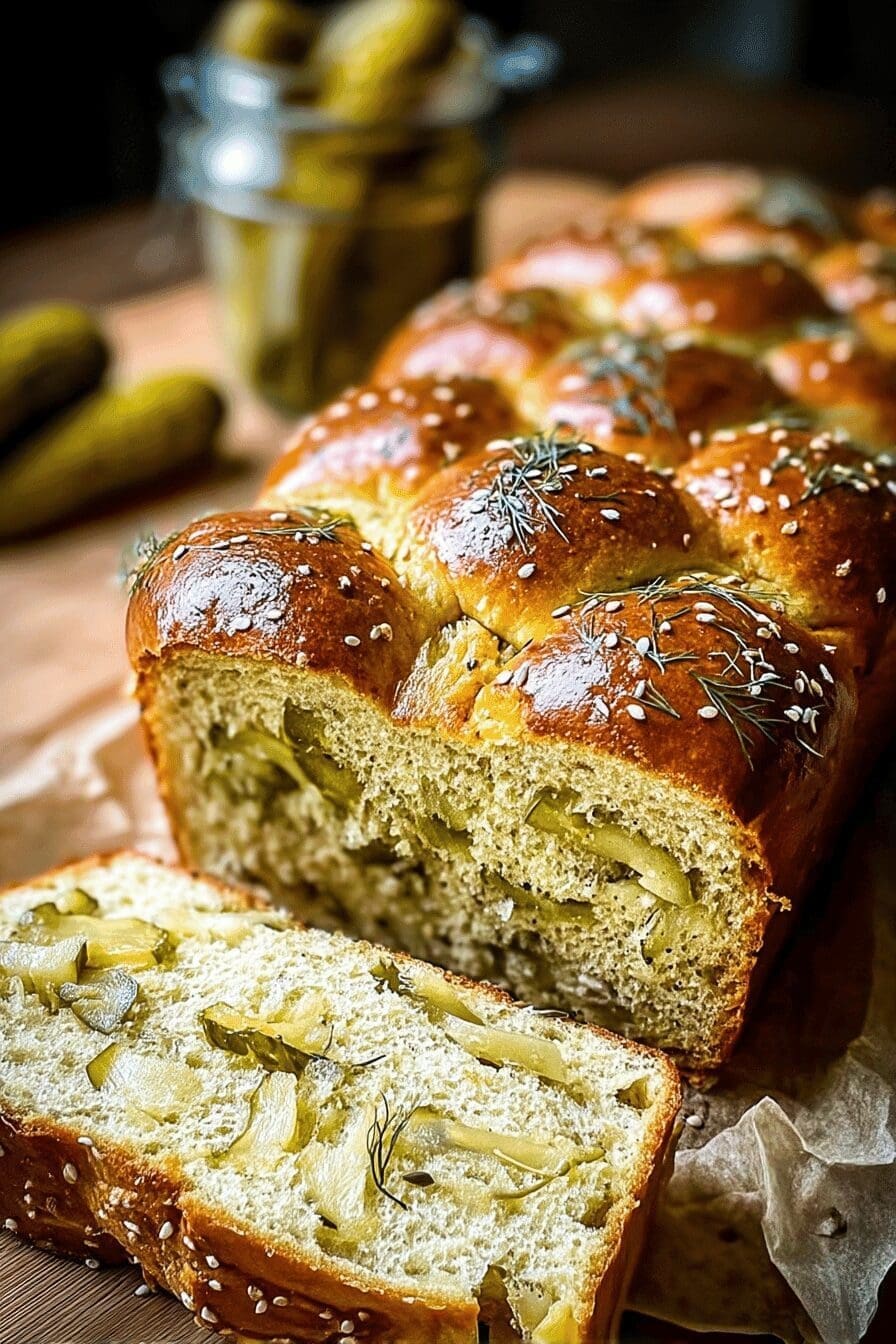
Dill pickle bread is done when the crust is golden, the edges have risen, and the top has natural cracks. For accuracy, insert a food thermometer into the center of the loaf—fully baked bread should reach an internal temperature between 205°F and 210°F. If below 200°F, bake a few minutes longer and check again.
Dill Pickle Bread Recipe: Easy and Quick Savory Bread Idea
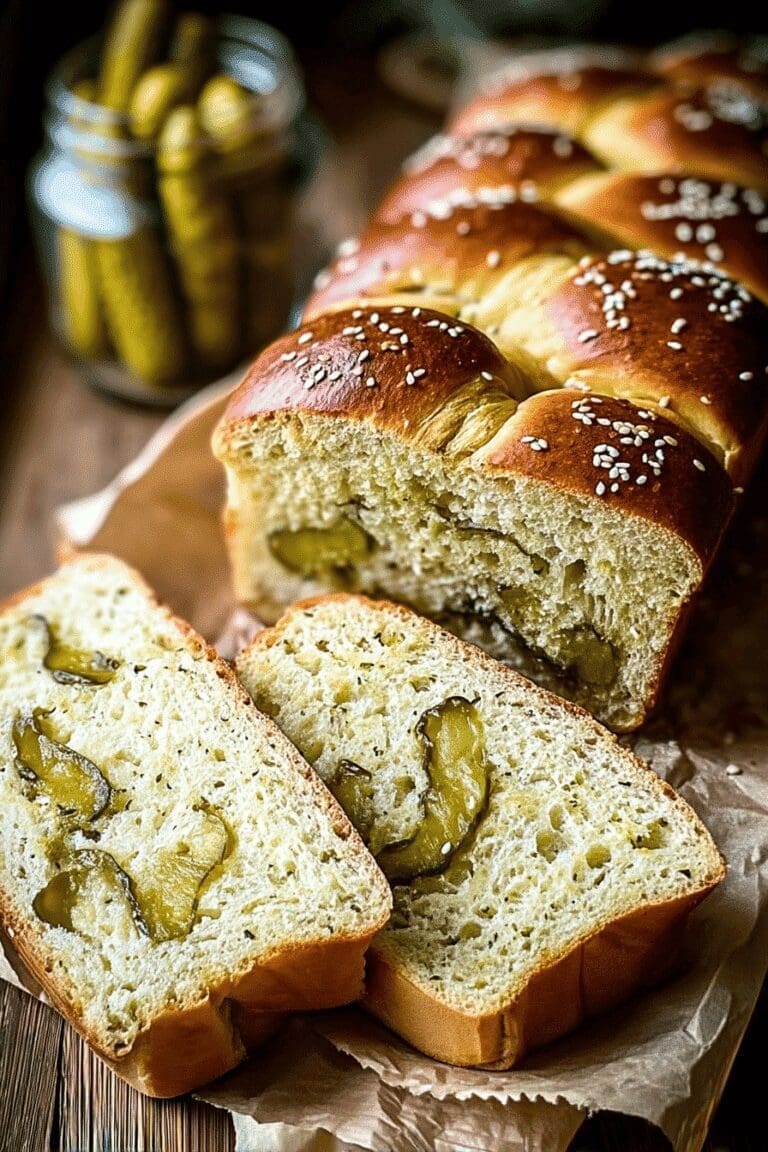
🥒 Relish the tangy delight of Dill Pickle Bread, the perfect savory treat for pickle lovers!
🧄 With options for both yeast-leavened and quick bread, enjoy this versatile side dish for any meal.
- Total Time: 2 hours 45 minutes (Yeast Bread) / 1 hour 15 minutes (Quick Bread)
- Yield: 1 loaf 1x
Ingredients
Yeast-Leavened:
3 teaspoons instant active dry yeast
1 tablespoon plus 1 teaspoon sugar (divided)
1 cup lukewarm dill pickle juice (about 43°C / 110°F)
1 tablespoon extra-virgin olive oil
3 cups bread flour or unbleached all-purpose flour
1/4 teaspoon salt
1 large dill pickle, diced
1 tablespoon dried dill weed
Quick Bread:
2 large eggs
2 tablespoons sugar
1/3 cup olive oil
1/2 cup sour cream (or Greek yogurt as alternative)
2 tablespoons dill pickle juice
2 cups all-purpose flour
1 1/2 teaspoons baking powder
1/2 teaspoon baking soda
1/2 teaspoon salt
3/4 cup diced dill pickles
1 cup shredded sharp cheddar cheese
1/4 cup chopped fresh dill fronds
Instructions
Yeast-Leavened:
1. Finely chop dill pickle, blot to remove excess moisture, and set aside.
2. Proof yeast by sprinkling yeast and 1 teaspoon sugar over 1/2 cup pickle juice. Let rise for about 10 minutes until frothy.
3. In a mixing bowl, combine the yeast mixture with olive oil, 1 tablespoon sugar, 2 cups flour, remaining pickle juice, and salt. Gradually add the remaining flour 1/4 cup at a time.
4. Knead with a dough hook on medium speed for 6 to 10 minutes, adding diced pickle and dill weed during kneading.
5. Transfer dough to a greased bowl, cover, and allow to rise until doubled (approx. 1 hour).
6. Punch down dough, shape into a loaf, place in a greased Dutch oven. Let rise for 30 minutes. Preheat oven to 450°F (232°C).
7. Bake covered for 20 minutes, then remove lid and bake for an additional 10 to 15 minutes until done. Cool on a rack.
Quick Bread:
1. Preheat oven to 350°F (177°C). Grease a 9×5 inch loaf pan.
2. In a bowl, beat eggs, sugar, and oil. Add sour cream and pickle juice, mix well.
3. In another bowl, mix flour, baking powder, baking soda, and salt.
4. Combine wet and dry ingredients, fold in pickles, cheese, and dill.
5. Pour batter into loaf pan, smooth top.
6. Bake for 45-60 minutes until done. Cool before slicing.
Last Step:
Please leave a rating and comment letting us know how you liked this recipe! This helps our business to thrive and continue providing free, high-quality recipes for you.Notes
💧 For milder pickle flavor in yeast bread, substitute half the pickle juice with warm water.
🥒 Finely chopping pickles ensures better crumb texture and prevents sogginess.
🌿 Fresh dill enhances flavor, but dried dill works well too—adjust quantities as needed.
- Prep Time: 15 minutes
- Rising time (Yeast Bread): 1 hour 30 minutes
- Cook Time: 60 minutes
- Category: Bread
- Method: Baking
- Cuisine: American
- Diet: Vegetarian
Nutrition
- Serving Size: 1 slice
- Calories: Varies by ingredients
- Sugar: Varies by ingredients
- Sodium: Varies by ingredients
- Fat: Varies by ingredients
- Saturated Fat: Varies by ingredients
- Unsaturated Fat: Varies by ingredients
- Trans Fat: 0 g
- Carbohydrates: Varies by ingredients
- Fiber: Varies by ingredients
- Protein: Varies by ingredients
- Cholesterol: Varies by ingredients


