

Why You’ll Love This Homemade Pizza Sauce
If you have been looking for a Homemade Pizza Sauce that comes together fast and tastes better than the jarred kind, this recipe is a great place to start. It takes just 5 minutes, uses simple pantry ingredients, and gives you a rich, thick sauce that clings nicely to pizza dough without turning the crust soggy.
This is the kind of recipe that works for busy weeknights, family pizza nights, student dinners, and even group gatherings where you want something easy, budget-friendly, and reliable. It is also a smart make-ahead option, which is a big help when you are feeding a crowd or planning meals for the week.
- Quick and easy: You only need one bowl and a whisk, so there is no cooking step and very little cleanup.
- Better texture for pizza: Tomato paste gives the sauce thickness, helping it stay put on the dough instead of soaking into the crust.
- Flexible for many diets: This recipe is naturally vegan and can be adjusted with honey instead of sugar if you prefer.
- Bold, classic flavor: Oregano, Italian seasoning, garlic powder, onion powder, and garlic salt create that familiar pizzeria taste.
For a sauce that tastes fresh and bold, keep it thick and season it to your liking before spreading it on the dough.
Because this sauce is no-cook, it is ideal when you want dinner on the table without extra fuss. If you enjoy easy comfort food recipes for your next meal night, you may also like this easy chicken parmesan or vegetarian lasagna from the Cooky Cooky kitchen.
Jump to:
- Why You’ll Love This Homemade Pizza Sauce
- Essential Ingredients for Homemade Pizza Sauce
- Main ingredients
- Special dietary options
- Ingredient swap ideas
- How to Prepare the Perfect Homemade Pizza Sauce: Step-by-Step Guide
- First step: Gather and measure everything
- Second step: Mix the tomato base until smooth
- Third step: Stir in the seasonings
- Fourth step: Taste and adjust
- Final step: Spread and bake
- Protein and Main Component Alternatives
- When you want a different tomato base
- When you want a richer or lighter style
- Vegetable, Sauce, and Seasoning Modifications
- Seasoning changes that fit your taste
- Sweetness and acidity adjustments
- Using fresh or different tomato products
- Mastering Homemade Pizza Sauce: Advanced Tips and Variations
- Pro cooking techniques
- Flavor variations
- Make-ahead options
- How to Store Homemade Pizza Sauce: Best Practices
- Refrigeration
- Freezing
- Reheating
- Meal prep considerations
- Homemade Pizza Sauce Nutrition and Serving Details
- Nutrition table
- FAQs: Frequently Asked Questions About Homemade Pizza Sauce
- What’s the difference between pizza sauce and spaghetti sauce?
- How many pizzas does a homemade pizza sauce recipe make?
- Do I need to cook homemade pizza sauce?
- Can I double or freeze a homemade pizza sauce recipe?
- How long does homemade pizza sauce last in the fridge?
- Homemade Pizza Sauce
- Ingredients
- Instructions
- Last Step:
- Notes
- Nutrition
- Did you make this recipe?
Essential Ingredients for Homemade Pizza Sauce
This simple Homemade Pizza Sauce uses a short list of ingredients, but each one plays an important role. The measurements below are exact, so you can mix the sauce quickly and get the same great result every time.
Main ingredients
- 6 ounces tomato paste – Adds thickness and helps keep the pizza crust from getting soggy.
- 15 ounces tomato sauce – Creates the base and gives the sauce a smooth, spreadable texture.
- 1 to 2 tablespoons oregano – Brings that classic pizza flavor; use less for a milder sauce or more for a stronger herb taste.
- 2 tablespoons Italian seasoning – Adds a balanced mix of herbs that makes the sauce taste well rounded.
- 1/2 teaspoon garlic powder – Gives the sauce a savory depth without needing fresh garlic.
- 1/2 teaspoon onion powder – Adds a gentle sweetness and rounds out the flavor.
- 1/2 tablespoon garlic salt – Boosts the savory taste while seasoning the sauce at the same time.
- 1/4 teaspoon pepper – Adds a light bite and helps balance the tomato flavor.
- 1 teaspoon granulated sugar – Optional, but helpful for balancing acidity; honey can be used instead.
Special dietary options
- Vegan: This recipe is already vegan as written.
- Gluten-free: All of the listed ingredients are naturally gluten-free, but always check labels on spices and tomato products if needed.
- Low-calorie: Use the sauce as written, but spread a thinner layer on pizza dough if you want fewer calories per slice.
Ingredient swap ideas
| Ingredient | Possible swap | What it changes |
|---|---|---|
| Tomato sauce | Blended canned diced tomatoes or fresh blended tomatoes | Changes texture slightly, but still works well for pizza |
| Garlic salt | 1/4 teaspoon garlic powder plus 1/2 to 1 teaspoon sea salt | Gives you more control over saltiness |
| Sugar | Honey | Adds sweetness while softening the tomato acidity |
How to Prepare the Perfect Homemade Pizza Sauce: Step-by-Step Guide
First step: Gather and measure everything
Start by measuring out all of your ingredients before mixing. Having everything ready makes this recipe even faster, and since it only takes about 5 minutes from start to finish, a little prep goes a long way. Use a medium bowl that gives you enough room to whisk without splashing sauce onto the counter.
Set out the tomato paste, tomato sauce, oregano, Italian seasoning, garlic powder, onion powder, garlic salt, pepper, and sugar if you are using it. If you want to use honey instead of sugar, keep that nearby too. This recipe is meant to be simple, so there is no need for a stovetop or any special equipment.
Second step: Mix the tomato base until smooth
Add the 6 ounces of tomato paste and 15 ounces of tomato sauce to a medium bowl. Whisk them together until the mixture looks smooth and even. This step matters because tomato paste is what gives the sauce its thick texture, and that thicker texture helps keep pizza dough from turning soft and wet.
If the mixture looks a little stiff at first, keep whisking. It will come together. A red or stainless steel spatula also works well if you prefer stirring instead of whisking, and it can help avoid tomato stains on lighter utensils.
Third step: Stir in the seasonings
Once the tomato base is smooth, stir in the oregano, Italian seasoning, garlic powder, onion powder, garlic salt, pepper, and sugar. Mix until everything is fully combined. The sauce should look evenly seasoned, with no dry pockets of herbs or spice clumps at the bottom of the bowl.
Use dried oregano and Italian seasoning for a classic pantry-style sauce, or use fresh herbs if that is what you have on hand. Either way, taste matters most here. Some people like a stronger herb flavor, while others prefer a more tomato-forward sauce.
Fourth step: Taste and adjust
After mixing, taste the sauce and decide if it needs anything else. You may want a little more oregano if you like a stronger pizza flavor. If the sauce tastes too sharp, a small amount of sugar or honey can soften the acidity. If it feels too mild, a bit more seasoning can help.
This is the moment to make the sauce your own. That is one of the best parts of making pizza sauce at home. You are not stuck with a fixed flavor profile, and you can shape it to fit your family’s taste.
Final step: Spread and bake
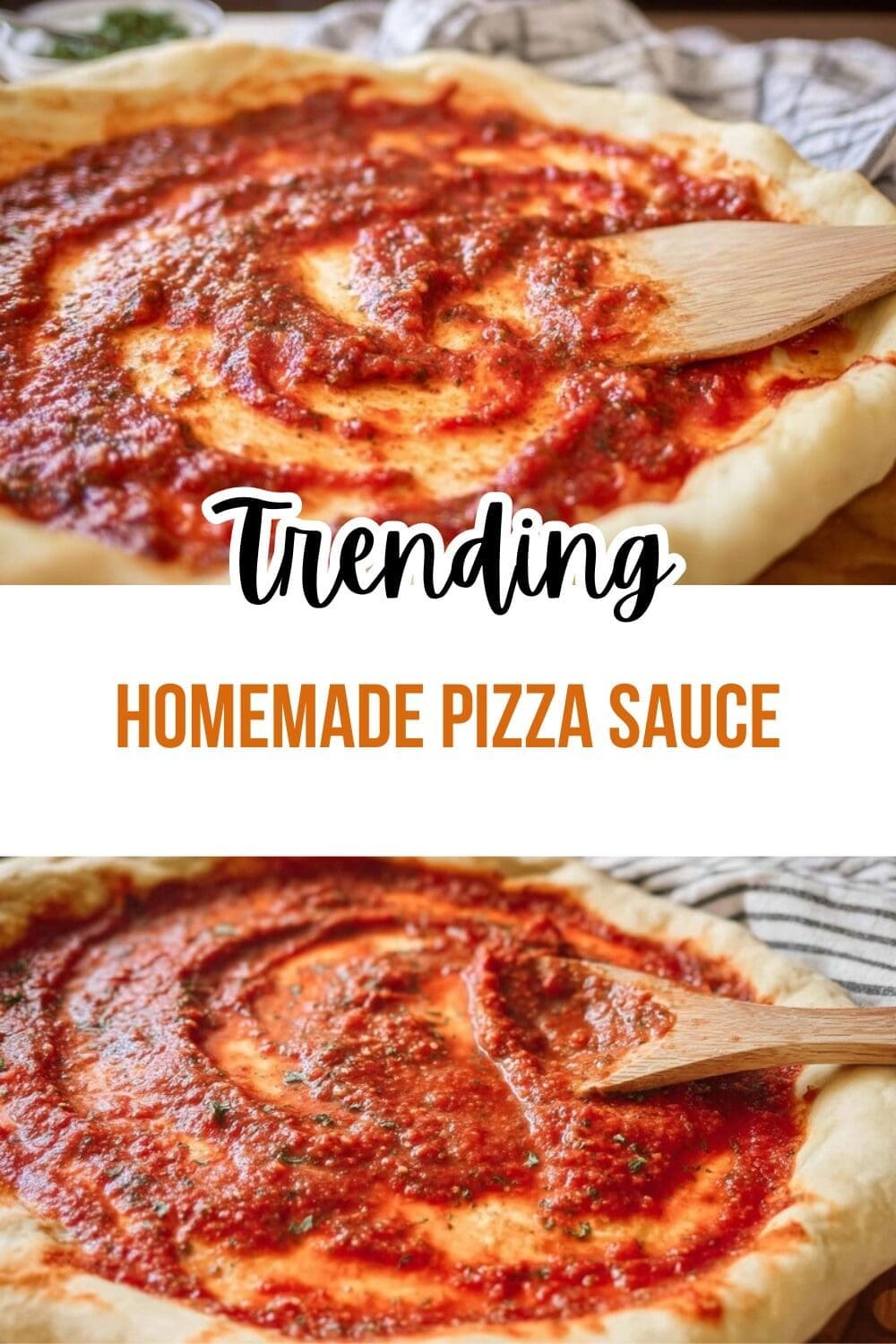
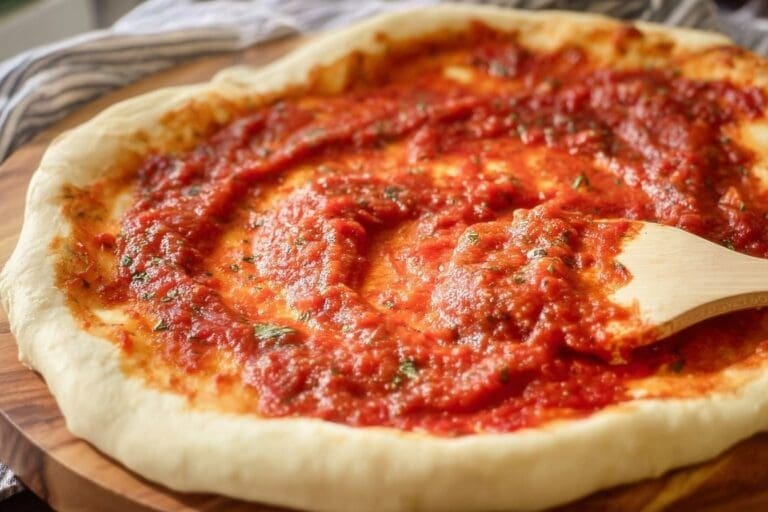
Apply a thick, even layer of sauce to your pizza dough before baking. Because this sauce is thick, you do not need to use a lot. For best results, spread it from the center outward with the back of a spoon, leaving a little room around the edges for the crust.
The recipe yields enough sauce for two large pizzas or four medium pizzas, so it works well for family pizza night or casual entertaining. It can also be doubled or tripled with no trouble if you are feeding a bigger group. Since it is no-cook, there is no waiting for simmering or cooling before you use it.
Tip: Keep the layer of sauce thick enough for flavor, but not so thick that it pools on top of the dough.
Protein and Main Component Alternatives
When you want a different tomato base
This sauce is built around tomato paste and tomato sauce because those two ingredients create the best pizza texture. Still, there are a few easy swaps if you are short on one item. If you do not have tomato sauce, blended canned diced tomatoes can work well. Fresh blended tomatoes are another option, especially when tomatoes are at their peak.
Tomato paste should not be skipped lightly, because it is what gives the sauce its body. Without it, the sauce may become too thin and soak into the crust. If you are trying to stretch the sauce or use what is already in your pantry, just keep the final texture thick enough to spread easily.
When you want a richer or lighter style
For a slightly richer flavor, you can add a small drizzle of olive oil if you like, though it is not needed in the original recipe. For a lighter version, keep the recipe as written and simply use less sauce per pizza. That is an easy way to cut down on calories while still getting good flavor.
Since this is a vegan recipe, it already fits many meal plans. It also pairs well with all kinds of pizza toppings, from simple cheese to vegetables, chicken, or sausage. If you like easy make-ahead dinners, it is worth saving a batch in the fridge or freezer for future pizza nights.
Vegetable, Sauce, and Seasoning Modifications
Seasoning changes that fit your taste
The seasoning mix is flexible, which is great for home cooks who want to adjust flavor without starting over. If you want a more herb-heavy sauce, increase the oregano a little. If you prefer a more balanced Italian flavor, keep the seasoning amounts close to the recipe and taste at the end.
You can also swap garlic salt for 1/4 teaspoon garlic powder plus 1/2 to 1 teaspoon sea salt. That is handy if you want to manage sodium more closely. Since the nutrition per 2 tablespoons already includes a fair amount of sodium, this swap can be useful for some families.
Sweetness and acidity adjustments
Tomatoes can vary a lot in acidity, so a small amount of sugar often helps. The recipe includes 1 teaspoon granulated sugar as optional, and honey can be used instead. If you do not want any sweetener, you can leave it out, but tasting the sauce first is the best way to decide.
To soften the flavor in another way, let the sauce sit for a few minutes before using it. That resting time gives the herbs a chance to blend into the tomatoes. It is a small step, but it often makes the sauce taste more rounded.
Using fresh or different tomato products
If you like to cook with what you already have, you can build the sauce from blended canned diced tomatoes or fresh blended tomatoes. The result may be a little looser than the original version, so you may want to add a bit more tomato paste to keep the sauce thick. This is especially helpful if you want a sauce that stays put on a pizza crust.
For a pizza night menu, this sauce works nicely with recipes like classic meatballs on the side or a hearty pizza and salad spread for a crowd. If you are planning a meal for a church group, school gathering, or family get-together, simple recipes like this help keep the prep stress low.
Mastering Homemade Pizza Sauce: Advanced Tips and Variations
Pro cooking techniques
Even though this is a no-cook sauce, a few small habits can improve the results. First, mix it thoroughly so every spoonful tastes the same. Second, use a thick layer only where you need it, because too much sauce can still make the pizza soft. Third, let the sauce sit for a few minutes before spreading it so the herbs can settle in.
Another useful tip is to use a red or stainless steel spatula. Tomato sauce can stain lighter tools, so this small choice makes cleanup easier. If you are making a double batch, use a larger bowl so the sauce mixes evenly without spilling.
Flavor variations
There are plenty of ways to change the flavor while keeping the same easy method. Add a pinch of crushed red pepper if you like heat. Use extra oregano for a stronger pizzeria feel. If you prefer a softer, rounder taste, use the full teaspoon of sugar or a little honey.
You can also make the sauce taste more herb-forward by using a blend of dried and fresh oregano. This works especially well if you are serving a pizza night crowd with different tastes. One batch can be split and seasoned slightly differently if needed.
Make-ahead options
This recipe is great for planning ahead. Make it once, then keep it in an airtight container in the fridge for quick pizza nights later in the week. It also freezes well, so you can portion it out and pull out only what you need.
If you like batch cooking, this sauce is easy to double or triple. That makes it useful for busy parents, working professionals, and anyone who wants a ready-to-go dinner base. It also gives you a thicker, more flavorful result than typical spaghetti sauce, which is exactly what pizza needs.
How to Store Homemade Pizza Sauce: Best Practices
Refrigeration
Store leftover sauce in an airtight container in the refrigerator for up to 2 weeks. A glass jar works very well, especially if you want to see how much is left. Before closing the container, press plastic wrap directly against the surface if you want to reduce air exposure.
Freezing
This sauce freezes well for up to 3 months. Portion it into freezer bags, jars, or small containers, leaving a little space at the top for expansion. That makes it easy to thaw only what you need for one pizza night instead of defrosting the whole batch.
Reheating
If the sauce has been chilled, warm it gently before using it or let it come to room temperature. It does not need to be cooked again, but a little warming can make it easier to spread. Stir before using so the texture is even.
Meal prep considerations
Because this is a no-cook vegan sauce, it is a smart meal prep choice. You can make it at the start of the week and use it for pizza night, baked pasta, or as a quick flavor base. One batch yields enough sauce for two large pizzas or four medium pizzas, and doubling it is simple if you want extra on hand.
Homemade Pizza Sauce Nutrition and Serving Details
This sauce is a practical choice when you want big flavor without a lot of fuss. Per 2 tablespoons, it contains 23.3 calories, 5.4 grams of carbohydrates, 1 gram of protein, and 0.2 grams of fat. It also provides 1.2 grams of fiber and 3 grams of sugar per serving.
Nutrition table
| Serving size | 2 tablespoons |
|---|---|
| Calories | 23.3 kcal |
| Carbohydrates | 5.4 g |
| Protein | 1 g |
| Fat | 0.2 g |
| Sodium | 479.1 mg |
| Potassium | 237.8 mg |
| Fiber | 1.2 g |
| Sugar | 3 g |
| Vitamin A | 330 IU |
| Vitamin C | 7.1 mg |
| Calcium | 15 mg |
| Iron | 0.9 mg |
These numbers make it easy to plan portions if you are watching sodium or calories. The sauce is also a good source of tomato-based nutrients like potassium and vitamin C. If you want to keep your pizza lighter, simply use a thinner layer.
FAQs: Frequently Asked Questions About Homemade Pizza Sauce
What’s the difference between pizza sauce and spaghetti sauce?
Pizza sauce and spaghetti sauce differ in texture, ingredients, and purpose. Pizza sauce is thicker due to tomato paste, which helps it spread evenly on dough without making the crust soggy. It packs bolder flavors from garlic, oregano, basil, and sometimes onion powder for quick pizza baking. Spaghetti sauce, or marinara, is thinner with more water content from fresh tomatoes or longer simmering, making it better for pasta. Using spaghetti sauce on pizza often leads to a watery crust. For homemade pizza sauce, blend crushed tomatoes, tomato paste, olive oil, salt, pepper, and dried herbs—no cooking needed. This yields about 2 cups, perfect for two 12-inch pizzas. Store leftovers in the fridge for up to a week. (92 words)
How many pizzas does a homemade pizza sauce recipe make?
A standard homemade pizza sauce recipe, using 28 oz crushed tomatoes, 6 oz tomato paste, and spices, makes about 2-3 cups of sauce. This covers two 12-inch large pizzas (1 cup each) or four 10-inch medium pizzas generously. Apply ½ to ¾ cup per large pizza for the right balance—too much causes sogginess. Measure by spreading thinly from center to edges with the back of a spoon. Double ingredients for family batches or freezing extras in ice cube trays for single-use portions. Each cube thaws quickly for personal pizzas. This no-cook version saves time and highlights fresh flavors over jarred options. (104 words)
Do I need to cook homemade pizza sauce?
No, many homemade pizza sauce recipes are no-cook for simplicity and fresh taste. Mix canned crushed tomatoes, tomato paste, minced garlic, olive oil, salt, oregano, basil, and a pinch of red pepper flakes in a bowl. Let it sit 30 minutes for flavors to meld—the oven heat cooks it during baking. Cooking isn’t required unless you prefer caramelized notes; simmer 10-15 minutes if so, then cool before use. No-cook sauce avoids splatters and keeps vitamins intact. Taste and adjust seasoning before spreading ½ cup per pizza. It bakes perfectly at 450°F for 12-15 minutes. (98 words)
Can I double or freeze a homemade pizza sauce recipe?
Yes, double or triple this pizza sauce recipe easily—scale all ingredients proportionally, like 56 oz crushed tomatoes for double. Stir well in a larger bowl; no other changes needed. For freezing, portion into freezer bags or jars, leaving headspace, and store up to 3 months. Thaw overnight in the fridge or under warm water. It retains fresh flavor better than store-bought. Freezing prevents waste since one batch lasts 5-7 days refrigerated in an airtight container. Label with dates for rotation. This method works for meal prep, yielding sauce for 4-6 pizzas from a doubled batch. (96 words)
How long does homemade pizza sauce last in the fridge?
Homemade pizza sauce lasts 5-7 days in the fridge when stored in an airtight glass jar or container. Press plastic wrap directly on the surface to minimize air exposure and prevent oxidation or mold. Check for off smells, color changes, or sliminess before use—discard if suspect. For longer storage, freeze in portions up to 3 months. Canned tomatoes’ acidity naturally preserves it, but always use clean utensils. Pro tip: make small batches weekly for peak freshness, as herbs like basil lose potency over time. One 2-cup batch covers two pizzas; scale as needed. (92 words)
Homemade Pizza Sauce
🍕 Elevate your homemade pizzas with this quick, no-cook sauce bursting with fresh Italian herbs and balanced flavors – far superior to store-bought!
🥣 Simple to customize, freezer-friendly, and ready in minutes for effortless pizza nights anytime.
- Total Time: 5 minutes
- Yield: Sauce for 2 large pizzas (about 2 cups)
Ingredients
– 6 ounces tomato paste
– 15 ounces tomato sauce
– 1 to 2 tablespoons oregano
– 2 tablespoons Italian seasoning
– 1/2 teaspoon garlic powder
– 1/2 teaspoon onion powder
– 1/2 tablespoon garlic salt
– 1/4 teaspoon pepper
– 1 teaspoon granulated sugar
Instructions
1-First step: Gather and measure everything Start by measuring out all of your ingredients before mixing. Having everything ready makes this recipe even faster, and since it only takes about 5 minutes from start to finish, a little prep goes a long way. Use a medium bowl that gives you enough room to whisk without splashing sauce onto the counter. Set out the tomato paste, tomato sauce, oregano, Italian seasoning, garlic powder, onion powder, garlic salt, pepper, and sugar if you are using it. If you want to use honey instead of sugar, keep that nearby too. This recipe is meant to be simple, so there is no need for a stovetop or any special equipment.
2-Second step: Mix the tomato base until smooth Add the 6 ounces of tomato paste and 15 ounces of tomato sauce to a medium bowl. Whisk them together until the mixture looks smooth and even. This step matters because tomato paste is what gives the sauce its thick texture, and that thicker texture helps keep pizza dough from turning soft and wet. If the mixture looks a little stiff at first, keep whisking. It will come together. A red or stainless steel spatula also works well if you prefer stirring instead of whisking, and it can help avoid tomato stains on lighter utensils.
3-Third step: Stir in the seasonings Once the tomato base is smooth, stir in the oregano, Italian seasoning, garlic powder, onion powder, garlic salt, pepper, and sugar. Mix until everything is fully combined. The sauce should look evenly seasoned, with no dry pockets of herbs or spice clumps at the bottom of the bowl. Use dried oregano and Italian seasoning for a classic pantry-style sauce, or use fresh herbs if that is what you have on hand. Either way, taste matters most here. Some people like a stronger herb flavor, while others prefer a more tomato-forward sauce.
4-Fourth step: Taste and adjust After mixing, taste the sauce and decide if it needs anything else. You may want a little more oregano if you like a stronger pizza flavor. If the sauce tastes too sharp, a small amount of sugar or honey can soften the acidity. If it feels too mild, a bit more seasoning can help. This is the moment to make the sauce your own. That is one of the best parts of making pizza sauce at home. You are not stuck with a fixed flavor profile, and you can shape it to fit your family’s taste.
5-Final step: Spread and bake Apply a thick, even layer of sauce to your pizza dough before baking. Because this sauce is thick, you do not need to use a lot. For best results, spread it from the center outward with the back of a spoon, leaving a little room around the edges for the crust. The recipe yields enough sauce for two large pizzas or four medium pizzas, so it works well for family pizza night or casual entertaining. It can also be doubled or tripled with no trouble if you are feeding a bigger group. Since it is no-cook, there is no waiting for simmering or cooling before you use it.
Last Step:
Please leave a rating and comment letting us know how you liked this recipe! This helps our business to thrive and continue providing free, high-quality recipes for you.Notes
🥫 Tomato paste is key for thickness – it prevents soggy pizza crusts every time!
🍯 Add sugar or honey to perfectly balance tomato acidity and boost natural flavors.
❄️ Refrigerate for up to 2 weeks or freeze for 3 months; thaw overnight before using.
- Prep Time: 5 minutes
- Category: Sauces
- Method: No-Cook
- Cuisine: Italian
- Diet: Vegan
Nutrition
- Serving Size: 2 tablespoons
- Calories: 23 kcal
- Sugar: 3 g
- Sodium: 479 mg
- Fat: 0.2 g
- Saturated Fat: 0 g
- Unsaturated Fat: 0.2 g
- Trans Fat: 0 g
- Carbohydrates: 5.4 g
- Fiber: 1.2 g
- Protein: 1 g
- Cholesterol: 0 mg


