

Benefits and Advantages of Grilled Chicken
Grilled chicken is a popular choice for many meals thanks to its simple preparation and numerous health benefits. It requires fewer ingredients and cooks quickly on a grill, making it perfect for busy individuals seeking a tasty, nutritious option without fuss. One key advantage of grilling is that excess fat drips away from the meat, resulting in a leaner protein source rich in essential nutrients such as vitamins and minerals.
Beyond its nutritional value, grilled chicken offers versatility in cooking and serving. It pairs well with a variety of side dishes from fresh salads to roasted vegetables which helps maintain a balanced diet without sacrificing flavor. This method also allows for customization through marinades and seasonings, ensuring every bite is both delicious and wholesome.
Combining convenience, flavor, and health, grilled chicken remains a top choice for home cooks and health-conscious eaters alike.
Its wide appeal makes grilled chicken ideal for everything from weeknight dinners to gatherings, giving cooks flexibility while keeping meals family-friendly and satisfying. Using the focus keyword naturally throughout highlights its value for recipe seekers, improving visibility and search relevance.
Jump to:
- Benefits and Advantages of Grilled Chicken
- Essential Ingredients for Grilled Chicken
- Dietary Substitutions to Customize Your Grilled Chicken
- Vegetarian and Vegan Options
- Gluten-Free Choices
- Low-Calorie Adjustments
- Keto-Friendly Pairings
- How to Prepare the Perfect Grilled Chicken: Step-by-Step Guide
- Mastering Grilled Chicken: Advanced Tips and Variations
- How to Store Grilled Chicken: Best Practices
- Nutritional Value of Grilled Chicken
- FAQs: Frequently Asked Questions About Grilled Chicken
- How long should I marinate chicken before grilling for the best flavor?
- What temperature should grilled chicken reach to be safe and juicy?
- How can I stop chicken from sticking to the grill?
- What thickness should chicken breasts be for grilling evenly?
- Can I freeze grilled chicken for later meals, and how should I store it?
- grilled chicken
- Ingredients
- Instructions
- Last Step:
- Notes
- Nutrition
- Did you make this recipe?
Essential Ingredients for Grilled Chicken
This grilled chicken recipe uses simple, accessible ingredients that contribute to tender and flavorful results. Below is a detailed list of needed items:
- 1¾ lbs boneless, skinless chicken breasts (about 4 pieces)
- 6 tablespoons extra virgin olive oil
- 4 large garlic cloves, minced
- 1 teaspoon dried thyme
- ½ teaspoon dried oregano
- 1¼ teaspoons salt
- ½ teaspoon freshly ground black pepper
- 1½ teaspoons lemon zest (from one lemon)
Olive oil helps keep the chicken moist and adds healthy fats, while garlic lends flavor and antioxidants. The herbs thyme and oregano bring aromatic complexity, complemented by salt and pepper for balanced seasoning. Lemon zest is preferred over juice to avoid toughness in the meat, imparting fresh citrus notes without damaging texture.
For dietary variations, skinless cuts help reduce calories, and the recipe naturally fits gluten-free diets since no wheat ingredients are included.
To learn more about marinating techniques that enhance grilled chicken flavor, visit Tips for Marinating Chicken.
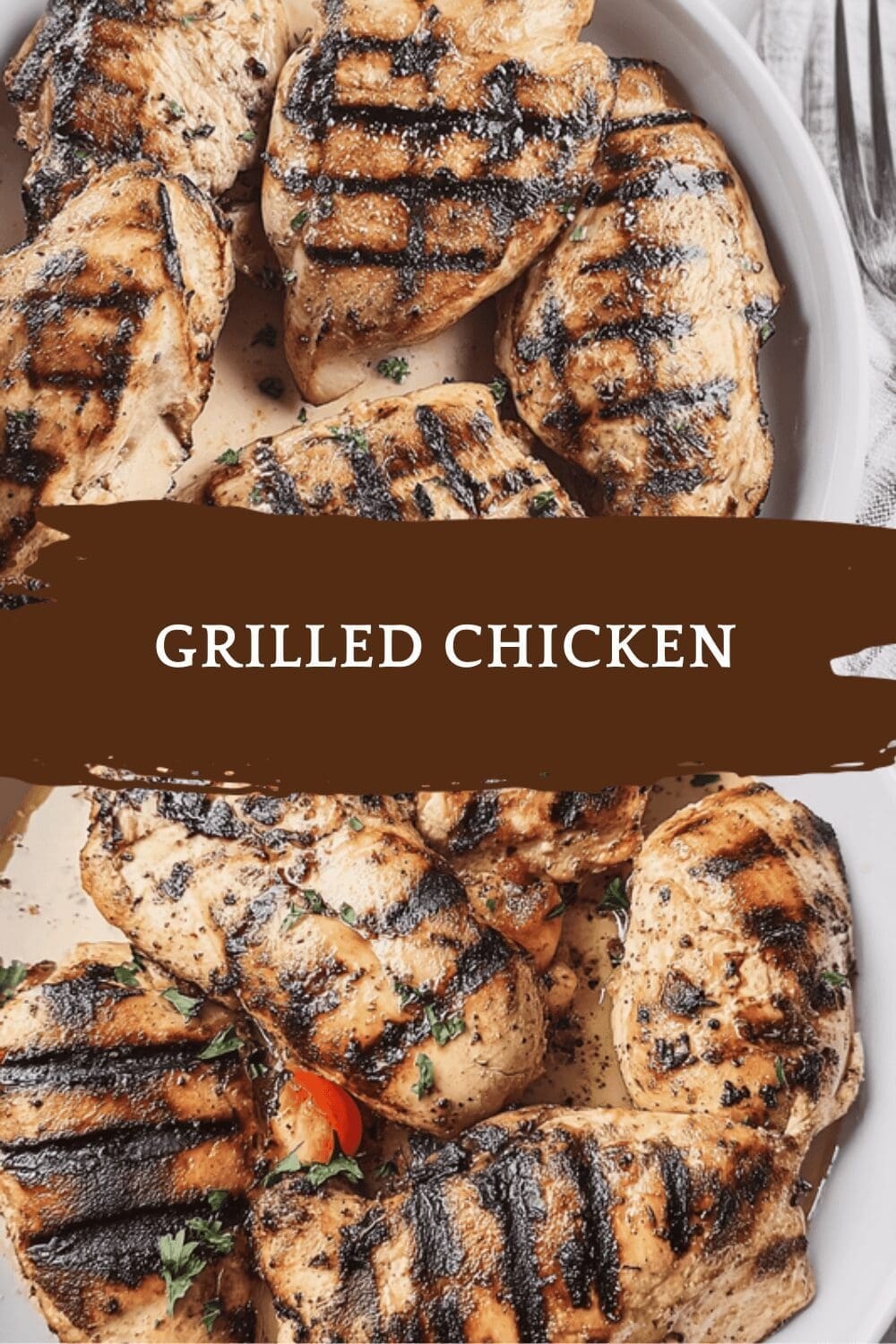
Dietary Substitutions to Customize Your Grilled Chicken
This grilled chicken recipe accommodates various dietary preferences with simple substitutions, ensuring everyone can enjoy a flavorful meal tailored to their needs.
Vegetarian and Vegan Options
Replace grilled chicken with marinated tofu, tempeh, or seitan to provide plant-based protein sources. Marinate similarly to capture complementary flavors and adjust grilling times accordingly.
Gluten-Free Choices
Ensure all marinade and seasoning ingredients are gluten-free. Avoid soy sauces containing wheat, substituting with tamari or coconut aminos for safe, flavorful alternatives.
Low-Calorie Adjustments
Trim any visible fat from the chicken breasts and use cooking sprays instead of oil for grilling to reduce added fats without sacrificing juiciness.
Keto-Friendly Pairings
Grilled chicken is naturally ideal for keto diets. Combine with low-carb vegetables or salads to maintain ketosis-friendly meals rich in protein and healthy fats.
| Dietary Need | Substitution or Tip |
|---|---|
| Vegetarian/Vegan | Marinated tofu, tempeh, or seitan grilled similarly |
| Gluten-Free | Use gluten-free marinades and tamari instead of soy sauce |
| Low-Calorie | Trim fat, use cooking sprays, and skinless cuts |
| Keto | Pair grilled chicken with low-carb vegetables |
These options ensure the recipe remains accessible and enjoyable to a broad audience.
How to Prepare the Perfect Grilled Chicken: Step-by-Step Guide
- Prepare the Chicken: Place each chicken breast in a 1-gallon zip-lock bag and pound to an even ½-inch thickness using a meat mallet or rolling pin. This promotes uniform cooking and prevents dryness.
- Make the Marinade: In a bowl or second zip-lock bag, combine 6 tablespoons extra virgin olive oil, 4 cloves minced garlic, 1 teaspoon dried thyme, ½ teaspoon dried oregano, 1¼ teaspoons salt, ½ teaspoon freshly ground black pepper, and 1½ teaspoons lemon zest. Use zest instead of lemon juice to avoid a leathery texture.
- Marinate the Chicken: Add the pounded chicken breasts to the marinade. Massage the bag or stir well to coat the meat evenly. Seal and refrigerate for at least 4 hours, preferably overnight, to maximize flavor and moisture retention.
- Preheat the Grill: Heat the grill to high and thoroughly oil the grates to prevent sticking. Clean grates ensure better grill marks and easier flipping.
- Grill the Chicken: Place chicken breasts on the grill, cover, and cook for 2 to 3 minutes per side. Alternatively, grill on medium-high heat for about 6 minutes per side, or until the internal temperature reaches 165°F (74°C). Avoid overcooking to retain juiciness.
- Baste During Cooking (Optional): For more flavor and moisture, baste the chicken breasts with reserved marinade while grilling.
- Rest the Chicken: Remove chicken breasts from the grill and let them rest for 3 to 5 minutes on a platter. This allows juices to redistribute, keeping the meat tender.
- Serve: Slice the grilled chicken and serve with your favorite sides, whether salads, grains, or vegetables.
Following these clear, detailed steps ensures consistently juicy and flavorful grilled chicken for family meals or entertaining guests.
For additional grilling tips, consult How to Grill Chicken Perfectly.
Mastering Grilled Chicken: Advanced Tips and Variations
To master grilled chicken, marinating overnight is highly recommended to intensify both flavor and tenderness. The marinade, featuring extra virgin olive oil, garlic, dried thyme, oregano, salt, black pepper, and lemon zest, permeates the meat, making each bite juicy and savory.
Using a reliable meat thermometer helps achieve perfect doneness by ensuring the internal temperature reaches 165°F (74°C) without overcooking, preserving moisture and juiciness. Avoid guessing cooking times to prevent dryness or undercooking.
Experimenting with different spice blends adds variety. Smoked paprika, cumin, or herbs like rosemary complement the base marinade and introduce new taste profiles. For a fun twist, try chargrilled chicken skewers with vegetables such as bell peppers and onions, or stuff chicken breasts with cheese and spinach before grilling for an elevated meal.
Another variation is applying a light basting of the reserved marinade during grilling to boost flavor and moisture. Maintaining clean, well-oiled grill grates also creates beautiful grill marks and prevents sticking, enhancing both appearance and texture.
Using variations of the keyphrase like barbecue chicken or chargrilled chicken throughout content appeals to a broader audience while improving search engine visibility.
How to Store Grilled Chicken: Best Practices
Storing grilled chicken safely extends its enjoyment while maintaining quality. Follow these key guidelines:
- Refrigerate cooked grilled chicken within two hours of cooking in an airtight container to prevent contamination.
- Store in the refrigerator for up to four days. Keep the container sealed to retain moisture and avoid odors.
- For long-term storage, wrap chicken pieces tightly in foil or plastic wrap, place them inside a freezer-safe bag, and freeze. Properly stored, grilled chicken lasts up to four months in the freezer.
- When reheating, use medium heat in an oven or microwave, adding a splash of water to keep the meat moist and prevent over-drying.
Optimizing grilled chicken storage not only safeguards food safety but also preserves texture and flavor for future meals.
Nutritional Value of Grilled Chicken
Grilled chicken is a nutritious protein source ideal for balanced diets. Below is a typical nutritional breakdown for a 3.5-ounce (100g) serving:
| Nutrient | Amount | Health Benefit |
|---|---|---|
| Calories | Approximately 366 to 413 (per serving based on recipe) | Supports energy needs without excess fat |
| Protein | 42 grams | Essential for muscle repair and growth |
| Fat | 25 grams (saturated fat 4 grams) | Provides necessary healthy fats and satiety |
| Carbohydrates | 2 grams | Low-carb friendly |
| Sodium | Approximately 958 mg | Moderate intake with controlled seasoning |
| Cholesterol | 127 mg | Important for hormone production but should be moderated |
Compared to fried options, grilled chicken contains less saturated fat, enhancing its appeal for heart health. It also supplies essential micronutrients including niacin, vitamin B6, phosphorus, and selenium. For further nutritional details visit the Nutritional Value of Chicken Breast.
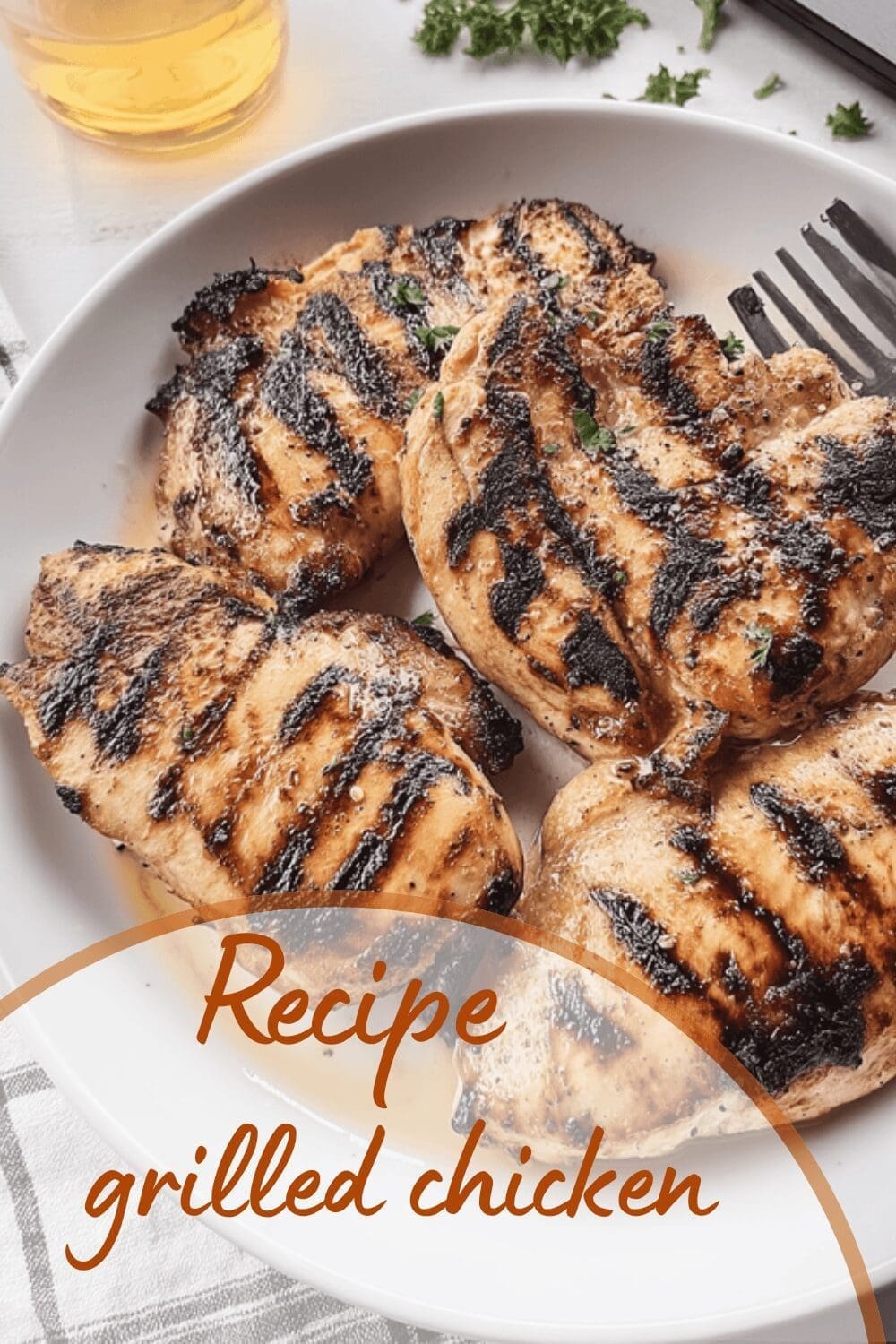
FAQs: Frequently Asked Questions About Grilled Chicken
How long should I marinate chicken before grilling for the best flavor?
For flavorful and juicy grilled chicken, marinate the chicken breasts for at least 3 to 4 hours. Marinating overnight (up to 12 hours) enhances the taste more deeply. If short on time, even 20 minutes can add some flavor. Use ingredients like lemon zest, herbs, and oil to tenderize without toughening the meat.
What temperature should grilled chicken reach to be safe and juicy?
Grilled chicken is safe to eat when the internal temperature reaches 165°F (74°C). To keep it juicy, consider removing the chicken from the grill once it hits about 155°F, then let it rest for 5 to 10 minutes. This carryover cooking brings the temperature up while preserving moisture.
How can I stop chicken from sticking to the grill?
Prevent sticking by preheating the grill until very hot and cleaning the grates thoroughly with a brush or crumpled foil. Next, oil the grates by rubbing a paper towel soaked in vegetable oil using tongs. Place the chicken down only when the grill is ready, and flip it only after it naturally releases, usually after a few minutes.
What thickness should chicken breasts be for grilling evenly?
Pound chicken breasts to an even thickness of about half an inch. This helps the chicken cook evenly and faster, preventing dry edges or undercooked centers. Use a meat mallet or rolling pin with a plastic wrap layer to avoid mess.
Can I freeze grilled chicken for later meals, and how should I store it?
Yes, you can freeze grilled chicken for up to 3 months. Allow the chicken to cool completely, then wrap each piece tightly in plastic wrap or aluminum foil. Place the wrapped pieces into an airtight freezer bag or container to protect against freezer burn. Thaw in the refrigerator before reheating.

grilled chicken
🔥 Enjoy tender and juicy grilled chicken with a marinade that packs each bite full of flavor!
🔥 Perfect for both casual family meals and entertaining guests with its delightful taste and texture.
- Total Time: 4 hours 30 minutes
- Yield: Serves 4
Ingredients
1¾ lbs boneless, skinless chicken breasts
6 tablespoons extra virgin olive oil
4 large garlic cloves, minced
1 teaspoon dried thyme
½ teaspoon dried oregano
1¼ teaspoon salt
½ teaspoon freshly ground black pepper
1½ teaspoons lemon zest (from one lemon)
Instructions
1. Place each chicken breast in a 1-gallon zip-lock bag and pound to an even ½-inch thickness to ensure uniform cooking and prevent dryness.
2. In a separate zip-lock bag or bowl, combine olive oil, garlic, thyme, oregano, salt, pepper, and lemon zest.
3. Add chicken breasts to the marinade and massage well to coat evenly. Seal and refrigerate for at least 4 hours, preferably overnight.
4. Preheat grill to high heat and oil the grates to prevent sticking.
5. Grill chicken breasts covered for 2 to 3 minutes per side on high heat, or medium-high heat for about 6 minutes per side, until internal temperature reaches 165°F / 74°C.
6. Optionally baste with reserved marinade during cooking for added flavor.
7. Transfer grilled chicken to a platter and let rest for 3 to 5 minutes before slicing and serving.
Last Step:
Please leave a rating and comment letting us know how you liked this recipe! This helps our business to thrive and continue providing free, high-quality recipes for you.Notes
🔑 Pound chicken to an even thickness for even cooking and to keep it juicy.
🍋 Use lemon zest to maintain a tender texture without the acidity.
⏰ Marinate for a minimum of 4 hours for the best flavor and tenderness.
- Prep Time: 20 minutes
- Marinating Time: 4 hours
- Cook Time: 10 minutes
- Category: Main Course
- Method: Grilling
- Cuisine: American
- Diet: Gluten-Free
Nutrition
- Serving Size: 1 chicken breast
- Calories: 390
- Sugar: 0 grams
- Sodium: 958 mg
- Fat: 25 grams
- Saturated Fat: 4 grams
- Unsaturated Fat: 21 grams
- Trans Fat: 0 grams
- Carbohydrates: 2 grams
- Fiber: 0 grams
- Protein: 42 grams
- Cholesterol: 127 mg


