

Why You’ll Love This Greek Pizza
This Greek pizza recipe combines simple steps with bold flavors that make it a hit for anyone craving something fresh and tasty. You’ll appreciate how quickly it comes together, especially on busy nights when you need a meal ready in under 30 minutes. With its mix of veggies, cheese, and herbs, it’s also a smart choice for adding nutrients to your plate.
The toppings like feta and olives bring a burst of Mediterranean goodness that feels special without much effort. Whether you’re cooking for family or friends, this pizza adapts easily to what you have on hand.
Ease of Preparation
This recipe is perfect for busy parents and home cooks because it uses ingredients you can find at any store. Just mix, spread, and bake for fast results that taste amazing. I love how it fits into everyday life without taking over the kitchen.
Health Benefits
Greek pizza packs in fresh vegetables and healthy fats from olives, making it a great option for diet-conscious folks. It’s loaded with antioxidants and vitamins that support your wellness goals. Plus, the cheeses add protein to keep you full and energized.
Versatility
You can tweak this recipe for different needs, like going vegan or gluten-free, so everyone at your gathering can enjoy it. That makes it ideal for community events or family meals. It’s all about making food that brings people together without any fuss.
One thing I really enjoy is how the flavors blend the tangy feta with those briny olives reminds me of sunny meals shared with friends. For more ideas on quick meals, check out our Easy Chicken Parmesan Recipe on the blog.
Jump to:
- Why You’ll Love This Greek Pizza
- Ease of Preparation
- Health Benefits
- Versatility
- Essential Ingredients for Greek Pizza
- How to Prepare the Perfect Greek Pizza: Step-by-Step Guide
- Dietary Substitutions to Customize Your Greek Pizza
- Mastering Greek Pizza: Advanced Tips and Variations
- Pro Cooking Techniques
- Flavor Variations
- Presentation Tips
- How to Store Greek Pizza: Best Practices
- FAQs: Frequently Asked Questions About Greek Pizza
- What is Greek pizza and how is it different from other types of pizza?
- How do you make the perfect Greek pizza crust at home?
- Can I use traditional pizza toppings on Greek pizza?
- Is Greek pizza healthier than other pizza styles?
- What are common mistakes to avoid when making Greek pizza?
- Greek Pizza
- Ingredients
- Instructions
- Last Step:
- Notes
- Did you make this recipe?
Essential Ingredients for Greek Pizza
Gathering the right ingredients is key to making this Greek pizza shine. Below is a complete list based on a reliable recipe that ensures you get authentic flavors with every bite. I’ll break it down into a clear list so you can follow along easily.
- 1 batch homemade pizza dough or 1 pound store-bought pizza dough
- ⅔ cup pizza sauce or marinara sauce or one 32-ounce can whole tomatoes, drained and crushed by hand
- ½ teaspoon dried oregano
- 8 ounces grated low-moisture part-skim mozzarella cheese (about 2 packed cups)
- ½ cup thin, 1-inch strips roasted red peppers (jarred or fresh)
- ½ cup quartered marinated or jarred artichokes, halved lengthwise
- 15 pitted Kalamata olives, halved lengthwise
- ½ cup crumbled feta cheese (2 to 3 ounces)
- Optional garnishes: torn fresh basil leaves (three to four) and red pepper flakes
These items create a balanced mix of textures and tastes that define Greek pizza. For special options, consider vegan cheese for a plant-based twist or gluten-free dough if needed. Remember, fresh ingredients make all the difference in the final taste.
How to Prepare the Perfect Greek Pizza: Step-by-Step Guide
Let’s dive into making this Greek pizza step by step it’s straightforward and fun for beginners. Start by getting your oven ready and prepping everything ahead to keep things smooth. This guide will walk you through to a crispy, cheesy result that everyone loves.
First, preheat your oven to 500 degrees Fahrenheit and position a rack in the upper third for even baking. If you have a baking stone or steel, place it on that rack now. Get your dough ready, whether you’re making it from scratch or using store-bought.
Next, spread the sauce or crushed tomatoes evenly over the dough, making sure to press out any extra liquid. Lightly sprinkle the dried oregano on top for that classic Greek touch.
- Evenly add the toppings starting with the shredded mozzarella, followed by the roasted red pepper strips, artichoke pieces, Kalamata olives, and finally the crumbled feta.
- Bake each pizza one at a time on the top rack until the crust turns golden and the cheese bubbles up, which takes about 10 to 12 minutes less time if you’re using a baking stone, so keep an eye on it.
- Once done, take it out of the oven and add torn fresh basil leaves and red pepper flakes if you like. Let it cool a bit, then slice and serve.
This method keeps the pizza fresh and flavorful, just like in the additional notes that highlight baking high for the best results. It’s vegetarian-friendly too, as long as your feta is animal-rennet-free.
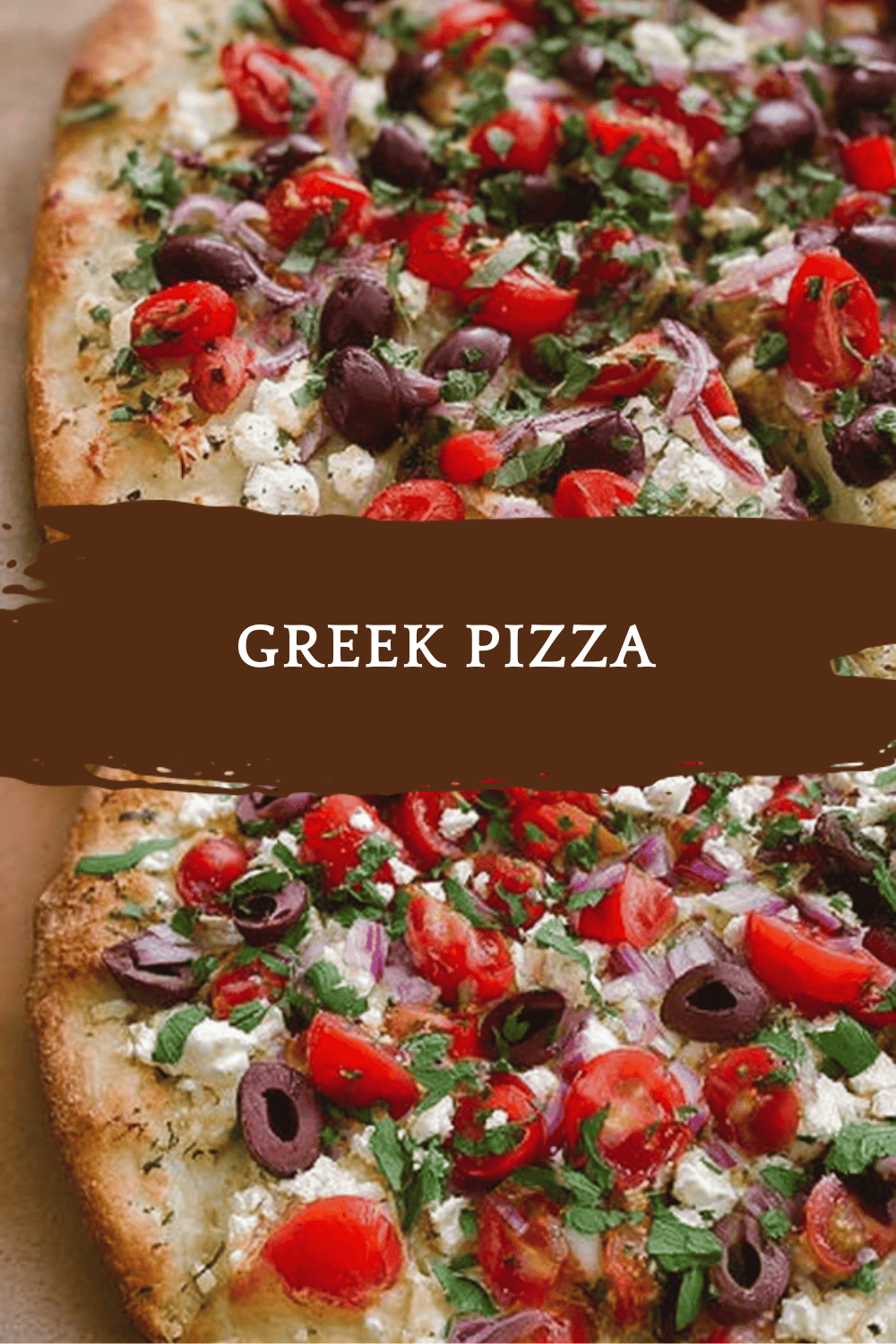
Dietary Substitutions to Customize Your Greek Pizza
Making Greek pizza your own is easy with a few swaps, especially if you have specific dietary needs. You can keep the core flavors while adapting for health goals or preferences. Let’s look at some simple changes that work well.
For protein and main components, try swapping feta with vegan cheese to make it plant-based. Or add grilled chicken for extra protein, though that changes the veggie focus. Use cauliflower crust for a low-carb option or gluten-free dough to suit sensitivities.
- Swap spinach with kale or arugula for a different green twist.
- Opt for a low-sodium tomato sauce if you’re watching salt.
- Experiment with herbs like dill or mint to mix up the taste.
- Add roasted red peppers or artichoke hearts for more variety.
These adjustments, as noted in the recipe summary, make it adaptable and simple. It’s all about creating meals that fit your lifestyle while keeping that Greek spirit alive.
Mastering Greek Pizza: Advanced Tips and Variations
Once you’re comfortable with the basics, try these tips to take your Greek pizza to the next level. Using a few tricks can make your crust extra crispy and your flavors pop even more. I always find that small changes lead to big improvements in the kitchen.
Pro Cooking Techniques
Heat a pizza stone in the oven for a crispier crust that mimics professional results. Brush the dough edges with garlic-infused olive oil for added taste. This helps achieve that golden edge everyone raves about.
Flavor Variations
Mix in sun-dried tomatoes or capers to enhance the Mediterranean vibe. Adding crumbled goat cheese can bring a new tang that pairs well with the olives. Remember, the Greek character comes from toppings like those, so keep them central.
Presentation Tips
Garnish with fresh oregano and a drizzle of balsamic glaze for a polished look. Make-ahead options include prepping dough and veggies in advance, then storing them separately. This way, assembly is quick on busy days, as suggested in the notes for customization.
For more inspiration on flavorful meals, check out our Grilled Cacio e Pepe Chicken Wings recipe.
How to Store Greek Pizza: Best Practices
Storing your Greek pizza properly keeps it tasty for leftovers, which is great for meal prep. Follow these steps to maintain that fresh-from-the-oven feel. It’s simple and helps reduce waste in your kitchen.
| Storage Method | Duration | Tips |
|---|---|---|
| Refrigeration | Up to 3 days | Use an airtight container to keep it fresh. |
| Freezing | Up to 2 months | Wrap slices tightly in plastic wrap and foil. |
| Reheating | N/A | Heat at 375°F for 8-10 minutes for crispiness. |
When batch cooking, store toppings and crust apart to avoid sogginess. This ties into the recipe’s adaptability for make-ahead dishes.
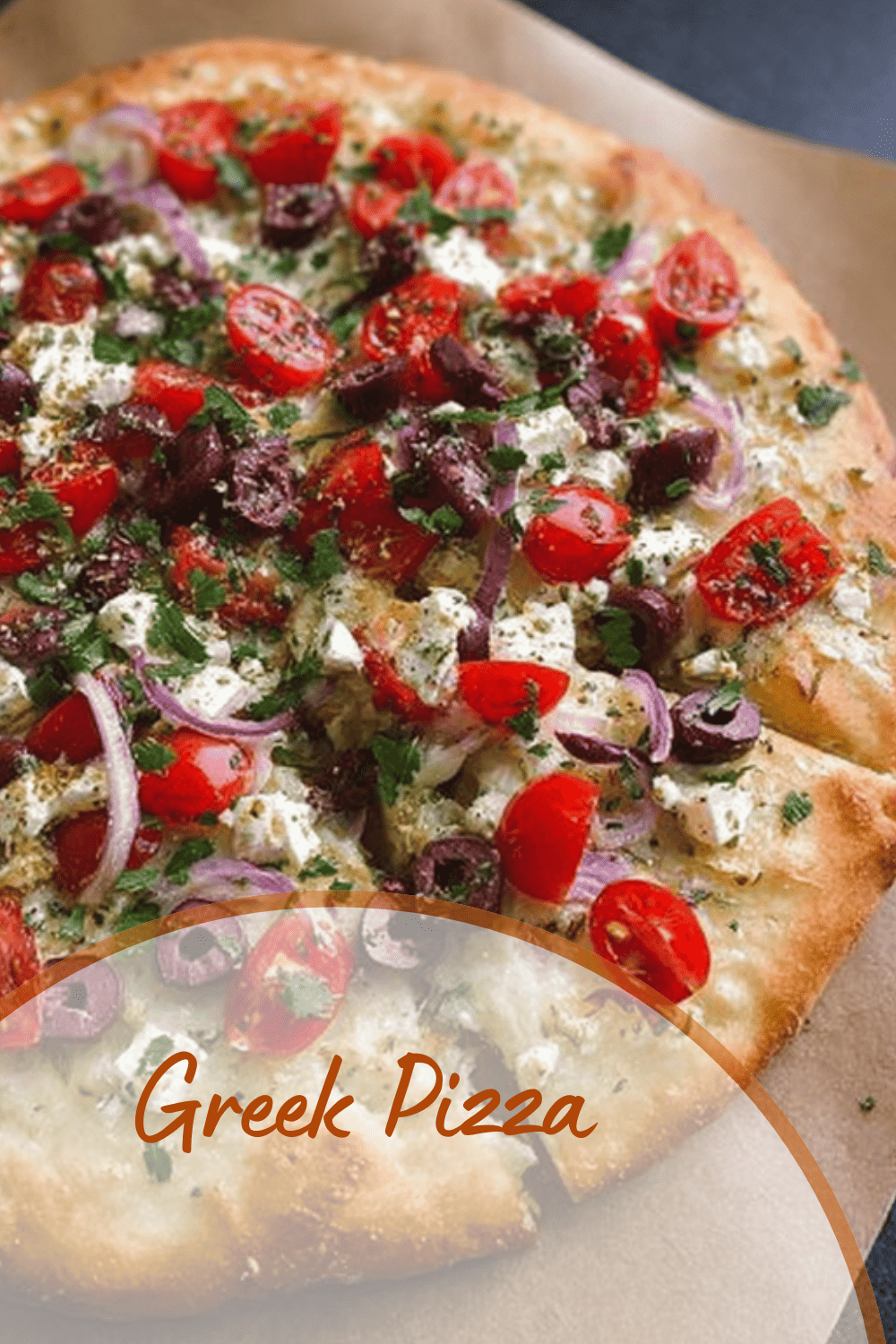
FAQs: Frequently Asked Questions About Greek Pizza
What is Greek pizza and how is it different from other types of pizza?
Greek pizza is a style characterized by its thick, airy crust that is usually cooked in a shallow, oiled pan, giving it a slightly fried, crispy bottom. Unlike traditional Italian pizza, Greek pizza crust is spongier and softer inside. It often features a sauce with more herbs such as oregano, and toppings commonly include feta cheese, olives, tomatoes, and sometimes spinach, reflecting Mediterranean flavors. This style originated in the United States and is popular in certain regions for its unique texture and combination of ingredients.
How do you make the perfect Greek pizza crust at home?
To make Greek pizza crust, start with a high-gluten flour for chewiness. Combine flour, yeast, sugar, salt, olive oil, and warm water, then knead until smooth. Let the dough rise in a bowl covered with a damp cloth for about 1 to 1.5 hours until doubled in size. Press the dough into a well-oiled shallow pan rather than stretching it thin, and allow a second short rise before adding toppings. Baking at 450°F (230°C) for 10-15 minutes produces a crispy yet tender crust typical of Greek pizza.
Can I use traditional pizza toppings on Greek pizza?
Yes, traditional pizza toppings like pepperoni, mushrooms, and mozzarella can be used on Greek pizza, but it’s best to balance them with ingredients that complement its distinct crust and sauce. Classic Greek toppings include feta cheese, Kalamata olives, red onions, and fresh tomatoes. Combining both types can create a flavorful fusion. Keep toppings moderate to avoid weighing down the airy crust, ensuring the pizza cooks evenly and maintains its characteristic texture.
Is Greek pizza healthier than other pizza styles?
Greek pizza can be a healthier option depending on the toppings and preparation. It often uses olive oil and Mediterranean ingredients rich in antioxidants, like olives and tomatoes. The thicker crust may result in a higher calorie count compared to thin-crust pizzas, but using whole wheat flour or reducing cheese amounts can improve its nutritional profile. Homemade Greek pizza allows control over ingredients, making it easier to create a balanced meal with vegetables and lean proteins than some commercial varieties.
What are common mistakes to avoid when making Greek pizza?
Common mistakes include not using enough oil in the pan, which can prevent the crust from getting its signature crispy bottom, and rolling the dough too thin, which ruins the characteristic thickness. Skipping the second rise after shaping can lead to a dense crust rather than a light, airy one. Overloading with toppings or too much sauce can make the crust soggy. Finally, baking at too low a temperature can result in a pale, chewy crust instead of a golden, well-cooked pizza.

Greek Pizza
🍕 Greek Pizza Recipe with Authentic Flavors and Easy Homemade Crust combines traditional Greek ingredients to offer a flavorful and satisfying meal.
🌿 The fluffy homemade crust paired with toppings like feta, Kalamata olives, and artichokes provides an authentic and wholesome dining experience.
- Total Time: 30 minutes
- Yield: Two 11-inch pizzas 1x
Ingredients
1 batch homemade pizza dough or 1 pound store-bought pizza dough
⅔ cup pizza sauce or marinara sauce or one 32-ounce can whole tomatoes, drained and crushed by hand
½ teaspoon dried oregano
8 ounces grated low-moisture part-skim mozzarella cheese (about 2 packed cups)
½ cup thin, 1-inch strips roasted red peppers (jarred or fresh)
½ cup quartered marinated or jarred artichokes, halved lengthwise
15 pitted Kalamata olives, halved lengthwise
½ cup crumbled feta cheese (2 to 3 ounces)
torn fresh basil leaves (three to four)
red pepper flakes
Instructions
1-First, preheat your oven to 500 degrees Fahrenheit and position a rack in the upper third for even baking. If you have a baking stone or steel, place it on that rack now. Get your dough ready, whether you’re making it from scratch or using store-bought.
2-Next, spread the sauce or crushed tomatoes evenly over the dough, making sure to press out any extra liquid. Lightly sprinkle the dried oregano on top for that classic Greek touch.
3-Evenly add the toppings starting with the shredded mozzarella, followed by the roasted red pepper strips, artichoke pieces, Kalamata olives, and finally the crumbled feta.
4-Bake each pizza one at a time on the top rack until the crust turns golden and the cheese bubbles up, which takes about 10 to 12 minutes less time if you’re using a baking stone, so keep an eye on it.
5-Once done, take it out of the oven and add torn fresh basil leaves and red pepper flakes if you like. Let it cool a bit, then slice and serve.
Last Step:
Please leave a rating and comment letting us know how you liked this recipe! This helps our business to thrive and continue providing free, high-quality recipes for you.Notes
🍅 Use crushed tomatoes as a fresh alternative to sauce.
🧀 Part-skim mozzarella offers good browning and melt.
🌿 Fresh basil and red pepper flakes nicely complement the flavors.
- Prep Time: 20 minutes
- Cook Time: 10 to 12 minutes
- Category: Main Course
- Method: Baking
- Cuisine: Greek
- Diet: Vegetarian


