

Why You’ll Love This Greek Pizza
Imagine pulling a hot Greek pizza out of the oven, its crispy edges loaded with fresh flavors that make every bite feel like a mini vacation to the Mediterranean. This recipe is super simple, ready in just about 30 minutes, and uses ingredients you probably have on hand, like feta and olives. It brings people together, perfect for family dinners or potlucks where everyone wants something tasty and easy to share.
What sets Greek pizza apart is its blend of wholesome, nutritious toppings that taste amazing without much fuss. You’ll love how it fits into busy nights as a quick meal that doesn’t skimp on flavor. Packed with veggies and cheese, it’s a fun way to add more goodness to your plate while keeping things light and satisfying.
This pizza isn’t just food; it’s a way to create those warm moments around the table, much like sharing a hearty casserole at a community gathering. Whether you’re a busy parent juggling schedules or a student looking for a fast dinner, this recipe adapts to what you need. Let’s dive into what makes it so special and why it might become your go-to choice.
Ease of Preparation
Whipping up this Greek pizza is a breeze, with steps that flow smoothly from start to finish. You can use store-bought dough to cut down on time, making it ideal for those evenings when you’re short on energy but not on appetite. In under half an hour, you’ll have two 11-inch pizzas ready to enjoy, turning simple pantry staples into something extraordinary.
Health Benefits
Greek pizza loads up on fresh ingredients like roasted red peppers and artichokes, which bring vitamins and fiber to your meal. The olive oil and veggies offer heart-healthy fats, while feta adds a tangy punch without overloading on calories. It’s a smart pick for diet-conscious folks who want flavor without the guilt, blending taste and nutrition in every slice.
Versatility and Distinctive Flavor
This recipe shines because it’s easy to tweak for different tastes, from vegan swaps to gluten-free crusts. The mix of oregano, feta, and olives gives it that unique Mediterranean vibe that stands out from regular pizza. For food enthusiasts or community organizers planning events, it’s a crowd-pleaser that keeps things exciting and adaptable.
Table 1: Quick Comparison of Greek Pizza to Other Pizzas
| Pizza Type | Key Features | Best For |
|---|---|---|
| Greek Pizza | Thick crust with Mediterranean toppings like feta and olives | Busy weeknights or group gatherings |
| Italian Pizza | Thin, crispy base with tomato and cheese | Quick snacks or date nights |
| Chicago Deep-Dish | Thick, loaded layers | Comfort food on lazy days |
Jump to:
- Why You’ll Love This Greek Pizza
- Ease of Preparation
- Health Benefits
- Versatility and Distinctive Flavor
- Essential Ingredients for Greek Pizza
- How to Prepare the Perfect Greek Pizza: Step-by-Step Guide
- Dietary Substitutions to Customize Your Greek Pizza
- Mastering Greek Pizza: Advanced Tips and Variations
- How to Store Greek Pizza: Best Practices
- FAQs: Frequently Asked Questions About Greek Pizza
- What is Greek pizza and how is it different from other types of pizza?
- How do you make the perfect Greek pizza crust at home?
- Can I use traditional pizza toppings on Greek pizza?
- Is Greek pizza healthier than other pizza styles?
- What are common mistakes to avoid when making Greek pizza?
- Greek Pizza
- Ingredients
- Instructions
- Last Step:
- Notes
- Did you make this recipe?
Essential Ingredients for Greek Pizza
Gathering the right ingredients is the fun part of making Greek pizza, as they bring all those authentic flavors to life. Start with fresh or pantry items that mix easily, and you’ll end up with a pizza that’s both delicious and nutritious. Let’s break down what you need to create this Mediterranean treat, focusing on precise measurements to make your cooking straightforward.
Below is a complete list of ingredients for this recipe. I’ve pulled together everything required based on the details, ensuring you have exact quantities for success. This way, whether you’re a beginner or a pro, putting together your Greek pizza becomes a simple joy.
- 1 batch homemade dough or 1 pound (approx. 454g) store-bought pizza dough
- 2/3 cup (approx. 160ml) marinara sauce or preferred pizza sauce or 1 can (32 ounces / 907g) whole tomatoes, drained and crushed
- 1/2 teaspoon dried oregano
- 8 ounces (approx. 227g) grated low-moisture part-skim mozzarella cheese
- 1/2 cup (approx. 75g) thin strips roasted red peppers (jarred or fresh)
- 1/2 cup (approx. 75g) quartered marinated or jarred artichokes, halved lengthwise
- 15 pitted Kalamata olives, halved lengthwise
- 1/2 cup (approx. 2-3 ounces / 56-85g) crumbled feta cheese
- 3-4 fresh basil leaves, torn into small pieces (optional for garnish)
- Red pepper flakes (optional for garnish)
This list covers all the essentials, making it easy to shop and prepare. For special diets, you can swap in options like plant-based cheese for a vegan twist or a gluten-free crust to keep things inclusive. Jarred items like roasted red peppers make prep even quicker, adding convenience without losing that homemade feel.
How to Prepare the Perfect Greek Pizza: Step-by-Step Guide
Getting started on your Greek pizza is as easy as turning on the oven, and the steps flow naturally to help you build layers of flavor. Begin by preheating to ensure a crispy result, then move through each part with simple instructions. This guide uses the ingredients we listed to create two yummy 11-inch pizzas in no time.
First, heat your oven to 500°F (260°C) and set a rack in the upper third you can add a baking stone or steel for an even crispier edge. Get your dough ready based on the package or your favorite recipe, rolling it out smoothly. Once that’s done, spread the sauce evenly across the dough and sprinkle on the dried oregano for that Mediterranean kick.
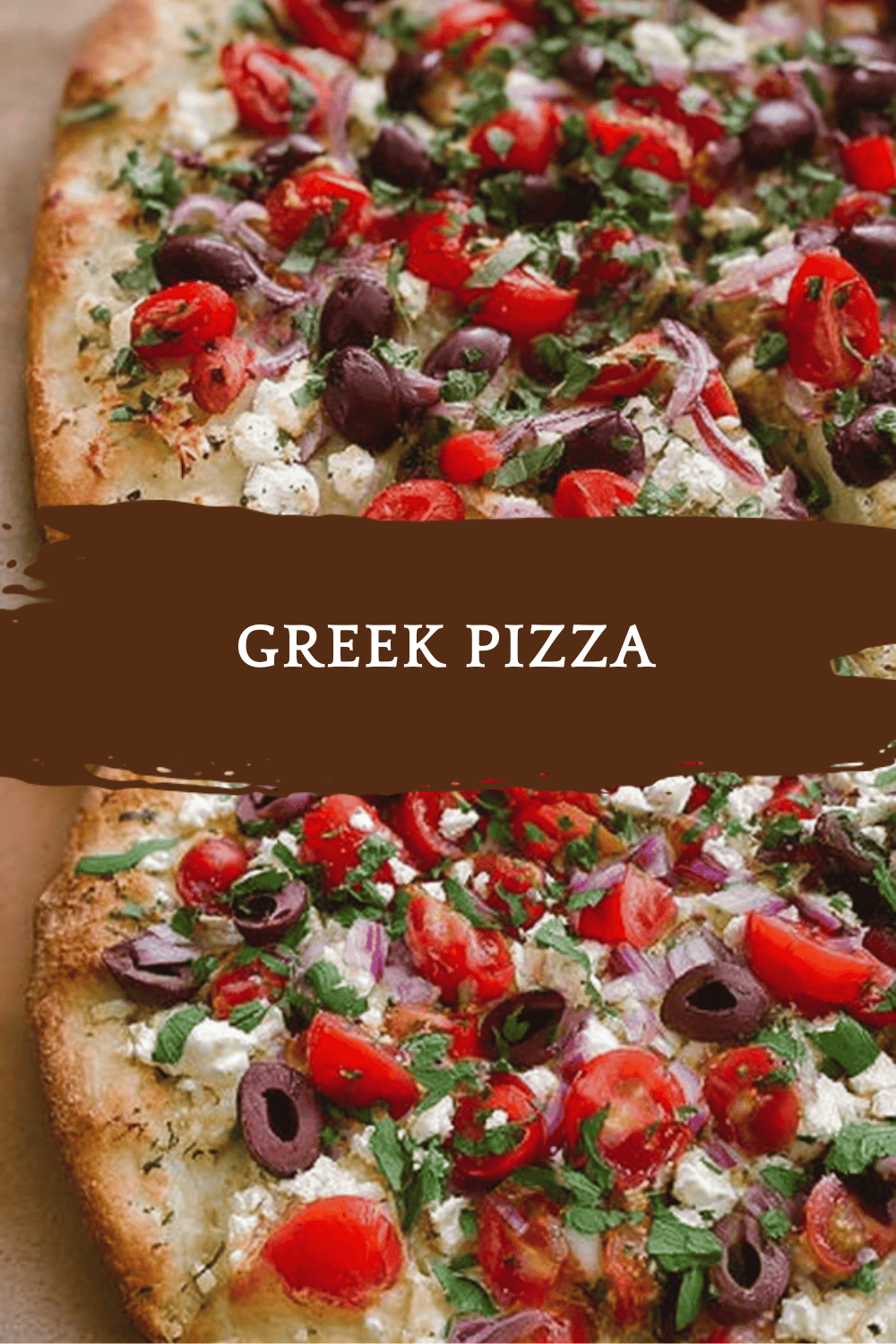
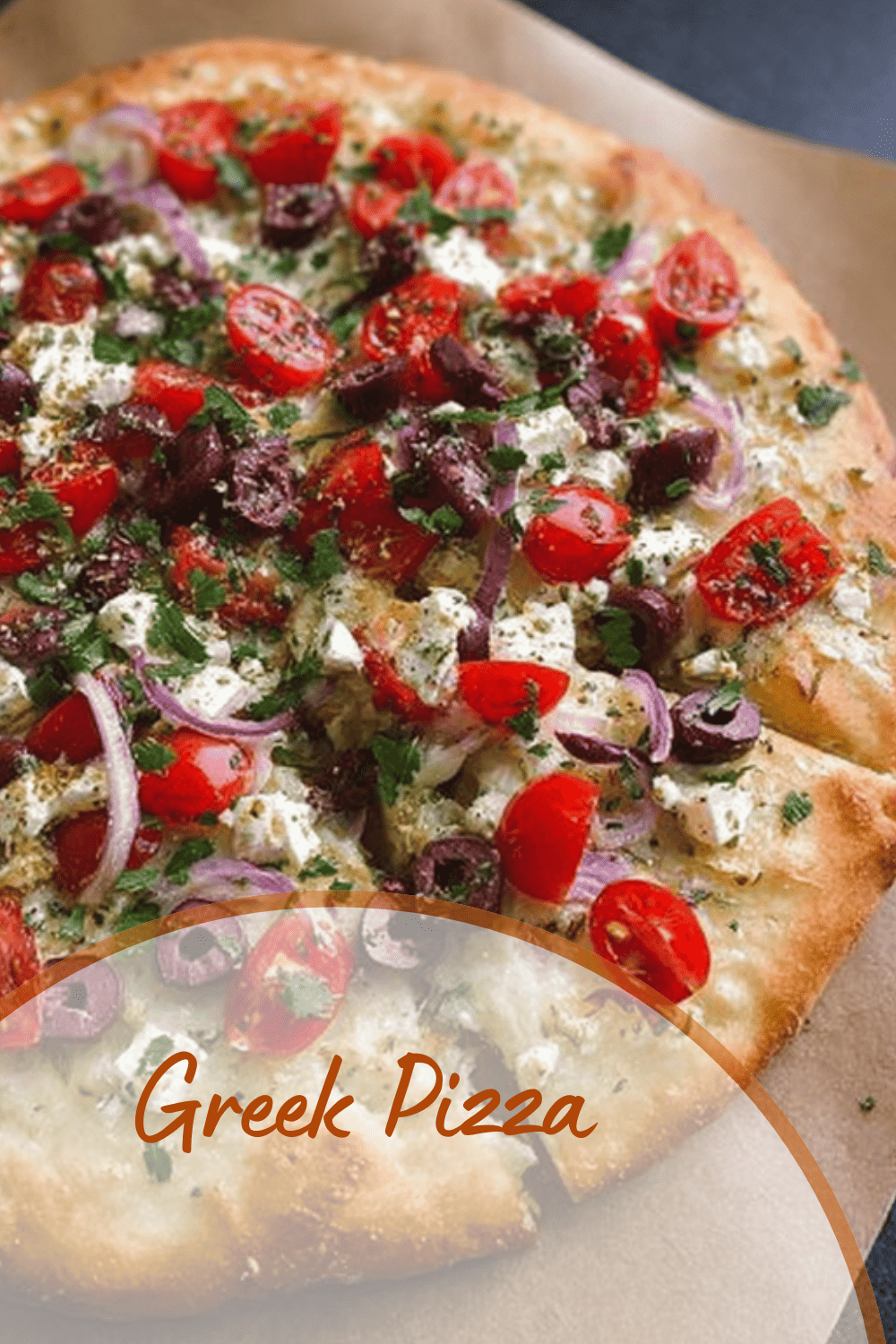
Now, layer on the toppings: start with the shredded mozzarella, followed by the roasted red pepper strips, artichokes, Kalamata olives, and crumbled feta. Slide it into the oven and bake for about 12 minutes until the crust turns golden and the cheese bubbles up nicely. If you’re using a baking stone, it might cook a bit faster, so keep an eye on it.
After baking, pull it out and let it cool for a moment before adding any optional garnishes like torn basil or red pepper flakes. Slice it up and serve while it’s warm this is where the magic happens, turning your kitchen into a spot for sharing stories over food. For busy parents or working pros, this method keeps things efficient yet full of heart.
- Preheat oven to 500°F (260°C) and position rack in upper third.
- Prepare pizza dough as instructed.
- Spread sauce and sprinkle oregano on dough.
- Layer mozzarella, peppers, artichokes, olives, and feta.
- Bake for approximately 12 minutes until golden.
- Garnish with basil and red pepper flakes, then serve.
Dietary Substitutions to Customize Your Greek Pizza
Making Greek pizza your own is all about swapping in options that fit your lifestyle, and it’s simpler than you might think. Whether you’re aiming for vegan vibes or gluten-free goodness, these changes keep the taste intact while meeting your needs. Let’s look at ways to tweak the recipe for everyone at the table.
For protein swaps, try using grilled chicken or lamb on top for a heartier version, or stick with plant-based cheese like cashew alternatives. If you’re watching calories, go for a cauliflower crust and cut back on cheese to lighten things up. Veggies and herbs can also change with the seasons, like swapping spinach for kale, keeping your pizza fresh and fun.
These adjustments ensure Greek pizza works for all kinds of eaters, from students on a budget to seniors seeking easy meals. Remember, a garlic-based sauce can replace the tomato one for a creamy twist, adding variety without much extra work. For more ideas on simple swaps, check out our easy chicken parmesan recipe for inspiration on adapting flavors.
This flexibility is what makes cooking special it brings people together by letting everyone enjoy the same dish their way.
Mastering Greek Pizza: Advanced Tips and Variations
Once you’re comfortable with the basics, taking your Greek pizza to the next level is a rewarding adventure. Try pro techniques like using a preheated pizza stone for that perfect crunch, or experiment with flavors to make it uniquely yours. These tips build on the simple recipe to help you impress at any gathering.
For instance, add sun-dried tomatoes or smoked paprika to deepen the taste, or pre-bake the crust a bit for extra crispiness. Presentation matters too drizzle on olive oil and scatter fresh basil before serving to make it look as good as it tastes. If you’re planning ahead, prep the dough and toppings earlier in the day for quick assembly later.
Don’t forget about alternative crusts like cauliflower or polenta for dietary twists, which keep the pizza light and adaptable. Part-skim mozzarella works wonders here, browning nicely without getting too gooey. For food enthusiasts or baking buffs, these variations open up endless possibilities while staying true to Mediterranean roots, much like exploring honey soy chicken for a different twist on classics. Also, as noted by sources like health benefits of feta cheese, choosing quality ingredients boosts both flavor and nutrition.
- Use a pizza stone for crispier results.
- Add extras like roasted peppers for depth.
- Prep in advance for busy days.
- Try gluten-free options for variety.
How to Store Greek Pizza: Best Practices
Keeping your Greek pizza fresh after baking means it can be a go-to meal for days, and storing it right preserves that crispy crust and bold flavors. Start with simple steps to lock in goodness, so you can enjoy leftovers without losing the magic. Whether you’re meal-prepping or saving for tomorrow, these tips make it easy.
Pop leftovers in the fridge in an airtight container, where they’ll stay good for up to three days. For longer storage, wrap slices tightly and freeze them for about two months it’s perfect for busy professionals or families. When reheating, use the oven at 375°F (190°C) to keep the texture just right, avoiding the microwave for better results.
This approach not only saves time but also reduces waste, letting you savor Greek pizza anytime. According to Mediterranean diet guidelines, using fresh ingredients means your stored pizza retains its health benefits too.
FAQs: Frequently Asked Questions About Greek Pizza
What is Greek pizza and how is it different from other types of pizza?
Greek pizza is a style characterized by its thick, airy crust that is usually cooked in a shallow, oiled pan, giving it a slightly fried, crispy bottom. Unlike traditional Italian pizza, Greek pizza crust is spongier and softer inside. It often features a sauce with more herbs such as oregano, and toppings commonly include feta cheese, olives, tomatoes, and sometimes spinach, reflecting Mediterranean flavors. This style originated in the United States and is popular in certain regions for its unique texture and combination of ingredients.
How do you make the perfect Greek pizza crust at home?
To make Greek pizza crust, start with a high-gluten flour for chewiness. Combine flour, yeast, sugar, salt, olive oil, and warm water, then knead until smooth. Let the dough rise in a bowl covered with a damp cloth for about 1 to 1.5 hours until doubled in size. Press the dough into a well-oiled shallow pan rather than stretching it thin, and allow a second short rise before adding toppings. Baking at 450°F (230°C) for 10-15 minutes produces a crispy yet tender crust typical of Greek pizza.
Can I use traditional pizza toppings on Greek pizza?
Yes, traditional pizza toppings like pepperoni, mushrooms, and mozzarella can be used on Greek pizza, but it’s best to balance them with ingredients that complement its distinct crust and sauce. Classic Greek toppings include feta cheese, Kalamata olives, red onions, and fresh tomatoes. Combining both types can create a flavorful fusion. Keep toppings moderate to avoid weighing down the airy crust, ensuring the pizza cooks evenly and maintains its characteristic texture.
Is Greek pizza healthier than other pizza styles?
Greek pizza can be a healthier option depending on the toppings and preparation. It often uses olive oil and Mediterranean ingredients rich in antioxidants, like olives and tomatoes. The thicker crust may result in a higher calorie count compared to thin-crust pizzas, but using whole wheat flour or reducing cheese amounts can improve its nutritional profile. Homemade Greek pizza allows control over ingredients, making it easier to create a balanced meal with vegetables and lean proteins than some commercial varieties.
What are common mistakes to avoid when making Greek pizza?
Common mistakes include not using enough oil in the pan, which can prevent the crust from getting its signature crispy bottom, and rolling the dough too thin, which ruins the characteristic thickness. Skipping the second rise after shaping can lead to a dense crust rather than a light, airy one. Overloading with toppings or too much sauce can make the crust soggy. Finally, baking at too low a temperature can result in a pale, chewy crust instead of a golden, well-cooked pizza.

Greek Pizza
🍕 Greek Pizza Recipe with Authentic Flavors and Easy Homemade Crust delivers a delicious meal featuring classic Mediterranean ingredients like feta, Kalamata olives, and artichokes.
🌿 This pizza offers a simple, flavorful experience with a fluffy homemade crust, perfect for a quick and satisfying vegetarian dinner.
- Total Time: 30 minutes
- Yield: Two 11-inch pizzas
Ingredients
– 1 batch homemade dough or 1 pound (approx. 454g) store-bought pizza dough
– 2/3 cup (approx. 160ml) marinara sauce or preferred pizza sauce or 1 can (32 ounces / 907g) whole tomatoes, drained and crushed
– 1/2 teaspoon dried oregano
– 8 ounces (approx. 227g) grated low-moisture part-skim mozzarella cheese
– 1/2 cup (approx. 75g) thin strips roasted red peppers (jarred or fresh)
– 1/2 cup (approx. 75g) quartered marinated or jarred artichokes, halved lengthwise
– 15 pitted Kalamata olives, halved lengthwise
– 1/2 cup (approx. 2-3 ounces / 56-85g) crumbled feta cheese
– 3-4 fresh basil leaves, torn into small pieces (optional for garnish)
– Red pepper flakes (optional for garnish)
Instructions
1-Preheat oven to 500°F (260°C) and position rack in upper third.
2-Prepare pizza dough as instructed.
3-Spread sauce and sprinkle oregano on dough.
4-Layer mozzarella, peppers, artichokes, olives, and feta.
5-Bake for approximately 12 minutes until golden.
6-Garnish with basil and red pepper flakes, then serve.
Last Step:
Please leave a rating and comment letting us know how you liked this recipe! This helps our business to thrive and continue providing free, high-quality recipes for you.Notes
🍅 Use crushed canned tomatoes for a fresh sauce alternative.
🧀 Part-skim mozzarella melts well and browns nicely.
🌱 Garnishes like fresh basil and red pepper flakes add brightness and spice.
- Prep Time: 20 minutes
- Cook Time: 10 to 12 minutes
- Category: Main Course
- Method: Baking
- Cuisine: Greek
- Diet: Vegetarian


