

Why You’ll Love This Gochujang
Gochujang, a traditional Korean fermented red chili paste, offers a blend of savory, sweet, and spicy flavors that make it a standout in many dishes. It begins with ease of preparation, as this recipe allows busy cooks to create a flavorful condiment quickly, often in just a few hours of initial mixing and cooking. Beyond convenience, gochujang provides health benefits such as probiotics from fermented soybeans, vitamins, and antioxidants from chili peppers, which support gut health and metabolism while delivering complex carbohydrates and protein.
Its versatility shines through adaptations for various dietary needs, including vegan, gluten-free, or low-calorie options by swapping ingredients. Moreover, the distinctive flavor from its unique mix of spicy heat, sweetness from fermented starches in glutinous rice, and umami depth ensures it enhances stews like gochujang jjigae, marinades for meats, and even simple meals like bibimbap. For those exploring gochujang for beginners, this condiment’s cultural significance in Korean cuisine adds an exciting layer to everyday cooking, making it a must-try for home cooks and food enthusiasts alike.
To learn more about how gochujang can elevate dishes with its rich profile, check out our recipe for authentic Korean chicken that incorporates this staple ingredient.
Jump to:
- Why You’ll Love This Gochujang
- Essential Ingredients for Gochujang
- Nutritional Breakdown
- How to Prepare the Perfect Gochujang: Step-by-Step Guide
- Dietary Substitutions to Customize Your Gochujang
- Mastering Gochujang: Advanced Tips and Variations
- How to Store Gochujang: Best Practices
- FAQs: Frequently Asked Questions About Gochujang
- What is gochujang and what does it taste like?
- How is traditional gochujang made and fermented?
- How spicy is gochujang and what does the Gochujang Hot-taste Unit (GHU) mean?
- What are common ways to use gochujang in cooking?
- Why is Sunchang gochujang historically important in Korea?
- Gochujang
- Ingredients
- Instructions
- Last Step:
- Notes
- Nutrition
- Did you make this recipe?
Essential Ingredients for Gochujang
Gochujang relies on a precise combination of ingredients to achieve its characteristic savory, sweet, and spicy taste. The traditional recipe uses 25% red chili powder for heat, 22.2% glutinous rice for sweetness during fermentation, 5.5% fermented soybean powder made from cooked soybeans and non-glutinous rice for umami, 12.8% salt for enhancement, 5% malt barley powder for additional depth, and the remainder water to bind everything together.
Optional ingredients like whole wheat kernels, barley, and sweeteners such as sugar or syrup can be added for further customization. Below is a structured list of the main ingredients based on standard measurements for preparing gochujang, ensuring accuracy for home cooks:
- 1 cup fermented chili powder provides the signature spicy heat and depth from red chili powder.
- 1/2 cup sweet rice flour acts as a thickener and adds subtle sweetness from glutinous rice.
- 1/4 cup fermented soybean paste contributes umami richness and complexity from fermented soybeans.
- 2 tbsp sugar balances the spice with sweetness, as an additional sweetener option.
- 1/2 cup water for achieving the desired consistency to mix and bind ingredients.
- 1 tbsp salt enhances overall flavor, aligning with the 12.8% salt content.
- Optional: Whole wheat kernels or barley to taste, for added texture and nutrients.
For special dietary options, consider these adjustments: vegan versions use plant-based fermented soybean paste, gluten-free options substitute sweet rice flour with a certified alternative, and low-calorie versions reduce sugar amounts.
Nutritional Breakdown
| Ingredient | Percentage in Recipe | Key Benefits |
|---|---|---|
| Red chili powder | 25% | Provides bioactive compounds like capsaicin for health benefits. |
| Glutinous rice | 22.2% | Offers complex carbohydrates that ferment into natural sweetness. |
| Fermented soybean powder | 5.5% | Delivers protein and probiotics for digestive health. |
| Salt | 12.8% | Enhances flavor while providing essential minerals. |
| Malt barley powder | 5% | Adds enzymatic action for fermentation depth. |
| Water | Remainder | Ensures proper consistency and fermentation. |
How to Prepare the Perfect Gochujang: Step-by-Step Guide
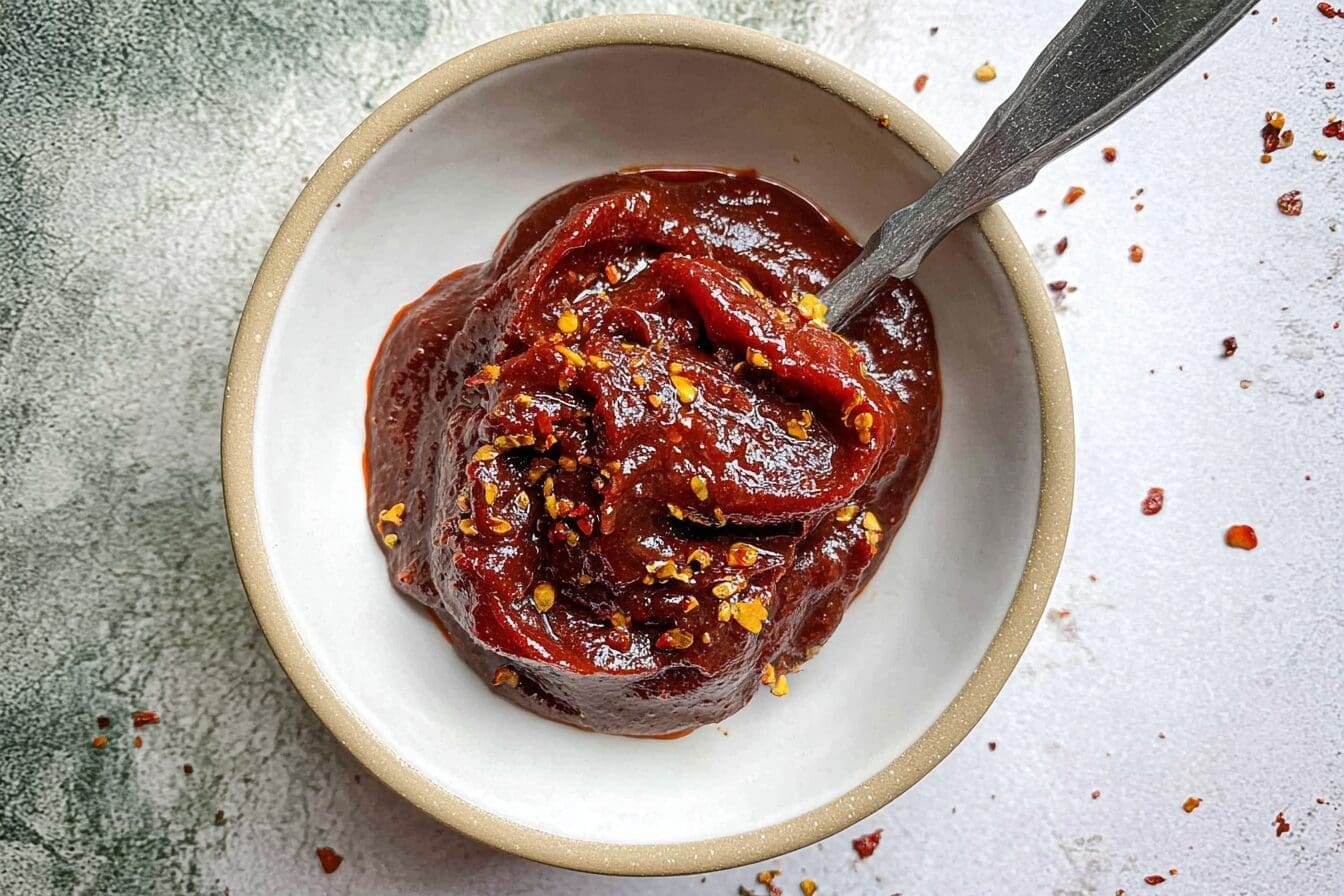
Gochujang’s preparation involves initial mixing and cooking, which takes a few hours, followed by a fermentation period of several months to years for deep flavors. First, gather and measure all ingredients precisely to ensure balanced flavors, using high-quality chili powders as key tips suggest. Combine sweet rice flour and water in a saucepan, cooking over medium heat while stirring constantly until thickened, about 5 minutes, to start the starch fermentation process.
Next, in a mixing bowl, add the thickened base to fermented chili powder, soybean paste, sugar, and salt; mix thoroughly for a uniform paste, incorporating the 25% red chili powder and other exact ratios. Transfer the mixture into a traditional earthenware jar placed on an elevated stone platform for natural fermentation, allowing enzymes to break down starches from glutinous rice into sweetness over 7-14 days or longer. Finally, taste and adjust seasoning if necessary, then store in the refrigerator, ensuring careful control of fermentation conditions for quality results as recommended.
For dietary adaptations like vegan or gluten-free versions, incorporate substitutions during the mixing stage. The spiciness, measured by the Gochujang Hot-taste Unit (GHU) based on capsaicin levels, can be adjusted by varying chili types, making this guide ideal for gochujang cooking tips and beginners.
Dietary Substitutions to Customize Your Gochujang
Adapting gochujang for different dietary needs enhances its versatility in Korean cuisine. Protein alternatives include replacing fermented soybean paste with miso for a similar umami profile, or using plant-based options like tempeh for vegan variations. Vegetable and seasoning modifications allow swapping chili powders for milder or hotter varieties to manage GHU spiciness levels.
Other changes involve substituting soy sauce with tamari for gluten-free diets or adding seasonal herbs for fresh flavors. These adjustments ensure gochujang remains accessible, supporting its use in dishes like gochujang bulgogi while maintaining nutritional benefits from bioactive compounds in chili peppers.
Mastering Gochujang: Advanced Tips and Variations
To master gochujang, focus on pro cooking techniques such as lightly toasting chili powder before mixing to enhance depth, and extend fermentation in earthenware jars for increased complexity over months or years. Flavor variations can involve adding garlic, ginger, or smoked paprika for unique twists, building on its traditional savory, sweet, and spicy profile. Presentation tips include garnishing dishes with sesame seeds or scallions to highlight its role in meals like bibimbap.
Make-ahead options involve preparing larger batches for quick meal prep, aligning with its use as a base for sauces like chogochujang or ssamjang. For those seeking advanced recipes featuring gochujang, these tips provide a foundation for experimenting while preserving health benefits from fermented soybeans and chili peppers.
How to Store Gochujang: Best Practices
Proper storage preserves gochujang’s flavors developed through fermentation. Keep it in an airtight container in the refrigerator for up to 3 months to maintain freshness. For longer preservation, portion it into freezer-safe containers, allowing storage for up to 6 months without losing quality.
When reheating, warm gently on the stove or in the microwave to avoid degrading its spicy and sweet notes. Consider meal prep by using smaller amounts in daily cooking, ensuring you benefit from its bioactive compounds while keeping bulk reserves frozen.
FAQs: Frequently Asked Questions About Gochujang
What is gochujang and what does it taste like?
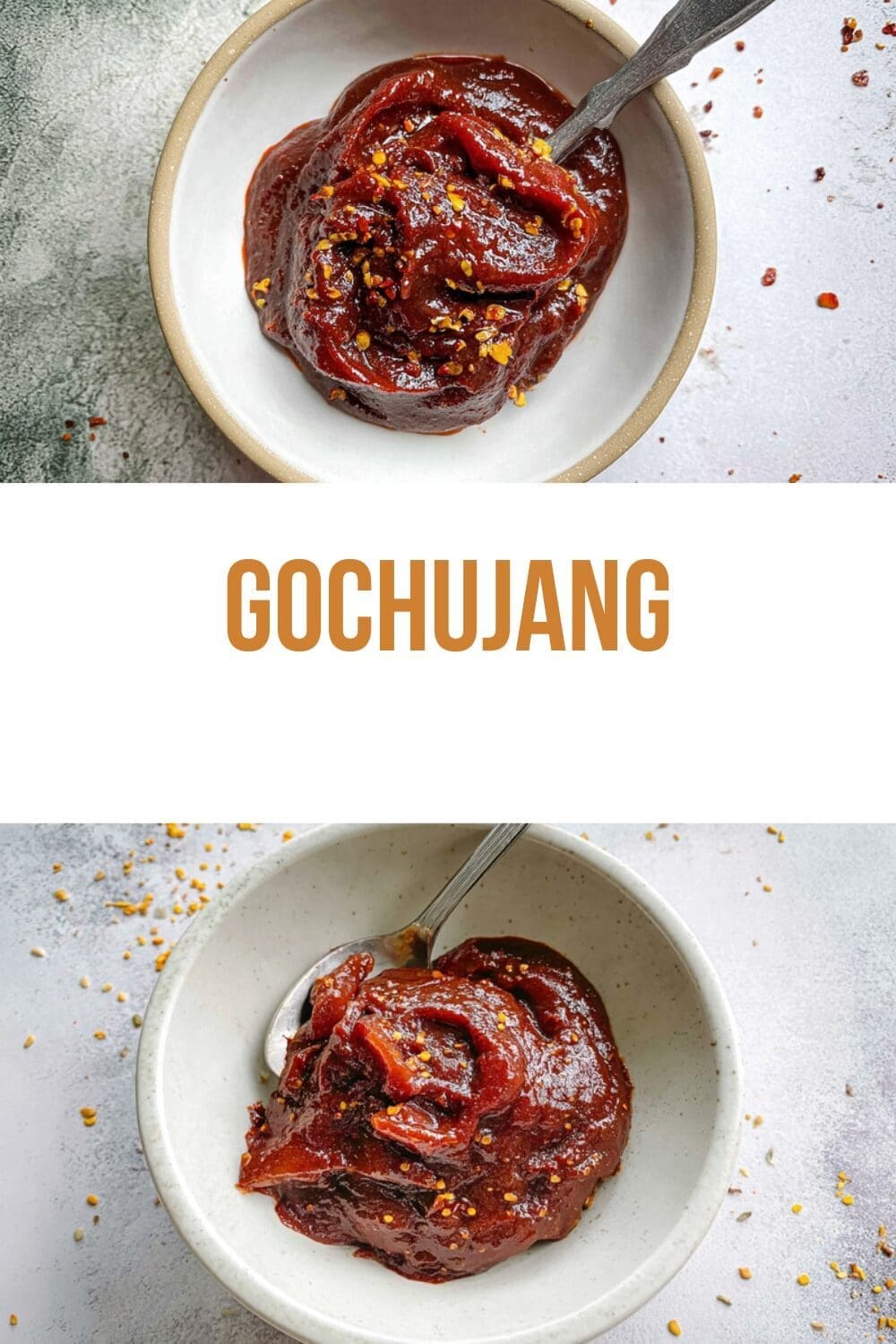
Gochujang is a Korean fermented red chili paste made from red chili powder, glutinous rice, fermented soybean powder, malt powder, and salt. It has a unique flavor that is simultaneously spicy, sweet, and savory with a rich umami depth. The sweetness comes from the fermented starches in glutinous rice, balanced by the heat from chili peppers, making it a versatile condiment in Korean cuisine.
How is traditional gochujang made and fermented?
Traditional gochujang is produced by mixing red chili powder, cooked glutinous rice, fermented soybean powder, malt powder, and salt. This mixture is placed in earthenware jars called jangdok and naturally fermented outdoors for several months to years. During fermentation, enzymes break down starches to sugars, enhancing sweetness and depth of flavor. The jars are often kept on raised stone platforms called jangdokdae to maximize air circulation.
How spicy is gochujang and what does the Gochujang Hot-taste Unit (GHU) mean?
The spiciness of gochujang varies and is measured by the Gochujang Hot-taste Unit (GHU). GHU classifies gochujang into five spiciness levels: Mild (under 30 GHU), Slight Hot (30–45 GHU), Medium Hot (45–75 GHU), Very Hot (75–100 GHU), and Extreme Hot (above 100 GHU). This scale helps consumers choose the right heat intensity for their palate and cooking needs.
What are common ways to use gochujang in cooking?
Gochujang is a staple ingredient in Korean dishes. It is commonly used to make stews such as gochujang jjigae, marinade meats for barbecue like samgyeopsal, and as a condiment for staples like bibimbap and tteokbokki. Additionally, it is mixed to create dipping sauces including ssamjang and chogochujang. Its blend of heat and sweetness adds flavor complexity to many recipes.
Why is Sunchang gochujang historically important in Korea?
Sunchang gochujang is a famous regional specialty dating back to the 14th century and has played a significant role in Korean palace cuisine during the Joseon Dynasty. It gained royal recognition when King Taejo favored its taste, ordering it regularly for the royal family. This heritage highlights Sunchang’s reputation for quality and authentic gochujang production, preserving traditional fermentation methods.
Gochujang
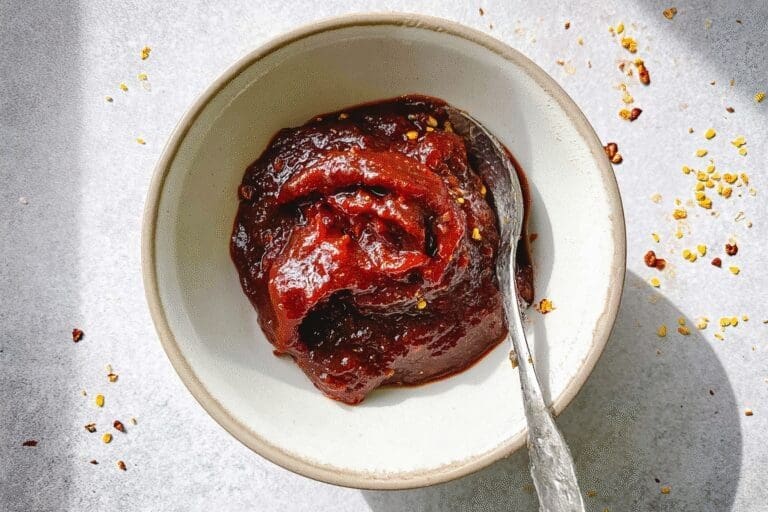
🌶️ Discover the rich flavors and health benefits of Gochujang, a savory and spicy Korean fermented chili paste.
🍚 This versatile ingredient enhances dishes with its unique sweet, salty, and spicy profile, perfect for marinades, stews, and sauces.
- Total Time: Months to years
- Yield: Varies
Ingredients
1 cup fermented chili powder provides the signature spicy heat and depth from red chili powder
1/2 cup sweet rice flour acts as a thickener and adds subtle sweetness from glutinous rice
1/4 cup fermented soybean paste contributes umami richness and complexity from fermented soybeans
2 tbsp sugar balances the spice with sweetness, as an additional sweetener option
1/2 cup water for achieving the desired consistency to mix and bind ingredients
1 tbsp salt enhances overall flavor, aligning with the 12.8% salt content
Whole wheat kernels or barley to taste for added texture and nutrients
Red chili powder
Glutinous rice
Fermented soybean powder
Salt
Malt barley powder
Water
Instructions
1-First, gather and measure all ingredients precisely to ensure balanced flavors, using high-quality chili powders as key tips suggest.
2-Combine sweet rice flour and water in a saucepan, cooking over medium heat while stirring constantly until thickened, about 5 minutes, to start the starch fermentation process.
3-Next, in a mixing bowl, add the thickened base to fermented chili powder, soybean paste, sugar, and salt; mix thoroughly for a uniform paste, incorporating the 25% red chili powder and other exact ratios.
4-Transfer the mixture into a traditional earthenware jar placed on an elevated stone platform for natural fermentation, allowing enzymes to break down starches from glutinous rice into sweetness over 7-14 days or longer.
5-Finally, taste and adjust seasoning if necessary, then store in the refrigerator, ensuring careful control of fermentation conditions for quality results as recommended.
Last Step:
Please leave a rating and comment letting us know how you liked this recipe! This helps our business to thrive and continue providing free, high-quality recipes for you.Notes
🔥 Use high-quality chili powders for best heat and flavor.
🛢 Traditional earthenware jars help in natural fermentation and flavor development.
⏳ Patience is key – longer fermentation yields deeper, richer flavors.
- Prep Time: 3 hours
- Fermentation time: Months to years
- Cook Time: 3 hours
- Category: Condiment
- Method: Fermentation
- Cuisine: Korean
- Diet: Vegan, Gluten-Free
Nutrition
- Serving Size: 1 tablespoon
- Calories: 20 kcal
- Sugar: 1 g
- Sodium: 350 mg
- Fat: 0.5 g
- Saturated Fat: 0 g
- Unsaturated Fat: 0.5 g
- Trans Fat: 0 g
- Carbohydrates: 4 g
- Fiber: 1 g
- Protein: 1 g
- Cholesterol: 0 mg


