

Why You’ll Love This Korean Chicken
- Ease of preparation: This Korean chicken recipe is straightforward and efficient, requiring minimal steps with a manageable marination and a double-frying process that maximizes texture without complicated techniques. It’s perfect for busy cooks craving rich flavors without excessive prep time.
- Health benefits: Featuring lean protein from chicken combined with antioxidant-rich garlic, ginger, and chili paste, this Korean chicken supports muscle maintenance while delivering beneficial nutrients. The use of frying methods like double-frying with high smoke point oils reduces oil absorption, making it a bit lighter.
- Versatility: The recipe is adaptable to various cuts including wings, drumsticks, or boneless thighs, and can be modified for gluten-free diets by substituting soy sauce or adjusting batter ingredients. It also accommodates different spice preferences by adjusting gochujang amounts.
- Distinctive flavor: A balance of sticky, sweet, and spicy notes from the signature Korean chili paste, honey, and garlic creates a unique flavor profile that intensifies with every bite. The crispy double-fried crust combined with the savory, glossy glaze sets this dish apart from traditional fried chicken.
Jump to:
- Why You’ll Love This Korean Chicken
- Essential Ingredients for Korean Chicken
- Main Ingredients:
- Special Dietary Options:
- How to Prepare the Perfect Korean Chicken: Step-by-Step Guide
- First Step: Marinate the Chicken
- Second Step: Prepare the Dredge and Batter
- Third Step: Coat the Chicken
- Fourth Step: Double Fry the Chicken
- Fifth Step: Prepare the Sauce/Glaze
- Final Step: Coat and Serve
- Dietary Substitutions to Customize Your Korean Chicken
- Protein and Main Component Alternatives
- Vegetable, Sauce, and Seasoning Modifications
- Mastering Korean Chicken: Advanced Tips and Variations
- How to Store Korean Chicken: Best Practices
- FAQs: Frequently Asked Questions About Korean Chicken
- What makes Korean fried chicken different from regular fried chicken?
- Which cuts of chicken are best for making Korean fried chicken at home?
- How should I reheat leftover Korean fried chicken to keep it crispy?
- What sides are traditionally served with Korean fried chicken?
- Can I make the sauces for Korean fried chicken in advance, and how should I store them?
- Korean Chicken
- Ingredients
- Instructions
- Last Step:
- Notes
- Nutrition
- Did you make this recipe?
Essential Ingredients for Korean Chicken
Main Ingredients:
- 1.4 kg whole chicken (about 3 pounds), cut into pieces, or 2 to 2 1/4 pounds boneless, skinless chicken thighs – primary protein source for tender, juicy chicken
- 2 tablespoons rice wine (optional) – used in marinating to tenderize and add depth
- 2 teaspoons minced or grated fresh ginger – imparts fresh, zesty spice
- 10 garlic cloves (3 grated for batter/glaze, 7 minced for sauce) – adds pungent, aromatic flavor
- 1 teaspoon fine sea salt – balances seasoning
- 1/2 teaspoon ground black pepper – provides mild heat
- 2 1/4 teaspoons kosher salt (divided if using chicken thighs) – enhances flavor
- 1 1/2 teaspoons baking powder (divided if using chicken thighs) – helps create a light crispy crust
- 1 1/2 teaspoons ground white pepper (optional) – adds subtle heat and aroma
- 2 to 3 cups potato starch or cornstarch (divided) – forms the crispy coating
- 3/4 cup cold water (for batter) – binds batter ingredients
- 2 tablespoons soy sauce – deepens umami flavor in glaze
- 2 tablespoons rice vinegar – adds tangy brightness
- 1/4 cup honey – balances spice with sweetness
- 1/4 cup brown sugar (packed) – caramelizes for rich flavor
- 3 tablespoons tomato sauce or ketchup – creates tangy base in glaze
- 2 to 2 1/2 tablespoons Korean chili paste (gochujang) – key ingredient for signature spicy kick
- Cooking oil (preferably rice bran or canola oil), 4 to 5 cups – for deep frying
- Toasted sesame seeds and finely chopped scallions – garnish for nutty crunch and freshness
- Optional: baking powder in batter and dredge – lightens crust
Special Dietary Options:
- Vegan: Use firm tofu or seitan in place of chicken and substitute soy sauce with gluten-free tamari to replicate flavor and texture.
- Gluten-free: Substitute soy sauce with tamari or coconut aminos and ensure starches are gluten-free to maintain crispiness and flavor.
- Low-calorie: Reduce sugar content in the sauce and opt for skinless chicken thighs or breasts; use minimal oil during frying or consider oven-baking as an alternative.
How to Prepare the Perfect Korean Chicken: Step-by-Step Guide
First Step: Marinate the Chicken
In a large mixing bowl, combine the chicken pieces with rice wine (if using), grated ginger, minced garlic (from about 7 cloves), fine sea salt, and ground black pepper. For boneless skinless thighs, add kosher salt, baking powder, and optional white pepper. Mix thoroughly and marinate for at least 10 minutes. For deeper flavor, marinate up to 72 hours in the refrigerator.
Second Step: Prepare the Dredge and Batter
Mix 2 to 3 cups of potato starch or cornstarch with baking powder, kosher salt, and ground white pepper for the dredge. In another bowl, prepare the batter with the same starch, baking powder, salt, white pepper, grated garlic (3 cloves), grated ginger, cold water, soy sauce, and rice vinegar. The batter should be smooth and slightly thickened.
Third Step: Coat the Chicken
Pat the marinated chicken dry with paper towels. Coat each piece first in the dredge mixture, then dip into the batter, and coat again in dredge to build a thick, crispy layer.
Fourth Step: Double Fry the Chicken
Heat cooking oil in a deep fryer or heavy pot to 175°C (347°F) to 180°C (350°F). Fry chicken pieces in small batches without overcrowding for 3 to 5 minutes until cooked through but not crisp. Remove and drain on paper towels or wire racks, skim debris from oil. Reheat oil to the same temperature, then fry chicken a second time for 2 to 3 minutes until golden brown and extremely crispy.
Fifth Step: Prepare the Sauce/Glaze
Heat 1 tablespoon cooking oil in a saucepan. Add minced garlic and cook until fragrant. Stir in tomato sauce or ketchup, gochujang, honey, brown sugar, soy sauce, and rice vinegar. Simmer until the glaze bubbles and thickens slightly. For a stickier glaze, add a cornstarch slurry. Stir in toasted sesame oil if desired, then remove from heat.
Final Step: Coat and Serve
Toss the freshly double-fried chicken pieces in the hot sauce until well coated. Garnish with toasted sesame seeds and chopped scallions. Serve immediately accompanied by pickled radish or kimchi for a classic Korean experience. Adjust spiciness by modifying gochujang quantity to taste.
Tip: Double frying is key to achieving the signature ultra-crispy texture of authentic Korean chicken.
Dietary Substitutions to Customize Your Korean Chicken
Protein and Main Component Alternatives
- Use firm tofu or tempeh as a vegan-friendly substitute while maintaining texture.
- Boneless, skinless chicken breasts can replace thighs for lower fat content.
- Seitan works well as a plant-based alternative to mimic meatiness.
Vegetable, Sauce, and Seasoning Modifications
- Swap potato starch for cornstarch or chickpea flour if preferred or to avoid gluten.
- Control sauce heat by reducing gochujang or substituting with milder chili pastes.
- Add fresh herbs like cilantro or chopped green onions for freshness.
- Incorporate vegetables like bell peppers or scallions during cooking for variety.
Mastering Korean Chicken: Advanced Tips and Variations
Pro cooking techniques: Marinate chicken up to 72 hours for deeper flavor. Maintain oil temperature consistently during frying for optimal crispness. Skim fried bits to keep oil clean and improve fry quality.
Flavor variations: Combine gochujang with honey and soy sauce or experiment with adding garlic chili paste or fermented sauces for deeper umami. Try adding a squeeze of lemon or lime juice for brightness.
Presentation tips: Serve on platters garnished with toasted sesame seeds, finely chopped scallions, and a side of pickled vegetables or fresh slaw for textural balance.
Make-ahead options: Prepare the marinade and double-fry the chicken ahead, store fried chicken unglazed separately, glaze just before serving, reheating in an air fryer or oven to regain crispiness.
How to Store Korean Chicken: Best Practices
| Storage Method | Guidelines | Duration |
|---|---|---|
| Refrigeration | Store chicken unglazed in airtight containers lined with paper towels to preserve crispiness; glaze separately. | Up to 3 days |
| Freezing | Freeze cooked, unglazed chicken in single layers in freezer bags; thaw overnight before reheating. | Up to 3 months |
| Reheating | Reheat in oven or air fryer at 175°C (350°F) for 8-10 minutes to restore crispness before glazing. | N/A |
| Meal Prep | Portion fried chicken and sauce separately for grab-and-go convenience; avoid storing chicken soaked in sauce. | N/A |
FAQs: Frequently Asked Questions About Korean Chicken
What makes Korean fried chicken different from regular fried chicken?
Korean fried chicken is double fried, which creates an extra crispy exterior that stays crunchy longer. It is often coated in a sticky sauce that can be sweet, spicy, or savory, unlike typical fried chicken which usually has a dry, seasoned breading. This double frying process removes excess oil, making the chicken less greasy. Traditional Korean fried chicken also emphasizes lighter, thinner batter, often using cornstarch or potato starch for a delicate crust.
Which cuts of chicken are best for making Korean fried chicken at home?
Chicken wings, drumsticks, or boneless skinless thighs are popular choices because they cook evenly and stay juicy. Whole chickens can also be cut into pieces for frying, but smaller parts allow the crispy batter to form well. Boneless thighs are preferred for their tenderness and flavor, while wings deliver a classic Korean pub-style experience.
How should I reheat leftover Korean fried chicken to keep it crispy?
To maintain crispiness, reheat leftover chicken in an oven or air fryer at about 350°F (175°C) for 8 to 10 minutes. Avoid microwaving as it makes the crust soggy. If the chicken was sauced, reapply the sauce after reheating to keep the coating flavorful and fresh.
What sides are traditionally served with Korean fried chicken?
Common sides include pickled radish (mu) and kimchi, which provide a tangy, crunchy contrast that balances the rich, fried chicken. Some also enjoy a light beer alongside. These sides help refresh the palate and cut through the oiliness of the chicken.
Can I make the sauces for Korean fried chicken in advance, and how should I store them?
Yes, sauces like the popular spicy-sweet yangnyeom sauce can be prepared up to a day ahead and stored in an airtight container in the refrigerator. Reheat gently before tossing with freshly fried chicken to maintain the right texture and flavor intensity. This prep step saves time and helps flavors meld.

Korean Chicken
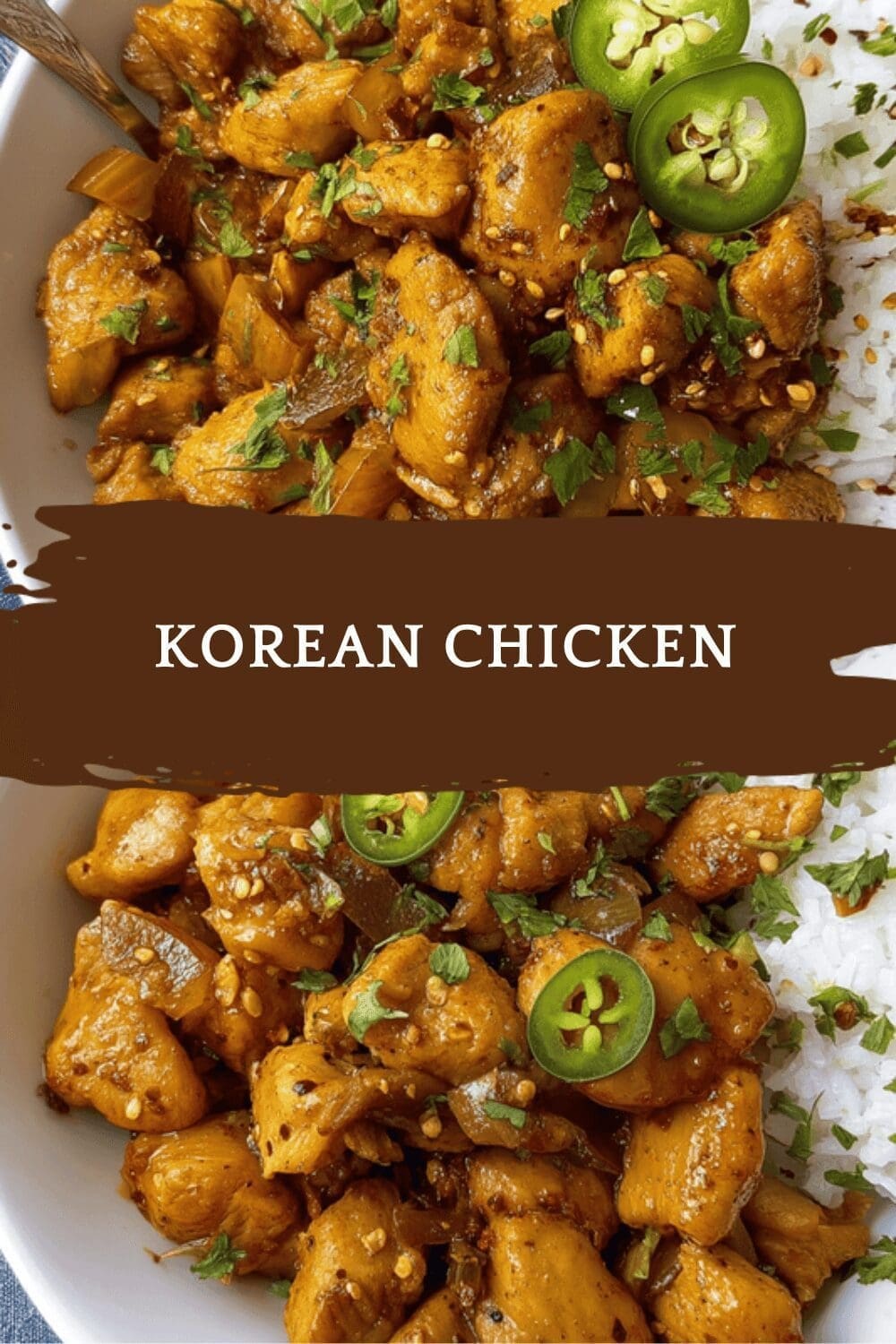
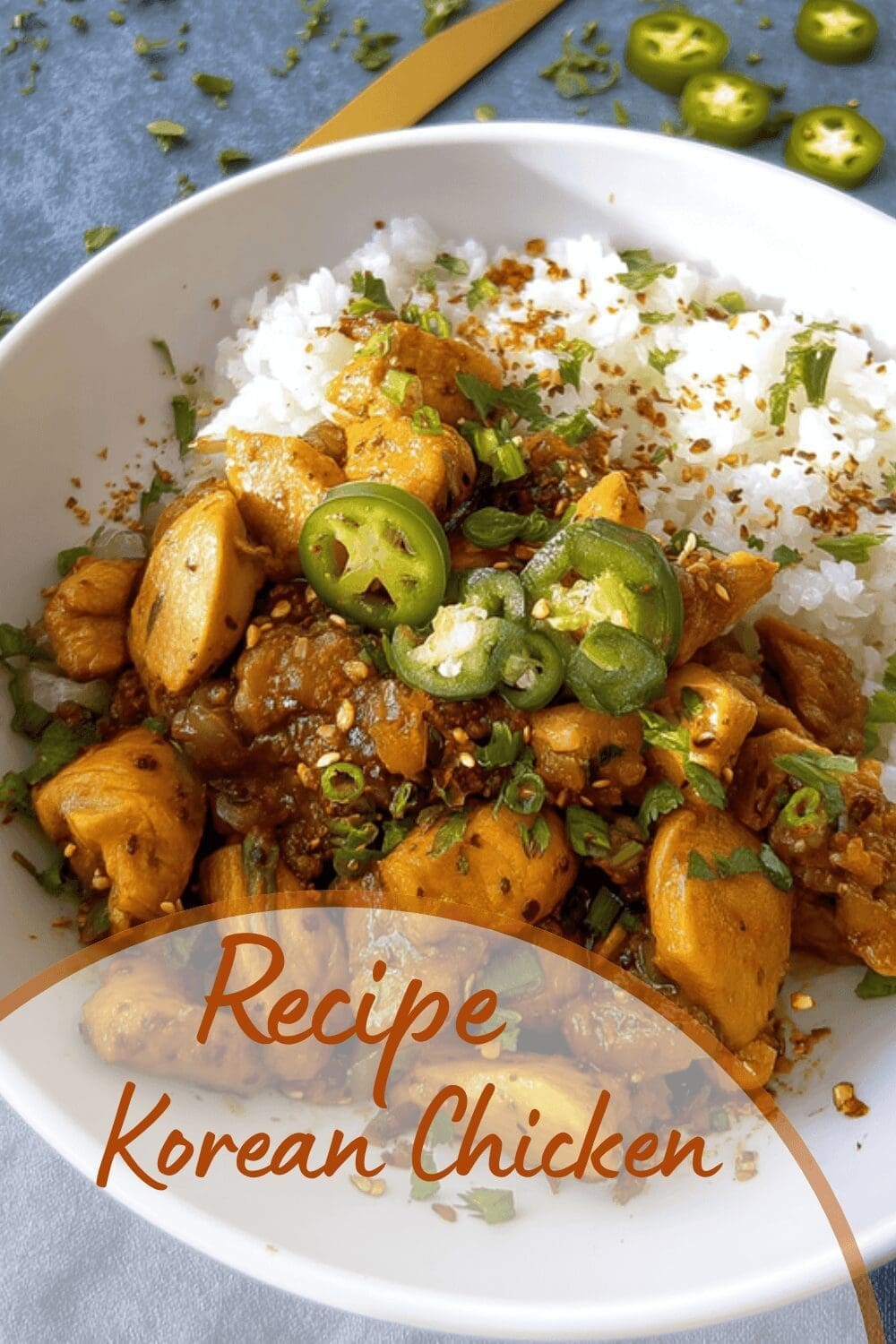
🍗 Experience the ultimate in crunch and flavor with Korean Fried Chicken, known for its double-fried crispy texture and deliciously sticky sauce.
🌶️ Perfect for those craving a spicy and sweet culinary adventure, this dish delivers restaurant-quality taste from your own kitchen.
- Total Time: 40 to 90 minutes
- Yield: 4 to 6 servings
Ingredients
– 1.4 kg whole chicken or 2 to 2 1/4 pounds boneless skinless chicken thighs for tender juicy chicken
– 2 tablespoons rice wine for marinating
– 2 teaspoons minced or grated fresh ginger
– 10 garlic cloves
– 1 teaspoon fine sea salt
– 1/2 teaspoon ground black pepper
– 2 1/4 teaspoons kosher salt
– 1 1/2 teaspoons baking powder
– 1 1/2 teaspoons ground white pepper
– 2 to 3 cups potato starch or cornstarch
– 3/4 cup cold water for batter
– 2 tablespoons soy sauce
– 2 tablespoons rice vinegar
– 1/4 cup honey
– 1/4 cup brown sugar
– 3 tablespoons tomato sauce or ketchup
– 2 to 2 1/2 tablespoons Korean chili paste
– Cooking oil 4 to 5 cups for deep frying
– Toasted sesame seeds
– Finely chopped scallions
Instructions
1-First Step: Marinate the Chicken
In a large mixing bowl, combine the chicken pieces with rice wine (if using), grated ginger, minced garlic (from about 7 cloves), fine sea salt, and ground black pepper. For boneless skinless thighs, add kosher salt, baking powder, and optional white pepper. Mix thoroughly and marinate for at least 10 minutes. For deeper flavor, marinate up to 72 hours in the refrigerator.
2-Second Step: Prepare the Dredge and Batter
Mix 2 to 3 cups of potato starch or cornstarch with baking powder, kosher salt, and ground white pepper for the dredge. In another bowl, prepare the batter with the same starch, baking powder, salt, white pepper, grated garlic (3 cloves), grated ginger, cold water, soy sauce, and rice vinegar. The batter should be smooth and slightly thickened.
3-Third Step: Coat the Chicken
Pat the marinated chicken dry with paper towels. Coat each piece first in the dredge mixture, then dip into the batter, and coat again in dredge to build a thick, crispy layer.
4-Fourth Step: Double Fry the Chicken
Heat cooking oil in a deep fryer or heavy pot to 175°C (347°F) to 180°C (350°F). Fry chicken pieces in small batches without overcrowding for 3 to 5 minutes until cooked through but not crisp. Remove and drain on paper towels or wire racks, skim debris from oil. Reheat oil to the same temperature, then fry chicken a second time for 2 to 3 minutes until golden brown and extremely crispy.
5-Fifth Step: Prepare the Sauce/Glaze
Heat 1 tablespoon cooking oil in a saucepan. Add minced garlic and cook until fragrant. Stir in tomato sauce or ketchup, gochujang, honey, brown sugar, soy sauce, and rice vinegar. Simmer until the glaze bubbles and thickens slightly. For a stickier glaze, add a cornstarch slurry. Stir in toasted sesame oil if desired, then remove from heat.
6-Final Step: Coat and Serve
Toss the freshly double-fried chicken pieces in the hot sauce until well coated. Garnish with toasted sesame seeds and chopped scallions. Serve immediately accompanied by pickled radish or kimchi for a classic Korean experience. Adjust spiciness by modifying gochujang quantity to taste.
Last Step:
Please leave a rating and comment letting us know how you liked this recipe! This helps our business to thrive and continue providing free, high-quality recipes for you.Notes
🛢️ Double frying ensures ultimate crispiness and texture.
🌿 Using high smoke point oils like rice bran or canola prevents burning.
🔥 Adjust the amount of gochujang in the sauce to fit your spice level preference.
- Prep Time: 10 to 45 minutes
- Marination: 10 minutes to 12-72 hours
- Cook Time: 30 to 60 minutes
- Category: Main Course
- Method: Frying
- Cuisine: Korean
- Diet: N/A
Nutrition
- Serving Size: 1 portion
- Calories: 685 to 937 kcal
- Sugar: 18 to 33 g
- Sodium: 1290 to 1850 mg
- Fat: 29 to 58 g
- Saturated Fat: N/A
- Unsaturated Fat: N/A
- Trans Fat: N/A
- Carbohydrates: 67 to 69 g
- Fiber: 2 to 2.3 g
- Protein: 35 g
- Cholesterol: N/A


Wow, this took me right back to my visit to Seoul last year! 🇰🇷 The sauce was incredible. I added a bit of honey for some extra sweetness, and it turned out amazing. Thanks for sharing such a simple yet flavorful recipe!