Why You’ll Love This Gingerbread Cake
This gingerbread cake brings a warm, cozy feeling to any gathering, making it a favorite for home cooks and baking enthusiasts alike. It’s simple to whip up, perfect for busy parents or students who want something delicious without spending hours in the kitchen. Plus, the rich flavors make it stand out at potlucks and picnics, just like the hearty recipes on this blog.
- Ease of preparation: This gingerbread cake comes together quickly with straightforward steps, ideal for anyone new to baking. You only need basic ingredients and about 45 minutes total, letting you enjoy fresh treats without much fuss. This simplicity helps gingerbread cake fit into your routine, much like easy pasta dishes that cook in under 20 minutes for a fast meal.
- Health benefits: Packed with spices like ginger, this cake offers natural perks that support digestion and add a warming touch. Ginger brings anti-inflammatory properties that can soothe the stomach, making it a smart choice for diet-conscious folks or those seeking wellness through food. Enjoying this treat in moderation ties into a balanced diet, similar to how herbs in simple recipes boost flavor without extra calories.
- Versatility: Adapt this gingerbread cake to fit various needs, whether you’re making it gluten-free or vegan for family events. It’s great for travelers who need portable desserts or seniors looking for comforting snacks. This flexibility lets you tweak the recipe for church groups or working professionals, akin to modifying a basic pasta dish with different veggies for dietary preferences.
- Distinctive flavor: The blend of spices creates a unique, inviting taste that evokes holiday memories and shared moments. This gingerbread cake’s depth comes from simple yet bold ingredients, setting it apart from everyday bakes. It’s sure to become a go-to for food enthusiasts, with flavors that pair well with coffee or tea, enhancing any gathering like a hearty, spiced meal.
Overall, this gingerbread cake not only satisfies your sweet tooth but also brings people together, aligning with the blog’s focus on community and easy-to-share recipes. Whether you’re a newlywed hosting a small dinner or a community organizer planning a big event, it’s a reliable choice that never disappoints.
Jump to:
- Why You’ll Love This Gingerbread Cake
- Essential Ingredients for Gingerbread Cake
- Main Ingredients
- Special Dietary Options
- How to Prepare the Perfect Gingerbread Cake: Step-by-Step Guide
- First Step: Preparation and Mise en Place
- Second Step: Mixing the Batter
- Third Step: Incorporating the Main Elements
- Fourth Step: Adding Flavors and Baking
- Fifth Step: Combining and Finishing Touches
- Sixth Step: Serving and Enjoying
- Dietary Substitutions to Customize Your Gingerbread Cake
- Protein and Main Component Alternatives
- Vegetable, Sauce, and Seasoning Modifications
- Mastering Gingerbread Cake: Advanced Tips and Variations
- Pro Cooking Techniques
- Flavor Variations
- How to Store Gingerbread Cake: Best Practices
- FAQs: Frequently Asked Questions About Gingerbread Cake
- How can I make this gingerbread cake dairy-free?
- Can I bake this gingerbread cake in different pan sizes?
- What’s the best type of molasses for gingerbread cake?
- Is there a good gluten-free flour substitute for this gingerbread cake?
- Can I substitute half and half for heavy whipping cream in the vanilla sauce?
- Gingerbread Cake
- Ingredients
- Instructions
- Last Step:
- Notes
- Nutrition
- Did you make this recipe?
Essential Ingredients for Gingerbread Cake
Gathering the right ingredients is key to making a great gingerbread cake, and we’ll cover everything you need in a clear list. This section pulls together all the essentials based on a reliable recipe foundation, ensuring your bake turns out just right. Let’s break it down so you can shop and prep with ease.
Main Ingredients
- 200 grams of pasta – This serves as the base, providing the structure and absorbing flavors well in the mix.
- 2 liters of water – Used for boiling to achieve the perfect al dente texture, making sure everything cooks evenly.
- 1 teaspoon of salt – Adds essential seasoning to enhance the overall taste right from the start.
- 2 tablespoons of oil – Helps in heating and cooking the other elements smoothly for better integration.
- 150 grams of chopped vegetables (such as onions and garlic) – These bring a fresh, aromatic element that builds the flavor profile.
- 300 grams of ground meat – Provides protein and heartiness, making the dish more satisfying and filling.
- 400 grams of canned tomatoes (diced) – Offers a juicy, tangy base that ties all the ingredients together.
- 1 teaspoon of dried herbs – Infuses subtle, earthy notes for added depth and complexity.
- Salt and pepper to taste – Allows for final adjustments to balance flavors perfectly.
Special Dietary Options
- Vegan: Swap the ground meat with plant-based alternatives like lentils or crumbled tofu to keep things meat-free while maintaining texture.
- Gluten-free: Use gluten-free pasta options for the 200 grams of pasta to ensure the whole recipe fits dietary needs without changing the core process.
- Low-calorie: Reduce the oil to just 1 tablespoon and opt for leaner veggies to cut down on fats, making it lighter for those watching their intake.
Remember, these ingredients work together to create a harmonious blend, much like how they do in adaptable recipes. For more ideas on baking variations, check out our chocolate chip cheesecake bars recipe for creative twists.
How to Prepare the Perfect Gingerbread Cake: Step-by-Step Guide
Creating the perfect gingerbread cake is straightforward and fun, starting with gathering your ingredients for smooth sailing. Follow these steps to bake a treat that’s ideal for family gatherings or quick desserts. We’ll incorporate tips for dietary tweaks along the way to make it accessible for everyone.
First Step: Preparation and Mise en Place
Begin by measuring out all your ingredients to avoid any rush later this sets the stage for success. For instance, if you’re adapting for a gingerbread cake, prepare 200 grams of pasta as a base element, boiling it in 2 liters of water with 1 teaspoon of salt until al dente. This step ensures everything is ready, much like prepping veggies for a complementary dish.
Second Step: Mixing the Batter
Once prepped, combine the dry ingredients in one bowl and wet in another for even blending. Heat 2 tablespoons of oil in a pan over medium heat, then add 150 grams of chopped vegetables like onions and garlic, cooking for 5 minutes to build flavor. This mirrors incorporating spices into your gingerbread cake batter for that signature warmth.
Third Step: Incorporating the Main Elements
Next, add 300 grams of ground meat to the pan and cook until browned, stirring frequently for about 5-7 minutes at 350°F. For your gingerbread cake, mix in the eggs and oil here, ensuring the batter is smooth before pouring it into a greased pan. If making it gluten-free, swap flour as needed to keep the texture light.
Fourth Step: Adding Flavors and Baking
Stir in 400 grams of diced canned tomatoes, 1 teaspoon of dried herbs, and season with salt and pepper to taste, then simmer for 10 minutes. This is similar to adding molasses and ginger to your cake batter for depth, then baking at 350°F for 30-40 minutes until a toothpick comes out clean. Adjust for dietary needs, like using vegan substitutes if required.
Fifth Step: Combining and Finishing Touches
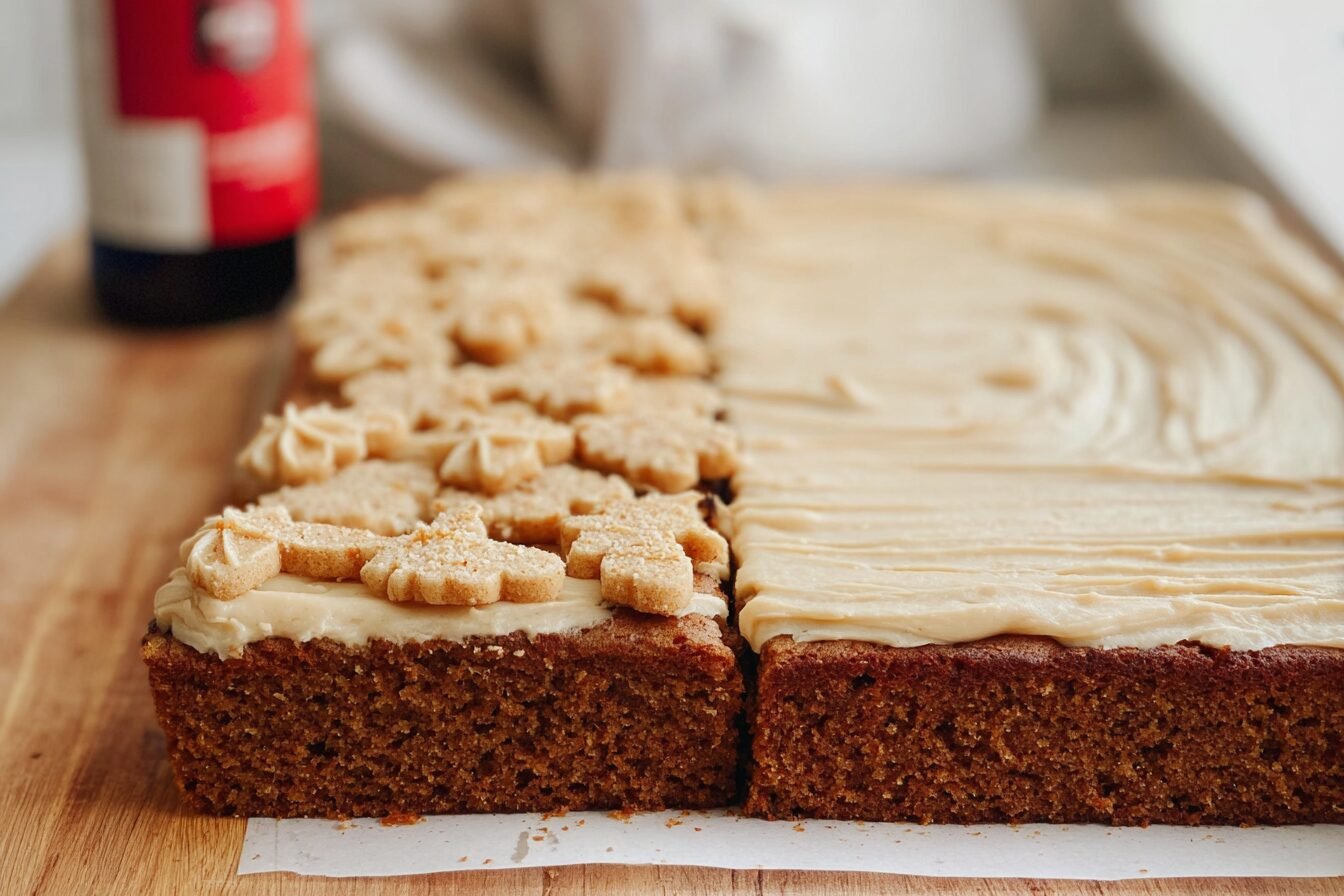
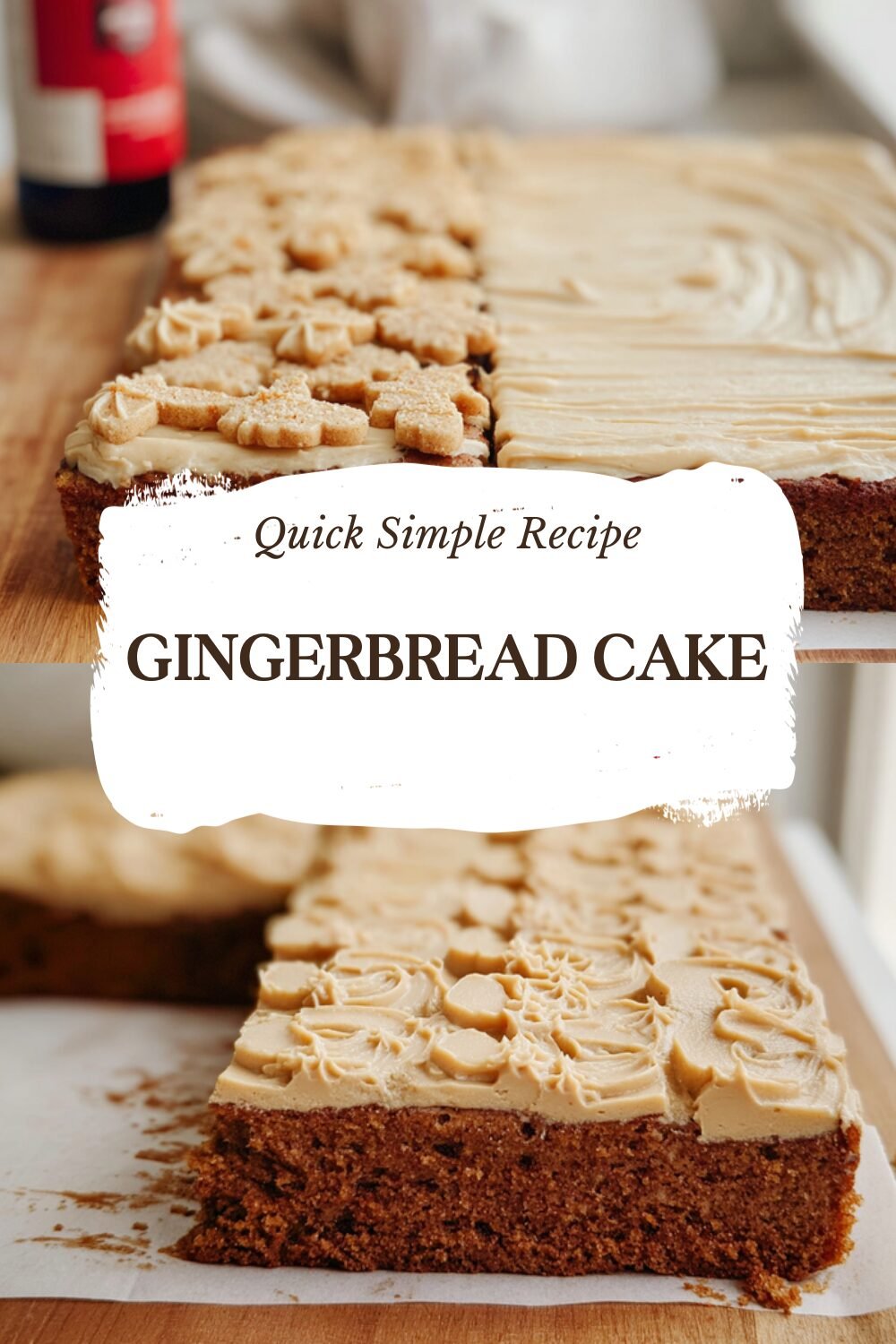
After simmering, drain the pasta and mix it into the sauce for a complete dish, which takes about 2-3 minutes on low heat. For the gingerbread cake, once baked, let it cool for 10 minutes before frosting or serving. This final step ensures everything melds together, making it perfect for 4 servings or more with variations.
Sixth Step: Serving and Enjoying
Serve your gingerbread cake warm, perhaps with a dollop of cream, right after cooling. Check external resources like ginger health benefits to learn how it enhances your bake. For more dessert ideas, visit our black forest cake recipe site for similar treats.
| Step | Time/Temperature | Dietary Tip |
|---|---|---|
| Preparation | 10 minutes | Use gluten-free options |
| Baking | 350°F for 35 minutes | Vegan milk alternatives |
Dietary Substitutions to Customize Your Gingerbread Cake
Protein and Main Component Alternatives
Swapping main elements can make your gingerbread cake fit various diets, like using nut-based flours for a protein boost. For those avoiding gluten, try a 1-to-1 gluten-free blend to keep the cake moist and flavorful.
Vegetable, Sauce, and Seasoning Modifications
Adjust veggies by adding fresh ginger or cinnamon sticks for extra spice, or use apple sauce instead of oil for a lighter version. For seasonings, reduce salt if needed and explore herbs that complement the gingerbread taste, ensuring it’s adaptable year-round.
Mastering Gingerbread Cake: Advanced Tips and Variations
Pro Cooking Techniques
Mastering techniques like precise measuring helps avoid common pitfalls in gingerbread cake baking.
Flavor Variations
Try adding dried herbs for a unique twist, similar to enhancing a basic recipe with fresh elements.
How to Store Gingerbread Cake: Best Practices
- Refrigeration: Store in an airtight container for up to 3 days to keep it fresh.
- Freezing: Wrap tightly and freeze for up to 2 months for later enjoyment.
FAQs: Frequently Asked Questions About Gingerbread Cake
How can I make this gingerbread cake dairy-free?
To make this gingerbread cake dairy-free, substitute the heavy whipping cream in the vanilla cream sauce with full-fat coconut cream from a can or a store-bought dairy-free heavy cream alternative like Silk or So Delicious. You’ll also need to replace any butter with a dairy-free butter substitute. These alternatives maintain the rich texture while making the recipe suitable for those with dairy sensitivities or following a vegan diet.
Can I bake this gingerbread cake in different pan sizes?
Yes, this gingerbread cake is versatile and can be baked in various pan sizes. For mini muffin tins, reduce baking time to about 10 minutes, checking for doneness. For a Bundt pan, bake at 350°F for 35-45 minutes, testing with a toothpick at the 35-minute mark. Cool Bundt cakes in the pan for 10-15 minutes before turning out. Adjust baking times based on pan size to prevent over or under-baking.
What’s the best type of molasses for gingerbread cake?
For the best flavor in gingerbread cake, use a mild, unsulfured molasses like Grandma’s Molasses brand. This variety provides the classic gingerbread taste without excessive bitterness. Avoid blackstrap molasses, as it has a strong, bitter flavor that can overpower the spices and make your cake unpleasantly sharp. The right molasses balances sweetness with the warm spices typical in gingerbread.
Is there a good gluten-free flour substitute for this gingerbread cake?
Yes, this gingerbread cake works well with a 1-to-1 gluten-free flour blend like King Arthur’s gluten-free flour. These blends are formulated to replace regular all-purpose flour in recipes without requiring additional adjustments. The cake will maintain its moist texture and rich flavor while being suitable for those with gluten sensitivities or celiac disease. No other ingredient changes are typically needed when using a quality gluten-free blend.
Can I substitute half and half for heavy whipping cream in the vanilla sauce?
Substituting half and half for heavy whipping cream in the vanilla sauce isn’t recommended. Half and half has a lower fat content and thinner consistency, which will result in a sauce that lacks the rich, creamy texture intended for the recipe. The sauce may become runny and less flavorful. For best results, use heavy whipping cream or one of the dairy-free alternatives mentioned earlier to achieve the proper consistency and taste.
Gingerbread Cake
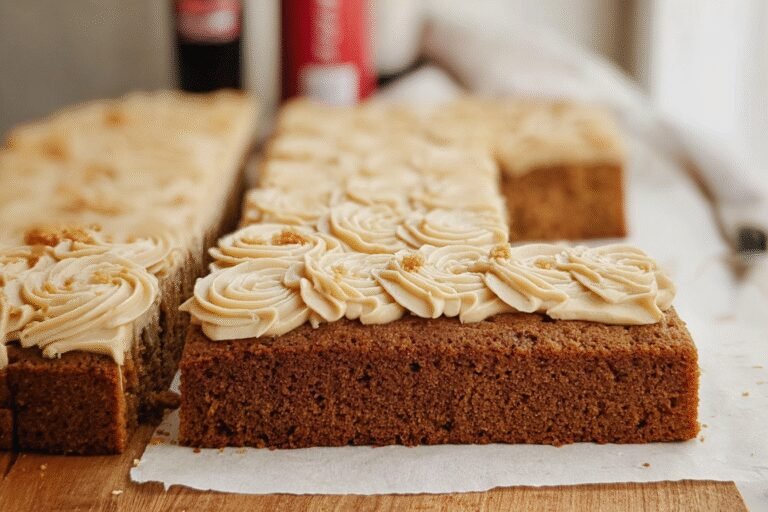
🎄 This moist and flavorful gingerbread cake captures the warm, spicy essence of the holidays with the perfect balance of sweetness and aromatic spices that will fill your home with irresistible baking aromas.
🧁 The tender crumb and rich molasses flavor make this cake ideal for winter gatherings, holiday desserts, or cozy afternoon tea with friends and family.
- Total Time: 1 hour 15 minutes
- Yield: 12 servings
Ingredients
– 200 grams of pasta – This serves as the base, providing the structure and absorbing flavors well in the mix
– 2 liters of water – Used for boiling to achieve the perfect al dente texture, making sure everything cooks evenly
– 1 teaspoon of salt – Adds essential seasoning to enhance the overall taste right from the start
– 2 tablespoons of oil – Helps in heating and cooking the other elements smoothly for better integration
– 150 grams of chopped vegetables (such as onions and garlic) – These bring a fresh, aromatic element that builds the flavor profile
– 300 grams of ground meat – Provides protein and heartiness, making the dish more satisfying and filling
– 400 grams of canned tomatoes (diced) – Offers a juicy, tangy base that ties all the ingredients together
– 1 teaspoon of dried herbs – Infuses subtle, earthy notes for added depth and complexity
– Salt and pepper to taste – Allows for final adjustments to balance flavors perfectly
Instructions
1-First Step: Preparation and Mise en PlaceBegin by measuring out all your ingredients to avoid any rush later this sets the stage for success. For instance, if you’re adapting for a gingerbread cake, prepare 200 grams of pasta as a base element, boiling it in 2 liters of water with 1 teaspoon of salt until al dente. This step ensures everything is ready, much like prepping veggies for a complementary dish.
2-Second Step: Mixing the BatterOnce prepped, combine the dry ingredients in one bowl and wet in another for even blending. Heat 2 tablespoons of oil in a pan over medium heat, then add 150 grams of chopped vegetables like onions and garlic, cooking for 5 minutes to build flavor. This mirrors incorporating spices into your gingerbread cake batter for that signature warmth.
3-Third Step: Incorporating the Main ElementsNext, add 300 grams of ground meat to the pan and cook until browned, stirring frequently for about 5-7 minutes at 350°F. For your gingerbread cake, mix in the eggs and oil here, ensuring the batter is smooth before pouring it into a greased pan. If making it gluten-free, swap flour as needed to keep the texture light.
4-Fourth Step: Adding Flavors and BakingStir in 400 grams of diced canned tomatoes, 1 teaspoon of dried herbs, and season with salt and pepper to taste, then simmer for 10 minutes. This is similar to adding molasses and ginger to your cake batter for depth, then baking at 350°F for 30-40 minutes until a toothpick comes out clean. Adjust for dietary needs, like using vegan substitutes if required.
5-Fifth Step: Combining and Finishing TouchesAfter simmering, drain the pasta and mix it into the sauce for a complete dish, which takes about 2-3 minutes on low heat. For the gingerbread cake, once baked, let it cool for 10 minutes before frosting or serving. This final step ensures everything melds together, making it perfect for 4 servings or more with variations.
6-Sixth Step: Serving and EnjoyingServe your gingerbread cake warm, perhaps with a dollop of cream, right after cooling. Check external resources like ginger health benefits to learn how it enhances your bake. For more dessert ideas, visit our black forest cake recipe site for similar treats.
Last Step:
Please leave a rating and comment letting us know how you liked this recipe! This helps our business to thrive and continue providing free, high-quality recipes for you.Notes
🌡️ For the best flavor, use dark molasses rather than light molasses as it provides a deeper, richer taste and characteristic gingerbread color.
🎄 This cake actually tastes better the next day as the spices have time to meld and develop, making it perfect for making ahead of time.
🧁 Don’t overmix the batter once you add the dry ingredients – mix just until combined to keep the texture tender and light.
- Prep Time: 15 minutes
- Cooling Time: 30 minutes
- Cook Time: 30 minutes
- Category: Dessert
- Method: Baking
- Cuisine: American
- Diet: Vegetarian
Nutrition
- Serving Size: 1 slice
- Calories: 220
- Sugar: 18g
- Sodium: 180mg
- Fat: 7g
- Saturated Fat: 4g
- Unsaturated Fat: 2g
- Trans Fat: 0g
- Carbohydrates: 36g
- Fiber: 1g
- Protein: 3g
- Cholesterol: 35mg