

Benefits and Advantages of French Toast
French toast is beloved for its ease of preparation and versatility, making it a go-to breakfast treat for many households. This recipe is especially effective since it calls for simple ingredients such as eggs, milk, and bread, which are commonly found in most kitchens, allowing you to prepare a delicious meal quickly and with minimal fuss.
When using whole grain breads and wholesome toppings like fresh fruit and nuts, French toast offers nutritional benefits including fiber, vitamins, and healthy fats that contribute to a balanced breakfast. Its adaptability to accommodate dietary preferences from classic recipes to vegan or gluten-free alternatives ensures it fits a variety of diets without compromising texture or flavor.
Moreover, French toast can be made lighter by substituting whole milk with skim milk and controlling syrup amounts, making it appealing for health-conscious individuals. This combination of simplicity, nutrition, and flexibility contributes to French toast’s lasting popularity as a satisfying and easy-to-make breakfast treat.
Jump to:
- Benefits and Advantages of French Toast
- Essential Ingredients for French Toast
- Dietary Substitutions to Customize Your French Toast
- How to Prepare the Perfect French Toast: Step-by-Step Guide
- Mastering french toast: Advanced Tips and Variations
- How to Store french toast: Best Practices
- Nutritional Value of french toast
- FAQs: Frequently Asked Questions About french toast
- What is the best type of bread to use for making French toast?
- Can I make the French toast batter ahead of time?
- What type of milk is best for French toast batter?
- How should I store and reheat leftover French toast?
- Why is flour sometimes added to French toast batter?
- french toast
- Ingredients
- Instructions
- Last Step:
- Notes
- Nutrition
- Did you make this recipe?
Essential Ingredients for French Toast
Key ingredients required to make delicious and fluffy French toast include:
- 4 large eggs
- 2/3 cup (160 ml) milk or cream
- 8 thick slices of bread (such as Texas Toast, leftover bread, cinnamon bread, or brioche)
- 1/4 cup (30 grams) all-purpose flour (optional, to improve texture)
- 1/4 cup (50 grams) sugar (optional, for subtle sweetness)
- 1/4 teaspoon salt
- 1 teaspoon cinnamon
- 1 teaspoon (5 ml) vanilla extract
The eggs act as a binding agent providing richness; milk softens the bread and creates a custardy interior. Vanilla and cinnamon offer warm flavors, while flour can help create a fluffier texture. Using thicker, slightly stale bread slices (about 3/4 to 1 inch thick) allows better absorption without sogginess.
To accommodate dietary restrictions, alternatives like plant-based milks and gluten-free bread can be used effectively, broadening the accessibility of this classic breakfast dish.
Dietary Substitutions to Customize Your French Toast
French toast is highly adaptable, with many substitutions available to customize it according to dietary needs:
- For vegans: Replace eggs with flaxseed or chia seed mixtures combined with water to replicate the binding effect. Use plant-based milks such as almond, soy, or oat milk instead of dairy milk.
- Gluten-free options: Substitute regular bread with gluten-free varieties that remain sturdy when soaked in batter.
- Low-calorie adjustments: Use skim milk or unsweetened plant-based milks and limit added sugar. You may also omit flour in the batter.
- Enhancing protein: Add protein powder to the batter or complement your French toast with nut butter or Greek yogurt for a balanced meal.
These substitutions make French toast suitable for various dietary preferences, ensuring everyone can enjoy this delicious and easy breakfast treat.
How to Prepare the Perfect French Toast: Step-by-Step Guide
- Gather your ingredients: 4 large eggs, 2/3 cup milk or suitable dairy-free alternative, vanilla extract, cinnamon, sugar, salt, flour (optional), and 8 thick slices of bread.
- Prepare the batter: In a shallow dish, whisk together eggs, milk, vanilla extract, cinnamon, sugar, salt, and flour if using. For vegan versions, prepare your flaxseed “egg” mixture and combine with plant-based milk.
- Heat your pan: Warm a non-stick skillet or griddle over medium heat and lightly grease with butter or oil.
- Soak the bread: Dip each bread slice into the batter, allowing it to absorb the mixture but not become soggy.
- Cook the slices: Place soaked bread on the skillet and cook 2–3 minutes per side until golden brown and cooked through. Cooking time may vary by bread type and thickness.
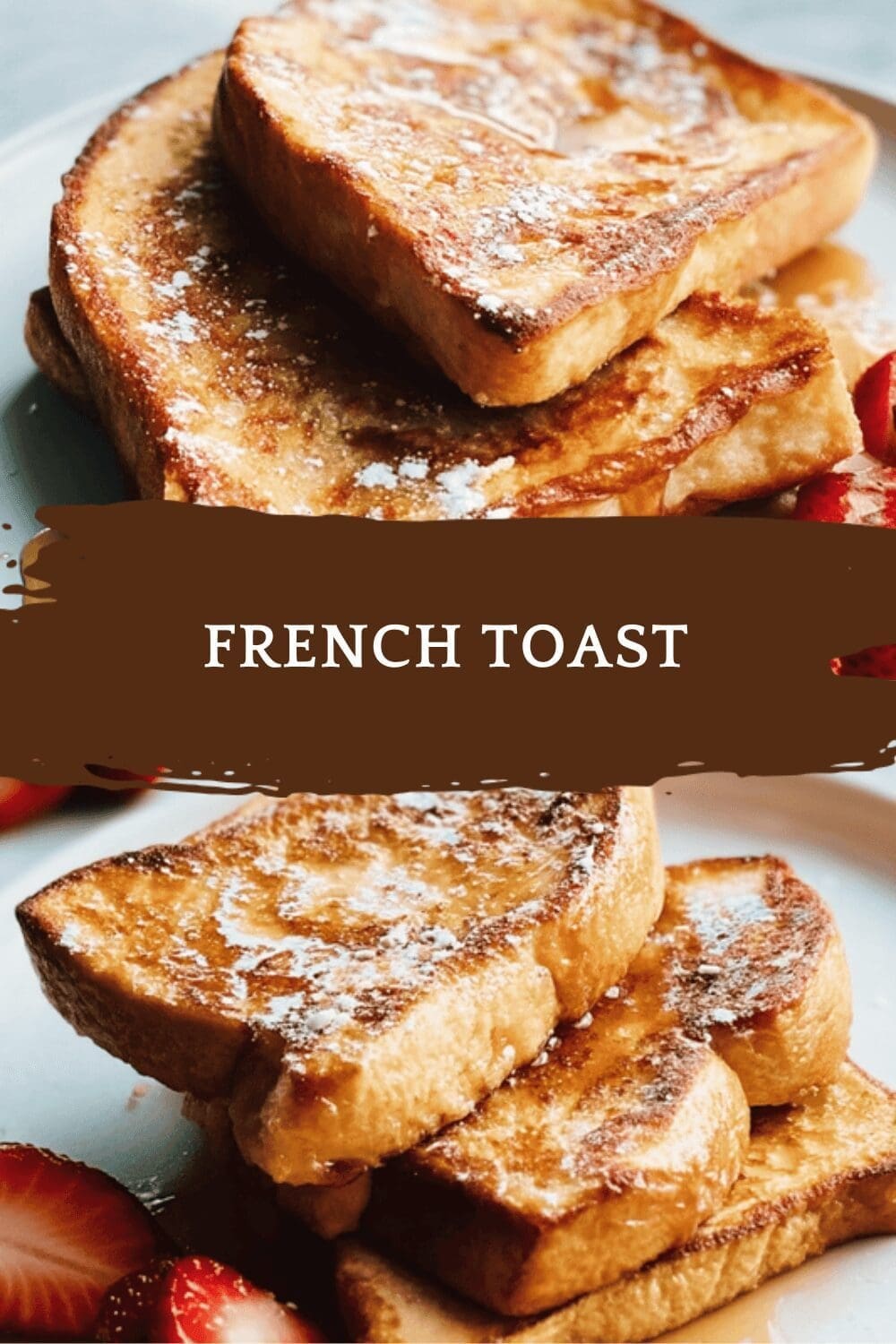
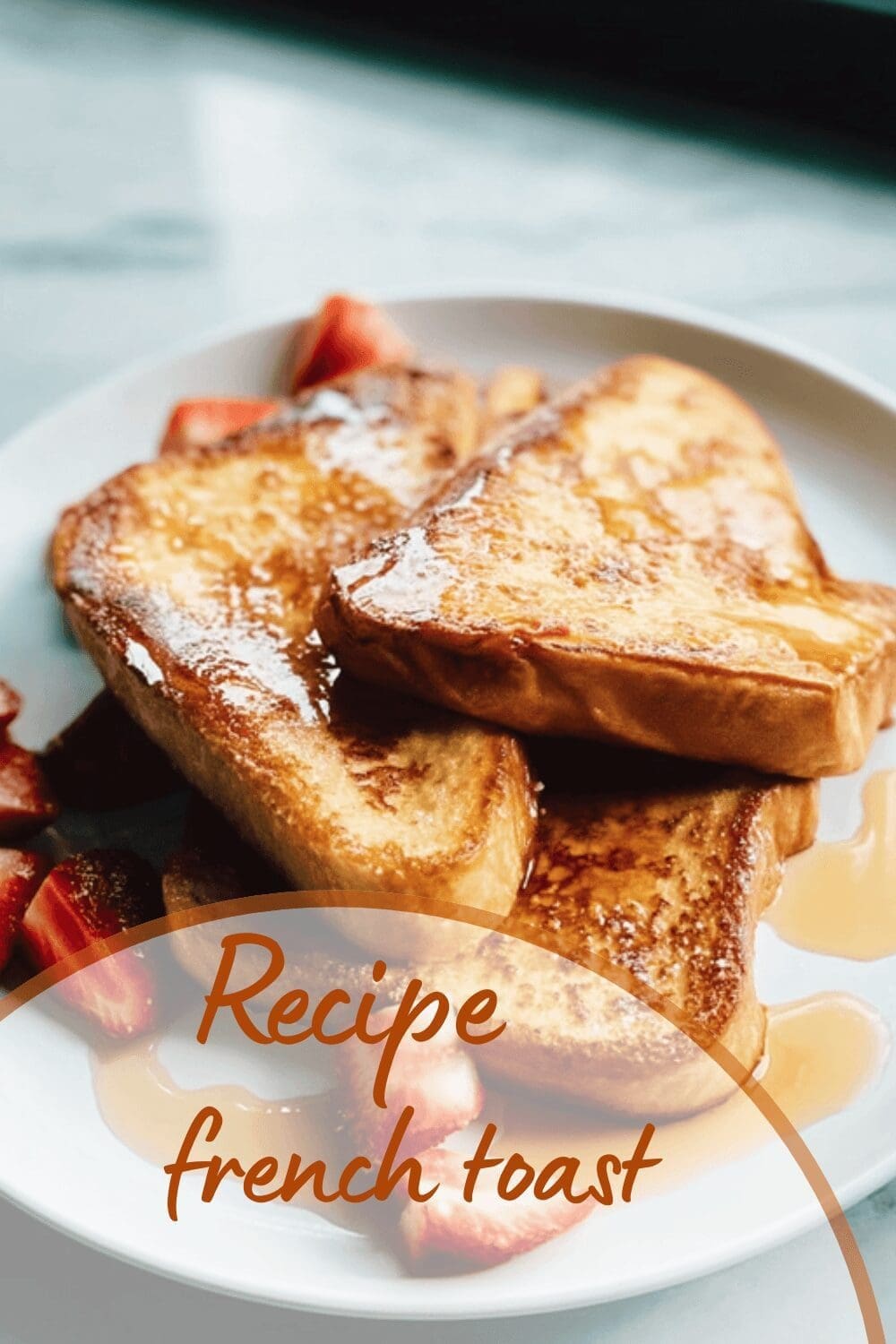
- Serve: Enjoy French toast immediately with toppings such as fresh fruits, powdered sugar, syrup, or yogurt. For dietary considerations, select toppings aligned with your nutritional goals.
When cooked properly, French toast offers a fluffy interior with a golden, slightly crisp exterior a texture that delights every bite.
Preparation time is approximately 15–20 minutes, making it an ideal recipe for busy mornings or leisurely brunches.
For additional breakfast ideas that complement French toast, explore our crispy hash browns recipe or the German pancakes tutorial.
Mastering french toast: Advanced Tips and Variations
To achieve the perfect french toast, start with slightly stale or day-old bread, such as Texas Toast, brioche, challah, or cinnamon bread. These thicker slices (around ¾ to 1 inch thick) absorb the egg mixture well without becoming soggy or falling apart. Soaking the slices a few extra minutes in the batter enriches the texture for a custardy interior.
For enhanced flavor, add a teaspoon of vanilla extract, cinnamon, and a pinch of nutmeg to your egg mixture. Incorporating a small amount of all-purpose flour (about ¼ cup) can thicken the batter, creating a fluffier crust once fried. Cooking in butter or olive oil over medium heat with careful temperature control prevents burning and ensures an even golden-brown finish.
Try experimenting with creative variations by topping your french toast with mascarpone and fresh berries or layering it to make a bread pudding. For dietary preferences, use coconut oil to add subtle tropical notes during cooking or swap traditional syrup with natural sweeteners like agave or pure maple syrup.
Mastering soaking times, bread choice, and flavor additions elevates your french toast to a deliciously fluffy and unique breakfast treat.
How to Store french toast: Best Practices
French toast is best enjoyed fresh, but proper storage methods allow you to keep leftovers without sacrificing texture and taste. After cooking, cool french toast slices completely, then store them in an airtight container placed in the refrigerator within two hours of cooking. They will typically remain fresh for 3 to 4 days.
For longer storage, freeze the french toast slices individually on a parchment-lined baking sheet to prevent sticking. Once frozen solid, transfer the slices to a freezer-safe bag or container. Frozen french toast can maintain quality for up to 2 months.
Reheat refrigerated slices in a toaster or conventional oven to maintain crispness. Although microwaving is quicker, it often results in a softer texture. For frozen slices, reheat directly in a toaster or oven without thawing for convenience and best results.
Following proper storage and reheating methods helps you enjoy french toast anytime without losing its wonderful texture and flavor.
Nutritional Value of french toast
| Nutrient | Typical Amount Per Serving | Benefit |
|---|---|---|
| Calories | Approximately 167 kcal | Provides sustainable energy |
| Protein | 7 grams | Supports muscle repair and hormonal function |
| Fat | 4 grams | Includes healthy fats important for nutrient absorption |
| Carbohydrates | 26 grams | Fuells daily activities and brain function |
| Sugar | Varies depending on toppings | Natural sugars from ingredients or added syrups |
Using whole-grain or nutrient-dense bread along with healthful toppings like fresh fruit or nuts can further improve the fiber and vitamin content of your french toast.
FAQs: Frequently Asked Questions About french toast
What is the best type of bread to use for making French toast?
The best bread for French toast is thick-sliced and slightly stale bread. Options like brioche, Texas Toast, challah, or cinnamon bread work well because they soak up the egg batter without falling apart. Using bread that is a day or two old helps it absorb the mixture better, resulting in a more custardy texture when cooked.
Can I make the French toast batter ahead of time?
Yes, you can prepare the French toast batter 1 to 2 days in advance. Store it covered in the refrigerator to keep it fresh. Just give the batter a stir before dipping the bread, as some ingredients might settle. Avoid making it too far ahead to prevent eggs from losing their freshness or milk from spoiling.
What type of milk is best for French toast batter?
You can use any milk for French toast batter, including dairy-free alternatives like almond or oat milk. Whole milk or half-and-half adds richness and creaminess to the batter, which yields a softer, more flavorful French toast. For lighter options, low-fat milk works fine but may produce a less custardy result.
How should I store and reheat leftover French toast?
Leftover French toast can be refrigerated for 2 to 3 days or frozen for up to 3 months in an airtight container or freezer bag. To reheat, warm slices in a skillet over medium heat or use a toaster to maintain a crispy exterior. Microwaving is fastest but may make the toast soggy.
Why is flour sometimes added to French toast batter?
Adding a small amount of flour to the batter helps thicken the mixture, making it easier to coat the bread evenly. This can create a slightly crispier crust and a fluffier interior. Flour also helps the batter cling better to thicker breads, preventing it from becoming too soggy during cooking.

french toast
🍞 Indulge in the classic delight of French toast, offering a perfect blend of crispy, golden crust and soft, fluffy interior.
🥖 A versatile dish, French toast can be easily customized with your favorite toppings and spices for a delectable breakfast or brunch treat.
- Total Time: 20 minutes
- Yield: 4 servings 1x
Ingredients
4 large eggs
2/3 cup (160 ml) milk
8 thick slices of bread (e.g., Texas Toast, leftover bread, cinnamon bread, or brioche)
1/4 cup (30 grams) all-purpose flour (optional)
1/4 cup (50 grams) sugar (optional)
1/4 teaspoon salt
1 teaspoon cinnamon (optional)
1 teaspoon (5 ml) vanilla extract (optional)
Butter or olive oil for frying
Instructions
1. In a mixing bowl, whisk together eggs, milk, flour (if using), sugar, salt, cinnamon, and vanilla extract until well combined.
2. Preheat a non-stick skillet or frying pan over medium heat and add a small amount of butter or olive oil.
3. Dip each bread slice into the egg mixture, allowing it to soak for a few seconds on each side until thoroughly soaked but not soggy.
4. Place the soaked bread slices onto the preheated skillet and cook for 2-3 minutes on each side, or until both sides are golden brown.
5. Repeat with remaining slices, adding more butter or oil to the pan as necessary.
6. Serve warm, topped with your choice of powdered sugar, syrup, fresh fruit, or other desired toppings.
Last Step:
Please leave a rating and comment letting us know how you liked this recipe! This helps our business to thrive and continue providing free, high-quality recipes for you.Notes
🥚 Use slightly stale bread to help it absorb the egg mixture without falling apart.
🍯 Add flour to the egg mixture to achieve a fluffier and more stable texture.
🔥 Cook on medium heat to ensure even cooking without burning the outside.
- Prep Time: 10 minutes
- Soaking Time: 2 minutes
- Cook Time: 8 minutes
- Category: Breakfast
- Method: Frying
- Cuisine: French
- Diet: Vegetarian
Nutrition
- Serving Size: 2 slices
- Calories: 167
- Sugar: 5g
- Sodium: 250mg
- Fat: 4g
- Saturated Fat: 2g
- Unsaturated Fat: 1g
- Trans Fat: 0g
- Carbohydrates: 26g
- Fiber: 1g
- Protein: 7g
- Cholesterol: 149mg


