

Benefits and Advantages of Pancake Charcuterie Board
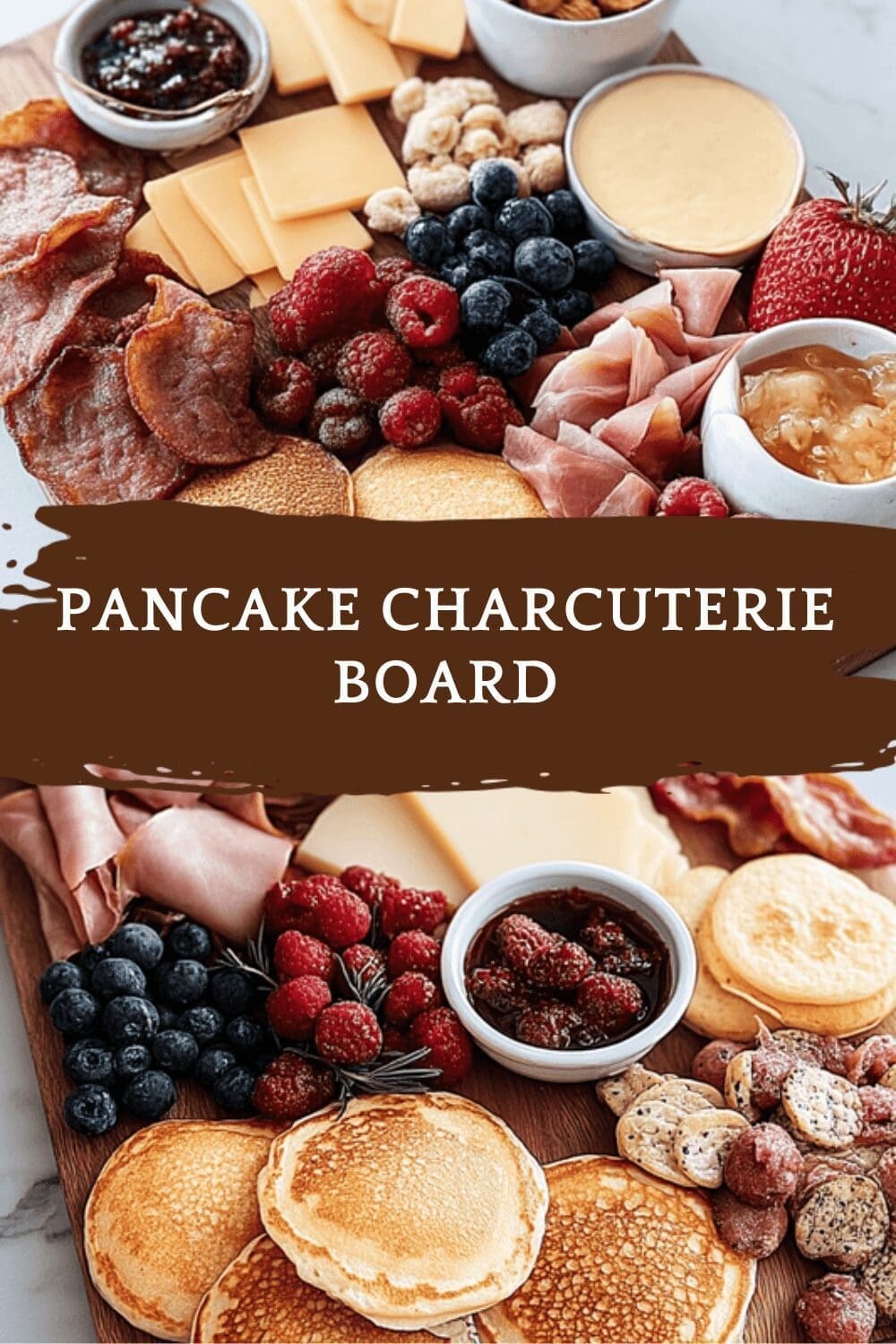
The pancake charcuterie board offers a blend of convenience, nutrition, and aesthetic appeal, making it a popular choice for gatherings and family brunches. Its ease of preparation allows cooks of all levels to assemble an impressive and varied spread quickly, especially with simple yet flavorful pancakes as the base. Nutritionally, the pancakes provide carbohydrates for energy, while the sides such as fresh fruits, nuts, and protein-rich spreads add fiber, healthy fats, and vitamins, creating a balanced and wholesome meal.
The versatility of this setup allows it to cater to various dietary needs, including gluten-free, vegan, and low-calorie options, through ingredient substitutions. Serving the board encourages interactive dining, where guests customize their plates by mixing sweet and savory toppings, enhancing the social and culinary experience. This combination of ease, health benefits, and engagement makes the pancake charcuterie board a delightful centerpiece for any breakfast or brunch occasion.
Jump to:
- Benefits and Advantages of Pancake Charcuterie Board
- Essential Ingredients for Pancake Charcuterie Board
- Dietary Substitutions to Customize Your Pancake Charcuterie Board
- How to Prepare the Perfect Pancake Charcuterie Board: Step-by-Step Guide
- Mastering French Toast: Advanced Tips and Variations
- How to Store French Toast: Best Practices
- Nutritional Value of French Toast
- FAQs: Frequently Asked Questions About French Toast
- What is the best type of bread to use for making French toast?
- Can I make the French toast batter ahead of time?
- What type of milk is best for French toast batter?
- How should I store and reheat leftover French toast?
- Why is flour sometimes added to French toast batter?
- french toast
- Ingredients
- Instructions
- Last Step:
- Notes
- Nutrition
- Did you make this recipe?
Essential Ingredients for Pancake Charcuterie Board
- 2 cups all-purpose flour (or gluten-free flour blend for gluten-free versions)
- ¼ cup granulated sugar
- 2 teaspoons baking powder
- 1½ teaspoons baking soda
- ¾ teaspoon salt
- 2 cups buttermilk (or plant-based milk for vegan option)
- 2 large eggs (or flax/chia eggs for vegan option)
- 2 teaspoons vanilla extract
- ¼ cup unsalted butter, melted and cooled (or coconut oil for vegan option)
- Fresh fruits: strawberries, blueberries, raspberries, sliced bananas, fresh peaches
- Nuts: pecans, walnuts
- Toppings: sweetened whipped cream, maple syrup, buttermilk caramel syrup, berry syrup, lemon curd, Nutella, peanut butter, chocolate chips, Biscoff spread
- Savory sides: oven-baked crispy bacon, scrambled eggs
Each ingredient contributes to the overall flavor, texture, and nutritional value, allowing the board to be both visually appealing and delicious across varied diets.
Dietary Substitutions to Customize Your Pancake Charcuterie Board
Adjustments to the pancake charcuterie board easily accommodate specific dietary needs. For gluten-free diets, use a certified gluten-free flour blend to replicate the fluffy texture without gluten. Vegan bakers can replace eggs with a flax or chia “egg” (1 tablespoon ground seeds mixed with 3 tablespoons water per egg) and use plant-based milk and oils such as almond milk and coconut oil. Low-calorie variations can swap sugar with natural sweeteners like stevia or erythritol and use low-fat or dairy-free spreads.
Protein can be enhanced with plant-based options such as vegan cream cheese, tofu-based spreads, or tempeh slices instead of bacon and eggs. Seasonal fruits provide fresh, flavorful toppings that maintain nutritional value and visual appeal. These substitutions maintain the board’s integrity, ensuring all guests can enjoy a personalized, nutrient-rich breakfast or brunch experience.
How to Prepare the Perfect Pancake Charcuterie Board: Step-by-Step Guide
- Mix Dry Ingredients: In a large bowl, sift together 2 cups flour (or gluten-free substitute), ¼ cup sugar, 2 teaspoons baking powder, 1½ teaspoons baking soda, and ¾ teaspoon salt.
- Combine Wet Ingredients: In another bowl, whisk 2 cups buttermilk (or plant-based milk), 2 large eggs (or flax/chia eggs), 2 teaspoons vanilla extract, and ¼ cup melted butter or coconut oil.
- Make the Batter: Gradually add wet ingredients to dry, stirring gently until just combined. Avoid overmixing to keep pancakes tender and fluffy.
- Cook Pancakes: Preheat a griddle or non-stick skillet over medium heat. Lightly grease with butter or vegan butter. Pour ¼ cup portions of batter onto the griddle. Cook until bubbles form on the surface and edges look set, then flip and cook until golden brown on the other side.
- Prepare Toppings and Sides: Wash and slice fresh fruits; toast nuts if desired. Cook bacon in the oven at 400ºF for 15-20 minutes until crispy. Scramble eggs gently with butter, salt, and pepper.
- Assemble the Board: Arrange pancakes centrally or on one side of a large serving platter. Surround with an inviting variety of fruits, nuts, spreads, syrups, bacon, and eggs, providing visual contrast and diverse flavors.
- Serve: Encourage guests to mix and match toppings for a customizable, interactive breakfast or brunch experience. Keep unused pancakes warm in a low oven (175-200ºF) if serving over time.
This guide helps you curate a beautiful, balanced pancake charcuterie board that satisfies a variety of tastes and dietary requirements effortlessly.
For more inspiration on French toast preparation, see our German Pancakes recipe or explore comprehensive tips in this Classic French Toast Recipe.
Mastering French Toast: Advanced Tips and Variations
Take your french toast to the next level by experimenting with different bread types such as brioche, challah, or sourdough for richer texture and flavor. For extra creaminess, substitute part of the milk with cream or coconut milk. Incorporate warming spices like nutmeg or cardamom to enhance the aromatic profile. Try stuffing the french toast with cream cheese, fruit preserves, or nut butters before cooking to delight guests with a flavorful surprise.
Seasonal toppings such as roasted nuts, fresh berries, and fruit compotes add freshness and visual appeal. Cooking over medium-low heat and using a cast iron skillet can ensure even cooking without burning. For vegan or gluten-free variations, ensure your substitutes blend smoothly for the best texture. These tips allow you to customize your french toast, making it an impressive centerpiece for any breakfast or brunch.
How to Store French Toast: Best Practices
Allow cooked french toast slices to cool completely on a wire rack to avoid sogginess. Store in an airtight container in the refrigerator for up to 3-4 days. For longer storage, freeze individual slices on a baking sheet wrapped with parchment paper, then transfer to freezer-safe bags or containers; frozen french toast lasts up to one month.
Reheat gently in a toaster, oven, or skillet to restore crispness and warmth. Avoid microwave reheating when possible, as it can make the toast rubbery. Proper storage preserves texture and flavor, making leftovers delightful and convenient.
Nutritional Value of French Toast
| Nutrient | Amount per Serving | Notes |
|---|---|---|
| Calories | 250–300 kcal | Varies with toppings and recipe variations |
| Protein | 8–12 grams | Primarily from eggs |
| Fat | 8–15 grams | Depends on cooking fats used and milk type |
| Carbohydrates | 25–35 grams | Higher fiber if whole grain bread used |
Selecting whole grain breads, low-fat milk alternatives, and fresh fruit toppings can enhance the nutritional profile while keeping french toast satisfying and balanced.
FAQs: Frequently Asked Questions About French Toast
What is the best type of bread to use for making French toast?
The best bread for French toast is thick-sliced and slightly stale bread. Options like brioche, Texas Toast, challah, or cinnamon bread work well because they soak up the egg batter without falling apart. Using bread that is a day or two old helps it absorb the mixture better, resulting in a more custardy texture when cooked.
Can I make the French toast batter ahead of time?
Yes, you can prepare the French toast batter 1 to 2 days in advance. Store it covered in the refrigerator to keep it fresh. Just give the batter a stir before dipping the bread, as some ingredients might settle. Avoid making it too far ahead to prevent eggs from losing their freshness or milk from spoiling.
What type of milk is best for French toast batter?
You can use any milk for French toast batter, including dairy-free alternatives like almond or oat milk. Whole milk or half-and-half adds richness and creaminess to the batter, which yields a softer, more flavorful French toast. For lighter options, low-fat milk works fine but may produce a less custardy result.
How should I store and reheat leftover French toast?
Leftover French toast can be refrigerated for 2 to 3 days or frozen for up to 3 months in an airtight container or freezer bag. To reheat, warm slices in a skillet over medium heat or use a toaster to maintain a crispy exterior. Microwaving is fastest but may make the toast soggy.
Why is flour sometimes added to French toast batter?
Adding a small amount of flour to the batter helps thicken the mixture, making it easier to coat the bread evenly. This can create a slightly crispier crust and a fluffier interior. Flour also helps the batter cling better to thicker breads, preventing it from becoming too soggy during cooking.

french toast
🍞 Indulge in the perfect breakfast delight that’s fluffy, simple to make, and endlessly customizable!
🍞 Starting your day with French toast infuses it with sweet and savory possibilities, loved by all ages.
- Total Time: 20 minutes
- Yield: 4 servings 1x
Ingredients
4 large eggs
2/3 cup milk (160 ml)
1/4 cup all-purpose flour (30 grams)
1/4 cup granulated sugar (50 grams)
1/4 teaspoon salt
1 teaspoon cinnamon
1 teaspoon vanilla extract (5 ml)
8 thick slices of bread (Texas Toast, brioche, cinnamon bread, or slightly stale)
Butter or oil for frying
Instructions
1. Combine eggs, milk, flour, sugar, salt, cinnamon, and vanilla extract in a bowl. Whisk or blend until smooth.
2. Dip each bread slice into the mixture, ensuring both sides are well-coated and absorbed.
3. Heat butter or oil in a skillet over medium heat.
4. Cook the soaked bread slices in the skillet for approximately 5 minutes on each side, until both sides are golden brown.
5. Serve immediately with your choice of toppings like powdered sugar, fresh fruits, syrup, or whipped cream.
Last Step:
Please leave a rating and comment letting us know how you liked this recipe! This helps our business to thrive and continue providing free, high-quality recipes for you.Notes
🥚 For best absorption, use slightly stale bread, as it soaks up the mixture without breaking.
🍞 Cut the bread into thick slices for a fluffier texture that holds the batter well.
🔥 Maintain medium heat to ensure a perfect golden crust without burning the bread.
- Prep Time: 5 minutes
- Soaking Time: 5 minutes
- Cook Time: 10 minutes
- Category: Breakfast
- Method: Frying
- Cuisine: American
- Diet: Vegetarian
Nutrition
- Serving Size: 2 slices
- Calories: 167
- Sugar: 7 grams
- Sodium: 210 mg
- Fat: 4 grams
- Saturated Fat: 1.5 grams
- Unsaturated Fat: 2 grams
- Trans Fat: 0 grams
- Carbohydrates: 26 grams
- Fiber: 1 gram
- Protein: 7 grams
- Cholesterol: 93 mg


