
Benefits and Advantages of French Toast
French toast is beloved for its simplicity and versatility, making it an excellent choice for a satisfying breakfast or brunch. The recipe requires minimal ingredients and offers flexibility for different dietary preferences. Using day-old or slightly stale bread, such as Texas Toast or brioche, allows for better absorption of the egg and milk mixture without falling apart. This creates a crisp outside and soft, fluffy inside, delivering a delightful texture. French toast can be enjoyed with sweet toppings like maple syrup, fresh fruits, or powdered sugar, or in savory variations with herbs and cheese, catering to all tastes.
Additionally, it’s easy to customize with whole grain or gluten-free bread and plant-based milk alternatives, supporting healthier and allergy-friendly options. The moderate calorie content and balanced nutrients from protein-rich eggs and carbohydrates provide lasting energy. Overall, French toast is a convenient, nutritious, and delicious meal that suits families and busy individuals alike.
Jump to:
- Benefits and Advantages of French Toast
- Essential Ingredients for French Toast
- Dietary Substitutions to Customize Your French Toast
- How to Prepare the Perfect French Toast: Step-by-Step Guide
- Mastering French Toast: Advanced Tips and Variations
- How to Store French Toast: Best Practices
- Nutritional Value of French Toast
- FAQs: Frequently Asked Questions About French Toast
- What is the best bread to use for making French toast?
- Can I prepare French toast batter ahead of time?
- Is it possible to make French toast without dairy milk?
- How should I store and reheat leftover French toast?
- Why do some French toast recipes include flour in the batter?
- french toast
- Ingredients
- Instructions
- Last Step:
- Notes
- Nutrition
- Did you make this recipe?
Essential Ingredients for French Toast
- 4 large eggs
- 2/3 cup (160 ml) milk or cream (or any plant-based milk for vegan options)
- 1/4 cup (30 grams) all-purpose flour
- 1/4 cup (50 grams) granulated sugar
- 1/4 teaspoon salt
- 1 teaspoon ground cinnamon
- 1 teaspoon (5 ml) vanilla extract
- 8 thick slices bread (Texas Toast, brioche, cinnamon bread, or slightly stale bread preferred)
- Butter or oil for cooking
- Optional toppings: maple syrup, fresh fruit, powdered sugar, jam, caramel, or ice cream
Choosing quality eggs and fresh spices enhances the flavor, while the type of bread influences texture and taste.
Dietary Substitutions to Customize Your French Toast
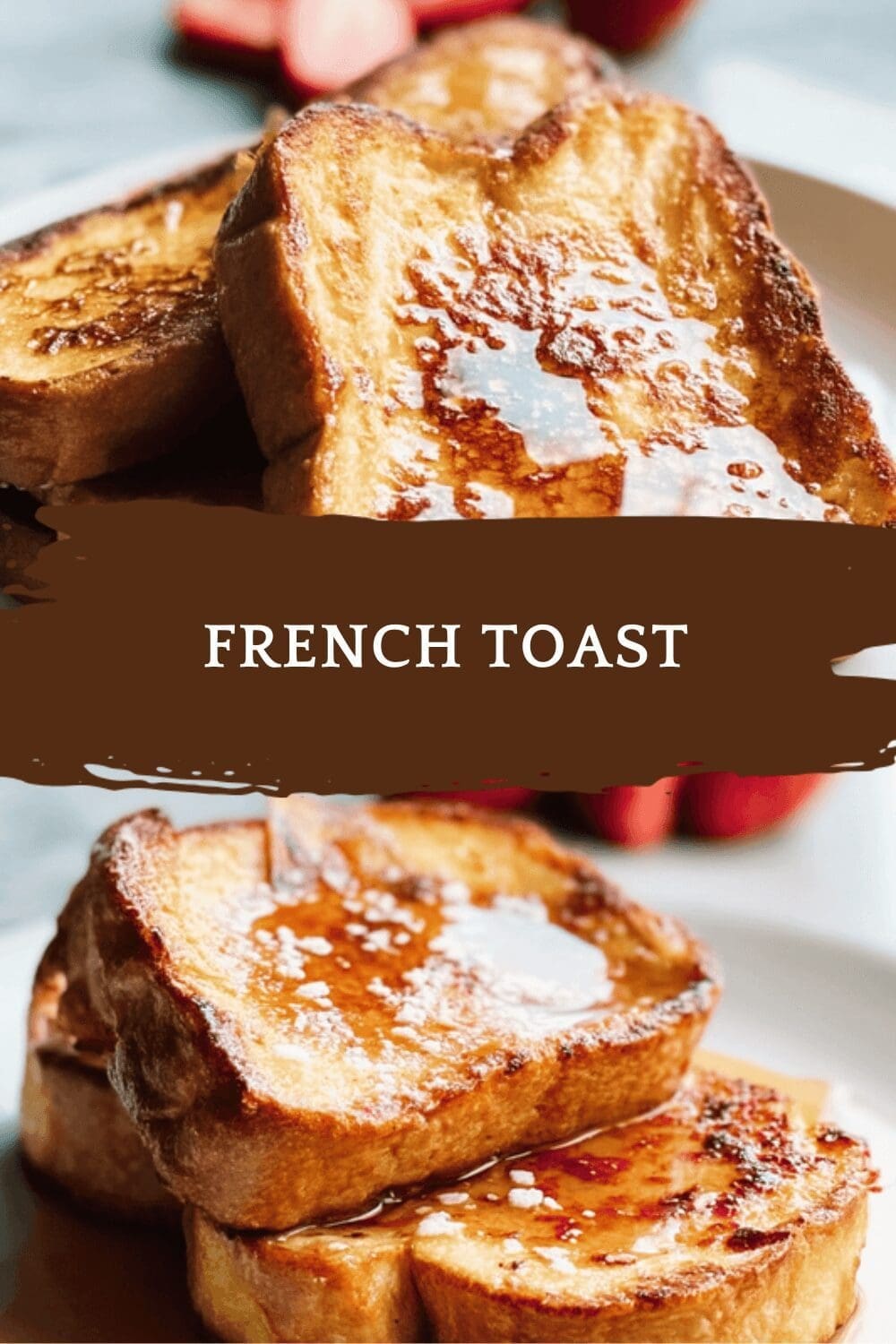
French toast is highly adaptable for different dietary needs without compromising taste or texture. For a vegan version, replace eggs with flaxseed or chia seed “eggs” (1 tablespoon ground seed mixed with 3 tablespoons water per egg) and use plant-based milk such as almond, soy, or oat milk. Gluten-free bread varieties made from rice, almond, or chickpea flour can substitute traditional wheat breads.
To reduce sugar, natural sweeteners like maple syrup or stevia can be used instead of granulated sugar. For lower fat options, substitute butter with cooking sprays or light oils while frying. Additional protein can be added by using egg whites or tofu-based egg substitutes. These substitutions ensure that French toast can be enjoyed by those with allergies, intolerances, or specific eating preferences.
How to Prepare the Perfect French Toast: Step-by-Step Guide
- Choose the bread: Select 3/4 to 1-inch thick slices of firm or slightly stale bread to hold the batter without breaking.
- Prepare the batter: In a mixing bowl or blender, whisk together eggs, milk or cream, flour, sugar, salt, cinnamon, and vanilla extract until smooth.
- Soak the bread: Dip each bread slice in the batter, coating both sides thoroughly. Let excess drip off.
- Heat the pan: Preheat a greased skillet or griddle over medium heat (around 350°F). Use butter or oil as preferred.
- Cook the slices: Place soaked bread on the skillet and cook for 2-3 minutes per side until golden brown and cooked through.
- Serve immediately: Enjoy warm with your choice of toppings like fresh fruit, syrup, powdered sugar, or jam.
- Optional prep tips: You can prepare the batter 1-2 days in advance and refrigerate. French toast can be frozen for up to 3 months and reheated in a toaster or skillet.
Following these steps guarantees flavorful, fluffy French toast with a crisp exterior and soft interior, perfect for any breakfast table.
For an in-depth look at bread choices, read Choosing the Best Bread for French Toast, and for method tips check Tips for Perfect French Toast.
Mastering French Toast: Advanced Tips and Variations
To perfect your french toast, start by experimenting with different types of bread such as brioche, challah, or sourdough; these breads absorb the custard well while maintaining a sturdy texture. For richer custards, replace part of the milk with cream or coconut milk for extra creaminess. Boost flavor by adding spices like nutmeg, cardamom, or even a splash of orange zest to the batter. Advanced variations include stuffing the french toast with cream cheese, berry preserves, or nut butters before cooking to create a delightful surprise inside.
Finish your french toast with seasonal toppings such as roasted nuts, fresh berries, or fruit compotes to add freshness and texture contrast. Cook over medium-low heat to ensure the toast cooks evenly without burning. Using a cast iron skillet provides even heat distribution for consistent browning. For vegan or gluten-free options, use appropriate substitutions ensuring the custard mixture holds together well. These tips open up creative and delicious ways to enjoy classic french toast tailored to personal tastes and dietary needs.
How to Store French Toast: Best Practices
After cooking, allow your french toast slices to cool completely on a wire rack to prevent sogginess. Store them in an airtight container or tightly wrapped in plastic wrap in the refrigerator for up to 3-4 days. For longer storage, freeze the slices individually on a baking sheet with parchment paper, then transfer to a freezer-safe bag or container. Frozen french toast maintains quality for up to one month.
When reheating, use a toaster, oven, or skillet over medium heat to restore crispness while warming through. Avoid microwaving if possible since it tends to make the toast soggy. These storage methods help preserve the texture and flavor, allowing you to prepare french toast ahead or enjoy leftovers conveniently without sacrificing quality.
Nutritional Value of French Toast
| Nutrient | Amount per Serving | Notes |
|---|---|---|
| Calories | Approx. 167 kcal | Varies with toppings and ingredients |
| Carbohydrates | 26 grams | Mainly from bread and sugar |
| Protein | 7 grams | Provided mainly by eggs |
| Fat | 4 grams | Depends on cooking fat and milk used |
| Fiber | Variable | Higher when using whole grain or thick bread |
Choosing whole grain bread, low-fat milk, and natural sweeteners can improve the nutritional value of your french toast, making it a more balanced breakfast option. Custom toppings like fresh fruit add essential vitamins and fiber while reducing added sugars.
FAQs: Frequently Asked Questions About French Toast
What is the best bread to use for making French toast?
The ideal bread for French toast is thick-sliced and slightly stale, as it soaks up the egg mixture without falling apart. Popular choices include Texas Toast, brioche, challah, and cinnamon swirl bread. These breads add flavor and a tender, fluffy texture to your French toast. Avoid very soft or fresh bread, which can become mushy when dipped in the batter.
Can I prepare French toast batter ahead of time?
Yes, you can prepare the French toast batter 1 to 2 days in advance. Store it tightly covered in the refrigerator to keep the eggs fresh. Stir the batter before using to recombine any settled ingredients. Preparing the batter ahead saves time during breakfast but avoid making it too far in advance to prevent any off flavors from developing.
Is it possible to make French toast without dairy milk?
Absolutely. Dairy-free milk alternatives like almond, soy, oat, or coconut milk work well in French toast recipes. Using full-fat or creamier plant-based milks often results in a richer batter. Just substitute one-to-one for regular milk. If you want extra fluffiness, consider adding a little cornstarch or flour to thicken the batter slightly.
How should I store and reheat leftover French toast?
To store leftover French toast, cool it completely and place it in an airtight container in the refrigerator for up to 3-4 days. For longer storage, freeze the slices in a single layer on a baking sheet, then transfer them to a freezer-safe bag for up to 3 months. Reheat by toasting in a toaster oven or warming in a skillet to maintain crispness. Microwave reheating is faster but can make the toast soggy.
Why do some French toast recipes include flour in the batter?
Flour helps thicken the batter, creating a coating that clings better to the bread and yields a fluffier texture after cooking. It also adds structure, preventing the bread from becoming too soggy. A small amount of all-purpose flour mixed into the egg and milk mixture can improve the overall consistency and final mouthfeel of your French toast.

french toast
🍞 A classic comfort breakfast, French toast is easy to prepare and perfect for leisurely mornings!
🍞 With its custard-like interior and crispy golden crust, this treat can be customized to sweet or savory preferences.
- Total Time: 20 minutes
- Yield: 4 servings 1x
Ingredients
4 large eggs
2/3 cup milk (160 ml)
1/4 cup all-purpose flour (30 grams)
1/4 cup granulated sugar (50 grams)
1/4 teaspoon salt
1 teaspoon cinnamon
1 teaspoon vanilla extract (5 ml)
8 thick slices of bread (Texas Toast, brioche, cinnamon bread, or slightly stale bread)
Butter or oil for frying
Instructions
1. In a bowl, whisk together the eggs, milk, flour, sugar, salt, cinnamon, and vanilla extract until smooth. Alternatively, blend these ingredients.
2. Heat a skillet or griddle over medium heat and lightly grease with butter or oil.
3. Dip each bread slice into the egg mixture, ensuring both sides are well-coated.
4. Place the soaked bread slices on the hot skillet and cook for 3-4 minutes per side, until golden brown and cooked through.
5. Serve warm with your choice of toppings such as butter, syrup, fresh fruit, or powdered sugar.
Last Step:
Please leave a rating and comment letting us know how you liked this recipe! This helps our business to thrive and continue providing free, high-quality recipes for you.Notes
🥚 Use slightly stale bread for better absorption and to prevent sogginess.
🍞 Thick slices help maintain the integrity of the bread and hold the batter well.
🔥 Cook over medium heat to achieve a golden crust without burning the bread.
- Prep Time: 10 minutes
- Cook Time: 10 minutes
- Category: Breakfast
- Method: Pan-Frying
- Cuisine: American
- Diet: Vegetarian
Nutrition
- Serving Size: 2 slices
- Calories: 167
- Sugar: 10 grams
- Sodium: 210 mg
- Fat: 4 grams
- Saturated Fat: 1.5 grams
- Unsaturated Fat: 2 grams
- Trans Fat: 0 grams
- Carbohydrates: 26 grams
- Fiber: 1 gram
- Protein: 7 grams
- Cholesterol: 93 mg