

Benefits and Advantages of Fig Glazed Chicken
Fig Glazed Chicken offers a delightful fusion of sweet and savory flavors, making it an appealing dish for any meal. One notable benefit is its ease of preparation; the recipe requires minimal ingredients and simple cooking techniques, making it accessible for both novice and experienced cooks. This makes it a convenient option for busy individuals and families who want to enjoy a flavorful home-cooked meal without extensive effort.
Health-wise, Fig Glazed Chicken is a great source of lean protein from the chicken, which supports muscle maintenance and overall nutrition. The figs contribute dietary fiber, antioxidants, and natural sweetness without the need for added refined sugars. This helps maintain balanced blood sugar levels and supports digestive health. The use of balsamic vinegar adds tangy flavor and is known for its potential antioxidant properties. Together, these ingredients support a heart-healthy diet and can fit well into various nutrition plans.
Additionally, the natural glaze made from figs enhances the flavor profile without relying on heavy, fat-laden sauces. It creates a glossy coating that locks in moisture, resulting in tender, juicy chicken every time. The dish’s unique combination of sweet, savory, and herbal notes makes it a versatile recipe that can be adjusted for special dietary needs, such as gluten-free or low-calorie options.
Fig Glazed Chicken stands out due to its balanced flavors and nutrient-rich ingredients, making it both a satisfying and wholesome meal option.
Its adaptability allows you to serve it on casual weeknights or dress it up for special occasions by adding roasted seasonal fruits and herbs.
Jump to:
- Benefits and Advantages of Fig Glazed Chicken
- Essential Ingredients for Fig Glazed Chicken
- Dietary Substitutions to Customize Your Fig Glazed Chicken
- Adapting for Different Diets
- Vegan and Vegetarian Alternatives
- Gluten-Free Options
- Low-Calorie and Keto-Friendly Choices
- Additional Ingredient Swaps
- How to Prepare the Perfect Fig Glazed Chicken: Step-by-Step Guide
- Step 1: Preparing the Herb Butter and Glaze
- Step 2: Preparing and Cooking the Chicken
- Step 3: Glazing and Finishing
- Fruit-Enhanced Variation with Apples and Onions
- Step 4: Serving Suggestions
- Mastering Fig Glazed Chicken: Advanced Tips and Variations
- Ingredient Quality and Preparation
- Glaze Customization
- Texture and Presentation Variations
- Technique Tips
- How to Store Fig Glazed Chicken: Best Practices
- Refrigeration
- Freezing
- Reheating Tips
- Nutritional Value of Fig Glazed Chicken
- Health Benefits
- Caloric Considerations
- FAQs: Frequently Asked Questions About Fig Glazed Chicken
- What type of balsamic vinegar works best for fig glazed chicken?
- Can I use other fruit preserves instead of fig preserves in the glaze?
- How do I make the fig glaze more flavorful using the chicken pan drippings?
- What herbs and spices should I add to the fig glaze for a savory taste?
- How can I tell when fig glazed chicken is cooked safely and perfectly?
- Fig Glazed Chicken
- Ingredients
- Instructions
- Last Step:
- Notes
- Nutrition
- Did you make this recipe?
Essential Ingredients for Fig Glazed Chicken
To create the rich and flavorful Fig Glazed Chicken, the following ingredients are essential:
- ¼ cup (56g) unsalted butter, softened – provides a creamy base for the herb butter rub and rich flavor.
- 3 cloves garlic, minced – adds aromatic depth and savory notes.
- 3 sprigs fresh rosemary, destemmed and minced (or ½ teaspoon fresh thyme leaves) – delivers fresh herbal fragrance.
- 2 teaspoons salt (adjust to taste) – enhances all flavors.
- 1 teaspoon ground black pepper – adds mild pungency and warmth.
- 6 bone-in, skin-on chicken drumsticks and 2 thighs (or alternatively, 2 chicken breasts, 4 ounces each, pounded to even thickness) – provides the main protein with juicy, tender meat.
- ½ cup (120ml) balsamic vinegar – creates a tangy balance that complements the sweetness of figs.
- ½ cup (about 160g) fig preserves or fig jam – the star sweet ingredient that forms the glaze.
- 1 teaspoon olive oil (if cooking chicken breasts in a skillet) – helps in searing and keeps chicken from sticking.
Optional ingredients for extra flavor or variations include:
- 1 teaspoon dry white wine and 1 tablespoon low-sodium chicken broth (to thin the glaze for sauce consistency)
- 2 medium apples, sliced (for a fruit-enhanced variation adding natural sweetness and texture)
- 2 medium onions, sliced (to roast alongside the chicken and apples for savory balance)
- 1 tablespoon maple syrup and 1 tablespoon soy sauce or coconut aminos (to deepen the flavor of the glaze)
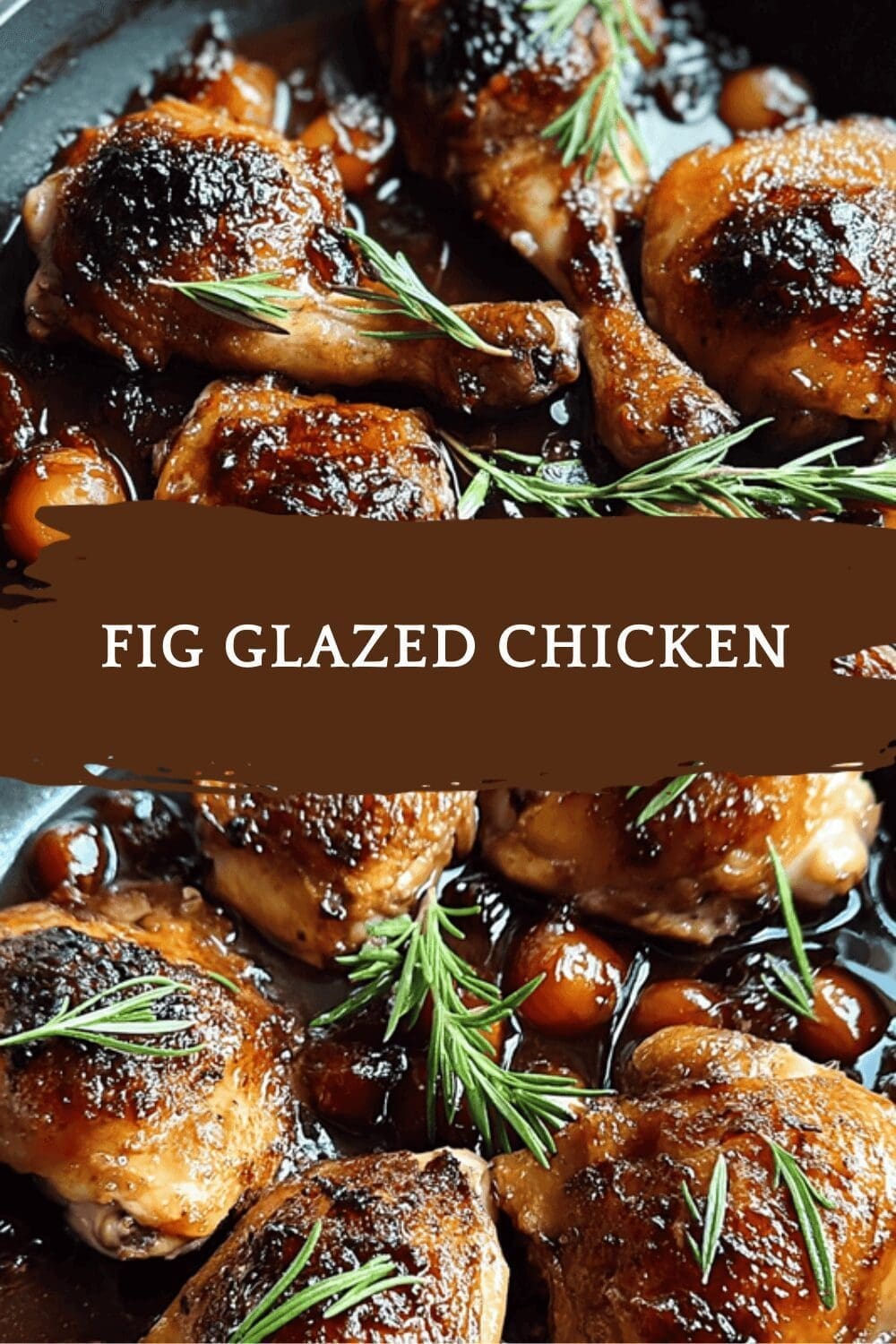
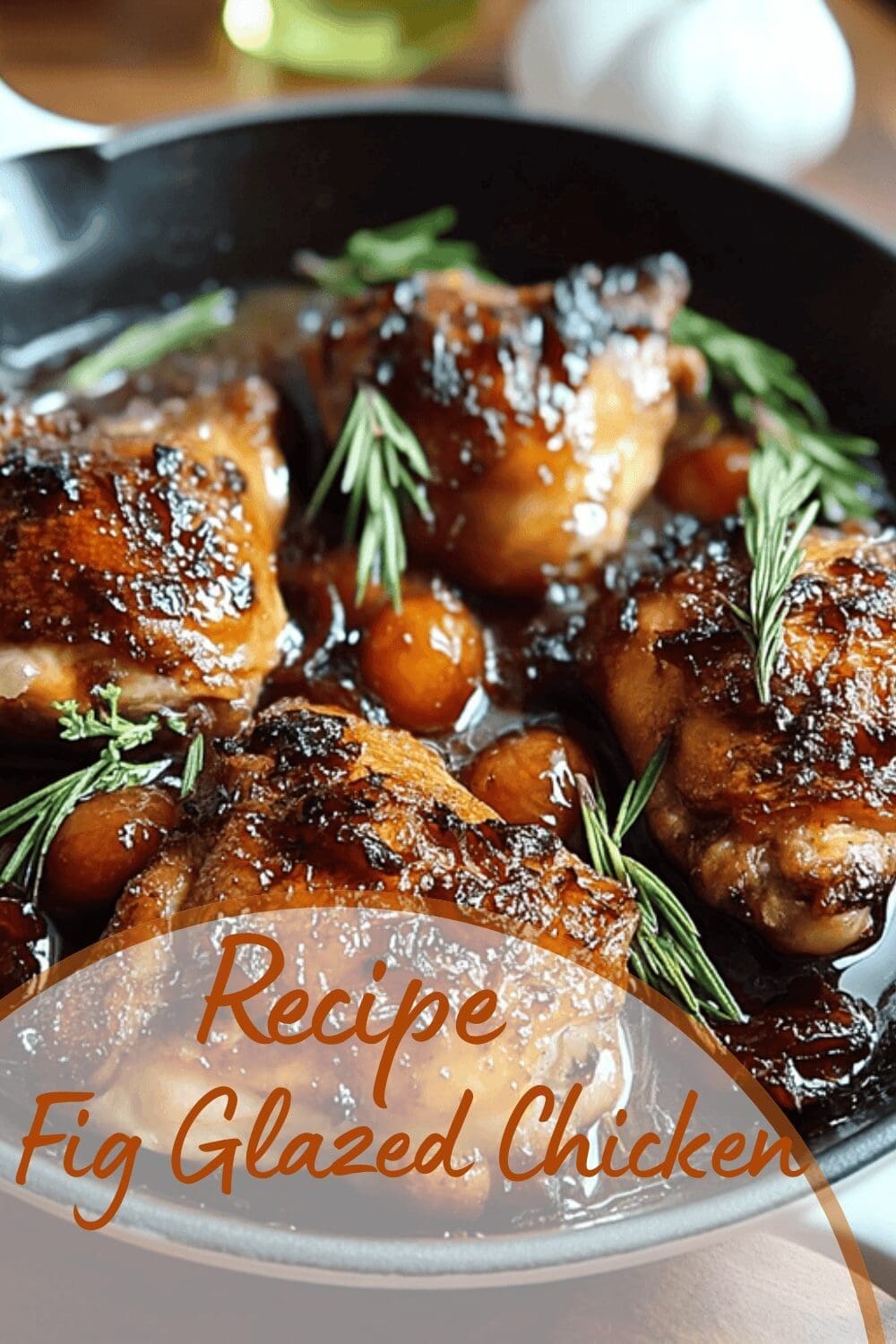
Each ingredient plays a crucial role in creating the beautifully balanced taste and aroma of Fig Glazed Chicken, making it a memorable dish every time.
Dietary Substitutions to Customize Your Fig Glazed Chicken
Adapting for Different Diets
Fig Glazed Chicken is fairly versatile and can be customized to fit various dietary needs by carefully substituting certain ingredients without sacrificing flavor.
Vegan and Vegetarian Alternatives
- Replace chicken with firm tofu, tempeh, or seitan. Marinate these proteins well to absorb the fig glaze.
- Use maple syrup instead of honey or omit animal-derived butter by substituting with vegan butter or olive oil.
Gluten-Free Options
- Choose tamari or coconut aminos instead of soy sauce to avoid gluten exposure.
- Ensure that preserves or jams are gluten-free certified and that balsamic vinegar doesn’t contain any gluten additives.
Low-Calorie and Keto-Friendly Choices
- Use skinless chicken breasts to reduce fat content.
- Reduce or omit sweeteners like honey or maple syrup, relying on the natural sugars in fresh figs.
- For keto diets, use a sugar-free sweetener alternative and increase healthy fats from olive oil or butter to maintain richness.
Additional Ingredient Swaps
- If fig preserves are unavailable, substitute with cranberry, blueberry, or other fruit preserves for a similar sweet-tart effect.
- Herbs such as thyme or sage can replace rosemary based on personal preference.
Thoughtful adjustments help you enjoy Fig Glazed Chicken tailored to your dietary restrictions while maintaining its signature sweet-savory charm.
By incorporating these substitutions, you can create a dish that fits your lifestyle while still enjoying the unique flavors of the fig glaze.
How to Prepare the Perfect Fig Glazed Chicken: Step-by-Step Guide
Step 1: Preparing the Herb Butter and Glaze
Begin by softening ¼ cup (56g) unsalted butter at room temperature for easy mixing. Combine the butter with half of the minced garlic, minced fresh rosemary (or thyme), 2 teaspoons salt, and 1 teaspoon ground black pepper. This herb butter will be rubbed onto the chicken to infuse flavor and promote crispy skin.
In a separate bowl or small saucepan, whisk together ½ cup (120ml) balsamic vinegar, ½ cup (about 160g) fig preserves, the remaining garlic and herbs, salt, and pepper. Optionally, add 1 teaspoon dry white wine and 1 tablespoon low-sodium chicken broth to thin the glaze for a sauce consistency.
Step 2: Preparing and Cooking the Chicken
Pat the chicken pieces dry using paper towels for a crispier skin. Rub the herb butter mixture thoroughly over all pieces, making sure each part is coated well. For bone-in pieces, place in a cast iron skillet or baking dish.
- For oven roasting: Preheat your oven to 425°F (218°C). Place the chicken in the oven to start roasting.
- For chicken breasts: Heat 1 teaspoon olive oil in a skillet over medium heat. Cook chicken breasts 4-6 minutes per side until they reach an internal temperature of 165°F (74°C). Remove and rest the chicken after cooking.
Step 3: Glazing and Finishing
After about 15 minutes of roasting (oven method), brush most of the glaze over the chicken. Return it to the oven and baste every 10 minutes until fully cooked, totaling approximately 25 minutes. The chicken is done when internal temperature reaches 165°F (74°C).
For skillet-cooked breasts, simmer the glaze in the same pan post-cooking, stirring to incorporate the browned bits, then spoon the glaze over the sliced chicken before serving.
Fruit-Enhanced Variation with Apples and Onions
- Preheat oven to 400°F (204°C). Toss sliced apples and onions with olive oil, salt, and pepper, then spread evenly in a roasting pan.
- Place butter-rubbed chicken on top of the fruit and brush half of the glaze over everything.
- Roast for 30 minutes, then reduce heat to 350°F (177°C). Baste chicken with remaining glaze and add 1 tablespoon chicken broth to the pan.
- Continue cooking an additional 15-20 minutes until chicken is cooked through.
- Remove chicken, then finish roasting apples and onions separately at 400°F until caramelized, about 10-15 minutes.
Step 4: Serving Suggestions
Serve your Fig Glazed Chicken topped with the remaining glaze and a garnish of fresh herbs such as thyme or rosemary. Complement the dish with sides like roasted or mashed potatoes, sautéed green vegetables, couscous, or egg noodles for a well-rounded meal. This recipe pairs well with dishes featured on CookyCooky’s chicken breast recipes and is especially delicious alongside simple vegetable sides.
| Nutritional Information per Serving (approx. 293g) | Value |
|---|---|
| Calories | 378 kcal |
| Carbohydrates | 29 g |
| Protein | 19 g |
| Fat | 17 g |
| Sugar | 21 g |
Letting the chicken rest 5-10 minutes after cooking helps retain its juices, ensuring every bite remains tender and flavorful.
Mastering Fig Glazed Chicken: Advanced Tips and Variations
Fig Glazed Chicken is a delicious blend of savory and sweet elements, and mastering this dish means paying attention to subtle details that elevate its flavor and presentation. Here are some advanced tips and variations that can help you customize this recipe for different occasions and preferences.
Ingredient Quality and Preparation
- Use Fresh or Rehydrated Figs: Fresh figs at their peak season offer vibrant flavor and delicate texture. If using dried figs, rehydrate them in warm water, a splash of dry white wine, or low-sodium chicken broth to enhance sweetness and softness.
- Herb Enhancements: Incorporate fresh rosemary or thyme into both the butter rub and glaze to infuse herbal aroma throughout the dish. Using freshly minced herbs provides more intensity than dried versions.
- Butter Temperature: Ensure the unsalted butter is softened to room temperature for a smooth mixture with garlic, herbs, and seasoning, allowing for better coating and flavor absorption.
Glaze Customization
The fig and balsamic glaze is the star of this recipe, and small tweaks can create a new taste experience:
- Add maple syrup and soy sauce for a deeper, more complex glaze that balances sweet, salty, and umami notes.
- Experiment with alternate vinegars, such as apple cider or sherry vinegar, to introduce varied acidity and flavor profiles.
- Sprinkle crushed red pepper flakes to add a controlled heat element if you prefer a spicy twist.
Texture and Presentation Variations
- Add Crunch: Toasted walnuts or pecans incorporated into the glaze or sprinkled on top just before serving add a pleasing texture contrast.
- Fruit and Aromatics: Including sliced apples and onions in the roasting pan contributes a sweet and savory foundation, intensifying flavor complexity and creating a visually appealing dish.
- Protein Alternatives: Turkey breast or pork tenderloin can be excellent substitutions for chicken, showcasing the versatility of this glaze.
Technique Tips
- Resting Time: Allow the cooked chicken to rest for 5 to 10 minutes before slicing. This helps retain moisture and ensures juicy meat.
- Basting: Brush the glaze generously while roasting to develop layered flavors and a beautiful caramelized finish.
- Pan Deglazing: When cooking chicken breasts in a skillet, simmer the glaze in the pan to pick up flavorful browned bits before serving.
Mastering these tips will make your Fig Glazed Chicken shine, impressing family and guests alike with a dish that balances sweet, savory, and herbaceous notes perfectly. For more chicken recipes with rich glazes, check out our Creamy Garlic Butter Chicken.
How to Store Fig Glazed Chicken: Best Practices
Proper storage of Fig Glazed Chicken is key to maintaining its flavor, texture, and safely enjoying leftovers later. Follow these best practices to store and reheat your dish.
Refrigeration
- Allow the chicken to cool to room temperature before storing; this prevents condensation that can make the skin soggy.
- Place chicken pieces in an airtight container or wrap tightly with plastic wrap or aluminum foil to avoid exposure to air.
- Stored properly, refrigerated Fig Glazed Chicken will stay fresh for up to 3 to 4 days.
Freezing
- For longer storage, tightly wrap the chicken in plastic wrap, then in aluminum foil, or store in a freezer-safe container to prevent freezer burn.
- Frozen Fig Glazed Chicken retains best quality for 2 to 3 months.
- Consider freezing the chicken and glaze separately, if possible, to preserve texture better.
Reheating Tips
Reheating Fig Glazed Chicken without drying it out requires gentle techniques:
- Warm the chicken covered in a skillet over low heat, allowing the glaze to re-soften and the meat to heat evenly.
- If using a microwave, cover the chicken with a damp paper towel to keep moisture locked in.
- Check that the internal temperature reaches 165°F (74°C) to guarantee safety.
Storing and reheating your Fig Glazed Chicken properly ensures that leftovers stay flavorful and juicy, making mealtime even easier.
Want to try another flavorful chicken recipe perfect for meal prep and easy storage? Visit our Creamy Chicken Soup recipe.
Nutritional Value of Fig Glazed Chicken
Fig Glazed Chicken combines lean protein with natural sugars and antioxidants, offering a well-rounded nutritional profile that suits a variety of dietary goals.
| Nutrient | Amount per Serving (approx. 293g) |
|---|---|
| Calories | 378 kcal |
| Protein | 19 g |
| Fat | 17 g |
| Carbohydrates | 29 g |
| Sugar | 21 g |
Health Benefits
This dish provides:
- High-quality protein from bone-in, skin-on chicken or breasts, which supports muscle repair and immune function.
- Natural sugars and fiber from fig preserves and optional fruits like apples, contributing to digestive health and steady energy release.
- Healthy fats from butter and olive oil, promoting satiety and absorption of fat-soluble vitamins.
- Antioxidants and micronutrients found in figs and garlic, helping to reduce inflammation and oxidative stress.
Caloric Considerations
The moderate calorie and carbohydrate content make Fig Glazed Chicken fitting for balanced diets, weight management plans, and heart-healthy eating. Adjusting butter quantities or selecting skinless chicken breasts can tailor fat content further to your needs.
With its blend of lean protein, natural sweetness, and fresh herbs, Fig Glazed Chicken makes a nutritious, satisfying meal without excess calories.
FAQs: Frequently Asked Questions About Fig Glazed Chicken
What type of balsamic vinegar works best for fig glazed chicken?
For fig glazed chicken, choose a high-quality balsamic vinegar to achieve a rich, balanced flavor. Aceto Balsamico Tradizionale with a D.O.P. stamp is ideal for its authenticity and depth. If that’s not available, Condimento Balsamico I.G.P. or Balsamic of Modena I.G.P. are good alternatives, especially suited for cooking and glazes without overpowering the dish.
Can I use other fruit preserves instead of fig preserves in the glaze?
Yes, you can substitute fig preserves with other fruit-based preserves such as cranberry, blueberry, or blackberry. These options complement balsamic vinegar well and provide a similar sweet-tart flavor profile, making them suitable replacements if figs are unavailable.
How do I make the fig glaze more flavorful using the chicken pan drippings?
After cooking the chicken, use the same skillet to make the glaze. Deglaze the pan by adding wine and broth, scraping up the browned bits left behind. These bits are packed with flavor and combining them into the glaze enriches the sauce with savory depth and complexity, enhancing the overall taste.
What herbs and spices should I add to the fig glaze for a savory taste?
Fresh garlic, thyme, and rosemary are excellent choices to add savory notes to the fig glaze. Sauté the garlic first to mellow its sharpness, then add the herbs along with salt and pepper to complement the sweetness of the figs and the tang of the balsamic vinegar.
How can I tell when fig glazed chicken is cooked safely and perfectly?
Cook chicken breast until it reaches an internal temperature of 165ºF, which ensures safety. Alternatively, press the thickest part of the chicken with the back of a fork; it should feel firm but still have a slight give and spring back. This method helps avoid overcooking while keeping the meat juicy.

Fig Glazed Chicken
🍗 Fig Glazed Chicken is a deliciously savory dish perfect for any dinner table.
🥘 Enjoy the unique combination of fig and balsamic flavors that make each bite memorable.
- Total Time: 1 hour 20 minutes
- Yield: 4 servings 1x
Ingredients
¼ cup (56g) unsalted butter, softened
3 cloves garlic, minced
3 sprigs fresh rosemary, destemmed and minced (or ½ teaspoon fresh thyme leaves)
2 teaspoons salt (adjust to taste)
1 teaspoon ground black pepper
6 bone-in, skin-on chicken drumsticks and 2 thighs (alternatively, 2 chicken breasts, 4 ounces each, pounded to even thickness)
½ cup (120ml) balsamic vinegar
½ cup (about 160g) fig preserves or fig jam
1 teaspoon olive oil (if cooking chicken breasts in a skillet)
Optional additions for glaze: 1 teaspoon dry white wine, 1 tablespoon low-sodium chicken broth (for sauce thinning)
Optional: 2 medium apples (for variant with fruit), sliced
Optional: 2 medium onions, sliced
Optional: 1 tablespoon maple syrup and 1 tablespoon soy sauce or coconut aminos (for deeper glaze flavor)
Instructions
1. Preheat oven to 425°F (218°C).
2. Mix softened butter with half the minced garlic, rosemary (or thyme), salt, and pepper. Pat chicken dry for crispier skin, then rub this butter mixture thoroughly over all chicken pieces.
3. Place chicken in a cast iron skillet or baking dish and begin roasting in the oven. If using chicken breasts, heat 1 teaspoon olive oil in a skillet over medium heat, cook chicken for 4-6 minutes per side until internal temperature reaches 165°F (74°C), then remove and rest.
4. While chicken starts cooking, whisk together balsamic vinegar, fig preserves, remaining garlic, rosemary, salt, pepper, and optionally white wine and chicken broth to make a glaze.
5. For oven-roasted chicken: After about 15 minutes of roasting, remove chicken and brush most of the glaze over it. Return to oven and baste every 10 minutes until cooked through and internal temperature reaches 165°F (74°C), approximately 25 minutes total. For skillet-cooked breasts, simmer glaze in the same pan after chicken rests, stirring to loosen browned bits, then spoon over sliced chicken.
6. For a fruit-enhanced variation, arrange apples and onions in a roasting pan with olive oil, salt, and pepper. Place chicken on top, brush with half the glaze, roast at 400°F (204°C) for 30 minutes, then reduce heat to 350°F (177°C), baste with remaining glaze, add chicken broth to pan, and cook an additional 15–20 minutes. Remove chicken, then roast apples and onions separately at 400°F until caramelized (10–15 minutes).
7. Serve chicken topped with remaining glaze, optionally garnished with fresh thyme or rosemary. Pair with sides like roasted or mashed potatoes, green vegetables, couscous, or egg noodles to complete the meal.
Last Step:
Please leave a rating and comment letting us know how you liked this recipe! This helps our business to thrive and continue providing free, high-quality recipes for you.Notes
🧄 Use fresh garlic and herbs for better aroma and flavor; dried herbs can be used but with less intensity.
🧈 Soften butter at room temperature for easier mixing.
🔨 For chicken breasts, pounding to even thickness ensures uniform cooking.
- Prep Time: 15 minutes
- Add-on Time: 20 minutes
- Cook Time: 45 minutes
- Category: Main Course
- Method: Skillet
- Cuisine: American
- Diet: Gluten Free
Nutrition
- Serving Size: 293g
- Calories: 378 kcal
- Sugar: 21 g
- Sodium: 560 mg
- Fat: 17 g
- Saturated Fat: 8 g
- Unsaturated Fat: 7 g
- Trans Fat: 0 g
- Carbohydrates: 29 g
- Fiber: 2 g
- Protein: 19 g
- Cholesterol: 85 mg


