
Easy Scones
If you have ever signed up to bring something to a church brunch or a Saturday morning potluck, you know the quiet pressure of choosing the right bake.
I started testing scones for those gatherings years ago because they travel beautifully, they feel a little special, and they disappear fast. This easy scones recipe is the one I keep coming back to.
It uses 10 basic ingredients, and it produces scones that are buttery and flaky with a moist inside and crisp, crumbly edges.
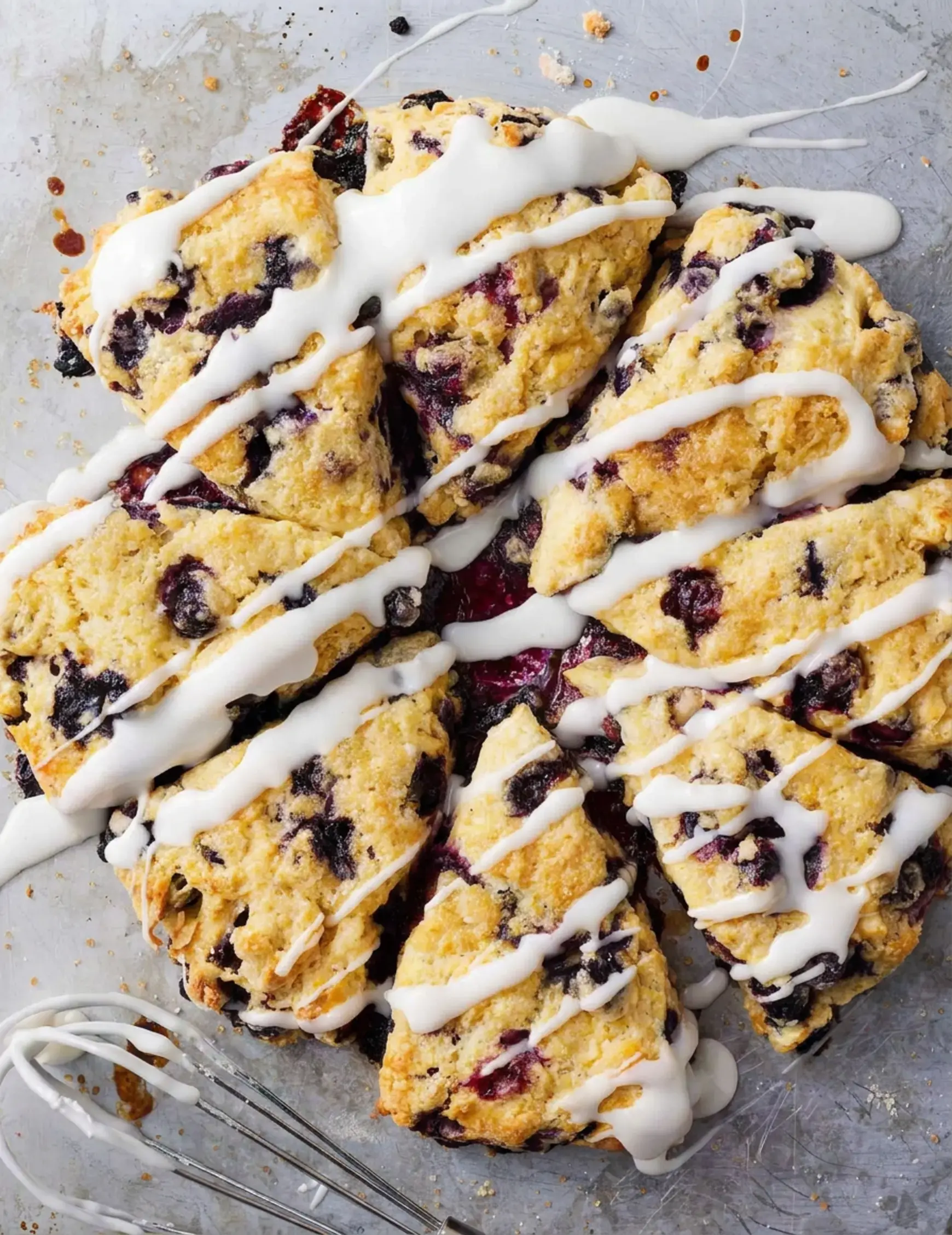
Scones often get a bad reputation as bland or dry. That complaint usually comes from dough that was overworked or baked too long. The method here solves both problems with cold butter, a gentle hand, and a short chill in the freezer before baking.
The best part is how flexible the recipe is. You can keep it simple and serve plain scones with jam, or you can load them with sweet or savory mix ins. Berries, chocolate chips, dried fruit, cheddar, and fresh herbs all work.
Whether you are feeding a crowd after a service, packing a picnic, or making a slow Sunday breakfast, this recipe is built for sharing.
Jump to:
- Easy Scones
- What are scones?
- Basic Scone Recipe Ingredients
- Buttermilk Alternatives
- How to Make Scones
- Do I need to use frozen grated butter?
- Scone Flavor Variations
- Best Scone Recipe Tips
- How to Freeze Scones
- FAQs
- What is the secret to making flaky, tender scones?
- Can you freeze unbaked scones for later?
- How do you make scones from scratch with buttermilk?
- What are the best mix-ins for an easy scone recipe?
- Easy Scones Recipe
- Ingredients
- Instructions
- Last Step:
- Did you make this recipe?
What are scones?
Scones are lightly sweet baked goods that sit somewhere between a biscuit and a pastry. They are enriched with butter or cream, or both, and they get their lift from baking powder. The texture is the giveaway: a good scone is tender and flaky, never heavy.
There are two broad styles. British scones are usually plain and unglazed, served at tea with jam and clotted cream. American scones often include a glaze and plenty of mix ins, such as fruit, nuts, or chocolate chips.
This recipe is written in the American style, so you can dress it up as much as you like. If you prefer the simpler British approach, you can leave out the mix ins and the coarse sugar topping and serve the scones with jam and cream instead.
Basic Scone Recipe Ingredients
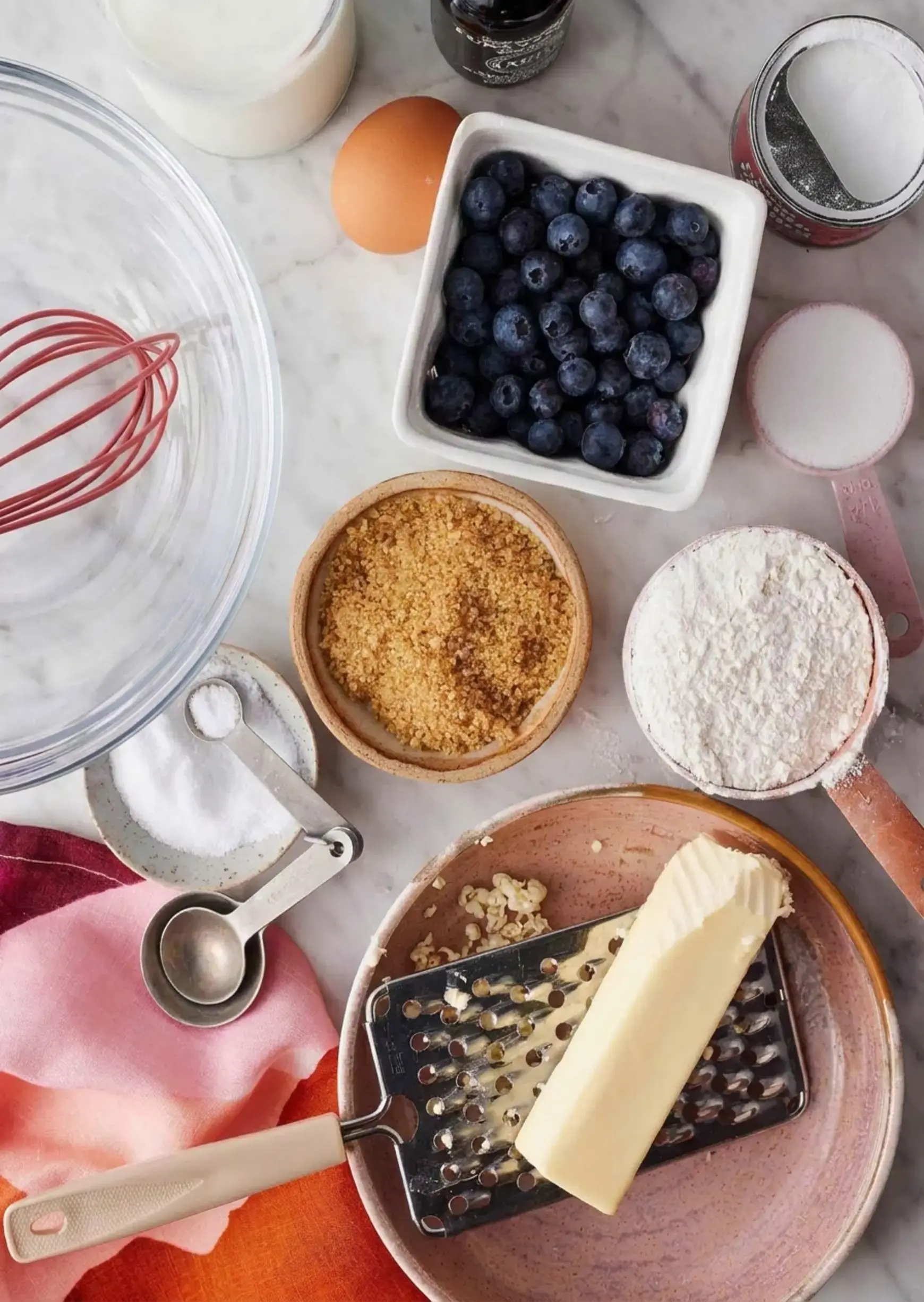
You need 10 ingredients for the base recipe, and most of them are pantry staples. Here is the full list.
- 2 cups all purpose flour, spooned and leveled. Spooning flour into the cup and leveling it off keeps you from packing in too much, which makes scones dense.
- 1/4 cup cane sugar. This goes into the dough for both sweet and savory scones. It gives a light sweetness that rounds out the flavor. For sweet versions, you can also sprinkle coarse sugar on top before baking.
- 2 teaspoons baking powder. This is what helps the scones puff in the oven.
- 1/2 teaspoon sea salt. Salt makes the flavors pop.
- 8 tablespoons unsalted butter, which is 1 stick. Freeze it for at least 1 hour before you start.
- 1/2 to 1 1/2 cups mix ins, optional. Berries, dried fruit, chocolate chips, grated cheese, or chopped herbs all work.
- 1/2 cup cold buttermilk, or heavy cream, plus more for brushing. Buttermilk adds richness and moisture, and its acidity helps the scones rise.
- 1 large egg. The egg makes the scones tender and light.
- 1 teaspoon vanilla extract, optional. Use it for sweet scones and skip it for savory ones.
- Coarse sugar, for sprinkling on top.
The prep time is about 40 minutes, the bake time is about 20 minutes, and the recipe makes 8 scones.
Buttermilk Alternatives
Buttermilk brings tang, moisture, and acidity that helps the scones rise. If you do not have any on hand, you have good options. You can use heavy cream or full fat coconut milk in the same amount.
You can also stir together a scant 1/2 cup of milk with 1/2 tablespoon of lemon juice, then let it sit for 5 minutes to thicken before adding it to the dough.
How to Make Scones
Start by lining a large baking sheet with parchment paper. In a large bowl, whisk together the flour, sugar, baking powder, and salt. Then grate the frozen butter on the large holes of a box grater.
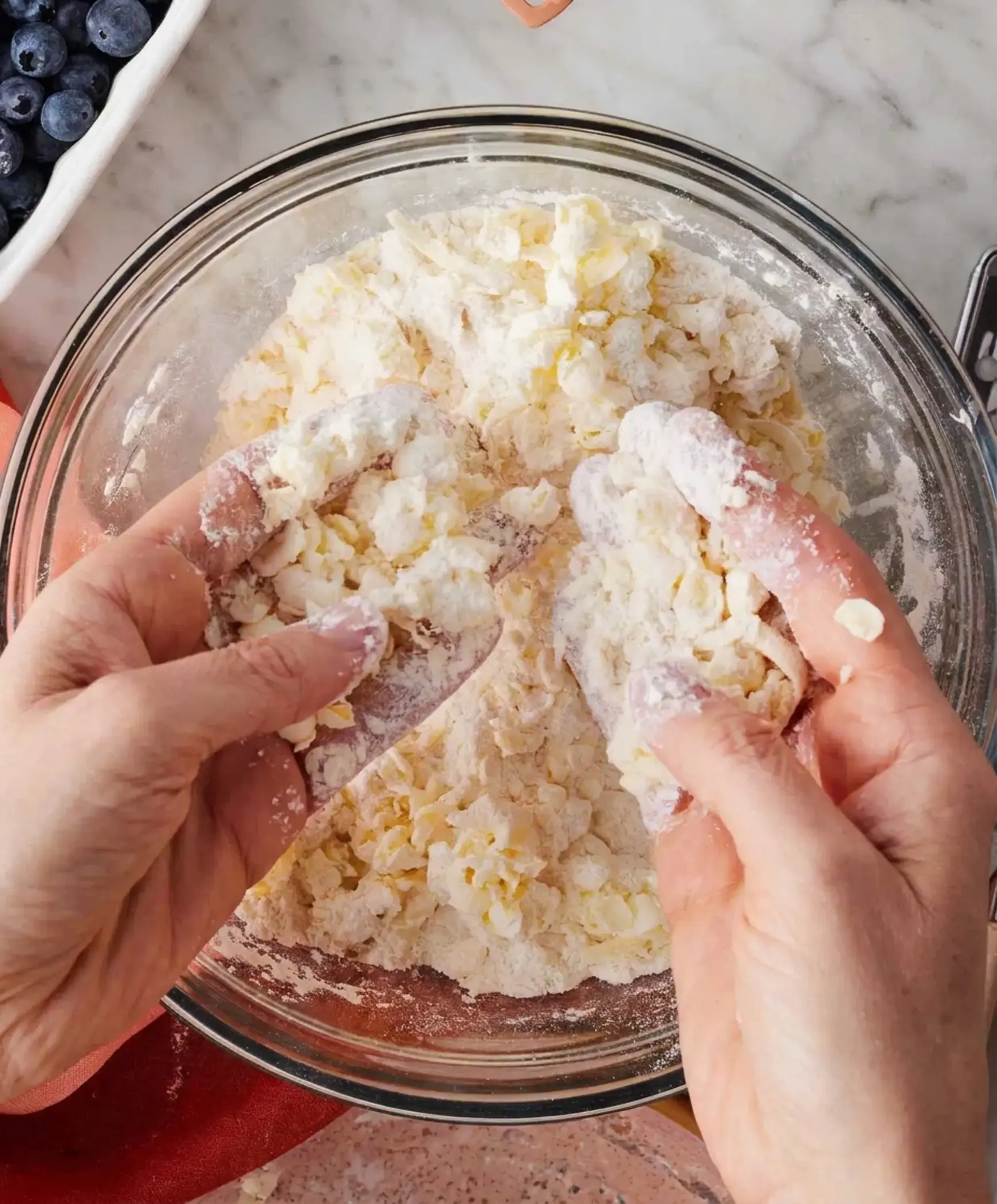
Add the shreds to the flour mixture, toss to coat, and use your fingers to work the butter into the flour until the mixture looks like coarse meal. Those little butter pieces are what create flaky layers later.
Do I need to use frozen grated butter?
Frozen grated butter is the method I recommend most, and here is why. Cold butter is essential for flaky scones. The butter pieces need to melt in the oven, not in your hands or on the counter.
If the butter softens before baking, the scones spread and turn out dense. Grating frozen butter guarantees it stays cold, and it needs very little handling, so small butter chunks stay scattered through the dough.
Those chunks create steam in the oven, and that steam pushes the layers apart.

That said, you are not stuck if you would rather not grate frozen butter. You can work cubed cold butter into the flour with your fingertips or a pastry cutter.
You can also cut the butter into the flour in a food processor, pulsing just until the mixture resembles coarse meal. Any of these methods works as long as the butter stays cold.

After the butter is worked in, add your chosen mix ins and toss them to coat in flour. Coating them helps keep them from sinking to the bottom of the scones.
Next, whisk the wet ingredients together in a separate bowl. Combine the buttermilk, the egg, and the vanilla, if you are using it. Pour this over the flour mixture and use a spatula to mix until a shaggy dough forms.
Then knead gently with your hands just to incorporate any remaining dry flour. Do not overwork the dough, or the scones will turn tough.

The dough should feel soft but not sticky. If it is sticky, work in a little more flour. If it feels dry, drizzle in a little more buttermilk. Once the texture is right, form the dough into a ball.
Transfer the ball to a lightly floured surface and press it into a 7 to 8 inch disk that is about 1 inch thick. Slice the disk into 8 equal wedges and move them to the prepared baking sheet, leaving a little space around each one.

Now for a step that is easy to skip but worth doing. Freeze the shaped scones for 15 minutes while you preheat the oven to 400 degrees Fahrenheit. This short chill firms the butter again and helps the scones hold their shape and rise tall.
When the oven is ready, take the scones out of the freezer and brush the tops with buttermilk. Sprinkle them with coarse sugar if you like. Bake for 18 to 27 minutes, until the tops are golden brown. Then transfer the scones to a wire rack to cool.
I like to set a timer for 18 minutes and check from there. Every oven runs a little differently, and the color of the tops is your best guide.
Scone Flavor Variations
The base recipe is a template, and it takes well to all kinds of flavors. Here are five that I make most often.

- Lemon blueberry. Use 1 1/2 cups blueberries. Whisk 1 tablespoon of lemon zest into the wet ingredients, then drizzle the cooled scones with a lemon glaze.
- Chocolate chip. Use 1/2 cup chocolate chips and add a pinch of nutmeg to the dry ingredients.
- Currant or raisin. Use 1/2 cup dried currants or raisins and add a pinch of cinnamon to the dry ingredients.
- Cranberry orange. Use 1/2 cup chopped dried cranberries and whisk 1 tablespoon of orange zest into the wet ingredients.
- Cheddar herb. Omit the vanilla. Use 1/2 cup grated cheddar cheese and 1/4 cup chopped fresh chives as your mix ins.
For a savory batch, skip the coarse sugar topping. For a sweeter batch, a simple glaze made with powdered sugar and a little lemon juice or milk is a nice finish.
Best Scone Recipe Tips
Two small adjustments make a big difference when you customize the recipe.
First, think about the liquid level. Juicy mix ins such as raspberries or diced strawberries release moisture into the dough as they bake. When you use them, start with only 1/3 cup of buttermilk instead of 1/2 cup, and add more gradually until the dough comes together. You want a soft dough that is not sticky.

Second, match the amount of mix ins to the type you are using. About 1/2 cup works well for dried fruit or chocolate chips. Fresh fruit can go up to 1 to 1 1/2 cups. For savory herb scones, you need much less. As little as 2 tablespoons of chopped rosemary, sage, or thyme gives plenty of flavor.
A soft dough that holds together without sticking to your hands is the sign you are ready to shape and cut.
How to Freeze Scones
Scones are a great make ahead bake, and freezing works two ways.
For baked scones, let them cool completely, then store them in an airtight container at room temperature for up to 2 days. If you want to keep them longer, seal them in an airtight container or freezer bag and freeze for up to 3 months. Thaw them at room temperature, or warm them briefly in the microwave.
You can also freeze scones before baking, which is my preferred method for a crowd. Freeze the shaped, unbaked scones for 1 hour on a plate or baking sheet, then transfer them to an airtight container or bag and keep them for up to 3 months.
When you are ready to bake, take them straight from the freezer and add a minute or two to the baking time if needed.
That means you can make a double batch on a quiet afternoon and have fresh scones on demand for the next brunch, potluck, or lazy Saturday morning.
FAQs
What is the secret to making flaky, tender scones?
The secret to flaky scones is keeping the butter very cold until it hits the oven. For best results, freeze a stick of unsalted butter for at least one hour, then grate it on the large holes of a box grater and work it into the dry ingredients. This technique creates small butter chunks that release steam during baking, producing flaky layers and a tender interior.
Can you freeze unbaked scones for later?
Yes, unbaked scones freeze beautifully. Shape the scone dough into wedges and freeze them on a baking sheet for one hour until solid, then transfer the frozen wedges to a freezer-safe bag for up to three months. When ready to bake, place the frozen scones on a parchment-lined sheet and bake directly from frozen at 400°F, adding a minute or two to the baking time.
How do you make scones from scratch with buttermilk?
To make scones from scratch, whisk together 2 cups all-purpose flour, ¼ cup cane sugar, 2 teaspoons baking powder, and ½ teaspoon sea salt. Grate in 8 tablespoons of frozen unsalted butter, then stir in ½ cup cold buttermilk, 1 large egg, and optional vanilla. Shape the dough into a 1-inch-thick disk, cut into 8 wedges, freeze for 15 minutes, brush with buttermilk, and bake at 400°F for 18 to 27 minutes.
What are the best mix-ins for an easy scone recipe?
Classic sweet mix-ins include ½ cup chocolate chips, 1½ cups fresh blueberries, or ½ cup dried cranberries with orange zest. For savory scones, use ½ cup grated cheddar cheese and ¼ cup chopped fresh chives, and omit the vanilla extract. When using juicy fresh fruit like berries, start with only ⅓ cup of buttermilk and add more as needed to prevent the dough from becoming too wet.

Easy Scones Recipe
Easy Scones If you have ever signed up to bring something to a church brunch or a Saturday morning potluck, you know the quiet pressure of choosing the right bake. I started testing scones for those gatherings years ago because they travel beautifully, they feel a little special, and they disappear fast.
- Total Time: 60 min
- Yield: 8 1x
Ingredients
2 cups all-purpose flour, spooned and leveled
¼ cup cane sugar
2 teaspoons baking powder
½ teaspoon sea salt
8 tablespoons unsalted butter, 1 stick, frozen for at least 1 hour
½ to 1½ cups mix-ins, such as berries, dried fruit, or chocolate chips
½ cup cold buttermilk, or heavy cream, plus more for brushing
1 large egg
1 teaspoon vanilla extract
Coarse sugar, for sprinkling
Instructions
1-Line a large baking sheet with parchment: Line a large baking sheet with parchment paper.
2-In a large bowl, whisk together the: In a large bowl, whisk together the flour, sugar, baking powder, and salt.
3-On the large holes of a box: On the large holes of a box grater, grate the frozen butter. Add to the flour mixture and toss to coat. Use your hands to work the butter into the flour until the mixture resembles a coarse meal. Add desired mix-ins and toss to incorporate.
4-In a medium bowl, whisk together the: In a medium bowl, whisk together the buttermilk, egg, and vanilla, if using. Pour over the flour mixture and use a spatula to mix until a shaggy dough forms. Knead with your hands to incorporate any remaining dry flour. The dough should feel soft but not sticky. If it’s sticky, work in a bit more flour. If it’s dry, drizzle in a little more buttermilk. Form the dough into a ball.
5-Transfer the dough ball to a lightly: Transfer the dough ball to a lightly floured surface and form it into a 7- to 8-inch disk about 1 inch thick. Slice into 8 equal wedges and transfer to the prepared baking sheet, leaving a little space around each scone.
6-Freeze the scones for 15 minutes: Freeze the scones for 15 minutes. Meanwhile, preheat the oven to 400°F.
7-Remove the scones from the freezer and: Remove the scones from the freezer and brush with buttermilk. Sprinkle with coarse sugar, if using. Bake for 18 to 27 minutes, or until golden brown on top.
8-Transfer to a wire rack to cool: Transfer to a wire rack to cool.
Last Step:
Please leave a rating and comment letting us know how you liked this recipe! This helps our business to thrive and continue providing free, high-quality recipes for you.- Prep Time: 40 min
- Cook Time: 20 min
- Method: bake