

Why You’ll Love This Danish Kringle
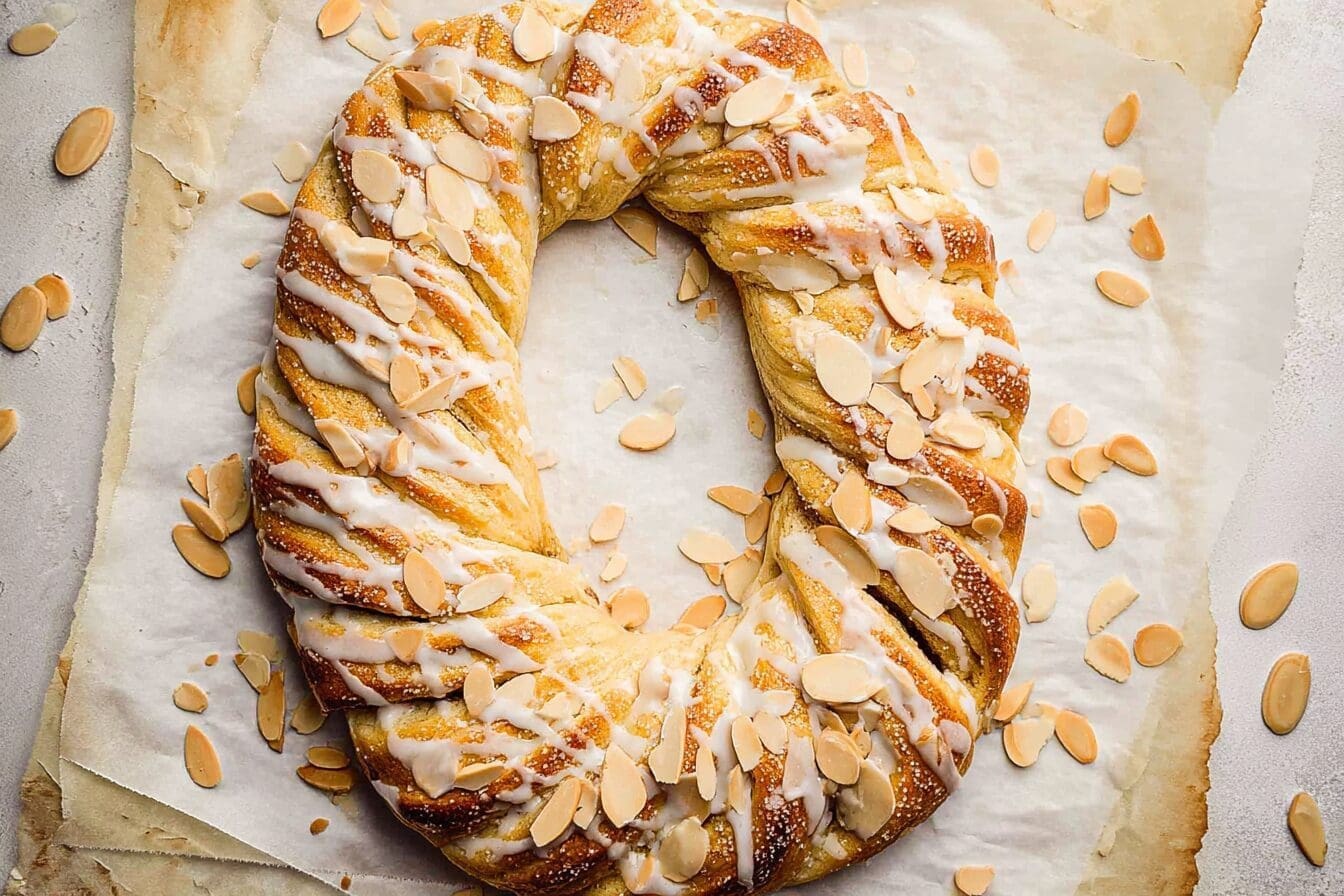
Danish Kringle is a classic treat that brings warmth and tradition to any kitchen, making it perfect for home bakers who want something special. This recipe focuses on ease and flavor, drawing from old Denmark methods that create a flaky pastry over three full days. With its 36 delicate layers formed by carefully layering dough, every bite offers a buttery texture that’s truly unforgettable.
One reason you’ll enjoy making Danish Kringle at home is its simplicity for bakers of all levels. The process uses straightforward steps and high-quality ingredients made from scratch, ensuring a delicious result without needing expert skills. Plus, this pastry adapts to various tastes, letting you explore flavors like almond or fruit while serving it warm with hot coffee for a cozy experience.
Beyond the taste, Danish Kringle offers nutritional perks from its thoughtfully selected ingredients, providing good fats and essential nutrients. It’s versatile for different dietary needs, so you can tweak it for vegan or gluten-free options. Whether you’re a busy parent or a baking enthusiast, this homemade kringle recipe fits into everyday life and creates moments of connection around the table.
Jump to:
- Why You’ll Love This Danish Kringle
- Essential Ingredients for Danish Kringle
- Main Ingredients
- Special Dietary Options
- How to Prepare the Perfect Danish Kringle: Step-by-Step Guide
- Getting Started with the Dough
- Rising and Shaping
- Baking and Finishing
- Dietary Substitutions to Customize Your Danish Kringle
- Mastering Danish Kringle: Advanced Tips and Variations
- How to Store Danish Kringle: Best Practices
- FAQs: Frequently Asked Questions About Danish Kringle
- What is Danish Kringle and how is it different from other pastries?
- How do I store Danish Kringle to keep it fresh?
- Can I make Danish Kringle dough from scratch, and what ingredients do I need?
- What are some popular fillings for Danish Kringle?
- How can I tell when Danish Kringle is properly baked?
- Danish Kringle
- Ingredients
- Instructions
- Last Step:
- Notes
- Nutrition
- Did you make this recipe?
Essential Ingredients for Danish Kringle
Gathering the right ingredients is key to making a great Danish Kringle, as they build the base for its flaky and flavorful layers. Traditional methods involve using high-quality items made from scratch, which take patience over three days to achieve authentic results. This section lists everything you need, pulled directly from the details provided, in a clear structure.
Main Ingredients
- 4 cups all-purpose flour – Provides structure and a tender crumb.
- 1 cup unsalted butter – Adds richness and flakiness to the dough.
- 1/2 cup granulated sugar – Sweetens the pastry.
- 1 cup whole milk – Moistens and binds the dough.
- 2 1/4 tsp active dry yeast – Leavens the dough for a light texture.
- 2 large eggs – Binds ingredients and enriches the dough.
- 1 tsp salt – Enhances overall flavor.
These ingredients reflect the traditional Danish Kringle approach, where dough is layered to form 36 delicate layers using old Denmark methods. Remember, patience is essential, so take your time with the process to get that perfect texture.
Special Dietary Options
- For vegan options: Use plant-based butter instead of unsalted butter and an egg replacer such as flaxseed meal in place of the 2 large eggs.
- For gluten-free versions: Substitute the 4 cups all-purpose flour with a gluten-free baking blend.
- For low-calorie adjustments: Opt for light butter or margarine in place of the 1 cup unsalted butter and reduce the 1/2 cup granulated sugar as needed.
To expand on this, keep in mind that fillings can vary, using carefully selected ingredients for different flavors. For more ideas on gluten-free baking, check out our guide to low-carb almond flour bagels, which offers tips that can complement your Kringle preparation.
How to Prepare the Perfect Danish Kringle: Step-by-Step Guide
Making Danish Kringle at home involves traditional techniques that span three full days, emphasizing patience and layering to achieve 36 delicate layers. This kringle recipe focuses on a simple, yeast-leavened dough that’s filled with high-quality ingredients for a rich, homemade result. Follow these steps to create your own version of this everyday kringle recipe you can make at home.
Getting Started with the Dough
First, prepare the yeast mixture by warming the whole milk to about 110°F (43°C) and dissolving the active dry yeast and a teaspoon of sugar; let it activate until foamy, about 5-10 minutes. In a mixing bowl, combine the flour, salt, sugar, and butter cut into small pieces; mix until crumbly. Add the yeast mixture and beaten eggs to the dry ingredients; knead the dough until smooth and elastic, about 8-10 minutes.
Rising and Shaping
Cover the dough and let it rise in a warm place for 1-2 hours until doubled in size. Roll out the dough into an oval shape on a floured surface; add your choice of fillings, like those crafted from carefully selected ingredients for various flavors. Fold and shape the dough into the traditional Kringle form, sealing edges tightly, which helps form the characteristic texture through layering.
Baking and Finishing
Place the shaped Kringle on a parchment-lined baking sheet; cover and let it rise for another 30-45 minutes. Preheat the oven to 375°F (190°C); brush the Kringle with an egg wash for shine. Bake for 25-30 minutes or until golden brown; allow to cool slightly before serving, ideally with a cup of hot coffee to enhance the experience.
Adaptations for dietary needs can be incorporated at each stage, such as using vegan substitutes in the dough. For a related breakfast idea that pairs well, visit our crispy hash browns recipe for quick sides. Remember, the key is using traditional methods for authentic results in your homemade kringle.
Dietary Substitutions to Customize Your Danish Kringle
Customizing your Danish Kringle allows you to adapt it for different needs while keeping its flaky, layered texture intact, built over three days with old Denmark methods. By swapping ingredients, you can maintain the essence of this homemade kringle recipe. Let’s look at some easy changes for various preferences.
| Substitution Type | Original Ingredient | Alternative Option |
|---|---|---|
| Protein and Main Components | Unsalted butter (1 cup) | Coconut oil or vegan margarine |
| Eggs (2 large) | Flaxseed or chia seed ‘eggs’ | |
| Vegetable, Sauce, and Seasonings | Granulated sugar (1/2 cup) | Sugar substitutes or natural sweeteners |
| Fillings | Seasonal fruits like berries or apples |
This table shows how to make adjustments while using high-quality ingredients for fillings. Experimenting with flavors like cinnamon or cardamom keeps the Danish Kringle’s authentic taste, made through careful layering and patience.
Mastering Danish Kringle: Advanced Tips and Variations
To truly master Danish Kringle, focus on the traditional techniques that take three full days, creating 36 layers for that perfect flaky texture. Chilling the dough between rolling is essential for optimal results, ensuring the butter doesn’t melt too quickly. Once you have the basics, you can explore variations that make this kringle recipe your own.
- Chill the dough properly between rolling for the best flakiness and layered texture.
- Add fillings like almond paste, cream cheese, or fruit preserves for creative twists on traditional flavors.
- Garnish with powdered sugar, sliced almonds, or a simple glaze to make your Kringle look and taste even better.
- Prepare the dough or assembled Kringle in advance and refrigerate or freeze it for busy days, aligning with old Denmark methods for authentic results.
These tips highlight how patience and high-quality ingredients elevate your everyday kringle. Serving it warm with coffee adds a special touch, just like in traditional practices.
How to Store Danish Kringle: Best Practices
Proper storage keeps your homemade Danish Kringle fresh, preserving the flaky layers created through three days of traditional preparation. Using high-quality ingredients from scratch means you’ll want to maintain that buttery goodness for as long as possible. Follow these steps to enjoy it later without losing flavor.
- Store in an airtight container at room temperature for up to 2 days for the best taste.
- Wrap tightly in plastic wrap and aluminum foil, then freeze for up to 3 months to keep it ready for any gathering.
- Thaw overnight in the refrigerator and warm in a preheated oven at 350°F (175°C) for 10-15 minutes to restore its texture.
- Batch bake and freeze individual portions for quick treats, making it easy for busy parents or community events.
This approach ensures your Danish Kringle remains a delightful part of family traditions, just as with the old Denmark methods that emphasize careful handling.
FAQs: Frequently Asked Questions About Danish Kringle
What is Danish Kringle and how is it different from other pastries?
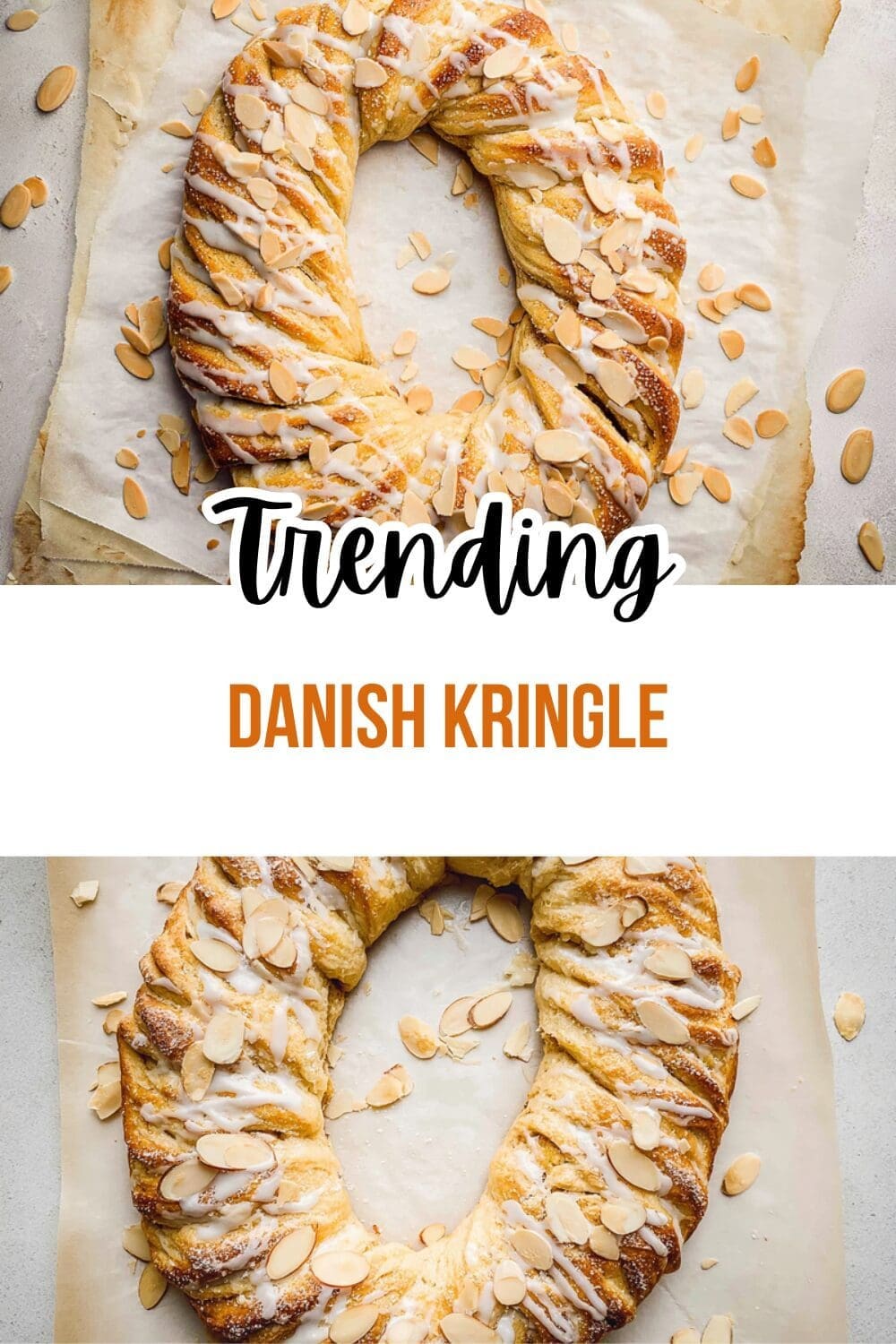
Danish Kringle is a traditional Scandinavian pastry known for its flaky, buttery layers and distinctive pretzel-like oval shape. Unlike croissants or puff pastries, Kringle dough is made by folding butter into a yeast-leavened dough, creating a rich, tender texture. It is often filled with almond paste, fruit jams, or custard before being baked. This combination of a layered dough with sweet or savory fillings sets it apart from other pastries like Danish pastries or strudels.
How do I store Danish Kringle to keep it fresh?
To keep Danish Kringle fresh, store it in an airtight container at room temperature for up to two days. If you need to keep it longer, wrap it tightly in plastic wrap and freeze it for up to three months. When ready to eat, thaw it at room temperature and warm it in the oven at 300°F (150°C) for 10 minutes to restore its crisp texture and fresh flavor.
Can I make Danish Kringle dough from scratch, and what ingredients do I need?
Yes, Danish Kringle dough can be made from scratch using simple ingredients such as all-purpose flour, yeast, milk, sugar, salt, butter, and eggs. The key step involves laminating the dough by folding cold butter into it multiple times to create layers. This process can be time-consuming but results in a flaky, buttery pastry. Using quality ingredients like unsalted butter and fresh yeast will improve the final texture and flavor.
What are some popular fillings for Danish Kringle?
Popular fillings for Danish Kringle include almond paste (marzipan), cream cheese mixed with sugar, fruit preserves like raspberry or apricot, and cinnamon sugar. Savory options like cheese and herbs can also be used. When preparing Kringle, spread the filling evenly on rolled-out dough before folding and shaping to ensure balanced flavor and texture throughout the pastry.
How can I tell when Danish Kringle is properly baked?
Danish Kringle is properly baked when the pastry is golden brown on the surface and sounds hollow when tapped. The layers should be visibly flaky and crisp, and the filling should be set and slightly bubbly if fruit or cheese is used. Baking time usually ranges from 20 to 30 minutes at 375°F (190°C), but it’s best to monitor closely in the final minutes to avoid over-browning or drying out.
Danish Kringle
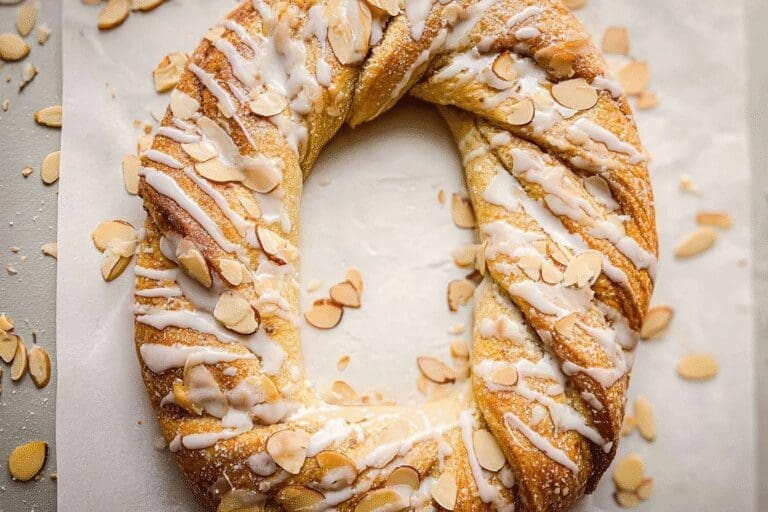
🥐 Everyday Kringle Recipes bring the rich tradition of Danish flaky pastry into your home kitchen with authentic layering techniques.
☕ Enjoy a warm, flavorful treat perfect for pairing with coffee, crafted through patient preparation and quality ingredients.
- Total Time: Up to 3 days
- Yield: Varies based on dough size and shaping
Ingredients
4 cups all-purpose flour Provides structure and a tender crumb.
1 cup unsalted butter Adds richness and flakiness to the dough.
1/2 cup granulated sugar Sweetens the pastry.
1 cup whole milk Moistens and binds the dough.
2 1/4 tsp active dry yeast Leavens the dough for a light texture.
2 large eggs Binds ingredients and enriches the dough.
1 tsp salt Enhances overall flavor.
Instructions
1-Getting Started with the Dough: First, prepare the yeast mixture by warming the whole milk to about 110°F (43°C) and dissolving the active dry yeast and a teaspoon of sugar; let it activate until foamy, about 5-10 minutes. In a mixing bowl, combine the flour, salt, sugar, and butter cut into small pieces; mix until crumbly. Add the yeast mixture and beaten eggs to the dry ingredients; knead the dough until smooth and elastic, about 8-10 minutes.
2-Rising and Shaping: Cover the dough and let it rise in a warm place for 1-2 hours until doubled in size. Roll out the dough into an oval shape on a floured surface; add your choice of fillings, like those crafted from carefully selected ingredients for various flavors. Fold and shape the dough into the traditional Kringle form, sealing edges tightly, which helps form the characteristic texture through layering.
3-Baking and Finishing: Place the shaped Kringle on a parchment-lined baking sheet; cover and let it rise for another 30-45 minutes. Preheat the oven to 375°F (190°C); brush the Kringle with an egg wash for shine. Bake for 25-30 minutes or until golden brown; allow to cool slightly before serving, ideally with a cup of hot coffee to enhance the experience.
Last Step:
Please leave a rating and comment letting us know how you liked this recipe! This helps our business to thrive and continue providing free, high-quality recipes for you.Notes
⏳ Patience is key—allow dough resting times for proper layering and flakiness.
🧈 Use high-quality unsalted butter for the best flavor and layering effect.
☕ Serve warm with coffee to enhance the flaky pastry’s rich taste and texture.
- Prep Time: Varies (can take up to 3 days including resting times)
- Resting and layering time: Multiple hours across 2-3 days
- Cook Time: 30 to 45 minutes
- Category: Dessert, Pastry
- Method: Layering, Baking
- Cuisine: Danish
- Diet: Vegetarian
Nutrition
- Serving Size: 1 slice
- Calories: 350 kcal (estimate per slice)
- Sugar: 12 g
- Sodium: 150 mg
- Fat: 18 g
- Saturated Fat: 10 g
- Unsaturated Fat: 7 g (estimate)
- Trans Fat: 0 g
- Carbohydrates: 40 g
- Fiber: 1 g
- Protein: 5 g
- Cholesterol: 45 mg


