

Why You’ll Love These Danish Butter Cookies
If you have a soft spot for old-fashioned bakery treats, these Danish Butter Cookies will feel like a little trip back in time. They have that crisp, buttery bite people love, and they come together with simple pantry staples you probably already have on hand. This Danish butter cookies recipe is a sweet fit for holiday trays, coffee breaks, or anytime you want a homemade treat that looks fancy but is actually easy to make.
- Easy to make: With just a handful of ingredients and a short bake time, these cookies are beginner-friendly and perfect for busy days.
- Rich, classic flavor: The butter, sugar, and vanilla give these cookies that familiar taste people expect from classic Danish butter cookies.
- Great for sharing: Their pretty piped shapes make them a lovely choice for gifting, potlucks, church gatherings, and cookie tins.
- Simple ingredients: This butter cookies recipe uses basic baking staples, so it is easy to keep on hand for last-minute baking.
These cookies also fit right into a cozy baking routine. If you enjoy recipes like classic shortbread cookies, you will likely love the crisp texture and buttery flavor here too. And if you are planning a dessert spread for a get-together, they pair nicely with other handheld sweets such as chocolate chip walnut cookies.
These cookies are the kind of treat that makes the kitchen smell amazing and the cookie jar disappear fast.
For readers who like a little food science, butter plays a big role in flavor and texture. You can read more about butter as a baking ingredient from this butter nutrition guide.
Jump to:
- Why You’ll Love These Danish Butter Cookies
- Essential Ingredients for Danish Butter Cookies
- Main Ingredients
- Ingredient Notes and Helpful Swaps
- Special Dietary Options
- How to Prepare the Perfect Danish Butter Cookies: Step-by-Step Guide
- First Step: Prep the oven and pans
- Second Step: Cream the butter and sugar
- Third Step: Add the flour
- Fourth Step: Pipe the cookies
- Fifth Step: Bake one pan at a time
- Final Step: Cool completely
- Dietary Substitutions to Customize Your Danish Butter Cookies
- Protein and Main Component Alternatives
- Vegetable, Sauce, and Seasoning Modifications
- Mastering Danish Butter Cookies: Advanced Tips and Variations
- Pro cooking techniques
- Flavor variations
- Presentation tips
- Make-ahead options
- How to Store Danish Butter Cookies: Best Practices
- Refrigeration
- Freezing
- Reheating
- Meal prep considerations
- FAQs: Frequently Asked Questions About Danish Butter Cookies
- What are Danish butter cookies?
- How do Danish butter cookies differ from shortbread?
- Can you make Danish butter cookies at home?
- How long do Danish butter cookies last?
- Are Danish butter cookies gluten-free?
- Danish Butter Cookies
- Ingredients
- Instructions
- Last Step:
- Notes
- Nutrition
- Did you make this recipe?
Essential Ingredients for Danish Butter Cookies
One reason people love homemade butter cookies is that the ingredient list is wonderfully simple. Each item has a job to do, from creating structure to adding rich flavor and that melt-in-your-mouth finish.
Main Ingredients
- 1 cup unsalted butter at room temperature – This gives the cookies their rich, tender texture and classic buttery flavor.
- 1/2 cup granulated sugar – Sweetens the dough and helps the cookies bake with light crisp edges.
- 1/4 teaspoon salt – Balances the sweetness and brings out the flavor of the butter.
- 1 1/2 teaspoons vanilla extract – Adds warm, cozy flavor that makes these taste like true Danish cookies.
- 1 egg – Helps bind the dough and gives the cookies a lighter, crisper bite.
- 2 cups all-purpose flour – Provides structure so the cookies hold their piped shape.
- Granulated sugar for sprinkling – Adds sparkle and a little extra crunch on top.
Ingredient Notes and Helpful Swaps
If you want a slightly deeper flavor, substitute vanilla bean paste for the vanilla extract. For the best results, use a good-quality butter because it really shows in a simple recipe like this. If you enjoy baking cookies that feel special but still easy, you might also like browsing other homemade cookie recipes on the blog.
Special Dietary Options
- Vegan: Use a plant-based butter and a flax egg, though the texture will be a little different.
- Gluten-free: Swap the flour for a 1:1 gluten-free baking blend that includes xanthan gum.
- Low-calorie: Reduce the sprinkling sugar or use a light dusting only, though the classic texture will stay best with the full recipe.
| Nutrient | Per Serving |
|---|---|
| Calories | 83 |
| Carbohydrates | 8 g |
| Fat | 5 g |
| Saturated Fat | 3 g |
| Cholesterol | 18 mg |
| Sodium | 18 mg |
| Potassium | 10 mg |
| Sugar | 2 g |
| Vitamin A | 165 IU |
| Calcium | 3 mg |
| Iron | 0.3 mg |
How to Prepare the Perfect Danish Butter Cookies: Step-by-Step Guide
Making homemade Danish butter cookies is easier than it looks. The dough comes together quickly, and the piping step gives the cookies their beautiful shape. The key is to keep the process simple, follow the order, and bake one tray at a time for the best texture.
First Step: Prep the oven and pans
Preheat the oven to 350 degrees F. Line two baking sheets with parchment paper or silicone baking mats. This helps the cookies bake evenly and makes cleanup much easier. Since these cookies spread a little as they bake, give each one a bit of room on the pan.
Second Step: Cream the butter and sugar
Place the room-temperature butter and granulated sugar in a large mixing bowl. Beat them together until the mixture looks fluffy and well combined. This step builds the base for your classic homemade Danish butter cookies, so take a minute or two here and do not rush it.
Once the butter and sugar are light, add the salt, vanilla extract, and egg. Beat again until everything is mixed well. The dough should look smooth and creamy at this point.
Third Step: Add the flour
Gradually add the flour and stir until the dough comes together. It may look a little stiff, but that is exactly what you want. Because these are piped cookies, the dough needs to be firm enough to hold its shape while still soft enough to pass through a decorating bag.
If the dough feels too hard to pipe, let it sit for a few minutes at room temperature. A little patience here can save you a lot of frustration.
Fourth Step: Pipe the cookies
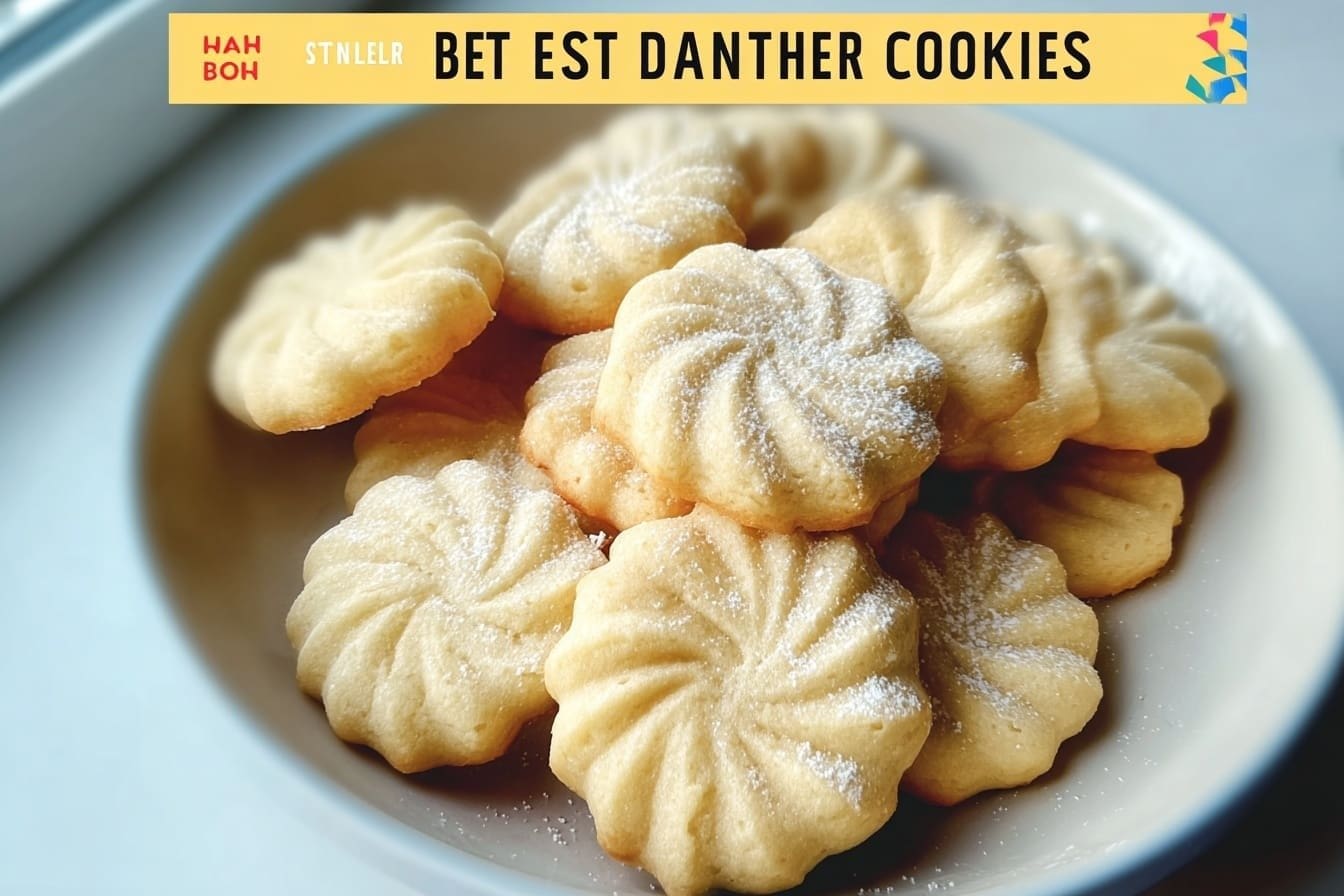
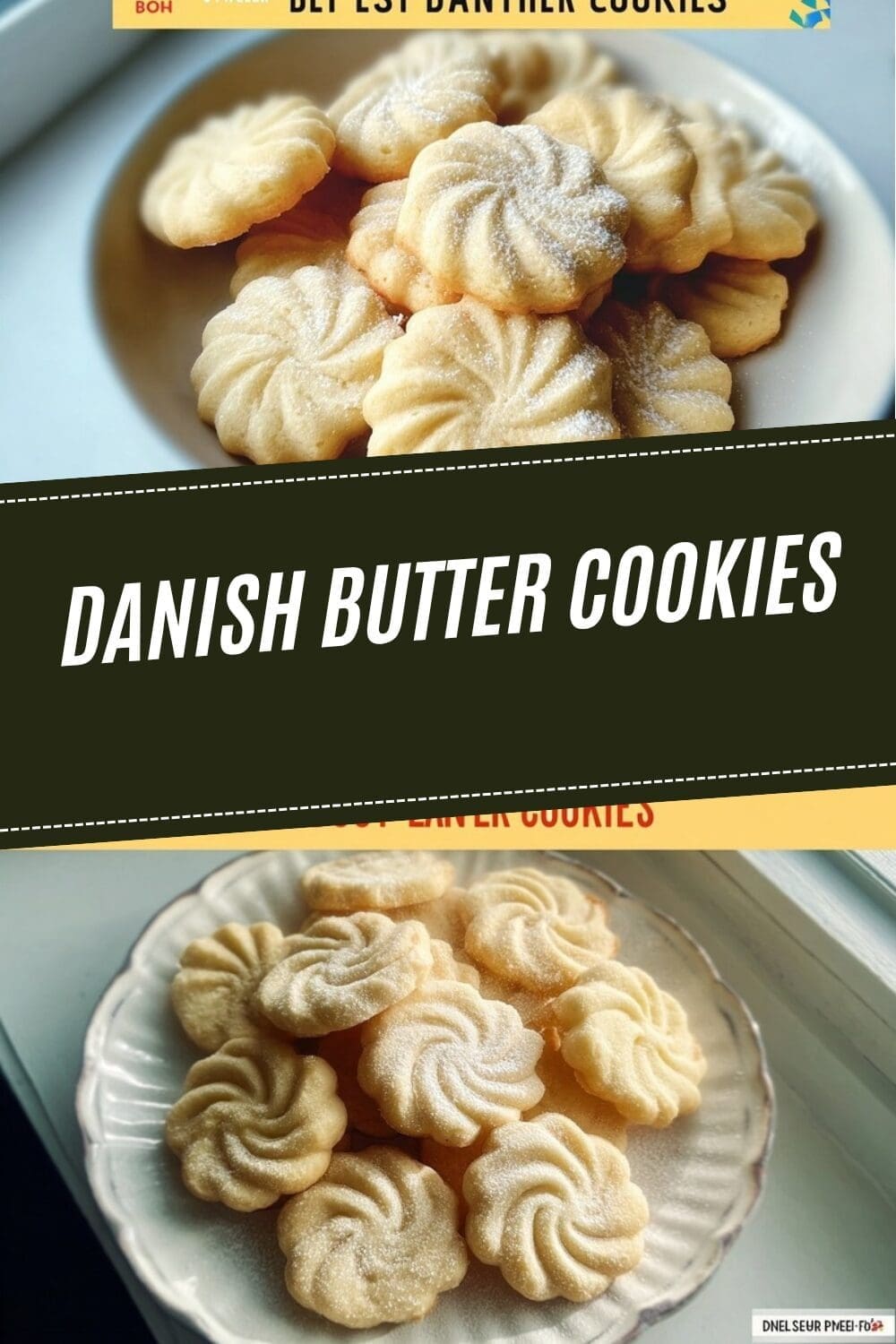
Transfer the dough to a decorating bag fitted with a large open star tip. Pipe the dough into 2-inch circles on the prepared baking sheets. Try to keep the shapes even so the cookies bake at the same pace. After piping, sprinkle the tops lightly with granulated sugar for that classic sparkle.
Fifth Step: Bake one pan at a time
Bake one pan at a time for 15 to 17 minutes, or until the edges and tops are light golden brown. The cookies should look set but not dark. If they brown too much, they can lose that delicate, crisp texture that makes Danish butter cookies homemade treat versions so special.
Keep an eye on the first batch, because oven temperatures can vary. If your cookies are on the smaller side, they may be ready closer to 15 minutes. If they are a little thicker, they may need the full 17 minutes.
Final Step: Cool completely
Let the cookies cool completely on the baking sheet before moving them. They will be fragile while warm, but they firm up as they cool. Once cooled, they are ready to serve, package, or store. Total preparation time is 30 minutes, cook time is 15 minutes, and total time is 45 minutes.
If you enjoy easy bakes that work well for sharing, you may also like these homemade donut holes for another crowd-pleasing treat.
Dietary Substitutions to Customize Your Danish Butter Cookies
Protein and Main Component Alternatives
These cookies are already fairly simple, but you can still make a few swaps based on what you need. For a dairy-free version, use a plant-based butter that behaves well in baking. Pick one that comes in stick form for the best texture, since very soft tub-style spreads can make the dough too loose.
If you need an egg-free version, use a flax egg or a commercial egg replacer. The cookies may spread a bit more, but they can still give you a nice crisp edge. For a gluten-free version, use a trusted 1:1 baking flour blend. You may need to chill the dough briefly if it feels too soft to pipe.
Vegetable, Sauce, and Seasoning Modifications
Even though these cookies do not use vegetables or sauce, you can still change the flavor in fun ways. Swap vanilla extract for vanilla bean paste, or add a touch of almond extract for a more bakery-style taste. Some bakers like to press a little coarse sugar on top before baking for extra crunch.
For a festive spin, you can tint a small portion of the dough with natural food coloring and pipe different shapes for holidays. If you are baking for a mixed crowd, keep one batch classic and make a second batch with lemon zest or almond flavor so there is something for everyone.
Small changes can make these cookies feel new while still keeping that familiar buttery bite.
Mastering Danish Butter Cookies: Advanced Tips and Variations
Once you have made these a few times, a few small tricks can help you get even better results. The biggest thing is to start with good butter. Since butter is the main flavor in a recipe like this, using a high-quality one makes a real difference in taste and texture.
Pro cooking techniques
- Beat the butter and sugar until light and fluffy for a smoother dough.
- Use a large open star piping tip or a cookie press to create those classic bakery-style shapes.
- Bake one sheet at a time so the cookies brown evenly.
- Cool the cookies fully before moving them so they keep their shape.
Flavor variations
Try vanilla bean paste for a richer vanilla note. You can also add a little almond extract if you want a more traditional Danish-style flavor. For a more delicate finish, leave the cookies plain. For a more festive look, sprinkle with colored sanding sugar before baking.
Presentation tips
These cookies look lovely stacked in a tin, arranged on a platter, or tucked into clear treat bags with ribbon. They are a wonderful choice for holiday cookie trays, potlucks, bridal showers, and church gatherings. If you like making desserts that travel well, you may also enjoy these lemon bars for another shareable dessert idea.
Make-ahead options
You can make the dough a day in advance and keep it covered in the refrigerator. Let it soften slightly before piping if it becomes too firm. You can also pipe the cookies ahead of time, freeze the unbaked shapes, and bake them later from frozen with a minute or two added to the bake time.
For readers who like lighter cookie ideas, this helpful guide from Verywell Fit offers more context on choosing cookie portions and ingredients with balance in mind.
How to Store Danish Butter Cookies: Best Practices
These cookies store very well, which is one reason they are such a favorite for gifting and batch baking. The key is to keep moisture away so they stay crisp.
Refrigeration
Refrigeration is not usually needed for baked cookies, but it can help with dough if you want to bake later. Place the dough in an airtight container and chill it for up to 24 hours. If the cookies are already baked, room-temperature storage is better than the fridge, since cold air can make them lose their crisp texture.
Freezing
Store baked cookies in an airtight container at room temperature for up to 1 week, or freeze them for up to 3 months. If freezing, let them cool completely first, then place them in a freezer-safe bag or container with parchment between layers. You can also freeze the shaped unbaked cookies and bake them straight from frozen.
Reheating
These cookies are best served at room temperature, so they usually do not need reheating. If they soften a bit, you can place them in a low oven for a few minutes to bring back some crispness. Just keep a close watch so they do not brown too much.
Meal prep considerations
For make-ahead baking, bake a full batch, cool completely, and portion them into containers right away. This keeps them fresh for lunches, gift boxes, or dessert trays. A batch like this is great for planning ahead during busy weeks, especially when you want something homemade without extra stress.
FAQs: Frequently Asked Questions About Danish Butter Cookies
What are Danish butter cookies?
Danish butter cookies are crisp, shortbread-style treats made primarily from butter, sugar, flour, and eggs. They’re famous for their rich, melt-in-your-mouth texture and subtle vanilla or almond flavor. Often sold in iconic blue tins by brands like Royal Dansk, they come in shapes like pretzels, windmills, and ribbons. Originating from Denmark, these cookies highlight high-quality European butter, giving them a golden color and pure taste without artificial additives. Perfect for tea time or gifting, a standard tin contains about 1 pound of cookies with 4-5 varieties. They’re shelf-stable for months when unopened, making them a popular export worldwide.
How do Danish butter cookies differ from shortbread?
Danish butter cookies and shortbread both use a high butter-to-flour ratio for tenderness, but Danish versions are lighter and crisper due to added eggs and a specific piping technique that creates airy shapes. Shortbread is denser, often cut into wedges or fingers, and relies solely on butter, sugar, and flour without eggs. Danish cookies incorporate a touch of vanilla or nuts for flavor depth, baked at precise temperatures for extra snap. While shortbread crumbles softly, Danish ones shatter cleanly. Nutritionally similar—around 50-60 calories per cookie—Danish treats emphasize visual appeal with molded designs, ideal for holidays.
Can you make Danish butter cookies at home?
Yes, replicate Danish butter cookies easily with this simple recipe for 40 cookies: Cream 1 cup softened unsalted butter with ½ cup powdered sugar and 1 tsp vanilla. Mix in 2 cups flour and ¼ tsp salt to form dough. Pipe 2-inch shapes onto parchment-lined sheets using a pastry bag with a star tip. Bake at 350°F for 12-15 minutes until edges are golden. Cool completely for crispness. Tips: Use European-style butter (82% fat) for authenticity, chill dough 30 minutes to hold shapes, and store airtight up to 2 weeks. Experiment with almond extract for variety. Total time: 45 minutes.
How long do Danish butter cookies last?
Unopened tins of Danish butter cookies stay fresh for 6-12 months in a cool, dry pantry, thanks to low moisture and natural preservatives like butter’s fats. Once opened, consume within 1-2 months or freeze portions for up to 6 months—thaw at room temperature to restore crispness. Signs of spoilage include rancid smell, soft texture, or mold. For homemade versions, they last 2-3 weeks in an airtight container at room temp or 2 months frozen. Keep away from humidity; a slice of bread in the tin absorbs excess moisture and extends shelf life by a week. Always check dates on packaging.
Are Danish butter cookies gluten-free?
Traditional Danish butter cookies contain wheat flour, so they’re not gluten-free and unsuitable for celiacs. Each serving has about 7-10g carbs from gluten. For gluten-free options, swap with a 1:1 gluten-free flour blend like rice or almond flour, adding ½ tsp xanthan gum for structure. Brands like Schar offer gluten-free versions mimicking the originals. Verify labels, as some include barley malt. If baking at home, test small batches—gluten-free dough may need extra chilling. Pair with gluten-free coffee or tea for safe snacking. Consult a doctor for allergies; they’re nut-free in classic recipes but low-FODMAP friendly.
Danish Butter Cookies
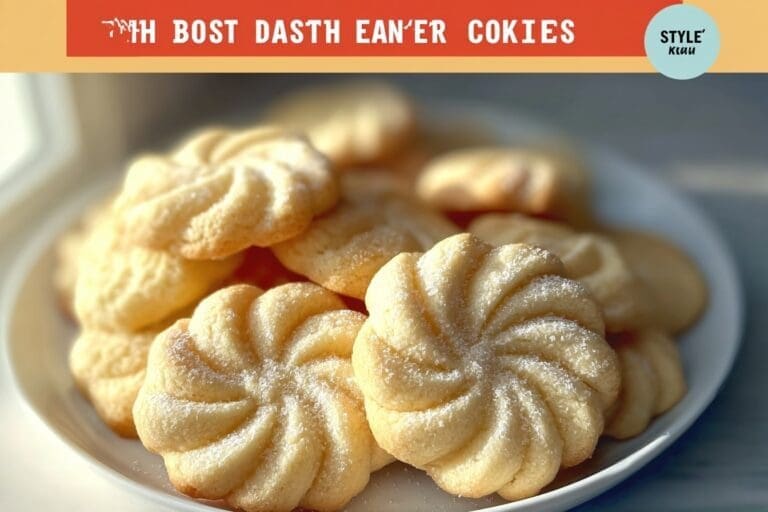
🍪 Indulge in authentic Danish butter cookies with melt-in-your-mouth texture and rich, buttery flavor that evokes holiday traditions.
🧈 Easy to pipe at home for elegant, crisp treats perfect for gifting, tea time, or festive gatherings.
- Total Time: 45 minutes
- Yield: 36 cookies
Ingredients
– 1 cup unsalted butter at room temperature
– 1/2 cup granulated sugar
– 1/4 teaspoon salt
– 1 1/2 teaspoons vanilla extract
– 1 egg
– 2 cups all-purpose flour
– Granulated sugar for sprinkling
Instructions
1-First Step: Prep the oven and pans Preheat the oven to 350 degrees F. Line two baking sheets with parchment paper or silicone baking mats. This helps the cookies bake evenly and makes cleanup much easier. Since these cookies spread a little as they bake, give each one a bit of room on the pan.
2-Second Step: Cream the butter and sugar Place the room-temperature butter and granulated sugar in a large mixing bowl. Beat them together until the mixture looks fluffy and well combined. This step builds the base for your classic homemade Danish butter cookies, so take a minute or two here and do not rush it. Once the butter and sugar are light, add the salt, vanilla extract, and egg. Beat again until everything is mixed well. The dough should look smooth and creamy at this point.
3-Third Step: Add the flour Gradually add the flour and stir until the dough comes together. It may look a little stiff, but that is exactly what you want. Because these are piped cookies, the dough needs to be firm enough to hold its shape while still soft enough to pass through a decorating bag. If the dough feels too hard to pipe, let it sit for a few minutes at room temperature. A little patience here can save you a lot of frustration.
4-Fourth Step: Pipe the cookies Transfer the dough to a decorating bag fitted with a large open star tip. Pipe the dough into 2-inch circles on the prepared baking sheets. Try to keep the shapes even so the cookies bake at the same pace. After piping, sprinkle the tops lightly with granulated sugar for that classic sparkle.
5-Fifth Step: Bake one pan at a time Bake one pan at a time for 15 to 17 minutes, or until the edges and tops are light golden brown. The cookies should look set but not dark. If they brown too much, they can lose that delicate, crisp texture that makes Danish butter cookies homemade treat versions so special. Keep an eye on the first batch, because oven temperatures can vary. If your cookies are on the smaller side, they may be ready closer to 15 minutes. If they are a little thicker, they may need the full 17 minutes.
6-Final Step: Cool completely Let the cookies cool completely on the baking sheet before moving them. They will be fragile while warm, but they firm up as they cool. Once cooled, they are ready to serve, package, or store. Total preparation time is 30 minutes, cook time is 15 minutes, and total time is 45 minutes.
Last Step:
Please leave a rating and comment letting us know how you liked this recipe! This helps our business to thrive and continue providing free, high-quality recipes for you.Notes
🧈 Use high-quality unsalted butter for the richest, most authentic flavor.
⭐ Fit a large open star piping tip or cookie press for perfect classic shapes.
❄️ Cool cookies completely on the pan before storing to maintain crispness.
- Prep Time: 30 minutes
- Cook Time: 15 minutes
- Category: Dessert
- Method: Baking
- Cuisine: Danish
- Diet: Vegetarian
Nutrition
- Serving Size: 1 cookie
- Calories: 83 kcal
- Sugar: 2g
- Sodium: 18mg
- Fat: 5g
- Saturated Fat: 3g
- Unsaturated Fat: 2g
- Trans Fat: 0g
- Carbohydrates: 8g
- Fiber: 0g
- Protein: 1g
- Cholesterol: 18mg


